Generators
Genmax vs Predator vs Honda: 2000-Watt Inverter Generator Showdown
We put three 2000-watt inverter generators through noise, power quality, fuel efficiency, and engine wear tests to see whether a $370 model can match a $1,200 Honda.
Introduction
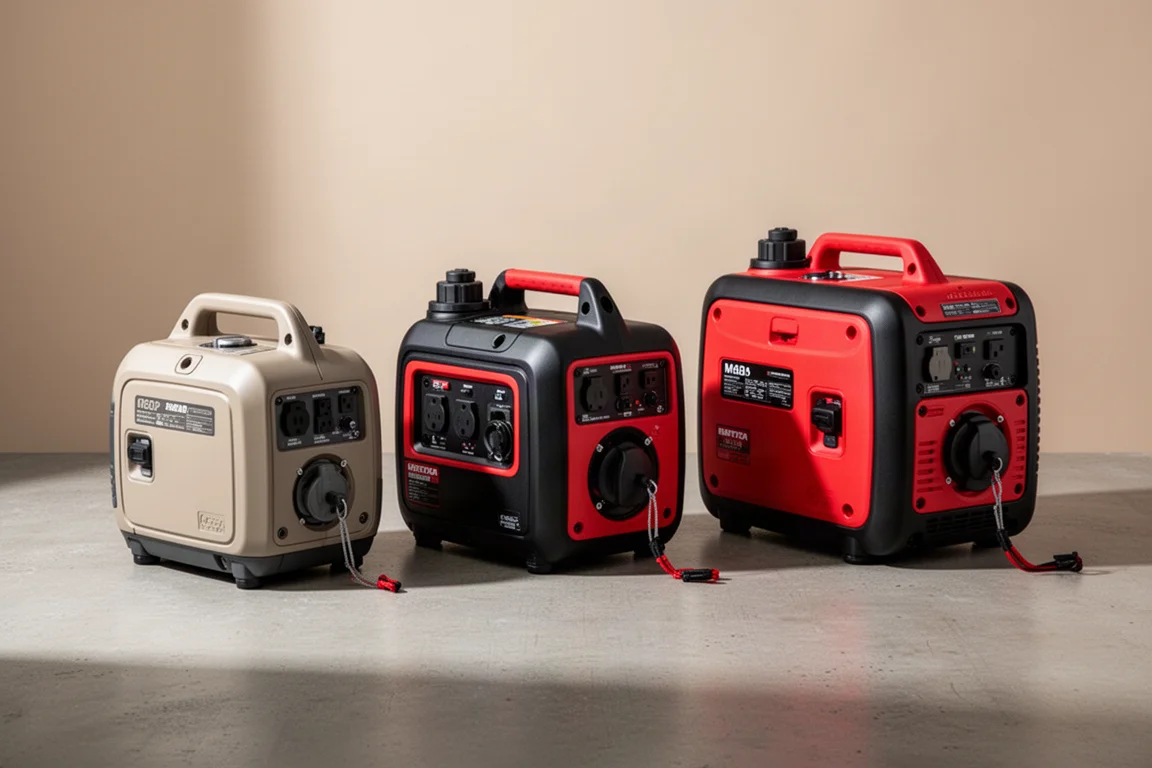
Nothing runs like a Honda, the old saying goes. But can a $370 generator actually outperform a Honda that costs over $1,200? We put three 2000-watt class inverter generators head to head: the Genmax 2200-watt, the Harbor Freight Predator 2000, and the Honda 2200-watt. The tests covered noise, power quality, voltage stability, fuel efficiency, starting effort, and even lab-based oil analysis to see which engine wore the most.
All three are rated in the 2000-watt range and all three produce pure sine wave electricity, but the details are where the differences show up.
Genmax 2200-Watt Inverter Generator
At $370, the Genmax is the budget pick of the group, and it makes a strong first impression. Packaging and padding for transport are excellent. It delivers 2200 starting watts and 1800 continuous watts from a 79.7cc four-stroke overhead valve engine, offers pure sine wave output, and shuts down if it senses harmful carbon monoxide levels.
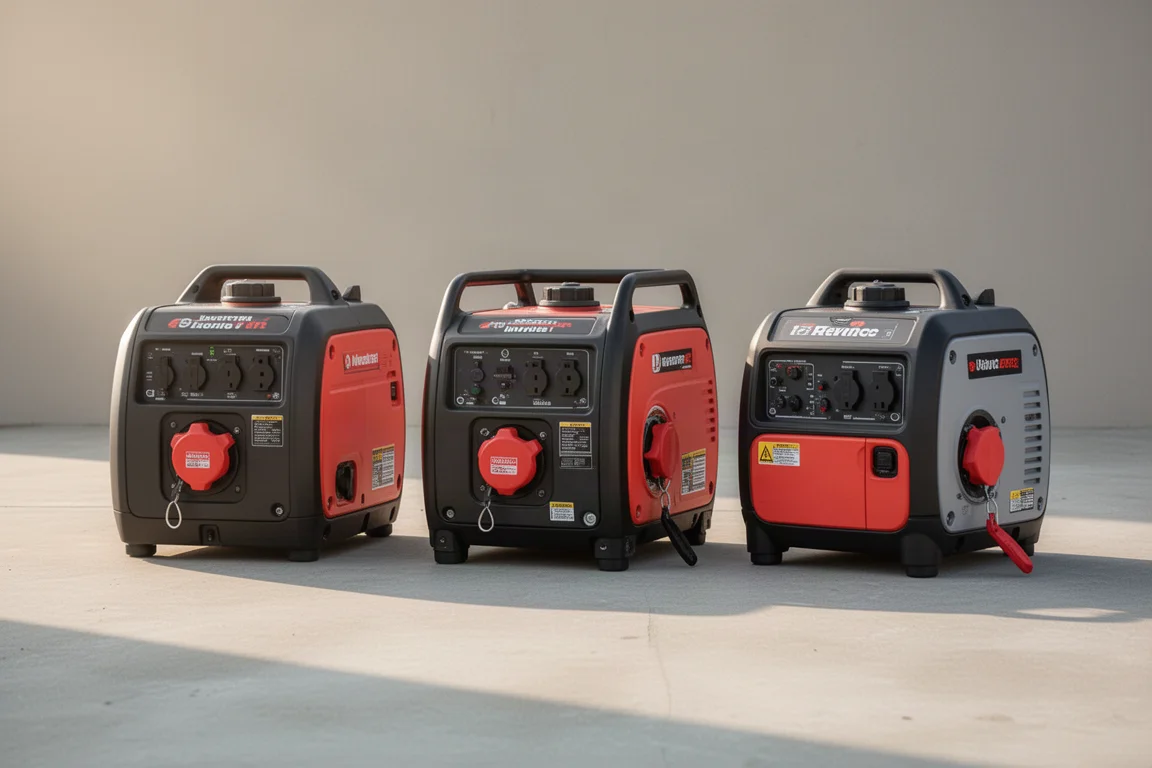
Serviceability is a highlight: small access panels are held by a wing nut, the oil fill and drain port are easy to reach, and the foam air filter is properly sealed. It has two 120-volt outlets plus two USB ports, parallel operation capability (cable sold separately), and an efficiency mode that drops engine RPM under light loads to save fuel. Without gas or oil it weighs 41.75 lb, the lightest of the three. One factory quirk: the spark plug gap was off by 6 thousandths of an inch out of the box and needed adjustment.
Predator 2000 Inverter Generator (Harbor Freight)
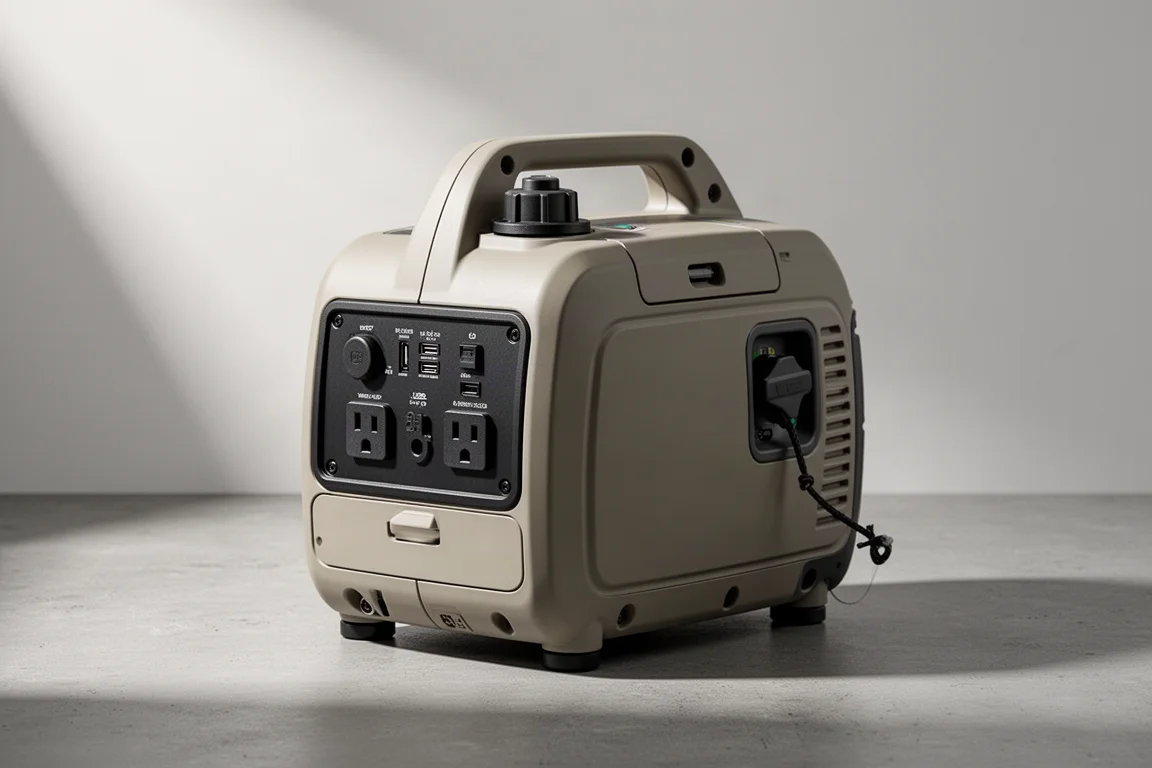
At $570, the Predator sits between the other two on price. It offers 2000 max starting watts and 1600 max running watts from a 79cc engine, with a spark arrester, vented fuel cap with strainer, parallel capability, a 12-volt charging port, and two 120-volt outlets.
It is well packaged, but the access panel for the oil fill and air filter requires removing three screws, which is less user-friendly than the Genmax’s wing nut. The spark plug arrived with the proper gap, and the unit weighs close to 47.5 lb. Under load the Predator produced about 62.5 decibels in the noise test, roughly 2 decibels quieter than the Genmax.
Honda 2200-Watt Inverter Generator
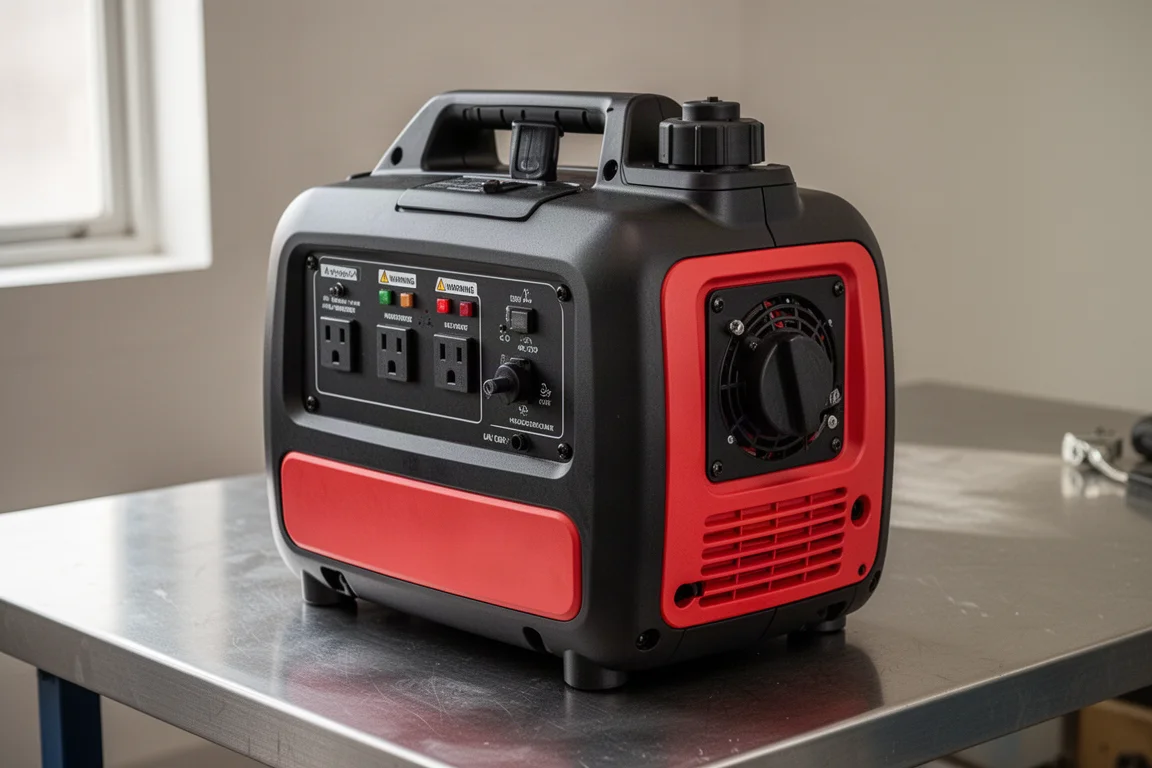
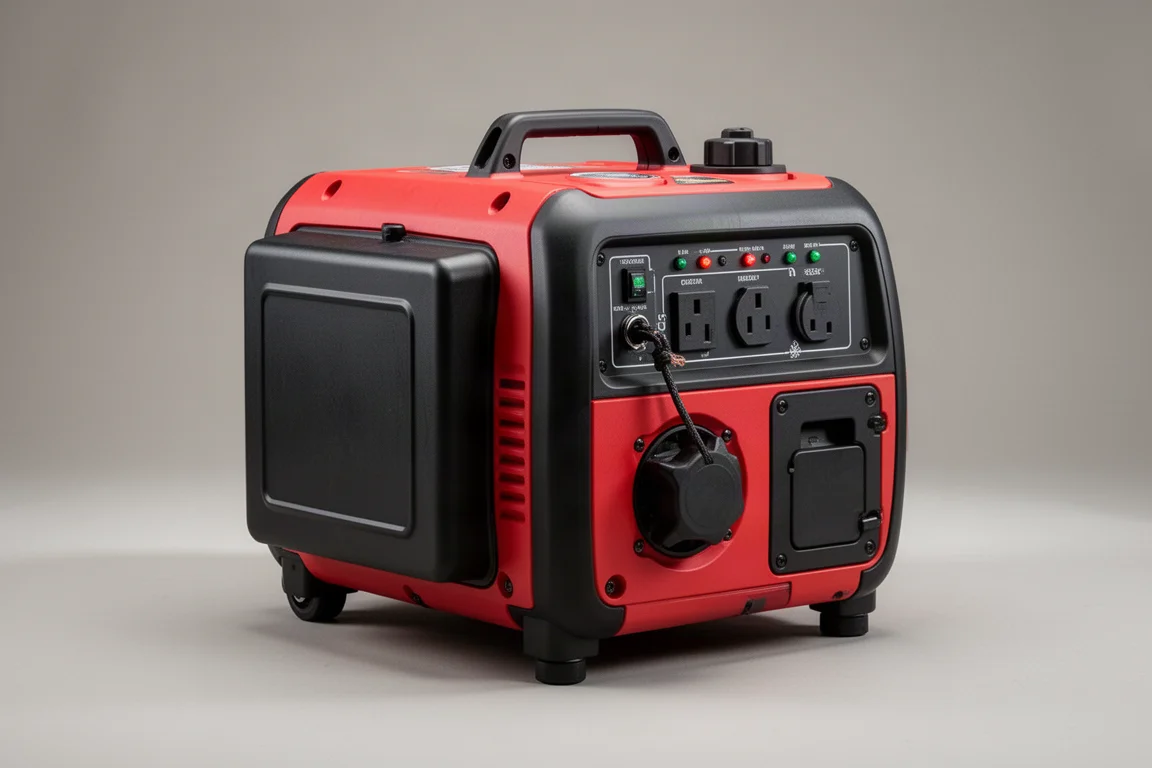
Priced between $1,200 and $1,400, the Honda is the premium option, and its engineering shows. It is rated for 2200 starting watts and 1800 continuous, but uses a larger 121cc engine that Honda says is designed for commercial use. It has a carbon monoxide alarm with automatic shutdown, a larger air filter, a larger oil fill port, an NGK spark plug properly gapped at 26 thousandths of an inch, and a companion phone app showing total hours, oil life, and energy demand.
It took four brisk pulls to start cold and required 24 kg (52.9 lb) of peak starter rope force, the highest of the three. It weighs 47.14 lb without fuel and oil, and holds 14 oz of oil compared to about 10 oz for the other two.
Voltage Stability: Which Protects Your Appliances?
Voltage drop under load can shorten the life of appliances and power tools, so this matters. Using a space heater on the highest setting, the Genmax started at 123.8 volts in eco mode but dropped to 99 volts and needed 6 seconds to recover. With eco mode off, it dropped to 116.3 volts with a 5-second recovery.
The Predator dropped to 97.9 volts in eco mode but recovered in just 3.44 seconds; with eco off it held 117.2 volts and recovered in 3 seconds.
The Honda was the clear winner. In eco mode it dropped only to 111.7 volts and recovered in 2.77 seconds, and it held 121.8 volts under load. With eco mode off, the voltage never dropped below 120 volts, meaning zero recovery time. The Predator and Genmax performed close to each other here.
Power Quality: Protecting Your Electronics
To see whether these inverter generators are actually worth their price, the outputs were compared against cheap conventional generators on an oscilloscope. A $125 Harbor Freight Tailgater produced visibly jagged, dirty electricity, and even the larger Predator 4000 conventional generator showed an erratic, inconsistent waveform under load.
All three inverter generators, by contrast, produced clean pure sine wave electricity that stayed clean even under heavy load. If you plan to power sensitive electronics, an inverter design genuinely earns its price premium over a conventional generator.
Noise Test Results
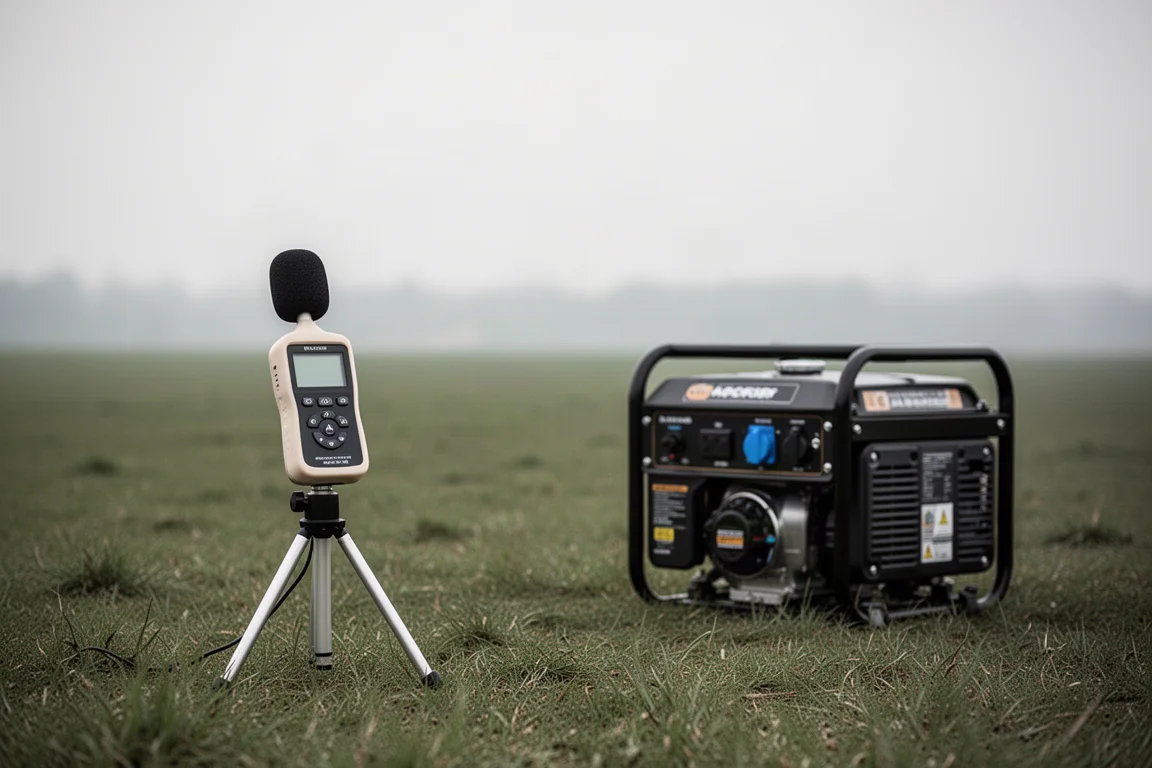
Tested in a very quiet location from 25 feet with a sound meter (ambient noise in the mid-30s decibels), the differences were meaningful. In eco mode with no load, the Honda was quietest at 50.2 decibels, with the Predator at 51.5 and the Genmax at 52.
Under load, averaged across all directions, the Honda finished at 58.9 decibels, the Predator at 61.6, and the Genmax at 64.8. For reference, the Predator 4000 conventional generator hit 71.8 decibels. Muffler design plays a big role here: the Honda’s muffler is the largest at roughly 6 inches wide by 9 inches tall.
Fuel Efficiency Testing
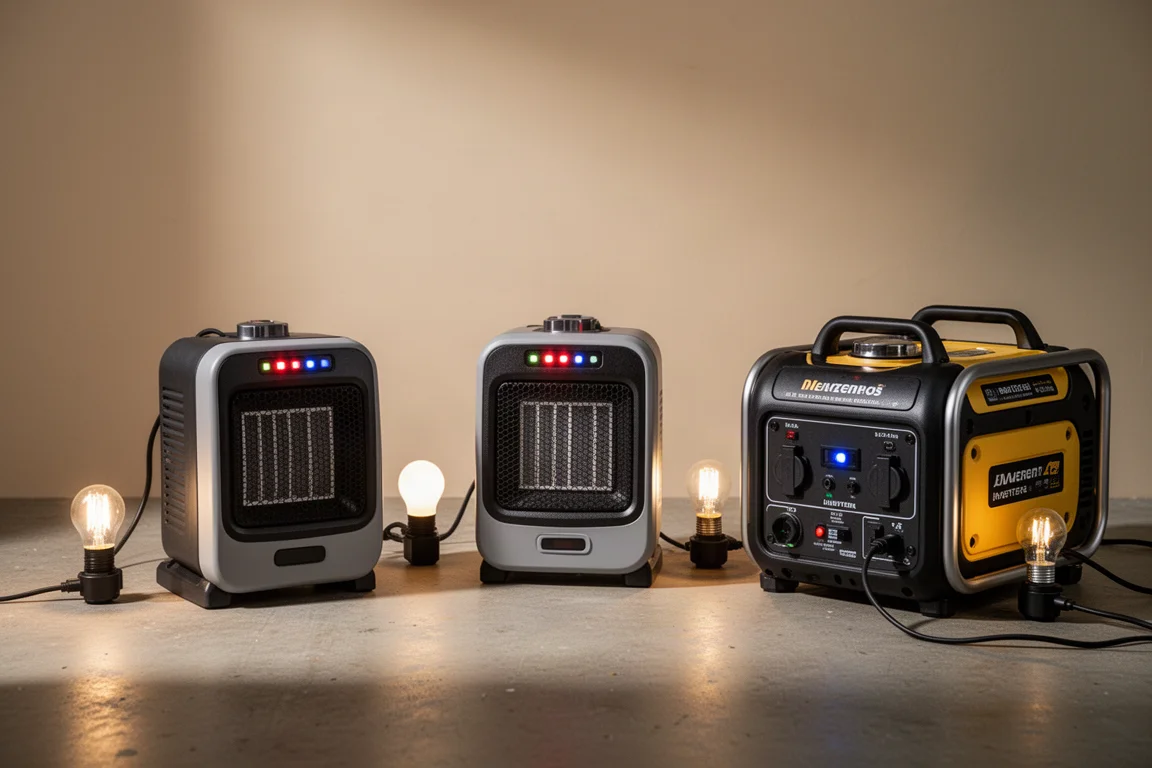
With three space heaters drawing about 1500 watts each on a fixed 16 oz fuel allowance, the results under heavy load were surprising. The Predator tripped its overload light and shut down at 12 minutes 45 seconds. The Genmax ran just under 19 minutes before shutting down, apparently from overheating and vapor lock. The Honda lasted just over 32 minutes, the best result under that heavy load.
With eco mode off and a 500-watt halogen load, the tables turned: the Predator ran just over 55 minutes, outlasting the Genmax at almost 51 minutes and the Honda at about 43 minutes. With eco mode on, all three were competitive, with the Predator on top at 62.5 minutes, the Genmax at just over 61, and the Honda at 61 minutes. Economy mode saved all three generators a significant amount of fuel.
Starting Effort and Vibration
Measured with a force gauge over three starter rope pulls, the Genmax was easiest at 8.5 kg (18.7 lb) of peak force, the Predator close behind at 12.5 kg (27.5 lb), and the Honda hardest at 24 kg (52.9 lb), roughly twice the effort. For comparison, the small Tailgater takes 28 kg and the Predator 4000 takes 19.5 kg thanks to its compression release.
On vibration, the Honda was smoothest at around 9 m/s², the Genmax at 11.55, and the Predator at 16.65. All three performed well.
Engine Wear: Oil Analysis Results
After close to 96 hours on the current oil, samples were sent to a lab. The results favored the Honda: it had the lowest levels of aluminum (a key engine wear indicator) and iron in the oil. The Genmax had the highest aluminum content, while the Predator had the most iron.
The Predator also burned oil: it shut down on low oil around the 49-hour mark and needed a top-up, and its spark plug showed noticeable carbon deposits. The Honda and Genmax spark plugs still looked clean, and neither lost oil. All three specify 100-hour oil change intervals.
Which Generator Should You Buy?
If you want the best overall performance and can justify the price, the Honda wins the showdown: quietest, most stable voltage, least engine wear, and no oil consumption. If budget is the priority, the Genmax delivers pure sine wave power, the easiest starting, and the lightest weight for $370, but expect more noise, more voltage drop, and the highest measured engine wear. The Predator is a reasonable middle ground, with faster voltage recovery than the Genmax, strong eco-mode fuel efficiency, and better under-load noise, but it burned oil in testing and tripped early under a sustained heavy load.

Conclusion
The Honda earned its premium as the best performer in nearly every category, but the Genmax proves a budget inverter generator can deliver clean pure sine wave power for sensitive electronics. Match your choice to what matters most: outright quality and longevity, or getting capable inverter power at the lowest price.
Further reading
Related Reviews
Generators
A-iVolt 10000-Watt Inverter Generator Review: Big Power, Surprisingly Quiet
A 10,000-watt starting / 8,000-watt running dual-fuel inverter generator with electric, pull, and remote start, GFCI outlets, and parallel capability.
Generators
Best 2300-Watt Inverter Generators: Quiet Power for Camping and Backup
A hands-on look at the Maxpeedingrods MXR 2300 alongside the Honda EU2200i and Pulsar G2319N, with honest notes on price, noise, and features.
Generators
Best Generators for Winter Storm Outages: 12 Options Worth a Look
From budget dual-fuel workhorses to quiet enclosed inverter generators and expandable power stations, here are twelve backup power options to consider before the next storm knocks out your grid.