Generators
A-iVolt 10000-Watt Inverter Generator Review: Big Power, Surprisingly Quiet
A 10,000-watt starting / 8,000-watt running dual-fuel inverter generator with electric, pull, and remote start, GFCI outlets, and parallel capability.
Introduction
When the seasons turn and winter starts bearing down, backup power stops being a nice-to-have. In places where cold arrives fast and stays hard, a dependable generator can be the difference between a cozy warm home and huddling under blankets. That is exactly the use case where the A-iVolt 10000-watt inverter generator makes its case: serious output, dual-fuel flexibility, and sound levels that genuinely surprise for a machine this size.
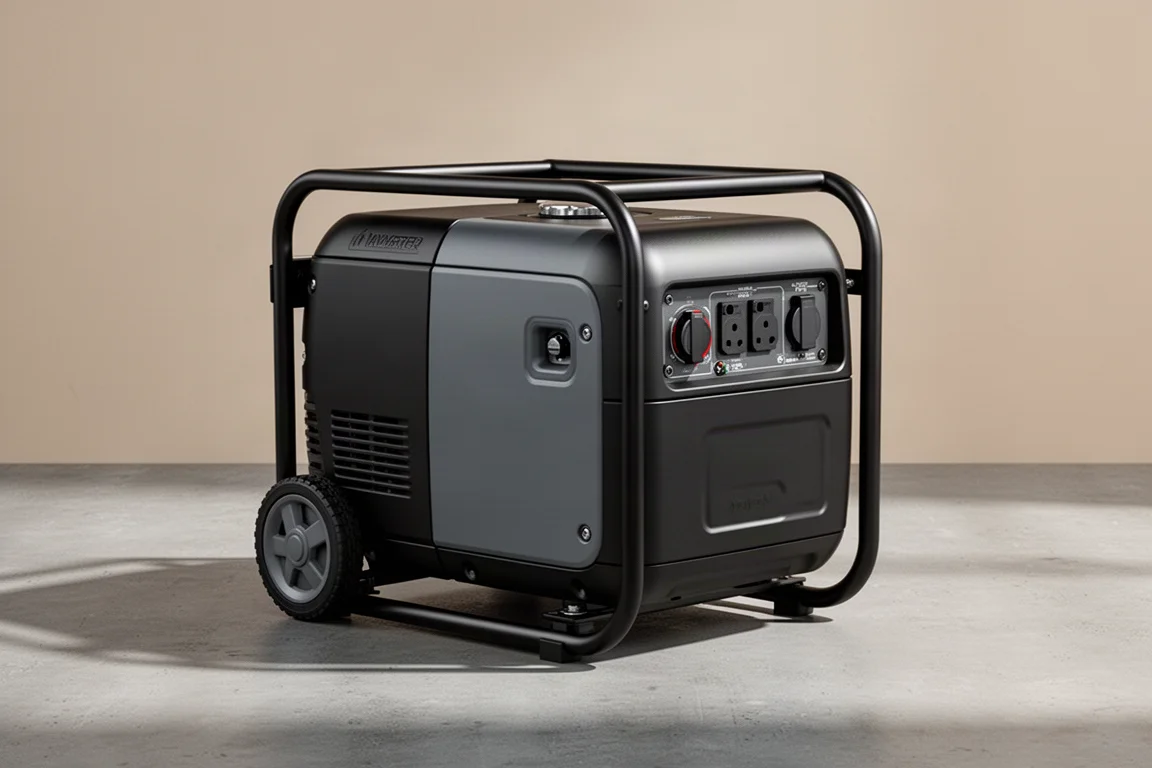
What the A-iVolt 10000-Watt Inverter Generator Is
This is a fully enclosed inverter generator in the roughly 9,000 to 10,000-watt class, rated at 10,000 watts starting and 8,000 watts running. That starting figure matters for anything with an electric motor: think of it like getting a boulder moving. The initial surge takes far more effort than keeping it rolling afterward. The 10,000-watt ceiling covers that startup surge for a short time, and everything combined has to settle below 8,000 watts for continuous running, which covers a lot of household load.
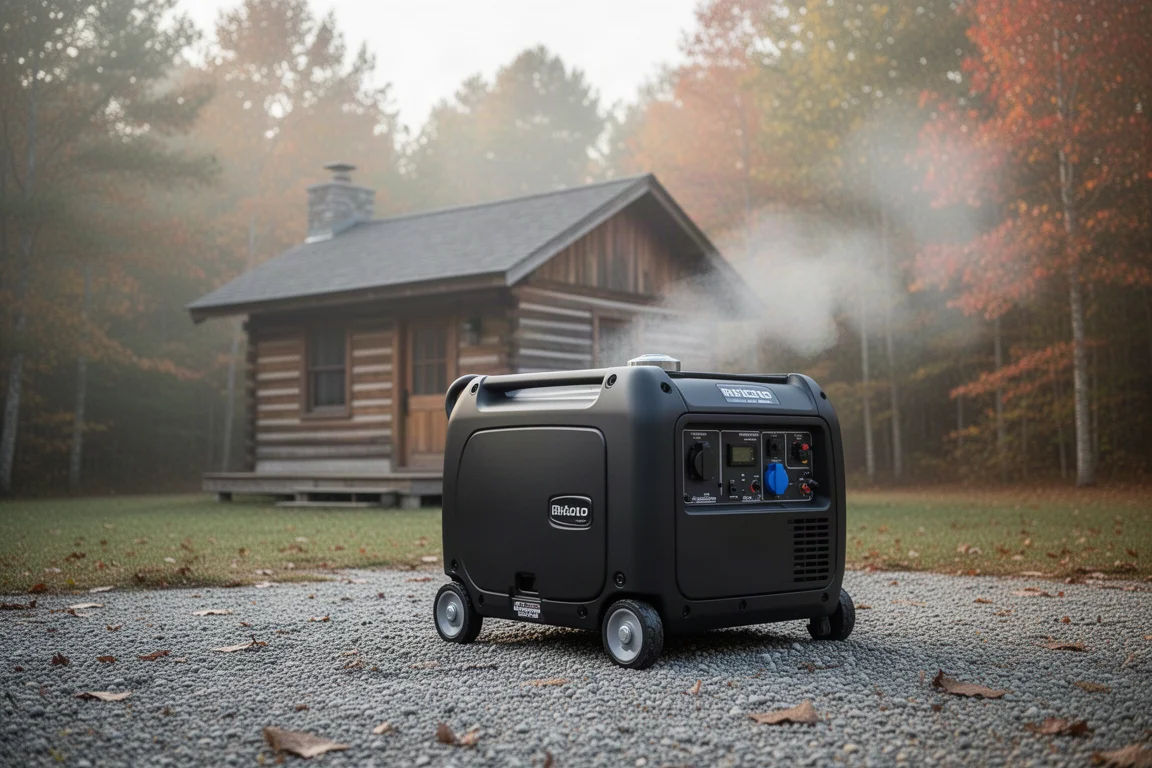
On propane, expect a small penalty: roughly 5 to 10 percent less output, with about 9,000 watts starting and 7,200 watts running. Propane simply does not have the same combustibility as gasoline. The trade-off is fuel flexibility, and dual-fuel capability is a common reason buyers pick this class of generator in the first place.
A-iVolt sells primarily through Amazon and is not a one-product company. The lineup spans small, medium, and large inverter generators, plus power banks, pressure washers, and some cordless equipment.
Inverter Benefits: Clean Power and Smart Throttle
Two things separate an inverter generator from a conventional one. First, the engine only works as hard as the load demands. If you are pulling little power, it idles down, which means less exhaust, less fuel used, and less sound, scaling up and down as needed. Second, it smooths the power into a clean sine wave, so delicate electronics like tablets, phones, and computers run safely without worry.
Sound: The Biggest Surprise
The fully enclosed body is the second layer of sound control, with foam baffling inside. It is a tidy package, and while many people assume the exhaust is where most of the noise comes from, the truth is that most of the sound from a generator comes from the engine and the overall assembly itself. Fully enclosing the whole contraption is where the real gains come from, and the results for a machine this big and this heavy are remarkable. Something this size running this quiet is genuinely impressive.
Control Panel and Outputs
The panel is well laid out. Starting options are generous: push-button electric start, a pull start backup, and even remote start with two included remote key fobs. Remote start may sound like a gimmick, but electric start quickly becomes something you never want to give up.
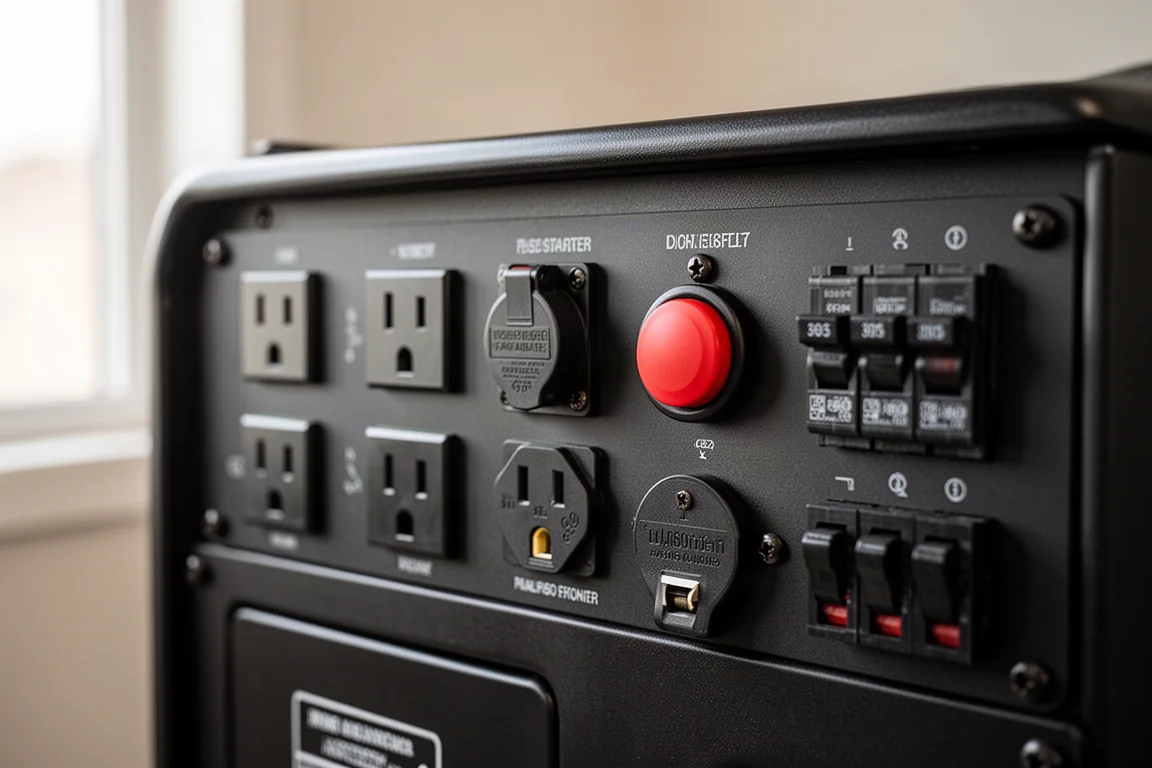
You get a fuel selection between gas and LPG, low and high idle modes, a main power switch, and a fuel valve with an LPG input. Parallel link terminals let you pair two of these units together for even more output. On the outlet side:
- Four 20-amp GFCI-protected household-style outlets, a step up from the standard 15-amp plugs
- A 30-amp four-pin twist-lock outlet that runs 120 or 240 volts, usable for a 30-amp RV with an inexpensive adapter
- A full 50-amp four-pin outlet, also switchable between 120 and 240 volts
- Dedicated circuit breakers for the 30-amp and 50-amp circuits, plus a 12-volt DC outlet with its own DC breaker
- A battery charging port and ATS connections
There is also carbon monoxide alert shutoff, now the industry standard across generator brands and a worthwhile safety feature given how many people have been hurt by exhaust in the wrong place. Best practice: flip the breakers off, plug everything in, then switch the breakers on so there is no power jump while connecting loads. A voltage selection indicator and a display showing run time and current draw round out the panel.
Setup and First Start
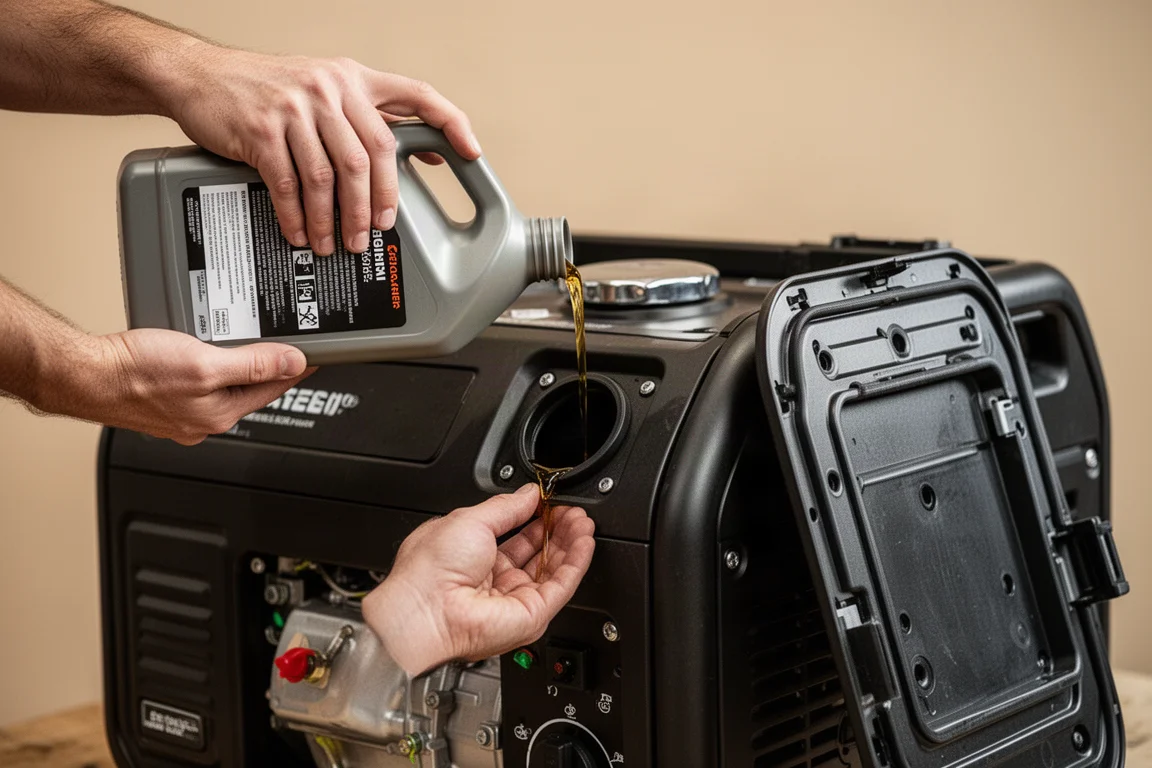
Setup is simple enough that a child could follow it. Remove both side panels with a twist lock at the bottom, add oil (the spec calls for 10W30, 1.1 quarts; a 5W30 substitute works fine if you expect real cold weather and want easy cold starts), and connect the battery terminals for electric start, which typically arrive unattached.
Fuel next, and avoid ethanol-heavy gasoline; the less ethanol in small engines, the longer they last. A five-gallon smart can works well for filling. Quick-start instructions are printed right above the panel so you never skip a step. Set low idle, make sure the red power button is on, confirm your fuel source, press the button, flip the breakers, and it runs.
Real-World Performance
The headline test: this unit ran a 24,000 BTU 240-volt mini split, both in cooling and in heating mode, without complaint. Running a full 240-volt mini split off a portable generator is exactly the kind of job that separates the big inverter units from the small ones, and it handled it like a champ.

For whole-home backup, keep expectations honest: 8,000 running watts covers a lot, but a very large house can push beyond it. Within its class, though, the combination of output, clean inverter power, and quiet operation is hard to argue with.
Buying Advice
If you need to run heavy 240-volt loads like a mini split, an RV, or a transfer switch, this class of generator makes sense, and the A-iVolt version stands out for its three start methods, GFCI-protected 20-amp outlets, parallel capability, and genuinely low noise for its size. Check the listing for available coupons before buying, as discounts have been offered on top of the listed price. If your needs are smaller, A-iVolt’s lineup includes medium and small inverter generators that may fit better and cost less.
Conclusion
The A-iVolt 10000-watt inverter generator delivers big dual-fuel output, clean inverter power for electronics, and a surprisingly quiet fully enclosed design. For anyone preparing for cold seasons or powering heavy loads off-grid, it is a strong contender worth a close look.
Product link
View more details for A-iVolt 10000-Watt Inverter Generator
This product is mentioned in the review. Check the specifications, options, and compatibility before buying.
View more details for A-iVolt 10000-Watt Inverter GeneratorFurther reading
Related Reviews
Generators
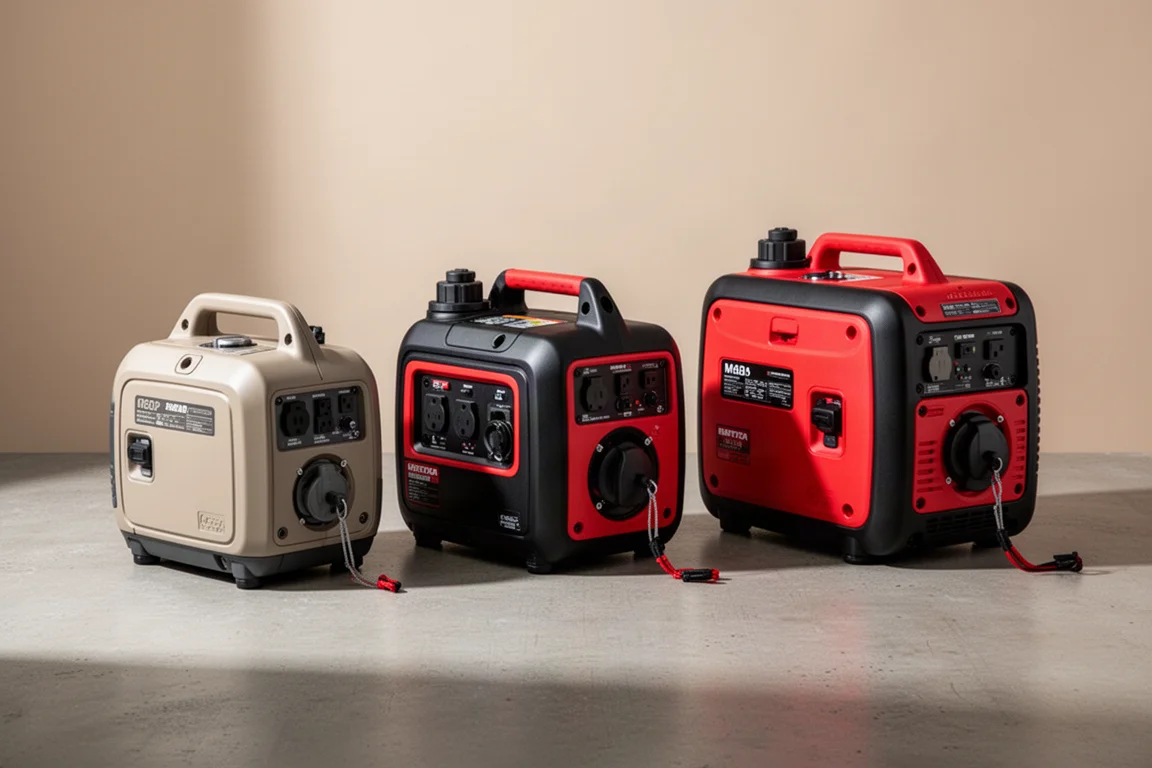
Genmax vs Predator vs Honda: 2000-Watt Inverter Generator Showdown
We put three 2000-watt inverter generators through noise, power quality, fuel efficiency, and engine wear tests to see whether a $370 model can match a $1,200 Honda.
Generators
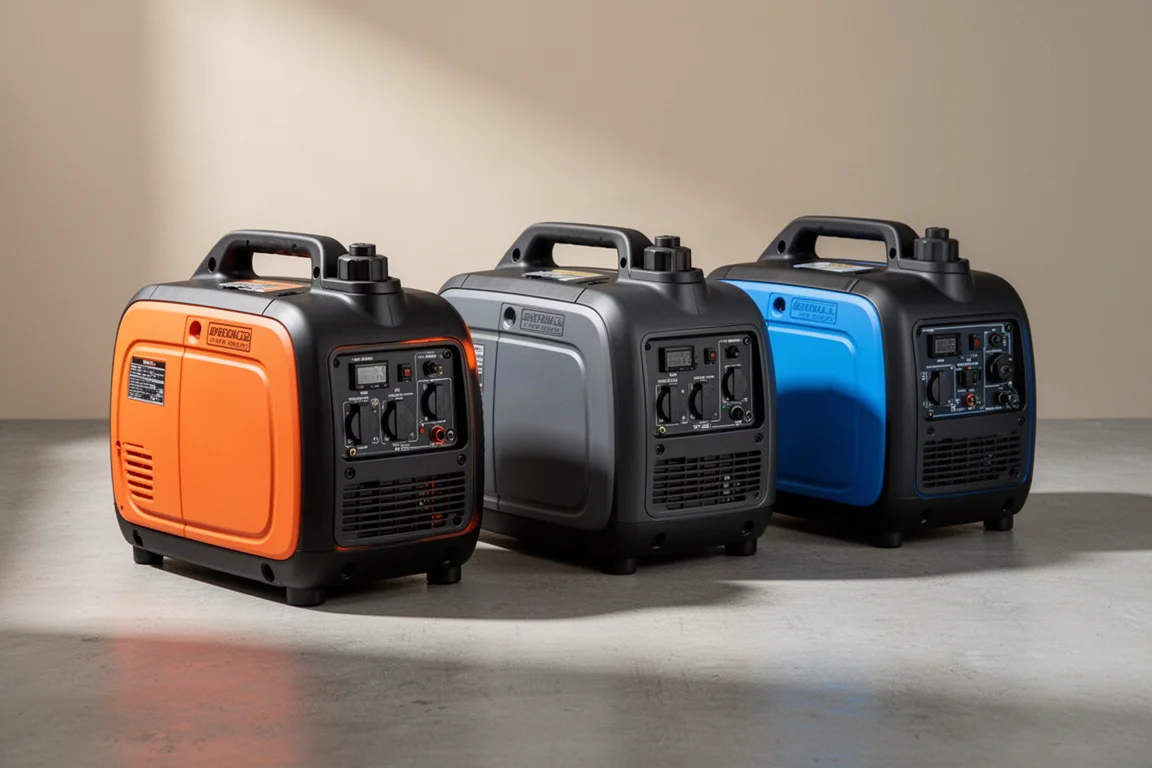
Best 2300-Watt Inverter Generators: Quiet Power for Camping and Backup
A hands-on look at the Maxpeedingrods MXR 2300 alongside the Honda EU2200i and Pulsar G2319N, with honest notes on price, noise, and features.
Generators
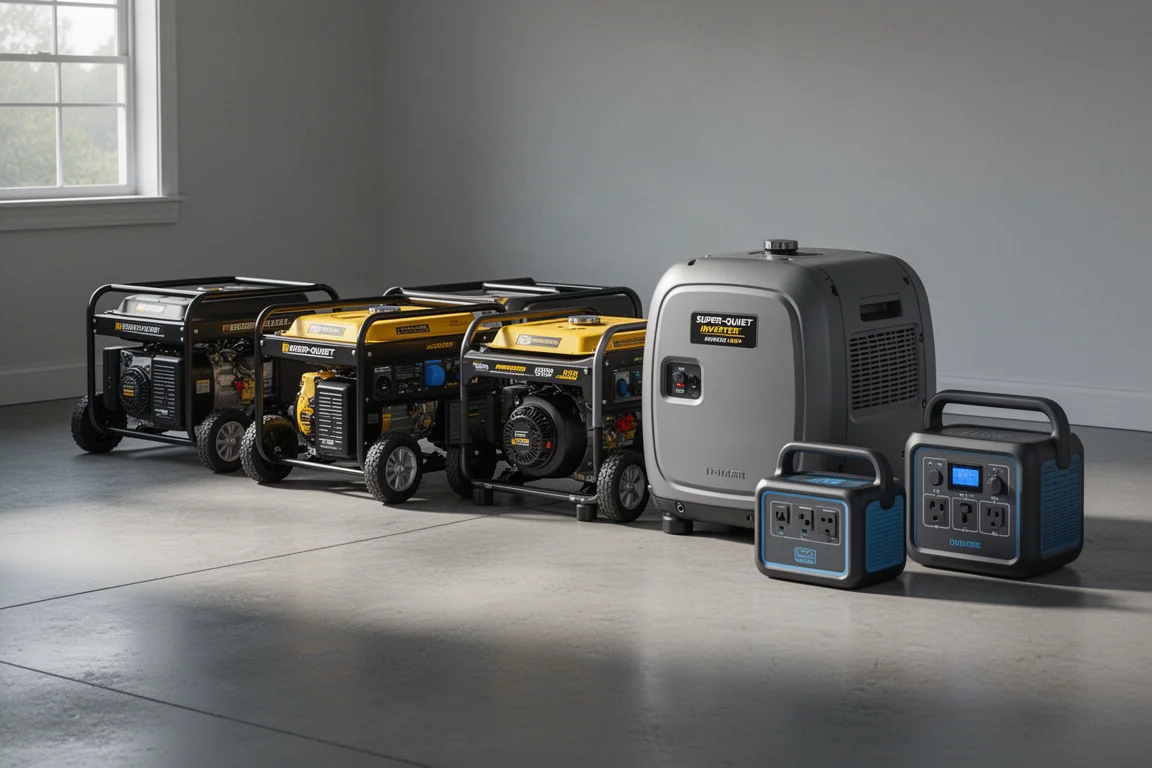
Best Generators for Winter Storm Outages: 12 Options Worth a Look
From budget dual-fuel workhorses to quiet enclosed inverter generators and expandable power stations, here are twelve backup power options to consider before the next storm knocks out your grid.