Generators
Predator Generators: Which One Fits Your Backup and Camping Needs
From the fully enclosed 9500 inverter to the compact 2000 and the tri-fuel 13000, a practical look at the Predator generator lineup and who each unit is really for.
Introduction
Portable generators tend to sell out fast when storm season or camping season ramps up, and the Predator lineup has built a reputation for offering a lot of capacity per dollar. The range now spans everything from whisper-quiet fully enclosed inverters to traditional open-frame workhorses, which makes choosing the right unit mostly a matter of matching capacity and noise tolerance to how you actually plan to use it.
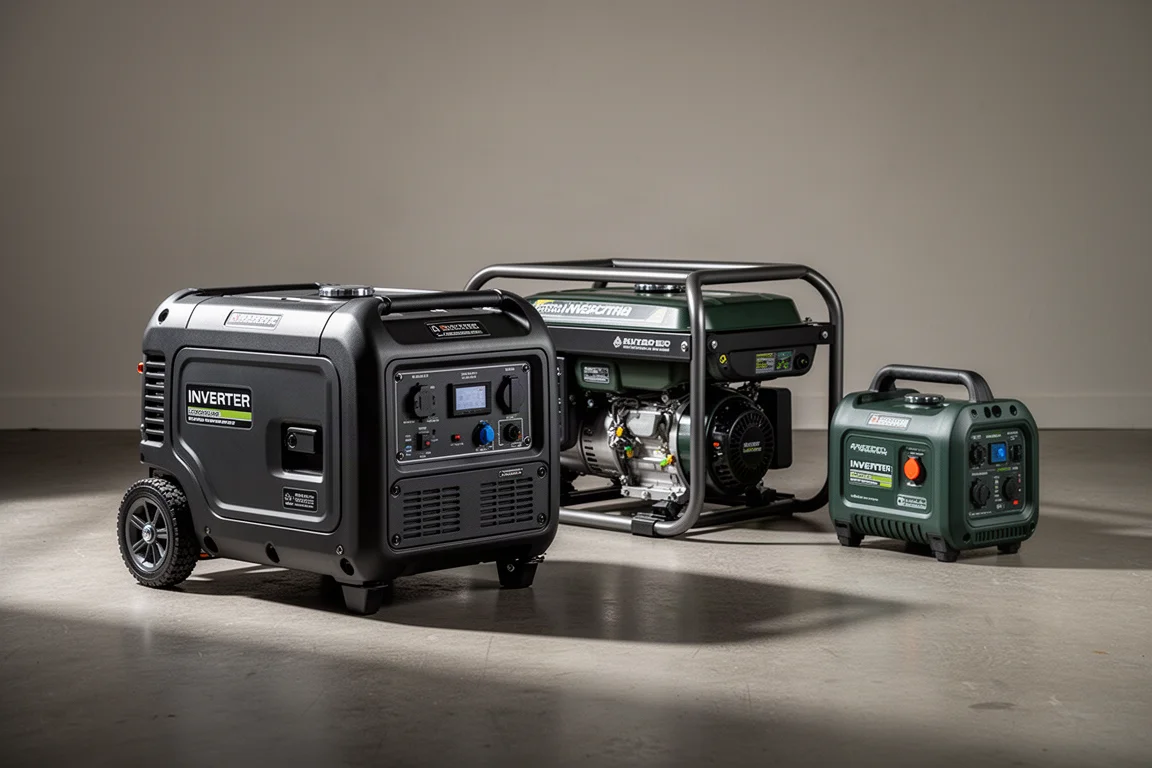
This guide breaks the lineup into the three classes that matter: fully enclosed inverter generators, open-frame conventional generators, and open-frame inverters. For each featured unit, we cover what it does well and where the trade-offs sit.
Three Classes of Generator, Explained
Before picking a model, it helps to understand the three categories in the lineup. Fully enclosed inverter generators are the quietest option, produce a pure sine wave for sensitive electronics, and include CO secure safety shutoff technology. They are the pick for campgrounds and neighborhoods where noise matters.
Open-frame conventional generators are the classic standby design: loud, not inverter-based, but offering the most watts for the money. Finally, open-frame inverters split the difference: they output clean pure sine wave power and throttle the engine down at partial loads to save fuel, but without the enclosure they are only quieter when running below full load.
One tip worth knowing if you shop this brand in store: units with an extended warranty may be eligible for a trade-in toward a newer model later, at manager’s discretion, with credit applied for what you paid minus the warranty. It is worth asking about if you think you might upgrade in a year or two.
Predator 9500 Inverter: The Flagship Fully Enclosed Unit
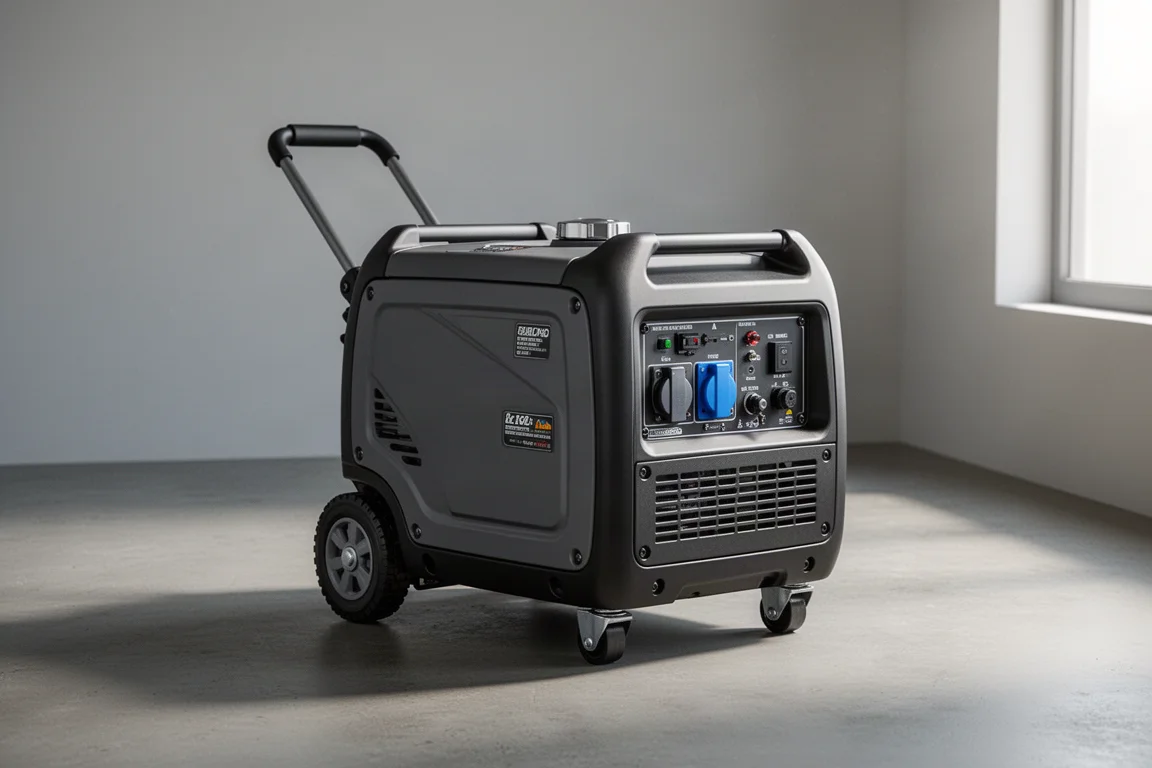
The 9500 sits at the top of the fully enclosed inverter line, with 9500 starting watts, CO secure technology, and a built-in wheel and handle kit. It is the unit to shortlist for whole-home backup on a budget, since it can shoulder the big loads that smaller inverters cannot. Owners consistently report it has been reliable in real outage conditions.
The trade-off is portability. It has wheels and handles, and you can move it, but few people enjoy doing so regularly. It is a leave-it-in-the-garage generator, not a throw-it-in-the-truck one. Pricing has been seen around $2,300, with promotional discounts bringing it closer to the $1,840 range.
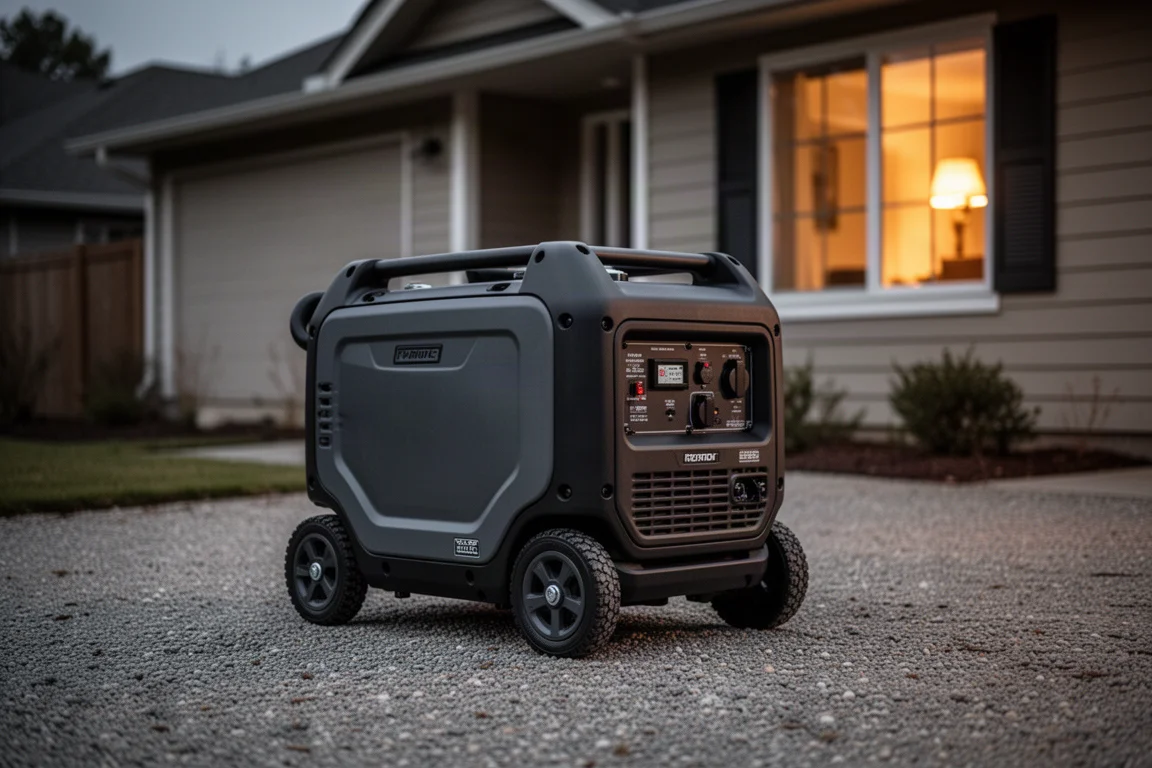
If quiet operation and high capacity are both non-negotiable, this is the unit in the lineup that delivers both, as long as you accept the size that comes with it.
Predator 5000 Inverter: The Flexible Middle Ground
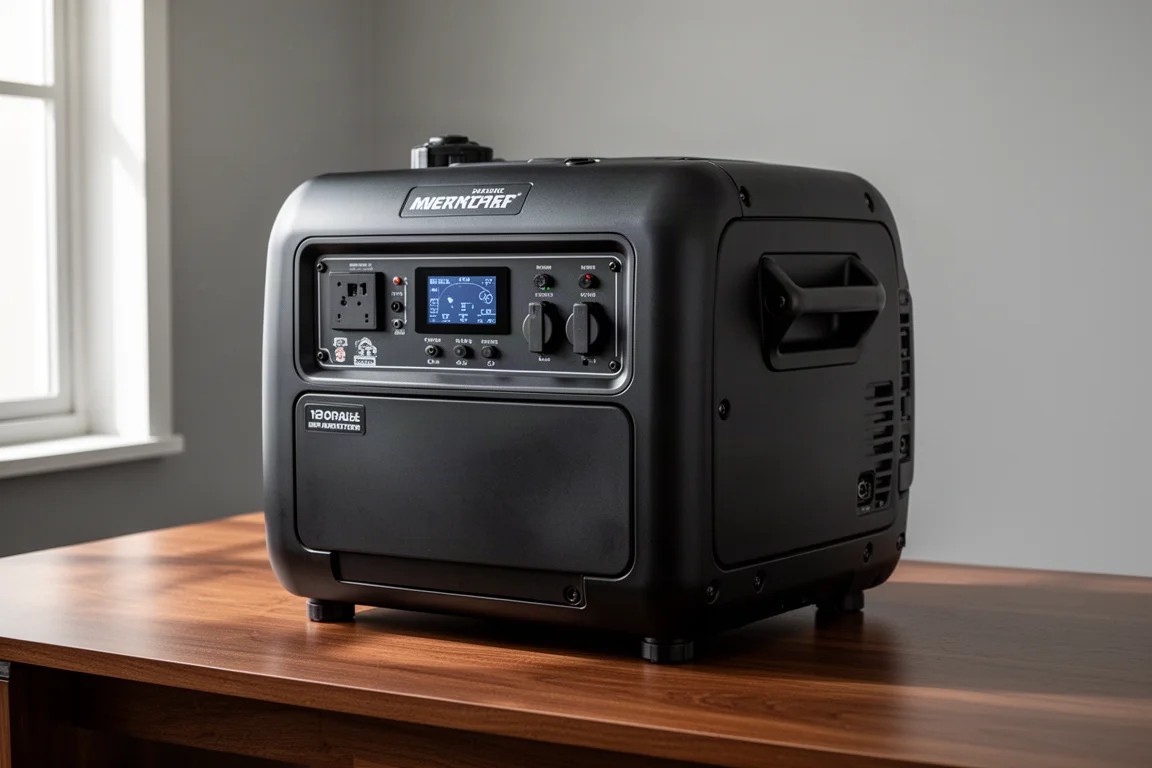
The 5000 is a favorite with the RV crowd for good reason. It moves easily thanks to a built-in wheel kit, runs quiet in the fully enclosed housing, and has enough capacity to cover most travel trailer needs. With prices around $1,100, discounts have brought it down to roughly $880.
There is also a parallel trick worth considering. With a parallel adapter, two units can be linked to double the output. Two 5000s at the discounted price would land around $1,760 for roughly 10,000 watts, split across two independent machines. You can take one camping and leave both at home for maximum backup, though you are signing up to maintain two engines.
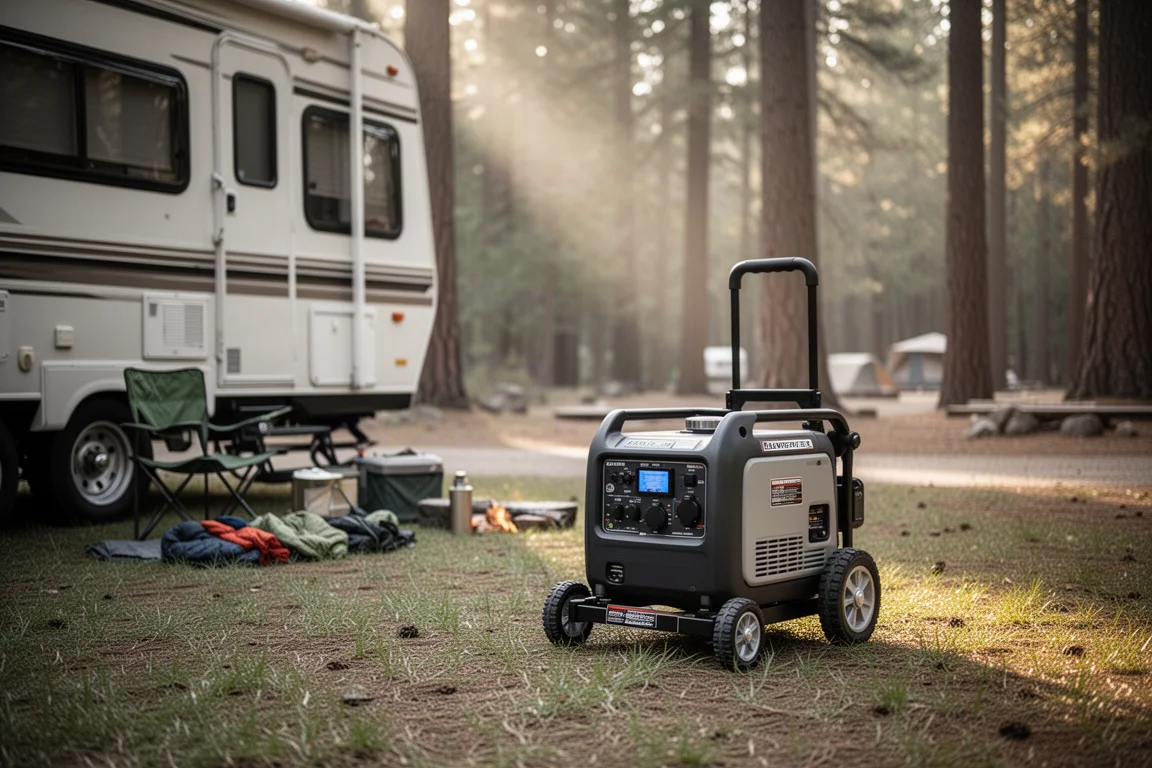
For anyone with limited storage space, such as travel trailer owners, this pairing strategy is often smarter than one giant unit. You trade some maintenance overhead for real flexibility.
Predator 2000 Inverter: Two Small Units, Big Flexibility
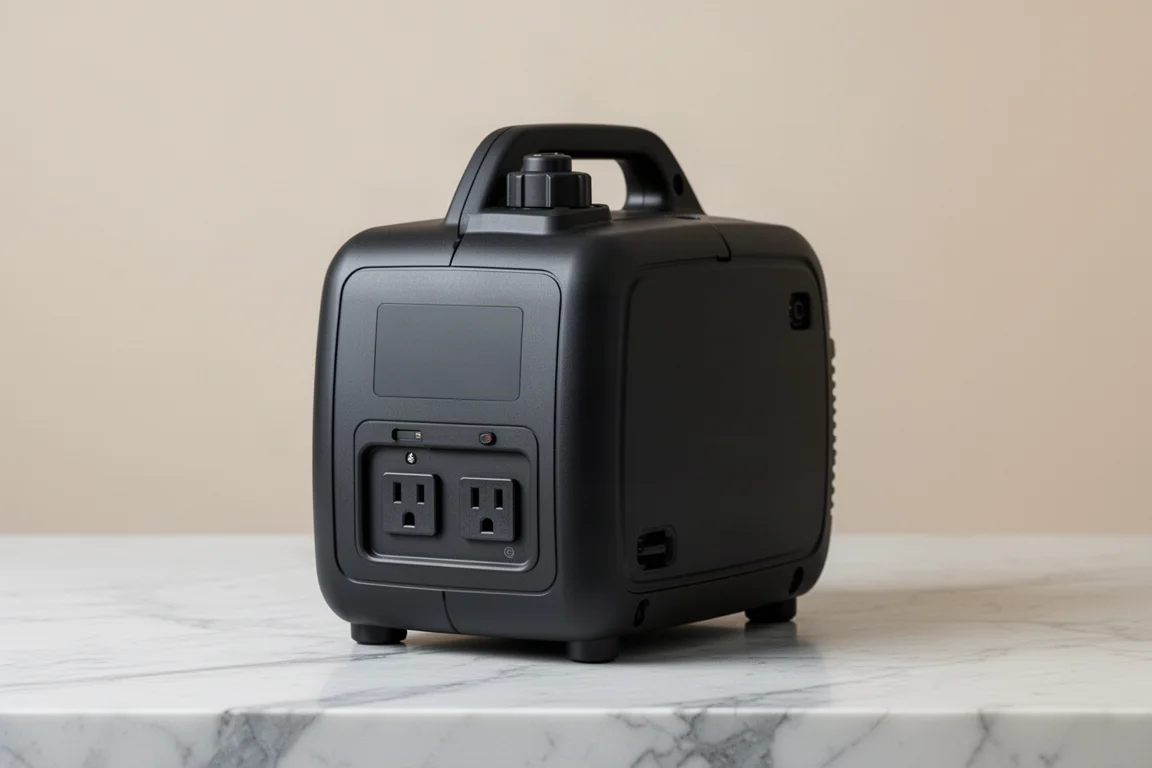
The 2000 is the compact player here. At around $600 list, discounts have brought single units to roughly $480, so a pair comes in near $960 for 4,000 combined watts when paralleled. That is a compelling alternative to a single larger inverter if your loads are modest.
Individually, each unit handles essentials like charging, lighting, and small appliances. The parallel route matters most if you occasionally need more, but do not want to haul a heavy machine. Note that the smaller inverter in the range, the 1400, has been phased out, with a replacement expected, so the 2000 is the compact unit to look at.
For campers who want something two people can lift into a hatchback, this is the easiest unit in the lineup to live with.
Predator 13000 Tri-Fuel: Maximum Output for Outages
Fresh to the lineup, the 13000 tri-fuel is the open-frame headliner: 13,000 watts, remote start, tri-fuel operation, and CO secure technology, listed around $1,300 with discounts bringing it near $1,040. For hurricane and outage preparedness, that is a serious amount of capacity for the money.
The tri-fuel flexibility is the real story. Being able to run gasoline, propane, or natural gas means you are not hostage to a single fuel supply when shortages hit, which is exactly when generators matter most. Remote start is another feature worth taking seriously; it is easy to dismiss as a gimmick, but once you have used it, it is genuinely nice to have.
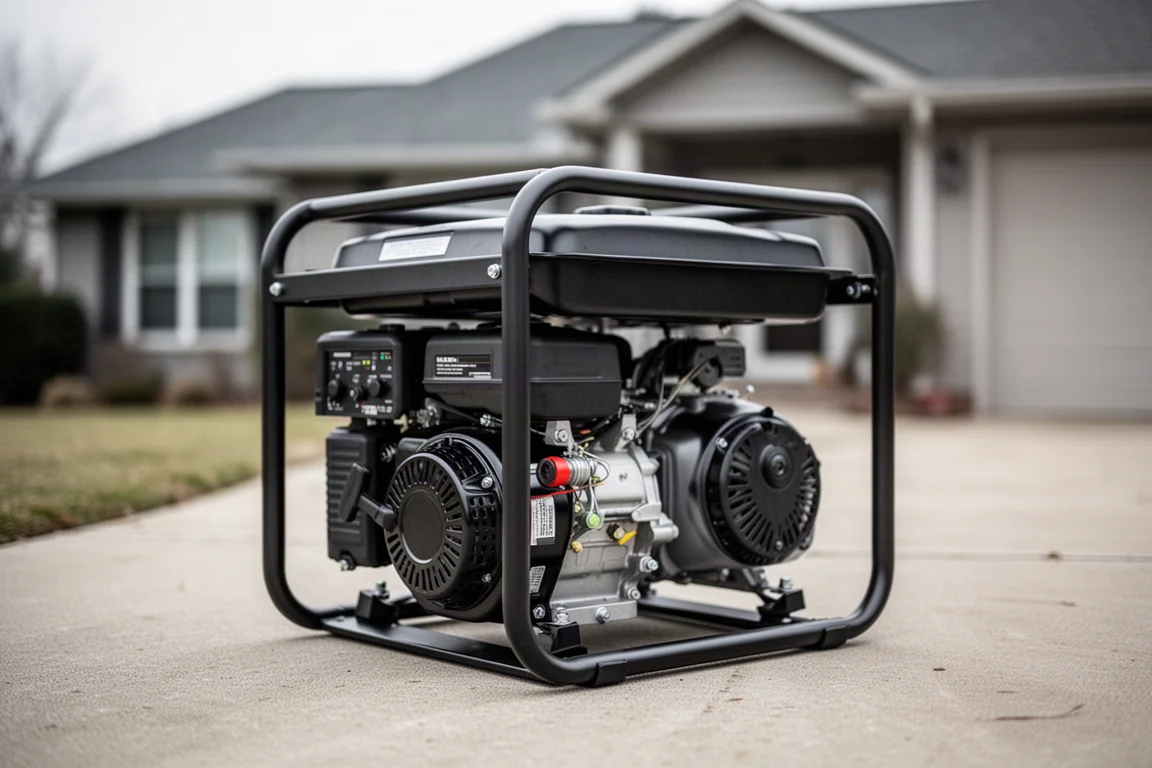
The compromise is noise and power quality: this is an open-frame conventional design, so it runs loud and does not produce inverter-grade sine wave output. It is built for backup duty, not campground duty.
Predator 1800: The Lightweight Budget Pick
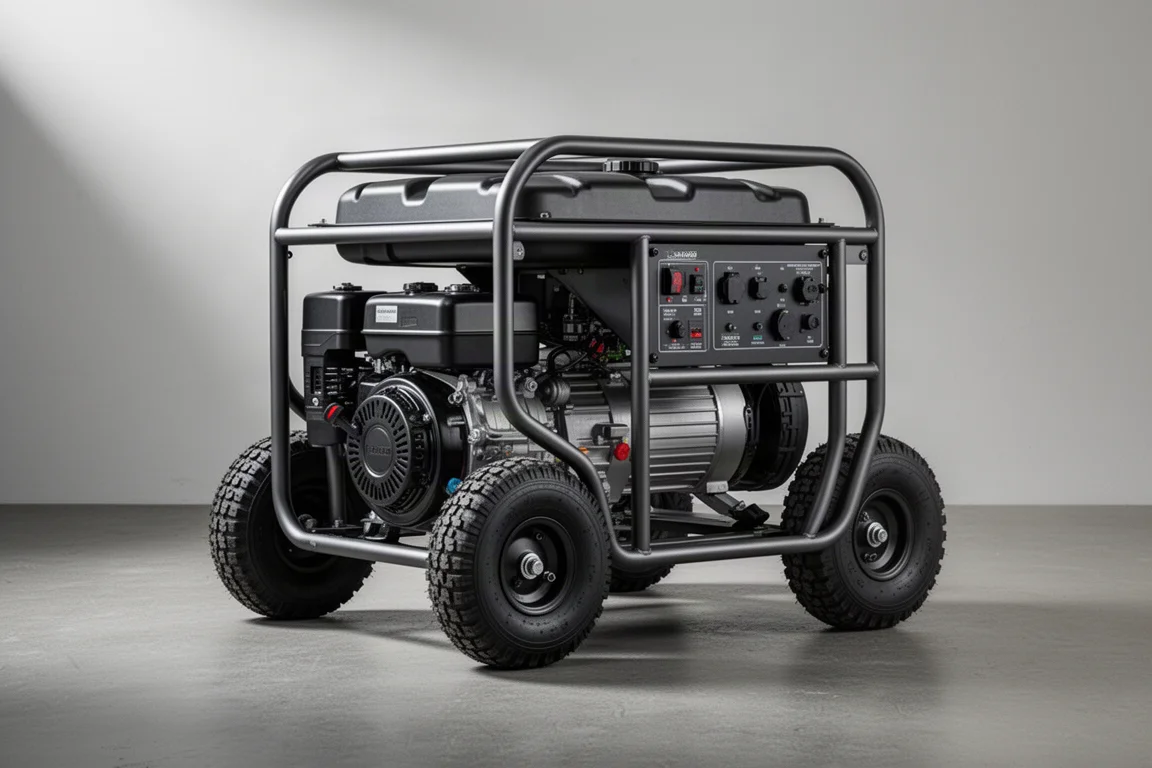
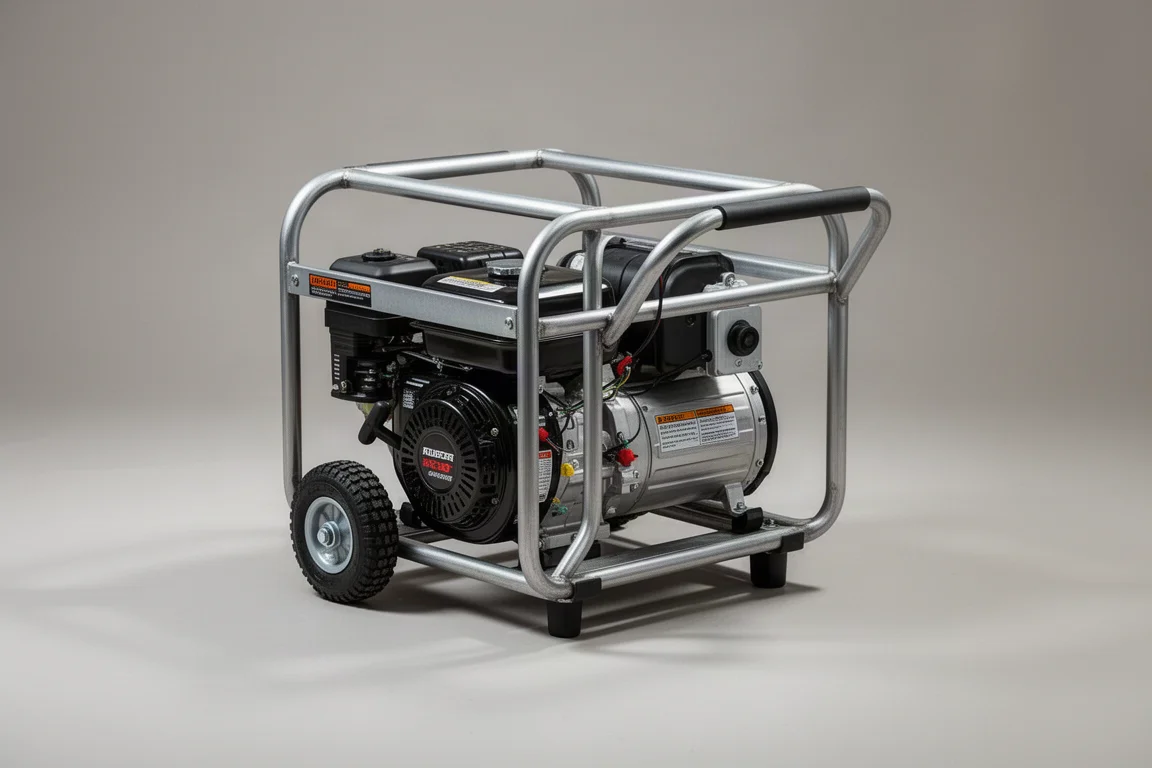
At the small end of the open-frame range sits the 1800, alongside the 6500 and 9000 that fill out the conventional lineup. The 1800 is the entry point: basic, affordable, and enough for essential loads like a fridge, lights, and phone charging during a short outage.
It shares the open-frame traits of its bigger siblings: conventional power output rather than pure sine wave, and conventional noise levels. What it offers in return is the lowest price of admission in the range and a small footprint that is easy to store and move.
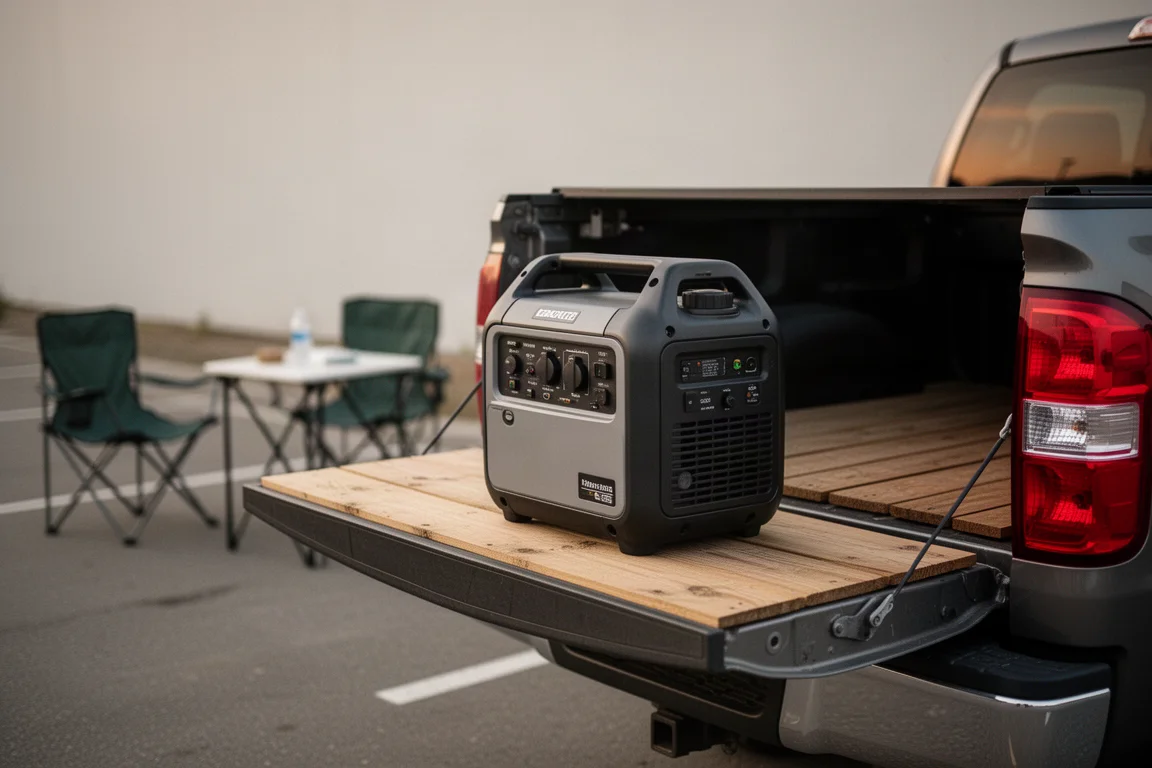
For occasional short outages or powering a few items at a job site, it covers the basics without asking much of your wallet. If your needs grow later, the extended warranty trade-in route can help you step up.
Buying Advice
Start with your actual load list rather than the biggest number on the shelf. If quiet operation matters, stay in the fully enclosed inverter family; if raw watts per dollar matter, the open-frame tri-fuel and conventional units win. Consider buying two smaller inverters instead of one large unit if storage space is tight or you want a unit that travels.
Watch the sale calendar too. These units have historically sold out quickly during major promotions, and timing your purchase can shave hundreds off the sticker. If you plan to upgrade within a couple of years, ask about the extended warranty trade-in policy before you buy.
Conclusion
The Predator lineup covers nearly every generator use case: the 9500 for serious quiet home backup, the 5000 and 2000 for RVers and campers who value portability, the 13000 tri-fuel for maximum outage insurance, and the 1800 for essential loads on a budget. Match the class to your noise tolerance and fuel needs, and any of these can be a dependable addition to your emergency kit.
Further reading
Related Reviews
Generators
A-iVolt 10000-Watt Inverter Generator Review: Big Power, Surprisingly Quiet
A 10,000-watt starting / 8,000-watt running dual-fuel inverter generator with electric, pull, and remote start, GFCI outlets, and parallel capability.
Generators
Genmax vs Predator vs Honda: 2000-Watt Inverter Generator Showdown
We put three 2000-watt inverter generators through noise, power quality, fuel efficiency, and engine wear tests to see whether a $370 model can match a $1,200 Honda.
Generators
Best 2300-Watt Inverter Generators: Quiet Power for Camping and Backup
A hands-on look at the Maxpeedingrods MXR 2300 alongside the Honda EU2200i and Pulsar G2319N, with honest notes on price, noise, and features.