Cycling Power Meters
Power Meters for Gravel Riding: Are They Worth the Upgrade?
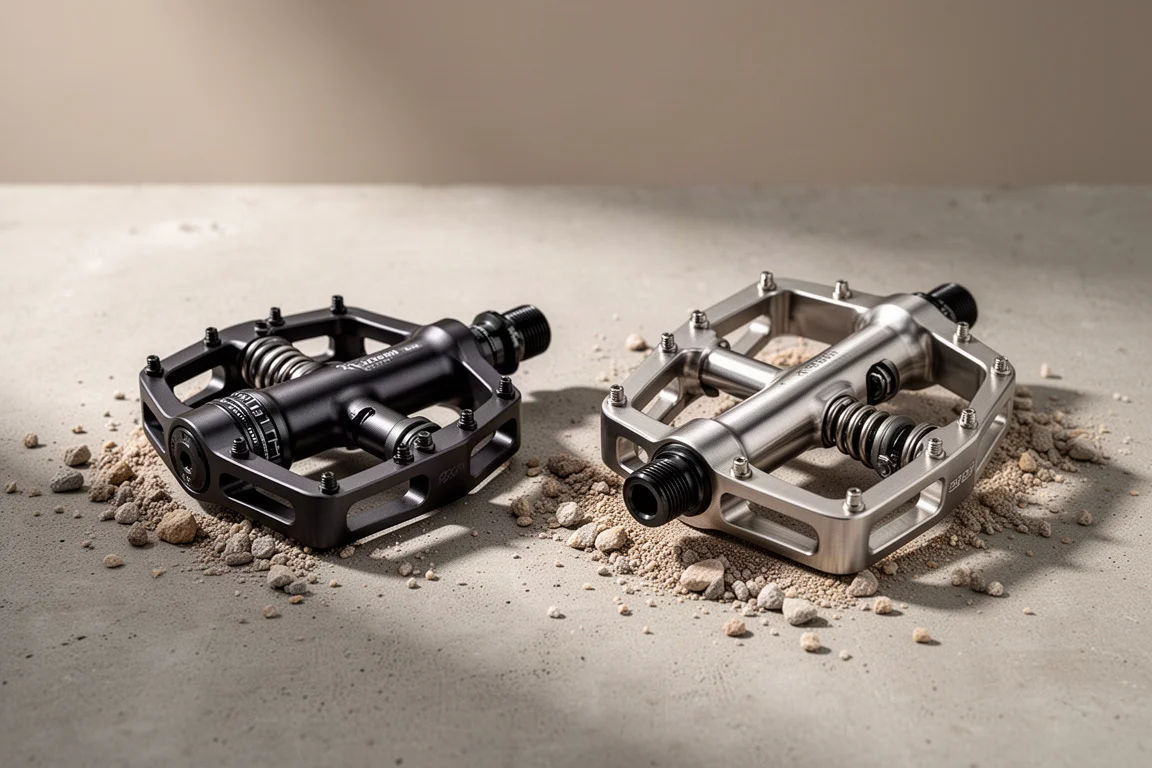
Pedal-based power meters have moved much closer to road pricing. Here is what power data actually adds to gravel riding, plus two pedal systems worth considering.
Introduction
Gravel riding is usually framed as an experience rather than a training exercise: getting from A to B, escaping traffic, and enjoying whatever surface is under the tyres. That framing sits a long way from intervals, watts, and structured plans.
The gravel race scene, however, is growing quickly, and riders with a road background are bringing their training methods across with them. Riding with power is one of those methods, and it is worth asking whether it has anything to offer a rider who mostly wants to enjoy the ride. For anyone with a performance mindset, the answer is often yes.
What Power Meters Add to Gravel Riding
A power meter measures the work going through the pedals, and that single number supports two practical jobs: pacing an effort and tracking training load.
Pacing matters most on longer outings. On a bikepacking trip or a long, smooth gravel route, holding back early means there is still something in the legs for the final hours. Structured training follows the same logic. Long, low-intensity sessions build base fitness, while shorter, high-intensity efforts raise top-end sprint ability, and a power meter is what makes those sessions measurable rather than guessed.
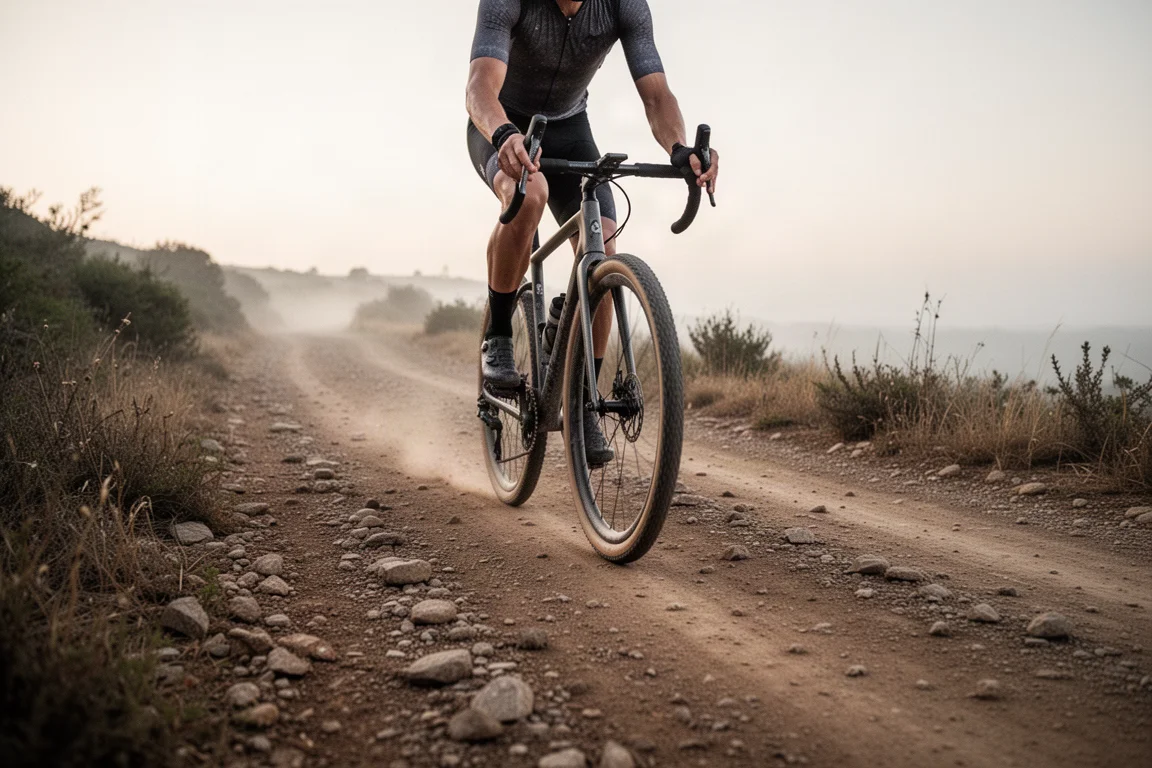
Training load is the second benefit. It combines distance, duration, and how hard the pedals are being pushed into one figure, which gives a clearer picture of fitness and shows when a block of hard sessions has gone too far and recovery is needed. Riders following a structured plan typically work in zones, the power brackets numbered one through seven, and power data is what reveals which zone a route actually delivers.
SRM X Power SPD: Single-Sided Power for Off-Road Pedals
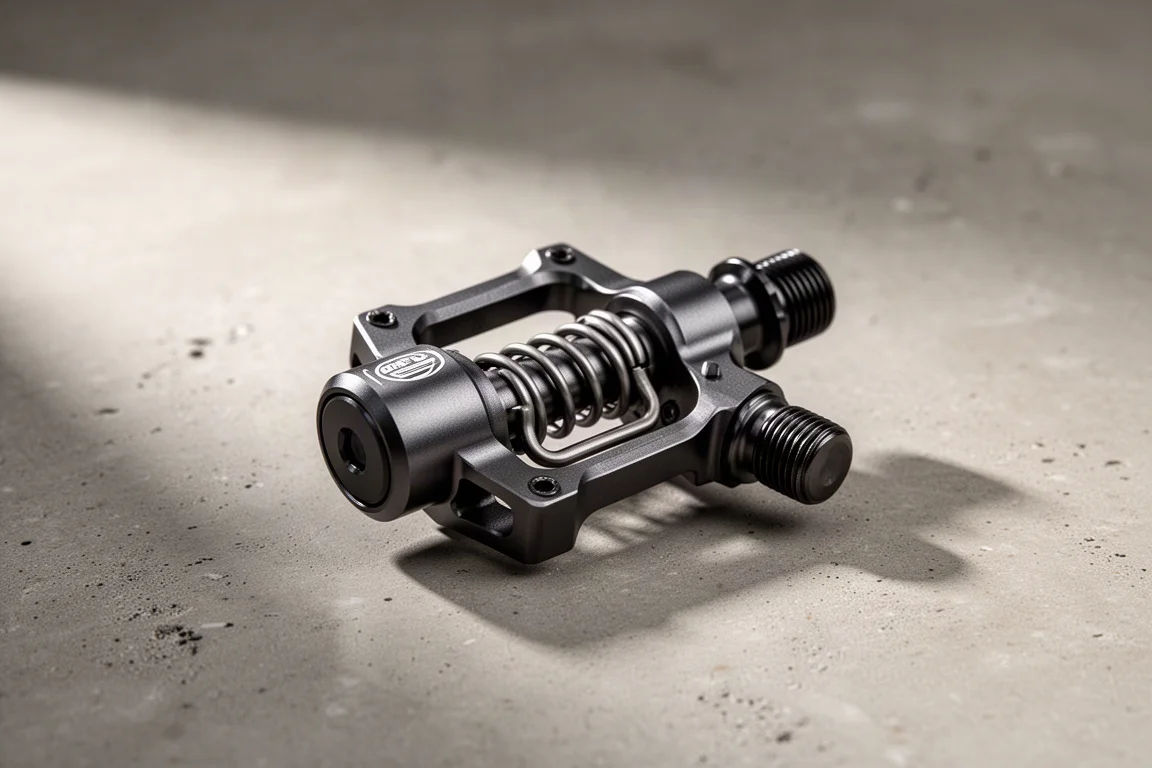
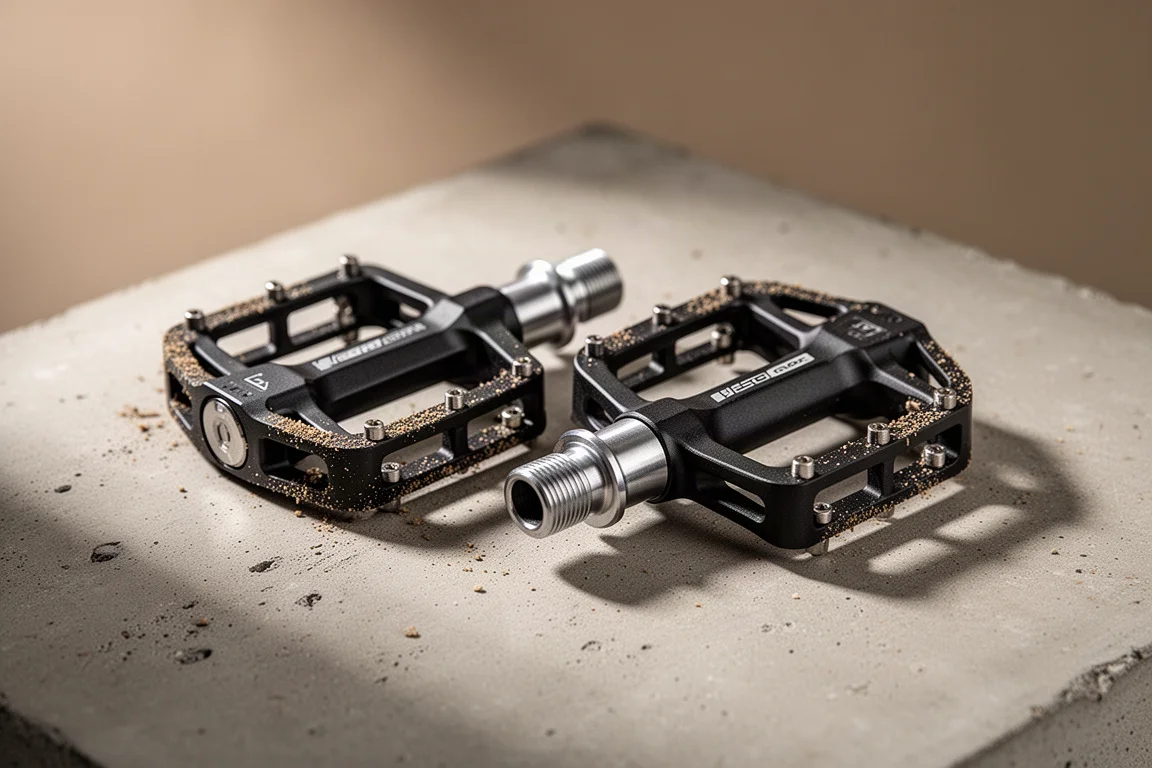
SRM’s X Power SPD is a single-sided power meter built into an SPD pedal platform, priced at $899. Measuring one side keeps the system simpler than a dual-sided setup, and the off-road pedal format suits the shoes and cleats gravel riders already use. Until recently that price made the case harder to argue, and the value question has shifted as competing options have arrived at lower price points.
Garmin Rally Pedals: A Versatile Power Pedal Option
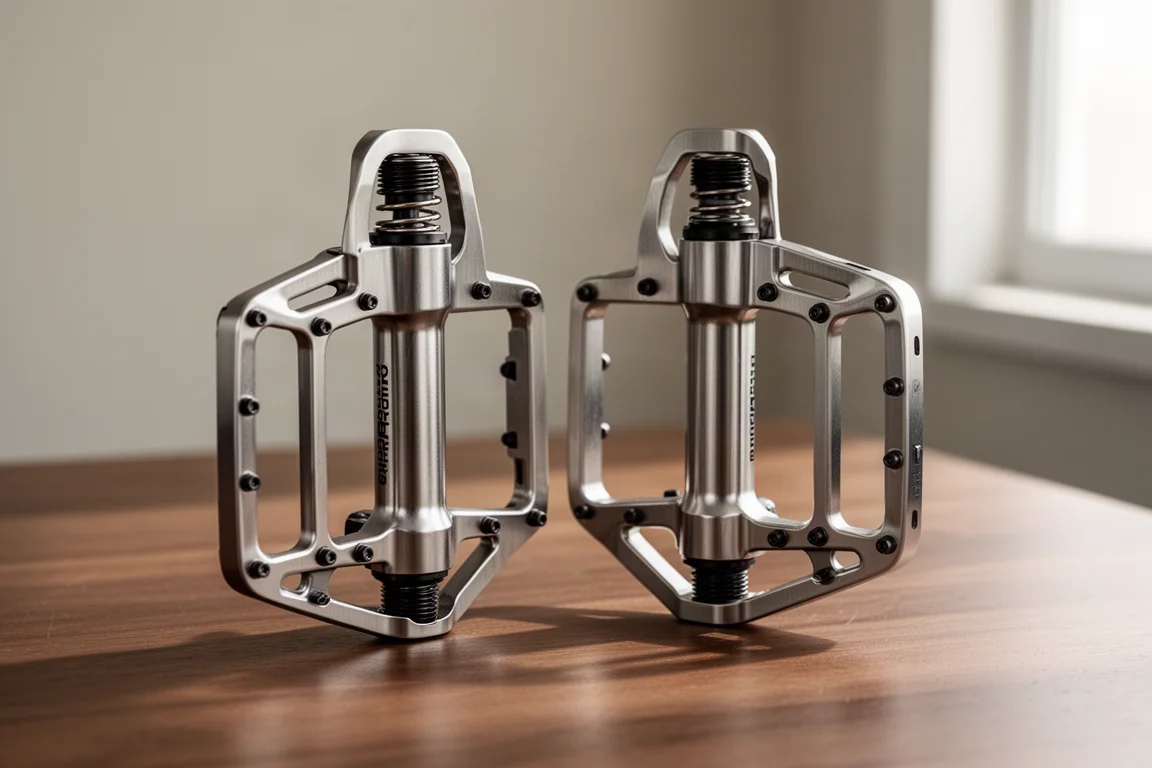
Garmin’s Rally pedals arrive at around £620, which puts pedal-based power measurement much closer to the price of equivalent road systems. That shift matters for gravel riders who want structured training data without paying a clear premium simply for riding off-road.
Pacing and Training Zones Off-Road
Off-road pacing does not behave like road pacing. On a genuinely steep, loose climb, an all-out effort may be the only way to keep the wheels turning, and in that moment keeping your eyes up and taking the cleanest line is faster than watching a number. Power data earns its place across the rest of the ride, not in those few seconds of survival.
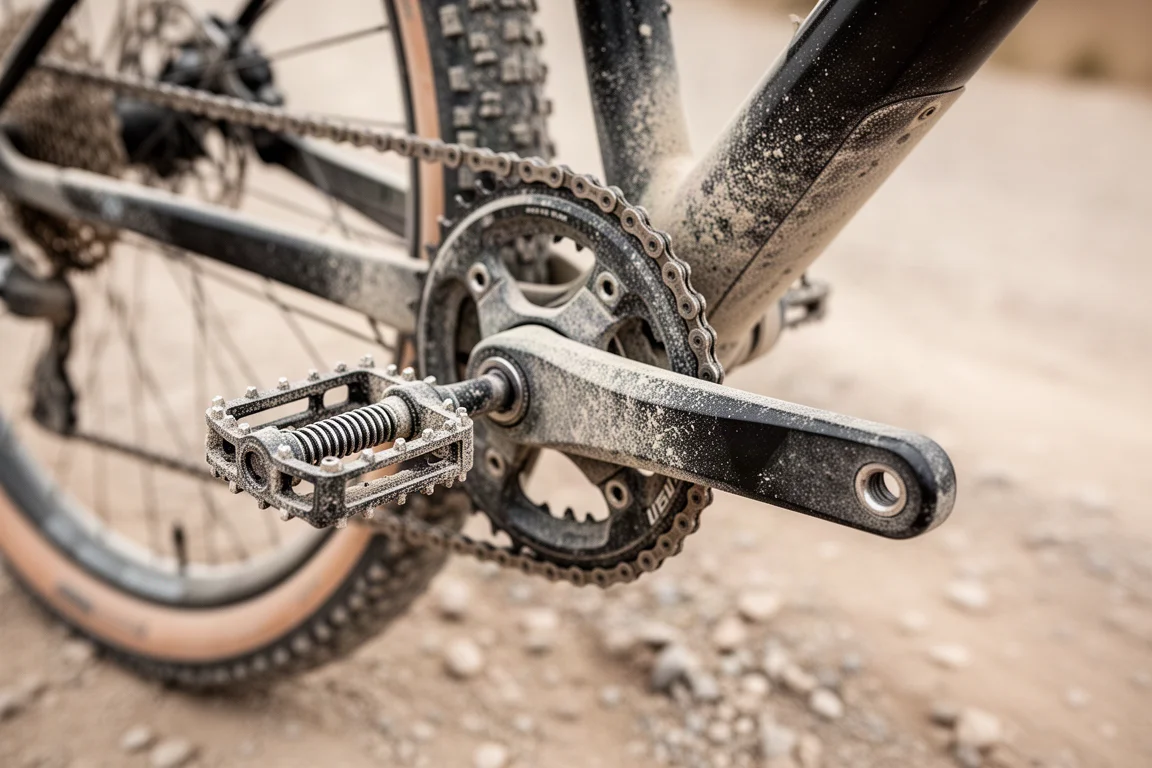
Where power data becomes genuinely useful is in learning your own local routes. After fitting a meter, riders quickly find out which loops are high intensity and which sit closer to threshold or zone two and three. That knowledge turns planning into something concrete: a hard session goes on the hard loop, and a recovery day stays on the easier one.
Heart Rate Data vs Power on Short, Spiky Climbs
Heart rate can be a reasonable stand-in for power on longer efforts, when the heart has time to rise and settle into a steady rhythm. Off-road riding, though, is full of short spiky climbs, and heart rate does not have enough time to reflect how hard those efforts really were.
Power records every effort regardless of length, which builds a fuller picture of training load. A rider relying only on heart rate can accumulate a substantial training load that never appears in the data, and that hidden stress is exactly what leads to overcooking a training block.
Tracking Training Load and Recovery
Training load is calculated from distance, duration, and the force applied to the pedals, and the resulting number is only as useful as the data behind it. A meter captures the short surges that heart rate misses, so the load figure reflects the ride that actually happened.
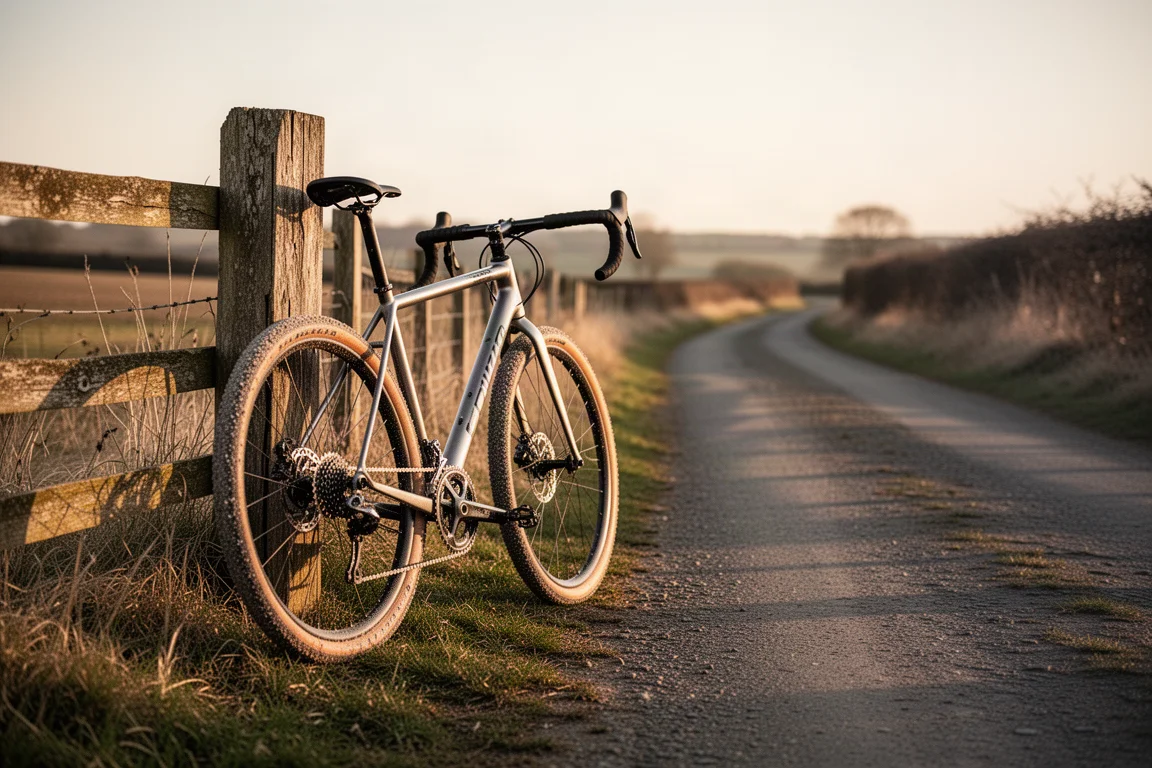
That accuracy is what makes recovery decisions easier. A rising load with no easy days in between is a clear signal to back off, while a stable load alongside improving pace suggests the plan is working. Zones one through seven provide the structure, and the meter supplies honest numbers inside them.
What the Data Requires From You
Fitting a power meter is the easy part. Understanding the data takes a little time, and the first weeks are usually spent learning what different efforts feel like and how they translate into numbers. Once that clicks, the information becomes genuinely valuable for planning rides and judging form.
Buying Advice: Is a Power Meter Worth the Upgrade?
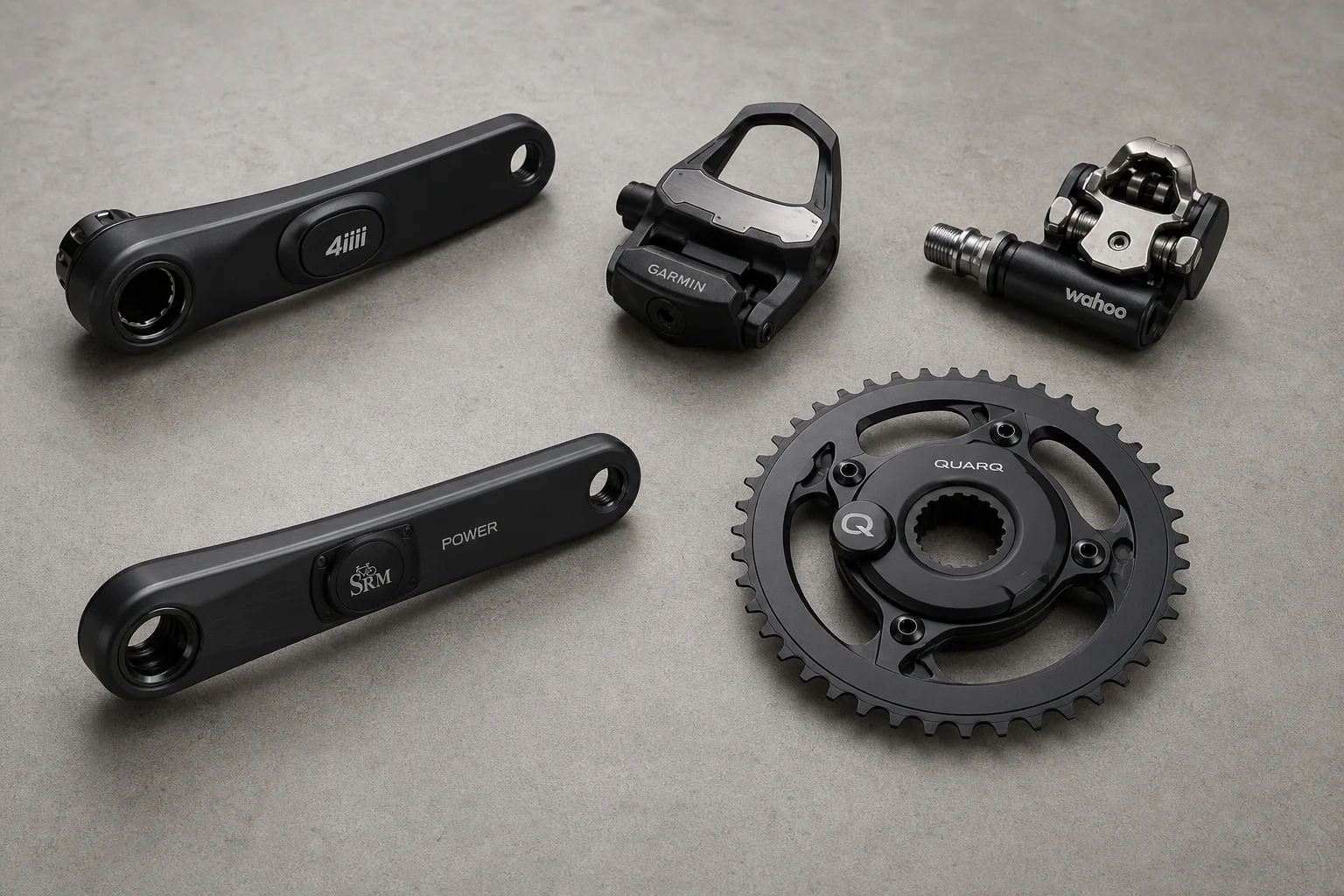
Cost has been the main objection for years. At $899, the SRM X Power SPD asked a lot of a gravel rider, while Garmin’s Rally pedals at around £620 and single-sided crank-arm systems such as 4iiii’s base option at roughly $350 have pulled off-road power measurement much closer to road pricing.
At those prices, a power meter is a strong upgrade for gravel riders who already think in terms of performance. A structured plan built on reliable numbers is likely to make a rider faster than spending the same money on a set of wheels. The trade-off is time: the numbers only pay off once you understand them.
Conclusion
Power meters were once a road rider’s tool with a road rider’s price tag. That has changed, and gravel riders who want to pace long days, track training load honestly, and follow a structured plan now have pedal-based options within reach. The gains come from using the data, not just collecting it.
Further reading
Related Reviews
Cycling Power Meters
Five Affordable Power Meters for Road and Off-Road Cycling
Five practical power meter options under $500 that deliver reliable power measurement without breaking the budget.
Cycling Power Meters
Assioma Pro MX-2 Review: Dual-Sided Off-Road Power Meter Pedals
A light dual-sided off-road power meter pedal with a claimed 191 g weight, plus or minus 1% accuracy and a 60-hour battery.
Cycling Power Meters
Best Power Meter Pedals 2026: Seven Systems Compared
A practical comparison of seven power meter pedal systems, covering accuracy, battery life, servicing, weight and price.