Portable Power Stations
Portable Power Stations for Car Camping: Bluetti EB70S, EB55, and EcoFlow River Pro
A practical look at three portable power stations for weekend car camping, from running a 12 volt fridge to recharging by wall power, car socket, or solar.
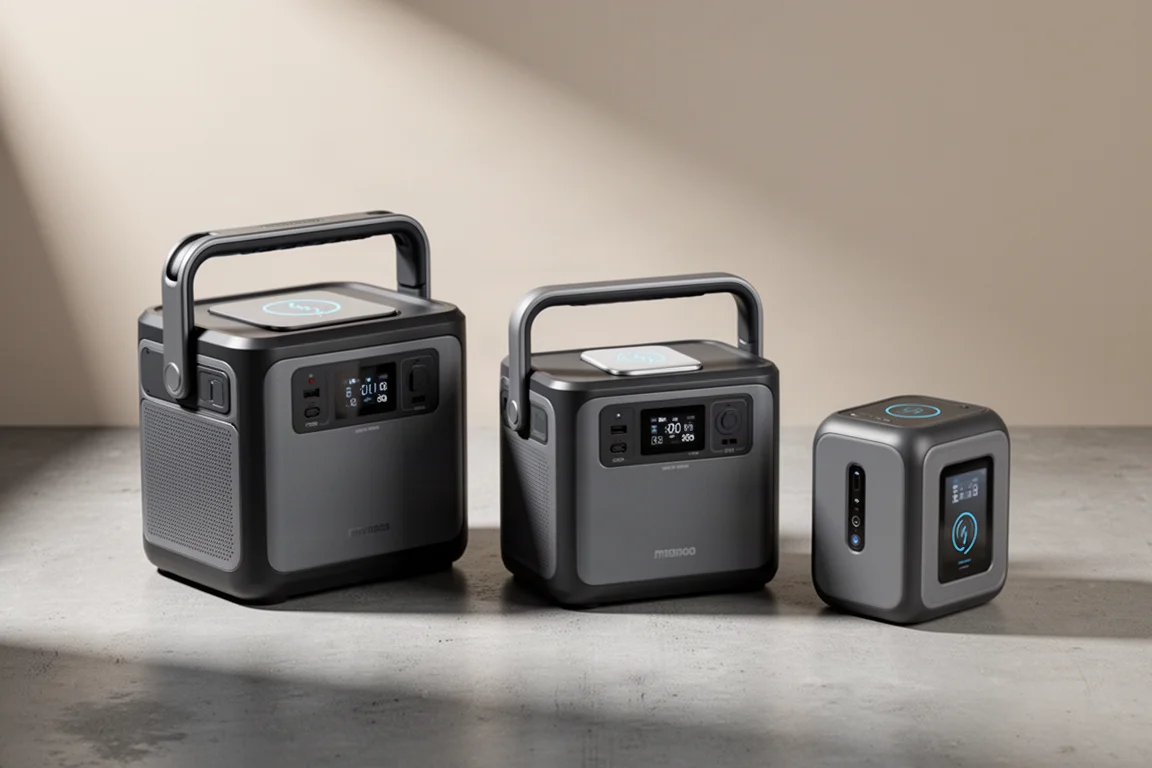
Introduction
A 12 volt fridge in the back of a car transforms a camping weekend. Cold food stays cold, drinks stay cold, and there is no ice to buy or drain at the end of the trip. The trade-off is that the fridge needs a constant power source for the entire stay, and that is where a portable power station earns its place in the gear list.
This guide covers three units that handle that job in different ways: the Bluetti EB70S and the smaller Bluetti EB55, plus the EcoFlow River Pro. Each takes a distinct approach to capacity, ports, and recharging, and the right choice depends on how long the trip lasts and how much gear comes along.
What Matters in a Camping Power Station
Three questions decide whether a power station works on a car camping trip. How much power can it deliver at once? How many devices can it run at the same time? And how easily can it be recharged once the battery drops?
Running a 12 volt fridge for a full weekend is the baseline test. Everything beyond that, whether a laptop, a lantern, or a blender, is extra demand layered on top.
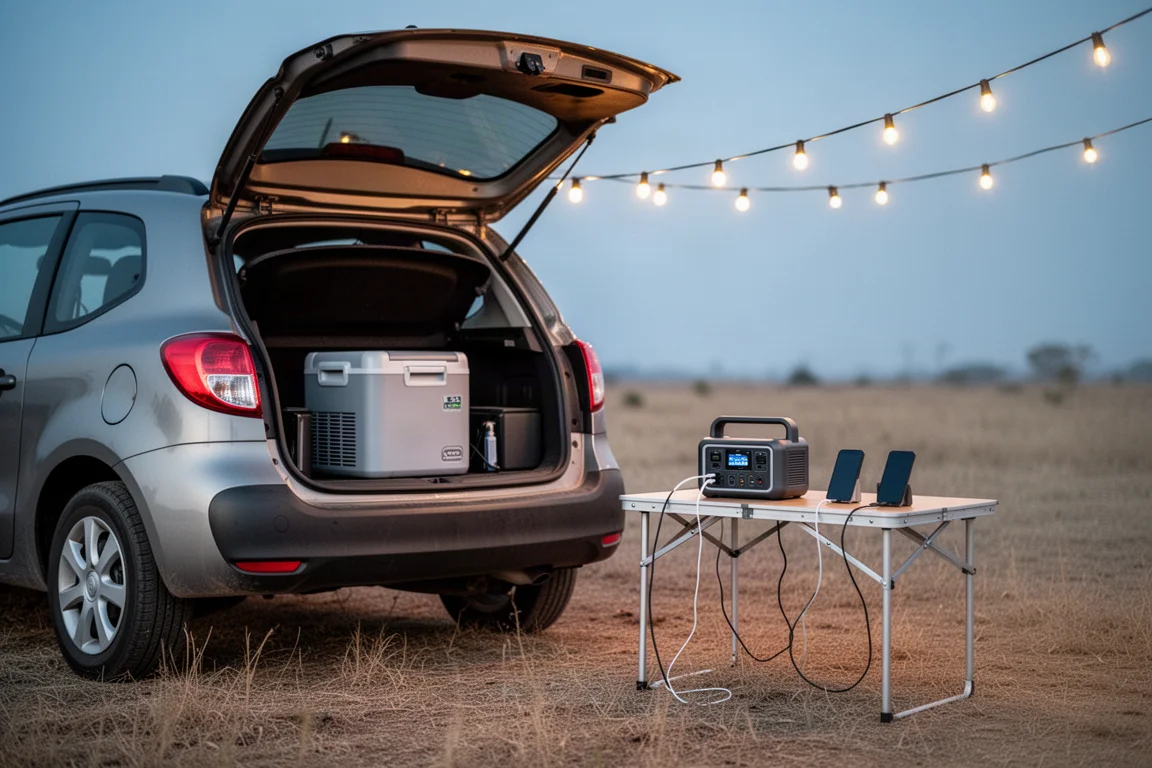
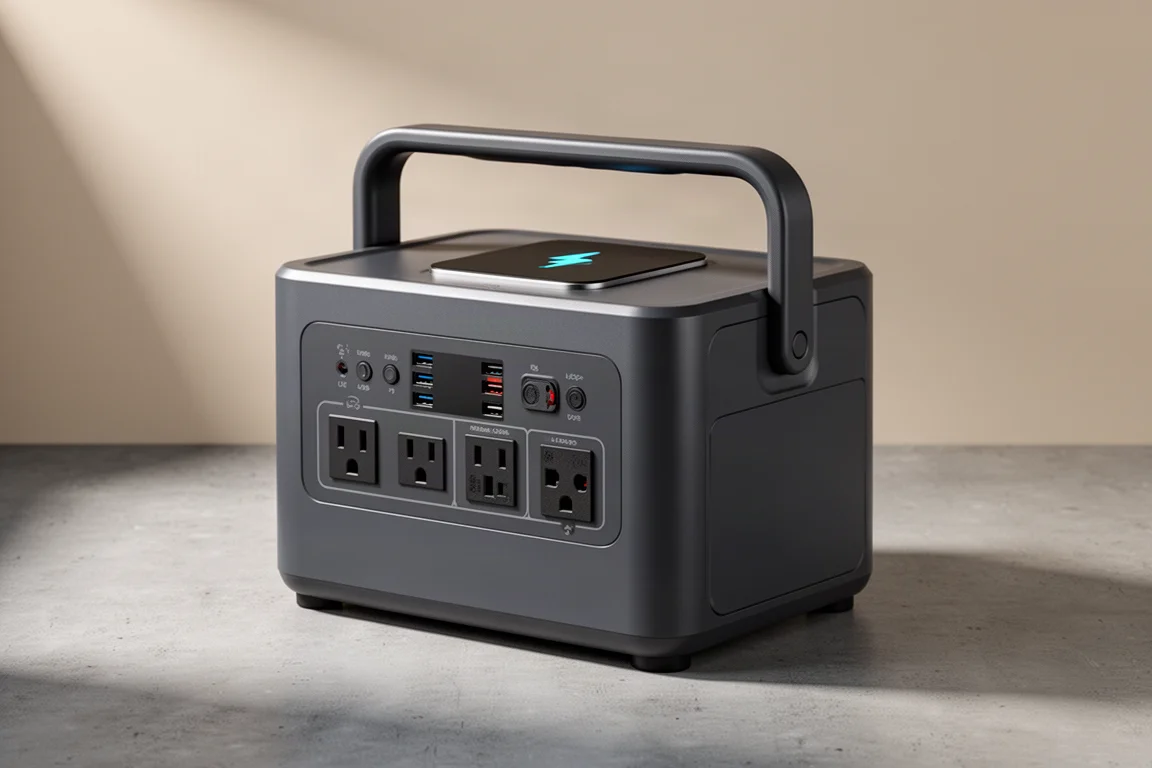
Port layout deserves more attention than it usually gets. AC outlets, USB-A and USB-C ports, DC outputs, and a wireless charging pad all serve different devices, and the right mix means fewer adapters and less cable clutter on the camp table. Recharging options matter just as much: wall power before leaving home, a 12 volt socket while driving, and solar for longer stays.
Bluetti EB70S: Power for Higher-Draw Gear
The EB70S is the larger of the two Bluetti units and the one built for heavier loads. Its 800 watt output lets it run appliances that draw up to 800 watts, which is far more than a fridge and a phone require. That headroom covers a camper trailer setup or a device brought from home that needs real power, such as a blender.
Outputs are generous as well. A 100 watt USB-C port can charge a laptop that needs a lot of juice directly over USB-C, and a 15 watt wireless charging pad on top lets a phone be dropped onto the surface instead of plugged in.
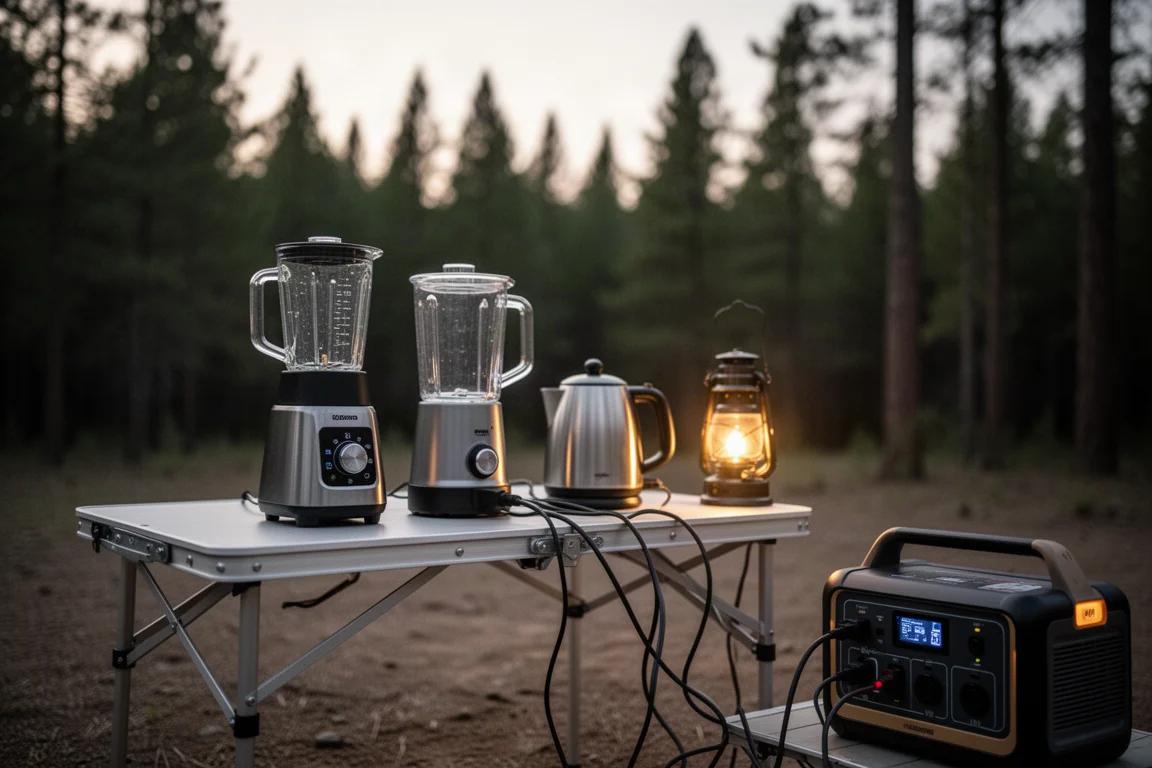
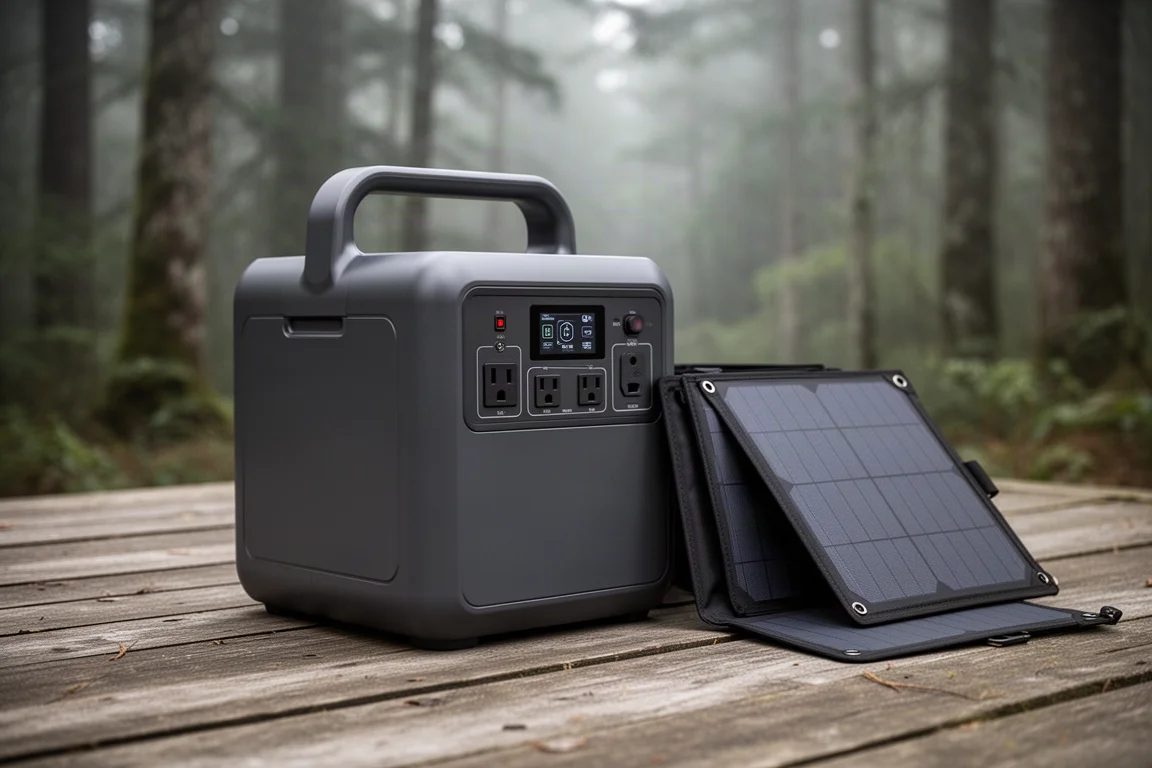
Charging runs through three routes. An AC input connects to a wall outlet at home for the fastest charge. A 12 volt adapter allows the unit to top up from a car socket at roughly 20 to 35 watts while driving, which is enough to keep it topped off on travel days. Solar input pairs with a 100 watt or higher panel and delivers over 100 watts in direct sun.
Bluetti EB55: A Lighter Weekend Companion
The EB55 packs 13 ports into a smaller body, including AC outlets, USB-A, USB-C, and DC outputs, along with the same 15 watt wireless charging pad on top. For a typical weekend of charging phones, lights, and cameras, that is usually more than enough.
The limit shows up with the fridge. Running a 12 volt fridge for an entire weekend can push the EB55 past what it comfortably delivers, especially on a trip where a solar panel stays behind and there is no chance to top it up during the day. Campers who plan to keep a fridge running continuously will want to think carefully about that margin.
There is one more practical difference. The EB55 does not charge from a 12 volt car socket the way the EB70S does, and instead requires a different input type. Topping up while driving is therefore not a straightforward option with this unit.
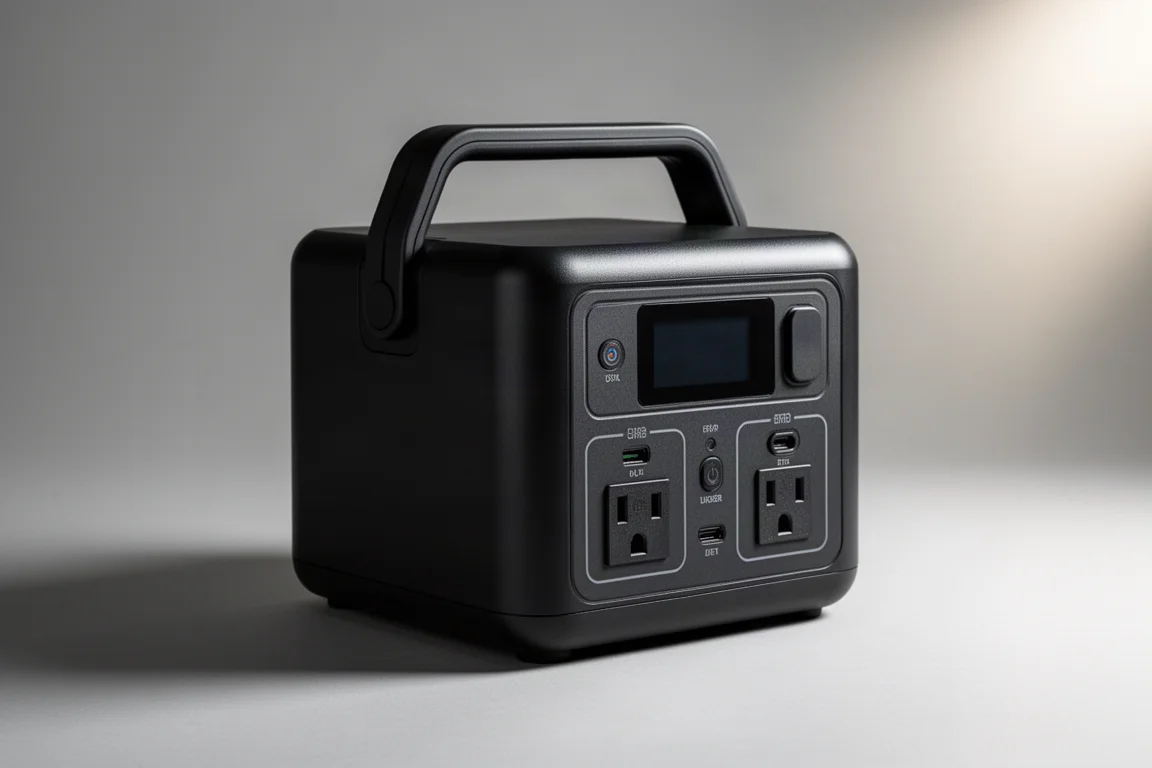
Charging Options: Wall Power, 12 Volt, and Solar
Charging is where both Bluetti units show their clearest trade-off. Each relies on an external AC charging brick, which delivers the maximum charge rate but has to be carried, stored, and managed alongside everything else. Once the battery reaches full, the brick stays active and its cooling fan keeps running, a small but persistent annoyance at a quiet campsite.
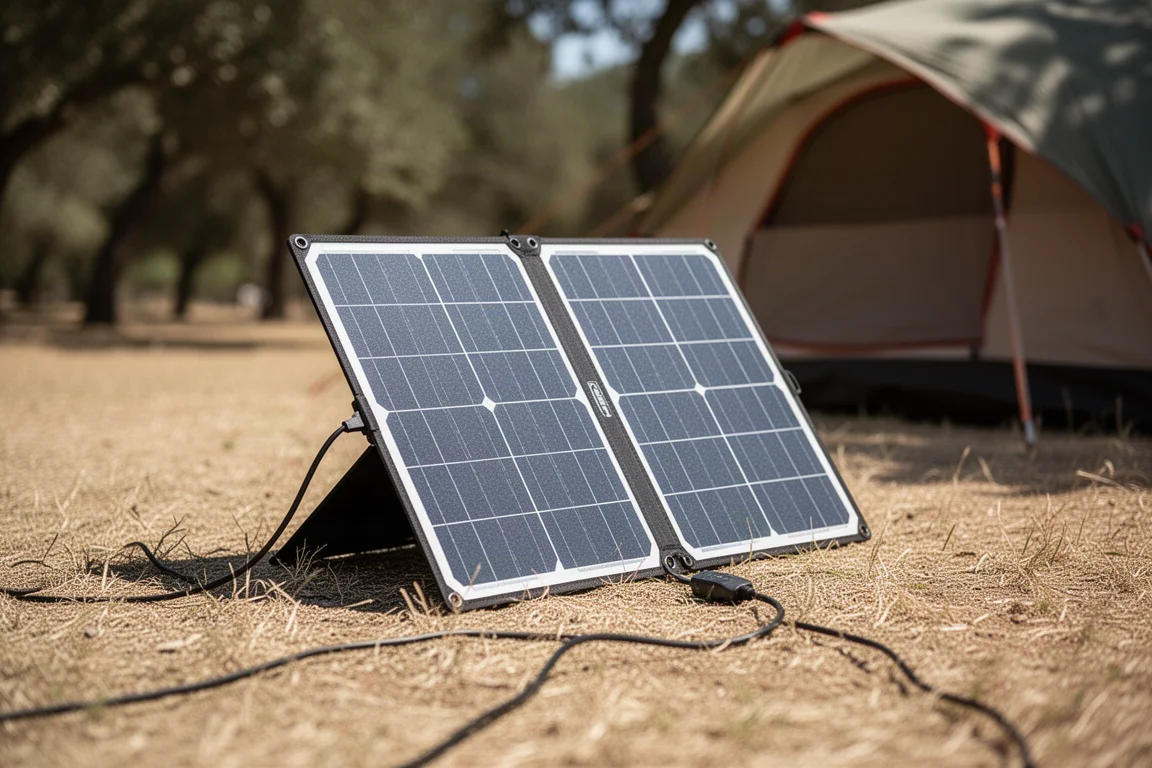
Solar is the more elegant route outdoors. A 100 watt or higher panel connects using the supplied adapters and provides over 100 watts of input in direct sunlight, which is enough to keep the battery topped up across a weekend. The process is straightforward enough that no prior knowledge of solar connectors is required.
The 12 volt route is worth knowing about as well. With the correct adapter, the EB70S can draw from a car socket at roughly 20 to 35 watts while driving. It will not charge quickly that way, but it keeps the battery from draining on the days spent moving between campsites.
EcoFlow River Pro: Integrated Charging and Battery Clarity
The EcoFlow River Pro approaches two of those details differently. Its AC charging hardware is built into the unit itself, with an inlet on the side, so there is no bulky external brick to pack or manage. That alone makes it simpler to live with on a trip where space in the car is tight.
Its display is the second difference. Rather than reporting battery level in coarse steps, it shows the hours remaining on the battery. For anyone running a fridge overnight, that readout makes it far easier to judge whether there is enough charge left to reach morning without a surprise.
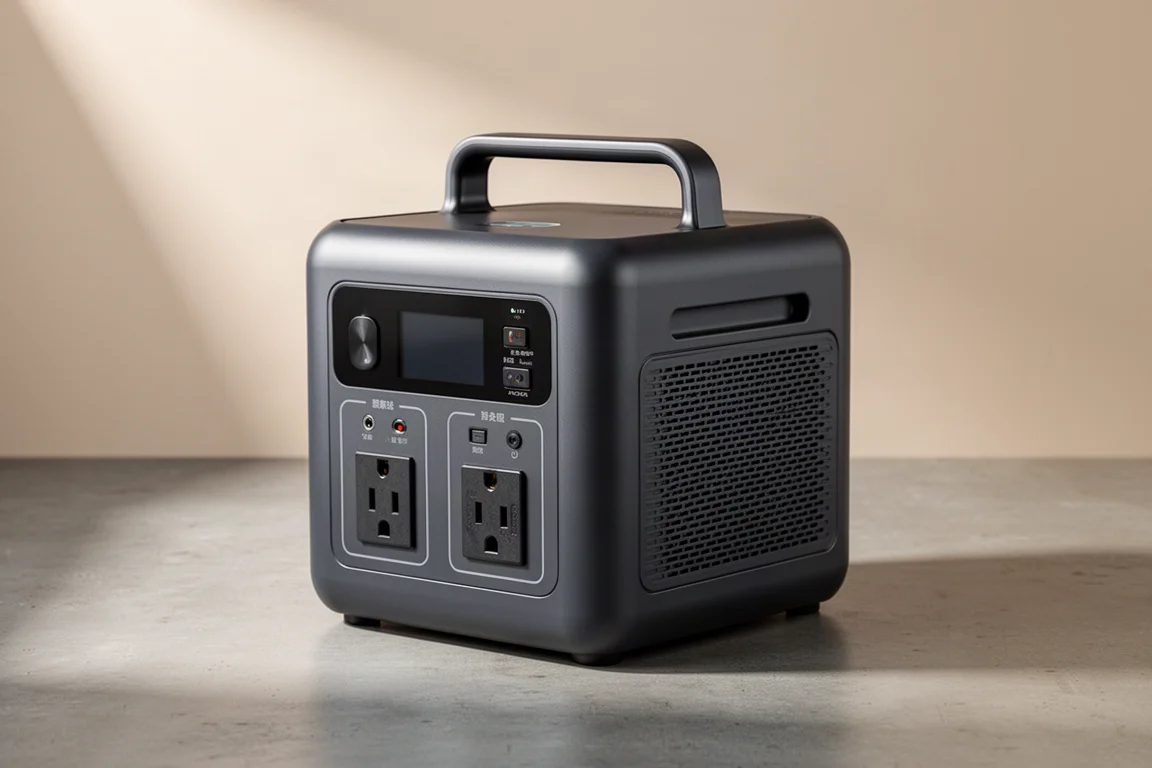
Matching Capacity to Trip Length
Weekend trips and longer stays ask different things of a power station. For two days of ordinary charging, the EB55 covers most needs, but a fridge running continuously through the weekend sits close to its limit without solar input during the day.
The EB70S offers more margin. Its 800 watt output and larger reserve make it the better fit for trips where the fridge runs nonstop, where higher-draw appliances come along, or where the same unit doubles as backup power at home for emergency preparedness.
The River Pro sits in a different spot again. Built-in charging and an hours-remaining display make it easy to plan around, particularly for campers who want a clear answer to the question of how much runtime is left before the fridge stops.
Buying Advice
Start with the fridge. If a 12 volt fridge will run for the full weekend, the EB70S is the safer choice of the two Bluetti units, and its 800 watt output covers just about anything else that might be plugged in.
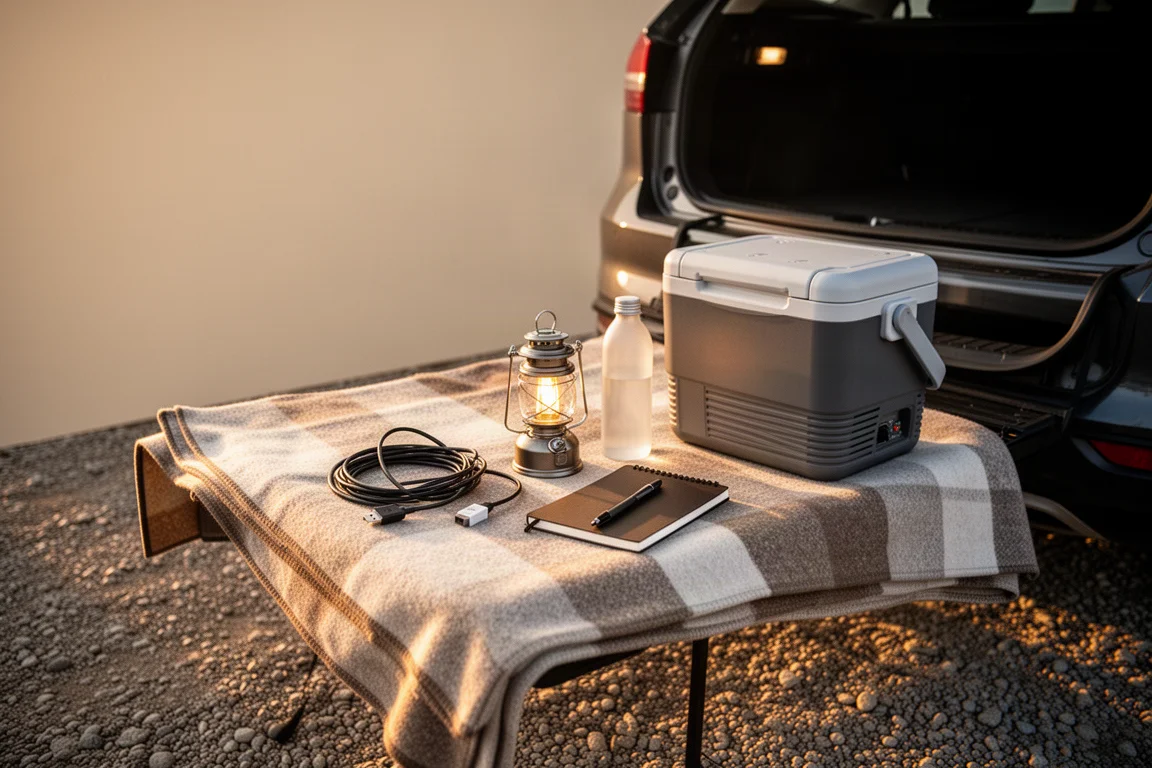
If the fridge stays home and the trip is a standard weekend of phones, lights, and a laptop, the EB55 covers it comfortably, with 13 ports and wireless charging in a smaller package. Campers who dislike carrying a separate charging brick, or who want a battery readout in hours rather than percentages, should look closely at the River Pro.
Solar is worth adding to any of these setups. A 100 watt or higher panel turns a long weekend into a self-sufficient one, and it removes the anxiety of watching a battery indicator drop while the fridge keeps running.
Conclusion
All three units solve the same problem in different ways. The Bluetti EB70S brings the most power and the widest charging options, the EB55 keeps things compact for shorter trips, and the EcoFlow River Pro simplifies charging with hardware built into the unit and a display that reports hours remaining. Matching one of them to the length of the trip and the appliances that come along is the whole decision.
Further reading
Related Reviews

Portable Power Stations
Anker SOLIX F3000 Review: A Powerful Portable Power Station With a Few Design Quirks
The Anker SOLIX F3000 delivers strong performance, fast charging, and a competitive price, but a few design choices may give you pause.

Portable Power Stations
EcoFlow Delta 3 Series: Five New Power Stations Previewed
EcoFlow expands the Delta 3 lineup with five models, from the compact Classic to the flagship Ultra Plus. Here is what each one offers.
Portable Power Stations
Oscal Power Max 6000 Review: A Large Solar Generator With Real Trade-Offs
A week of off-grid use shows what the Oscal Power Max 6000 handles well, where it falls short, and when a fuel generator still makes more sense.