Camping Heaters
Portable Butane Heater Stove Combo Review: A Two-in-One for Car Camping
A fold-out butane heater that converts into a stove, rated at 4,400 BTU with a 7 minute 42 second boil time and a $57 price tag.
Introduction
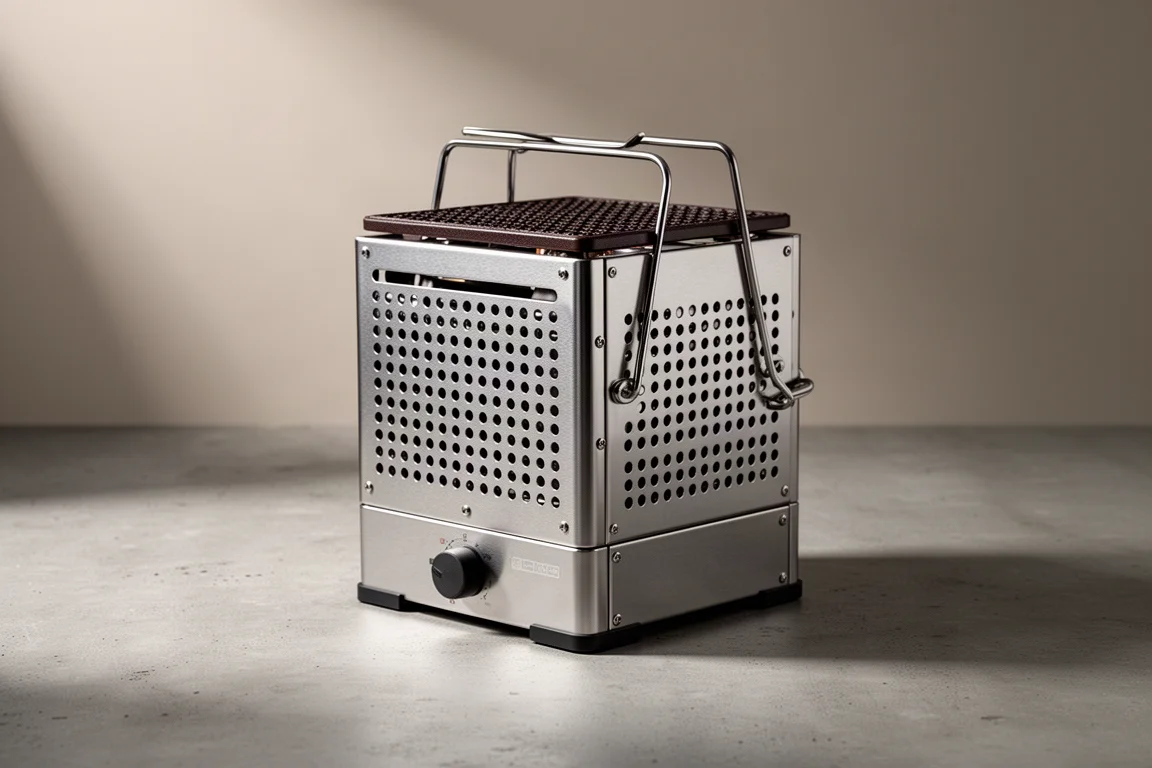
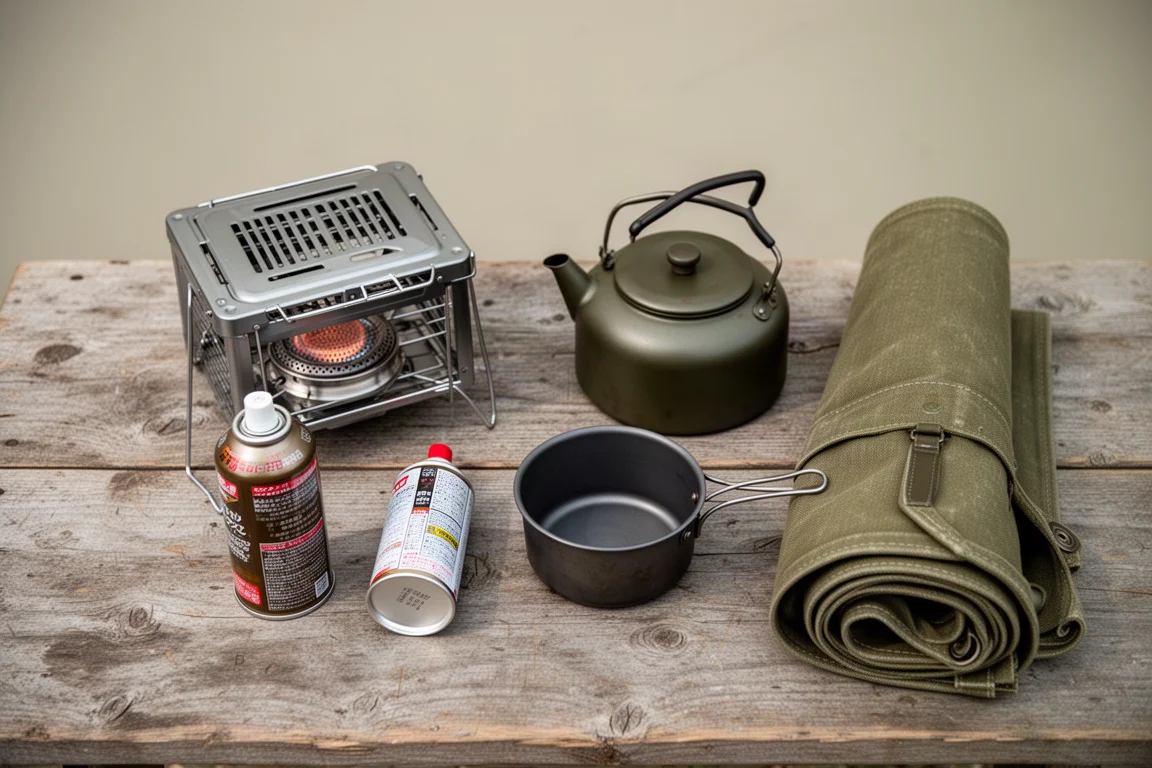
Some camp appliances look ordinary and work brilliantly. This one looks odd and works in a way that very little else does. The unit arrives as a flat, vented rectangular housing that could be mistaken for a slim piece of electronics. Press a pin on the side, rotate the upper section upward, and the same body becomes a stove with a grate across the top. Fold it back down and it returns to heater mode, complete with a carry handle, a front grate, and a ceramic element sitting behind it.
The price is $57 and the weight is 6 lb. Fuel comes from a butane canister that slides into a port at the base and locks down at the front. Folded, the unit measures about 11.8 in by 10.2 in by 9.4 in, and it is built from aluminium and stainless steel.
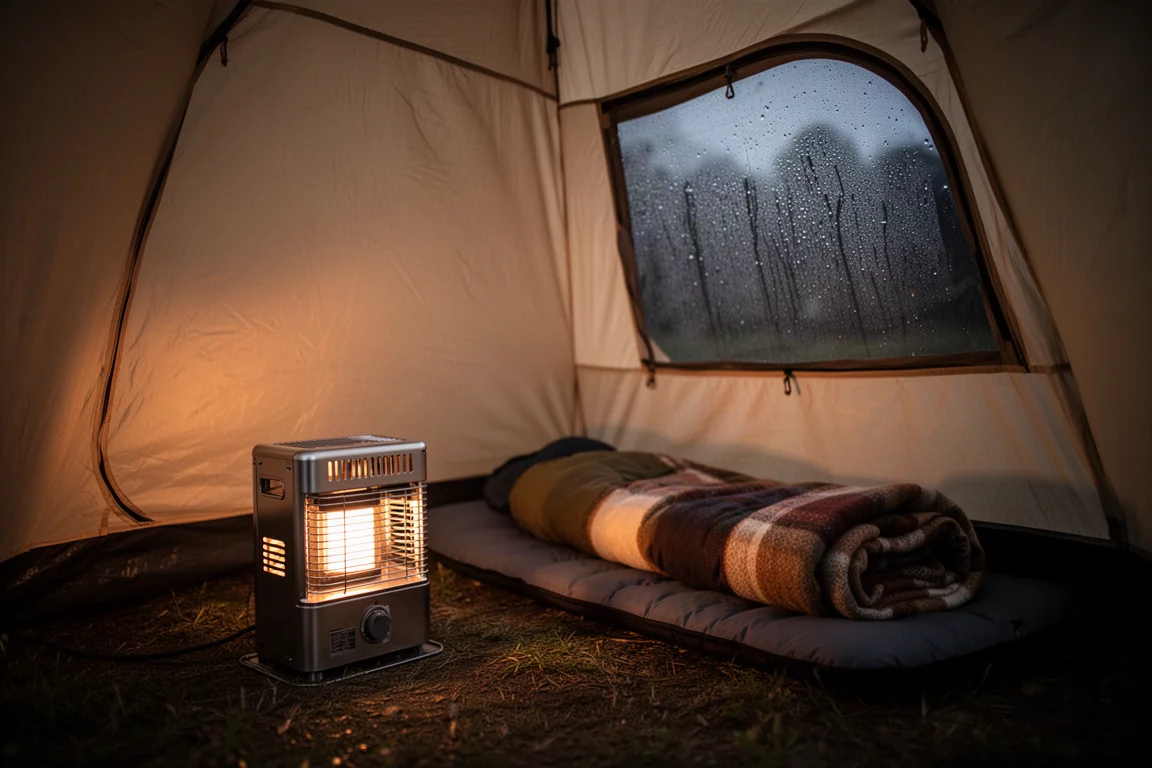
That combination is the reason this product deserves a second look. As a heater it is modest. As a cooking surface it works, and offering both in one body is rare among portable heaters.
Who This Heater Stove Combo Is For
This is a car camping appliance first. At 6 lb with a bulky folded shape, it is not something to carry on a hike or strap to a rucksack for a long approach. It makes sense when the vehicle is nearby and pack weight is not the deciding factor.
Its heat output suits smaller spaces. Inside a two person tent it should do the job, and it can work in a three or four person tent as long as ventilation is generous. Anything larger, or any space with a lot of air movement, will dilute what it produces.
It is also not a patio heater. Heat leaves the front face and travels roughly a foot before rising, so a group sitting outdoors would have to crowd in close to feel anything meaningful. The outdoor use wording that appears on this type of product is a legal formality rather than guidance on how to use it.
Cooking is where the design earns its place. Anyone who wants to warm a shelter and heat water or food from the same device will get the most from it.
Main Strengths
The headline strength is the conversion. One device covers two jobs, and the switch takes seconds: press the pin, rotate the body, and the heater becomes a stove. The additional grate supplied with it sits on top and makes larger pots, pans, and kettles noticeably more stable.
Operation is very quiet. In use, this unit is quieter than the Kovia Cupid heater, and the sound of metal warming and expanding is the loudest thing you are likely to notice. For a shelter where noise carries, that matters.
Ignition is straightforward once you know the sequence. Pull the ring out, then turn the control knob. The electronic igniter will not fire unless the ring is pulled first, which is a small quirk rather than a problem.
The price is another point in its favour. At $57, it costs less than buying separate heating and cooking gear, and it runs on a common butane canister rather than a proprietary cartridge.
There is also something to be said for the design intent. The vents that cover the housing keep the sides from getting hot in heater mode, and the carry handle makes it easy to move around a campsite without touching a warm surface.
Things to Consider Before Buying
Heat projection is the biggest limitation. The reflector inside the housing is shallow, so instead of pushing warmth outward, the unit lets most of it escape upward. From the side you feel essentially nothing, and directly in front the useful range is about a foot before the heat rises away.
Output is modest for the size. The rating is 4,400 BTU, which is low for a housing this large. For reference, the Kovia Cupid is roughly half the size and half the weight while producing around 6,000 BTU. That does not make this unit ineffective in a small tent, but expectations should be set accordingly.
The build feel is a mixed picture. The aluminium shell and largely hollow interior give it a flimsy impression in hand, and it is heavy without feeling robust. That does not automatically mean it will fail, but it is worth handling before you commit.
The fuel connections are not fully explained. The unit runs on butane, and it ships with an adapter plus a second built-in port on the side. Neither the listing nor the instructions say what they are for. One of them is shaped for a rubber hose to slide over a ridged fitting rather than for a screw-on valve, which is unusual.
Storage is an open question. No bag or case is included, and the folded shape is awkward enough that finding a third party option may be difficult.
Finally, there are no safety systems built in. There is no low oxygen sensor and no tipover sensor. That is not unusual for this category, but it places the responsibility on the user to manage ventilation and placement carefully.
Brand identity is also unclear. The same appliance appears under several company names, and the name on the packaging does not always match the name in the listing. The versions look identical, so the practical takeaway is to read the specific listing carefully rather than rely on a brand name.
Heater Mode and Stove Mode Explained
In heater mode the unit stands with a handle at the top for carrying, a protective grate at the front, the ceramic element behind it, and the electronic igniter and control knob on the body. The fuel port opens at the bottom, the canister slides in, and a latch at the front secures it.
Ignition follows two steps. Pull the ring out from the control area, then turn the knob. The igniter will not spark unless the ring is pulled first.
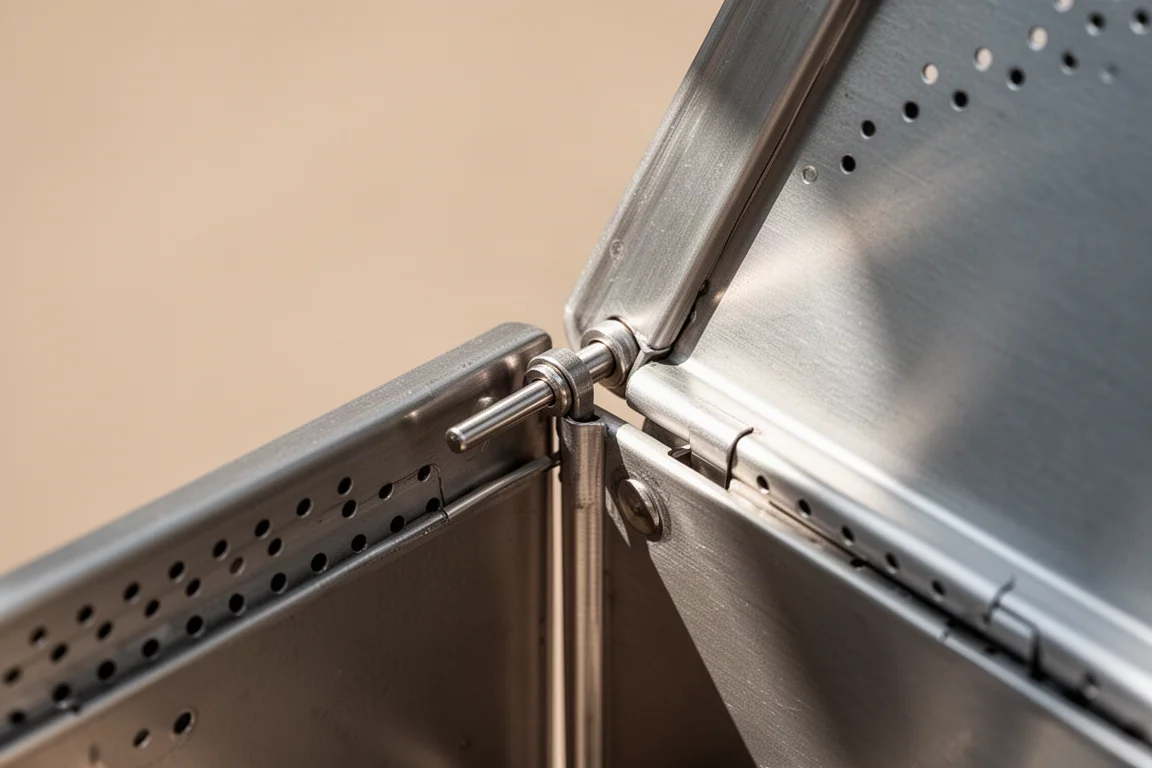
To convert to stove mode, push the pin on the side and rotate the upper section upward. Heat then travels straight up through the top opening, where the grate sits. A second, larger grate is included so that bigger pots, pans, and kettles rest securely.
The ceramic plate does glow red once the unit has been running for a while, though it is faint in bright daylight and easier to see in a darkened space. Early in a session, the visible sign of heat is limited even when the housing is clearly warming up.
Everything about the mechanism makes sense in use. The conversion is quick, the canister locking is positive, and the controls sit where you would expect them to be.
Cooking Performance and Heat Output
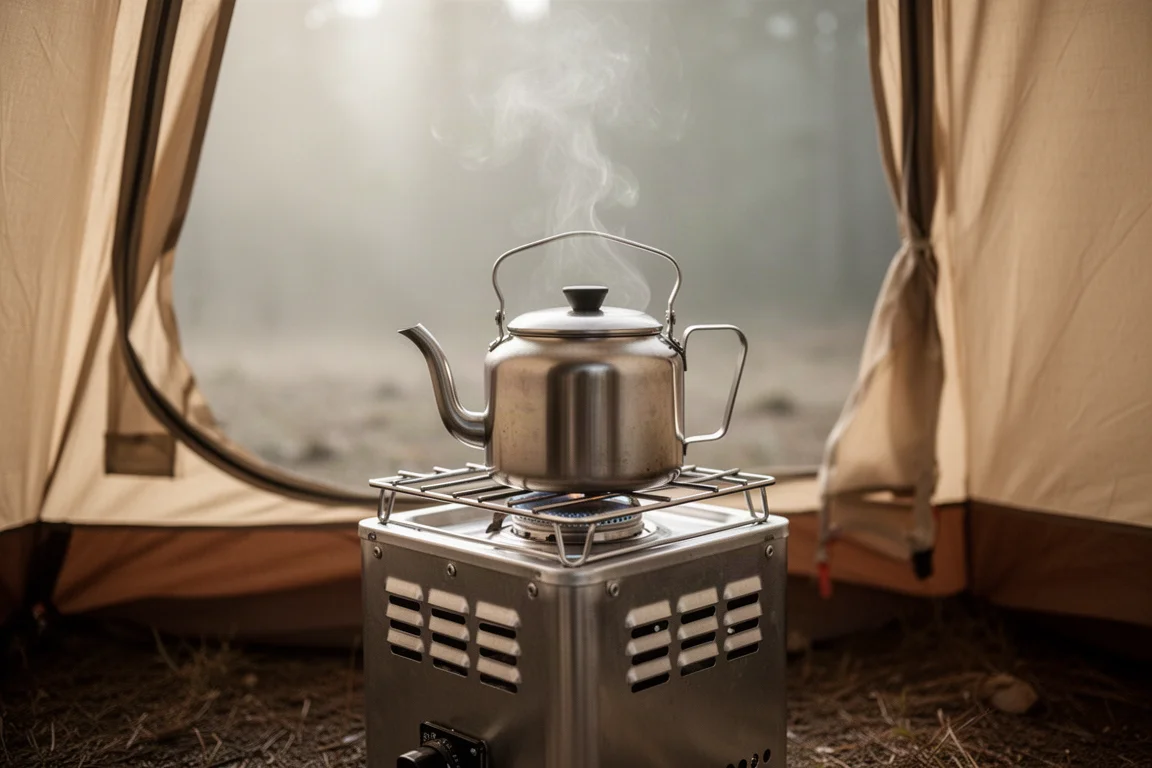
The practical test for a unit like this is whether it can boil water. Two cups in an uncovered kettle reached a rolling boil in 7 minutes 42 seconds, with the water visibly close at around the 2 minute 23 second mark. That is a reasonable result for a heater first and a stove second, and it confirms there is enough heat to cook with rather than only to warm things through.
Keeping the lid off the kettle is deliberate. It is the only way to see the exact moment the water begins to boil, since a lid hides the surface and a clear lid fogs up from the inside.
The heat itself behaves in a specific way. In heater mode, warmth emerges from the front and then rises, and the shallow reflector means it does not project far. In stove mode, all of the output goes upward, which is exactly what you want under a pot.
The 4,400 BTU rating places this in the small space category. It will warm a compact tent and it will cook, but it is not a device for a large shelter or a cold, open campsite. Judged against that brief, it performs as intended.
Buying Advice
At $57, this is an easy product to justify if your camping happens around a vehicle and you want one compact appliance for both warmth and cooking. The conversion is genuinely useful, the ignition is simple, and the boil time shows there is real heat on tap.
Go in with the right expectations. Treat it as a small space heater with a cooking function rather than a high output heater. If warmth is your only priority, a smaller unit with more output will serve you better. If you want to heat a tent and boil a kettle from the same box, the trade-off is worth it.
Plan for ventilation and placement. With no low oxygen or tipover sensors on board, keep the unit on a stable, level surface and make sure air can move through the shelter. Do not leave it running unattended, and keep the front grate clear of fabric and bedding.
Also plan for storage. Since no bag or case is included and the folded shape is unusual, it is worth deciding in advance how you will protect it in transit.
Long term durability is the open question. The aluminium shell feels light in hand, and heaters in this category sometimes develop rattles over time. That is something only extended use will reveal, so buy on the strengths you can verify now.
Conclusion
This is an unusual appliance, and unusual is not automatically good. As a heater it is modest: a shallow reflector, 4,400 BTU, and heat that prefers to rise rather than reach across a space. As a stove it works, and the 7 minute 42 second boil time proves there is enough output to cook a real meal.
The case for buying it rests on the combination. For $57, a car camper gets a quiet, compact unit that warms a small tent and then converts into a stable cooking surface with an extra grate for larger pots. Keeping the modest heat output, the light feel of the shell, and the missing safety sensors in mind, it makes sense for the right kind of trip.
Product link
View more details for Portable Butane Heater Stove Combo
This product is mentioned in the review. Check the specifications, options, and compatibility before buying.
View more details for Portable Butane Heater Stove ComboFurther reading
Related Reviews
Camping Heaters
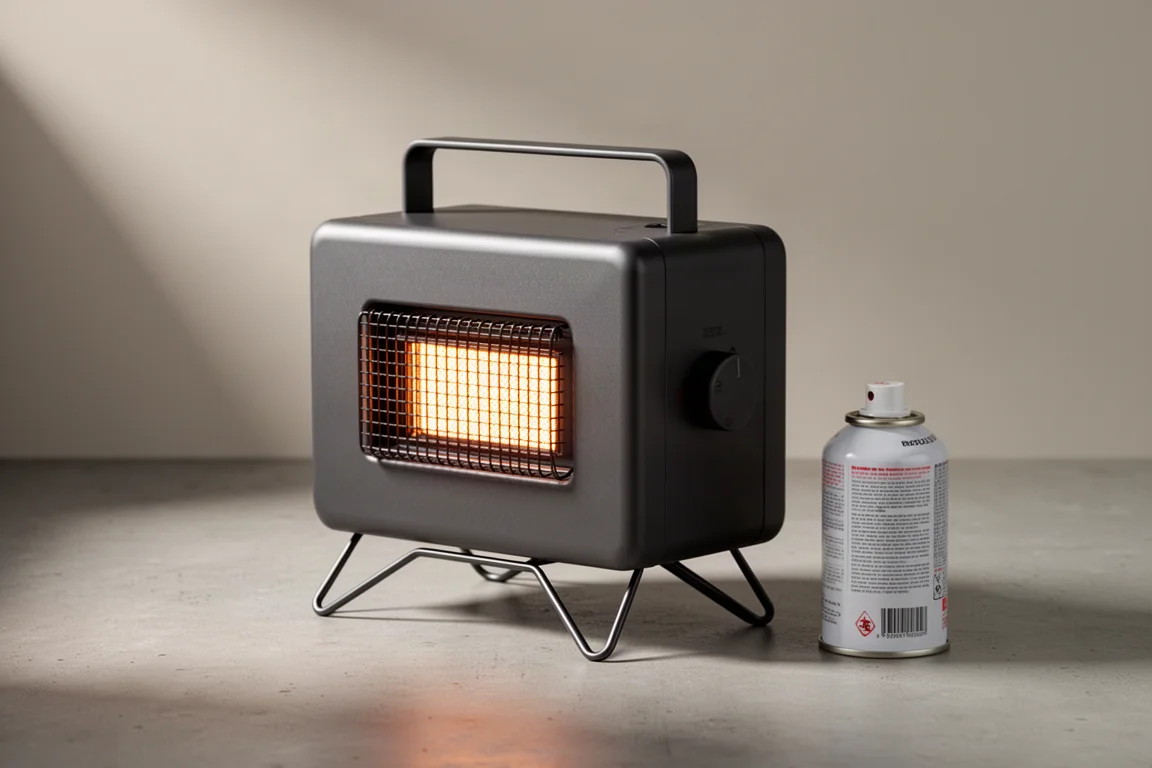
Kovea Cupid Heater Review: Compact Butane Warmth for Small Spaces
A long-term look at the Kovea Cupid, a compact 3,333 BTU butane heater built for small tents, vehicles, and cabins, including its strengths, its trade-offs, and who should buy it.
Camping Heaters
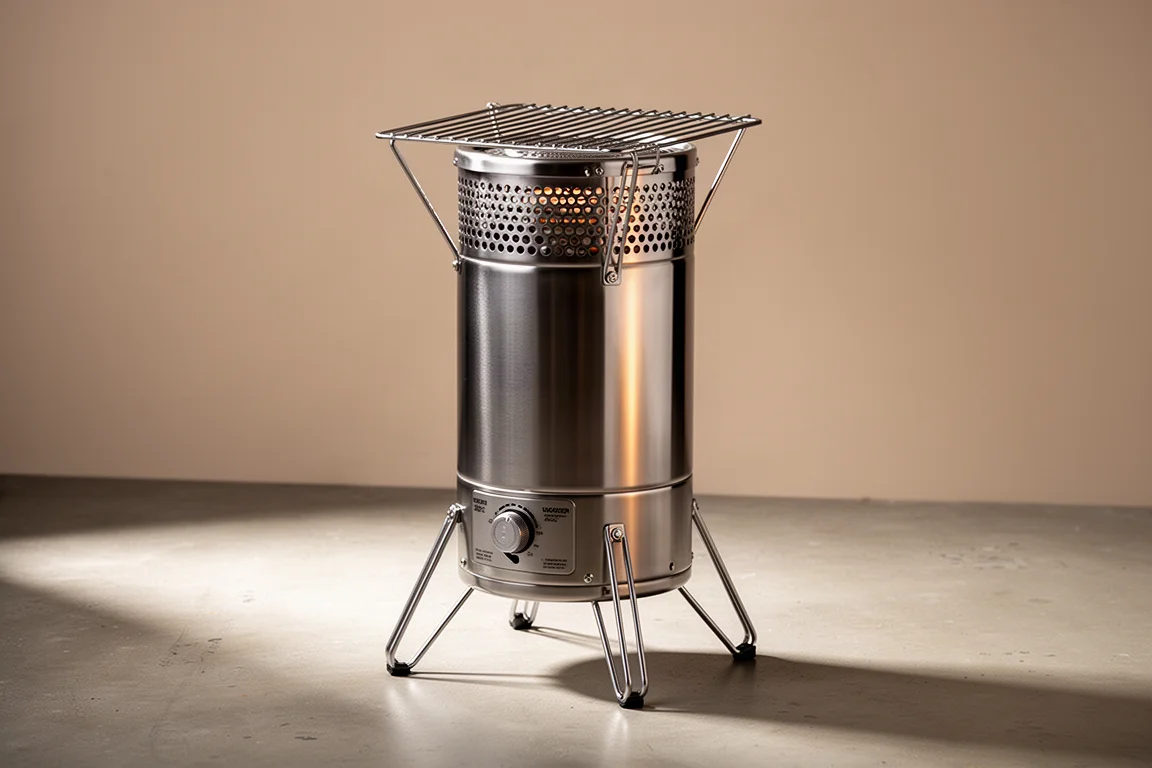
Kovea GigaSun Heater Review: Extreme Propane Heat for Emergencies and Off-Grid Use
A close look at the Kovea GigaSun, a propane heater with extraordinary output, a stainless steel build, and a heat level that suits emergency backup better than tent camping.
Camping Heaters
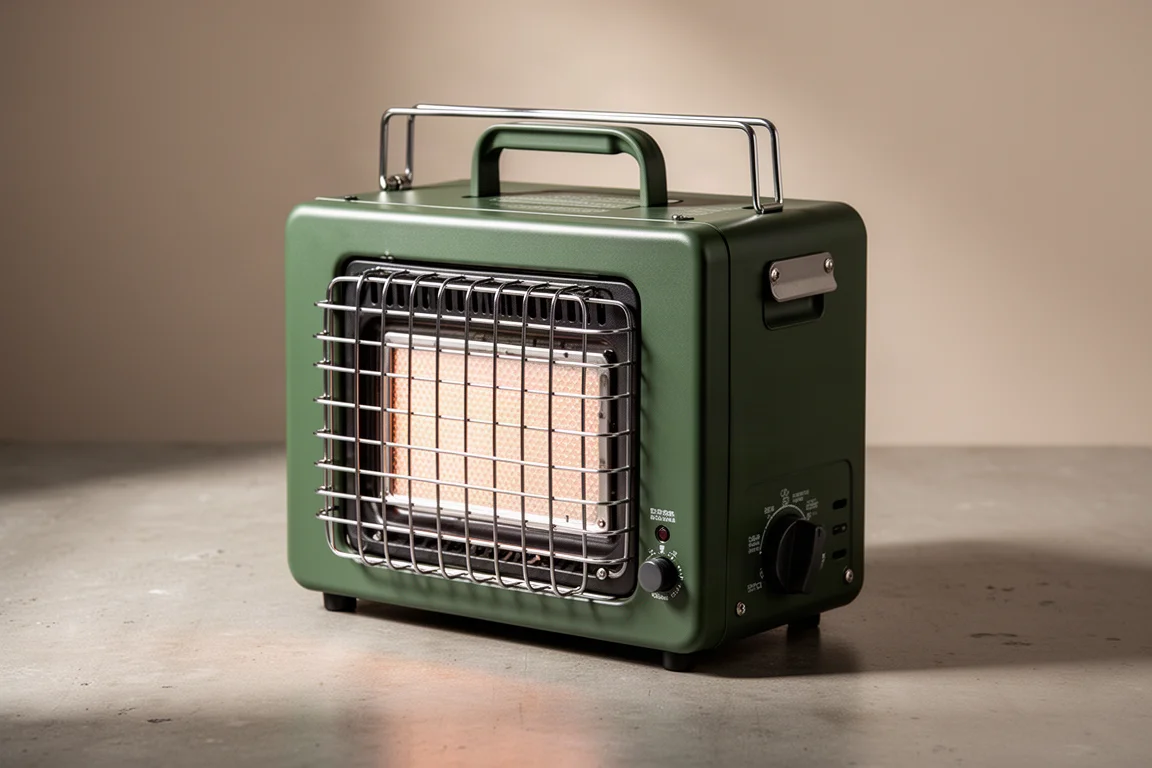
Mr. Heater Buddy Review: A Dependable Propane Heater for Cold Weather Camping
A close look at the Mr. Heater Buddy, covering its 4,000 and 9,000 BTU output, fuel efficiency, safety shut-offs, and the hose detail worth understanding before you buy.