Portable Audio
Portable Audio Systems: Ten Setups for Listening Away From Home
A practical guide to ten portable audio options, from true wireless earbuds to dedicated players and high-end in-ear monitors, and the trade-offs each one carries.
Introduction
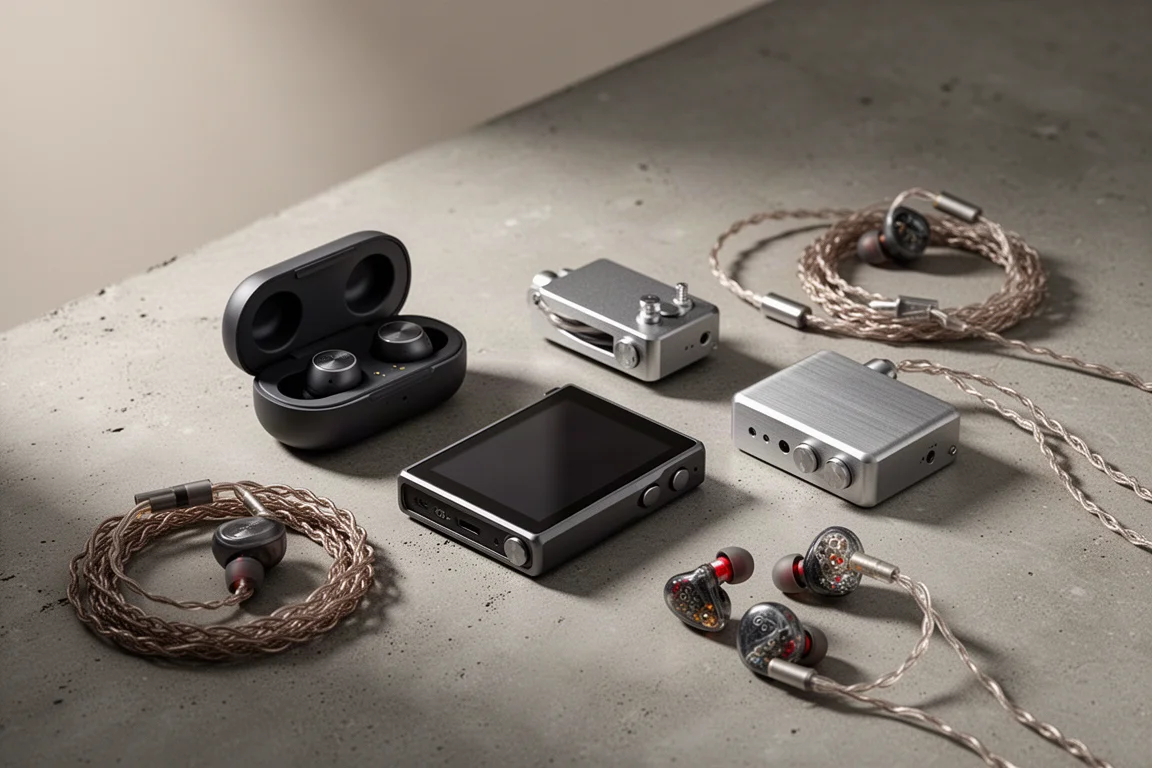
Portable audio in practice is a series of trade-offs. Every step up in sound quality tends to cost something in convenience, and every step up in convenience tends to cost something in sound. This guide looks at ten options across that spectrum, from true wireless earbuds to dedicated players and high-end in-ear monitors, and explains where each one earns its place.
Three requirements shape the choices here. First, lossless playback should be possible wherever it is practical, at CD quality or above. Second, juggling micro SD cards is worth avoiding, because a large lossless library rarely fits on a single card. Third, every setup should be able to run streaming services such as Spotify, Tidal, Qobuz and a personal Plex server.
What follows is a snapshot rather than a comprehensive survey. Breadth comes at the expense of depth, and every system described below carries at least one compromise worth knowing about before buying.
What Matters in Portable Audio
The first question is where the music comes from. A smartphone offers streaming apps and a familiar interface, but its headphone output and Bluetooth codec support vary widely. A dedicated player removes the phone from the equation, usually at the cost of carrying a second device and charging it separately.
The second question is what sits in your ears. In-ear monitors, or IEMs, cover everything from simple wired earphones to multi-driver designs with separate dynamic, balanced armature and electrostatic drivers. More drivers do not automatically mean better sound, but they do tend to mean a larger price tag.
The third question is how the two connect. Bluetooth removes cables and adds noise cancelling in some models. A wired connection through a portable DAC and amplifier usually sounds better, but it brings cables, dongles and pocket management into the picture.

Weather and clothing matter more than most buying guides admit. A heavy winter coat has room for a player and a cable, while a summer outfit often does not. That single practical detail pushes many listeners back to a phone, a dongle or a pair of true wireless earbuds for months of the year.
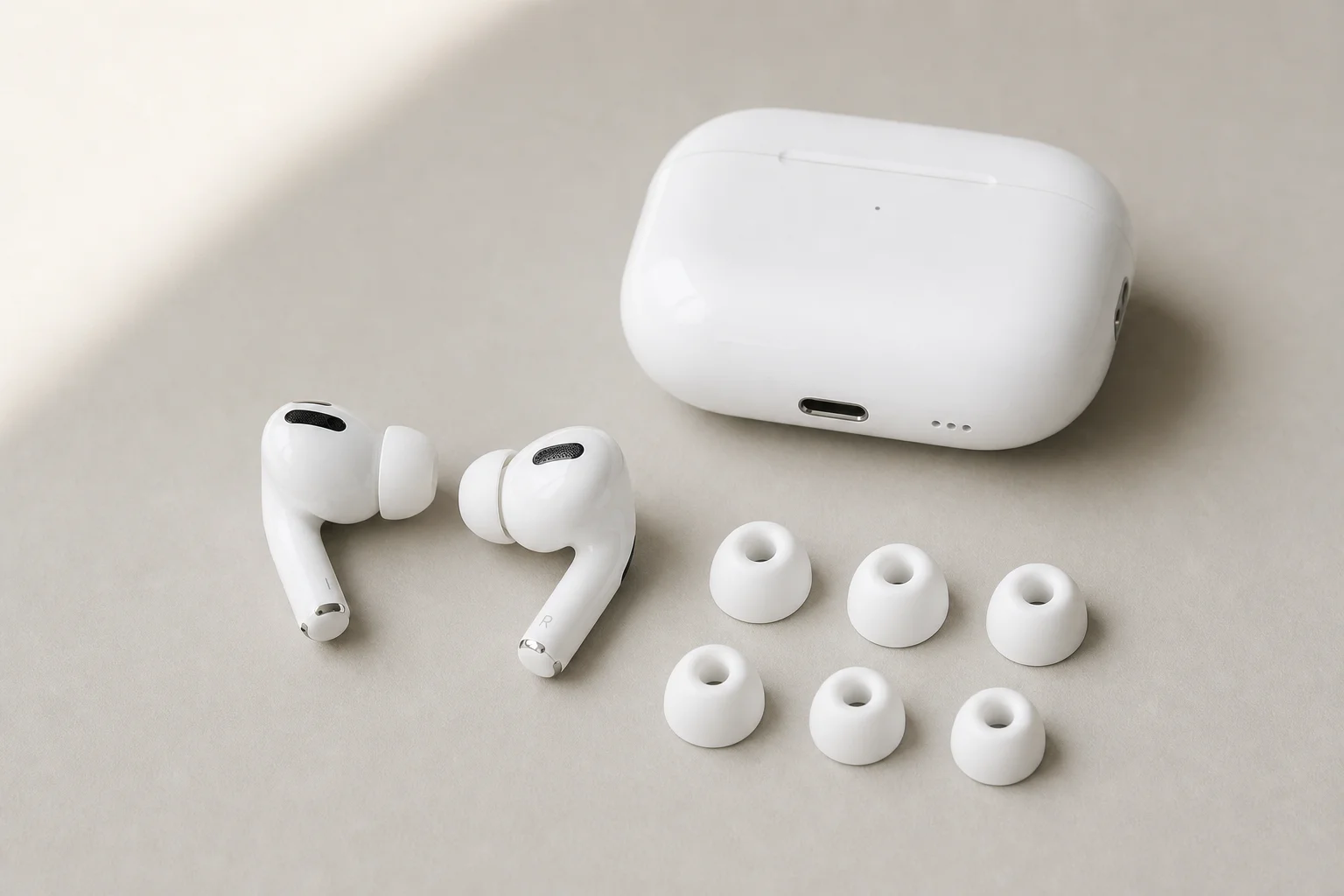
Apple AirPods Pro: Convenience First
The AirPods Pro remain a benchmark for comfort. They can be worn all day without complaint, they handle podcasts well, and they are excellent for phone calls. For a lot of listeners, that combination covers most of the time spent wearing earphones.
Some owners swap the supplied tips for aftermarket options. That can reduce wind turbulence when riding a bike, though it also trims a little of the bass impact. Even with the stock tips, the low end is not especially strong.
That is the compromise. As good as they are for talking and for listening to speech, they are not the most rewarding option for music. Buyers who care mostly about convenience and call quality will be well served here, while buyers who want weight and texture in the low end should look further down this list.
Sony WF-1000XM4: True Wireless for Music
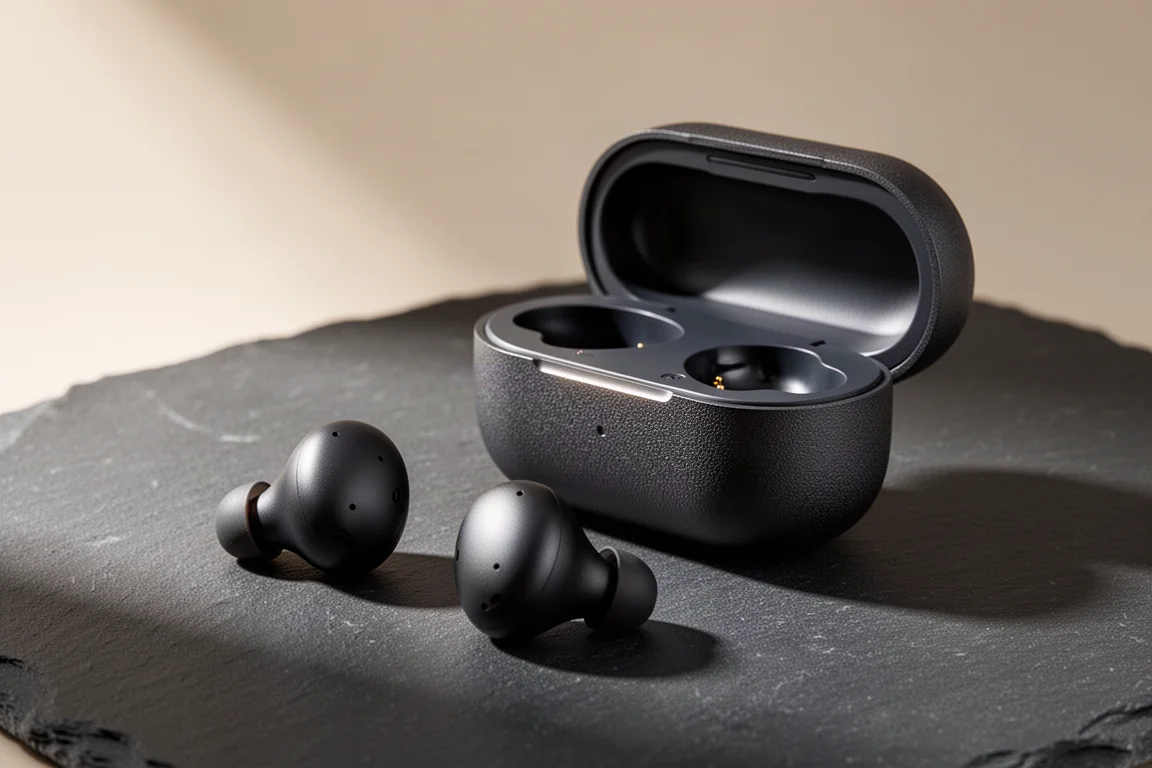
The WF-1000XM4 are the true wireless pick for listening to music rather than speech. They pair with a smartphone like any other wireless earbud, and the quality of the Bluetooth stream depends on the phone in use.
Codec differences are often overstated. LDAC on an Android phone does sound a little better than AAC on an iPhone, but the gap is narrow, and it is not wide enough to justify changing phones. Anyone claiming that one codec transforms these earbuds is overselling the difference.
What the Sony model does exceptionally well is bass and layer separation. Instruments stay distinct even in dense mixes. The trade-off sits in the mid-range, which can sound slightly muddy, and in vocal clarity, which does not reach the level of a good wired IEM.
Echo OH1: Hybrid Wired IEMs
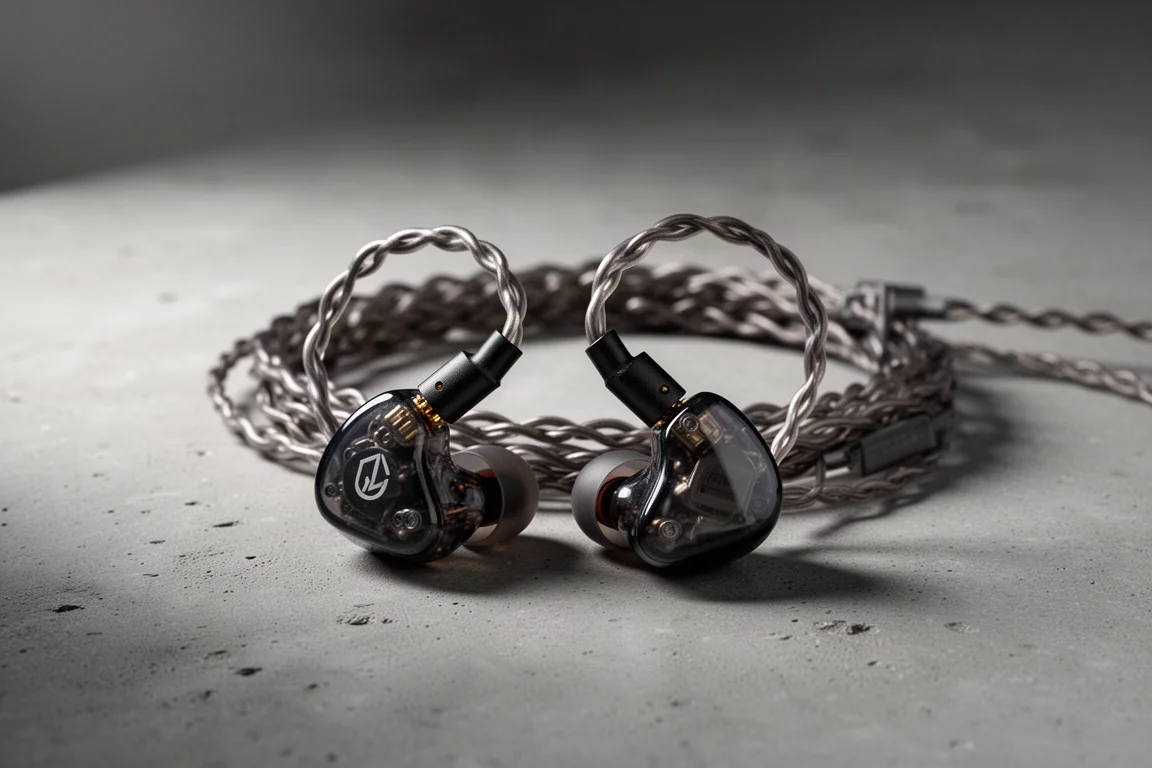
The Echo OH1 takes a hybrid approach, combining a dynamic driver with balanced armature drivers. The result is a wired earphone that sounds noticeably more articulate than a typical wireless design, with a low end that lands harder than the Campfire Audio Holocene described below.
Using it with a smartphone means adding a Bluetooth DAC and amplifier, and this is where the iFi GO blu becomes relevant. Together the pair draws out a level of vocal clarity that the earphones struggle to deliver from a plain phone output.
The upside is sound quality and the absence of battery anxiety in the earphones themselves. The downside is everything that comes with wires: a cable to manage, a separate device to carry, and one more thing to charge at the end of the day.
iFi GO blu: Bluetooth DAC and Headphone Amp
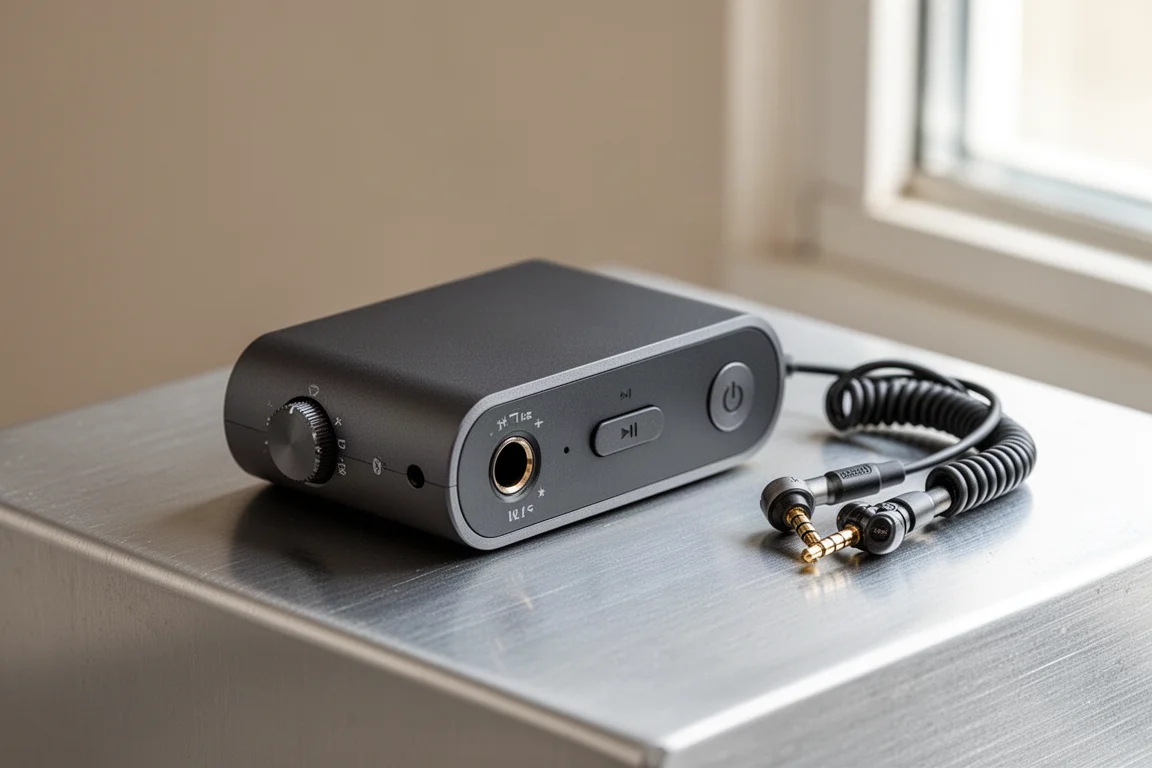
The GO blu is a compact DAC and headphone amplifier that connects to a smartphone over Bluetooth and drives wired earphones from there. It has a small volume wheel that is easy to find and adjust by feel, which matters when the device is buried in a pocket.
Connectivity is a strength. There is a balanced output alongside the standard single-ended connection, so balanced earphone owners are covered without adapters. The sound is open and spacious, particularly through the upper mid-range, and it supports high-quality Bluetooth codecs and announces which one is active.
The compromise is Bluetooth itself, which is not yet a lossless transmission method. A comparable alternative such as the FiiO BTR5 offers switchable soundstage widening and bass enhancement through active components, though its tonality is a little greyer and the bass boost is subtle enough that it is not always welcome.
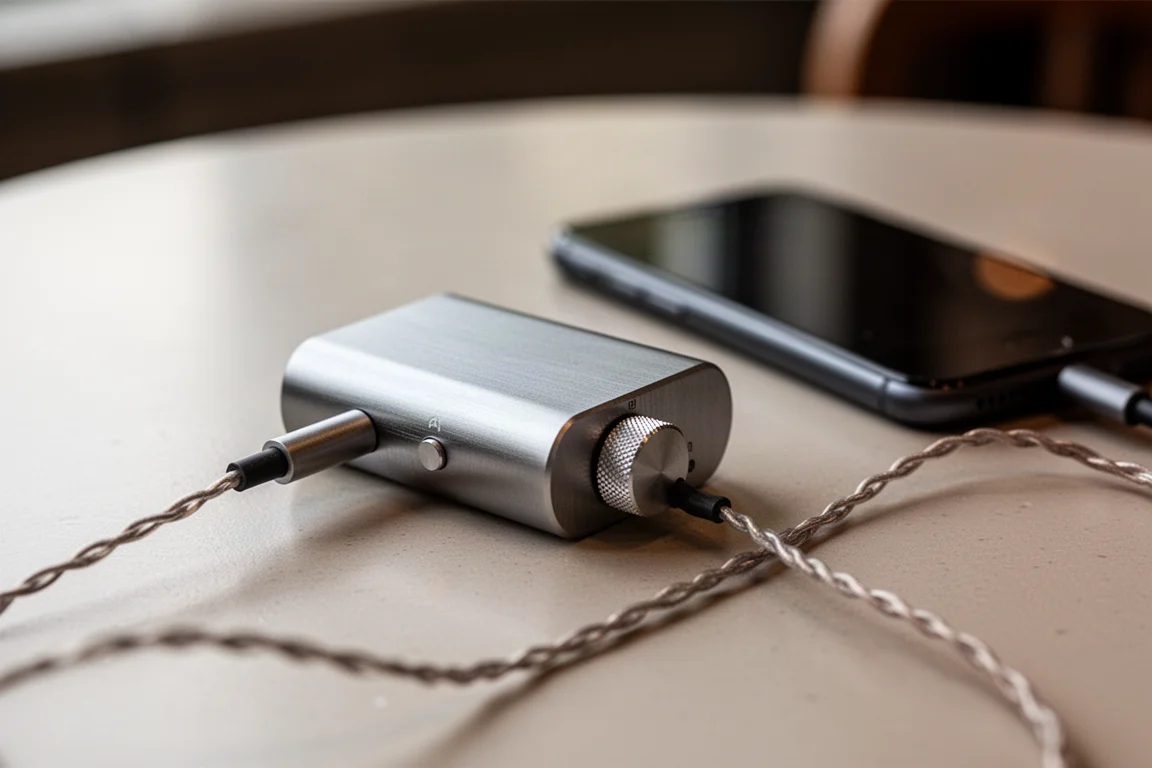
The practical case for a device like this is straightforward. It turns a pair of wired IEMs into something that works with a phone, without asking the listener to carry a full-sized player. For short trips and everyday errands, that is often the best balance available.
Campfire Audio Holocene: Clarity from Wired IEMs
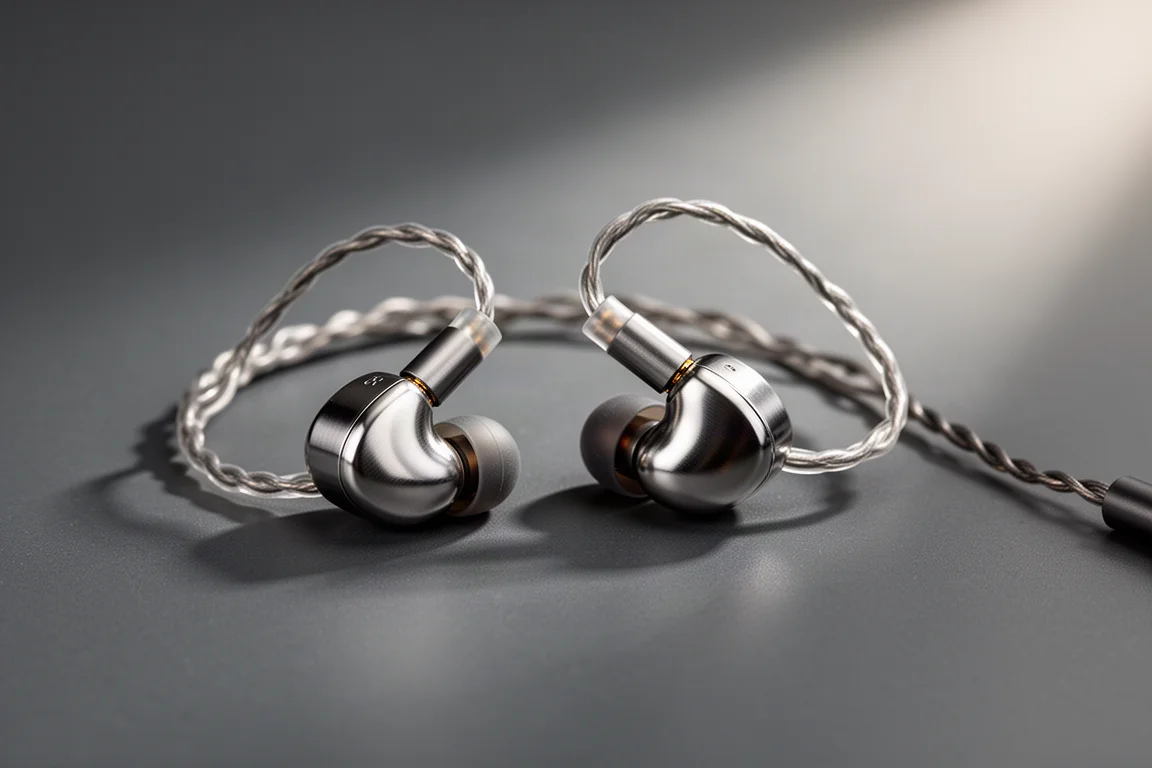
The Campfire Audio Holocene uses three balanced armature drivers and aims for clarity above all. The top end is beautifully extended, and the overall presentation has more jump and dynamic contrast than the hybrid designs discussed above. The one area where it gives ground is low-end punch.
Dongle DACs are the natural partner for earphones like these. A compact model such as the AudioQuest DragonFly Red or DragonFly Cobalt connects to an iPhone through a camera connection kit and to an Android phone through a separate adapter cable, which makes for a solid portable result.
The weak point is the interlink cable. It is not especially robust, and folding the whole assembly into a pocket puts stress on a connector that takes a beating over time. Pocketability, rather than sound, is the limiting factor.
A bass-oriented alternative in the same family, the Campfire Audio Mammoth, uses a hybrid design for listeners who want more low-end weight, but the Holocene remains the more balanced of the two.
Chord Mojo: Transportable Rather Than Portable
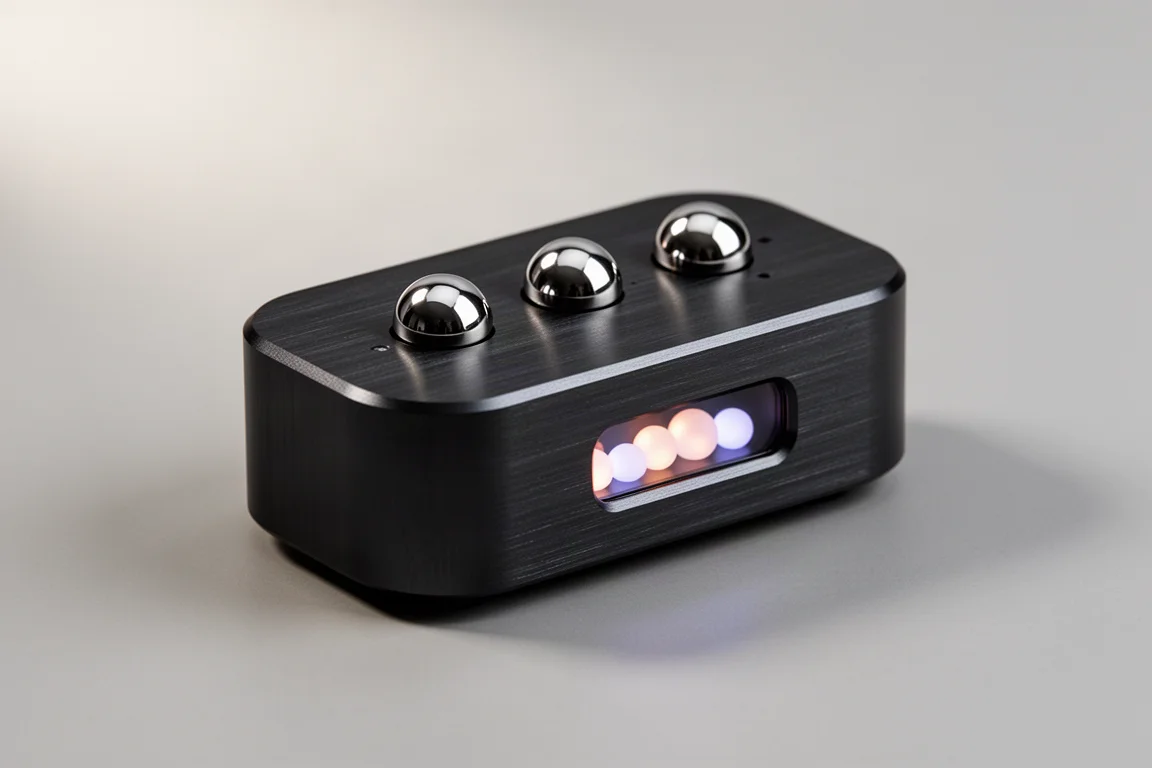
The Chord Mojo remains one of the best-sounding DACs below $500, several years after its release. Compared with the DragonFly Cobalt it offers more transparency, greater dynamics and a punchier overall sound, and with the Holocene connected the improvement is easy to hear.
The problem is the cable arrangement. Even with a short USB cable, the stack of phone, DAC and earphone cable is awkward to pocket. It works at a desk or in a home system, where it can be left connected and used as a serious source, and that is where most of its value shows up.
As a pocket device it is closer to transportable than portable. Buyers who want a single object in a jacket pocket should plan around that, while buyers who mostly listen at a desk will find very little to complain about.
iBasso DX300: A Dedicated Digital Audio Player
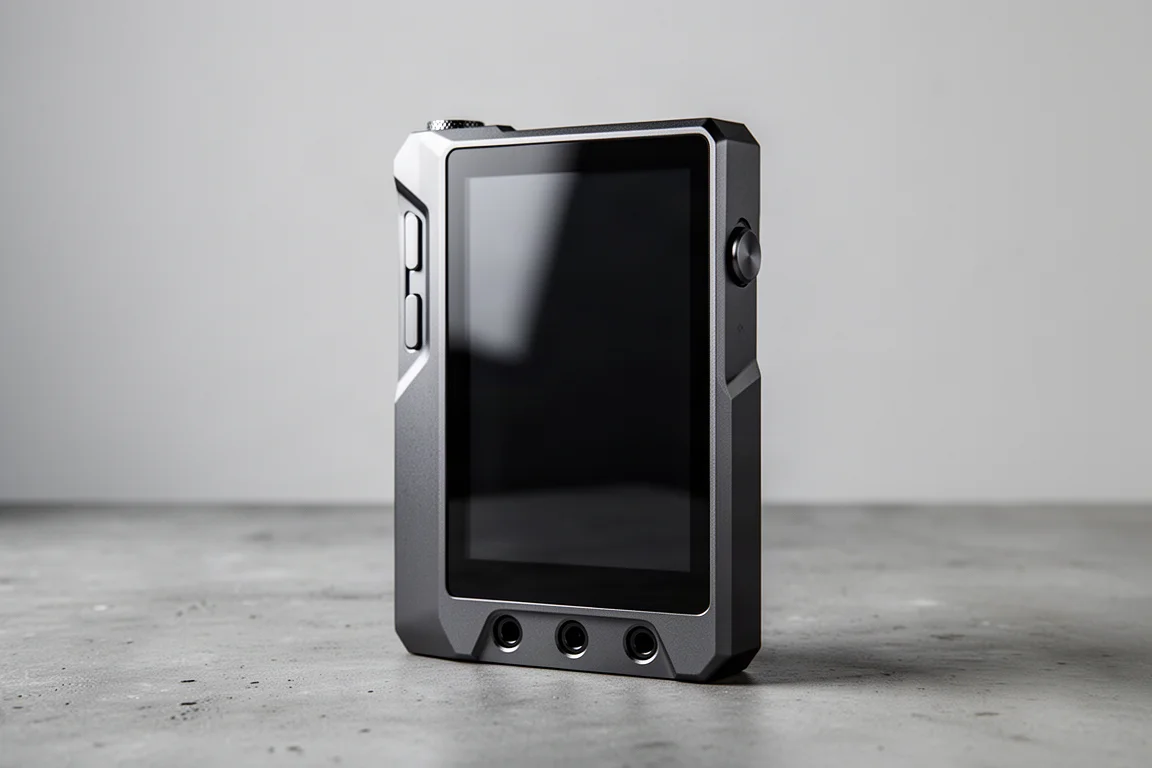
The DX300 is a dedicated player, often called a DAP, and it removes the smartphone from the chain entirely. It charges over USB and offers three headphone outputs: two balanced connections in different sizes and a standard 3.5mm socket, so most earphones connect without adapters.
Sound quality is a clear step beyond typical smartphone headphone outputs, with a lovely, extended top end that makes music sound delicate and finessed. Low-end weight is where it gives up a little ground, which is exactly why the Campfire Audio Ara pairs so well with it.
Because it runs Android, streaming services work normally, including access to a personal Plex library. That flexibility is the reason this category still has a following. The battery lasts roughly seven to nine hours between charges, which is shorter than a phone, and the body is thick enough that it is a genuine second device to manage.
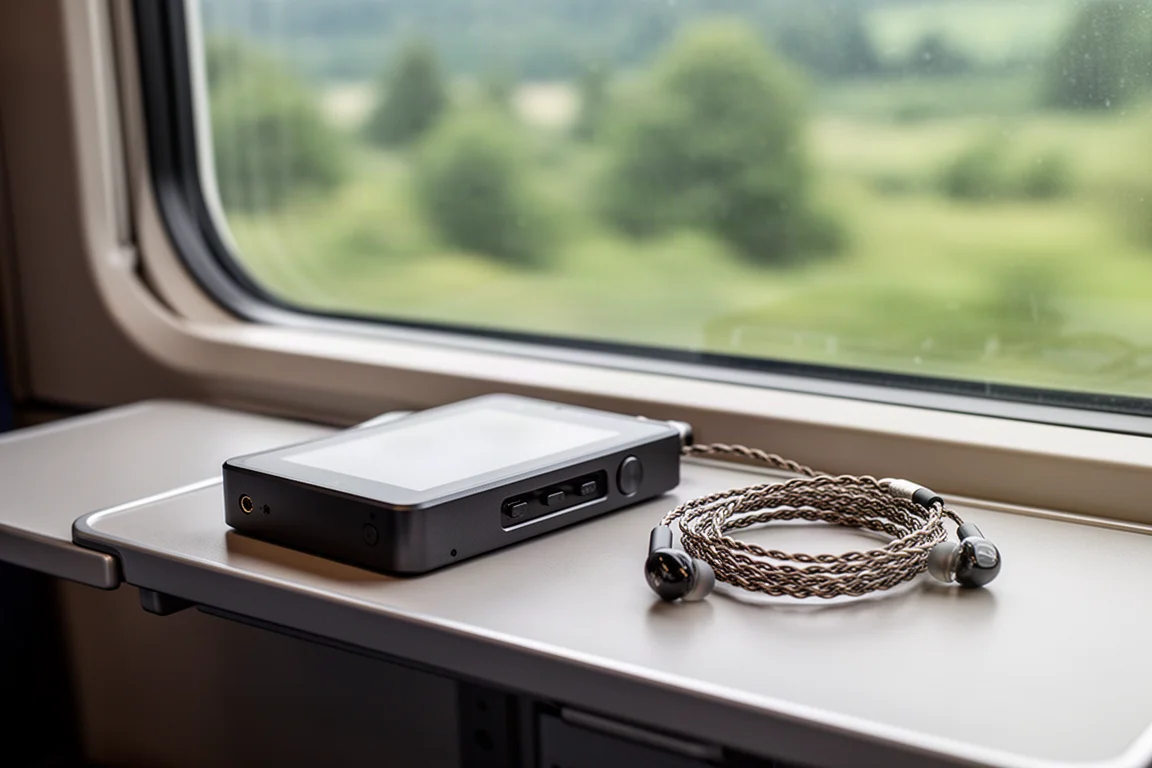
That thickness is the honest trade. It is not heavy, but it is another object to carry, charge and remember, and the listening experience has to justify that. For anyone who wants lossless playback, streaming and no card juggling in one device, it usually does.
Campfire Audio Ara: The Balanced Campfire Option
The Campfire Audio Ara is the most balanced earphone in the Campfire range, with a fuller low end than the Holocene. That extra weight compensates neatly for players that are slightly light in the bass, which makes it a natural companion for the iBasso DX300.
Paired together, the two make a coherent travelling system for longer walks and quieter environments. The Ara does not ask for much beyond a capable player, and it responds well to the extra output options a dedicated device provides.
The trade-offs are the usual wired ones. There is a cable to untangle, a player to carry, and no active noise cancelling, so the system is best suited to places where ambient noise stays low.
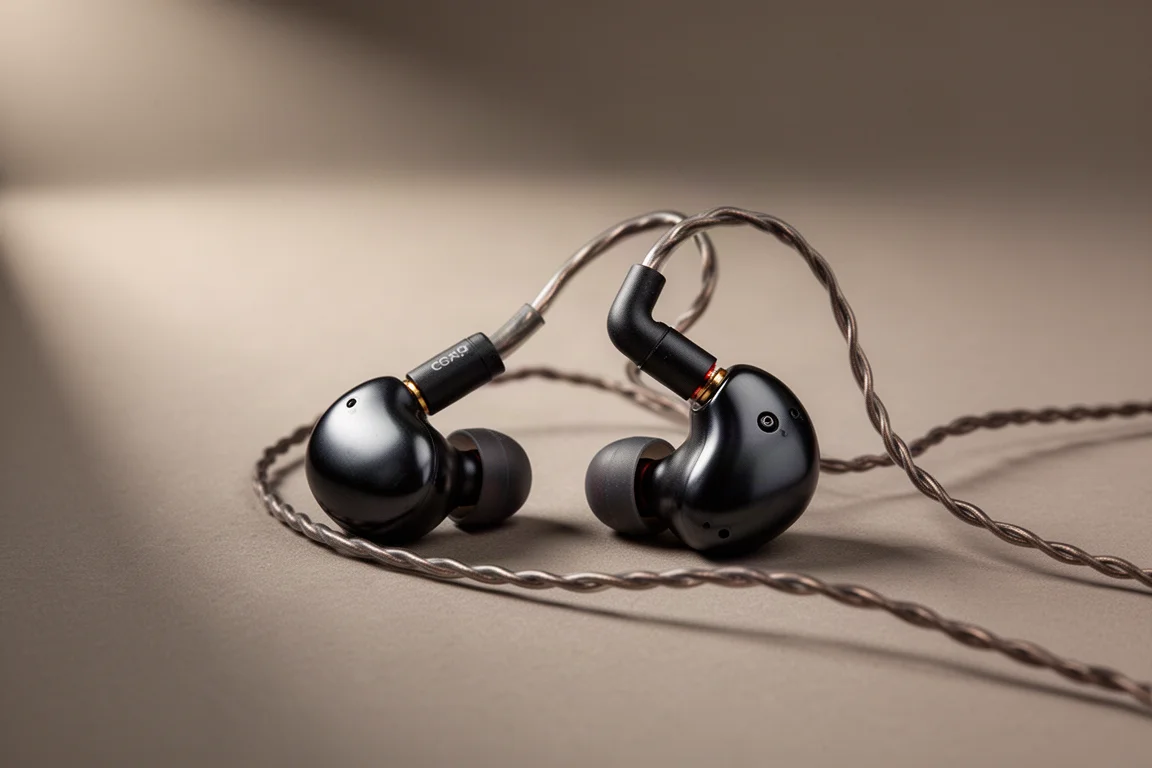
Empire Ears Odin: The Summit of Portable Listening
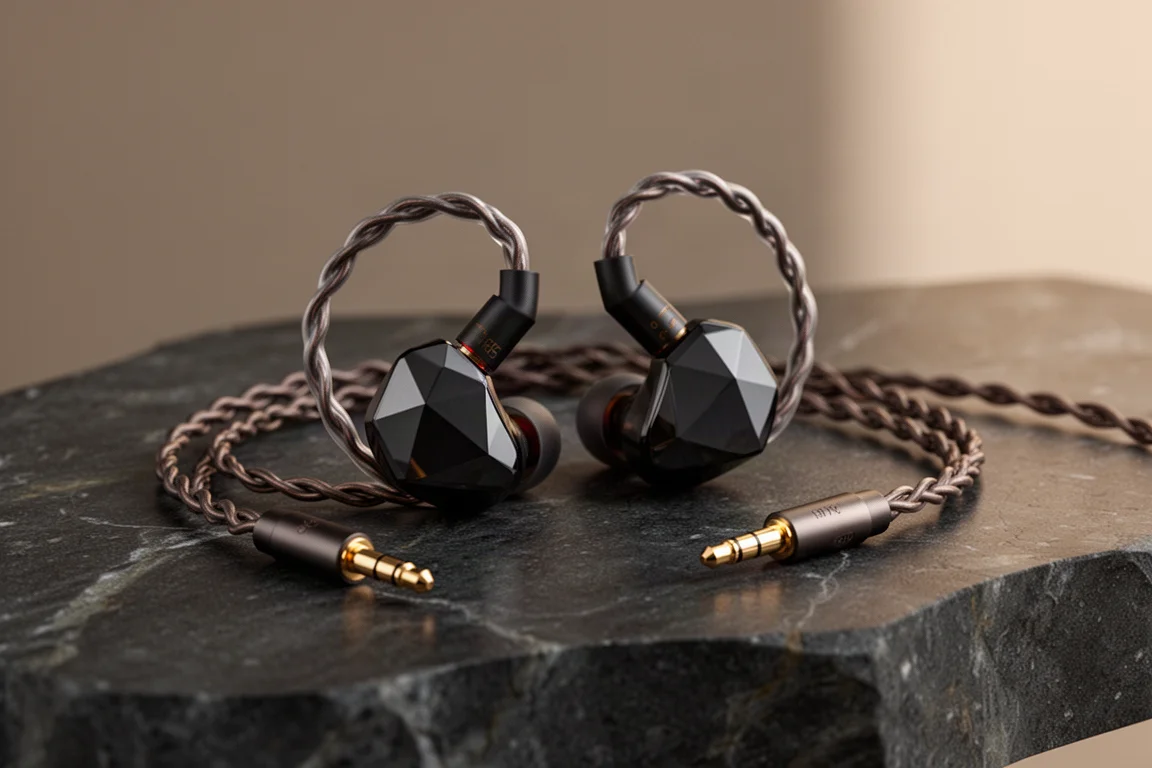
The Empire Ears Odin is unlike anything else in this list. On first listen it can sound strange, because it presents music in a way that makes many other earphones sound slightly wrong. Once that adjustment passes, the dynamics and detail retrieval are extraordinary.
Inside the shell there are eleven drivers: two dynamic drivers for the low end, five balanced armature drivers for the mid-range and electrostatic drivers for the top end. The connector is a 2.5mm balanced plug, which limits which players can drive it directly.
It also costs $3,400, so anyone uncomfortable with high-end audio pricing is not the intended buyer. What it demonstrates is how far portable sound quality can go when price is not the constraint.
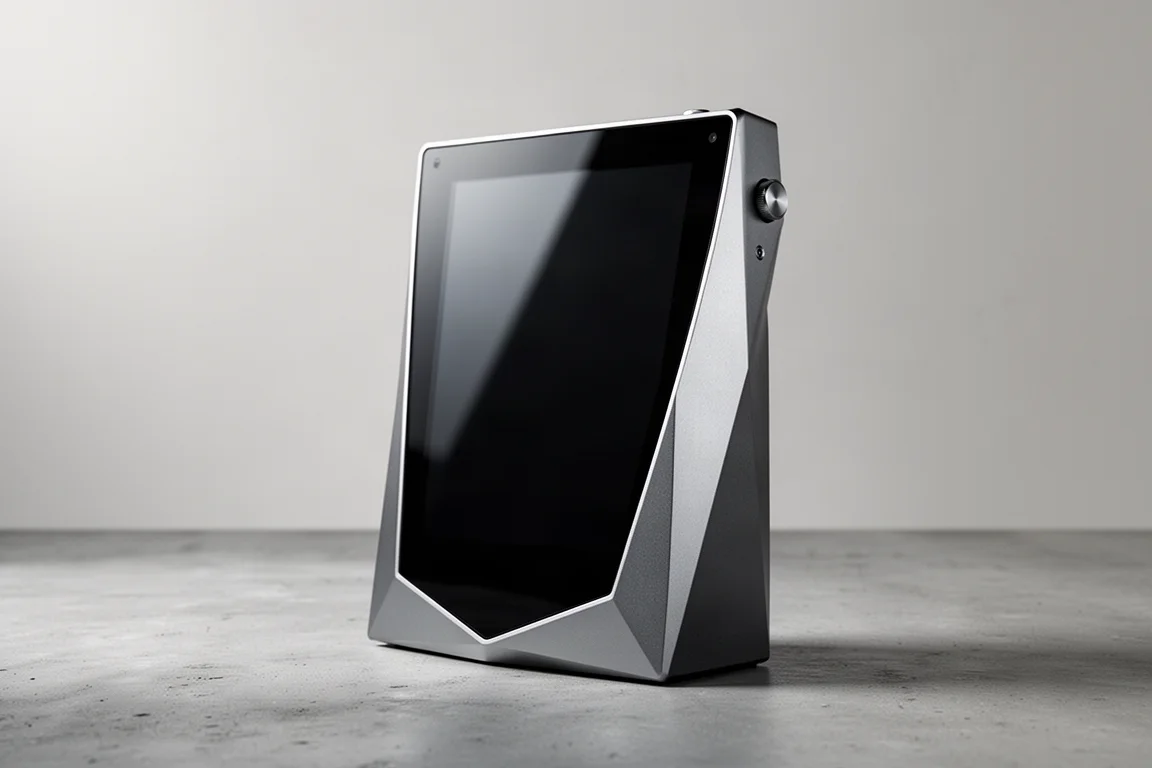
Astell&Kern SP2000: A Different Set of Trade-offs
The SP2000 is a flagship player and a significant step up in price, around $2,000 more than the iBasso DX300. It sounds a little better overall: slightly darker and more hooded in the treble than the DX300, but with noticeably more weight to the sound.
The compromise is software. It does not run a stock version of Android. Streaming apps such as Spotify, Tidal and Qobuz have to be installed through the manufacturer’s own installer, and there is no route to a personal Plex library. Offline playback inside those apps is less smooth than on the iBasso.
Paired with the Odin, this is roughly a $7,000 portable system, and it represents the practical ceiling of what is possible on the move. The choice it presents is clear: more sound quality, or more flexibility.
How to Choose the Right Portable Setup
The right answer changes with the situation. For a short walk to a coffee shop, true wireless earbuds are hard to argue with, and the choice between them often comes down to whether the goal is a podcast or music. For longer walks, a dedicated player and a pair of high-end IEMs reward the extra effort.
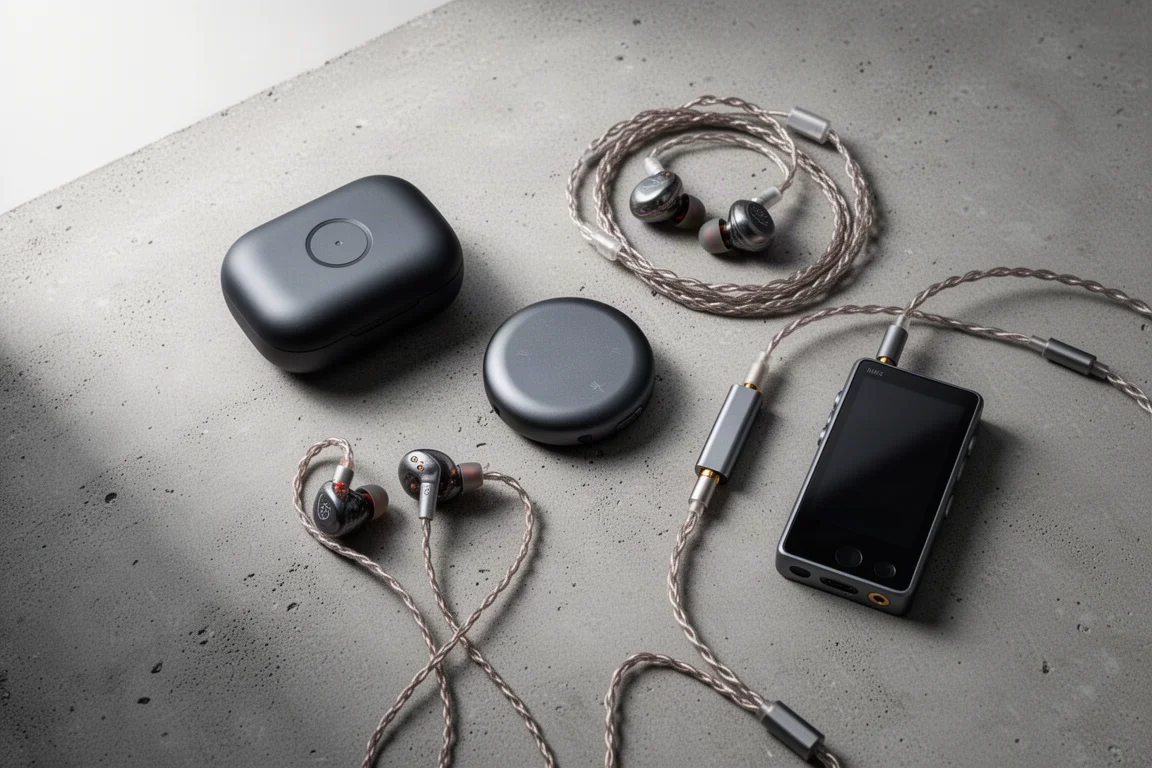
Weather and clothing shape the decision as much as sound quality does. In summer, without a coat, there is often nowhere sensible to put a player, so a dongle DAC with a phone, or a Bluetooth DAC with wired IEMs, becomes the practical option.
Travel adds another layer. On a plane, noise cancelling is usually the first priority, which favours the Sony earbuds over even very expensive passive-isolating IEMs. On a train, where there is a table and less ambient noise, a player and high-end IEMs make more sense. In busy parts of a city, noise cancelling again earns its place, while quiet open spaces are ideal for a player or dongle DAC with wired earphones.
Bluetooth deserves a fair hearing in all of this. It is compromised technically, but it still sounds very good, and it offers a level of convenience and noise cancelling that no flagship wired earphone can match.
Conclusion
Every system here trades something away. True wireless earbuds win on comfort and convenience and give up some sound quality. Wired IEMs with a DAC or a player deliver the best listening experience and ask for cables, charging and pocket space in return. Flagship players and earphones push the ceiling higher still, at prices that only make sense for a narrow group of buyers.
The useful approach is to decide which compromise is acceptable for the way you actually listen, and to buy for that situation rather than for the best possible sound in the abstract.
Further reading
Related Reviews
Portable Audio
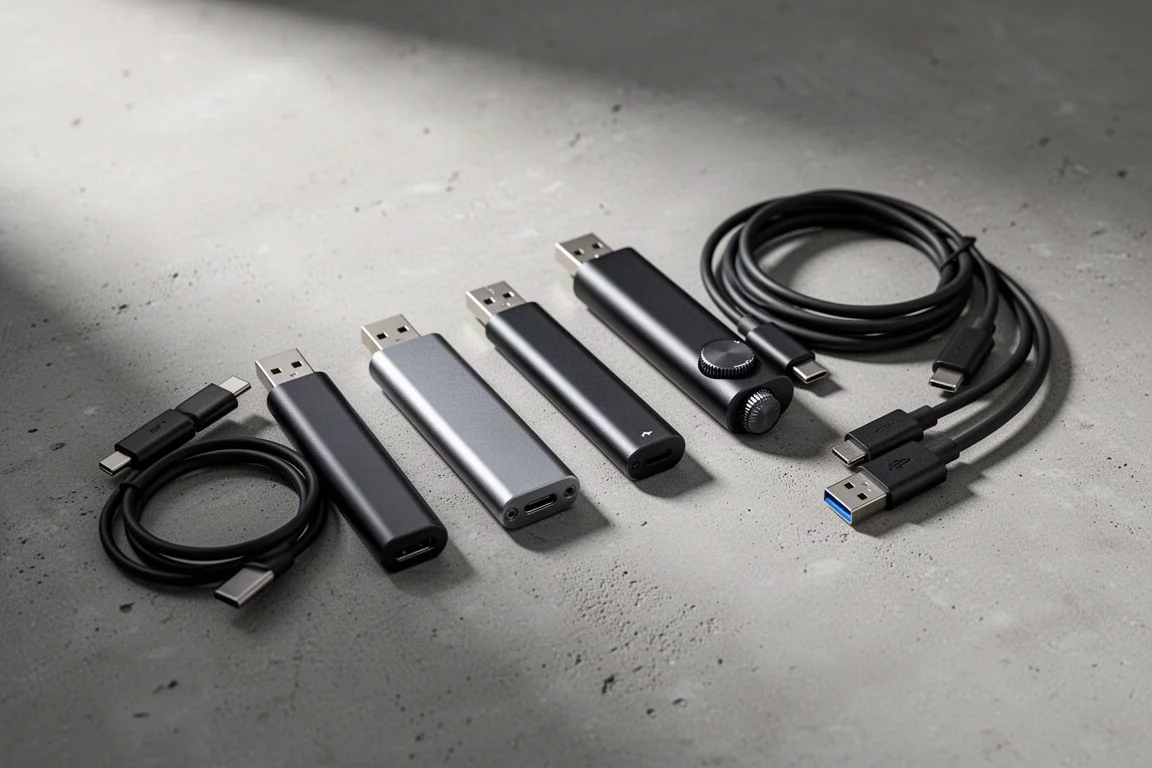
Best USB DAC Dongles Compared: DragonFly Cobalt, Fosi Audio DS1 and Hidizs S9 Pro
Five portable USB dongle DACs compared on sound signature, outputs, connectivity, build quality and value, from the $77 Fosi Audio DS1 to the $350 DragonFly Cobalt.
Portable Audio
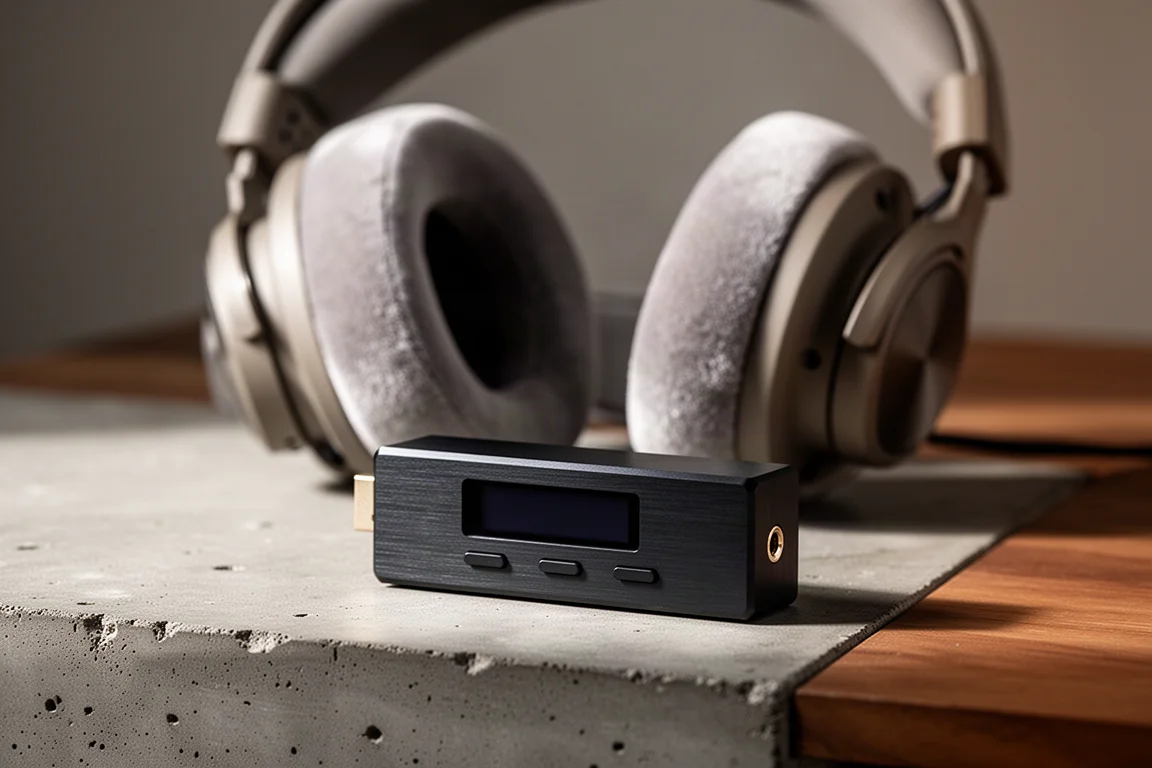
Cayin RU6 Review: A Discrete R2R Dongle DAC That Sounds Bigger Than It Looks
A pocket-sized R2R ladder DAC with balanced output, tactile controls, and a spacious, dynamic sound, plus the power limits worth knowing before you buy.
Portable Audio
Chord Mojo 2 Review: A Pocketable DAC and Headphone Amp for Serious Listening
A practical look at the Chord Mojo 2, a portable DAC and headphone amplifier with a custom FPGA design, dual headphone outputs, USB-C input, and a battery-friendly desktop mode.