Portable Audio
Chord Mojo 2 Review: A Pocketable DAC and Headphone Amp for Serious Listening
A practical look at the Chord Mojo 2, a portable DAC and headphone amplifier with a custom FPGA design, dual headphone outputs, USB-C input, and a battery-friendly desktop mode.
Introduction
The Chord Mojo 2 takes over from the original Mojo as the smallest and most affordable model in the brand’s lineup. Like its predecessor, it is a battery powered headphone amplifier that also works as a digital to analog converter small enough to slip into a pocket, and it accepts digital audio from USB sources alongside optical and coaxial digital inputs.
Chord designs and builds its products in its own UK facility, and that approach shows in the fit and finish of every part of the Mojo 2. The company’s studio pedigree is well established, with its converters used in major recording facilities around the world, and the Mojo 2 carries that same design philosophy into a device that weighs less than half a pound.
For anyone who wants genuinely high resolution playback without carrying a full desktop stack, the Mojo 2 is aimed squarely at that gap. It pairs a compact chassis with a converter architecture the brand develops in house, and the result is a portable device that can serve both on the move and at a fixed desk.
Who This Product Is For
The Mojo 2 makes the most sense for listeners who already own a decent pair of headphones or a good audio system and want to hear more from them. If your headphones are doing the heavy lifting in your setup, this is the kind of component that lets them show what they are capable of.
It also suits people who work from home or remotely with laptops, tablets and phones. Because it accepts digital audio over USB-C as well as optical and coaxial connections, it slots into a modern desk setup without adapters, and the new desktop mode means it can stay plugged in for long sessions rather than being treated purely as a travel device.
Finally, it is a natural fit for frequent travelers and commuters who want high resolution playback from a phone or laptop. With the addition of the Chord Poly, the Mojo 2 becomes a fully featured wireless music streamer, which extends its usefulness well beyond a simple wired connection.
Design and Build Quality
The main body keeps the rectangular shape and smooth rounded edges that defined the original Mojo, and the CNC milled aluminium chassis feels considerably more substantial than its sub-half-pound weight suggests. That build quality is not accidental: the brand’s founder came from an avionics background designing electronics for fighter jets, and that emphasis on reliability and attention to detail carried over into the audio products he went on to design.
On one side, two 3.5 mm headphone jacks remain, and it is genuinely useful that they have been kept. They let two people listen at once, make quick comparisons between two pairs of headphones straightforward, and either output can also feed an audio system or a pair of powered speakers.
Digital connectivity is where the updates are most visible. There is still an optical Toslink input, a mini plug coaxial digital input, a micro USB audio input and a dedicated micro USB charging port so the unit can keep playing while it charges. The notable addition is a USB-C port that accepts digital audio from USB-C sources, which makes connecting modern laptops, smartphones and tablets far simpler without an adapter or dongle. The Mojo 2 also has a dual data input, so it can be used with a Chord M Scaler.
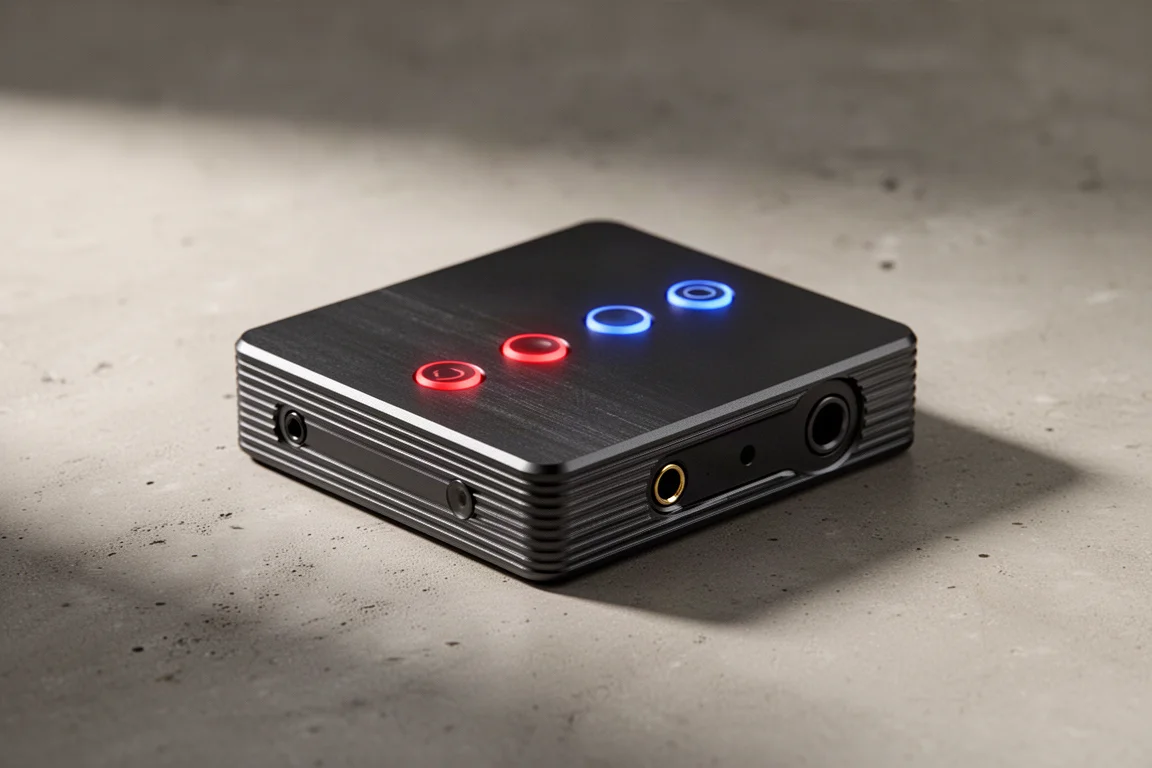
On the top face, the three rounded illuminated buttons of the original are joined by a fourth labelled M for menu. Each button lights in different colours to indicate status, sample rate or access to special modes, and the menu button cycles through the advanced features.
Main Strengths: Sound, Power, and Features
The Mojo 2 does not rely on a mass-produced off-the-shelf converter chip. Chord architects its own proprietary designs, and the Mojo 2 uses a field programmable gate array based converter built completely in house around Rob Watts’ converter technology. Crystal oscillators running nearly twenty times faster than those in regular converters help produce analog signals with extremely low noise, which is how fine detail in a recording becomes easier to hear.
The chip itself has been reworked for this generation, with completely rewritten code and an improved filter running forty DSP cores at full rate, which the brand describes as almost five hundred times faster than military-grade converter chips. Optimised noise shapers further improve signal accuracy, contributing to better depth and detail retrieval.
Output flexibility is a real strength. The Mojo 2 can drive headphones from 4 ohms all the way up to 800 ohms, so it comfortably handles everything from sensitive in-ears to high impedance models. On the playback side it accepts files up to 32-bit 768 kHz over the USB and coaxial inputs, while the optical input is limited to 24-bit 192 kHz. It also handles DSD files up to quad DSD 256. A glance at the illuminated power button tells you which sample rate is being decoded.
The menu button unlocks two features worth knowing about. The first is a tone control that the brand presents as a world first because it does not harm the signal, letting you tailor the sound to a particular pair of headphones. The second is crossfeed, which blends the channels in a way many listeners find more natural over long sessions.
Battery behaviour has also been rethought. Chord optimised the battery management system for a large reduction in power loss along with a nine percent gain in capacity, and only a quarter of the previous power loss while charging, so the unit charges faster, lasts longer and runs cooler. You should be able to expect more than eight hours of headphone listening over USB. Desktop mode takes this further with a charging system that regulates the process once the battery is full, with the menu button and battery indicator lighting purple to confirm it is active.
Real-World Listening Notes
A practical test setup pairs the Mojo 2 with a laptop through the USB-C input and a phone through a USB-C to Lightning cable for high resolution streaming on the move. With the laptop feeding CD quality audio at 44.1 kHz, the power button lights a deep red, making it easy to confirm at a glance what is being decoded.
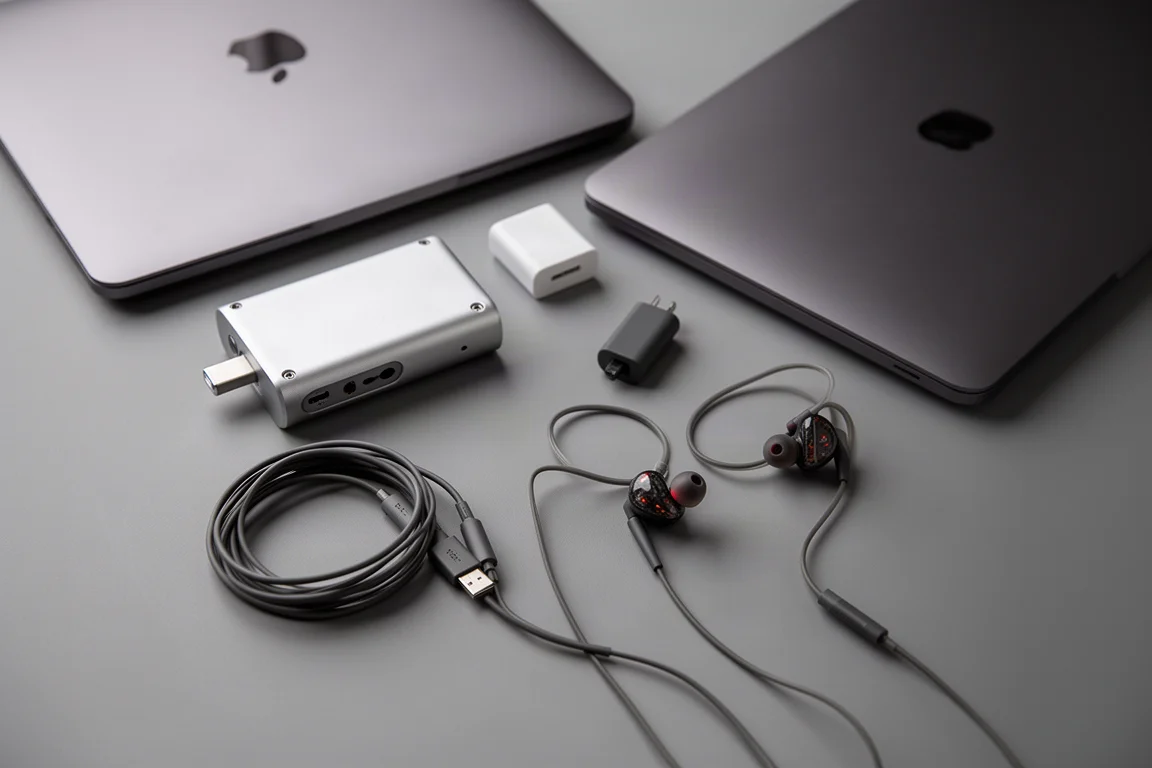
Comparing the same tracks through a laptop headphone jack and then through the Mojo 2 makes the difference clear. Where the direct output offers a pleasant separation of detail, the Mojo 2 adds layers of immersive detail and clear dynamics that make a listening session come alive. Dense material benefits most: the soundstage takes on a more holographic and musical quality, with wider top end extension and a fuller dynamic range that opens up detail in the presentation.
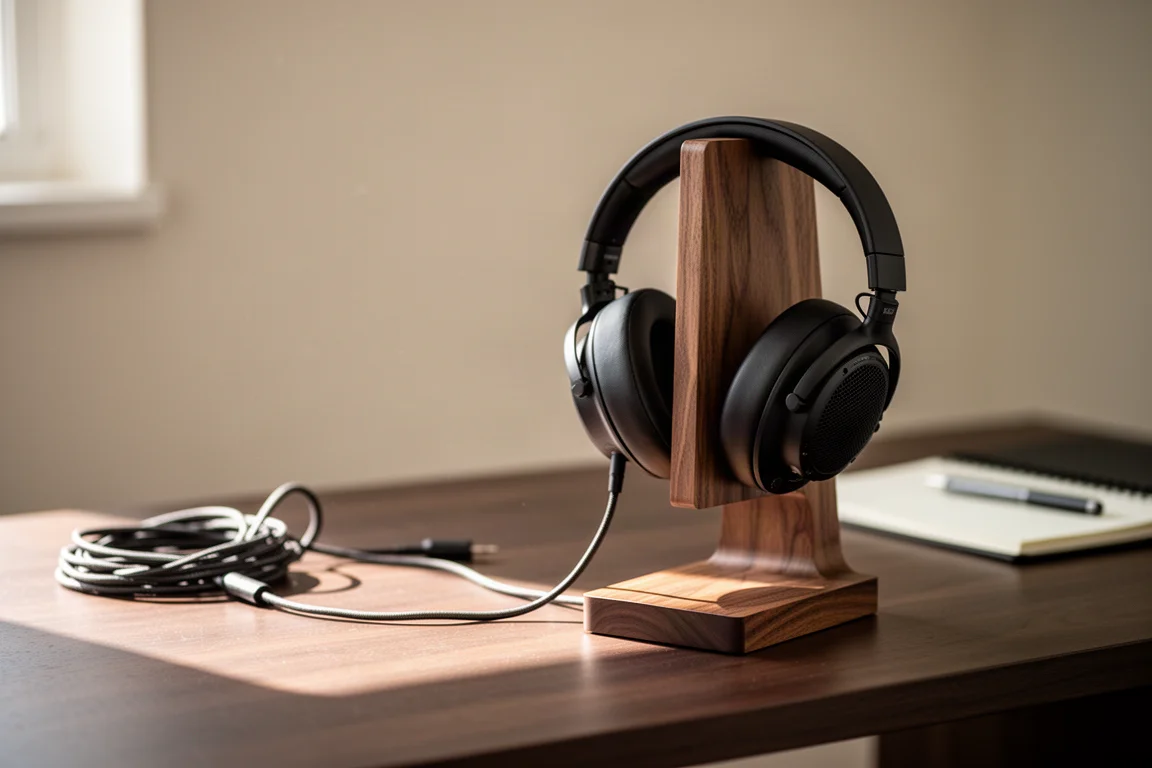
Driving demanding headphones is not a problem either. The Mojo 2 has no trouble with lower impedance closed-back models, including wireless designs used in their passive mode, and it has the output on hand to drive higher impedance headphones without strain. For closed-back listening, a neutral sound profile with a first class soundstage is a natural match for what this device does well.
Things to Consider Before Buying
The most practical consideration is the connection on your phone. Until Lightning ports disappear entirely from the iPhone lineup, iPhone users will still need either an adapter or a dedicated USB-C to Lightning cable. The adapter route is the weaker option because it can compromise the quality of the digital audio signal, so a proper audiophile-grade cable is the better choice. The situation is already simpler on the current iPad range and other USB-C devices, where the Mojo 2 connects directly.
Second, wireless streaming is not built in. To turn the Mojo 2 into a fully featured wireless music streamer you need to add the Chord Poly, which is a separate purchase. If your priority is cable-free playback, factor that into the total cost.
Third, the menu system asks for a little patience. Advanced features such as the tone control and crossfeed are selected by cycling through colour coded states on the illuminated buttons, which is compact and elegant but takes some learning compared with a screen based interface.
Finally, this is a premium portable component rather than a budget accessory. It is positioned as a small investment relative to the significant upgrade in sound quality and flexibility it brings, so it is worth weighing against the headphones you plan to use it with.
Buying Advice
The clearest way to decide is to start with your headphones. If you have invested in a good pair, the Mojo 2’s ability to drive anything from 4 to 800 ohms means it will get the most out of them, and the difference is easiest to hear with well recorded material.
Next, think about how you will use it. If it will mostly sit on a desk, desktop mode makes it a sensible always-connected option that protects the battery while you work. If it travels with you, the more than eight hours of expected USB headphone playback and the cooler running design matter more. If you want to stream wirelessly, plan for the Poly from the outset.
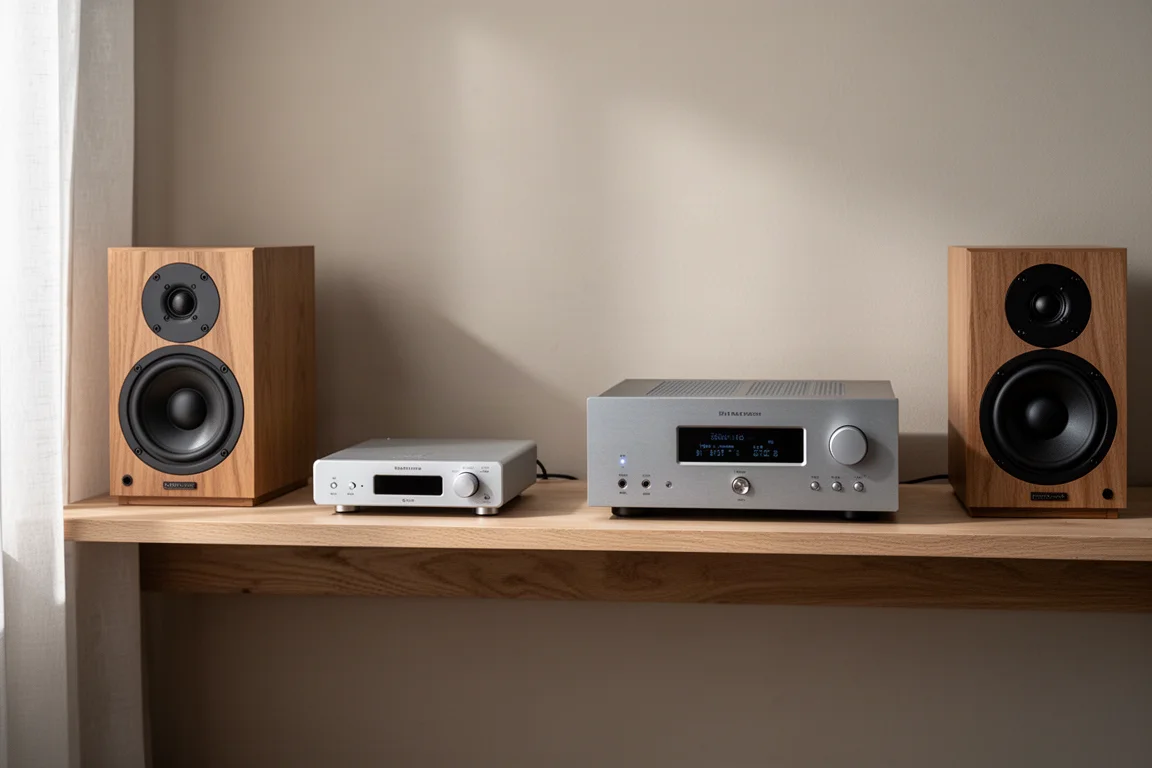
On connectivity, the USB-C input is the most future-proof route for laptops, tablets and modern phones. If you are still on a Lightning equipped iPhone, budget for a quality USB-C to Lightning cable rather than relying on an adapter. Either way, the Mojo 2 slots into a wide range of setups without demanding much space or desk real estate.
Conclusion
The Chord Mojo 2 is a thoughtful evolution of a device that already had a strong reputation. It keeps the pocketable size, the dual headphone outputs and the flexible digital inputs, then adds USB-C audio, a lossless tone control, crossfeed and a desktop mode that protects the battery during long stationary sessions.
Its in-house converter architecture, wide headphone driving range and support for files up to 32-bit 768 kHz and quad DSD 256 put genuine high resolution capability in a device that weighs less than half a pound. For its size, the Mojo 2 delivers a level of micro detail that makes both portable and home listening setups come alive, and it remains expandable through the Poly for anyone who wants wireless streaming later. If you own a decent pair of headphones or a good system, this is a compact and capable way to upgrade your computer audio.
Product link
View more details for Chord Mojo 2
This product is mentioned in the review. Check the specifications, options, and compatibility before buying.
View more details for Chord Mojo 2Further reading
Related Reviews
Portable Audio
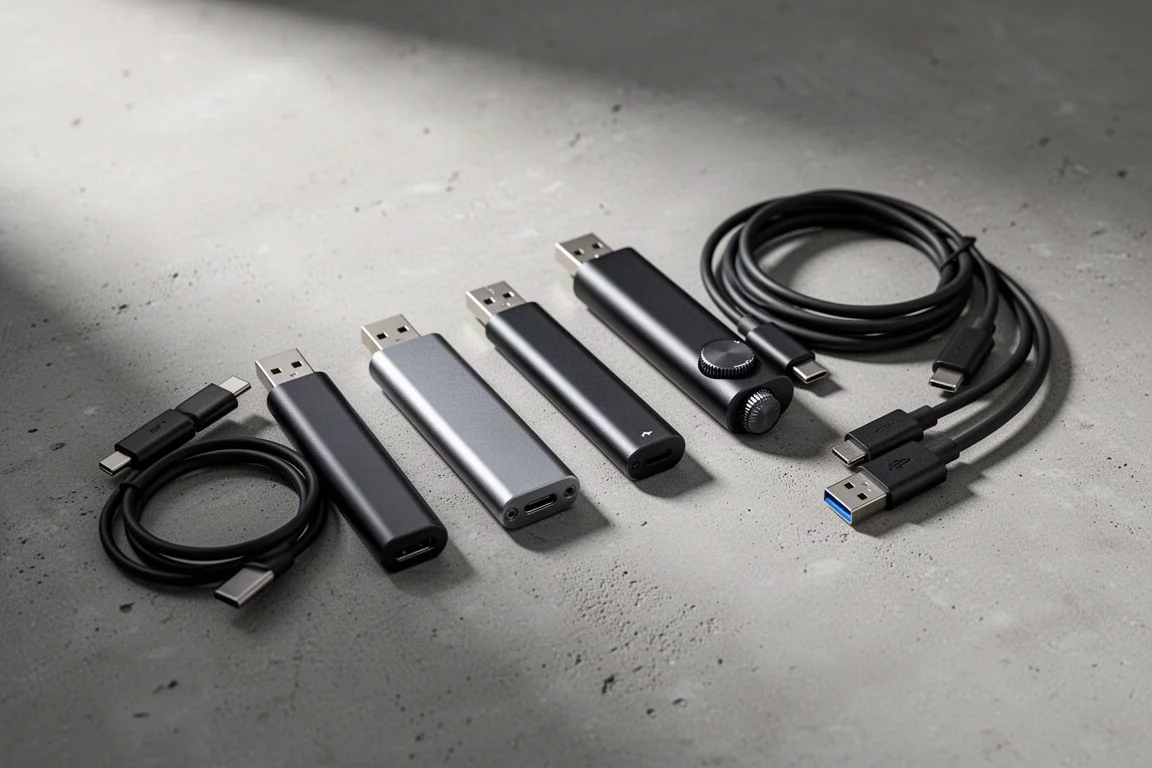
Best USB DAC Dongles Compared: DragonFly Cobalt, Fosi Audio DS1 and Hidizs S9 Pro
Five portable USB dongle DACs compared on sound signature, outputs, connectivity, build quality and value, from the $77 Fosi Audio DS1 to the $350 DragonFly Cobalt.
Portable Audio
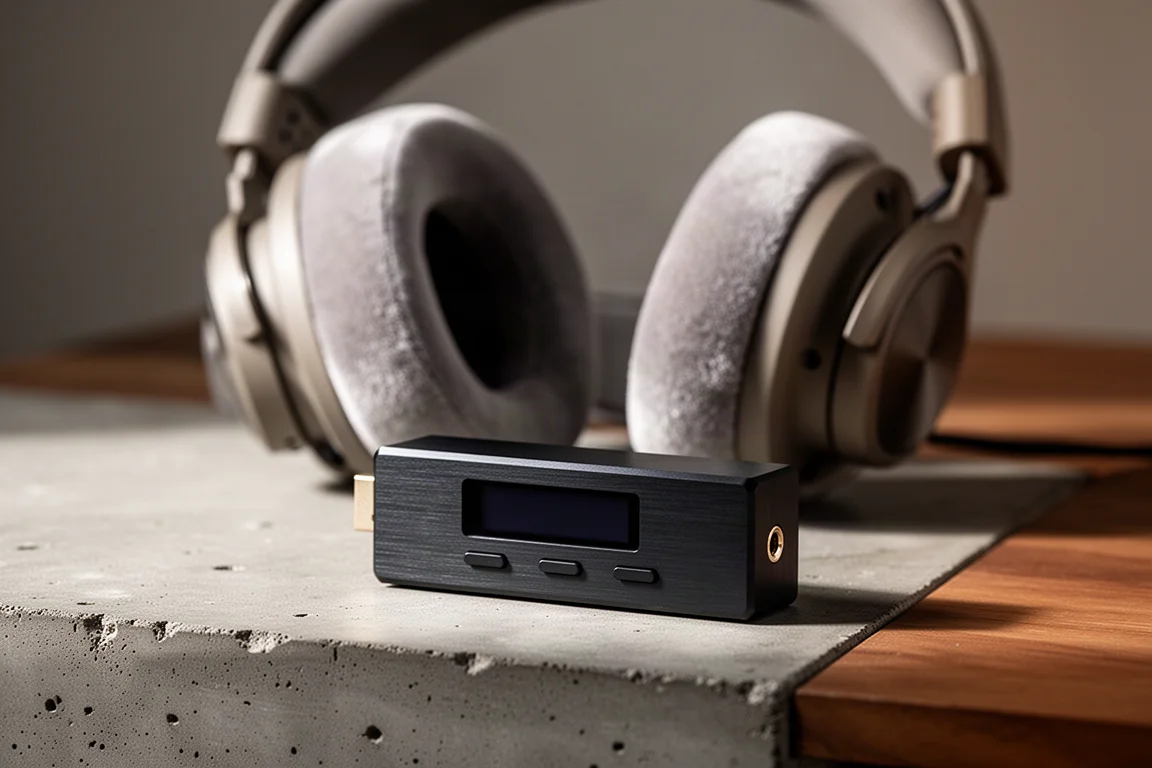
Cayin RU6 Review: A Discrete R2R Dongle DAC That Sounds Bigger Than It Looks
A pocket-sized R2R ladder DAC with balanced output, tactile controls, and a spacious, dynamic sound, plus the power limits worth knowing before you buy.
Portable Audio
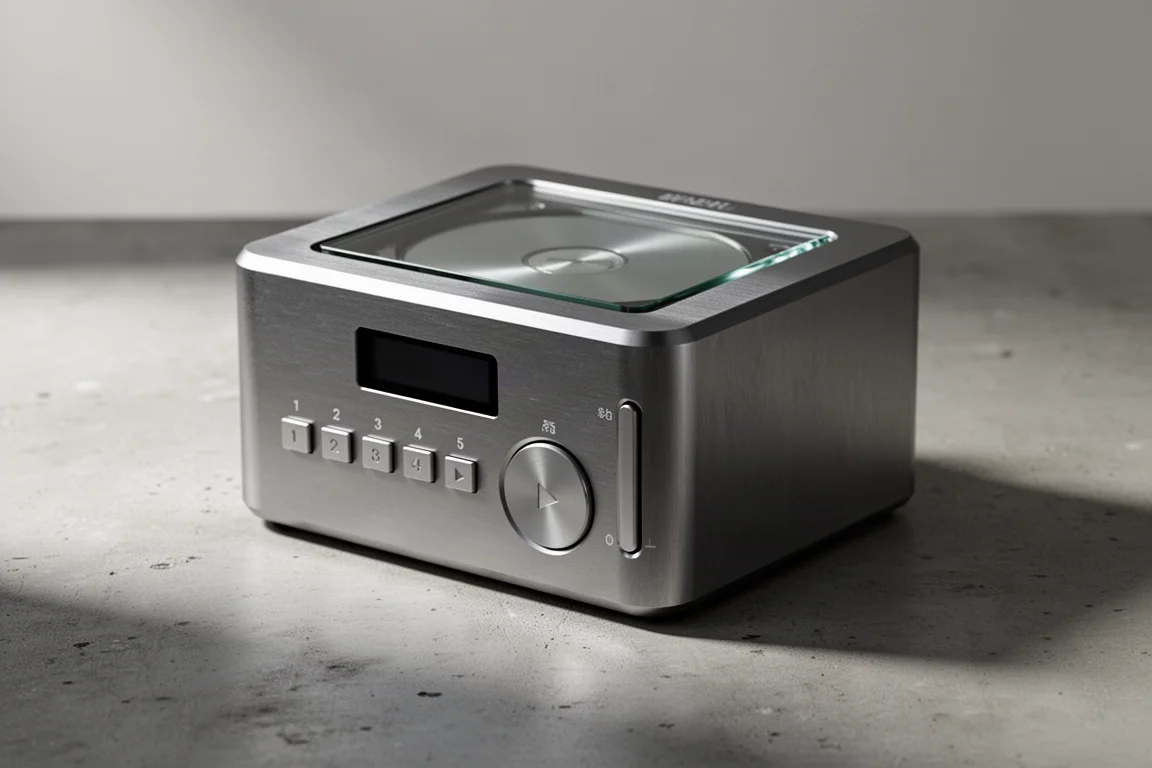
DUNU Concept R Review: A Portable CD Player With an R-2R DAC
A compact CD player, R-2R DAC and headphone amplifier in one machined aluminium chassis, with the strengths and trade-offs worth knowing before you buy.