Camping Shelters
Pomoly Teepee Tent Review: A Spacious Hot Tent That Pitches Easily
A large canvas teepee hot tent with adjustable stakeout points and a friendly first pitch, plus the stake upgrade and apex cap technique worth planning for.
Introduction
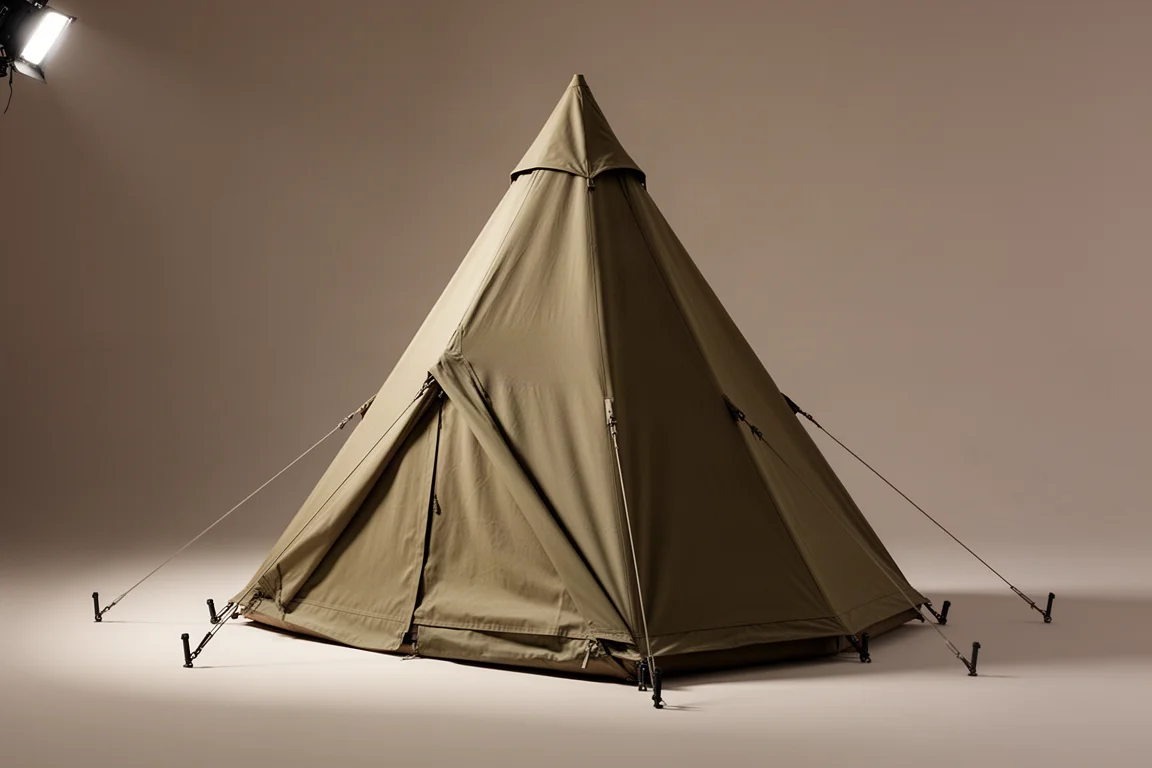
A hot tent changes a cold-weather camp more than almost any other piece of gear. The Pomoly Teepee Tent takes the classic teepee format and scales it up, and the two-to-five person version is genuinely large. On a cool overnight with a low near 35 degrees Fahrenheit and a daytime high around 47, it served as a roomy base with space for a cot and a heat source, and it went up for the first time without any real struggle.
That first pitch is worth noting, because teepee tents can be awkward for newcomers. This one was not. What follows is what stood out, what to plan for, and who the tent suits best.
Who the Pomoly Teepee Tent Is For
This is a tent for campers who want a hot tent they can stand up and move around in, and who accept the bulk that comes with that space. The two-to-five person size is well matched to a cot plus a heat source, which makes it a natural fit for solo campers who like a generous footprint or for two people sharing a shelter. A smaller one-person version exists for anyone who wants the same design in a more compact package.
It also suits anyone pitching a teepee tent for the first time. The layout is logical, the stakeout points adjust, and the tent handled an uneven, sloped site without much fuss. If you already own a small backpacking shelter and want something for cold-weather base camps, this is the sort of upgrade that changes how a trip feels.
Main Strengths: Space, Height, and Simple Pitching
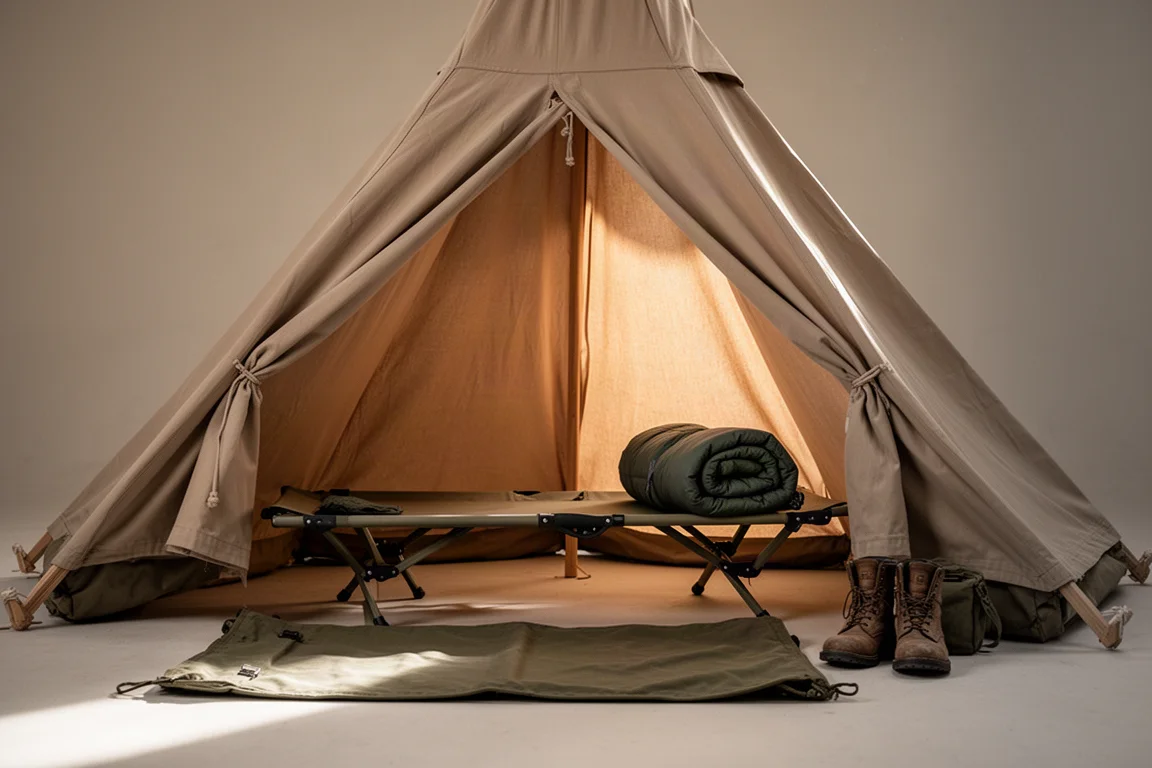
The headline strength is interior volume. This is a very tall, very wide teepee, and the difference is obvious the moment it is standing. A cot fits with room to spare, gear stays off the floor, and there is enough headroom to move around without crouching. In cold weather that space is not only comfort. It is what lets you run a heat source without feeling as though you are sitting on top of it.
Setup is the second strength. The tent uses adjustable stakeout points, a small detail that makes a large difference on uneven ground, and one that plenty of tents still leave out. The canvas body feels substantial, and once everything is tensioned the shape looks clean and deliberate.
A note on the process: a teepee this size looks wrong until the very end. It will flop and lean while you work around it, and that is normal. The final adjustments are simple, and the result is a taut, well-proportioned shelter.
Pitching the Tent: How the Cap and Pole System Works
The top cap is the one part of the pitch that can trip people up, especially without prior hot tent experience. The centre pole is long, and reaching the apex while the tent is fully raised is not practical.
The workaround is straightforward. Disconnect the upper half of the pole, fit the cap while the top is within reach, attach the first few points, then raise the pole back to full height and make your final adjustments from there. Once the cap is seated, the rest of the setup falls into place quickly.
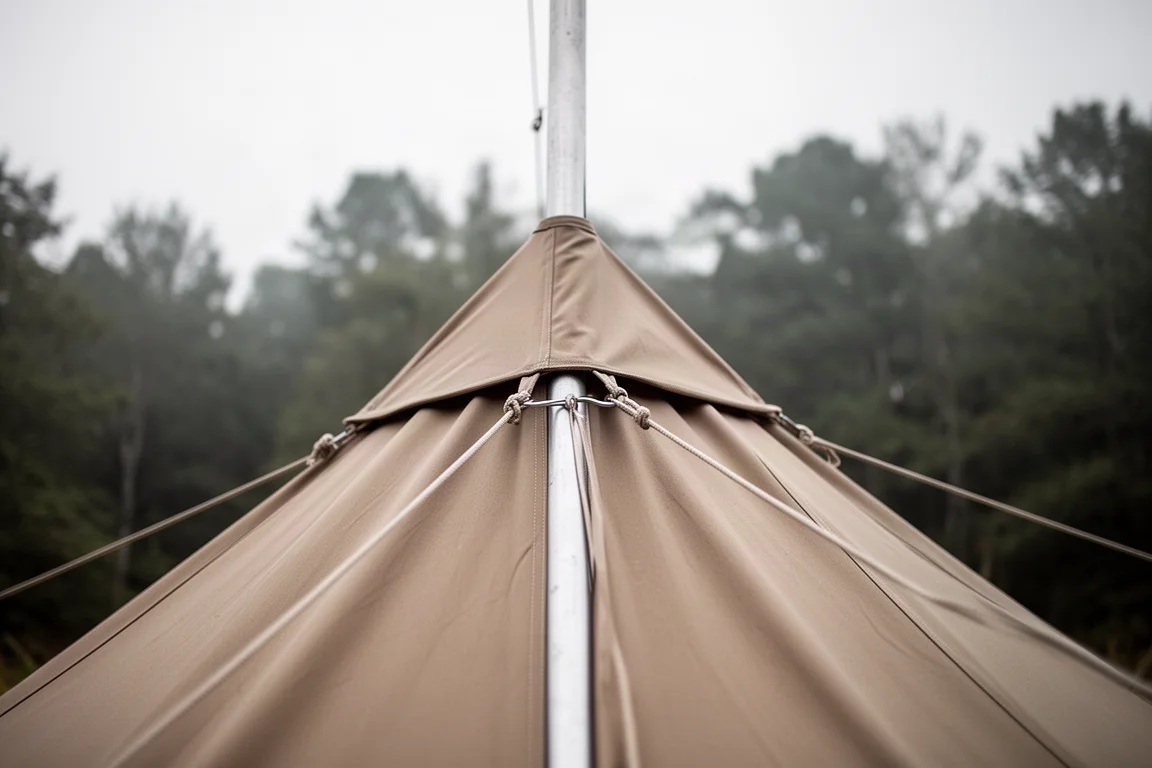
There are many ways to pitch a teepee tent, and this is simply one that works well. The takeaway is that the cap is a step to plan for, not a flaw.
Living With It: An Overnight in Cool Conditions
Inside, the tent lives up to its footprint. A camp cot, a sleeping system, and a canvas ground mat all fit comfortably, with floor space left over for gear and boots. With a fire ban in effect across the region, the shelter was heated with a portable propane heater rather than a wood stove, and the interior volume meant the warmth never felt pressed against the walls or the occupant.
Site selection still matters. The ground on this trip sloped noticeably, so the tent leaned slightly until the pitch was levelled out. Take the extra few minutes to find flatter ground, or adjust the stakeout points to compensate, and the silhouette sits straight.
Wind moved through camp during the stay, gusting through the trees into the evening. Strong gusts are the sort of condition that shows whether a large canvas shelter has been tensioned properly, so it pays to walk the guy lines once more before turning in.
Heat, Condensation, and Cold Weather Notes
Warm-up time with the propane heater was short, and the tent held a comfortable temperature inside. The trade-off is moisture. Burning propane releases water vapour, and by morning the inside of the canvas was noticeably damp, which is expected behaviour rather than a fault of the tent. Ventilation and following the heater manufacturer’s instructions remain the practical points to keep in mind.
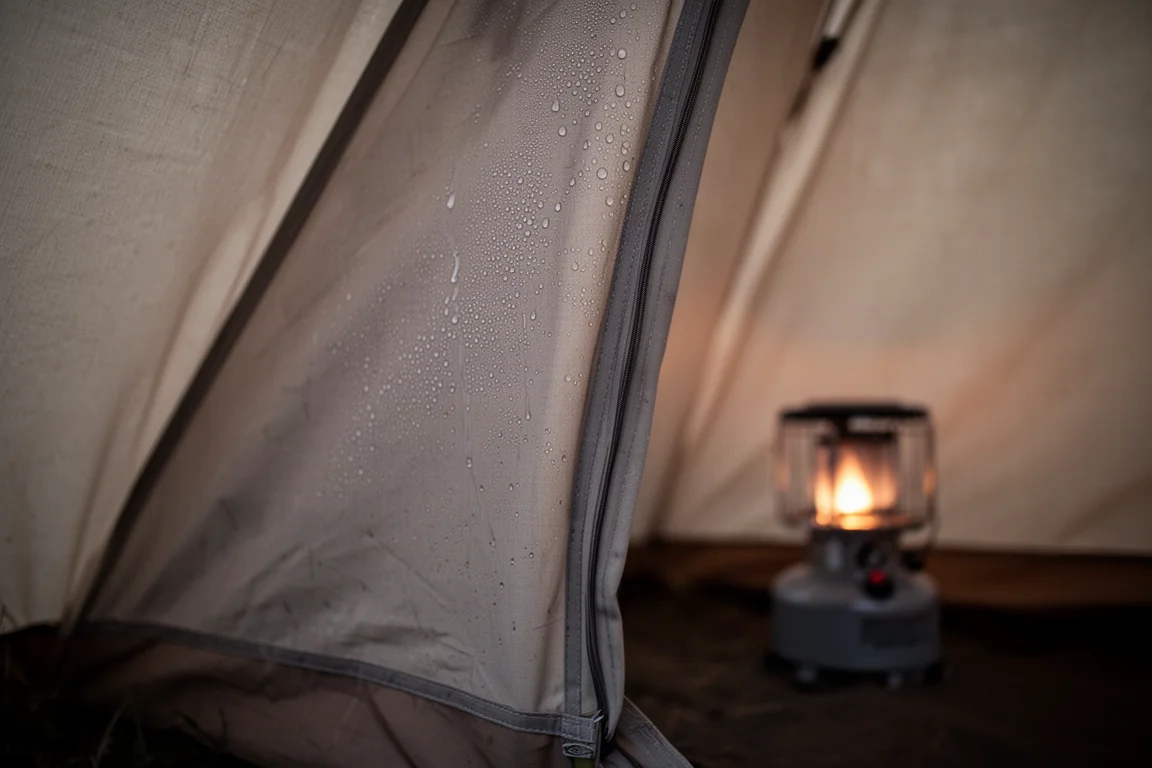
A rain test was not possible on this trip, so performance in sustained rain is still an open question. That is worth knowing before you commit to a wet-weather trip, and it is the one gap in an otherwise clear picture of how the tent behaves.
Things to Consider Before Buying
The included tent stakes are the clearest weak point. They are short, light, and topped with sharp edges that dig into your hand when you push them in. On soft ground covered in leaf litter they had to be driven as deep as they would go to hold, and longer stakes would have made that job far easier. Budget for a replacement set from the start.
Size and bulk are the second consideration. A tent this large takes up a lot of room packed, and a damp canvas shelter needs to be dried out properly after a night of propane heating. Drying a big canvas teepee takes longer than drying a small nylon one.
The cap procedure takes a little practice, and the pitch is less forgiving on sloping ground. Neither is a dealbreaker, but both are worth knowing before the first trip.
Buying Advice
If you want a hot tent with real interior space, the two-to-five person Pomoly Teepee Tent delivers it, and the pitch is friendly enough for a first attempt. It suits campers who set up a base camp and stay put rather than anyone counting grams on a long through-hike.
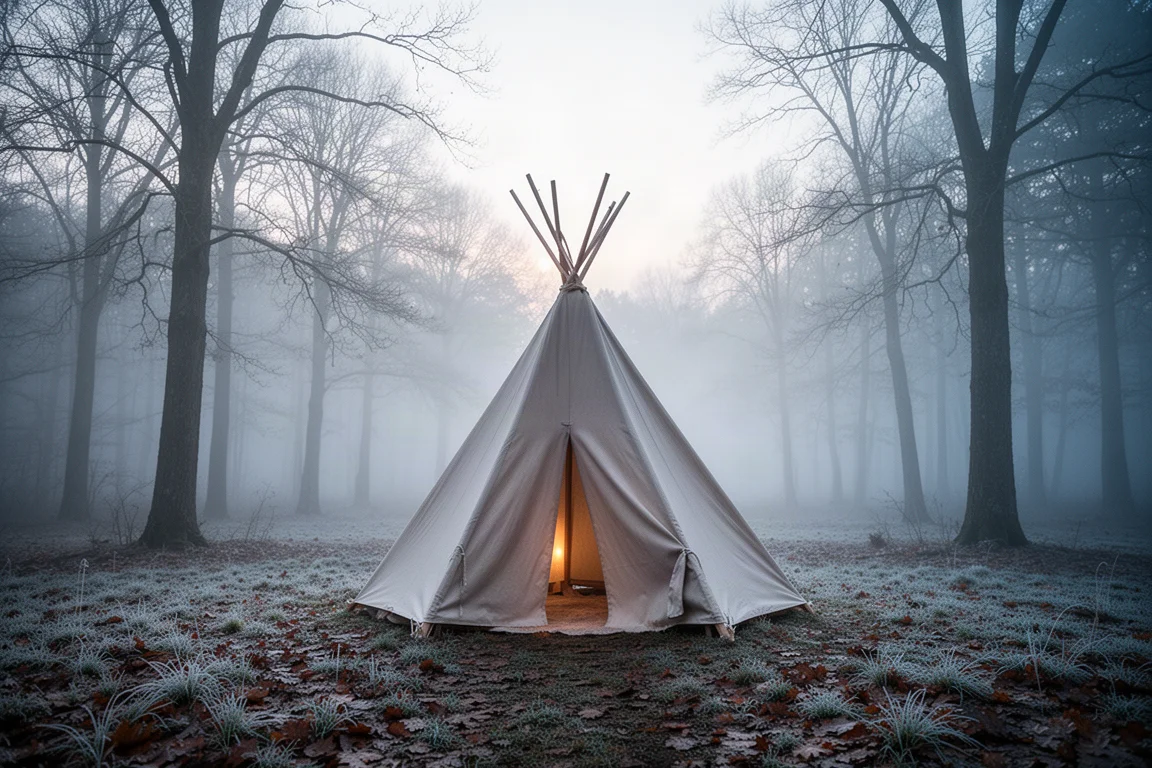
Plan on a set of longer stakes and a little patience with the apex cap, and the tent rewards you with a base camp that feels far bigger than its packed size suggests. Campers who prioritise low weight and a small pack should look at the smaller one-person version instead, since the strengths here are space and simplicity rather than portability.
Conclusion
The Pomoly Teepee Tent gets the fundamentals right. It is enormous inside, it pitches cleanly for a first-time teepee setup, and the adjustable stakeout points make it easier to live with on imperfect ground. The included stakes are the one part that deserves replacing immediately, and the interior condensation that comes with propane heating is a normal trade-off to manage rather than a defect.
For cold-weather campers who value room to move and a comfortable place to run a heat source, this is a strong candidate. Just pack better stakes, allow time to dry the canvas, and give the apex cap a practice run at home.
Product link
View more details for Pomoly Teepee Tent
This product is mentioned in the review. Check the specifications, options, and compatibility before buying.
View more details for Pomoly Teepee TentFurther reading
Related Reviews
Camping Shelters
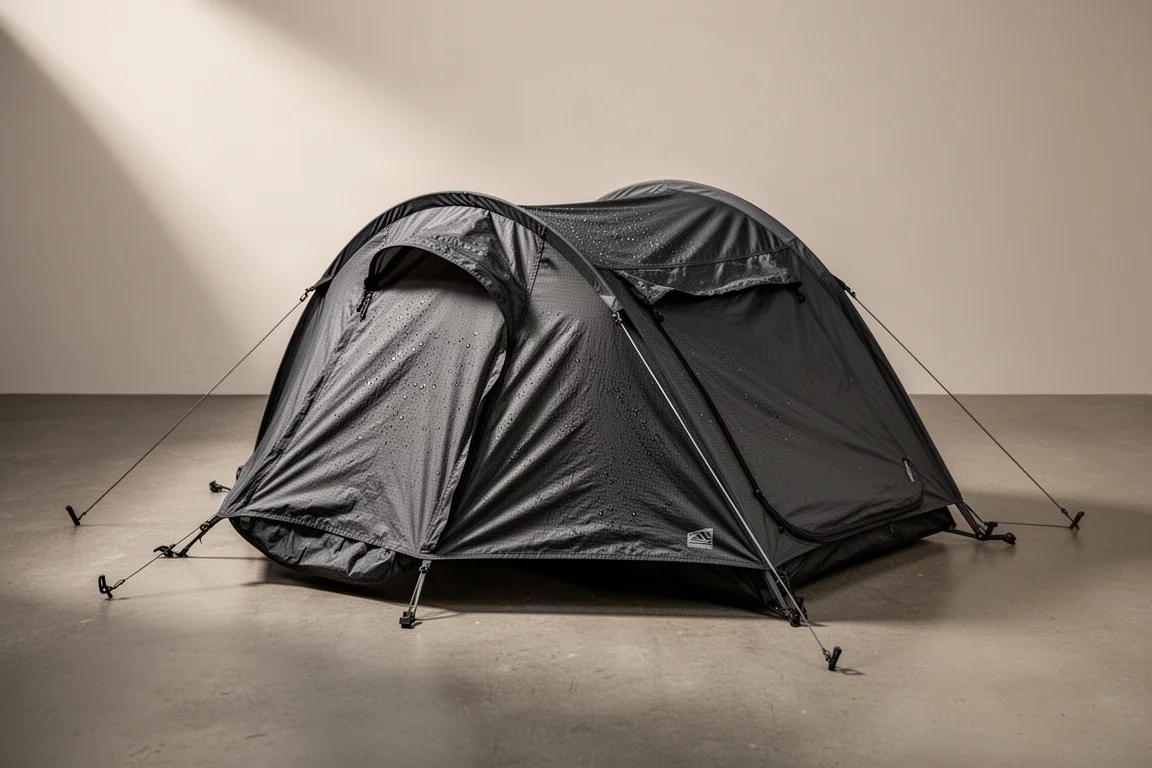
Alps Mountaineering Stealth 1 Bivy Review: A Waterproof Claim That Does Not Hold Up
The Alps Mountaineering Stealth 1 Bivy carries a 2,000 mm hydrostatic head rating and a waterproof claim, but sustained rain exposure and build quality concerns make it difficult to recommend.
Camping Shelters
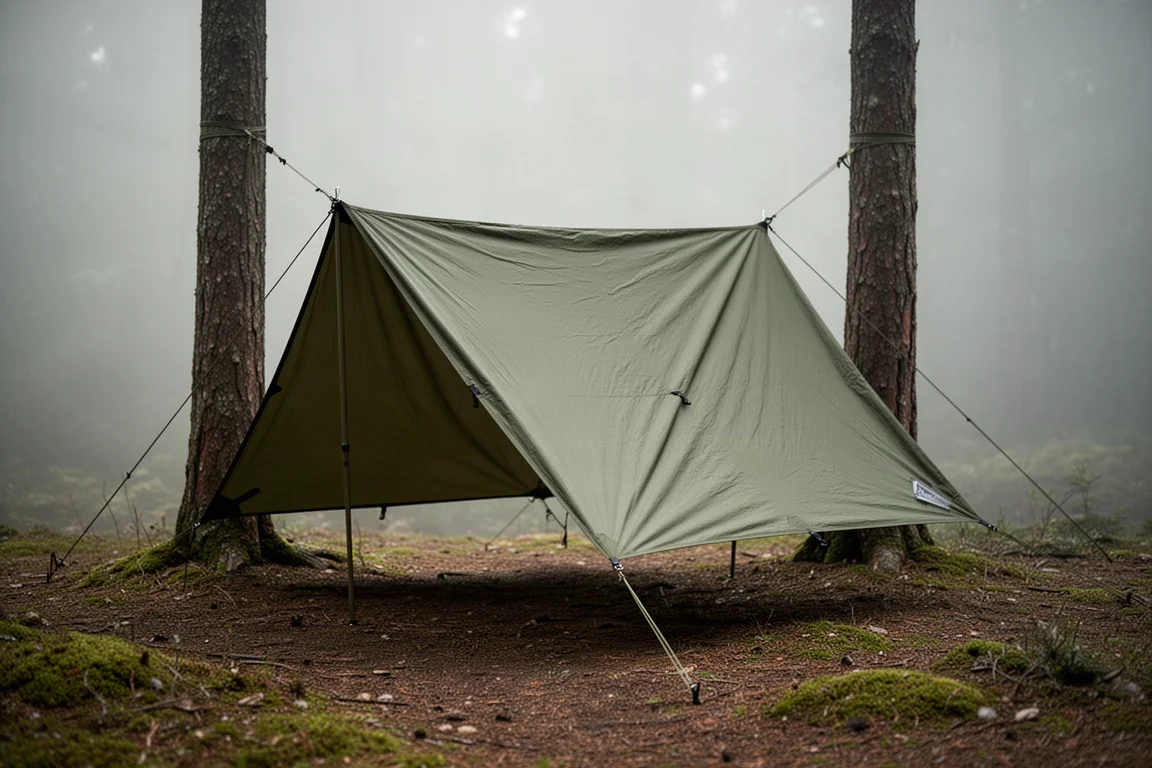
AquaQuest Safari Hybrid 20 ft x 13 ft Tarp Review: Two Years Under a Very Large Roof
A long-term look at the AquaQuest Safari Hybrid 20 x 13 tarp, covering build quality, weather protection, setup realities, and who should buy one.
Camping Shelters
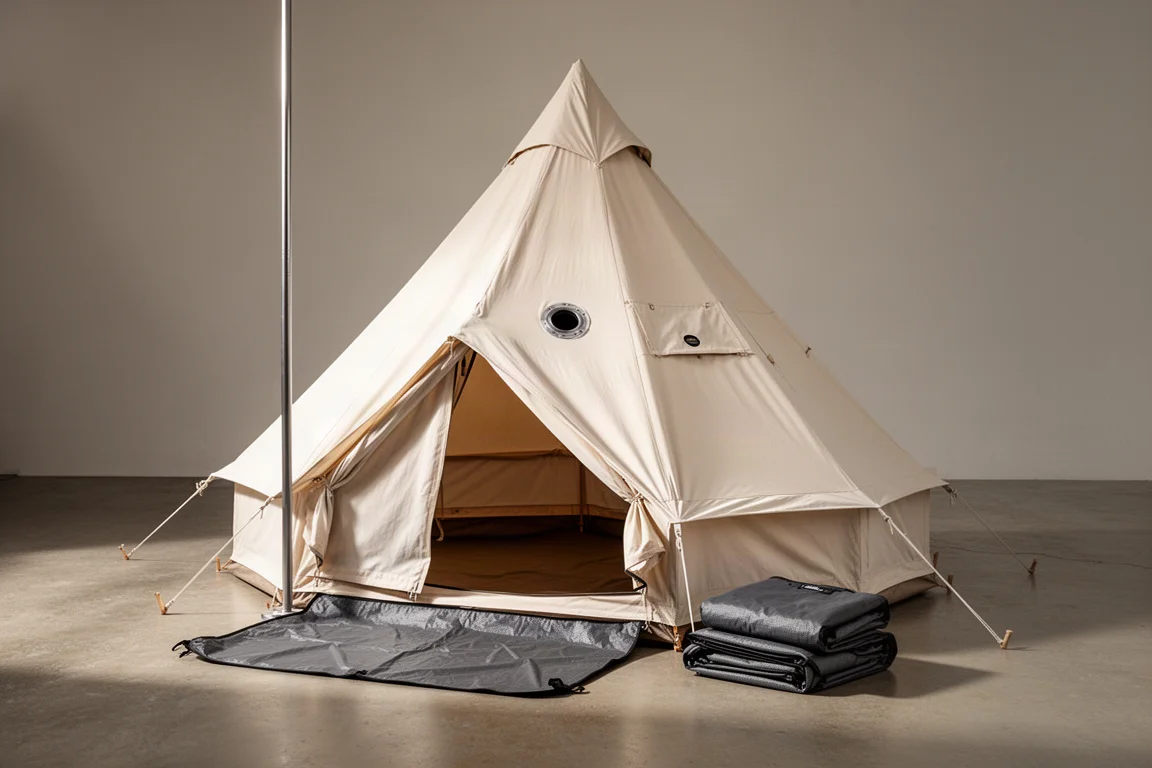
Backcountry Light Mesa 3 Hot Tent and Floor SL Tarp Review
A practical look at the Backcountry Light Mesa 3 four-season hot tent and its optional Floor SL Tarp, covering materials, stove jack design, packed weight, pricing, and the trade-offs to weigh before buying.