Camping Shelters
Pomoly Teepee Hot Tent Review: A Big Shelter Tested in Dry Conditions
A field-tested look at the Pomoly teepee hot tent, covering interior space, pitching, condensation behaviour, and the trade-offs to weigh before buying.
Introduction
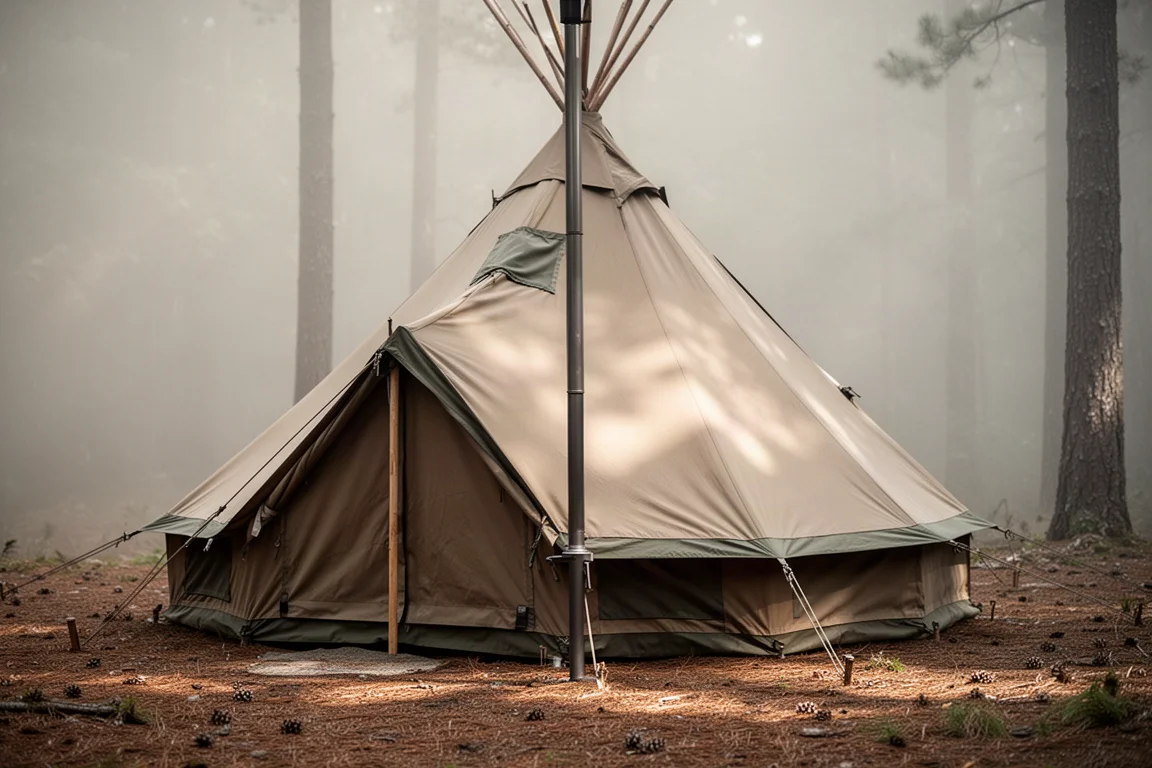
The Pomoly teepee hot tent is a large conical shelter built around a wood stove, and the two-to-five-person version covered here is the biggest teepee tent in our current lineup. It was pitched for an overnight trip in the North Carolina mountains during an open-burn ban, so the stove jack stayed closed and the shelter was warmed with a portable propane heater instead.
That is an unusual way to run a hot tent, and it turned out to be a genuinely useful test. It showed how much interior volume the tent actually delivers, how straightforward the pitch is for someone setting it up for the first time, and how the shell behaves when the moisture comes from a fuel-burning heat source rather than a wood fire.
A smaller one-person version of this tent exists. The tent also includes a bug inner, which was left behind on this trip because the focus was the teepee shell itself.
Who This Tent Is For
This shelter suits campers who want a hot tent that can double as a comfortable base camp. The two-to-five-person size is roomy enough for a cot, a sleeping bag and a heat source, with space left over for gear and for standing and moving around rather than crouching through a low doorway.
It is most relevant for cold-weather trips where a stove or portable heater is part of the plan, and for anyone who wants one shelter that can cover both a winter hot tent setup and a warmer-weather camp with the inner tent in place for insect protection.
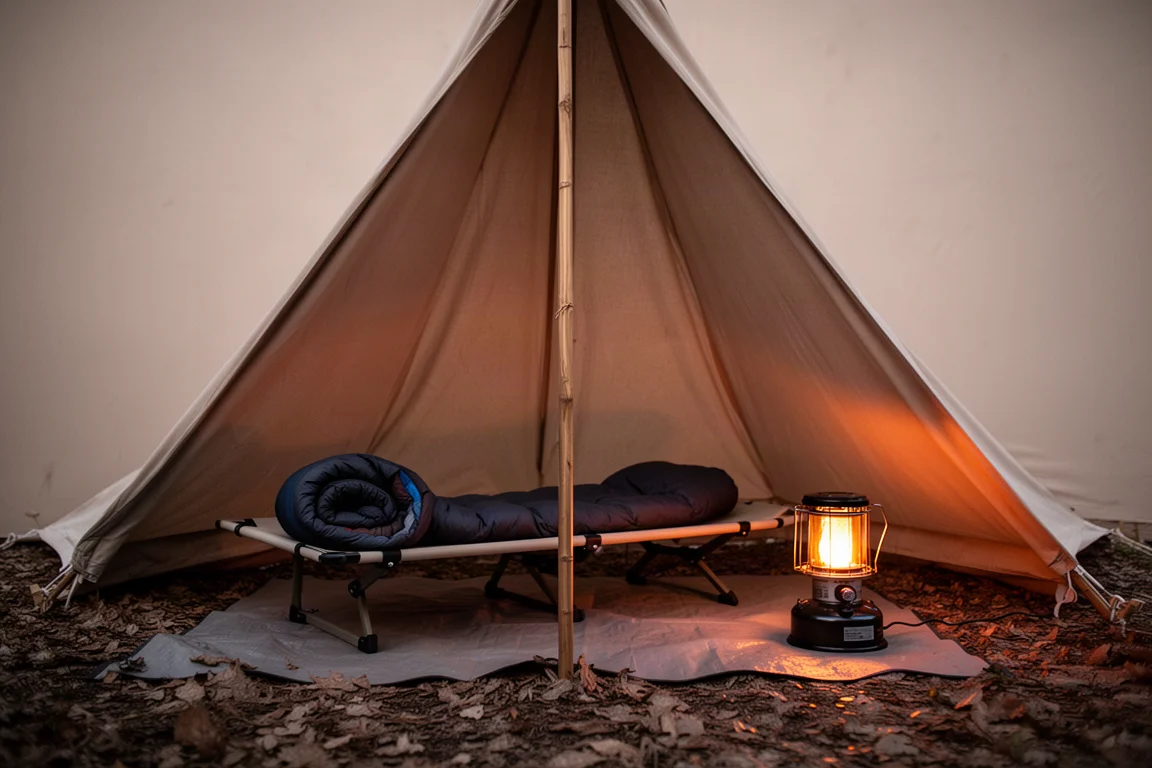
Because the floor area is so generous, it also works well for campers who prefer furniture over sleeping pads. A cot setup fits comfortably, and there is still room to organise clothing, cooking gear and firewood without tripping over anything.
Main Strengths
Several things stood out during the overnight test, from the raw interior volume to the small design details that make the pitch easier.
Interior Space and Layout
The headline strength is size. This is a very large teepee tent, and the interior feels closer to a small cabin than a backpacking shelter. A cot, a sleeping bag and a ground sheet occupy only part of the floor, and the tall profile means there is real headroom under the peak.
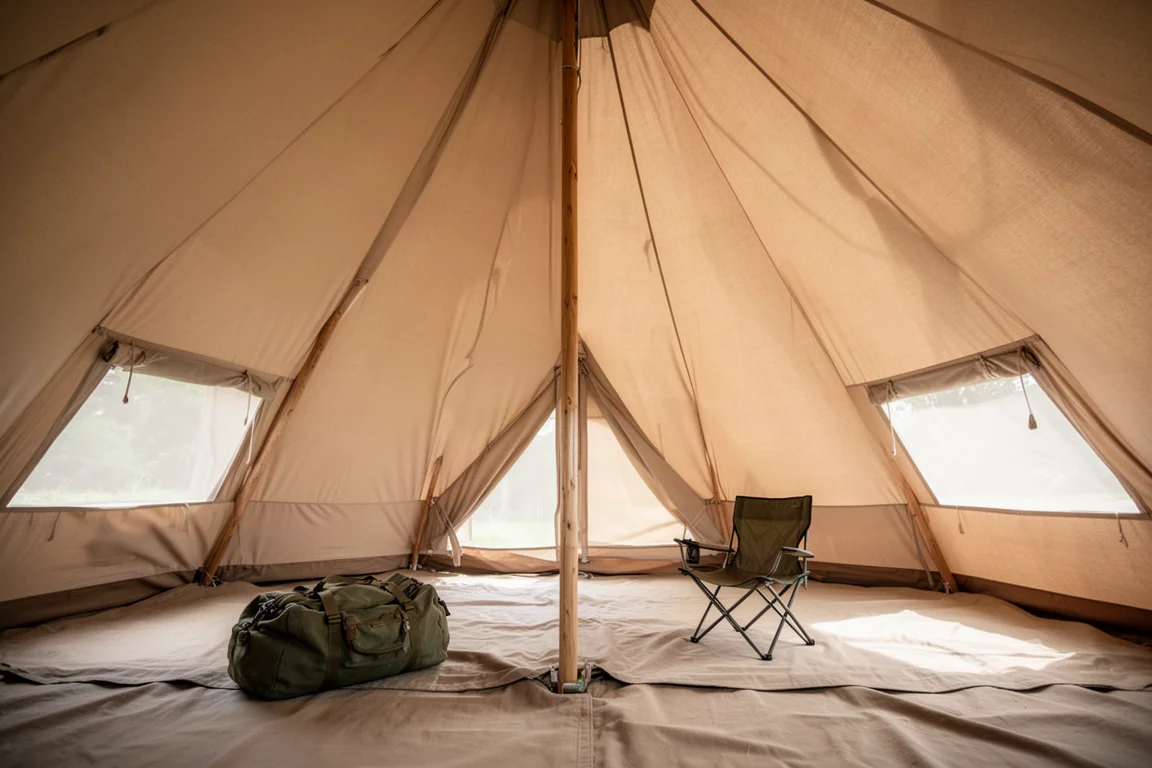
The layout also benefits from a ground sheet on the floor. Laying one down over leaf litter keeps the base dry and clean, so boots can come off at the door and feet stay out of the mud. A ground sheet treated for insects adds a further layer of protection against anything crawling in from outside, and it pairs neatly with the bug inner when the season turns warm.
Setup and Adjustability
Pitching is more intuitive than the conical shape suggests. The centre pole goes up, the cap is fitted at the top, and the fabric is then adjusted around the base. Breaking the pole in half to fit the cap before raising it again makes that step much easier, especially on a tall tent where the peak is well out of reach.
Adjustable stakeout points are one of the most welcome details here. Plenty of tents ship with fixed attachment points, which forces awkward compromises on uneven ground. Being able to move the stakeout positions makes it far easier to get a clean, taut pitch on sloped terrain.
This was a first-time setup, and everything about the process made sense without instructions. That is a good sign for a shelter of this size.
Weather Protection and Condensation
The tent handled gusty conditions well, holding its shape once the stakeout points were tensioned properly. A rain test is still outstanding, so wet-weather performance remains unconfirmed.
Condensation is worth understanding before buying. Burning propane releases water vapour, so the inside of the shell picked up a noticeable damp film during the evening. That is a characteristic of heating a sealed shelter with propane rather than a fault in the tent, and in this case only one side of the fabric was lightly damp. The upside is that drying a single panel is far less work than drying a soaked tent from top to bottom.
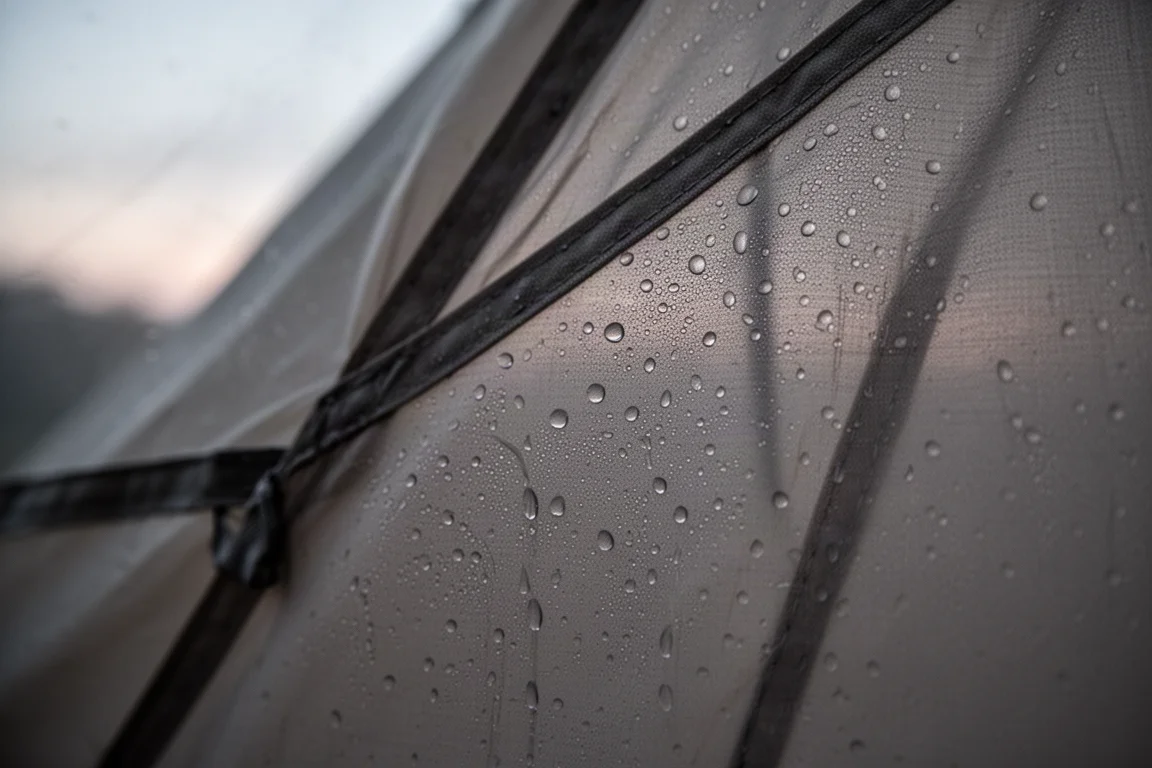
The takeaway is that hot tent camping in general, whatever the heat source, means managing moisture. Ventilation and a drying session the next morning are part of the routine.
Things to Consider Before Buying
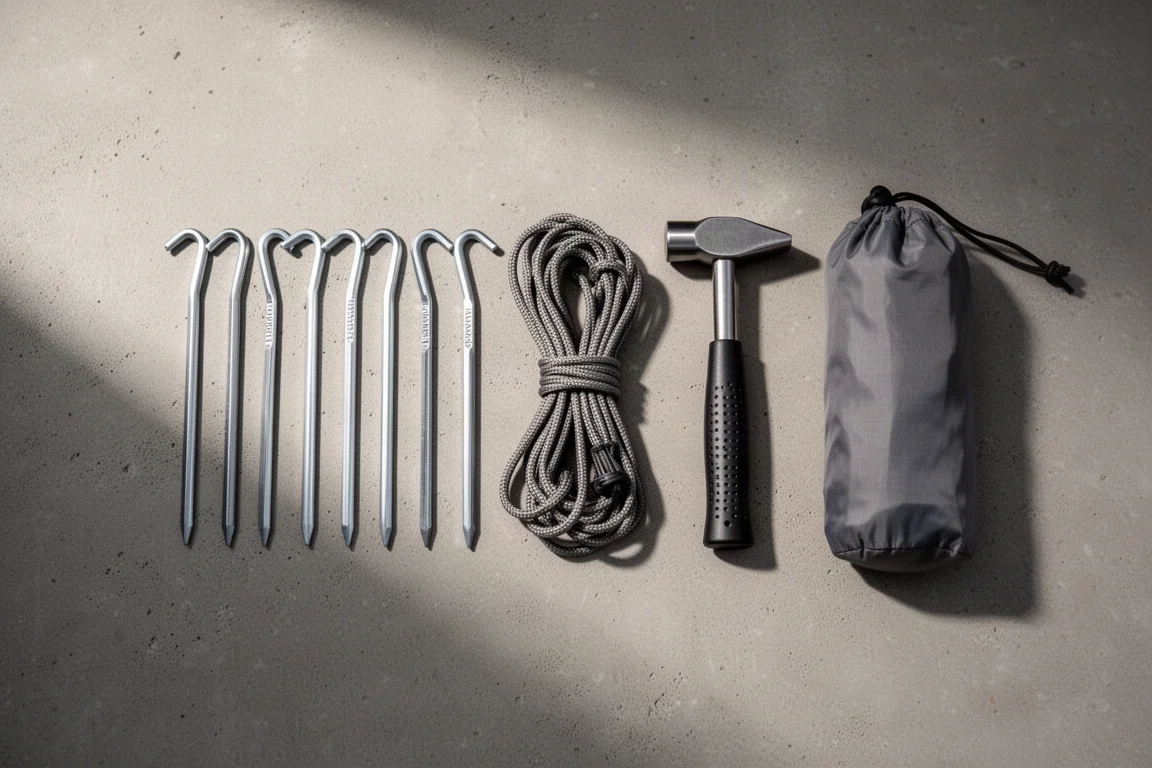
The included tent stakes are the weakest part of the package. They are short, thin and noticeably flimsy, and the tops are sharp enough to dig into your palm when pushing them in. On soft ground covered in leaf debris they had to be driven all the way down just to bite, and even then they offered limited holding power. Longer, sturdier stakes are a sensible first upgrade, and they are inexpensive.
The cap can also confuse anyone who has not pitched a hot tent before. It is not difficult, but the sequence matters, and a first attempt without experience may take a moment to click.
Size cuts both ways. The interior is spectacular, but the packed tent is large and takes up real space, both in a vehicle and when drying at home. Expect to dedicate floor area to it after a damp night.
Finally, plan for fuel. If heating with propane, one-pound canisters have been difficult to find and expensive in recent months, which makes it worth deciding in advance how much heat you actually need.
Buying Advice
Buy this tent if interior volume is the priority and you want a hot tent that can host a cot, a heater and a full camp setup without feeling cramped. It rewards campers who value easy pitching, adjustable stakeout points and the flexibility of a bug inner for warmer months.
Pair it with longer tent stakes from the start, since the included set is the one component most likely to frustrate you on soft ground. If you intend to heat with propane, add a small portable heater to the budget and accept that the shell will need airing out afterwards. A wood stove remains the intended setup once conditions allow open burning.
For anyone weighing a smaller footprint, the one-person version of this tent exists and may suit solo trips better. For couples, families or campers who bring furniture, the two-to-five-person size is the more practical choice.
Conclusion
The Pomoly teepee hot tent delivers exactly what its shape promises: a very large, well-made hot tent that is easy to pitch and comfortable to spend an evening in. Interior space is its defining strength, and the adjustable stakeout points make it far more forgiving on uneven ground than the size alone would suggest.
The compromises are straightforward. Replace the included stakes, expect condensation when burning propane, and be ready to dry a large shelter after a damp night. Rain performance is still untested, so that remains the one open question.
For campers who want a generous four-wall shelter with stove capability and a bug inner for the warmer months, this is a convincing option worth serious consideration.
Product link
View more details for Pomoly Teepee Hot Tent
This product is mentioned in the review. Check the specifications, options, and compatibility before buying.
View more details for Pomoly Teepee Hot TentFurther reading
Related Reviews
Camping Shelters
Alps Mountaineering Stealth 1 Bivy Review: A Waterproof Claim That Does Not Hold Up
The Alps Mountaineering Stealth 1 Bivy carries a 2,000 mm hydrostatic head rating and a waterproof claim, but sustained rain exposure and build quality concerns make it difficult to recommend.
Camping Shelters
AquaQuest Safari Hybrid 20 ft x 13 ft Tarp Review: Two Years Under a Very Large Roof
A long-term look at the AquaQuest Safari Hybrid 20 x 13 tarp, covering build quality, weather protection, setup realities, and who should buy one.
Camping Shelters
Backcountry Light Mesa 3 Hot Tent and Floor SL Tarp Review
A practical look at the Backcountry Light Mesa 3 four-season hot tent and its optional Floor SL Tarp, covering materials, stove jack design, packed weight, pricing, and the trade-offs to weigh before buying.