Camping Shelters
Pomoly Stovehut 70 2.0 Review: Does the Updated Shelter Stay Dry?
A close look at the Pomoly Stovehut 70 2.0, its reworked lower vent, and how it handled hours of rain including wind-driven storm conditions.
Introduction
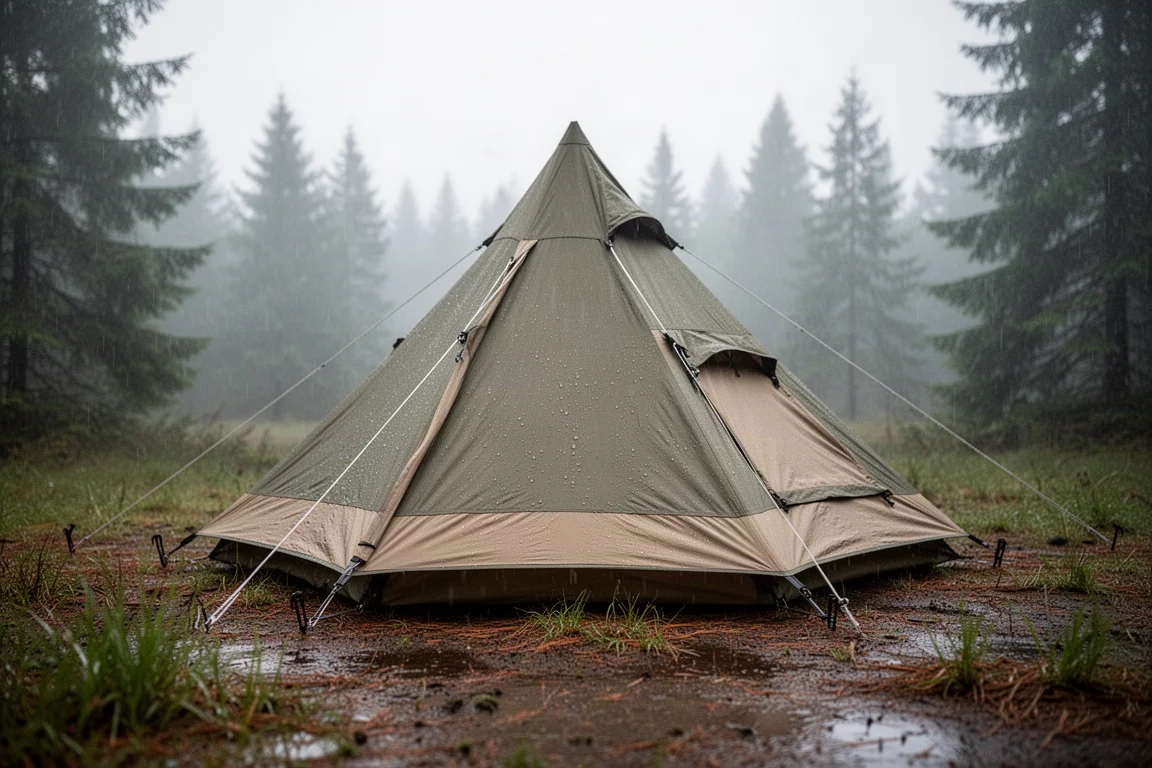
The Pomoly Stovehut 70 2.0 is the current revision of a camping shelter that has already been through more than one redesign. For anyone shopping for a shelter that has to perform in wet weather, the important question is simple: does it keep water out?
That question carries extra weight here, because earlier versions of this shelter developed a reputation for leaking. The problem was traced to a vent positioned beneath a flap on the lower wall, where rainwater could travel down the fly, follow the seam, and make its way inside. The manufacturer initially disputed the reports, then acknowledged the issue and went back to the drawing board. Version 2.0 is the result.
This assessment focuses narrowly on water ingress. The shelter was pitched and left out through moderate rain, heavier downpours, and wind-blown rain during a thunderstorm, across a number of hours. The lower vent was deliberately left open throughout, on the basis that the flap covering it should keep water out if the fix genuinely works.
It did not leak.
What Makes the Stovehut 70 2.0 Different
The design change that matters most sits low on the shelter. On the earlier versions, the vent under the flap was the weak point: water running down the fly could pass through the seam and into the living area. Version 2.0 keeps the vent but reworks how it is shielded, and the flap above it is intended to shed water rather than channel it inward.
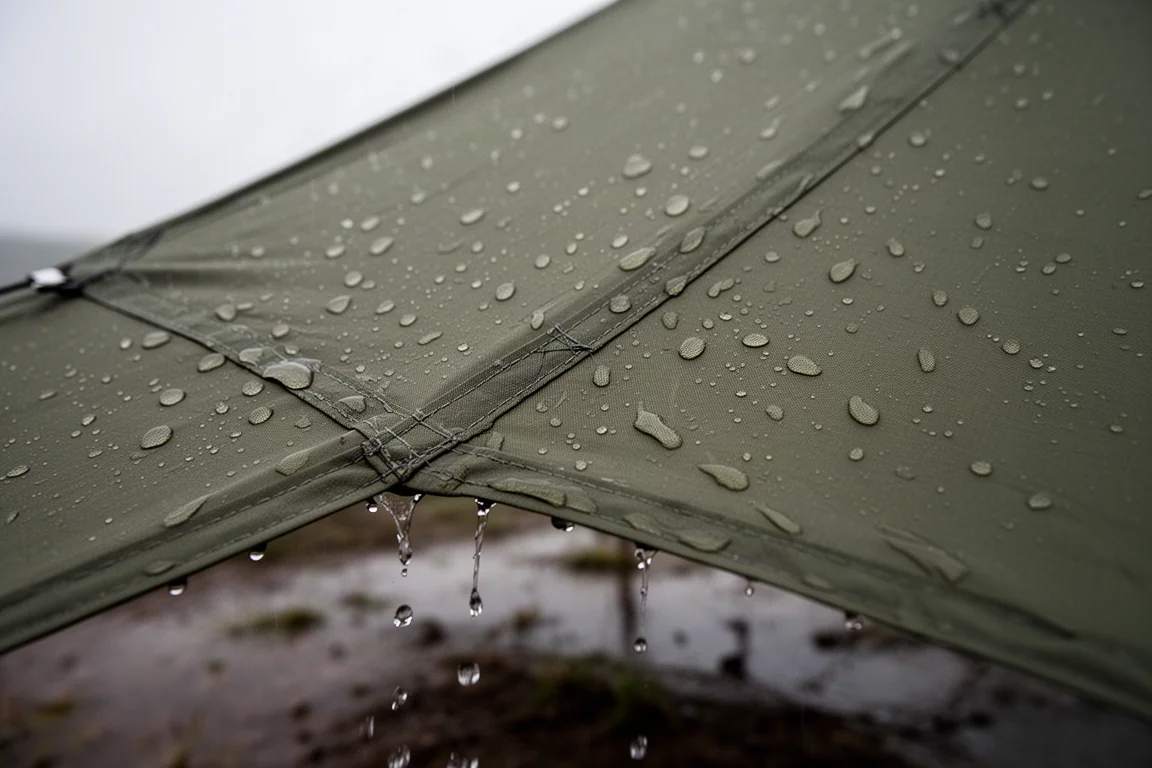
Leaving that vent open was the most direct way to test the fix. After the first 15 minutes of moderate rain, the seams along the lower wall were dry to the touch, with no dampness and nothing collecting at the top of the shelter either. As the weather escalated into heavier, wind-driven rain, the interior stayed dry. If the earlier vent design was the reason this shelter struggled, the revised arrangement appears to have closed that path off.
Who This Shelter Is For
This shelter makes the most sense for campers who expect to be caught out in genuine weather and want their rain protection settled before they buy, rather than discovered in the middle of the night. It also suits buyers who are drawn to shelters that do not follow the usual template. Pomoly has a reputation for designs that step away from convention, and the Stovehut 70 is part of that approach.
It is a less obvious fit for someone who only camps in reliably dry, mild conditions. In that case the vent arrangement and the weather sealing are simply less relevant to daily use, and the shelter’s advantages will be harder to notice.
Main Strengths
Water stayed out. After roughly 15 minutes of moderate rain, the lower seams and the upper panels were dry, with no dampness felt along either. More rain followed, at times heavy and at times wind-blown during a thunderstorm, and the shelter remained dry across hours of exposure. All of this happened with the lower vent left open, which is the configuration that caused problems on the previous versions.
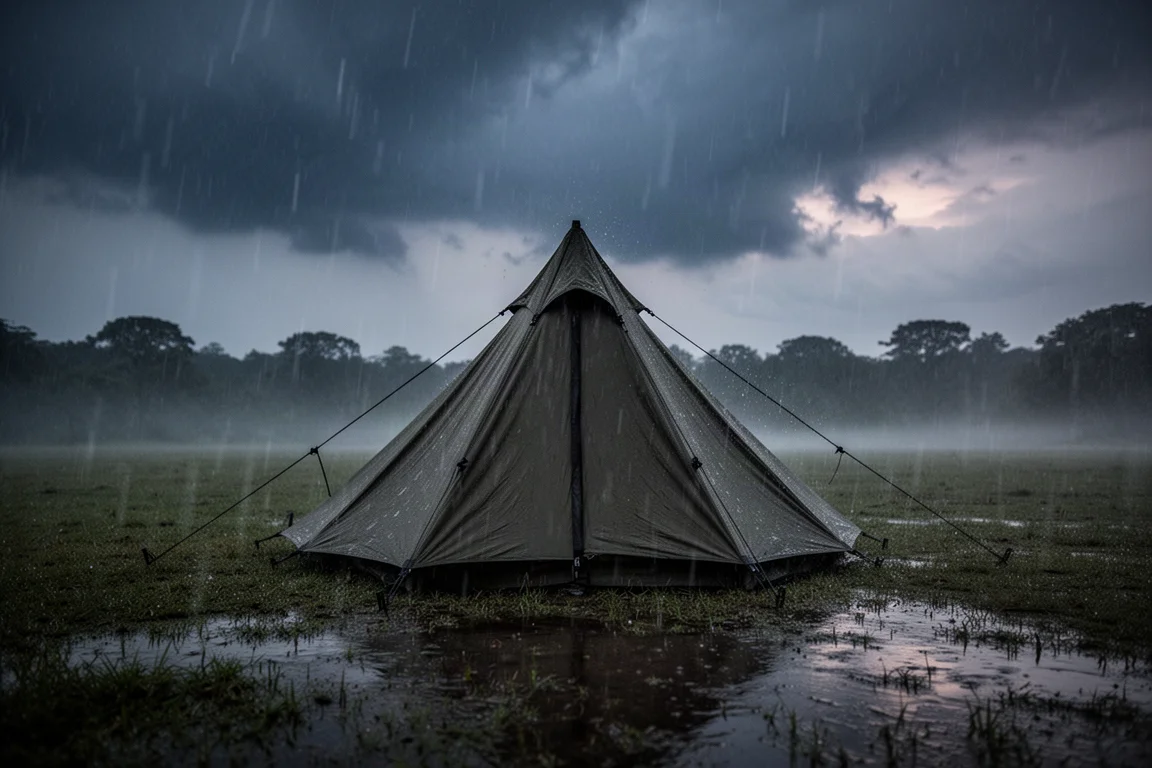
The second strength is less about fabric and more about follow-through. The earlier iterations of this shelter had a real leaking problem that was initially denied, and version 2.0 exists because that position became impossible to hold. Buyers are now looking at a shelter whose known weak point has been addressed rather than carried forward. That does not erase the history, but it does mean the current version stands on its own results.
Things to Consider Before Buying
Fabric sag is the most visible behaviour to plan for. As the rain continued, the body of the shelter began to sag, because the textiles and the cords stretch when they take on moisture. This is normal for polyester and nylon, and it is not a sign of leaking or of poor construction. It does mean you should expect to re-tension guy lines during long wet spells. Price is not a reliable indicator here: a shelter costing 600 and one costing 150 will both stretch to some degree.
Version matters. The Stovehut 70 has been through several iterations, and the earlier ones had a genuine leaking problem that the manufacturer initially denied. If you decide to buy, make sure the shelter you are ordering is the 2.0 version, since the earlier builds are the ones associated with water ingress.
It is also worth being clear about scope. This assessment looked at water ingress only. Condensation control and other aspects of shelter performance were not part of it, so treat the results as a verdict on rain protection rather than a complete picture.

Buying Advice
If dependable rain protection is the deciding factor, the Stovehut 70 2.0 has earned a reasonable amount of confidence. It stayed dry through moderate rain, heavy rain, and wind-driven storm rain over several hours, and it did so with the lower vent open. That is the exact scenario that sank the earlier versions.
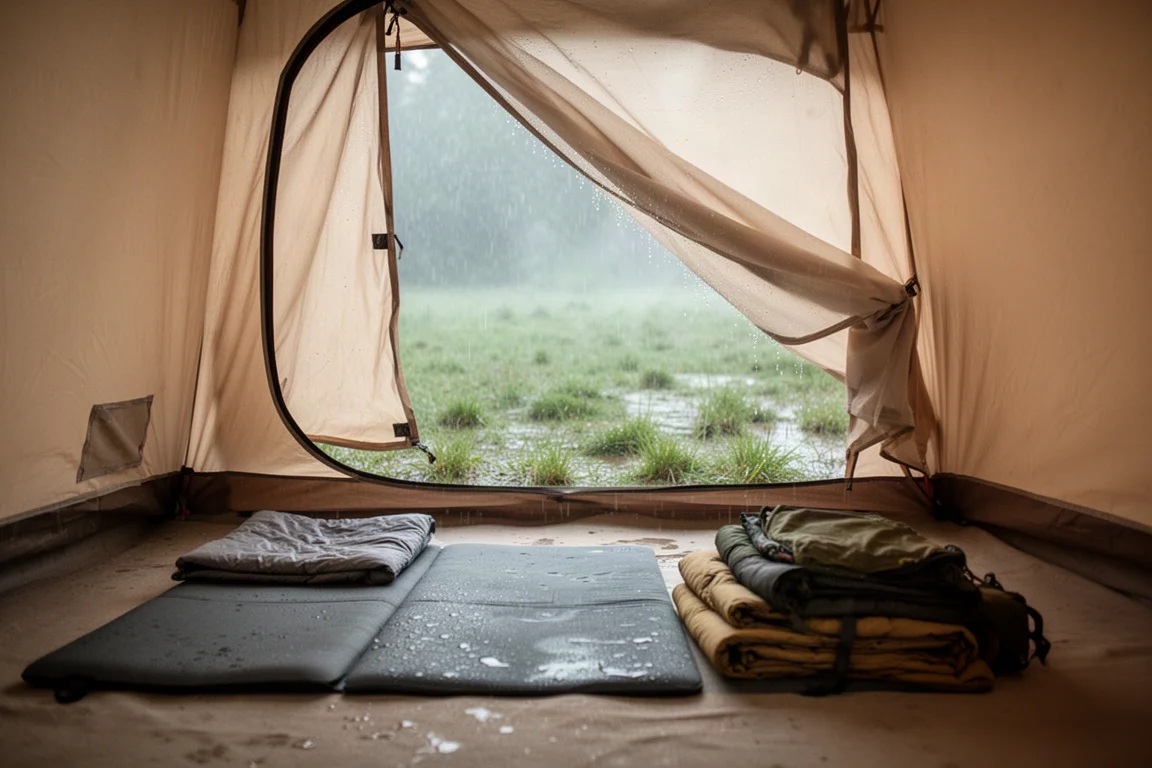
Two practical steps make sense before you commit. First, confirm you are ordering the 2.0 build. Second, go in expecting to re-tension the shelter when it gets wet, and treat that as routine maintenance rather than a fault. Buyers who weigh the company’s past handling of this issue should factor it in as context. What the current version delivers in the rain is a separate question, and on that question the answer is straightforward.
Conclusion
The Pomoly Stovehut 70 2.0 does what the earlier versions did not: it keeps water out. Through hours of rain, including heavy and wind-blown conditions, and with the lower vent deliberately left open, the interior stayed dry and the seams stayed free of dampness. The fabric does sag when wet and will need re-tensioning, and the shelter’s earlier reputation is worth knowing about when you check which version you are buying. Taken on its own results, though, this is a shelter that can be trusted in the rain.
Product link
View more details for Pomoly Stovehut 70 2.0
This product is mentioned in the review. Check the specifications, options, and compatibility before buying.
View more details for Pomoly Stovehut 70 2.0Further reading
Related Reviews
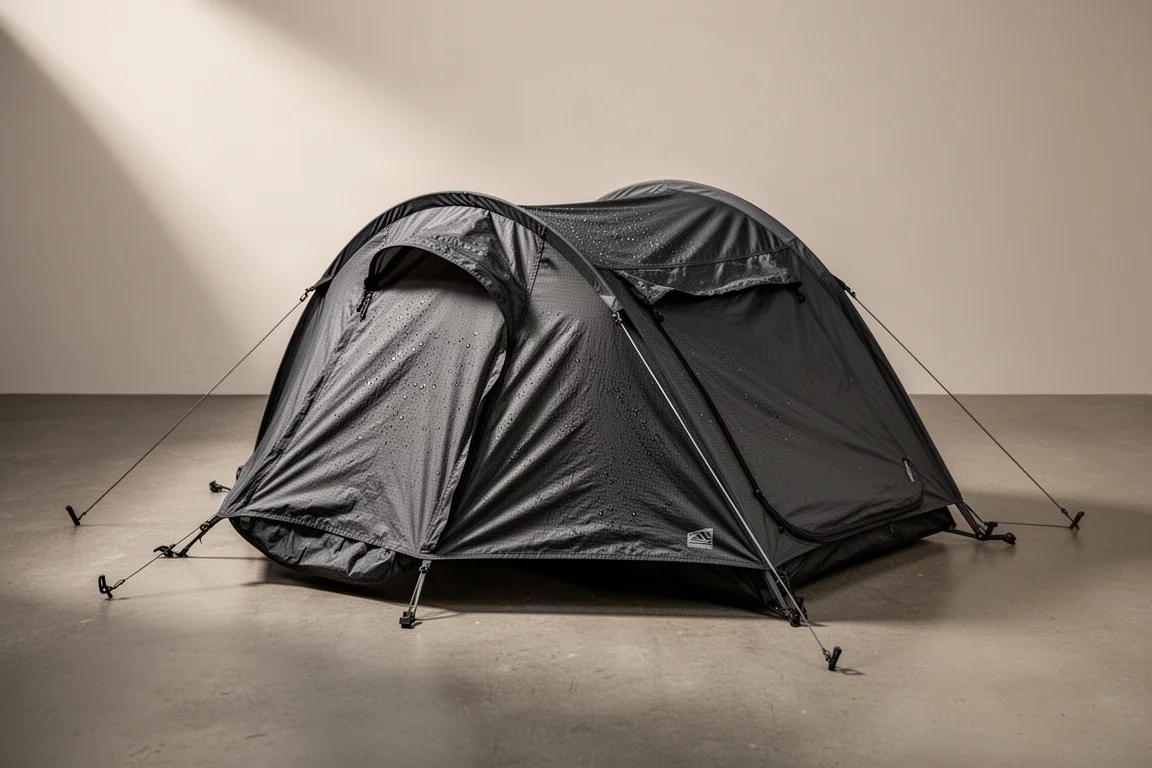
Camping Shelters
Alps Mountaineering Stealth 1 Bivy Review: A Waterproof Claim That Does Not Hold Up
The Alps Mountaineering Stealth 1 Bivy carries a 2,000 mm hydrostatic head rating and a waterproof claim, but sustained rain exposure and build quality concerns make it difficult to recommend.
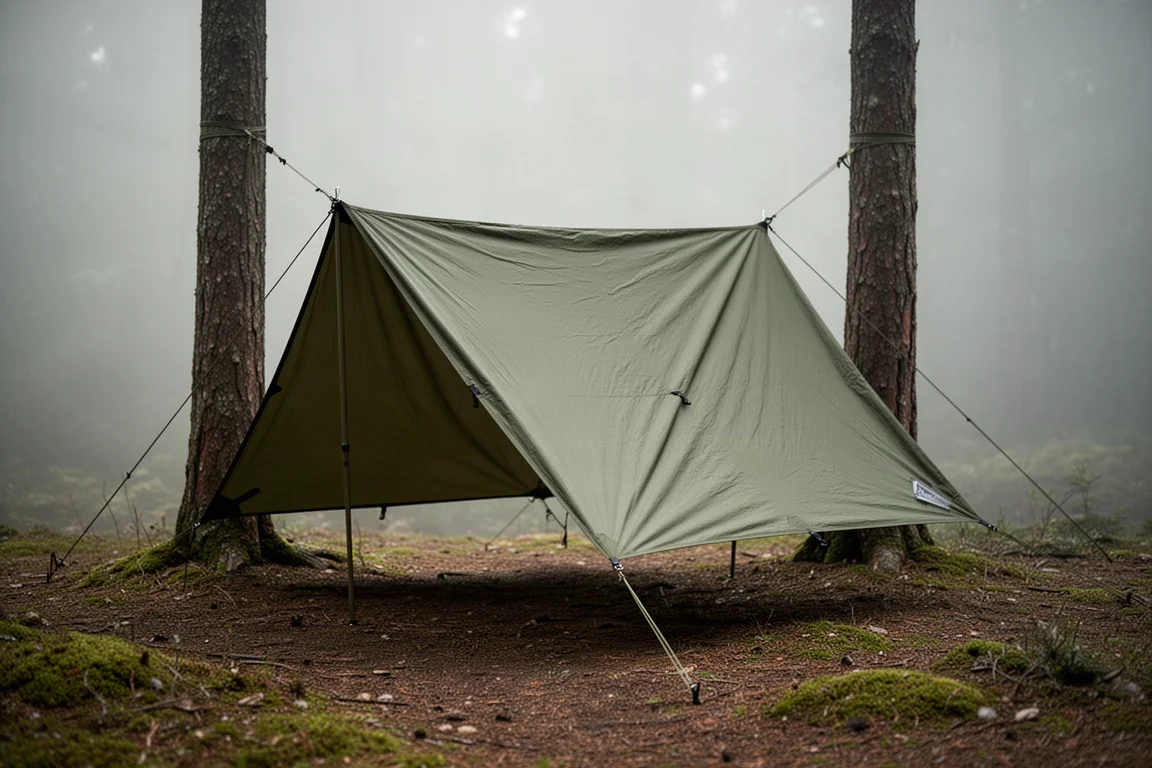
Camping Shelters
AquaQuest Safari Hybrid 20 ft x 13 ft Tarp Review: Two Years Under a Very Large Roof
A long-term look at the AquaQuest Safari Hybrid 20 x 13 tarp, covering build quality, weather protection, setup realities, and who should buy one.
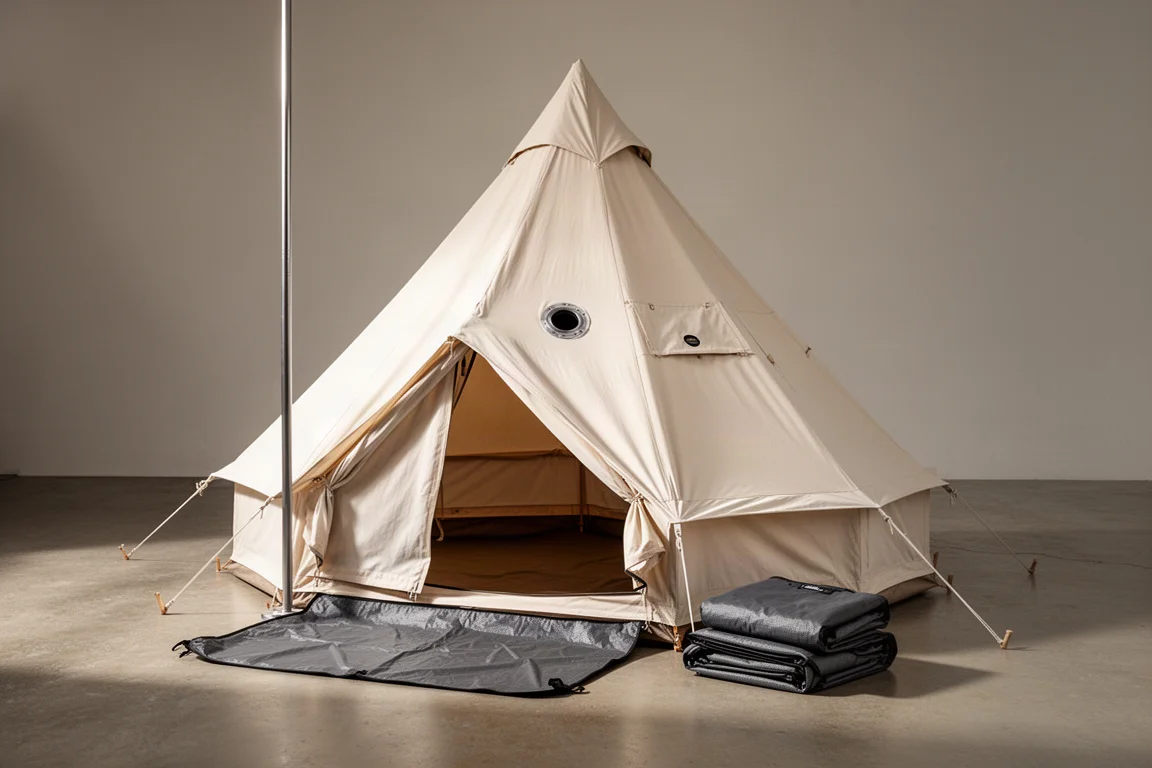
Camping Shelters
Backcountry Light Mesa 3 Hot Tent and Floor SL Tarp Review
A practical look at the Backcountry Light Mesa 3 four-season hot tent and its optional Floor SL Tarp, covering materials, stove jack design, packed weight, pricing, and the trade-offs to weigh before buying.