Tents
Pomoly Stove Hut 70 2.0 Review: Does the Fixed Version Stay Dry?
A waterproofing-focused look at the Pomoly Stove Hut 70 2.0, including how it held up through hours of rain with the bottom vent left open.
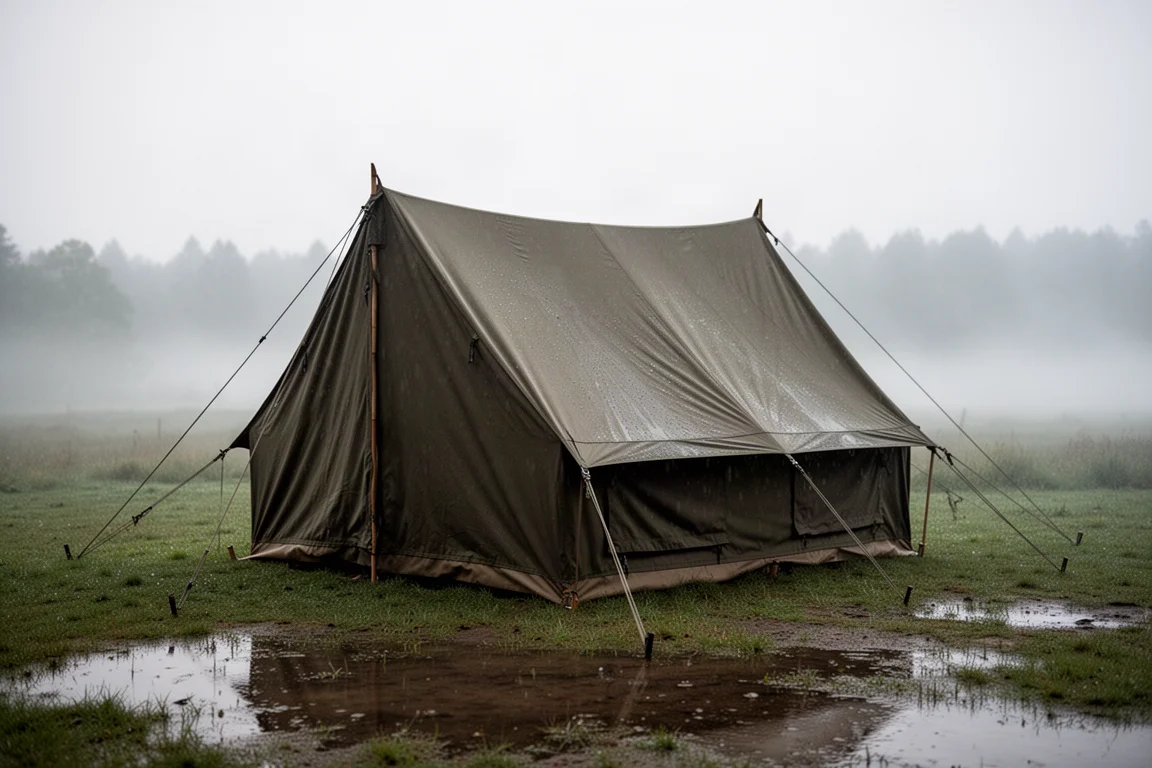
Introduction
The Pomoly Stove Hut 70 2.0 arrives with a difficult history behind it. Earlier versions of this shelter leaked, and the problem was specific: water ran down the flysheet, through the seam beneath the vent, and into the living space. Pomoly disputed those findings at first, then acknowledged the issue and went back to the drawing board. Version 2.0 is the result.
That context matters, because the only question worth asking about this shelter is whether it still lets water in. To answer it, the tent was pitched and left out through a thunderstorm: an initial moderate downpour of roughly fifteen minutes, followed by more rain, including heavy and wind-blown bursts, spread across several hours.
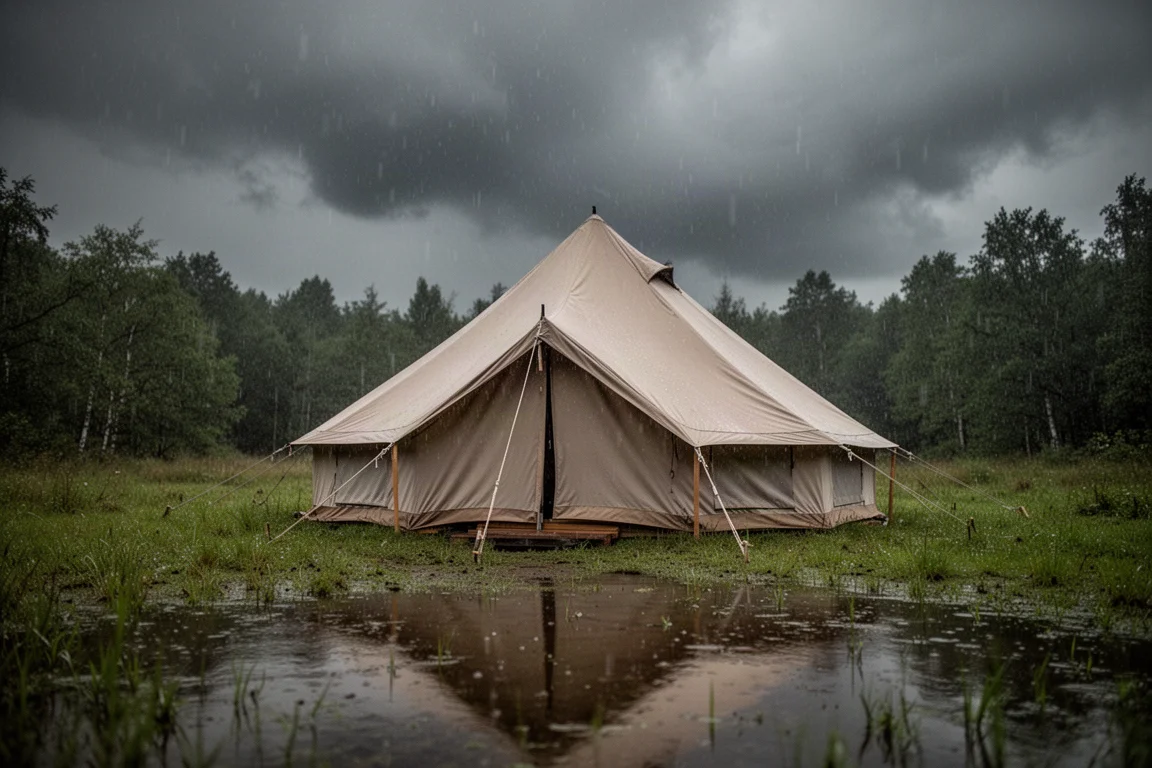
The bottom vent was deliberately left open for the entire test. On the earlier versions, that vent was the entry point for water. Version 2.0 covers it with a flap that is meant to shed rain away from the seam, so leaving it open is the honest way to find out whether the fix actually holds.
Who This Tent Is For
This is a shelter for campers who want a fabric tent they can rely on in sustained wet weather rather than a fair-weather weekend setup. It suits people who pitch on exposed ground, who camp through shoulder seasons, and who care more about a dry floor than about saving grams.
It is also relevant to anyone who followed the leaking reports on earlier versions and wrote the model off. The 2.0 is aimed squarely at that doubt, and a waterproof test is the measure that matters most.
How the Waterproof Test Went
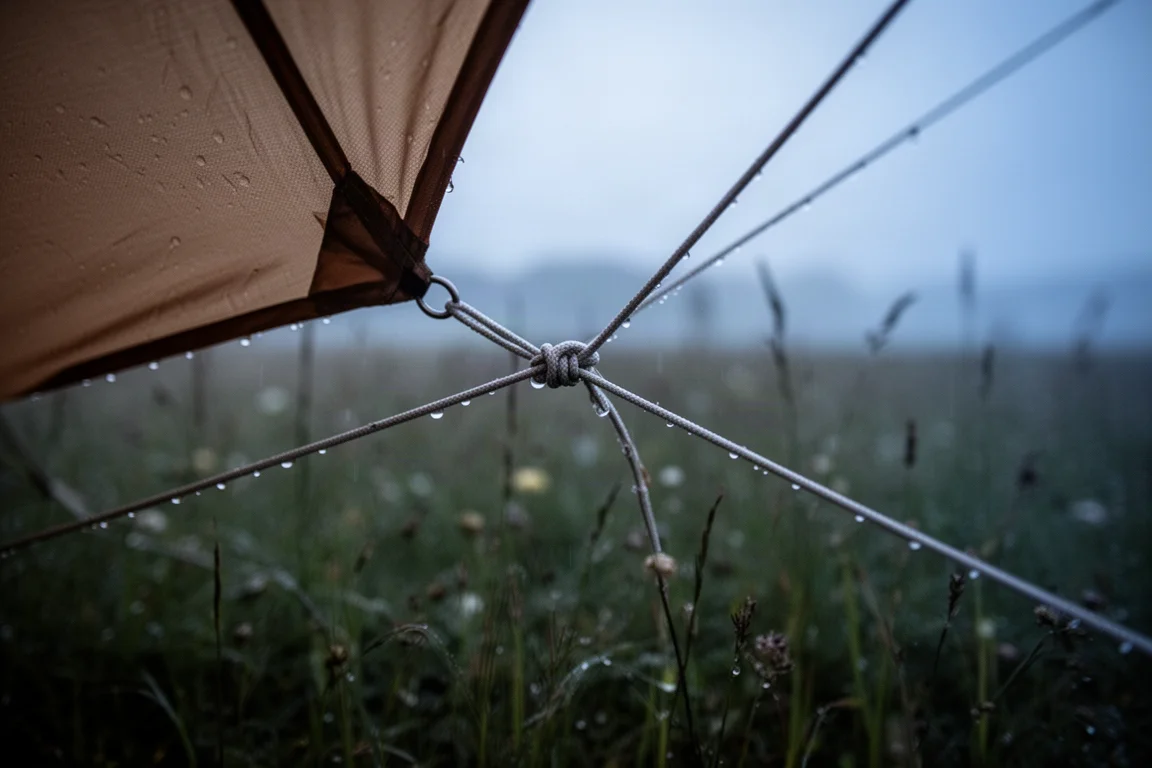
Rain started within minutes of pitching. The first burst was moderate and lasted around fifteen minutes, which was enough to wet the flysheet thoroughly. A check along the seams and across the roof found nothing: no water tracking along the stitching, no dampness to the touch, no drips at the apex.
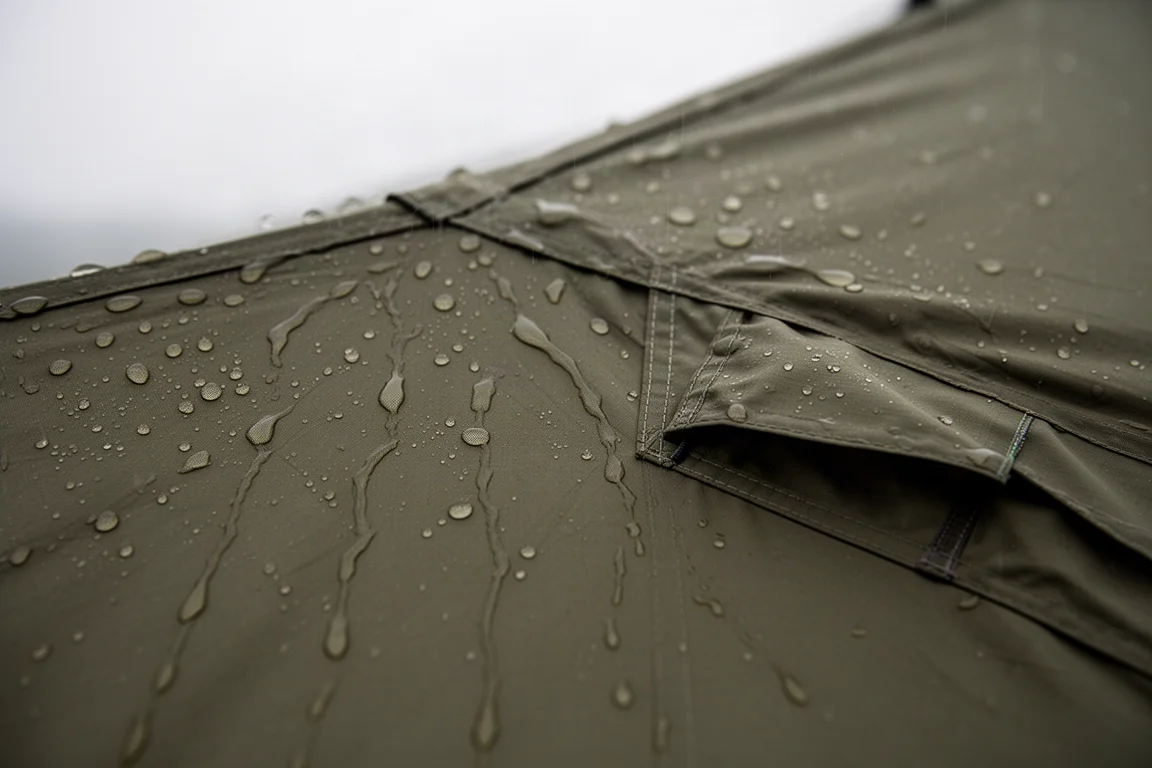
More rain followed, and the shelter stayed up for several hours through heavier and wind-driven rain during a thunderstorm. At the end of it, the interior was still dry, and the vent stayed open throughout. That is a meaningful change from the earlier versions, where comparable conditions produced water inside the tent.
Main Strengths
The headline strength is simple: it did not leak. Hours of rain, including heavy and wind-blown downpours, left the interior dry, with the vent open the whole time.
The vent flap is the specific fix that makes that possible. On earlier versions, rainwater reached the seam beneath the vent and found its way inside. The flap now sheds water away from that seam, and this test suggests it works as intended.
Pomoly also deserves credit for the design thinking behind the shelter. The brand’s shelters have a reputation for going beyond conventional layouts, and the Stove Hut 70 2.0 continues that approach. A company that returns to the drawing board and fixes a known fault is doing right by the people who camp in its tents.
Things to Consider Before Buying
Two things are worth setting expectations around before you buy.
First, this test covers waterproofing and nothing else. Condensation control, ventilation behaviour in humid conditions, and long-term durability were not part of it, so treat the result as one answer to one question rather than a full verdict on the shelter.
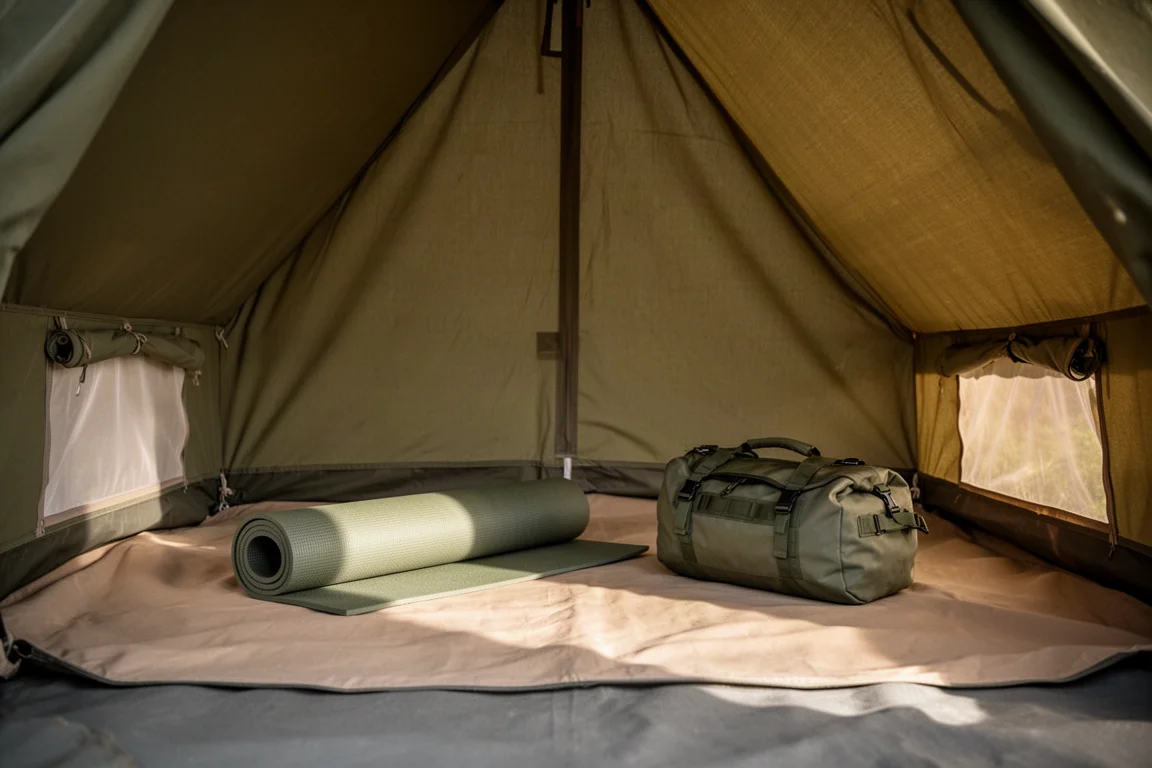
Second, the fabric and cords will stretch when they get wet. During the test the body of the tent sagged noticeably as the materials took on water. That is normal behaviour for textiles including polyester and nylon, and it happens at every price point. Sagging does not mean the tent is leaking, but it does mean you will want to re-tension the guy lines after a soaking.
Field Notes on Materials and Sag
A sagging flysheet is one of the most common reasons campers misread a tent’s performance. Water weight and fibre stretch combine to relax the pitch, and the silhouette changes. The seams, however, are a separate matter: they either hold or they do not.
In this case they held. The seams around the vent and along the roofline stayed dry even after the fabric had visibly relaxed, which suggests the waterproofing is doing its job independently of how taut the pitch is. Keeping an eye on tension during long wet spells is still the practical habit to keep.
Buying Advice
If a leak-free shelter is your priority, the Stove Hut 70 2.0 now has evidence behind it rather than just a version number. It survived a thunderstorm with the vent open and stayed dry inside.
Before you commit, think about how you camp. If you pitch in exposed, rainy terrain and want a fabric shelter you do not have to baby, the waterproofing result is the most relevant data point you are likely to get. If your priorities lean toward condensation management or packed weight, this test does not speak to those, and the shelter should be weighed on other grounds.
Conclusion
Version 2.0 answers the question that mattered. The Pomoly Stove Hut 70 2.0 stayed dry through hours of rain, including heavy, wind-blown weather, with the bottom vent left open. The earlier leaking problem appears to have been addressed at the source rather than papered over.
The tent still sags when wet, as every textile shelter does, and condensation performance is untested here. But on the specific issue that damaged this model’s reputation, the result is a clear pass.
Product link
View more details for Pomoly Stove Hut 70 2.0
This product is mentioned in the review. Check the specifications, options, and compatibility before buying.
View more details for Pomoly Stove Hut 70 2.0Further reading
Related Reviews
Tents
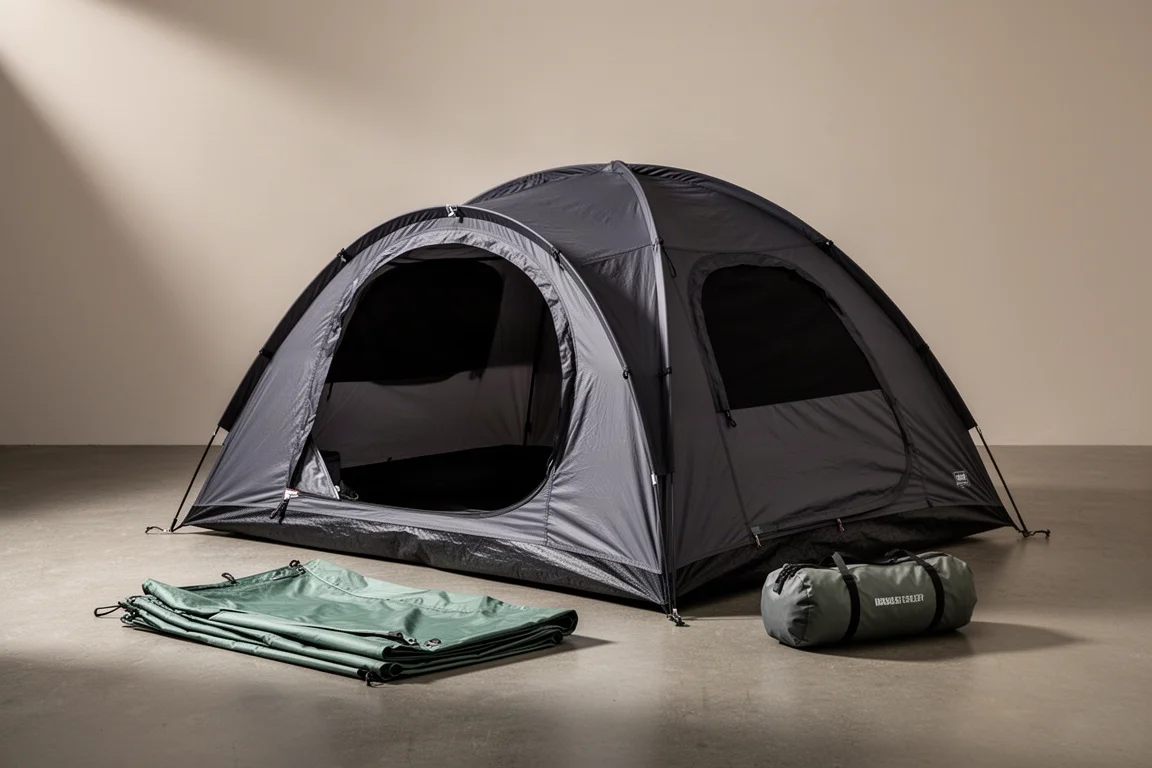
Black Dog Instant Setup 5 to 8 Person Tent Review: Fast Pitch, Serious Weather Problems
A quick-pitching Black Dog tent that goes up in seconds, but wet-weather testing revealed seam leaks, an overstated capacity claim, and awkward doors.
Tents
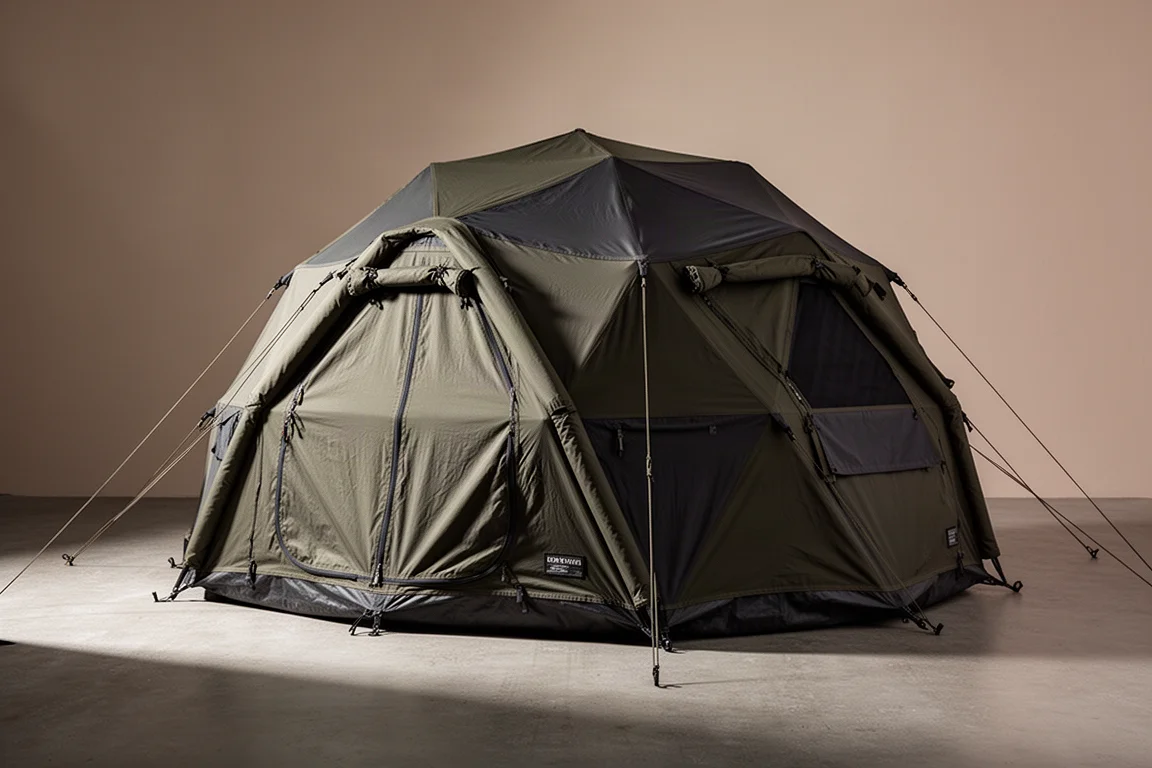
Lightfighter Dragoon Review: An Eight-Person Four-Season Military Shelter
The Lightfighter Dragoon is a 57-pound, eight-person expedition tent built for extreme weather. Here is what its materials, size, and setup demands mean for real buyers.
Tents
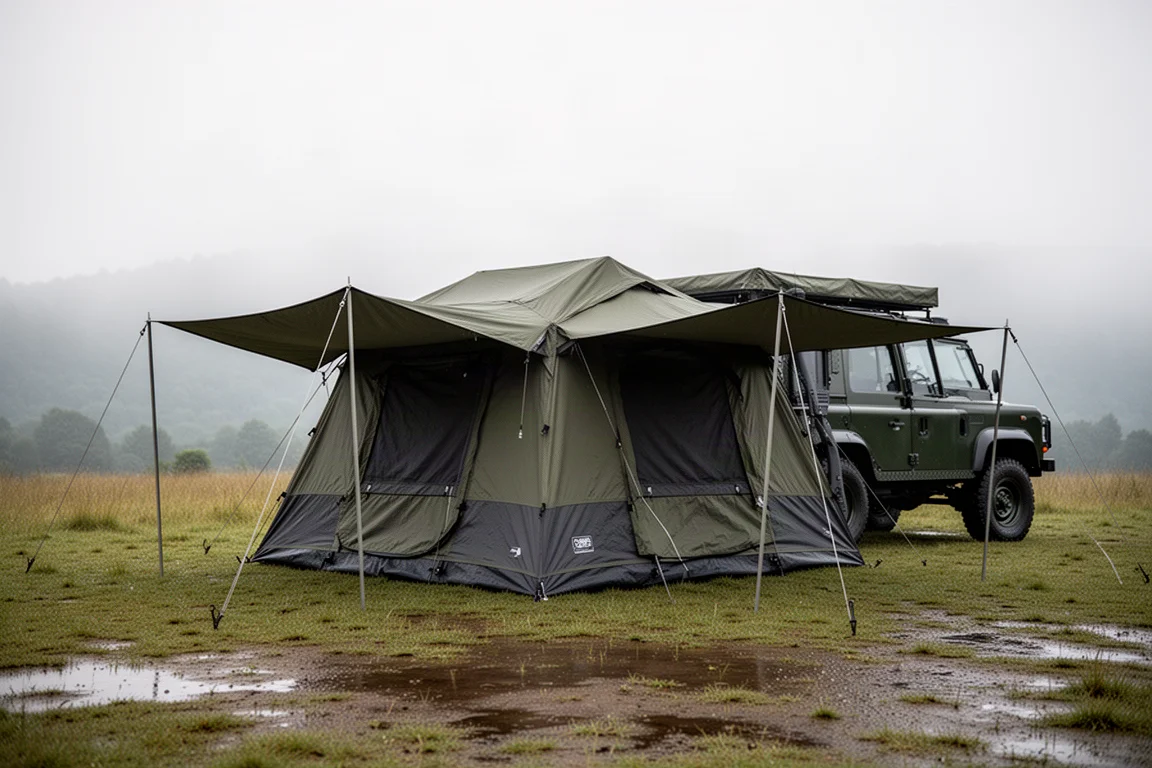
Lone Rider Motorcycle Tent Review: A Big Shelter That Stays Dry
A double-wall motorcycle tent with two large awnings, two entry points, and enough interior height to stand up, plus the pack size trade-off to weigh first.