Floorstanding Speakers
Polk Reserve R700 Review: Big Bass, Smart Placement, Strong Value
A full-size three-way tower with deep, controlled bass, a premium finish, and placement-friendly engineering, plus the trade-offs to weigh before buying.
Introduction
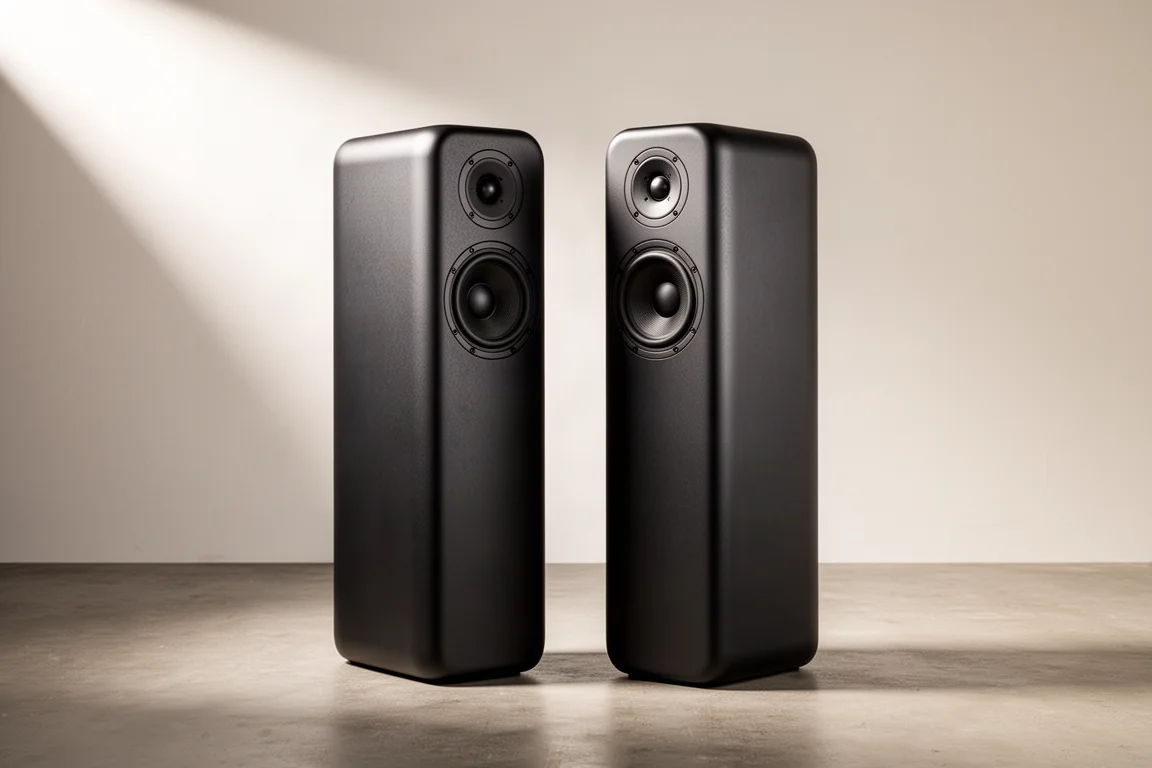
The Polk Reserve R700 is a full-size three-way floorstanding speaker, and the first thing anyone notices is the size. This is a genuinely large cabinet with large drivers, and it moves a serious amount of air. That physical scale sits at the centre of what it does: this is a tower that delivers chest-level punch and deep low-frequency extension at a price that stays below the two thousand dollar mark.
Polk has historically been associated with affordable, mainstream speakers rather than high-end audio, and the Reserve series is a clear step in a more ambitious direction. The R700 is the tower in that line, and it makes a strong case for itself on sound quality, construction, and everyday usability.
Who the Polk Reserve R700 Is For
The R700 suits listeners who want the weight and dynamics of a big system without adding a subwoofer. It is also unusually placement-friendly for a speaker of this size, thanks to a down-firing port design. That means it can sit relatively close to a wall without turning boomy, which matters in small and medium rooms where a conventional rear-ported tower would demand a lot of free space behind it.
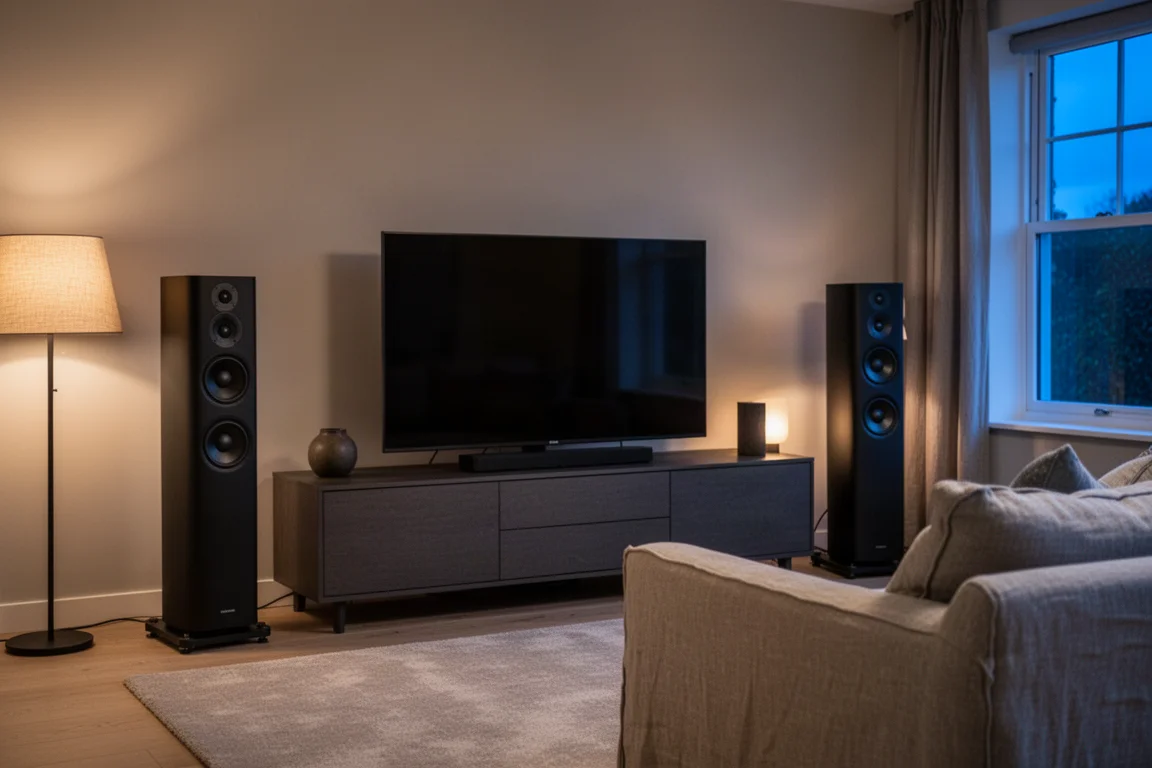
It also works well in a home theater setup. The matte black finish is textured rather than glossy, so it does not throw reflections onto a screen, and the low-end output means the system can run without a subwoofer, although a subwoofer still makes sense for serious movie use.
Buyers who care most about pinpoint imaging and the very last word in midrange and treble nuance should think carefully. The R700 is strong on scale and bass, and its refinement in the upper ranges is good rather than exceptional.
Bass, Dynamics, and Scale
Bass is where the R700 makes its strongest argument. The cabinet is large, the woofers are large, and the result is low-frequency output that you feel as pressure rather than simply hear. The speaker produces both slam in the mid-bass and genuine extension into the deep bass, a combination that is rare at this price.
Just as importantly, the bass stays controlled. It does not turn boomy, muddy, or floppy, and it holds together when the speaker is pushed. Compared with far more expensive high-end speakers, the very finest texture and nuance in the low end is where the R700 gives ground, but control and extension are the parts that matter most in daily listening.
Scale is the other headline. A large speaker with large drivers projects sound differently from a small one, and the R700 has that sense of a big, room-filling presentation. On material that depends on weight and impact, it delivers in a way that smaller speakers in the same price bracket simply cannot.
Midrange, Treble, and Imaging
The midrange is linear and well balanced with the rest of the frequency range. Voices and instruments sit on the warmer side of neutral, which gives the presentation a little body and keeps it from sounding analytical. There is no harshness and no vocal sibilance, so long listening sessions stay comfortable.
Treble and midrange detail are the areas where the R700 is more modest. It is not as nuanced or as finely resolved as high-end speakers, and a smaller bookshelf model in the same series is actually a touch more refined in the upper ranges, largely because a simpler two-way design has fewer compromises to manage. The difference is subtle but audible.

Imaging follows a similar pattern. The centre image is solid and the speakers disappear into the room, but individual instruments are harder to place precisely, and dense material such as orchestral recordings can sound slightly cluttered. For relaxed listening this rarely matters. For listeners who chase imaging above all else, it will.
Build Quality, Finish, and Placement
The finish is a standout. In matte black it has a subtle texture, and it looks and feels more expensive than the price suggests. A wood finish is also offered. Up close, the drivers are the familiar Polk units used across several models in the range, alongside a pair of large woofers, and the implementation is clearly where the effort has gone.
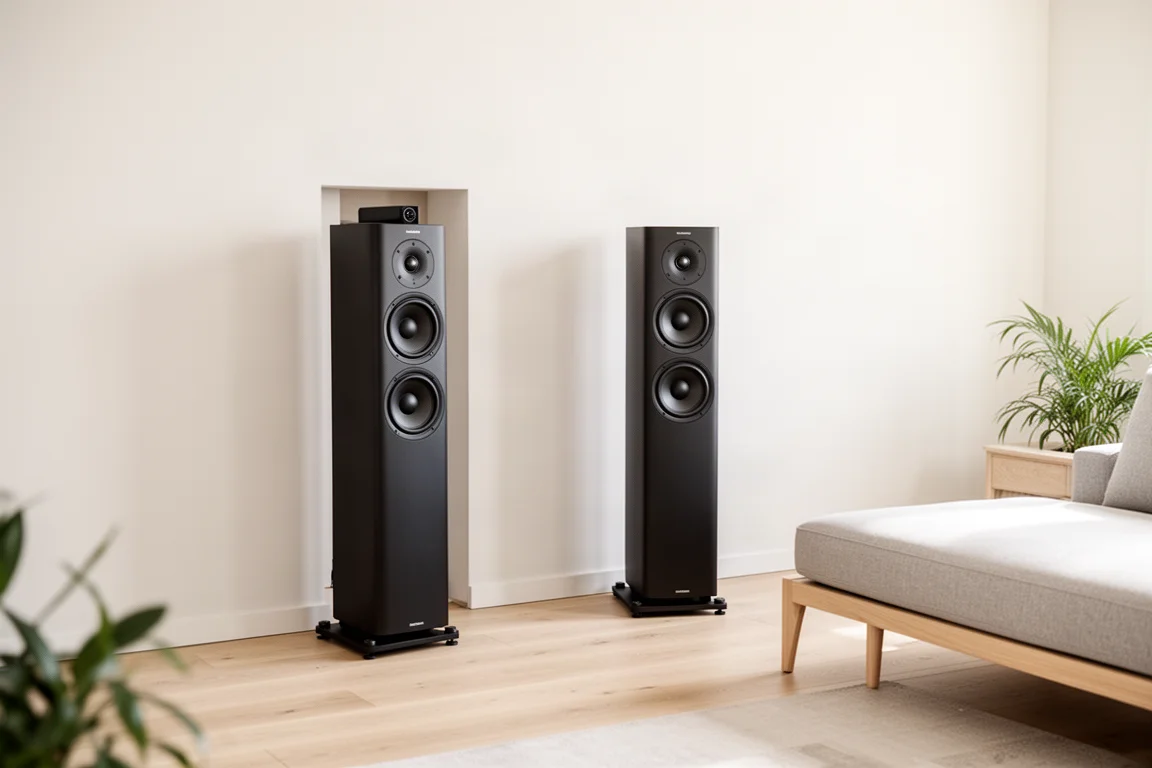
The most interesting piece of engineering sits underneath. Instead of a conventional rear port, the R700 uses a down-firing port with a turbine-like structure inside it, and the cabinet has no rear port at all. The practical effect is that placement becomes far less critical. The speaker can be pushed close to the wall without the bass becoming elevated or muddy, and it stays composed in small, medium, and large rooms alike.
The feet are rubber isolation pads rather than spikes, which is friendlier to hard floors, and the rear binding posts are straightforward. For positioning, a slight toe-in aimed at the listening seat gives the best focus, while pulling the speakers further into the room opens up depth at the cost of some low-end reinforcement.
Amplifier and Gear Matching
The R700 is not difficult to drive, and it pairs well with both tube and solid-state amplifiers. That flexibility is one of its most appealing traits: the speaker is balanced enough to act as a neutral starting point, so the character of the electronics in front of it is clearly audible.
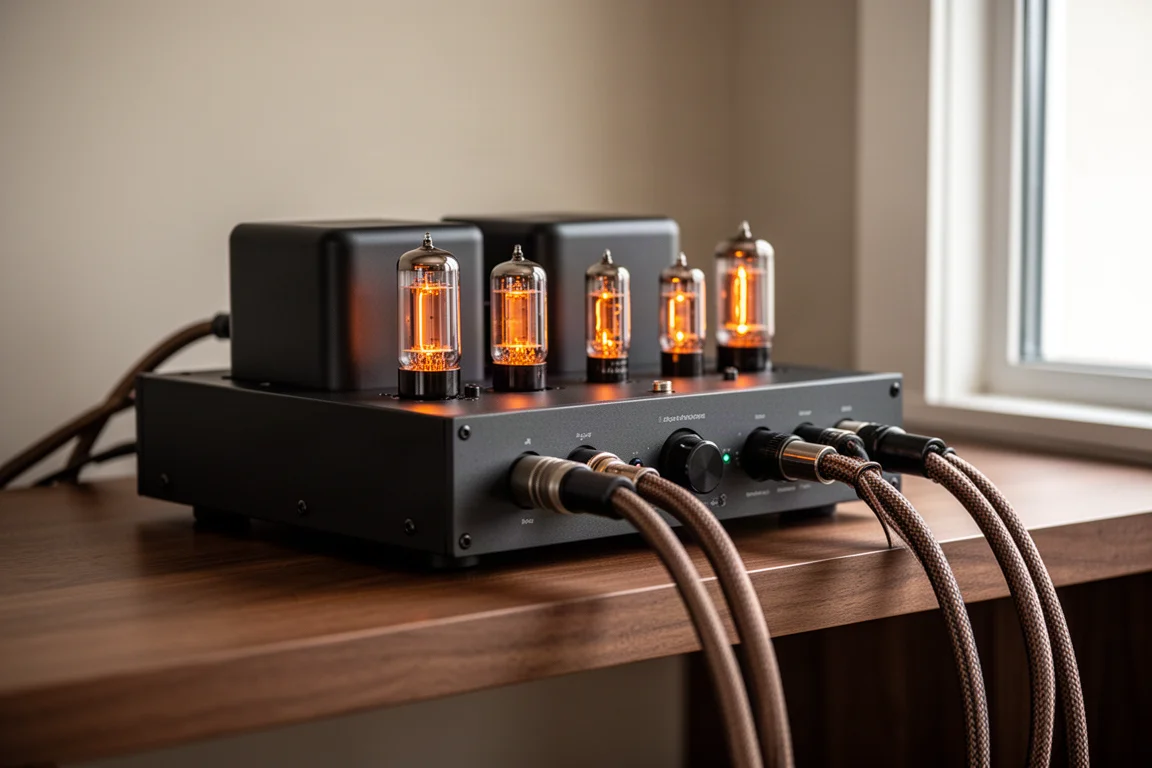
A tube integrated amplifier is a particularly good match. The airier, slightly brighter presentation of tubes offsets the R700’s softer upper ranges and adds a more holographic quality, while still keeping the bass tight and extended. Solid-state amplifiers with a firm grip on the low end suit larger rooms, where the extra bass output becomes a real advantage.
Budget-friendly streaming amplifiers are a perfectly reasonable starting point, and the speaker scales well enough that upgrading the electronics later produces a clear improvement. There is no single correct pairing here, which is part of what makes the R700 easy to live with.
Things to Consider Before Buying
The R700 is physically large. It will dominate a small room visually even though it behaves well acoustically, and it is the kind of speaker you notice the moment you walk in.
Its imaging and upper-range refinement are good, not reference grade. Listeners who prioritise those qualities over bass weight and dynamics may prefer a smaller, simpler design, even one from within the same series.
Finally, the speaker’s strengths reward good source material and decent amplification. It will sound fine with basic electronics, but it is capable of noticeably more when the rest of the system is up to it.
Buying Advice
Below the two thousand dollar mark, the Polk Reserve R700 delivers a combination that is hard to find: genuine deep bass, real dynamic scale, a finish that looks premium, and a cabinet that does not demand a large, carefully treated room. It goes on sale frequently, so timing a purchase around a promotion is worthwhile.
The clearest way to decide is to weigh priorities. If you want a tower that can carry a system without a subwoofer, fills a room with weight and impact, and stays flexible about placement and electronics, the R700 is an easy recommendation. If your listening is built around pinpoint imaging and the finest treble detail, a smaller and more specialised speaker will serve you better.
Conclusion
The Polk Reserve R700 is a large, well-built floorstanding speaker that leads with bass, dynamics, and scale, backed by a balanced midrange and a genuinely useful down-firing port design. Upper-range refinement is where it concedes ground, but for most listeners that trade-off is more than fair at this price.
Product link
View more details for Polk Reserve R700
This product is mentioned in the review. Check the specifications, options, and compatibility before buying.
View more details for Polk Reserve R700Further reading
Related Reviews
Floorstanding Speakers
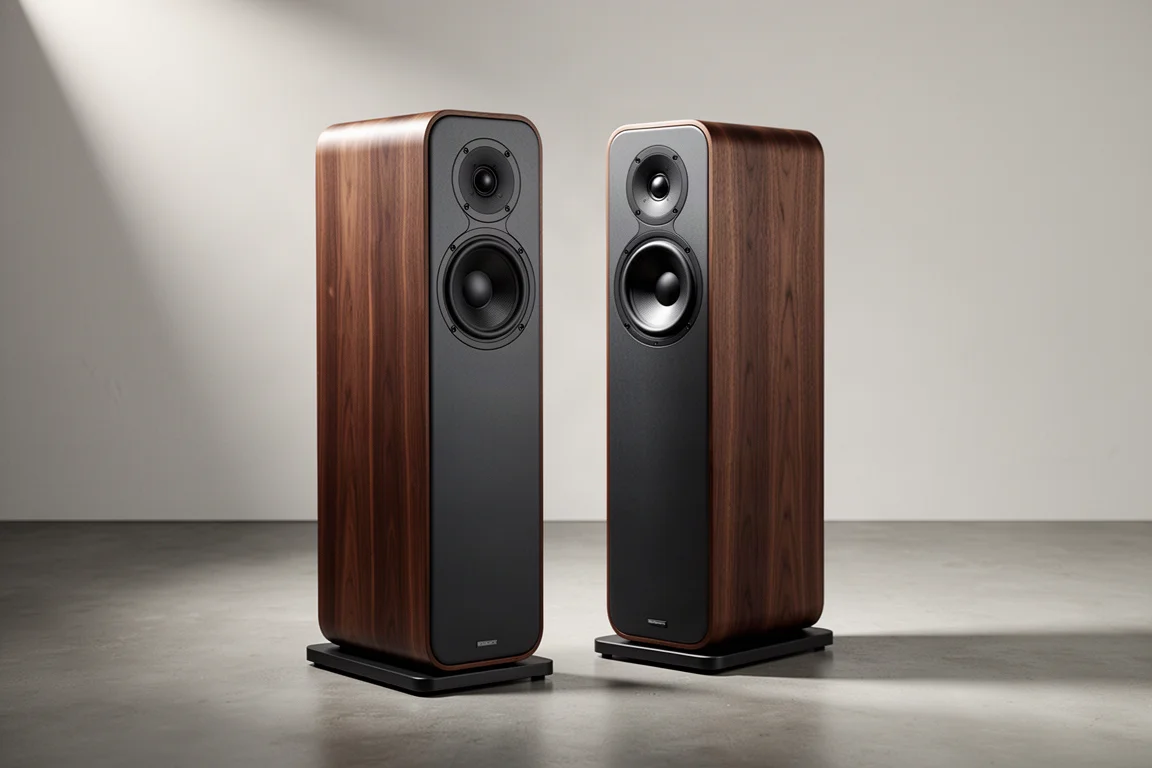
Acoustic Energy AE109 Mark II Review: A Refined Floorstander at £699
The Acoustic Energy AE109 Mark II is a slim, warm sounding floorstander that delivers clarity, midrange body and strong imaging in small to medium rooms.
Floorstanding Speakers
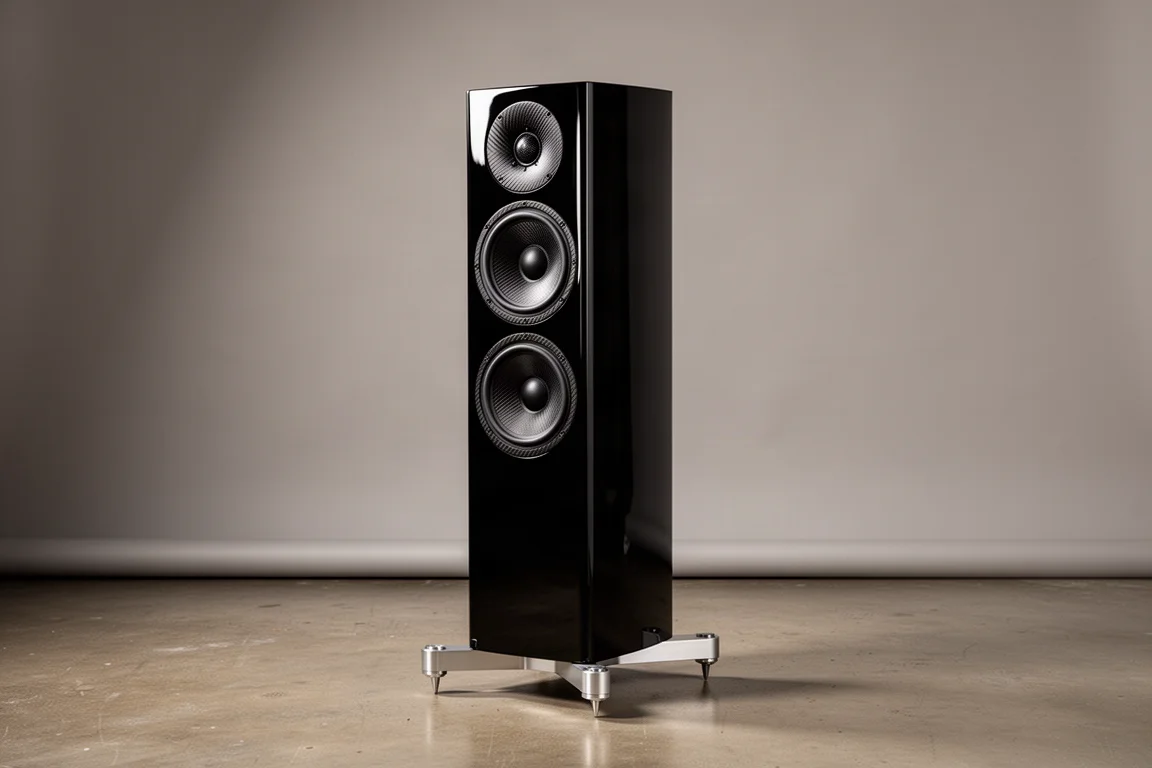
Acoustic Energy AE509 Review: A Slim Floorstander With Deep, Defined Bass
A practical look at the Acoustic Energy AE509, a slim floorstanding speaker with carbon fibre drivers, deep and well-defined bass, and an easy-going character that rewards careful system matching.
Floorstanding Speakers
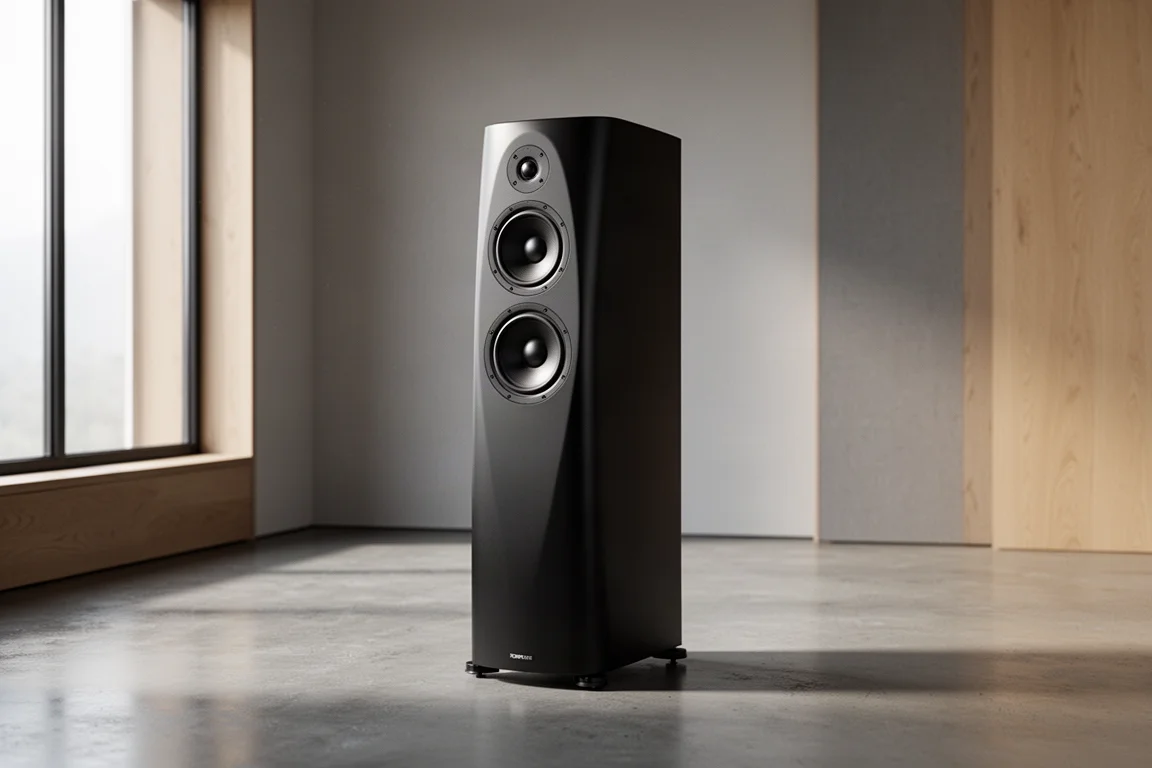
Arendal 1528 Tower 8 Review: Reference Neutrality With Real Demands
A close look at the Arendal 1528 Tower 8, a nearly five-foot, 200-pound floorstander that rewards generous space, serious power, and high listening levels with reference-grade neutrality.