Floorstanding Speakers
Polk R700 Review: Deep Bass, Wide Stage, and Strong Value
A practical look at the Polk R700 tower speaker, from its three-way driver layout and measured bass extension to the placement and amplification it needs to perform at its best.
Introduction
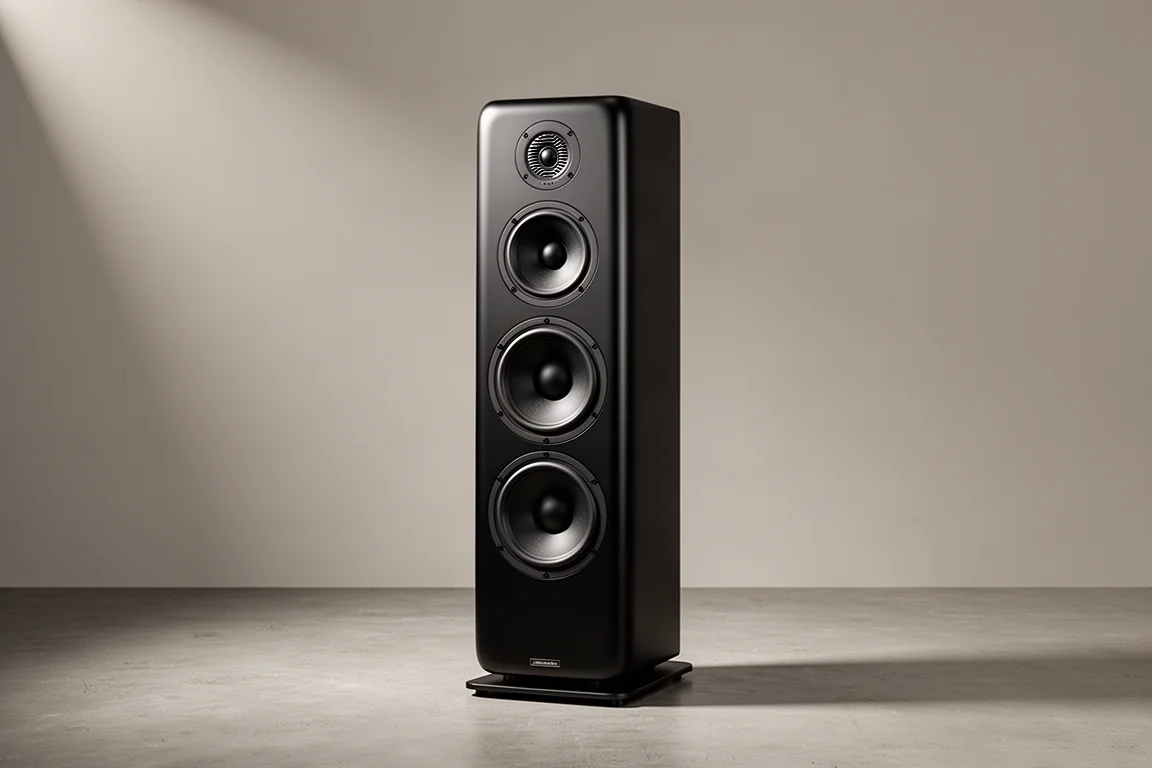
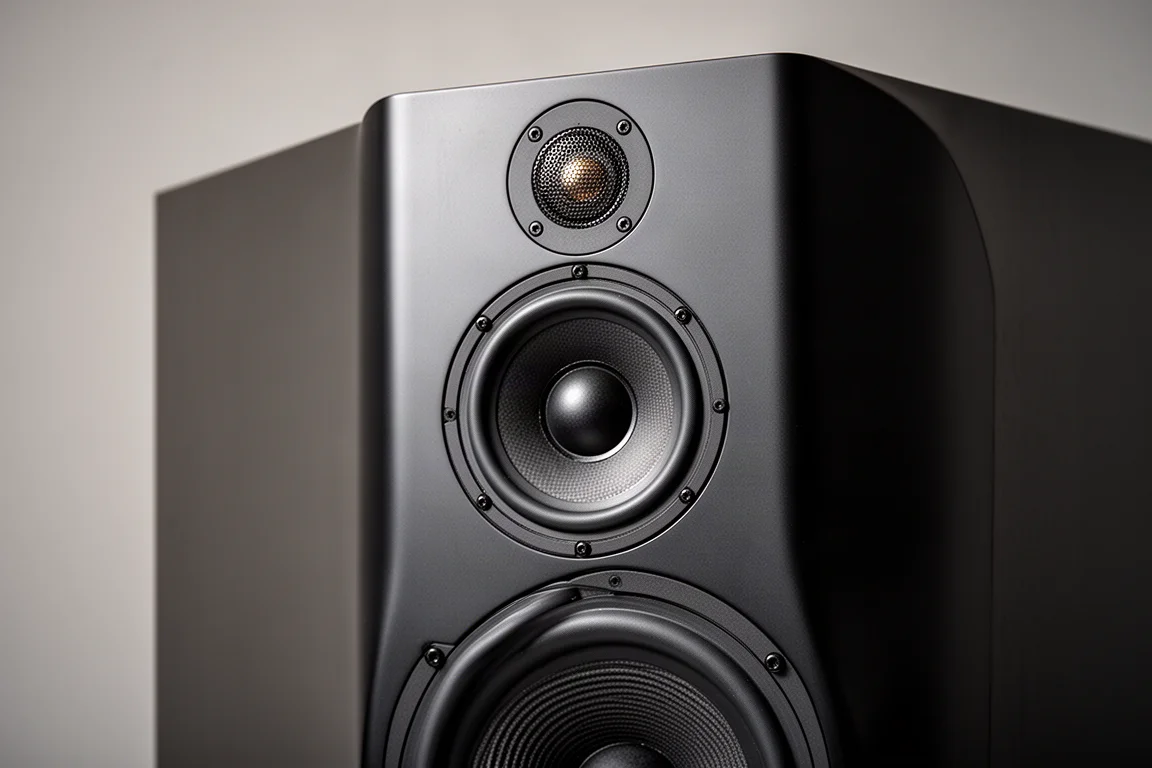
Tower speakers around the $2,000 mark promise a great deal and often deliver less. The Polk R700 is a larger three-way floorstander from Polk, and it has earned a reputation as one of the more interesting options at its price. It pairs a 1-inch ring radiator tweeter with a 6.5-inch midrange and two 8-inch mid-bass drivers in a ported cabinet with a down-firing port at the base.
At $2,200 per pair, it sits well below the towers it is most often compared with, and it is frequently discounted to around $1,800. The useful question is where the money goes and where the compromises surface. The short answer: the bass, midrange control, and dispersion are genuinely strong, while the top octave and extreme output levels are where the design shows its price.
Who the Polk R700 Is For
The R700 suits listeners who want a full-range tower for two-channel music in a medium to large room, and who can give the speakers room to breathe. It stands about 45 inches (114 cm) tall and weighs around 78 pounds (35 kg), so it is a substantial piece of furniture that needs a stable floor and a sensible amount of space around it.
It is also a reasonable choice for a home theater front stage when there is one main listening row. Where it asks for commitment is placement: it wants at least two feet of clearance behind the cabinet, and it rewards a listening position that stays close to the tweeter axis.
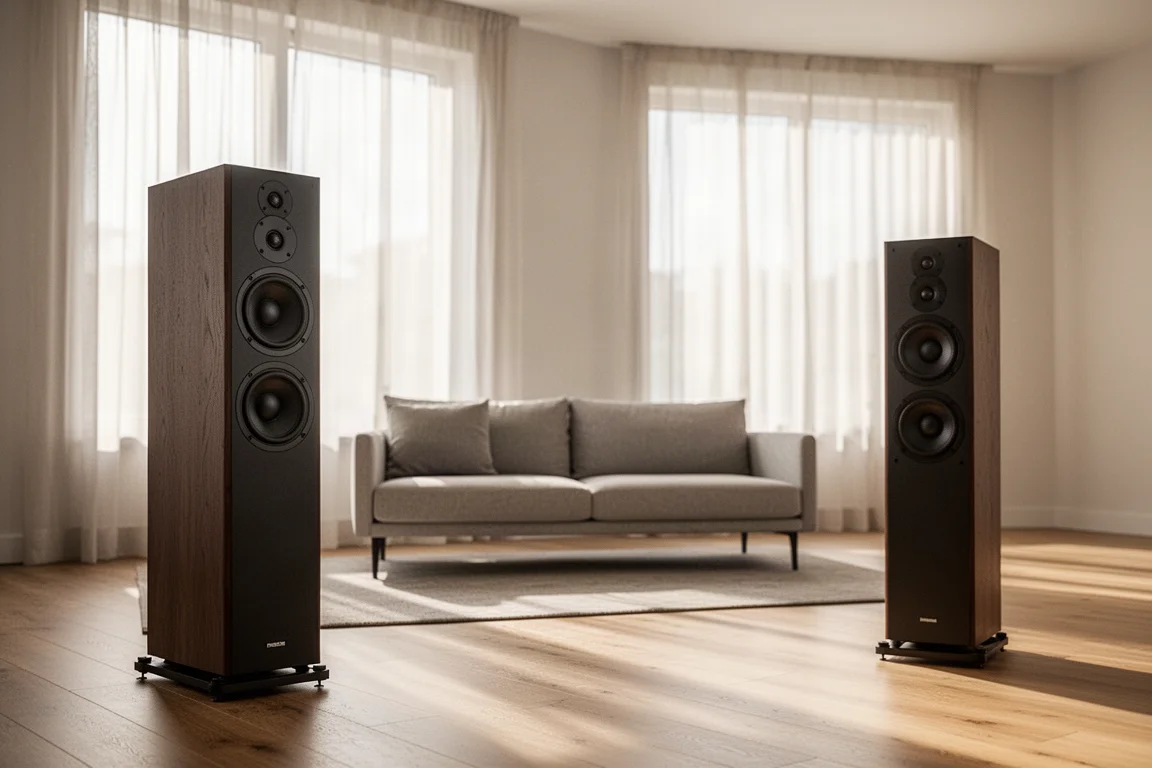
It is less suited to rooms where the speakers must sit close to the wall, to very high-volume listening sessions, or to multi-row seating where listeners sit well above or below the tweeter.
Main Strengths of the Polk R700
The most impressive quality is consistency. Response stays within roughly plus or minus 2 dB across most of the range, aside from the natural bass roll-off, and measured average sensitivity lands around 87.5 dB, close to the 88 dB specification. That evenness is a large part of why the speaker is easy to live with over long sessions.
Bass extension is the headline. Anechoic F3 is about 40 Hz, with F10 around 31 Hz, and in-room response reaches into the mid-30s. That is deep enough that most two-channel listeners will not feel the need for a subwoofer unless their music leans heavily on content below 40 Hz, such as electronic or hip-hop.
The horizontal radiation pattern is broad, roughly plus or minus 70 degrees. Hard-panned instruments extend well beyond the physical cabinets, which produces a wide, enveloping stage. Low-level dynamics are also good: at quiet volumes the speaker still delivers a solid, tactile thump without over-accentuating anything. Distortion and compression stay well controlled through the bass and mid-bass, and the speaker remains composed at normal listening levels.
How the Polk R700 Compares to Other Towers
The R700 plays deeper than the KEF R5 Meta, a tower that retails for roughly $4,000 per pair, and it also asks for more distance from the wall to avoid an exaggerated mid-bass. The R700 is less smooth through the high-frequency handoff and less consistent vertically than the KEF, which holds its pattern to about plus or minus 50 degrees above and below the tweeter. In exchange, the R700 spreads wider horizontally at about plus or minus 70 degrees, which many listeners will find more enveloping, and it has the advantage in distortion and compression through the bass and mid-bass. The KEF handles high-frequency compression better.
Against the Klipsch RP-8000F II, which retails for around $1,500 per pair, the R700 extends almost an octave lower, measures smoother overall, and radiates wider horizontally at 70 degrees versus 50 degrees. The Klipsch does have better high-frequency dynamic range, so listeners who prioritize very loud playback may weigh that differently.
Things to Consider Before Buying
The high frequencies are where the R700 gives ground. Compared with tower speakers costing $5,000 and up, the top end is less refined, and the measurements point to a horizontal directivity mismatch around 4 kHz, where the tweeter output broadens relative to the 6.5-inch midrange. In practice that can make the lower treble sound forward, especially when the speakers are angled out toward the room rather than at the listener.
Compression at high output is the other limitation. High-frequency compression rises noticeably at very high levels, and the step from 96 dB to 102 dB is where the design breaks down. For context, 100 dB at three meters is extremely loud and not a level most people sustain. Harmonic distortion also approaches the 3 percent mark around 7 kHz at 96 dB.
Vertical directivity is narrow, at about plus or minus 15 degrees from the tweeter. That is fine for a single listening position or a single couch, but it makes the sweet spot smaller for multi-row home theater seating. Off-axis behaviour is worth noting too: there is a 3 to 4 dB difference at 10 kHz between on-axis and off-axis listening, which is why toe-in matters so much with this speaker.
Placement, Aiming, and Amplification
Give the R700 at least two feet of clearance from the wall behind it. Because the mid-bass is flat rather than scooped, close placement produces boomy, exaggerated bass that is the room’s contribution rather than the speaker’s design.
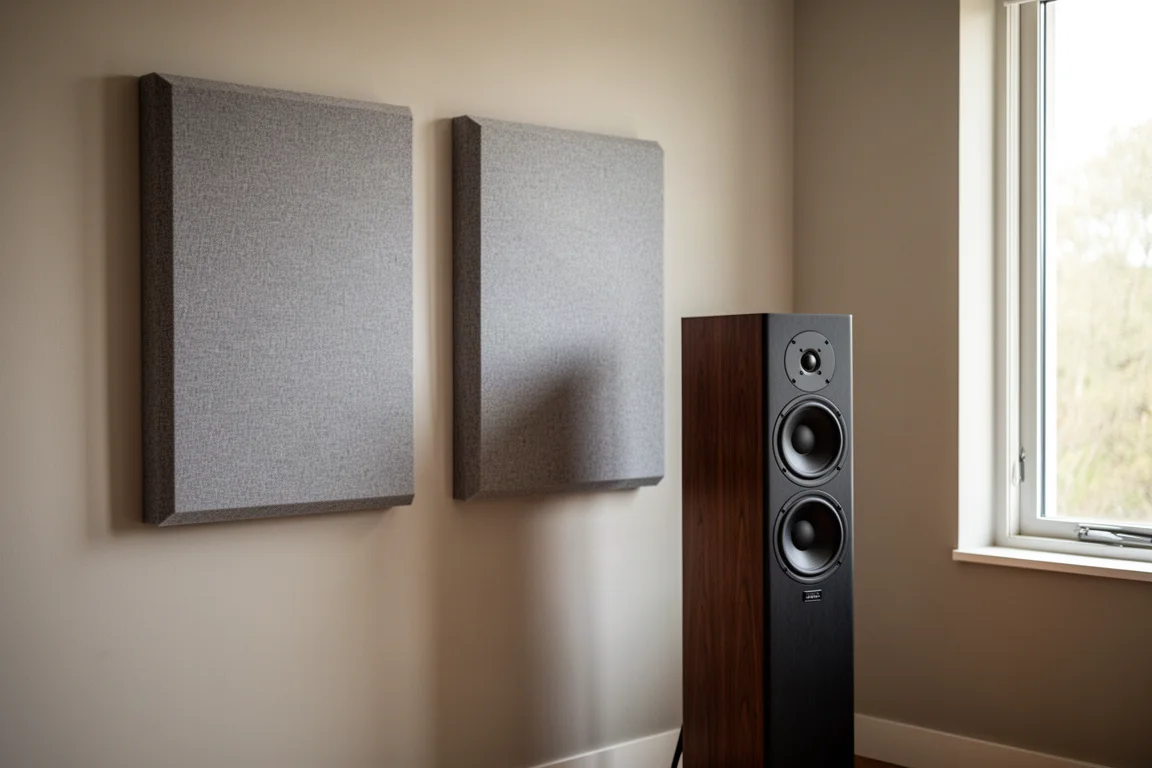
Aim the speakers somewhere between directly on axis at 0 degrees and about 20 degrees of toe-out. Past 20 degrees the top end falls away quickly as the ring radiator tweeter narrows, and the lower treble starts to dominate. If you do prefer a wider, more room-facing setup, sidewall absorption or heavy curtains will help control the reflections that follow.
Amplification matters more than the 8-ohm nominal rating suggests. Measured impedance is closer to 4 ohms, and the recommended amplifier range is 50 to 300 watts. A budget integrated amplifier struggled to drive the speaker to satisfying levels, while a more substantial two-channel integrated amplifier in the $3,000 class had no trouble at all and brought out noticeably more life. A subwoofer is optional for most two-channel systems, and worth adding only if your music regularly reaches into the 30 Hz region.
Buying Advice
At $2,200 per pair, and often closer to $1,800 on sale, the R700 is a strong value. The trade-offs are concentrated at the edges of use: extremely high playback levels, and sidewall reflections in rooms where the speakers are angled outward. Neither is a problem for a typical two-channel setup in a room that allows two feet of space behind the speakers.
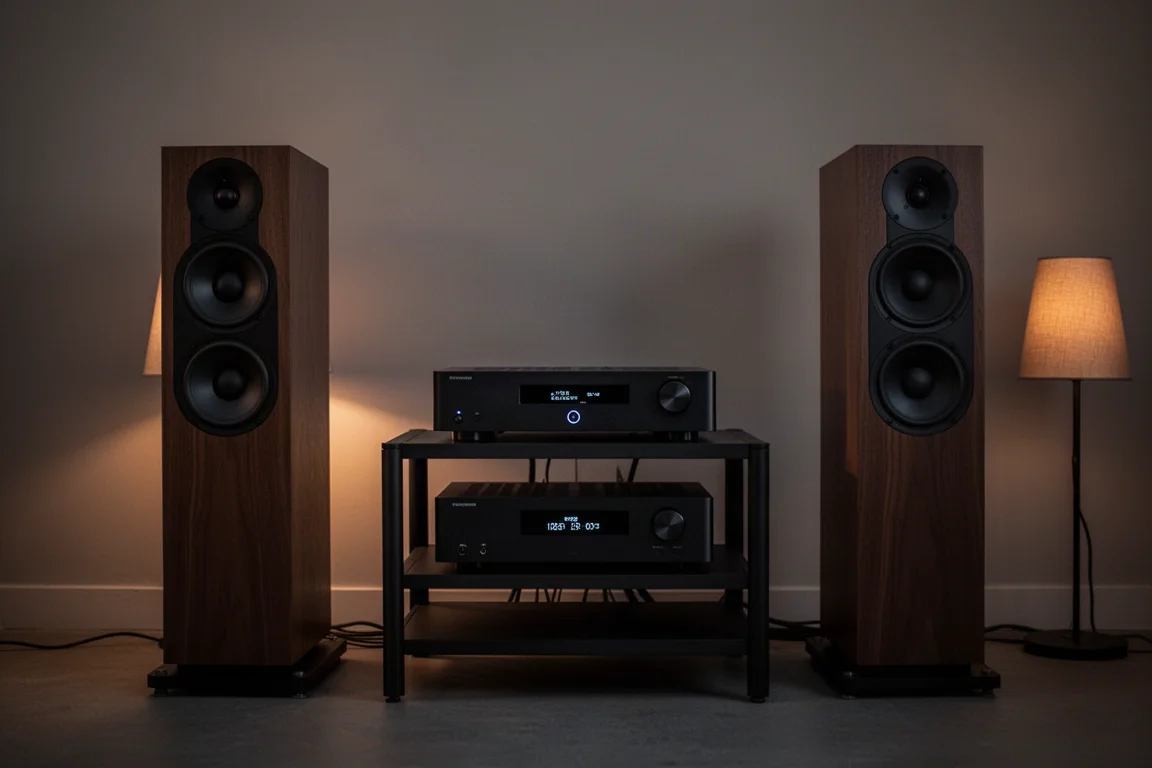
Finish is worth a thought. The walnut version looks better in a living space, while the satin black option is the more discreet choice in a dark home theater room where reflections from the cabinet are a consideration.
If your room is small, your speakers must sit close to the wall, or you routinely listen at very high volumes, it is worth comparing alternatives before committing. For everyone else shopping under $2,500, this is one of the more compelling towers available.
Conclusion
The Polk R700 earns its reputation. Deep bass, an even midrange, and a wide, spacious stage make it easy to enjoy, and its measured performance holds up well against towers that cost considerably more. The compromises are real but narrow: the top octave is less refined than premium designs, and the speaker runs out of composure at very high output. Give it space behind the cabinet, aim it within 20 degrees of the listener, pair it with a capable amplifier, and it delivers far more than its price suggests.
Product link
View more details for Polk R700
This product is mentioned in the review. Check the specifications, options, and compatibility before buying.
View more details for Polk R700Further reading
Related Reviews
Floorstanding Speakers
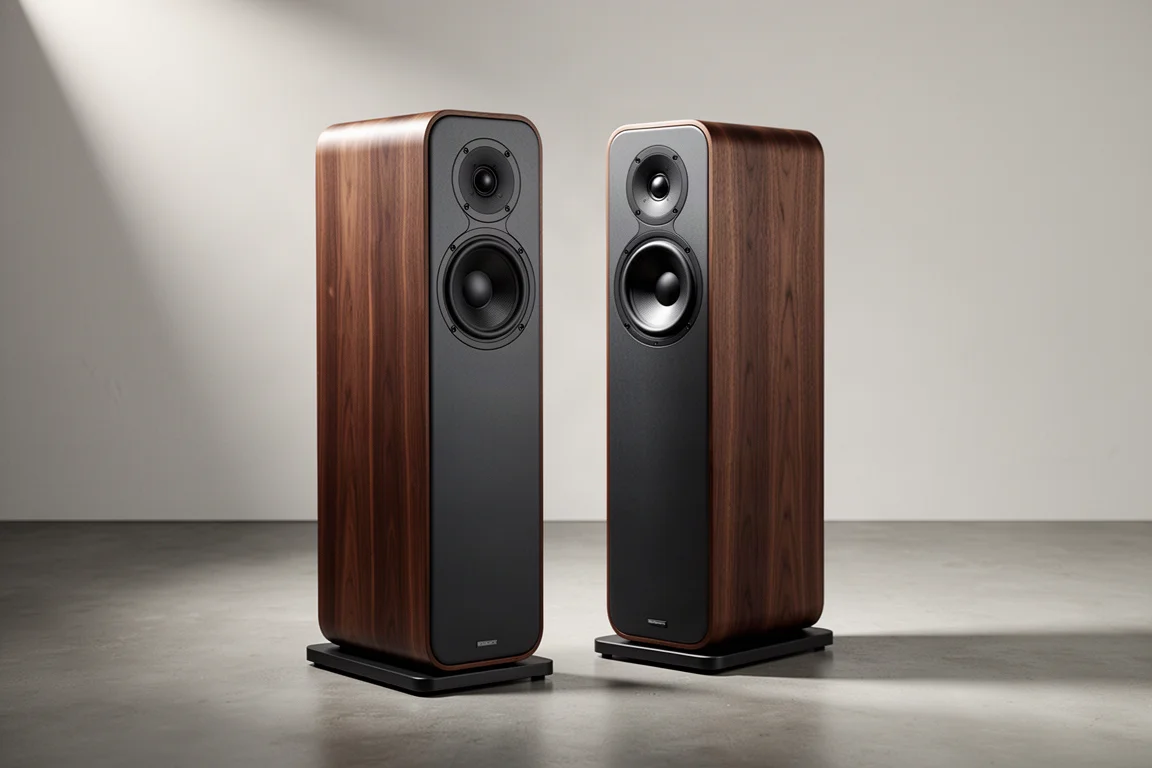
Acoustic Energy AE109 Mark II Review: A Refined Floorstander at £699
The Acoustic Energy AE109 Mark II is a slim, warm sounding floorstander that delivers clarity, midrange body and strong imaging in small to medium rooms.
Floorstanding Speakers
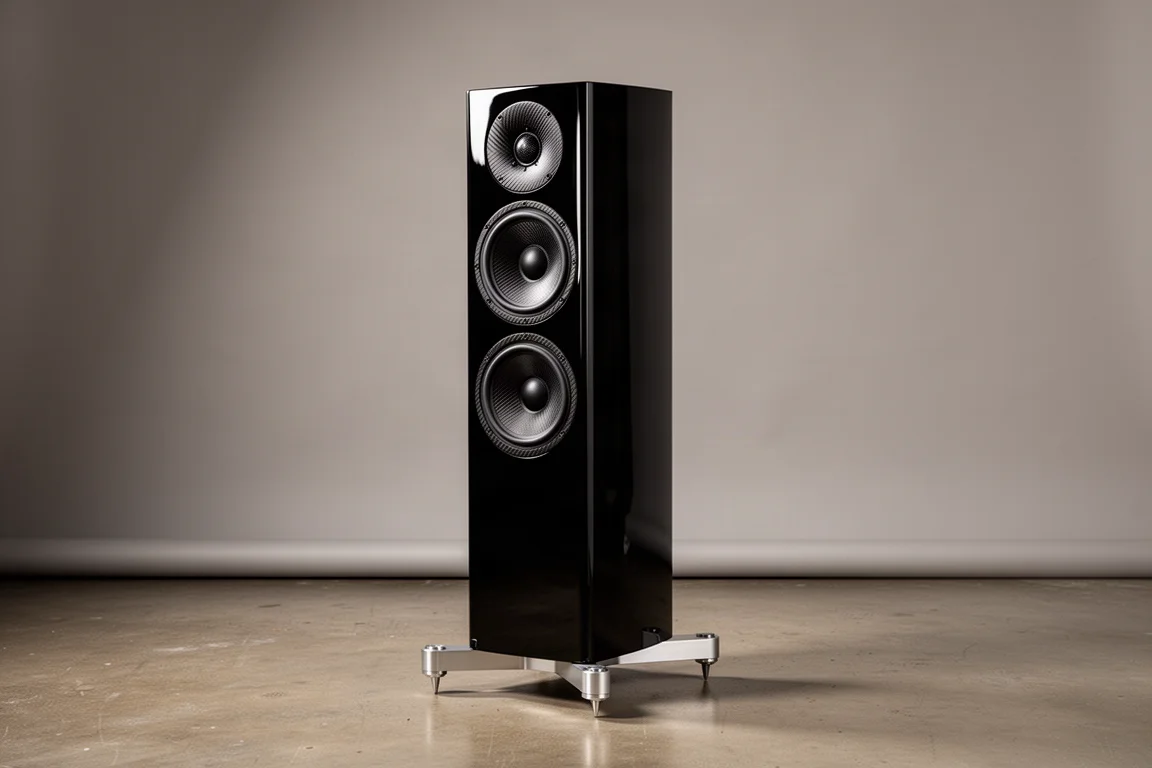
Acoustic Energy AE509 Review: A Slim Floorstander With Deep, Defined Bass
A practical look at the Acoustic Energy AE509, a slim floorstanding speaker with carbon fibre drivers, deep and well-defined bass, and an easy-going character that rewards careful system matching.
Floorstanding Speakers
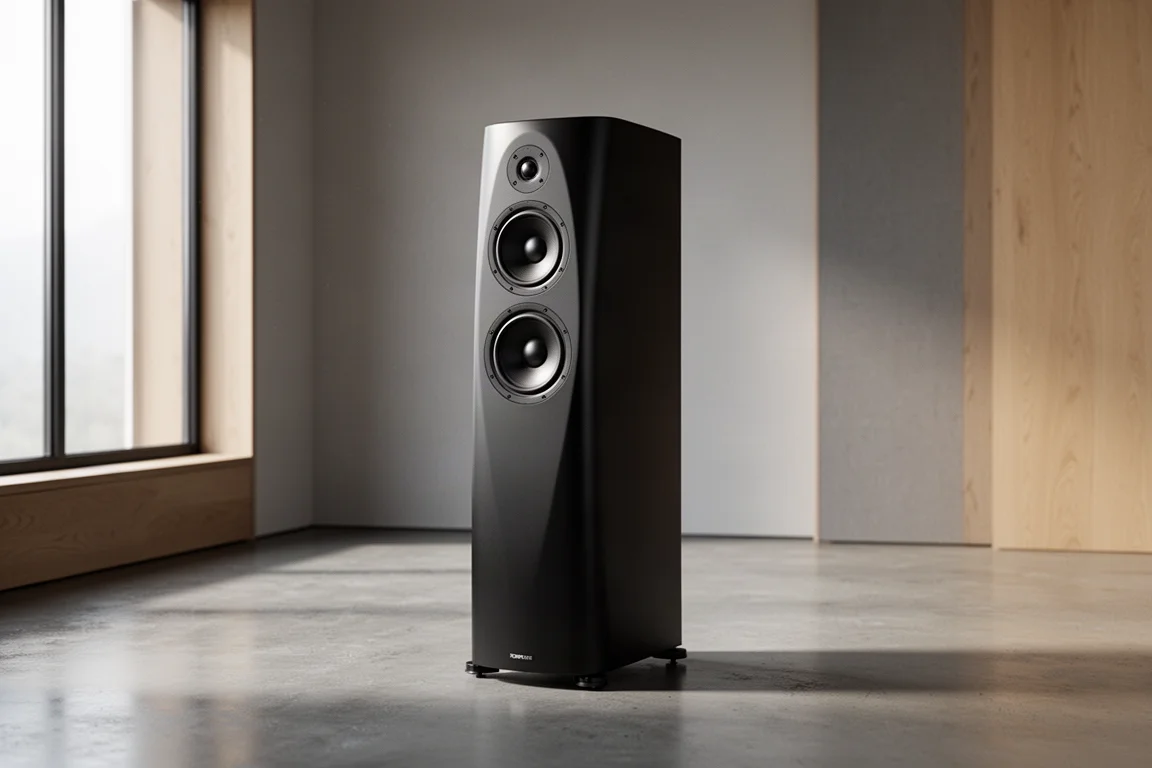
Arendal 1528 Tower 8 Review: Reference Neutrality With Real Demands
A close look at the Arendal 1528 Tower 8, a nearly five-foot, 200-pound floorstander that rewards generous space, serious power, and high listening levels with reference-grade neutrality.