Soundbars
Polk MagniFi Mini AX Review: Compact Sound With Virtual Dolby Atmos
A compact soundbar with a five-speaker array, virtual Dolby Atmos processing, an included subwoofer, and a few trade-offs worth knowing before you buy.
Introduction
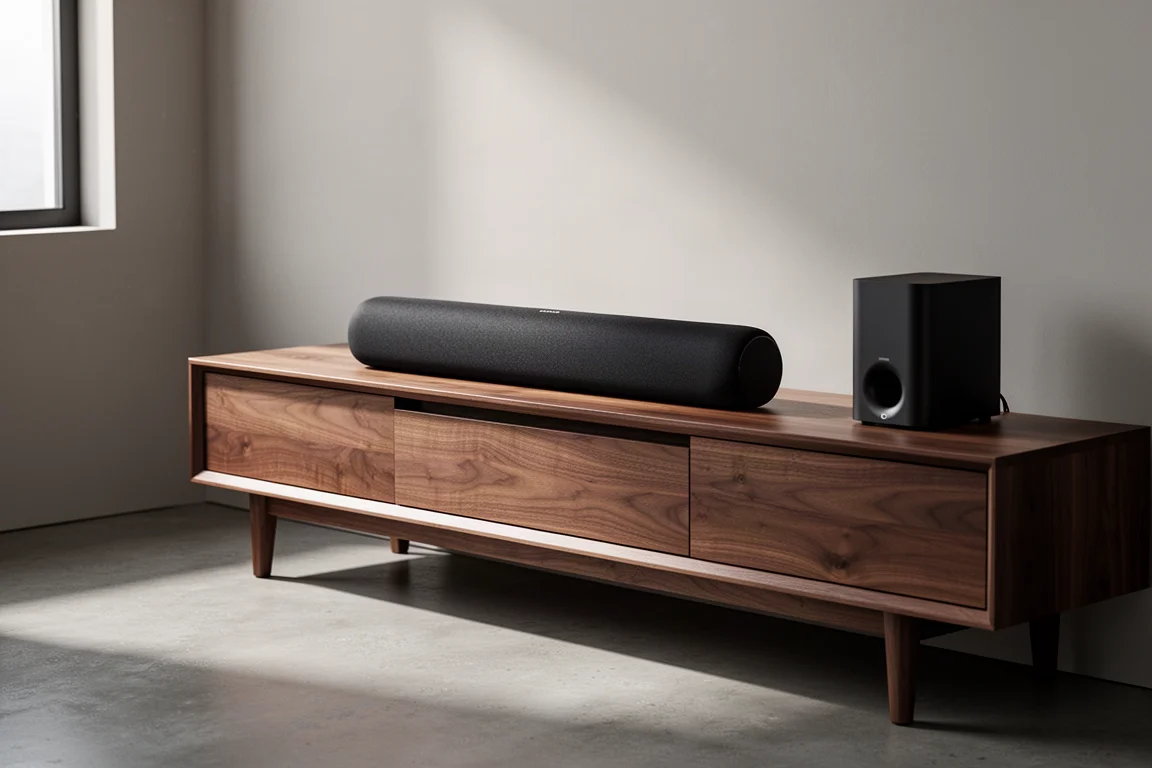
The Polk MagniFi Mini AX takes a different approach from the long, slim bars that dominate the category. It is short, compact, and noticeably taller than most competitors, a shape dictated by the five speakers Polk has packed into the chassis. A wireless subwoofer is included in the box, and the pairing is styled to settle into a modern living room rather than dominate it.
The system supports Dolby Atmos playback and Polk’s own Stereo Dimensional Array processing, which is designed to spread sound beyond the physical width of the bar. Setup is quick, and the bar can learn your existing television remote, so everyday volume changes do not require a second controller.
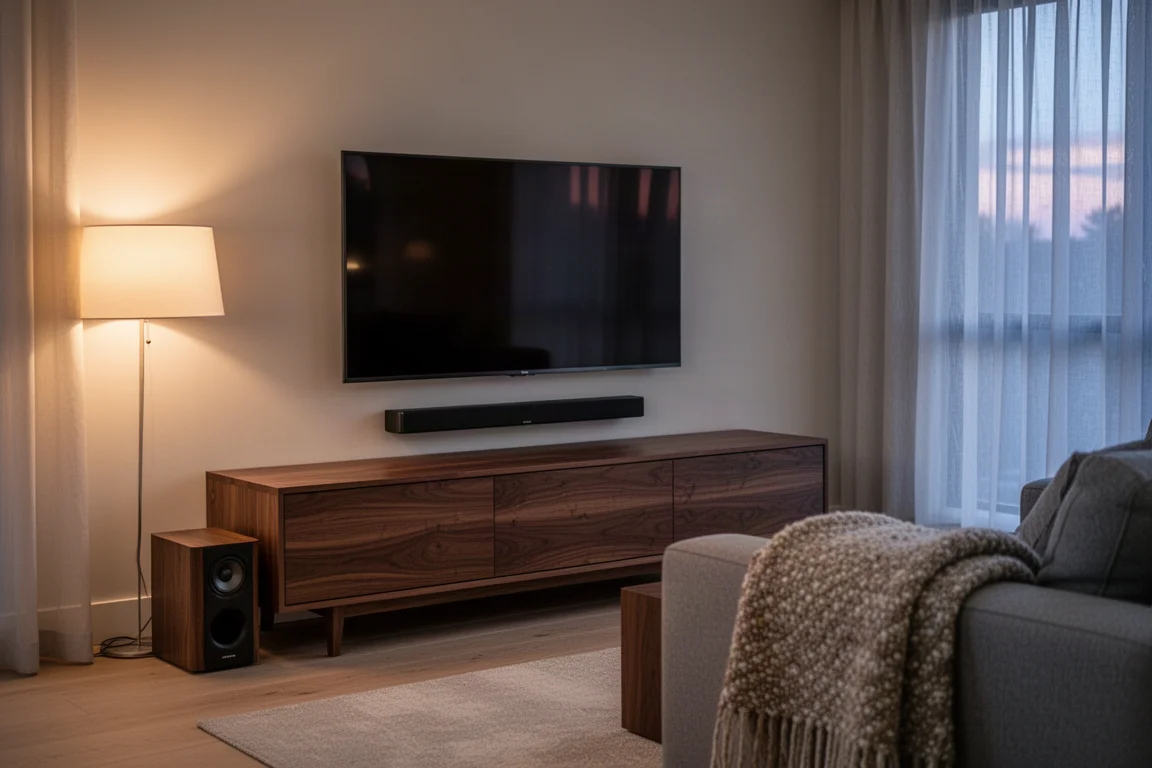
That combination of a small footprint and immersive processing is the core pitch here. For anyone who wants a more cinematic living room without installing a full surround system, this is the argument the MagniFi Mini AX is making, and it is a convincing one for the right room.
Who This Product Is For
This bar suits listeners who want a clear upgrade over built-in television speakers but have limited space. Its compact chassis fits on a shelf or a narrow media console, which makes it a practical option for smaller rooms, apartments, and condos.
It also suits casual listeners who prefer not to spend time fine-tuning audio. There is no deep equaliser menu to work through, only four listening modes and two quick adjustment buttons on the remote. If you like the idea of pressing a button and getting a sensible result, that restraint is a feature rather than a limitation.
Finally, it is a good fit for households where late-night viewing is common. A dedicated night mode keeps dialogue intelligible while keeping bass energy in check.
Sound Performance and the Stereo Dimensional Array
The headline technology here is Stereo Dimensional Array, a Polk-specific approach that uses drivers aimed outward and forward to create a sense of width and depth from a single bar. The system also carries Dolby Atmos processing, which places and moves individual objects around the room in line with what is happening on screen.
There are no upward-firing drivers, so the height effect is virtual rather than a true overhead channel. In practice, with the right mode selected, the result is a convincing three-dimensional presentation that extends well past the edges of the bar itself.

The 3D mode is the most impressive of the four. Material with a dense, moving surround mix genuinely wraps around the listening position, with effects travelling across the room rather than sitting in front of it. Music and movie modes are more straightforward, tuning the sound for their respective content, while night mode reduces bass and lifts the midrange and high frequencies so dialogue stays clear at low volumes.
If you want a true surround layout, Polk offers an optional rear speaker kit that turns the system into a 7.1 configuration instead of 5.1. That kit adds roughly 200 dollars to the total cost, and it is the main upgrade path if virtual surround is not enough for you.
For quick fixes during a film or a game, the remote includes buttons to boost voices or increase bass, which helps when dialogue is buried in a busy mix.
Design, Build Quality, and the Subwoofer
The bar is short and sleek, with a taller profile than most competitors because of the driver count inside. A small OLED panel on the front makes volume levels and selections easy to read at a glance, which is a small but genuinely useful touch.
Weight is worth mentioning. The unit feels substantial for its size, and that density suggests better drivers and thicker wiring inside. It is an old-fashioned way to judge equipment, but it does inspire more confidence than a hollow, lightweight housing.
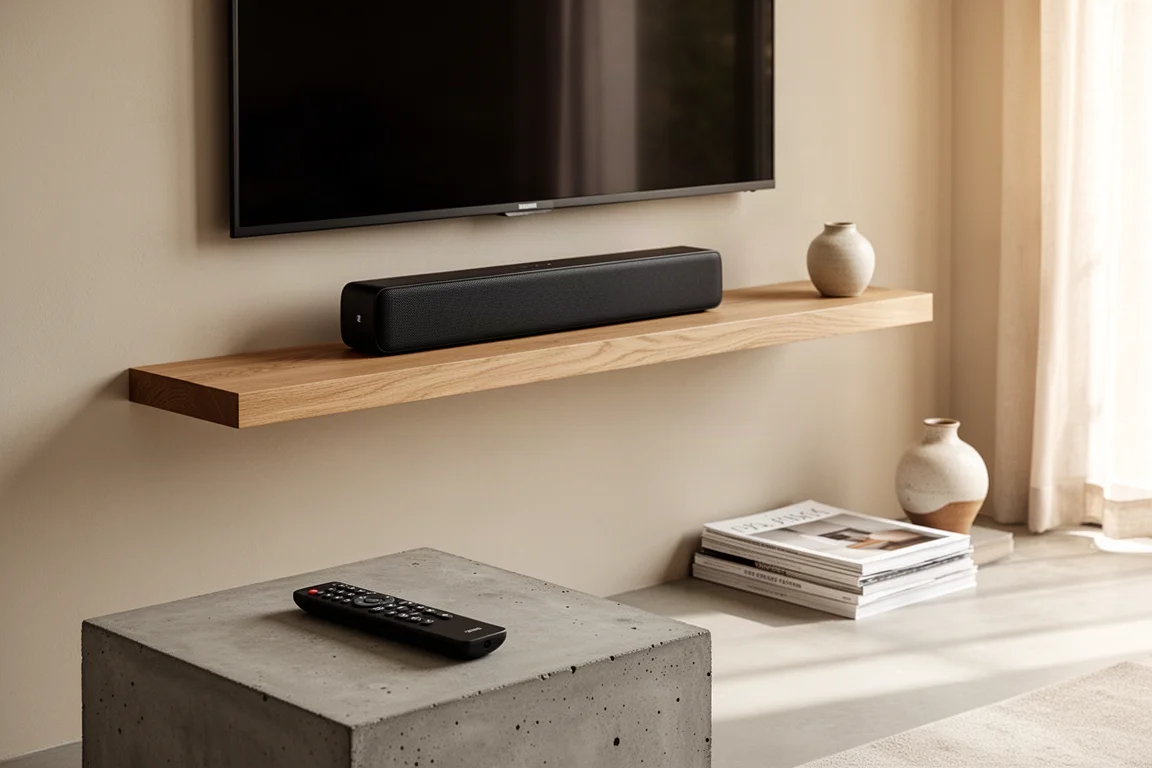
Two construction details are worth flagging. The bar cannot be wall mounted, so it needs to sit on a surface, although its compact size means a shelf works well. And the power supply is an external brick rather than an integrated one, which adds a slightly bulky component to hide behind your furniture.
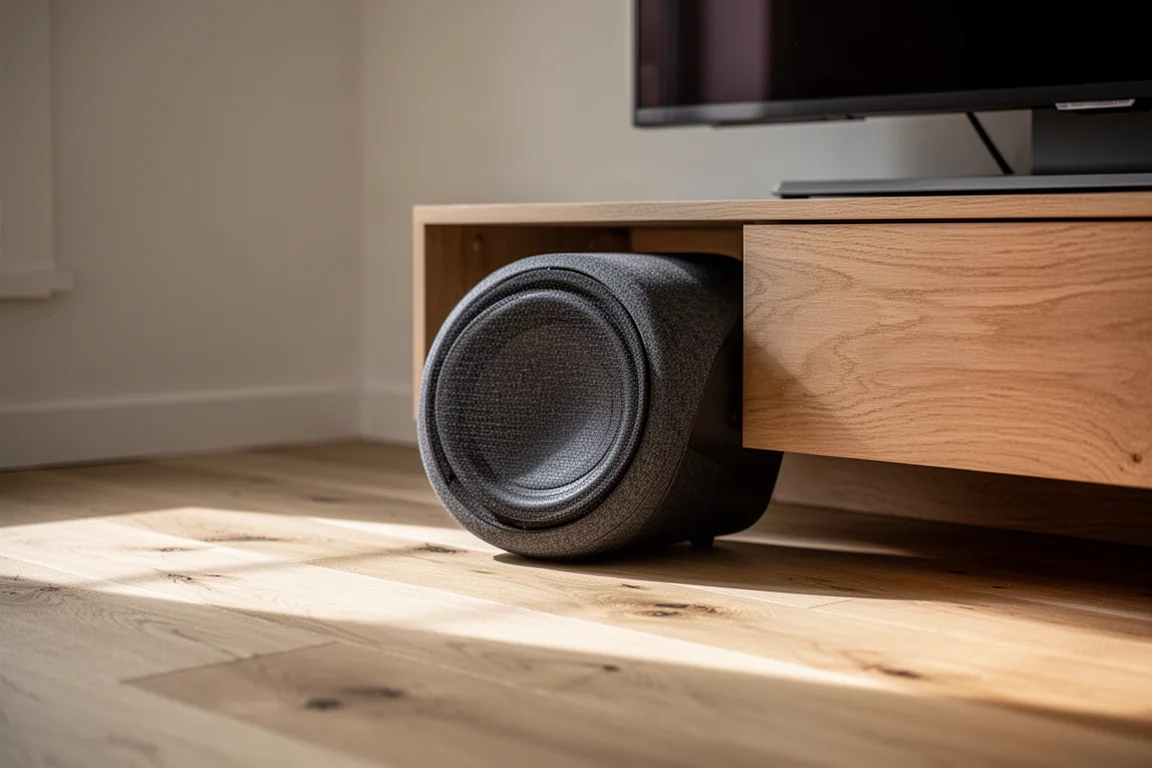
The included remote is standard equipment. It does not light up, but the rubberised buttons are easy to find by feel in a dark room. The subwoofer is similarly understated in appearance and easy to tuck beside a console, and it delivers plenty of low-end output. Its casing is plastic, though, so at higher volumes it can develop a little rattle, particularly as it ages.
Setup, Connectivity, and Controls
Getting started is about as simple as it gets. You plug in power for the subwoofer and the bar, and the two connect automatically. The system will prompt you to join a Wi-Fi network for updates, and the process is straightforward.
On the back you get HDMI ARC, which is the connection to use for Dolby Atmos, plus optical and 3.5mm auxiliary inputs. An HDMI cable is included in the box, but optical and 3.5mm cables are not, so plan accordingly if you intend to use either of those routes.
Bluetooth 5.0 is on board, and it connects quickly. Multiple devices can be paired to the bar at once, which is handy when several people want to take turns controlling the playlist at a gathering.
One of the most practical features is infrared remote learning. Follow the guide and the bar will sync with your existing television remote in under 30 seconds, which means one controller for most day-to-day use. The Polk remote is then only needed for mode and adjustment changes. The bar also supports Apple AirPlay and Chromecast, so you can stream to it directly from a phone or tablet.
Things to Consider Before Buying
The biggest consideration is the absence of a proper equaliser. There are no granular EQ settings, only the four listening modes plus the voice and bass buttons. If you enjoy shaping your own sound curve, this will feel restrictive, and it is the clearest reason to look at a more tweakable alternative.
Second, the virtual height effect is exactly that. Without upward-firing drivers, the Atmos experience is simulated rather than a true overhead presentation. It is convincing, but it is not the same as a system with dedicated height channels.
Third, the physical constraints are real. No wall mounting, an external power brick, and a plastic subwoofer cabinet that may rattle at high volume over time are all worth accepting before you commit. None of them are deal-breakers in a typical living room, but they are the honest trade-offs.
Buying Advice
Buy the MagniFi Mini AX if space is tight, you want a compact bar that still delivers a wide and enveloping sound, and you would rather press one button than open an EQ menu. It is a strong match for apartments, smaller living rooms, and households that watch a lot of late-night television.
Look elsewhere if you need a wall-mounted bar, if you want detailed manual tuning, or if genuine overhead Atmos channels matter to you. Those are the scenarios where this design will frustrate rather than satisfy.
If you are on the fence about surround immersion, consider budgeting for the optional rear speaker kit alongside the bar. It is the difference between a very good single-box presentation and a proper multi-speaker layout, and it is worth deciding up front rather than adding later.
Either way, this is a system that rewards matching it to your room and your habits rather than chasing specifications. Used within its strengths, it delivers a lot of sound from a very small footprint.
Conclusion
The Polk MagniFi Mini AX earns its place through a simple combination: a genuinely compact chassis, five speakers inside it, and processing that makes the bar sound considerably larger than it looks. Add an included subwoofer, quick setup, remote learning, Bluetooth, AirPlay, and Chromecast, and the everyday experience is polished.
The caveats are equally clear. No wall mounting, no granular EQ, an external power brick, and virtual rather than true height channels. Buyers who accept those limits get an unusually immersive soundbar for a small room, and one that is easy to live with from the first evening.
Product link
View more details for Polk MagniFi Mini AX Soundbar
This product is mentioned in the review. Check the specifications, options, and compatibility before buying.
View more details for Polk MagniFi Mini AX SoundbarFurther reading
Related Reviews
Soundbars
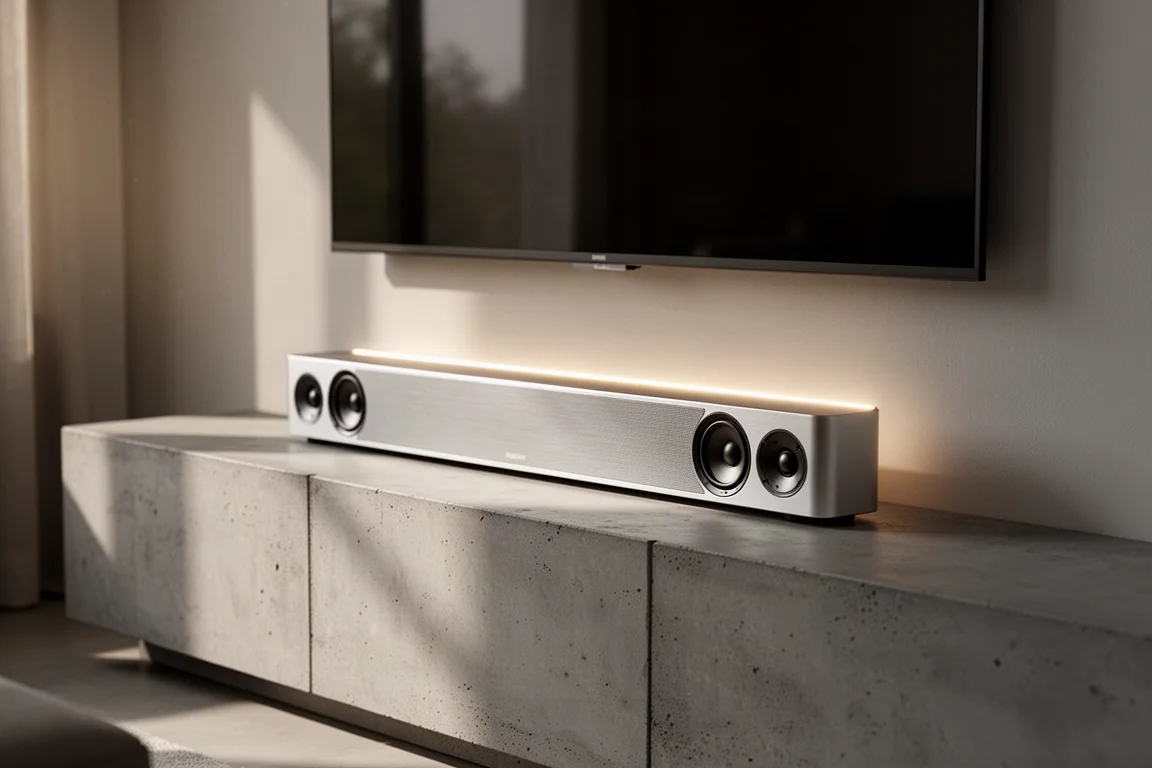
Bang & Olufsen Premiere Review: A Compact Soundbar Built to Last
A close look at the Bang & Olufsen Premiere, a compact soundbar with deep bass for its size, automatic sound profiles, and a clear modular upgrade path.
Soundbars
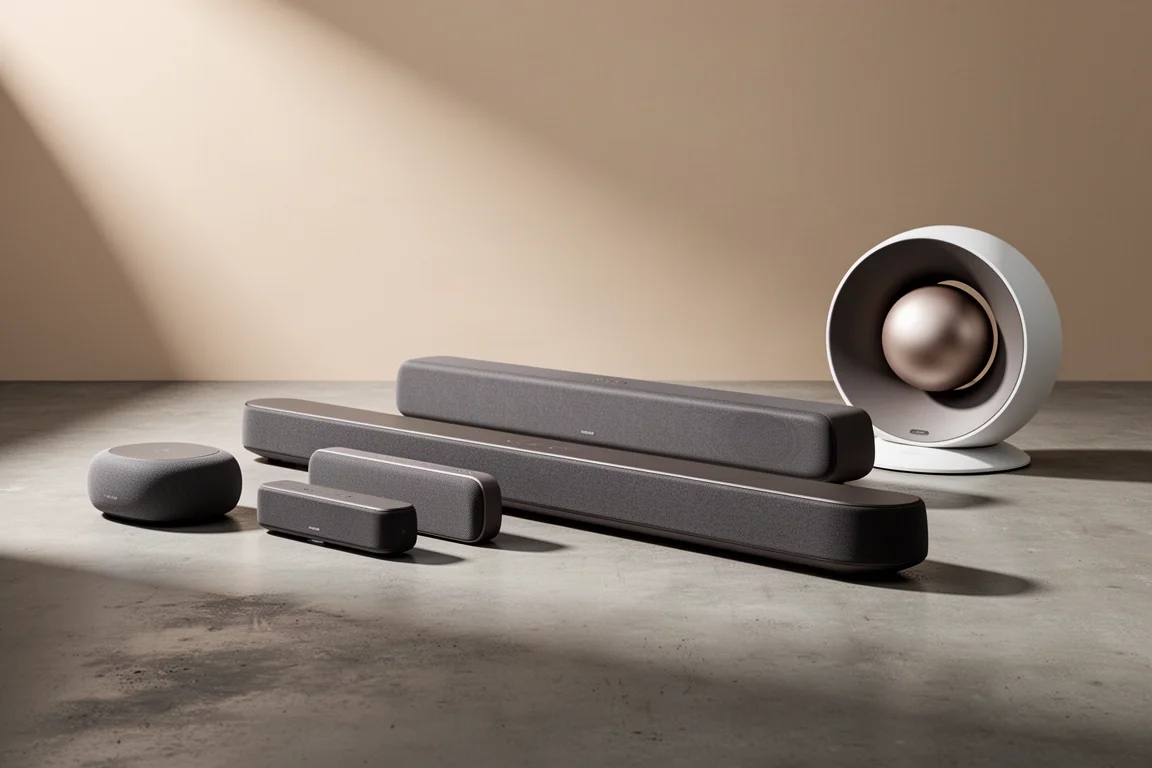
Best Dolby Atmos Soundbars: Six Picks for Movies, Music, and Small Rooms
A practical roundup of six Dolby Atmos soundbars, from compact dialogue-focused bars to expandable systems and an all-in-one flagship.
Soundbars
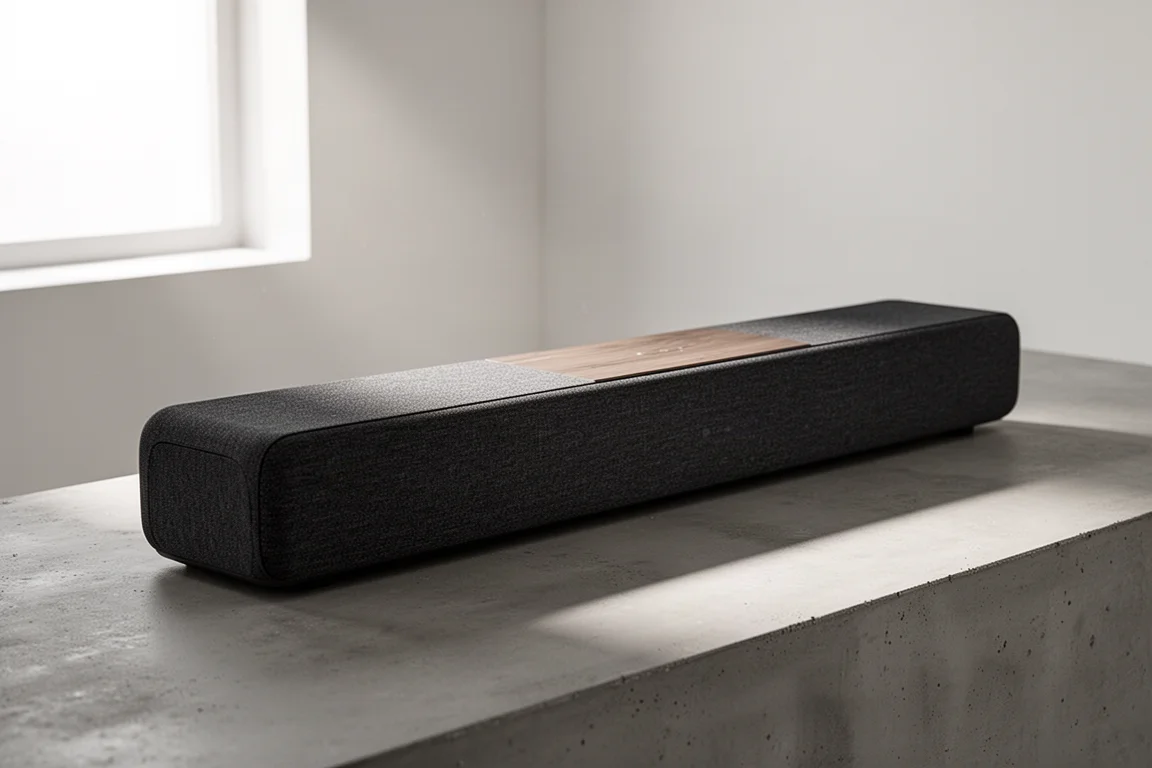
Bluesound Pulse Cinema Review: A Music-First Soundbar With a Software Catch
A close look at the Bluesound Pulse Cinema, a 3.2.2 soundbar with a genuinely expressive midrange and natural tone, plus the app and expansion limits worth knowing before you buy.