Floorstanding Speakers
Polk Audio XT60 Review: A Compact Tower Speaker With Serious Hi-Fi Intent
A neutral, easy-to-drive compact tower that delivers accurate sound for the money, with a few pairing and volume caveats worth knowing before you buy.
Introduction
Polk Audio’s XT series sits at the entry point of the company’s home audio lineup, and the XT60 is the smallest floor-standing model in that range. It rests just below the top-of-the-line XT70, which makes it the natural starting point for listeners who want a tower speaker without stepping up to the brand’s Reserve series.
That positioning matters. A compact tower can behave much like a bookshelf speaker while adding useful low-end extension, and it avoids the extra cost of dedicated stands. The money saved there can go toward a better receiver or amplifier.
Who the Polk Audio XT60 Is For
The XT60 suits listeners building a first serious stereo or home theater system on a controlled budget. It is rated at 86 dB sensitivity with a nominal 8-ohm impedance, so it is easy enough to drive with mass-market receivers.
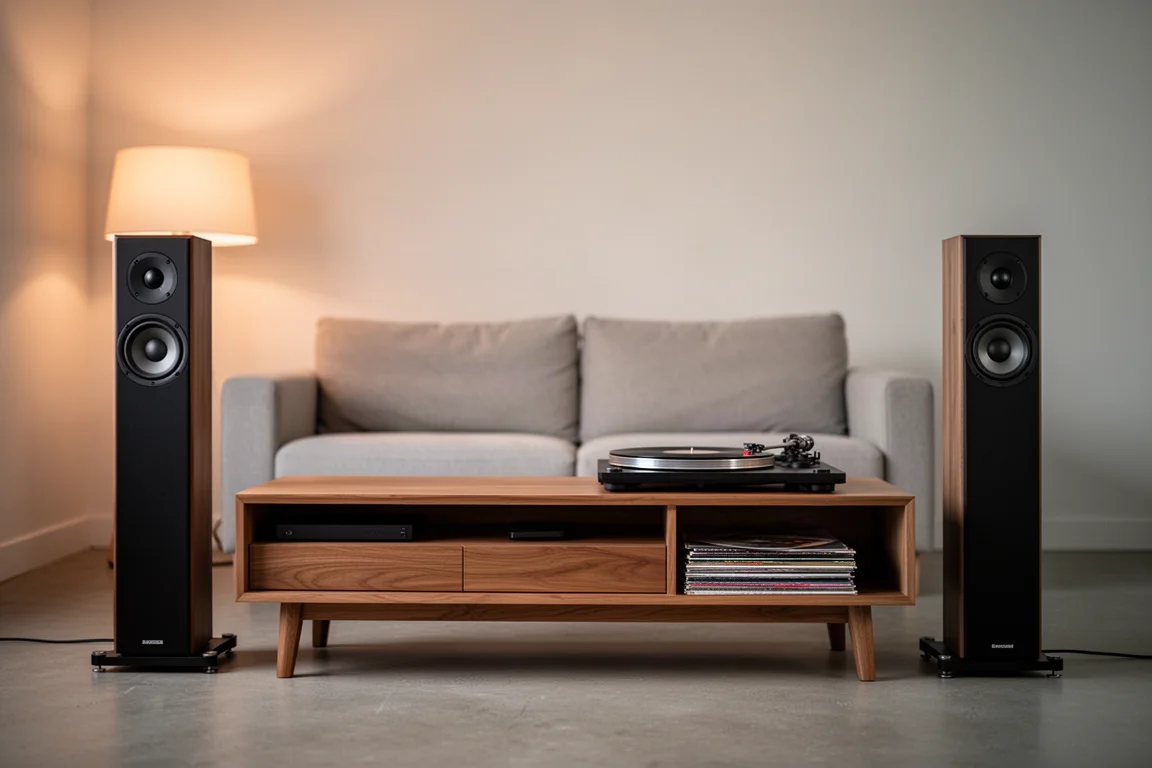
It also suits anyone short on floor space. Small towers are easier to place than larger floor-standers, and the attached plinth adds a measure of stability, which helps in households with children or pets.
If you want deep full-range output without a subwoofer, this is not the speaker for that job. The XT60’s bass is solid down to roughly 40 Hz, and it does not attempt to go lower.
Design and Build Quality
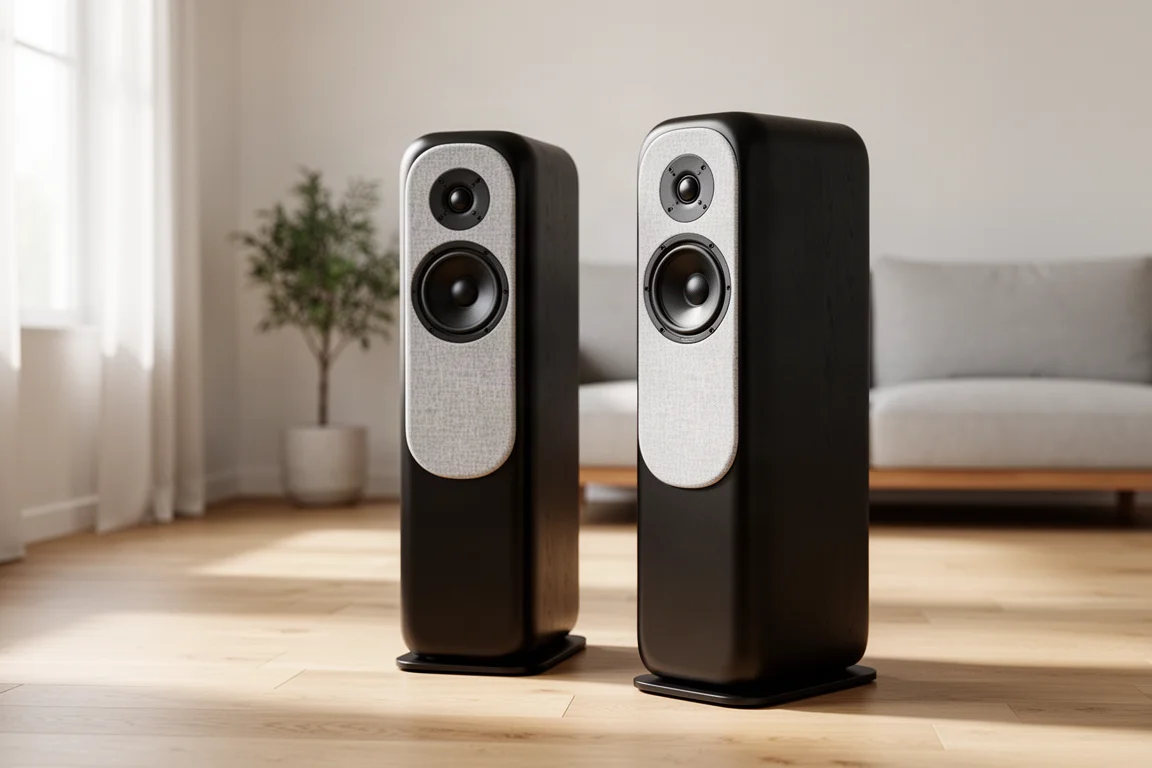
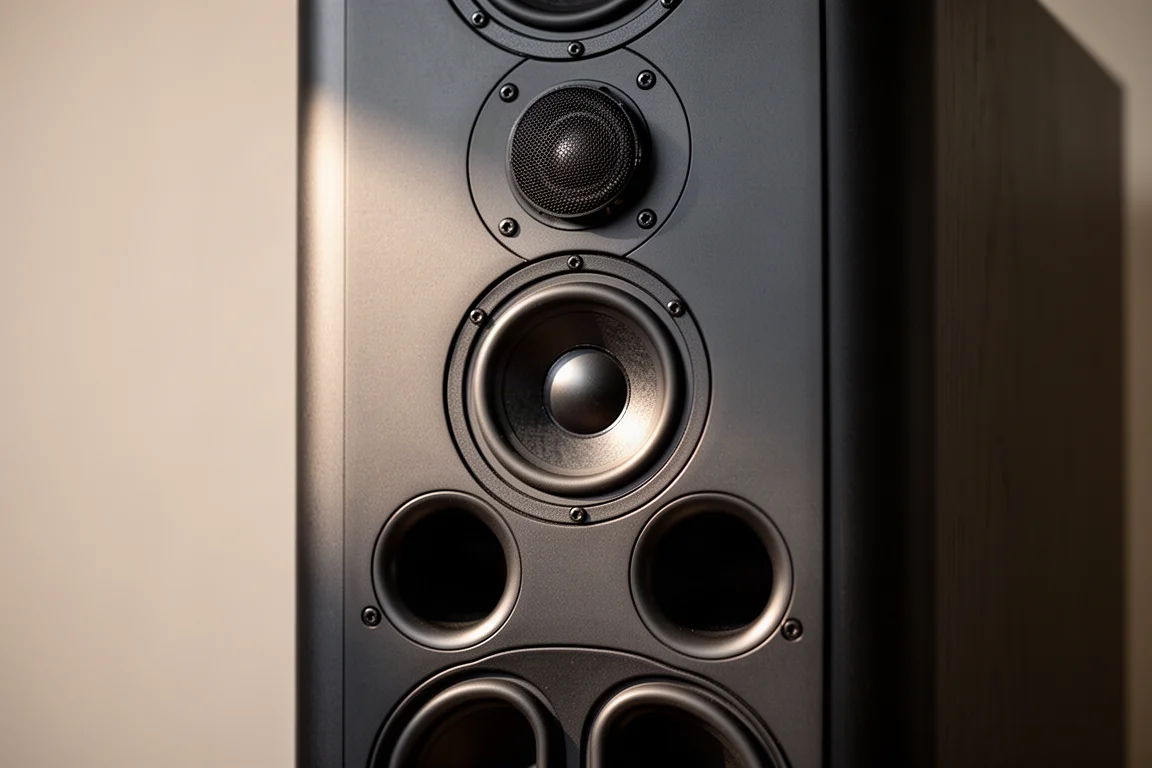
The cabinet pairs a one-inch fabric dome tweeter with a 6.5-inch woofer and two 6.5-inch passive bass radiators. Polk states a frequency response of 38 Hz to 40 kHz, which is strong for this size, this driver complement, and this price. Polk also presents the XT60 as a high-resolution capable speaker, and its rated response suggests it will not miss much.
The speaker sits elevated above an attached plinth. At first glance that base hints at a downward-firing port, but it is purely cosmetic, though it does add stability.
Polk finishes the XT60 with contrasting heather gray grilles, which is a nice touch at this level. Finish options are limited, a common trade-off when a design has to hold a certain cost point.
Sound Quality and Performance
An in-room measurement from 20 Hz to 20 kHz showed a remarkably neutral response top to bottom. That is rare, because many budget speakers boost bass and accentuate treble in an attempt to sound more dynamic. The XT60 follows the more accurate approach of Polk’s R700, and it treats the listener accordingly.
Bass is weighty and feels deeper than the measurements convey. It is not the tightest low end, but it stays composed, and the absence of a port helps those frequencies keep their composure. The mid-range is excellent: neutral throughout, with little coloration added by the cabinet. A little more bracing or deadening would have sharpened the edges of instruments and voices, but the speaker is nicely constructed for the money. Vocals come through cleanly, and movie dialogue is always clear and intelligible.
The tweeter is detailed and articulate without sounding forward or bright. Detail is always on the menu without much listening fatigue. Push the volume high, though, and it loses some emphasis and composure, becoming a touch two-dimensional with more noticeable sibilance. Keep levels under roughly 90 dB and it is unlikely to be objectionable.
Soundstage and dynamics are both excellent. The speaker disappears into a stage with terrific depth and width and a solid center image. Focus and separation will not match speakers costing two or three times as much, but there is a level of refinement here that never sounds messy. Between 60 and 90 dB, dynamics are genuinely impressive at this price.
How the XT60 Compares With Other Tower Speakers
Against the JBL Stage 190, the Polk does not play as deep and carries less low-frequency boost, so listeners who prioritize bass may prefer the JBL. The JBL is also a touch brighter and more forward up top, thanks to its metal dome tweeter and horn waveguide, and it offers a hint more detail. Both stay composed in the highs. If space is tight, the XT60 is the easier fit.
Against the Klipsch R800F, the Polk is the better speaker both subjectively and objectively. The Klipsch plays deeper, but its bass is messier, and it is rife with cabinet distortion and port noise that the Polk avoids. The Klipsch also boosts its highs more, which leaves the mids sounding leaner, while the Polk sounds more natural and organic. Within Klipsch’s new Reference line, the R50 bookshelf is the one worth recommending, and even that does not match the Polk.
Against the Yamaha S809, the Polk is again the more accurate speaker. The Yamaha has the better build and styling, but it uses a smile-shaped response curve with boosted bass and accentuated treble, and it does not play as nicely with a wide range of music and movies. For a better all-rounder, the XT60 or the larger XT70 is the stronger pick.
Against Polk’s own R700, the gap is real. The XT60 is not a cut-price R700. The R700 delivers better bass, an equally neutral mid-range with more body, greater ease with dynamic swings, unflappable highs at any volume, and sharper focus. Both speakers are worth their asking prices, but a $400 to $500 pair of XT60s will not give you 80 to 90 percent of an R700.
A similarly priced budget tower from Sony is also worth avoiding. Its sound leans on upper mid-range and treble, it can turn shrill, and it distorts at higher volumes. The XT60 costs a little more, but it is the better speaker.
Things to Consider Before Buying
The matching Polk XT35 low-profile center channel is the biggest caution. Despite measuring acceptably, it was not a good sonic match for the XT60 and was not especially clear. Dialogue was easier to follow using the XT60s to create a phantom center than it was with the dedicated center, which sounded woolly, congested, and small by comparison. The XT30 is the better center-channel match, and it happens to cost less than the XT35.
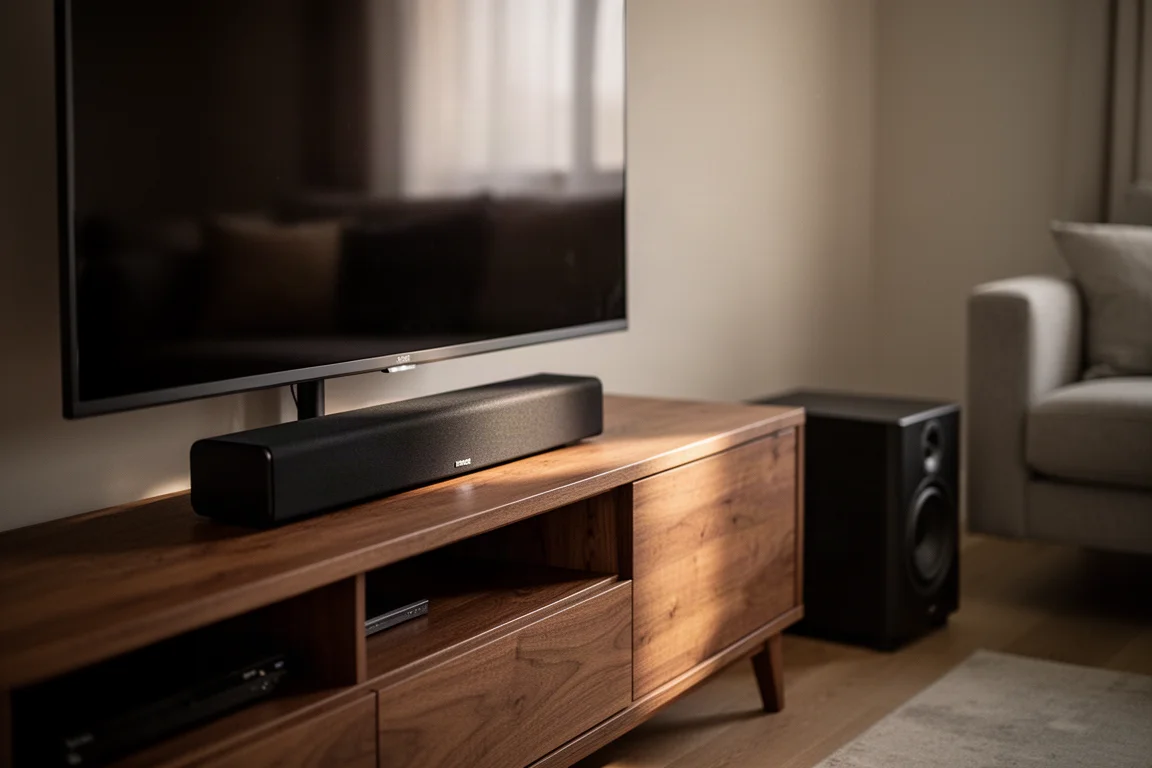
For full-range playback, a subwoofer is effectively required. Polk’s own XT-12, listed around $299, is a sensible budget pairing and will mate well with the XT series.
Volume is the other consideration. The tweeter is forgiving at moderate levels but loses composure as you push past roughly 90 dB, so this is a speaker that rewards sensible listening levels.
Building a Home Theater Around the XT60
The XT60 works well as the front pair in a Polk XT home theater system. Paired with a matching center and in-ceiling speakers, it can anchor a 5.1.2 Dolby Atmos setup.
Two receivers were used in testing: the Denon X1700H and the Marantz Cinema 50. Both drove the speakers to their limit without distortion or strain, which supports the case for pairing these towers with a modest but capable amplifier.
Buying Advice
At less than $500 a pair, and often closer to $400 on sale, the XT60 is one of the stronger values in its class. Most speakers at this price do not possess the beginnings of serious hi-fi performance, and they tend to come across as flavors of the month rather than speakers you can enjoy over the longer haul.
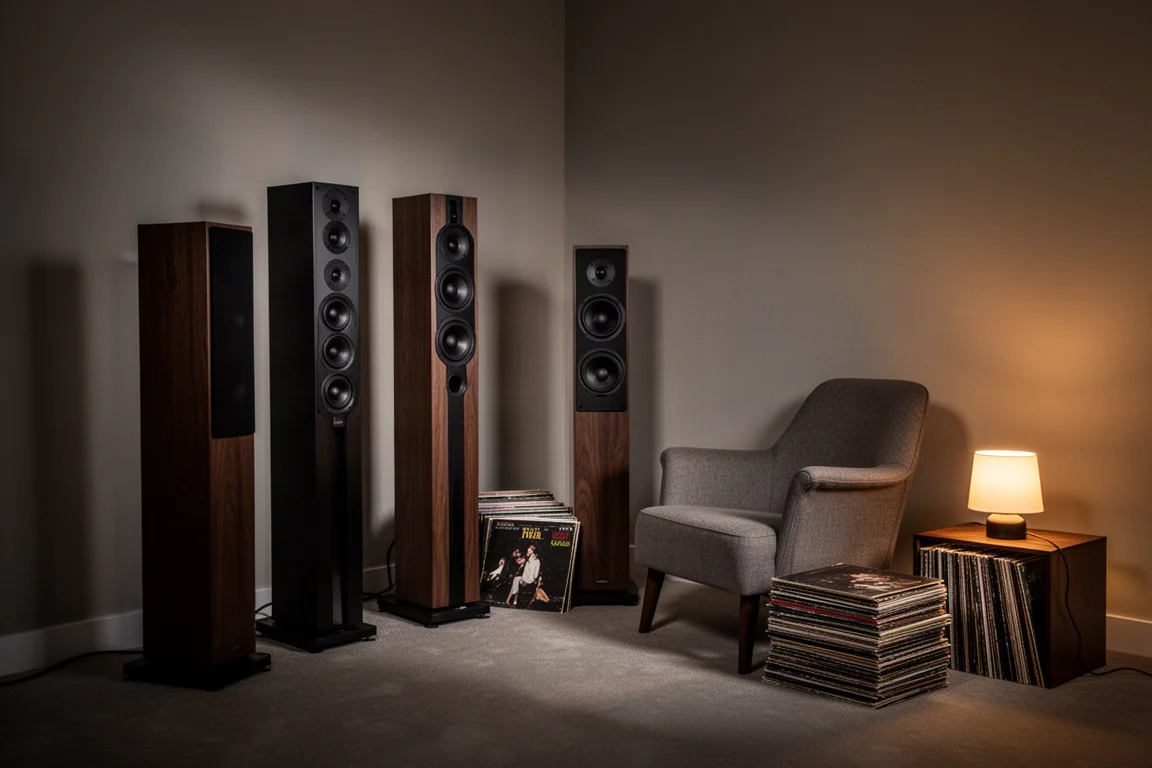
If you have the room and the budget for deeper bass and more refinement, the R700 is the more capable speaker. If you want an accurate, compact tower that is easy to drive and easy to live with, the XT60 makes a great deal of sense. It is a genuinely good place to start, and for many listeners it may be a good place to stop.
Conclusion
The Polk Audio XT60 is a small tower that behaves like a serious speaker. Its neutral tuning, composed bass, and articulate treble make it easy to recommend at its price, provided you pair it with the right center channel, add a subwoofer for full-range listening, and keep an eye on volume.
Product link
View more details for Polk Audio XT60
This product is mentioned in the review. Check the specifications, options, and compatibility before buying.
View more details for Polk Audio XT60Further reading
Related Reviews
Floorstanding Speakers
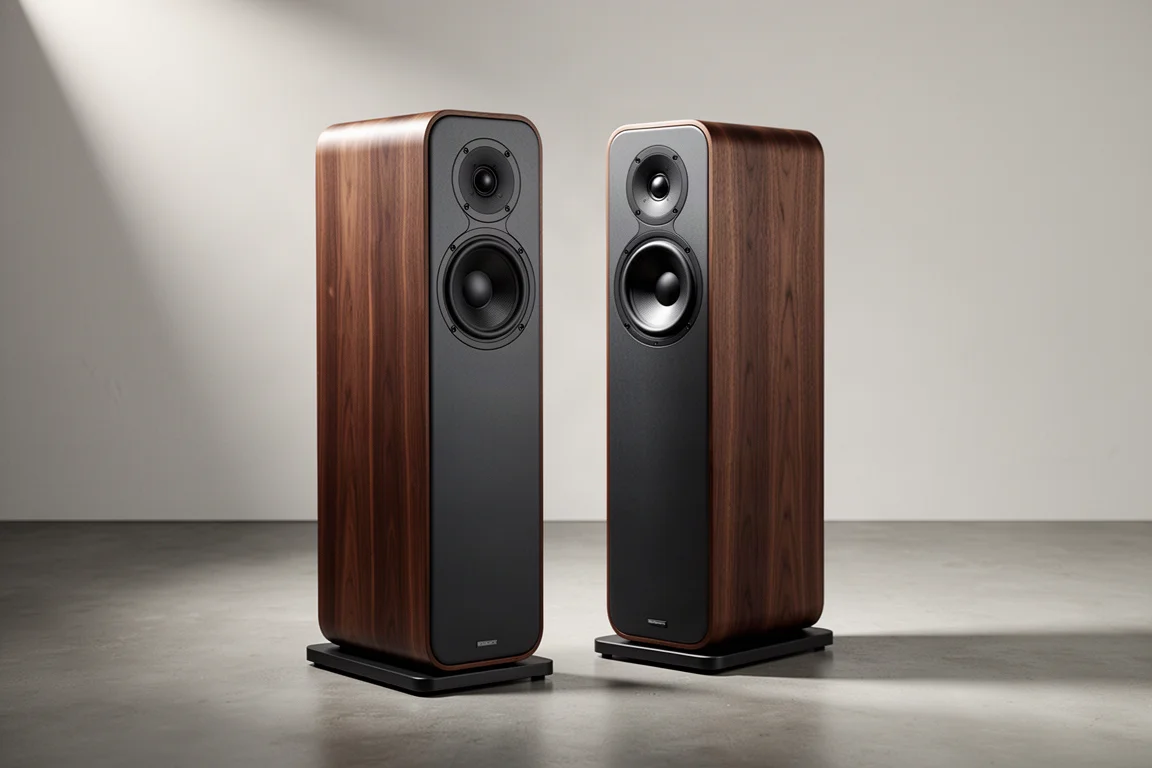
Acoustic Energy AE109 Mark II Review: A Refined Floorstander at £699
The Acoustic Energy AE109 Mark II is a slim, warm sounding floorstander that delivers clarity, midrange body and strong imaging in small to medium rooms.
Floorstanding Speakers
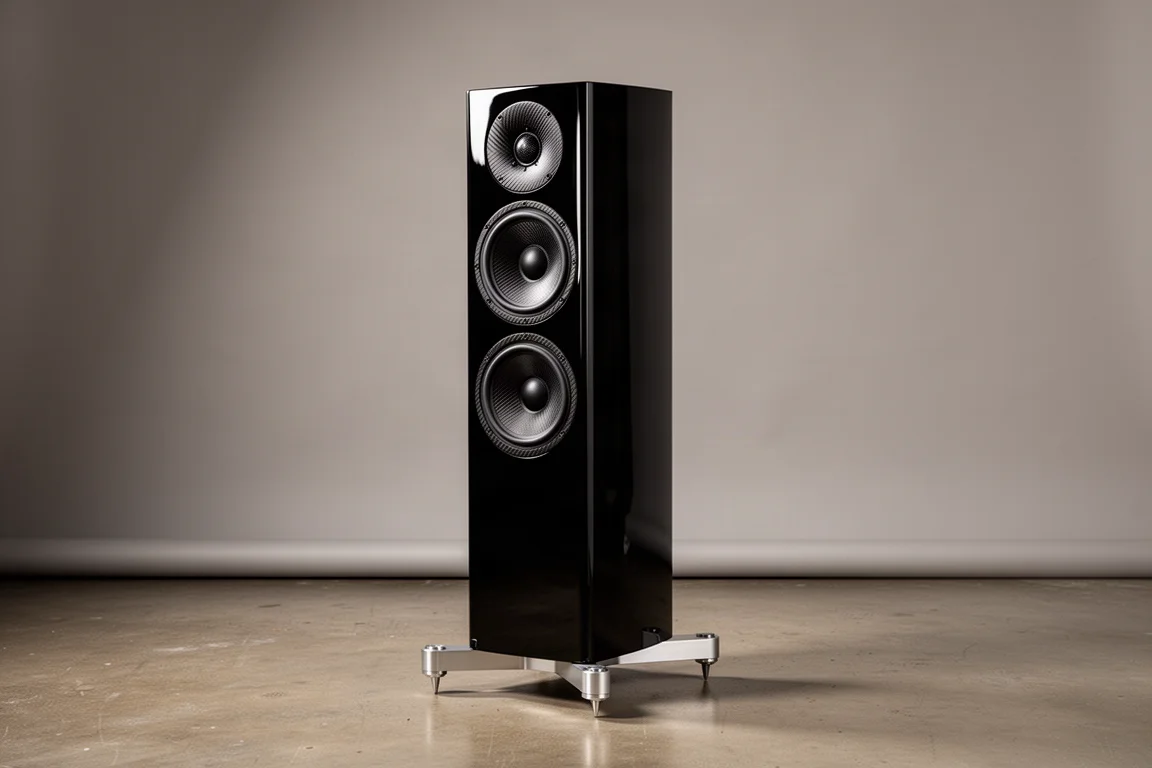
Acoustic Energy AE509 Review: A Slim Floorstander With Deep, Defined Bass
A practical look at the Acoustic Energy AE509, a slim floorstanding speaker with carbon fibre drivers, deep and well-defined bass, and an easy-going character that rewards careful system matching.
Floorstanding Speakers
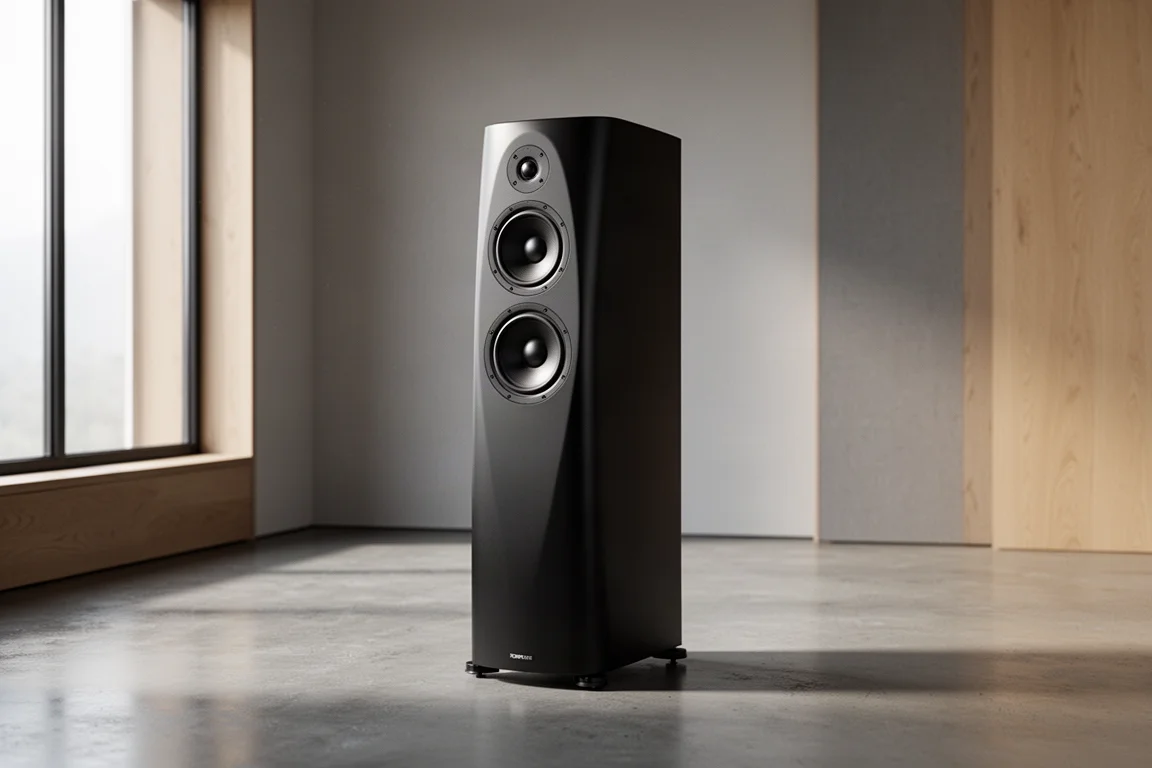
Arendal 1528 Tower 8 Review: Reference Neutrality With Real Demands
A close look at the Arendal 1528 Tower 8, a nearly five-foot, 200-pound floorstander that rewards generous space, serious power, and high listening levels with reference-grade neutrality.