Floorstanding Speakers
Polk Audio Reserve R700 Review: A Neutral Tower That Competes Above Its Price
A close look at the Polk Audio Reserve R700, a three-way tower speaker with a neutral, full-range character, deep bass and a tweeter that stays composed at around $2,000 per pair.
Introduction
The Polk Audio Reserve R700 is a three-way floorstanding tower that borrows heavily from Polk’s costlier Legend series, and the price makes that borrowing worth paying attention to. A one-inch Pinnacle Ring Radiator tweeter sits at the top of the baffle, a 6.5-inch Turbine Cone handles the midrange, and two eight-inch woofers cover everything below. Polk rates the combination at 38 Hz to 38 kHz, with 88 dB sensitivity and a 3.6 ohm minimum impedance.
At around $2,000 per pair, the R700 raises a fair question for anyone shopping in this class: how much more do you need to spend before you hear a real step up? Judged on what this speaker does across the frequency range, the answer is not much, and for many listeners it may be nothing at all.
Who This Speaker Is For
The R700 is aimed at listeners who put neutrality ahead of personality. If you want a speaker that adds warmth, extra sparkle or a little extra punch to every recording, this is not that speaker. What it offers instead is an unusually even presentation from top to bottom, which makes it a natural fit for people who listen across a wide range of genres and want each one to sound like itself.
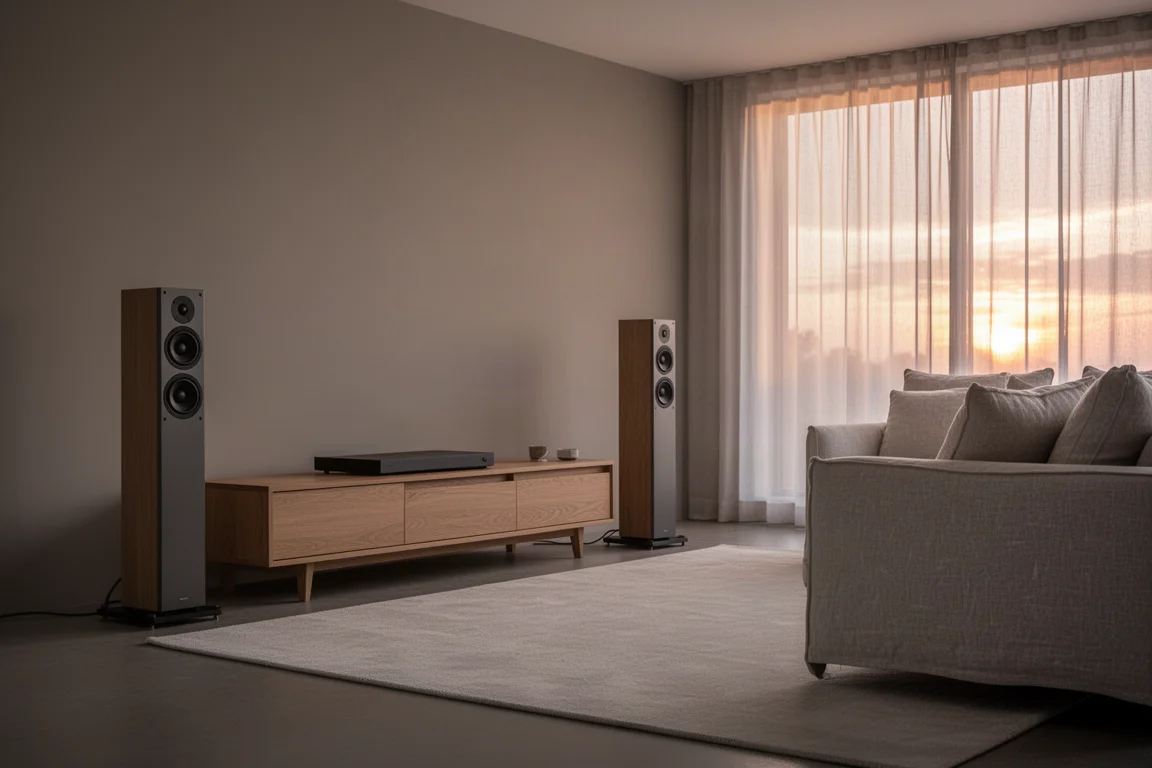
It also suits anyone building a two-channel system around a competent amplifier, including owners of an AV receiver with preamp outputs who are ready to move toward separates. Because the speaker digs deep enough that a subwoofer is often unnecessary, it works well in music-first systems where a single pair of towers has to carry the whole load. Its tolerance for placement is another point in its favor for rooms that cannot accommodate a heavily treated listening space.
Design and Build Quality
Up close, the R700 reads as a large speaker that has been detailed carefully. The cabinet corners are rounded, and the hardware around each driver is shaped to disguise the mounting surrounds, which gives the front baffle a cleaner look than the driver count suggests. Despite its size, the cabinet keeps a relatively slender profile, so it does not dominate a room the way some full-range towers do.
Around the back you get two pairs of high-end binding posts, which allow bi-amping or, at minimum, bi-wiring. The port fires downward from the base of the cabinet, an arrangement that plays a large part in how easy the speaker is to place. The one visual element that does not land as well is the feet. They are integrated into the design rather than removable, so a buyer who dislikes them will have to live with them.
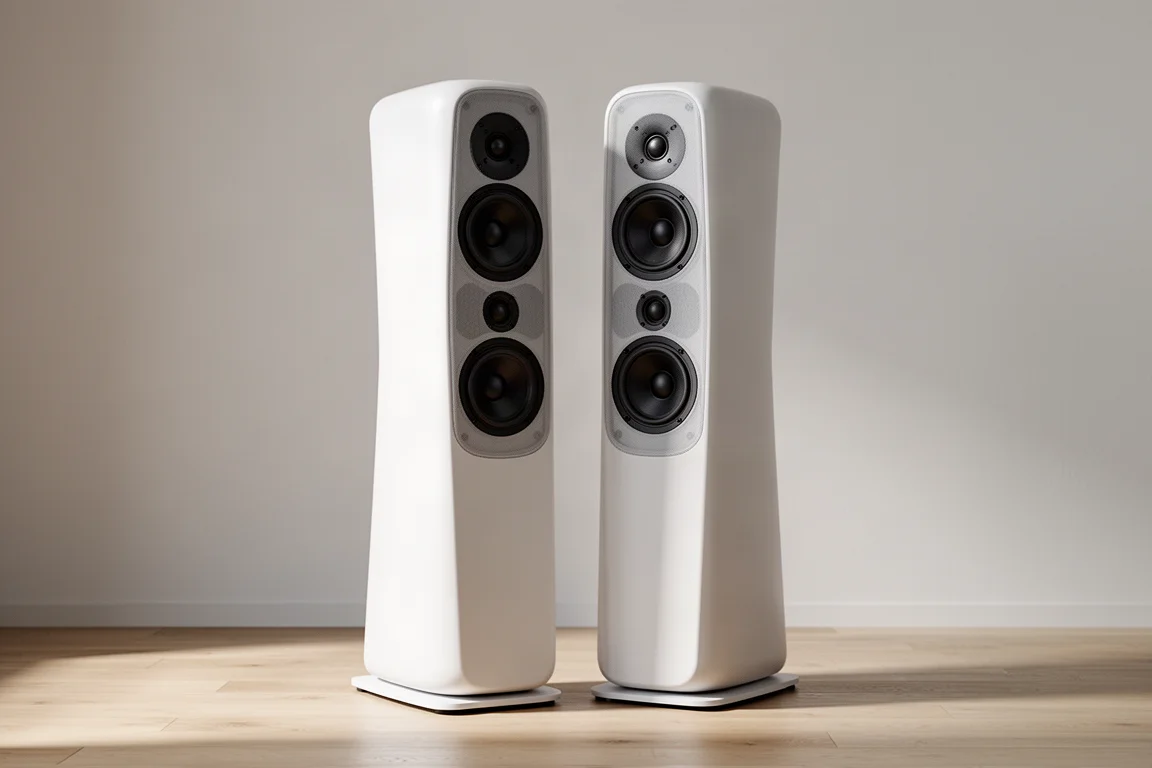
Finishes are worth a note. Most listings show the R700 in walnut or black, and other Reserve models are the ones typically offered in white. A white pair has turned up in practice, which suggests limited availability rather than a standard option, so anyone set on white should confirm stock before committing.
Sound Quality and Performance
The first thing that stands out is how little the speaker adds. Across the range, the R700 shows almost no coloration or attenuation, and an in-room sweep from 20 Hz to 20 kHz confirms what listening suggests: the response is remarkably even. Among the towers that have passed through a typical listening room, it ranks as one of the most neutral.
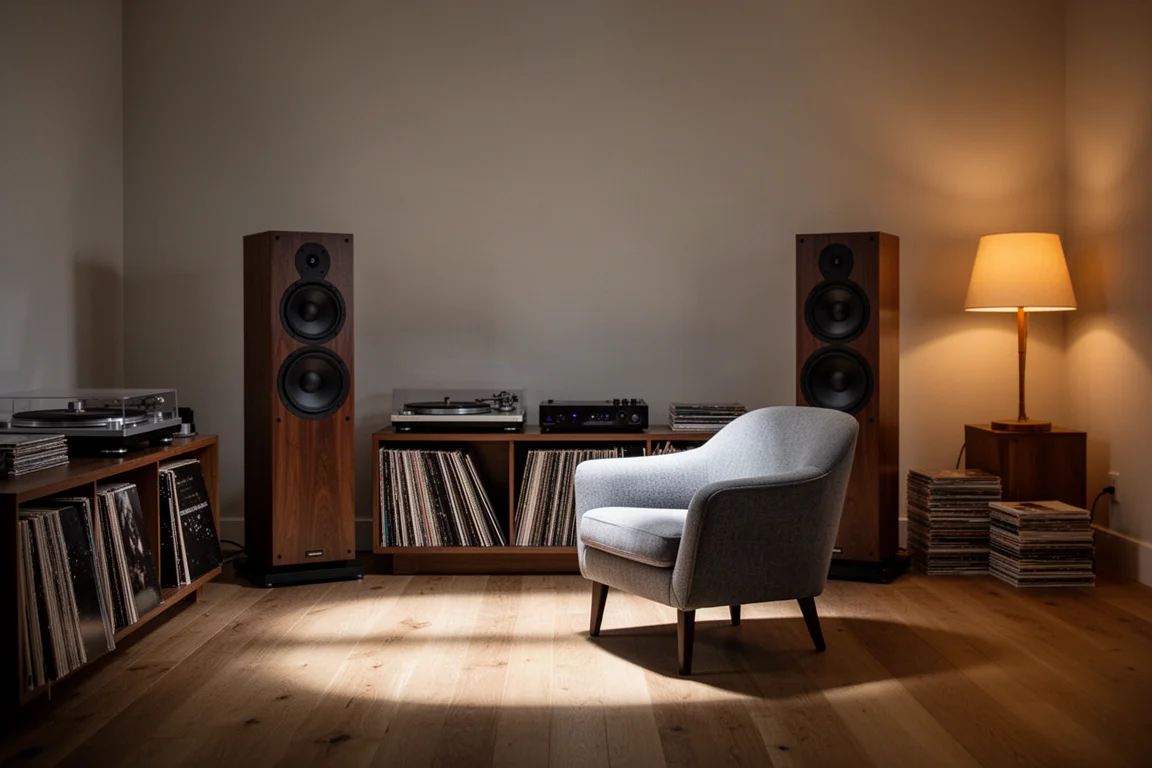
Bass is where that neutrality pays off most clearly. Extension is solid down to around 30 Hz, with a little output below that before roll-off, and there is a small amount of extra energy in the region around 80 Hz. It never tips into sloppy or boomy territory. Driven properly, the low end is deep and detailed, and it holds together at low volumes, which is rare in a speaker of this size. For many listeners, no subwoofer will be required.
The midrange is just as composed. Tone and timbre stay accurate, instruments and voices keep their natural character, and there is no cabinet coloration or boxy resonance to work around. It is a present, detailed midrange that gives the speaker a sense of completeness, and it holds its own against considerably more expensive designs.
The tweeter deserves its own mention. There is a touch more presence up top than some rival designs offer, but it never becomes fatiguing, and the roll-off is smooth enough that you get air and brightness without glare. Recordings known for a little sibilance stay listenable rather than punishing, which makes the speaker easy to live with across a broad range of material.
Soundstaging and dynamics round out the picture. The R700 throws a wide, tall stage with strong separation, and a small amount of toe-in locks in a convincing center image with near life-like scale on lead vocals. Dynamics depend heavily on what is feeding the speaker. With a few hundred watts on tap, it stays engaging at almost any volume, adding weight and impact as you turn it up. Through a typical AV receiver, it can take a bit more volume before it comes alive.
Placement, Power, and Amplifier Matching
Placement is one of the R700’s quieter strengths. Thanks to the downward-firing port, it is more forgiving than most large towers and can sit closer to the wall behind it without the usual penalties. That said, it will still load a room if positioned carelessly. A small amount of toe-in is worth experimenting with, since it sharpens the center image noticeably.
Power is the more important variable. A solid 100 watts or more is the sensible target. The speaker can be driven by an AV receiver, and it behaves well enough with one, but it is at its best when given real current. If your receiver has preamp outputs, this is a good candidate for stepping into separates.
A range of amplifiers shows what the speaker is capable of. Monoblock power amplifiers, a high-output stereo amplifier and a pro-style amplifier all left the R700 sounding controlled, while a pair of integrated amplifiers also did well, with one preferred for its grip. The standout combination was a receiver used strictly as a preamp feeding a pair of monoblocks. The R700 is the kind of speaker that rewards that investment.
How It Compares
The most obvious point of comparison is the Klipsch RP-8000F, a popular tower with a livelier, punchier character. The R700 is the more technically accomplished speaker, and for all-around music and movie use it is the easier recommendation, though a listener who prefers extra bite, particularly for home theater, may still lean toward the Klipsch. A revised version of that Klipsch model exists, but it has not been part of this comparison. The Monitor Audio Silver 500 7G costs more and is arguably the better-looking speaker, especially in its newer ash finish. Sonically, the R700 matches it and may surpass it, with a fuller midrange and a more linear bass response thanks to its port design, which makes it the easier fit for more rooms.
The KLH Model 5 brings vintage styling that has real charm, but it sounds more forward and leaner through the midrange, and the R700 has the more unified look of the two. Against the Bowers & Wilkins 702 Signature, the R700 sounds truer and more accurate, and it is far less fussy about power and placement, with a tweeter that never turns punishing. Its midrange also stands up to the Revel M16, a speaker already known for clean, accurate tone.
Things to Consider Before Buying
The R700 asks for a serious amplifier. It will work with a mid-range AV receiver, but the difference between adequate and ample power is easy to hear, and that cost belongs in the budget.
The feet are the weakest element of the design, and they cannot be removed. Buyers who care about the details will want to see them in person before deciding. Finish availability is another practical question, since walnut and black are the versions most commonly listed and white appears to be scarce.
Taste matters too. Neutrality is the R700’s defining quality, and listeners who prefer a warmer or more energetic presentation may find it less exciting than a livelier alternative. The dimpled texture of the Turbine Cone midrange also divides opinion once the grilles come off, even though the grilles themselves are well executed. Finally, this is still a large tower, so the room needs to accommodate its footprint even if the slim profile keeps it from feeling bulky.
Buying Advice
At around $2,000 per pair, the R700 delivers performance that stands comfortably against speakers costing considerably more. That value only holds if the rest of the system is up to the task, so plan for amplification as part of the purchase rather than an afterthought. A receiver with preamp outputs feeding a dedicated power amplifier is the most rewarding path, and the speaker will make that upgrade audible.
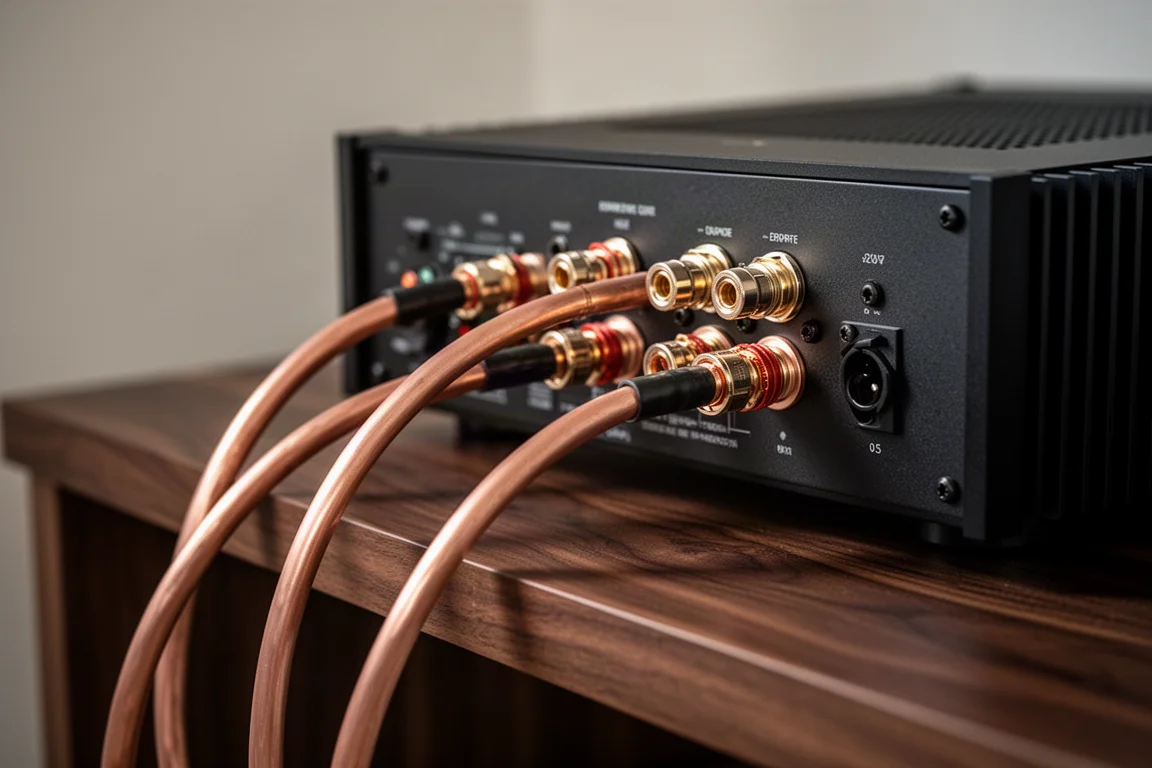
Before buying, think about the room. If the speakers will sit close to a wall, the port design gives you more freedom than most towers in this class, but toe-in still matters for imaging. If you plan to bi-amp or bi-wire, the dual binding posts are there for you. And if your priority is a livelier, more forceful presentation for movies, compare carefully before deciding, because the R700’s strength is composure rather than aggression.
Conclusion
The Polk Audio Reserve R700 is a three-way tower that behaves like a far more expensive speaker. Its neutrality, deep and detailed bass, and fatigue-free treble make it a genuine reference-grade performer for the money, and it is unlikely to be embarrassed by anything it is placed next to. Buyers who value accuracy and want a tower that works across every genre should put it near the top of the list, provided they are ready to feed it proper power.
Product link
View more details for Polk Audio Reserve R700
This product is mentioned in the review. Check the specifications, options, and compatibility before buying.
View more details for Polk Audio Reserve R700Further reading
Related Reviews
Floorstanding Speakers
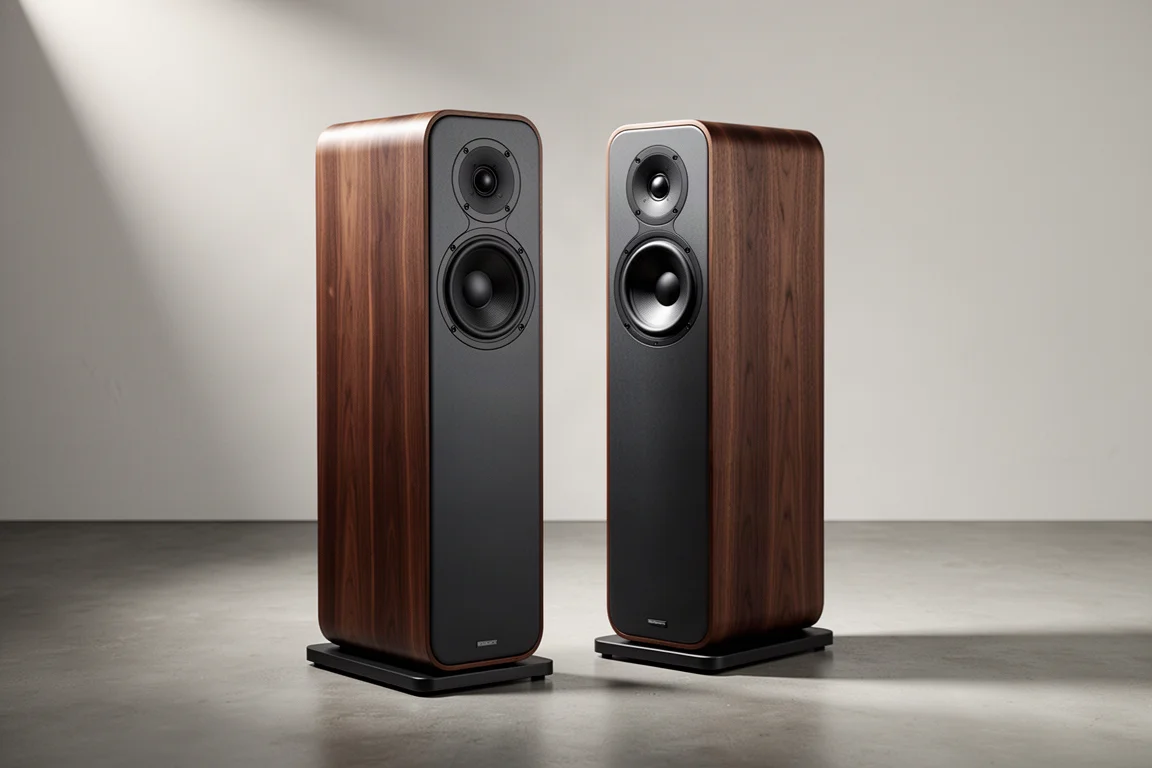
Acoustic Energy AE109 Mark II Review: A Refined Floorstander at £699
The Acoustic Energy AE109 Mark II is a slim, warm sounding floorstander that delivers clarity, midrange body and strong imaging in small to medium rooms.
Floorstanding Speakers
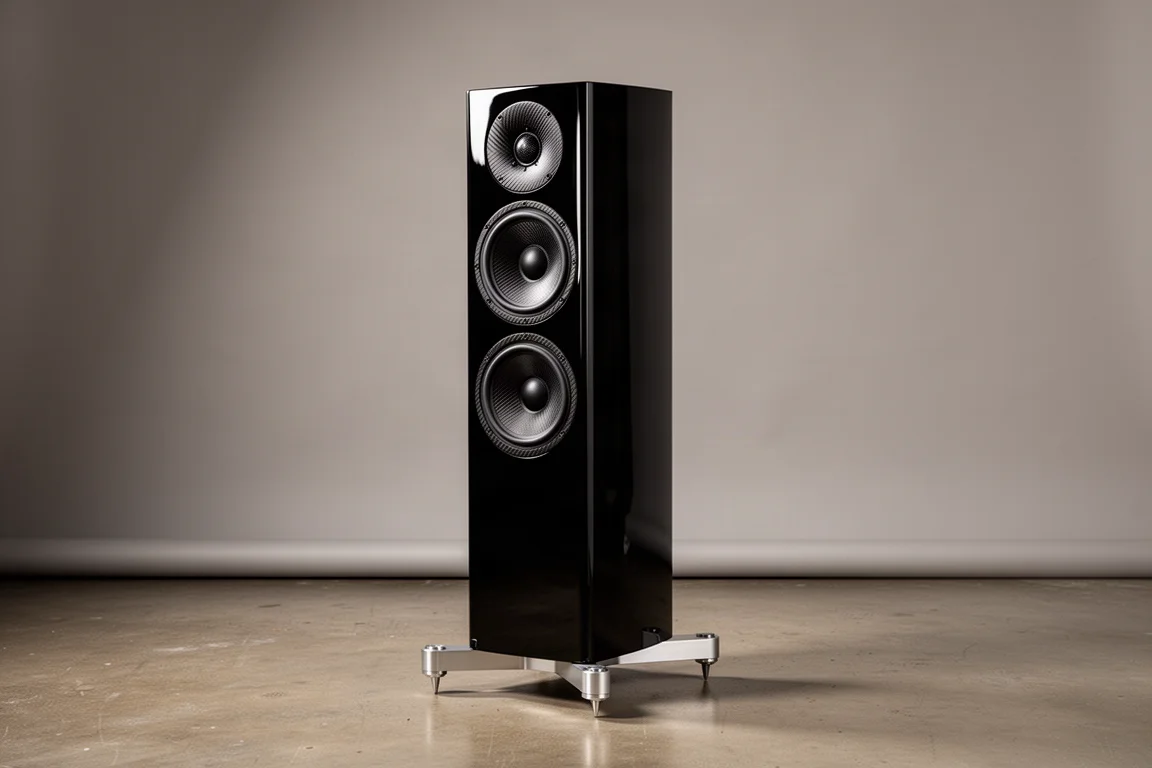
Acoustic Energy AE509 Review: A Slim Floorstander With Deep, Defined Bass
A practical look at the Acoustic Energy AE509, a slim floorstanding speaker with carbon fibre drivers, deep and well-defined bass, and an easy-going character that rewards careful system matching.
Floorstanding Speakers
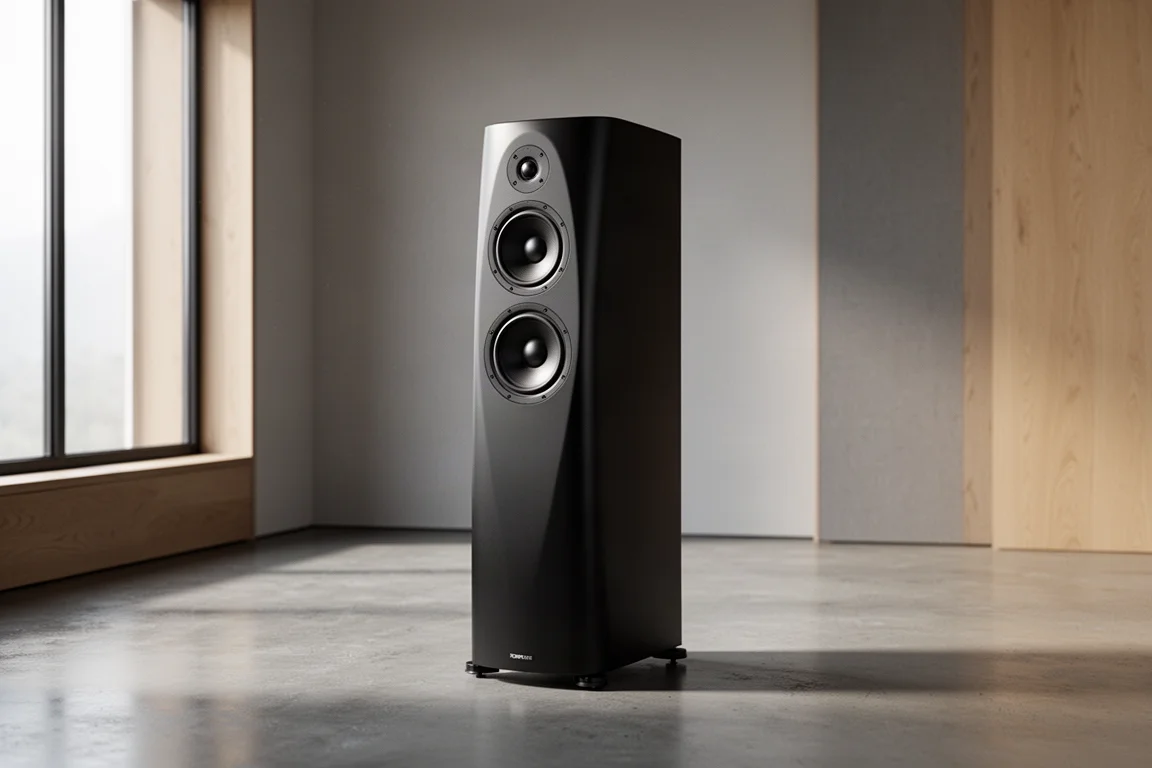
Arendal 1528 Tower 8 Review: Reference Neutrality With Real Demands
A close look at the Arendal 1528 Tower 8, a nearly five-foot, 200-pound floorstander that rewards generous space, serious power, and high listening levels with reference-grade neutrality.