Instant Cameras
Polaroid Flip Instant Camera Review: Analog Fun Without the Complexity
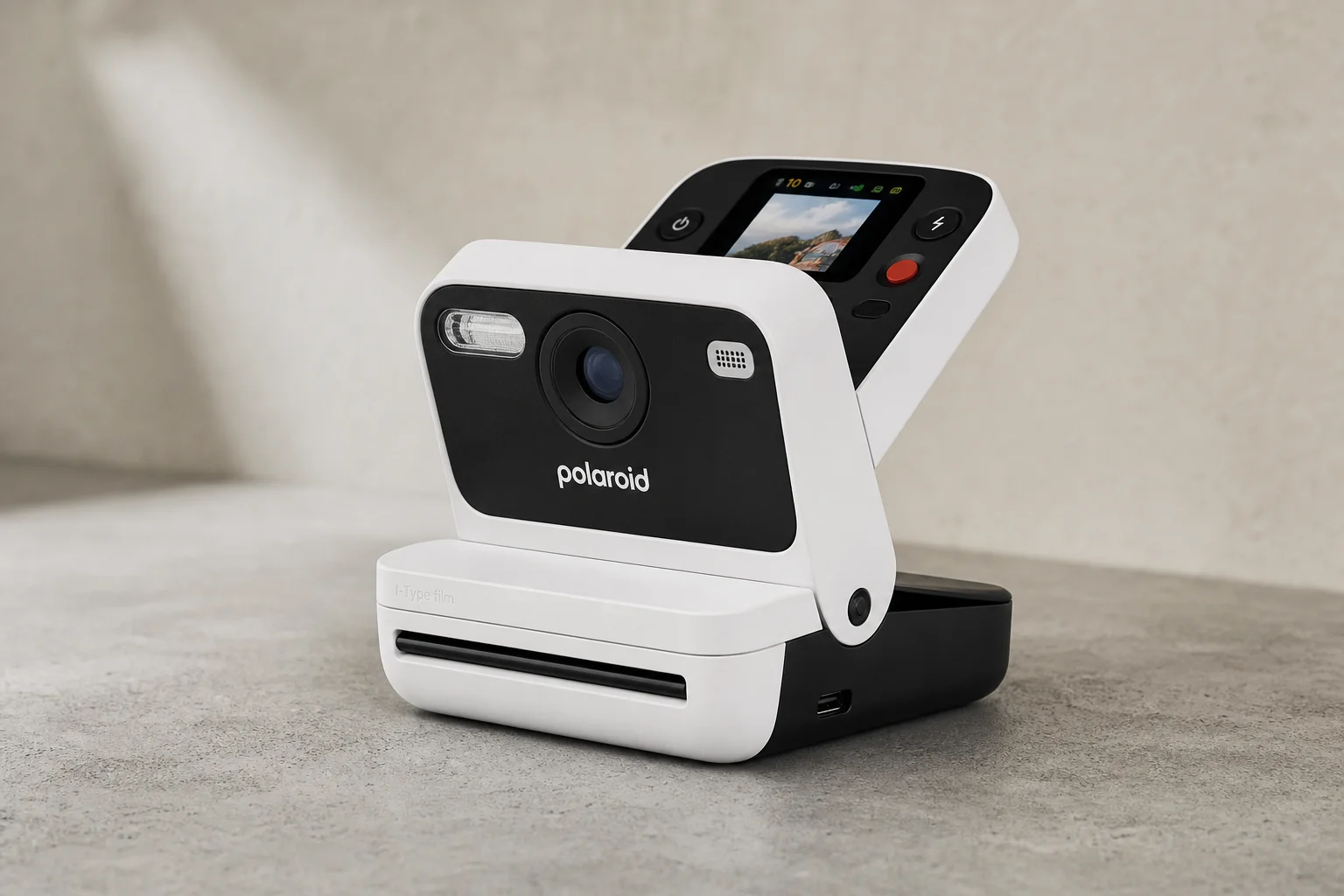
The Polaroid Flip strikes a genuine balance between simplicity and capability, delivering instant film photography with sonar autofocus and a clean, intuitive design that prioritizes spontaneous shooting over manual control.
Introduction
The appeal of instant film photography lies in its immediacy and simplicity. The Polaroid Flip embraces this philosophy while introducing enough modern convenience to make the shooting experience genuinely enjoyable. It sits at a sweet spot between the overly basic entry-level models and the more feature-rich cameras that demand manual control.
Design and Build
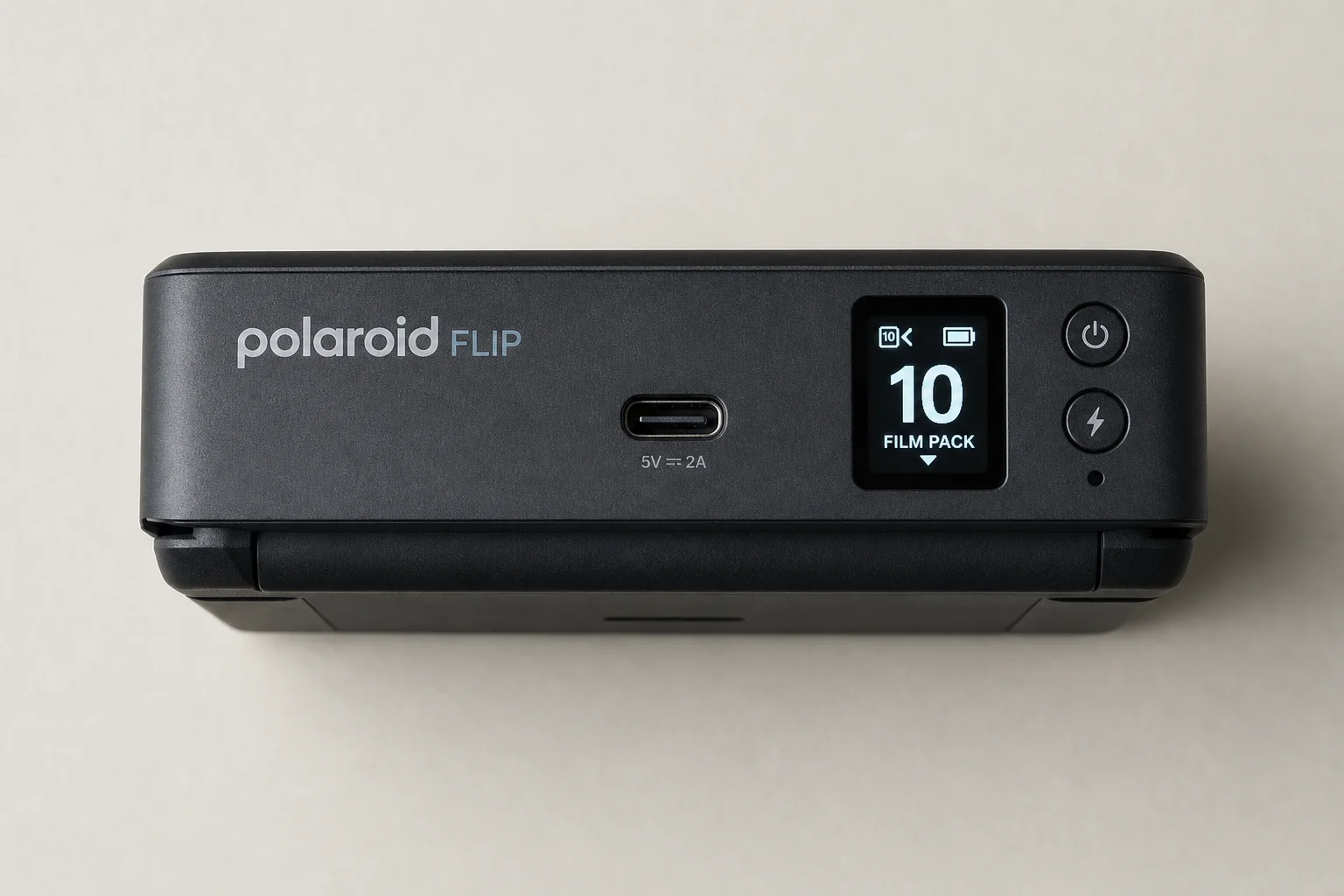
The Polaroid Flip’s design language is unmistakably Polaroid. The camera retains the classic aesthetic that defined the brand, yet incorporates thoughtful modern touches. A USB-C port sits on the top panel for charging, and a small LCD screen displays essential shooting information and menu options. The overall form factor feels familiar to anyone who has held a Polaroid camera, which is precisely the point.
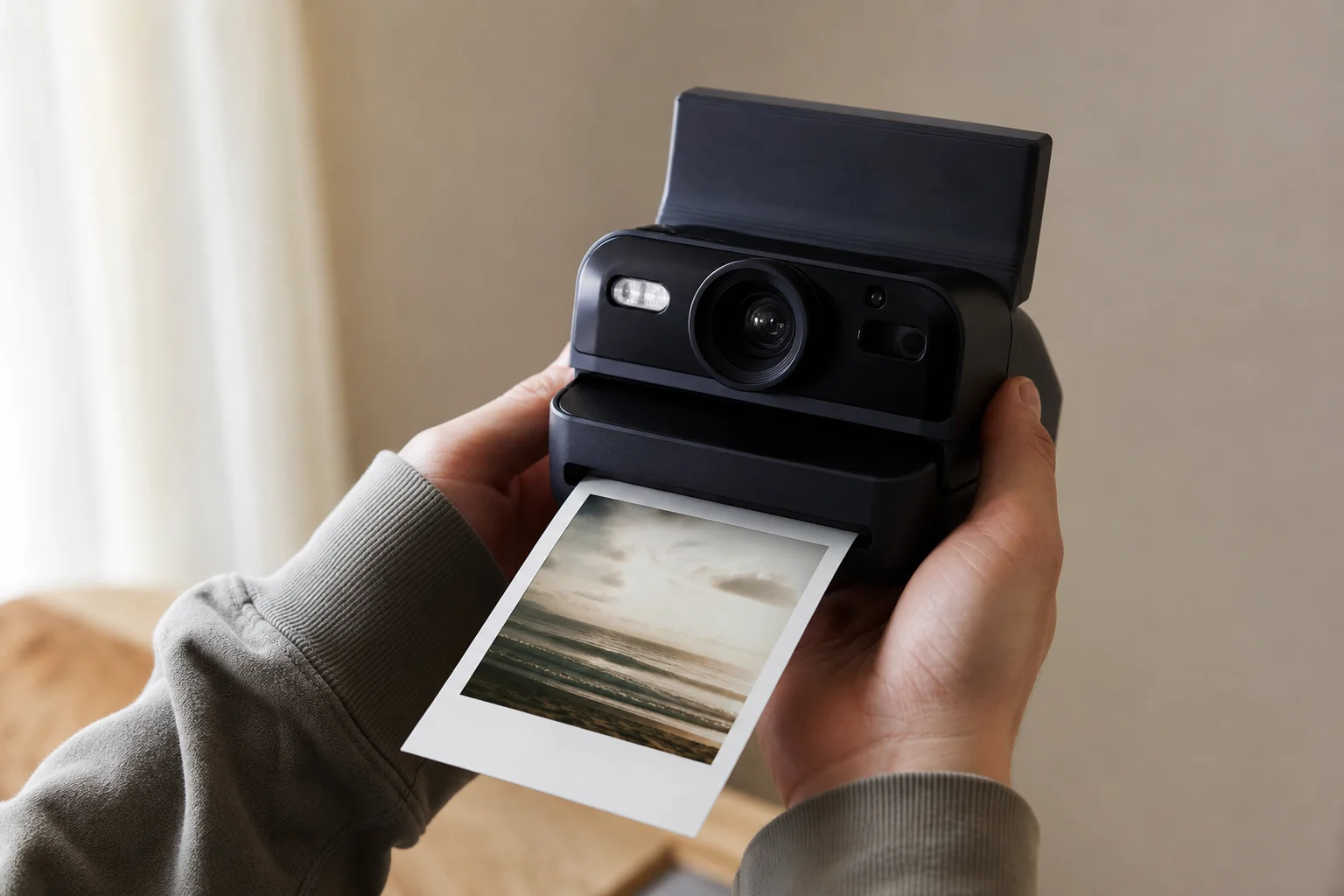
The design philosophy here is straightforward: if the core concept works, why reinvent it? The Flip proves that you can honor a legacy design while adding practical modern conveniences without compromising the analog experience.
Viewfinder and Focusing System
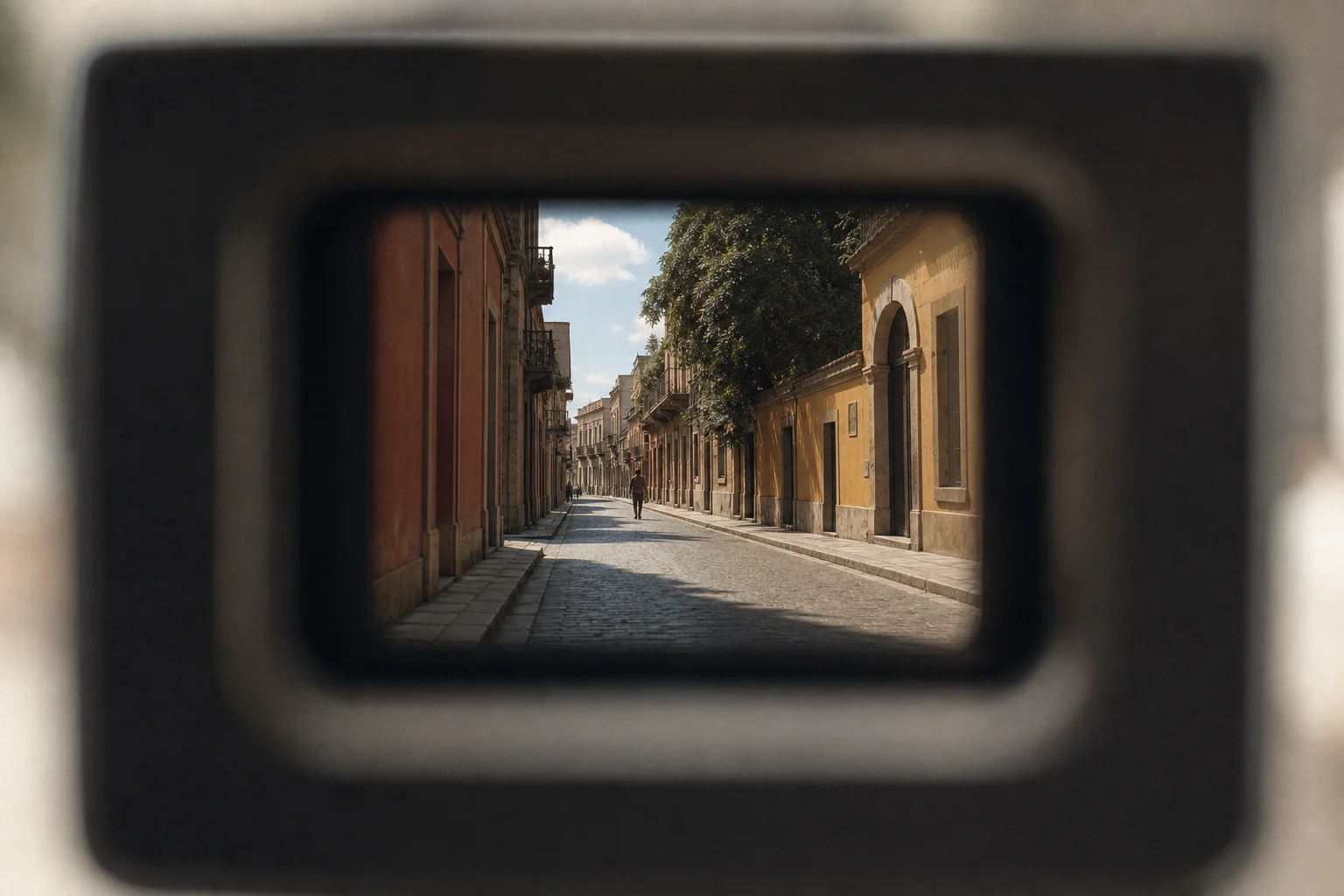
The optical viewfinder is refreshingly simple. It shows no digital information or overlays, just a clear view of your subject. This keeps the shooting experience uncluttered and forces you to rely on instinct rather than on-screen data. For a camera designed around spontaneous shooting, this approach makes sense.
The real innovation lies in the autofocus system. Rather than using conventional contrast-detection or phase-detection methods, the Flip employs sonar autofocus technology. This system bounces sound waves off your subject to determine distance, then selects from four different lens elements optimized for different focusing distances. It is the same technology Polaroid used in classic cameras decades ago, now refined for modern instant film.
The sonar AF cycles through its four focus zones quickly and reliably. While the soft, slightly fuzzy aesthetic of instant film means precise focus is less critical than with digital or traditional film cameras, the system works well enough that you will rarely notice an out-of-focus shot. The technology adds character without adding complexity.
Controls and User Interface
The Flip keeps controls minimal. Two buttons handle most operations, which means there is very little to learn. The camera defaults to fully automatic exposure, which suits the Polaroid philosophy of not overthinking the shot.
A small red LED next to the viewfinder provides exposure feedback. If your shot risks being overexposed or underexposed, the LED alerts you. A long press on the shutter button activates exposure compensation, offering two simple options to brighten or darken the image. This is exposure control stripped to its essentials, without the manual aperture and shutter speed adjustments found on more advanced models.
The F9 lens and flash are strong enough to handle most daylight situations, so you will rarely need to adjust exposure. The camera’s scene analysis ensures proper exposure in most conditions, making the Flip genuinely point-and-shoot.
Autofocus Performance and Image Quality
The sonar autofocus system is pleasantly quick. It cycles through the four focus zones and captures the shot without noticeable delay. The speed is impressive given the mechanical nature of the system.

Instant film photography has an inherent charm that transcends technical precision. The soft, slightly fuzzy quality of Polaroid prints is part of the appeal, not a limitation. Whether the autofocus achieves perfect sharpness is almost beside the point. The Flip delivers the characteristic warm, slightly hazy aesthetic that makes instant film so appealing.
The camera’s app integration is designed to scan and digitize your prints, though the full feature set was not available at the time of review. This addition bridges analog and digital workflows without forcing you to use it.
Conclusion
The Polaroid Flip hits a genuine sweet spot. It is not so basic that it feels limiting, yet it avoids the complexity that would undermine the spontaneous joy of instant photography. At under $200, it offers sonar autofocus, a clean optical viewfinder, and the unmistakable Polaroid aesthetic. For anyone seeking instant film fun without overthinking the process, the Flip is a flipping great choice.
Product link
View more details for Polaroid Flip
This product is mentioned in the review. Check the specifications, options, and compatibility before buying.
View more details for Polaroid FlipFurther reading
Related Reviews
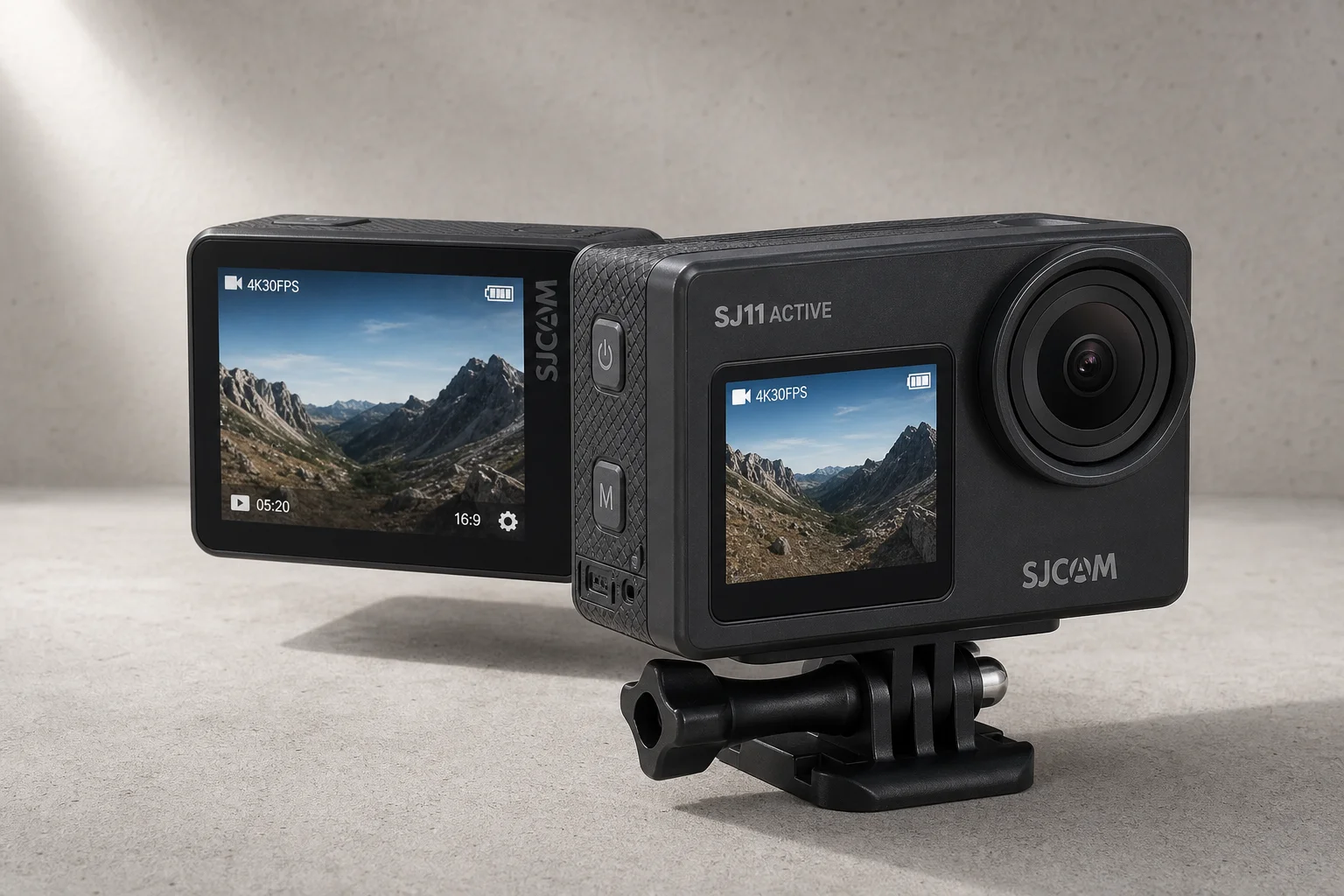
Action Cameras
Best Cheap Action Camera Under €100: SJCAM SJ11 Active Review
The SJCAM SJ11 Active delivers strong stabilization, dual screens, and solid color rendering at a budget price. Here's how it compares to premium alternatives.
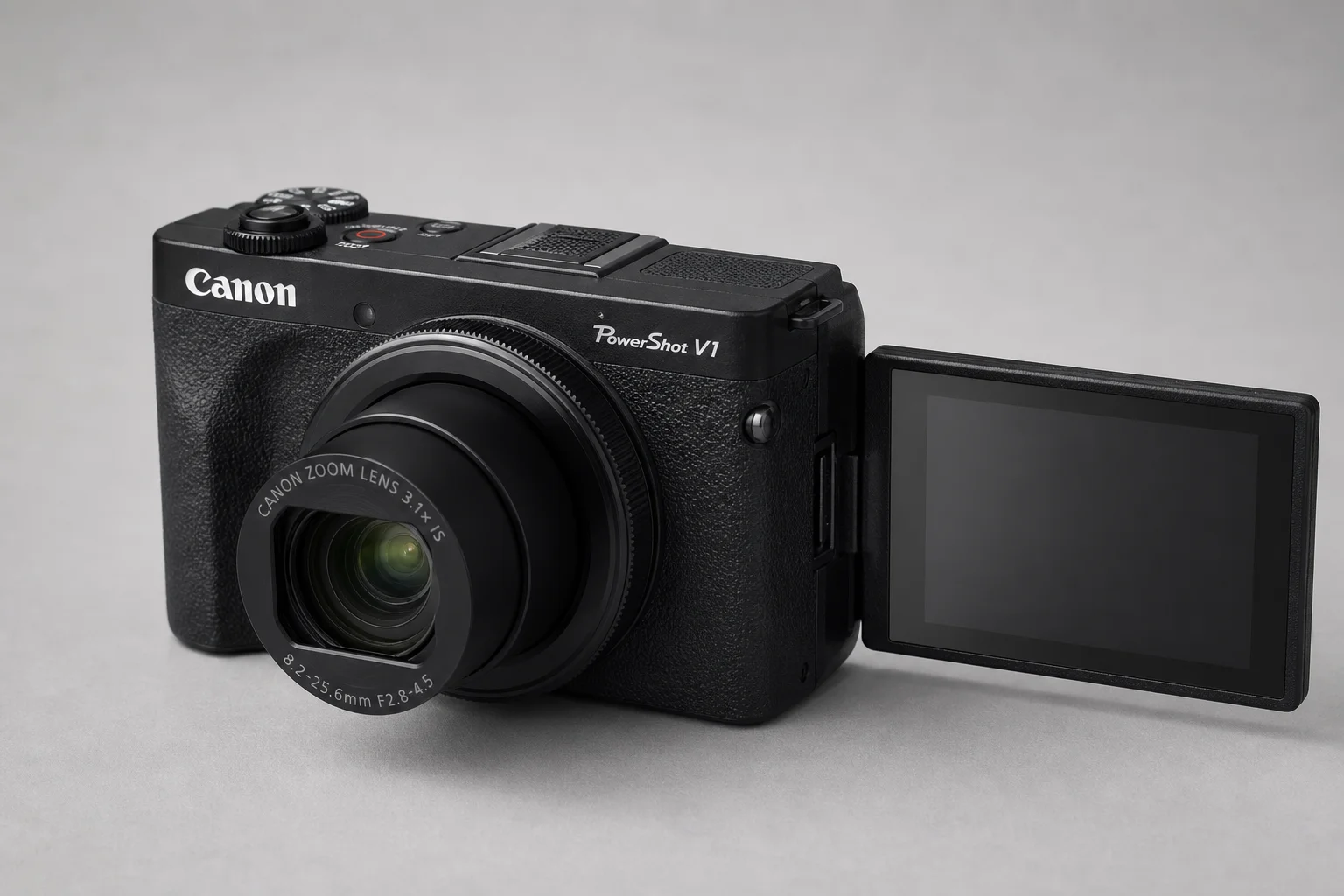
Camera Reviews
Canon PowerShot V1 Review: A Serious Vlogging Camera with Real Trade-offs
The Canon PowerShot V1 brings a larger sensor and optical stabilization to compact vlogging, but size, battery life, and dynamic range limitations deserve careful consideration.
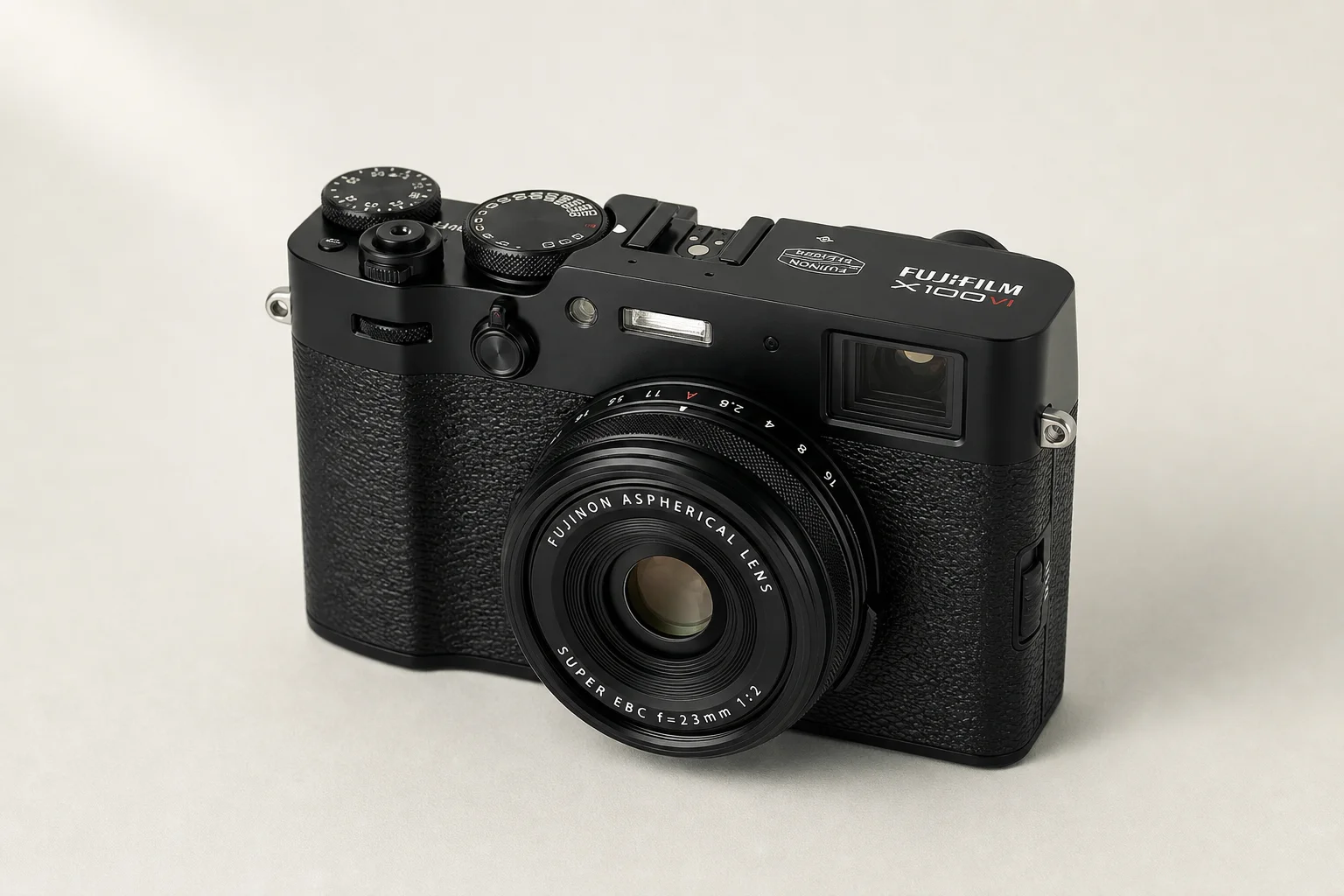
Camera Reviews
Fujifilm X100 VI Review: A Refined Compact Camera with Meaningful Upgrades
The X100 VI brings a 40-megapixel sensor, in-body stabilization, and improved autofocus to Fujifilm's iconic compact rangefinder. A closer look at what's changed and whether the upgrade makes sense.