Action Cameras
Best Cheap Action Camera Under €100: SJCAM SJ11 Active Review
The SJCAM SJ11 Active delivers strong stabilization, dual screens, and solid color rendering at a budget price. Here's how it compares to premium alternatives.
Introduction
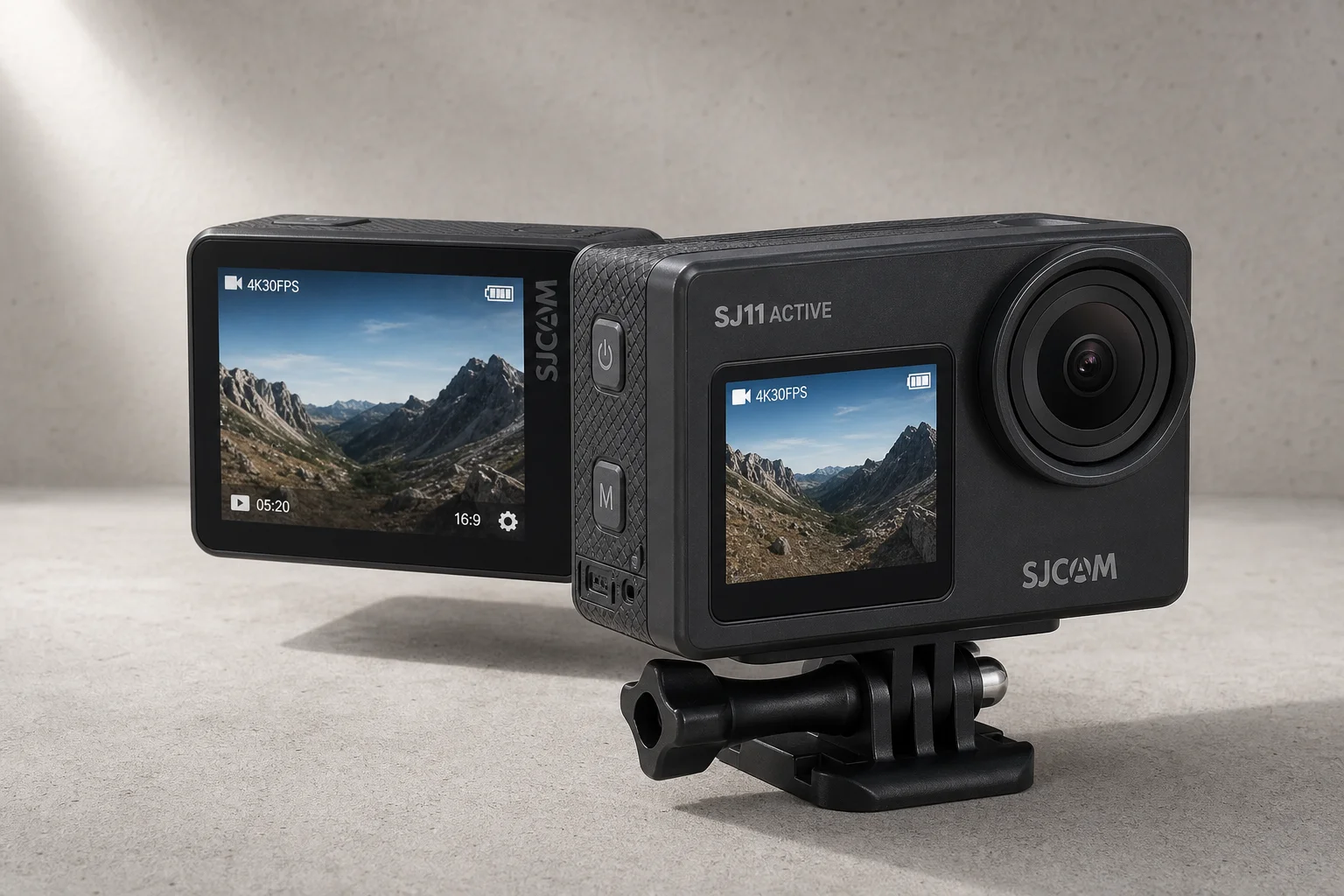
The SJCAM SJ11 Active has recently dropped in price to under €100, making it a compelling option for budget-conscious action camera buyers. This compact camera promises excellent vibration stabilization, a distinctive dual-screen design with a front-facing display, and solid overall performance. To understand whether it truly delivers value at this price point, I tested it against several premium alternatives, including the Cerastes V9, AKASO V50E, and higher-end models like the GoPro Hero 11 and DJI Osmo Action 4.
Vibration Stabilization Performance
Stabilization is often the most critical feature in an action camera, and the SJCAM SJ11 Active performs impressively in this area. When comparing frame-by-frame footage with the AKASO V50E, the difference becomes clear: while the AKASO produces noticeably sharp individual frames that shift between shots, the SJCAM compensates for movement, resulting in well-defined frames that create a smoother overall impression at normal playback speed.
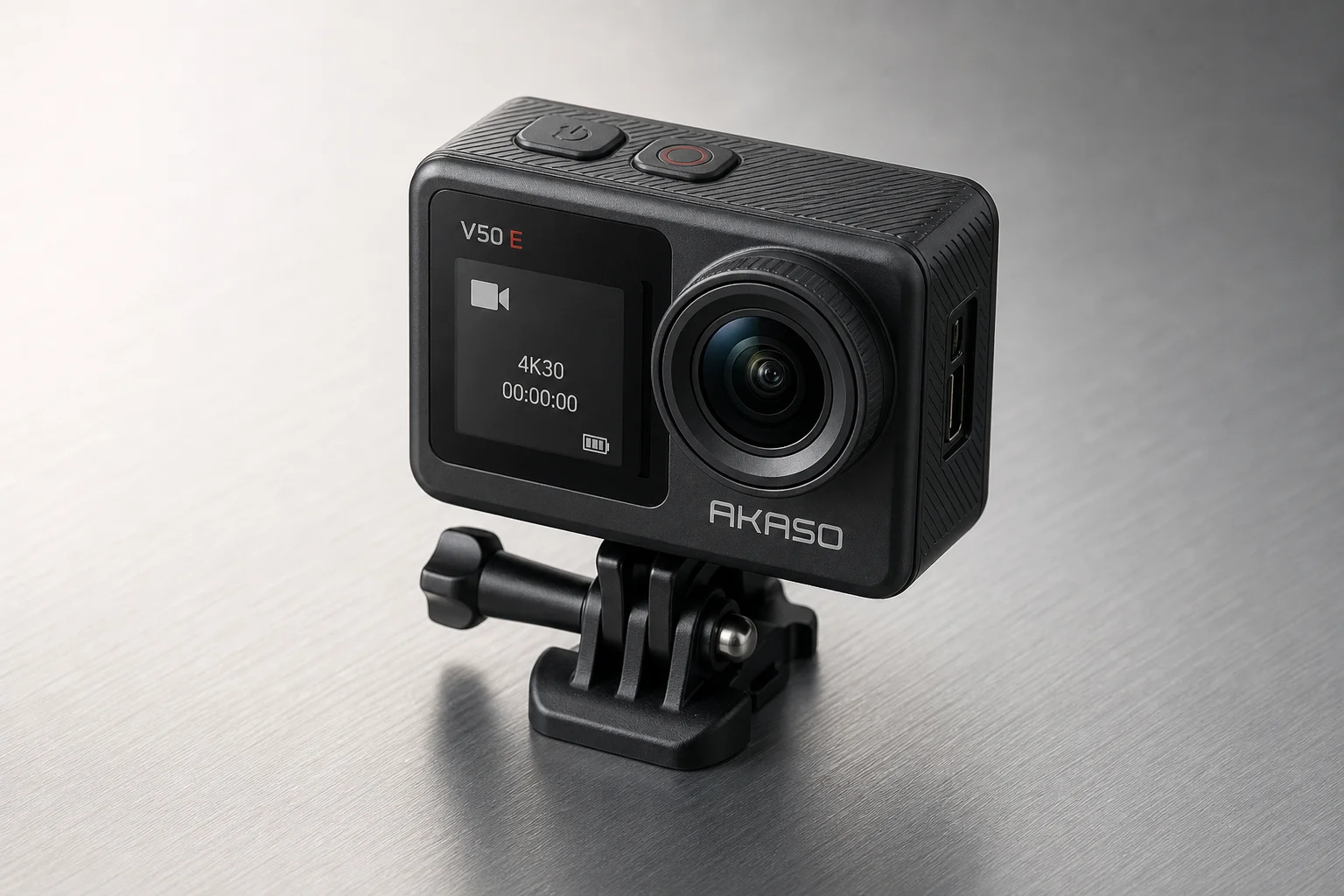
During a time-lapse test on a highway, the SJCAM handled the sequence reasonably well, though the automatic white balance took time to transition from yellow indoor lighting to white daylight when passing through a tunnel. When held casually in hand without deliberate stabilization, the SJCAM still outperformed the AKASO V50E, demonstrating that the gyro sensor makes a meaningful difference. Mounting the camera on a paddle during water activities revealed the limits of budget stabilization, where the AKASO V50E clearly performed better, but the SJCAM remained usable for most scenarios.
The gyro sensor setting proved critical: with it disabled, even small hand movements created visible instability, while enabling it significantly reduced vibration artifacts. Formal vibration testing using a machine at speeds 3, 4, and 5 showed the SJCAM stabilizing better than the original DJI Osmo Action, and performing competitively with the Osmo Action 4 and GoPro Hero 11 at higher speeds.
Slow Motion and Video Settings
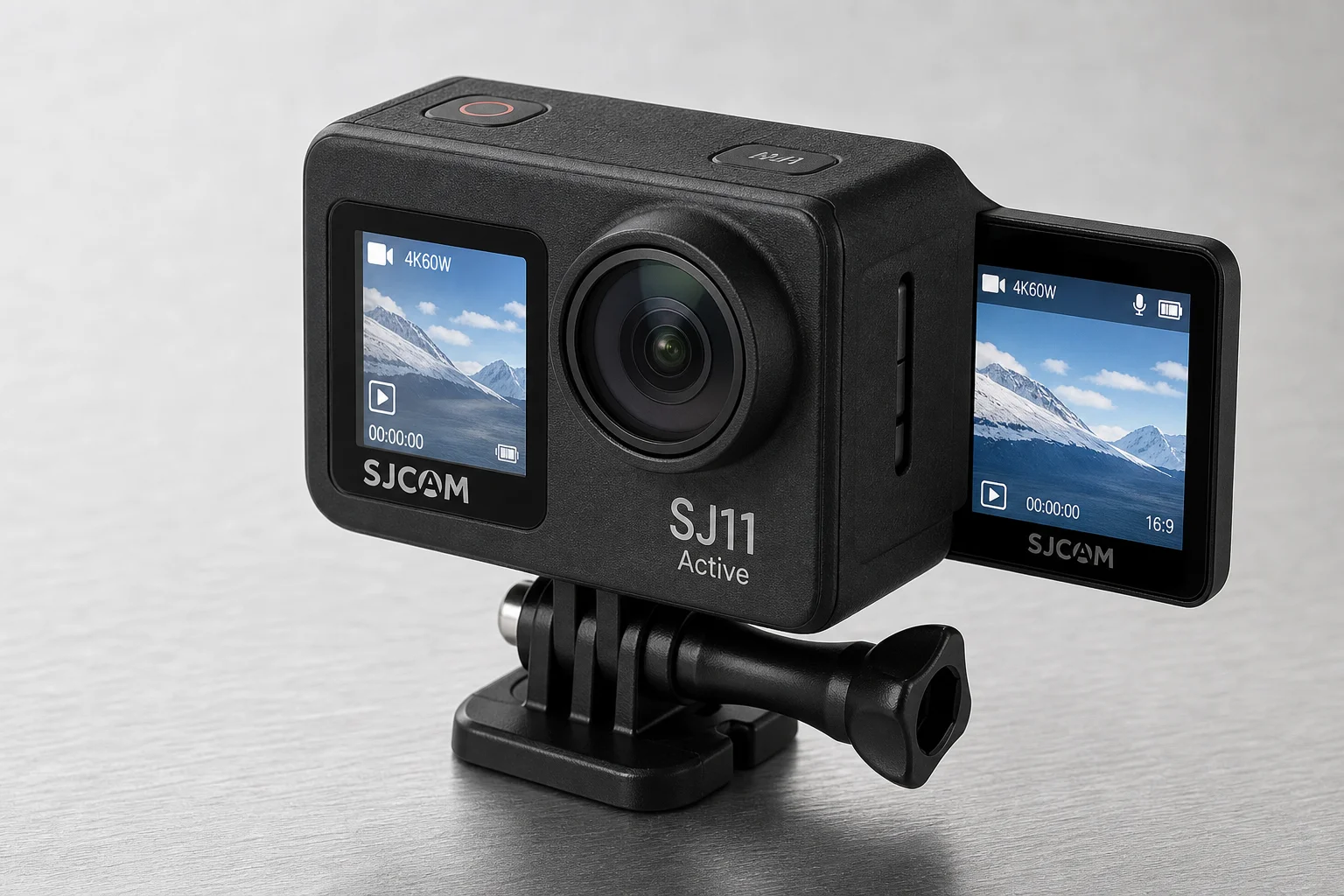
The SJCAM SJ11 Active supports 2x, 4x, and 8x slow-motion recording, with the trade-off being reduced resolution at the highest speeds. Color rendering remains at a good level across these modes. For an action camera at this price, the range of customization settings is impressive, including LCD color, contrast, saturation, brightness, and noise reduction controls.
Testing revealed that most settings are best left at their default positions, as the engineers have calibrated them well. Contrast is better kept low and adjusted in post-production if needed. Saturation works best at the midpoint, as minimum levels require heavy post-production work and maximum levels appear exaggerated. Brightness adjustments in extreme positions are excessive, so a moderate setting is recommended. Noise reduction at maximum levels can remove fine detail, particularly visible in close-up textures, so the middle position offers the best balance between noise suppression and sharpness.
Distortion Correction and Low Light Handling
The SJCAM includes one of the most efficient wide-angle distortion corrections observed in budget action cameras, effectively managing the typical fisheye pincushion effect of wide lenses. This correction is applied automatically and works well across most scenarios.
Low-light performance requires careful tuning. ISO ranges from 100 to 3200, and while higher ISO values increase brightness, they also introduce digital noise. The auto white balance struggles in low-light conditions, tending toward yellow casts at lower gains. Exposure compensation (EV) settings are critical: at EV 0, strong light contrasts are poorly managed, and bright areas burn out. Setting EV to -2/3 preserves detail in highlights while keeping shadow areas reasonably visible. Once properly configured, the camera responds well across a wide brightness spectrum, from full sun to dusk, though starlapses are not feasible due to insufficient light sensitivity.
Connectivity and Webcam Functionality
The SJCAM connects via USB-C and functions as both mass storage and a webcam. When connected to a Mac, it appears as a camera input and can be used for video calls. The webcam feed is reasonably well-defined, though noticeably wider than an iPhone’s field of view. On Windows, the same functionality works, with the camera appearing in system settings as a PC camera option. Mass storage access is straightforward on both platforms, allowing easy file transfer.
Real-World Performance: Motorcycle Testing
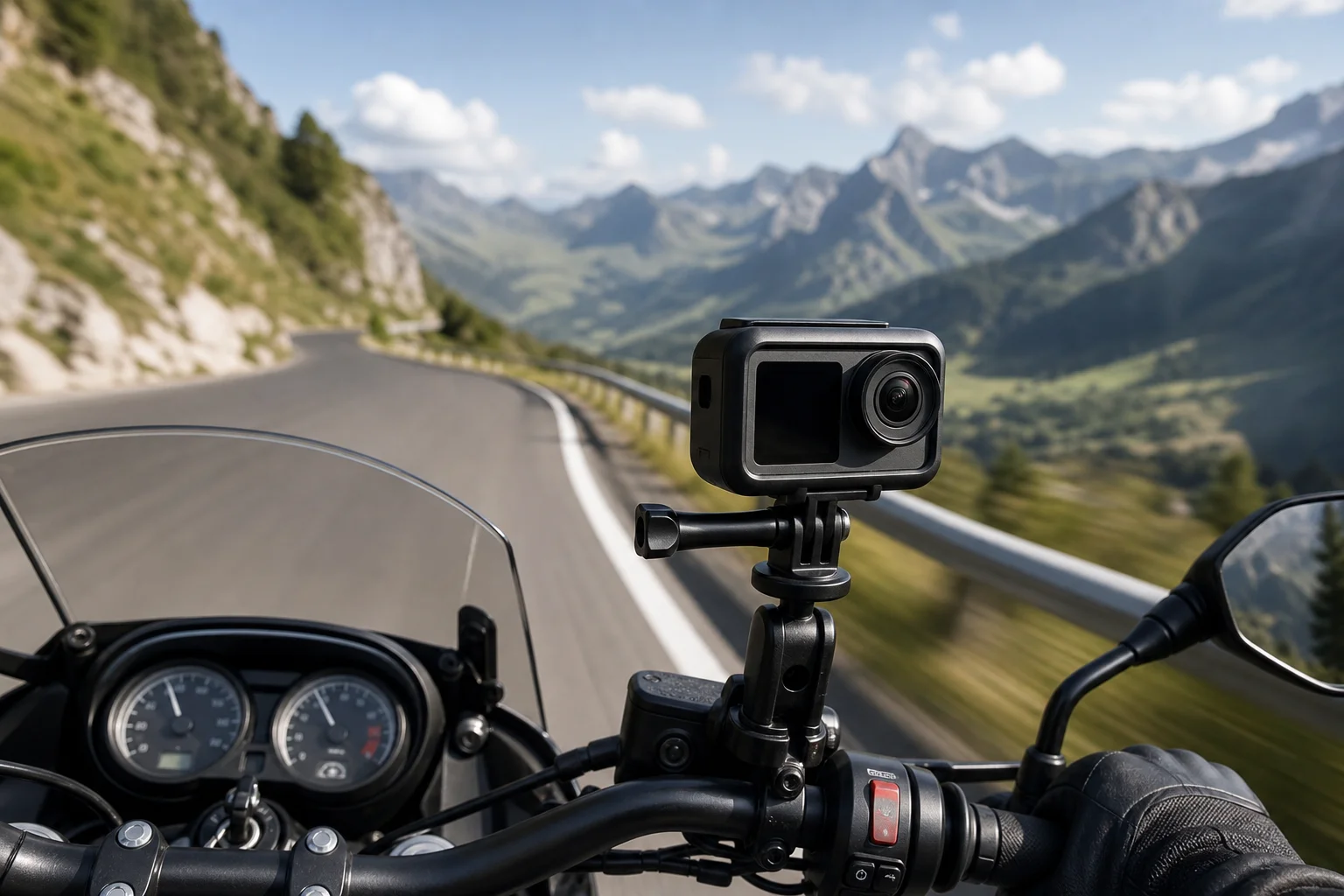
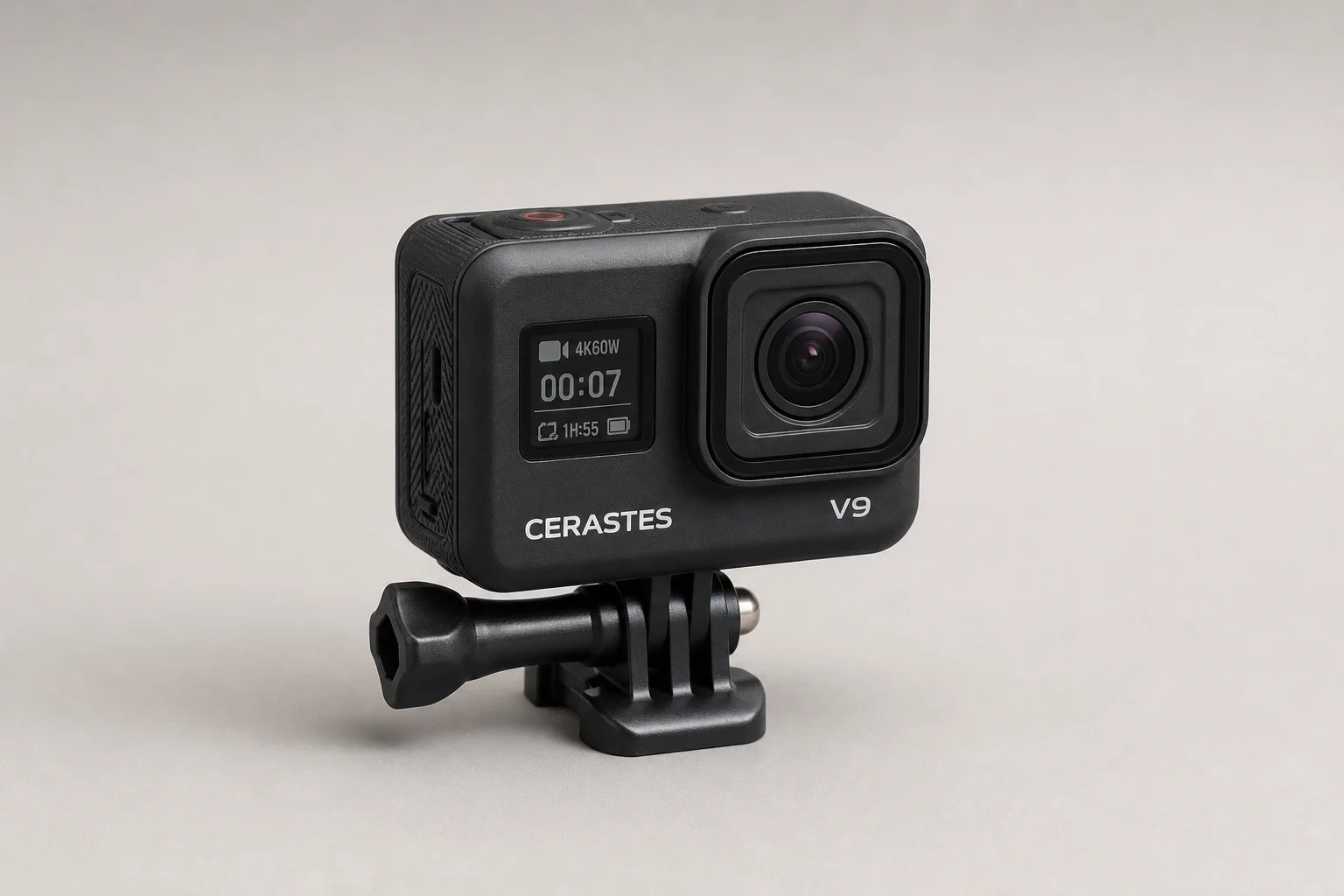
Mounted directly on a motorcycle, the SJCAM demonstrated good vibration compensation and produced fairly well-defined images. Once exposure compensation was properly set, the footage showed decent brightness balance. Comparison footage from the Cerastes V9 mounted on the same motorcycle provided a useful reference point, though the SJCAM’s performance was competitive for its price class.
Audio Quality and Wind Noise Reduction
Audio quality was tested systematically using a fan at measured wind speeds and an anemometer. With noise reduction disabled, the microphone captured voice clearly up to about 4 meters at normal speaking volume, with intelligible audio extending to 5 meters using a diaphragm voice technique. At 10 meters, audio was barely perceptible.
With noise reduction enabled, the effective range improved slightly, with clear audio extending to about 3-4 meters at normal volume. The noise reduction algorithm does introduce some digital artifacts, but the trade-off between wind noise suppression and audio clarity is reasonable. The microphone quality is adequate for most action camera use cases, though a windscreen can introduce some audio coloration.
Color Rendering and Scientific Analysis
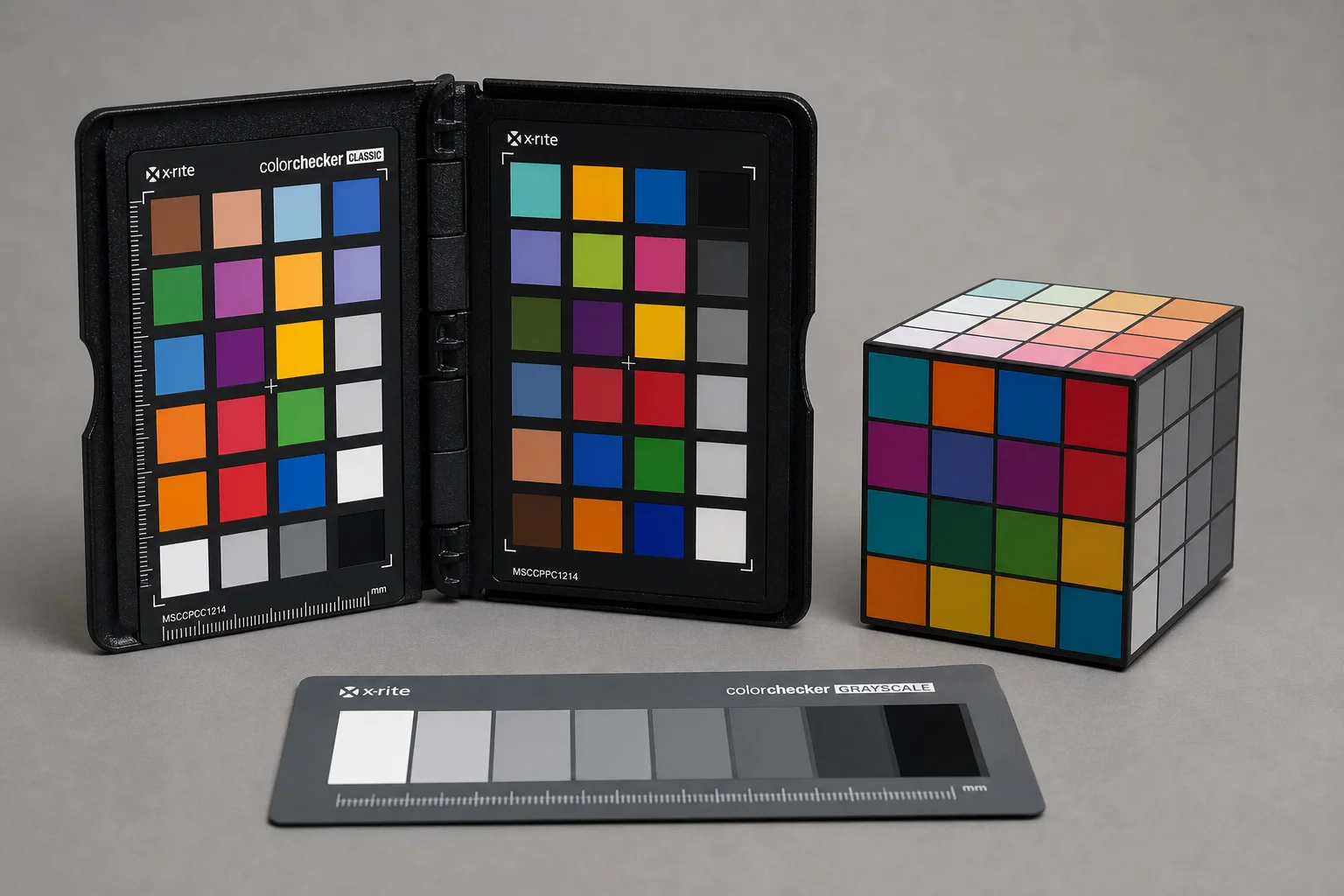
Initial impressions suggested the SJCAM renders colors pleasantly, particularly skin tones, which tend toward a slightly saturated, pinkish tone compared to reference footage from a DJI Pocket 3. However, scientific testing using a Spyder Checker Video and Spyder Cube revealed more nuanced behavior.
In broad daylight, red shades show increased saturation, creating more vibrant skin tones similar to post-production color grading. There is a 3-degree shift toward magenta with reduced orange components, resulting in a fuller but not entirely natural complexion. Blue shades are slightly colder and less saturated, a nearly imperceptible 2-degree shift.
In warm light conditions such as sunset, red shades lose brightness and saturation significantly, creating a dirty, yellowish, or earthy complexion appearance. With high color temperatures like overcast skies, red tones shift 5 degrees toward magenta with greater saturation, while red-oranges become purer. Greens lose vibrancy due to drastic saturation reduction, and blue-cyan hues suffer similarly, making vegetation appear unnatural.
To address these color rendering characteristics, custom LUTs (Look-Up Tables) have been created for standard lighting conditions at 3000K, 5000K, and 6500K color temperatures. These LUTs correct the color output to render more accurate hues, and users can further customize them in post-production to increase or decrease saturation, add warmth or coolness, or enhance specific color ranges.
Comparison with Premium Alternatives
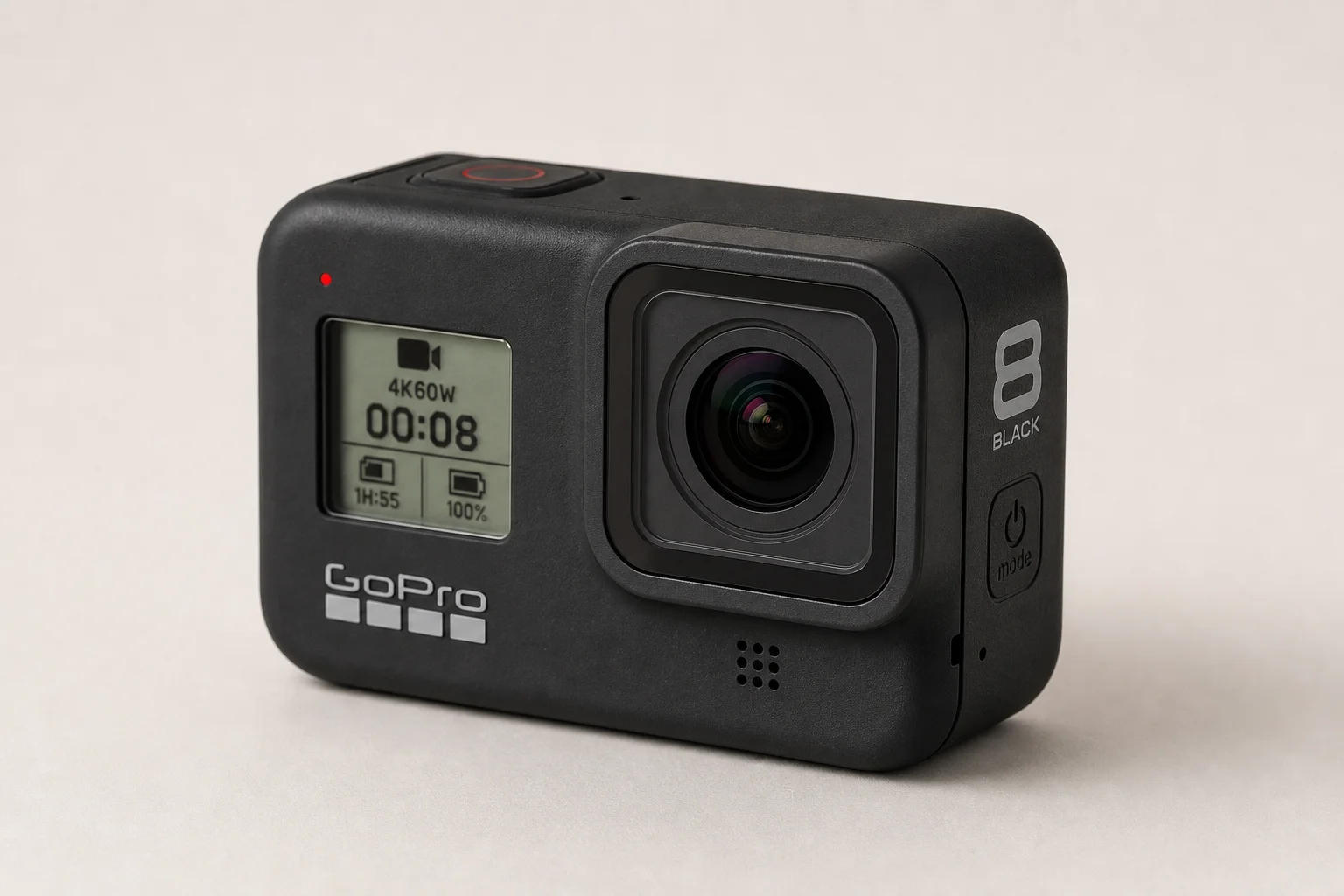
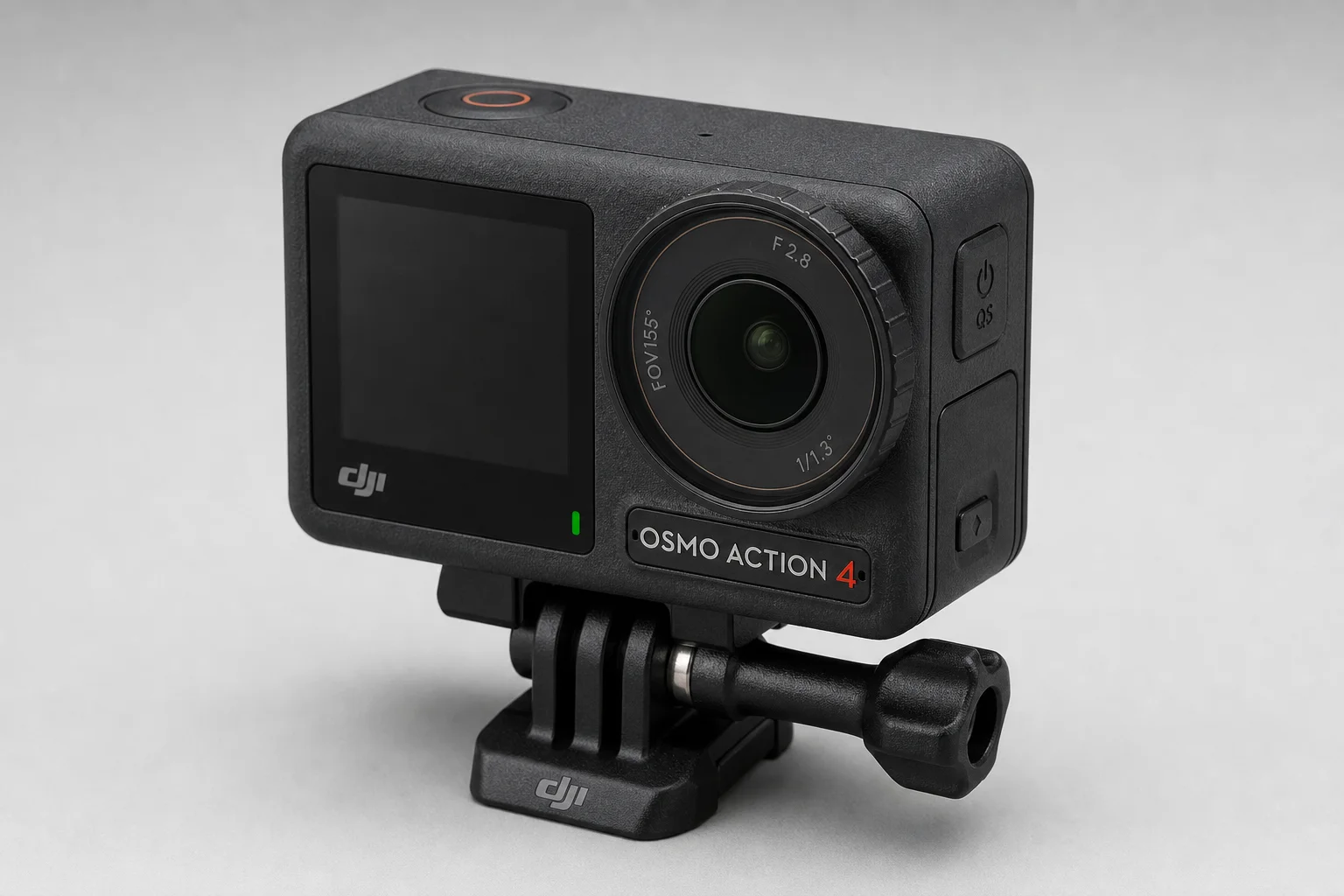
The SJCAM SJ11 Active competes favorably with the GoPro Hero 11 and DJI Osmo Action 4 in stabilization performance, particularly at higher vibration speeds. However, premium models offer superior low-light performance, more refined color science, and additional features. The Cerastes V9 and AKASO V50E represent different price-to-performance trade-offs, with the AKASO offering exceptional stabilization at a mid-range price and the Cerastes providing a balanced feature set.
Conclusion
The SJCAM SJ11 Active is a solid action camera for budget-conscious buyers. It delivers strong vibration stabilization, a useful dual-screen design, good audio quality, and acceptable color rendering when paired with the provided LUTs. The extensive customization options and scientific color correction tools make it a capable choice for content creators willing to invest time in post-production tuning. At under €100, it represents good value, though a €70-80 price point would make it an exceptional bargain. For most users seeking a reliable, stabilized action camera without premium pricing, the SJCAM SJ11 Active is a worthy recommendation.
Further reading
Related Reviews
Action Cameras
360 Cameras for Adventure Motorcycling: Insta360 X5 vs DJI Osmo 360
Two 360-degree action cameras designed for off-road and adventure riding. A detailed comparison of features, stabilization, and real-world performance for motorcycle touring.
Action Cameras
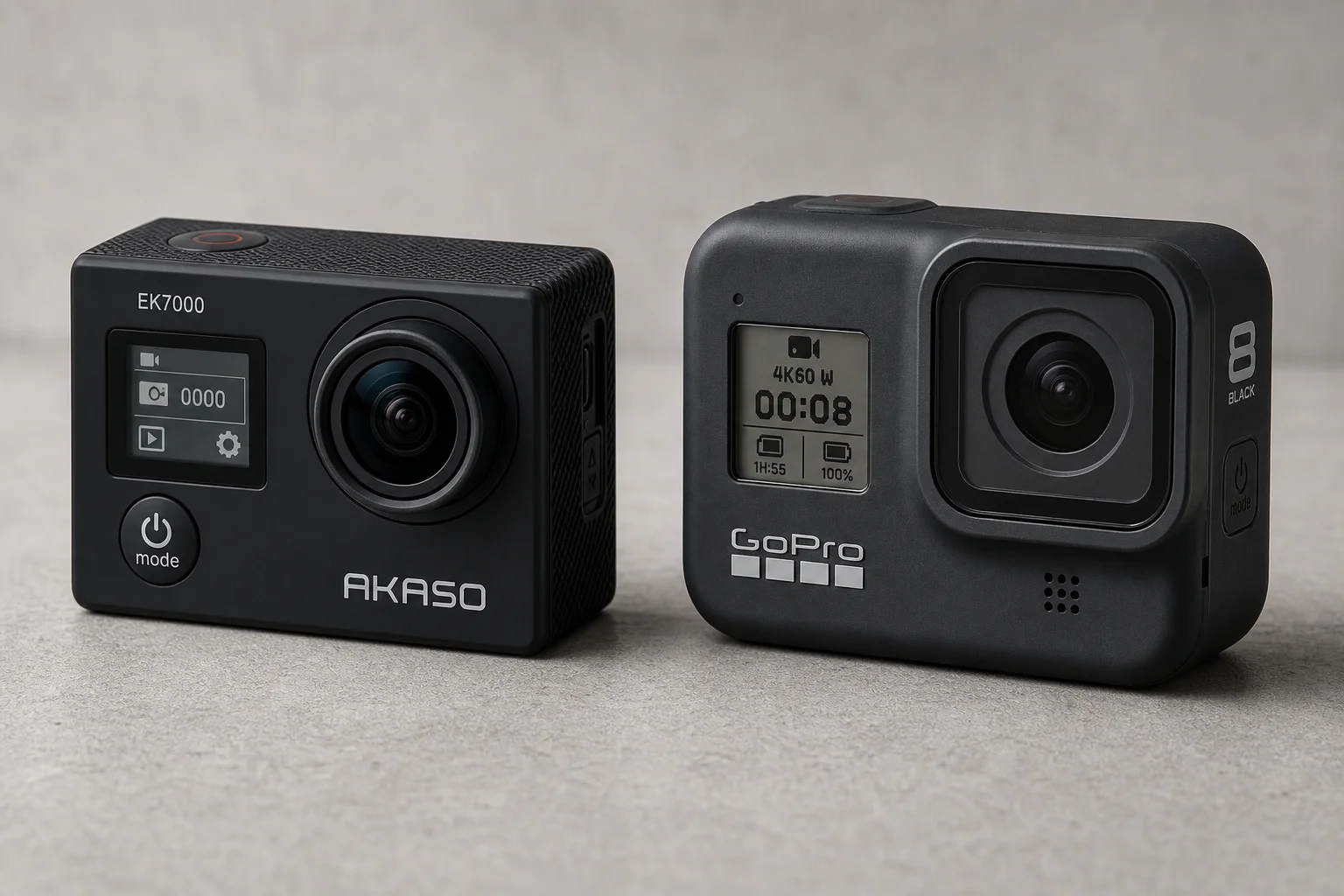
Akaso EK7000 vs GoPro Hero 8 Black: Budget Action Camera Tested
A $50 budget action camera faces off against the GoPro Hero 8 Black. Here's how the Akaso EK7000 really performs in video, audio, and photo quality.
Action Cameras
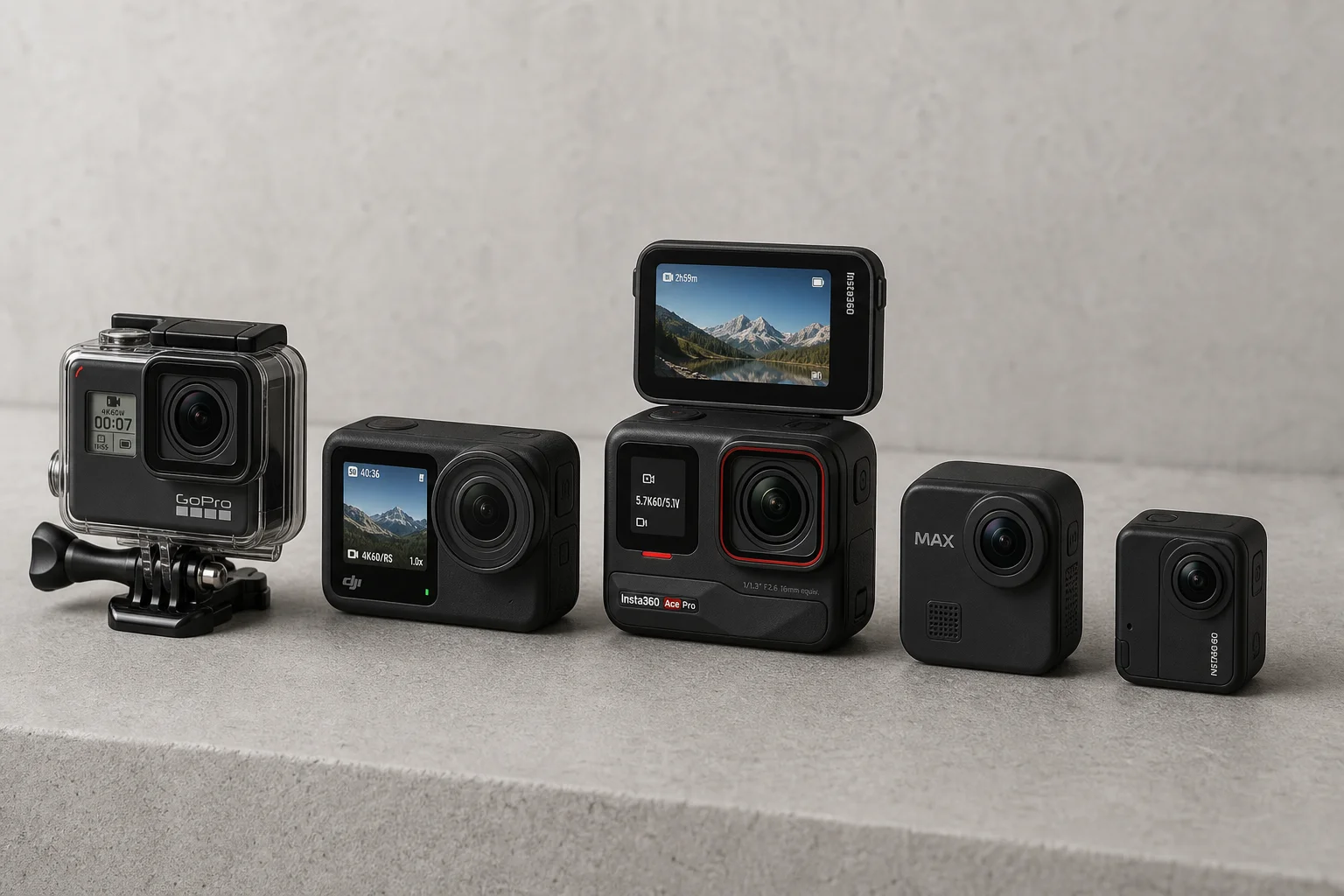
Best Action Cameras 2026: Five Top Picks Ranked
A comprehensive ranking of five action cameras from budget-friendly to premium, covering durability, video quality, stabilization, and low-light performance.