Sports Watches
Polar Vantage V3 Review: Ambitious Features, Unfinished Execution
Polar's flagship sports watch brings offline maps, ECG, and an AMOLED display, but a closer look reveals both impressive strengths and frustrating gaps.
Introduction
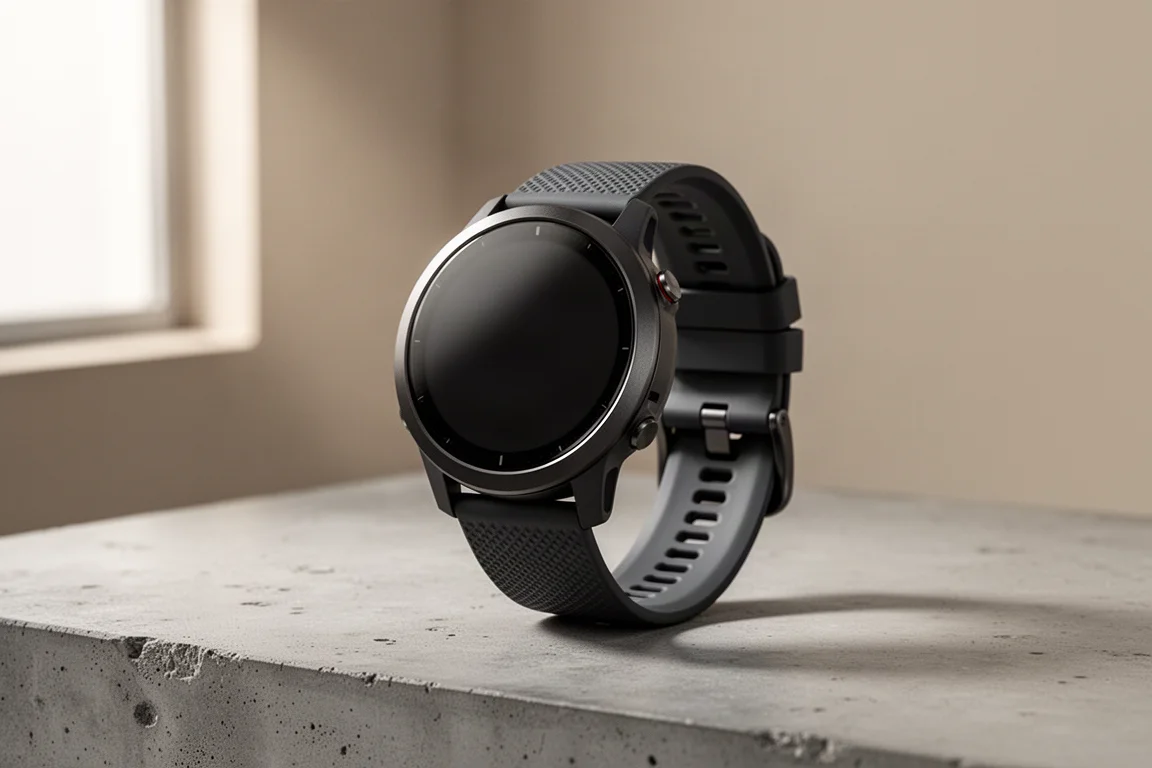
The Polar Vantage V3 arrives at a pivotal moment for Polar. It is the company’s first watch with offline mapping, its first with ECG, and its first outdoor sports watch to use an AMOLED display. Priced at $599 with effectively a single model, it sits directly against the Garmin Fenix 7S Pro at the same price and above the Suunto Race. After extended testing across swimming, running, cycling, and a nearly 12-hour, 60 km hike with over 9,000 ft of elevation gain, the picture is mixed: genuinely impressive hardware and some standout features, paired with navigation quirks and optical heart rate problems that hold it back from fully justifying its price today.
Design, Display, and Everyday Use
On the wrist, the Vantage V3 feels lightweight and comfortable, with a pleasant band material and a well-built case. The AMOLED touchscreen is a first for Polar’s outdoor sports watches, and the company uses it well. The watch face can be customized with complication points such as weather, steps, and the day of the week.
Physical controls remain a highlight. Three buttons on the left and two on the right are textured and easy to operate in the rain, a welcome counter-trend at a time when many sports watches are stripping buttons away. A new flashlight feature turns the screen into an extremely bright white light. It is impressively luminous, but there is no dimness setting, which can make it feel like a blowtorch in a dark room. A brightness control would make this genuinely useful feature far more livable.
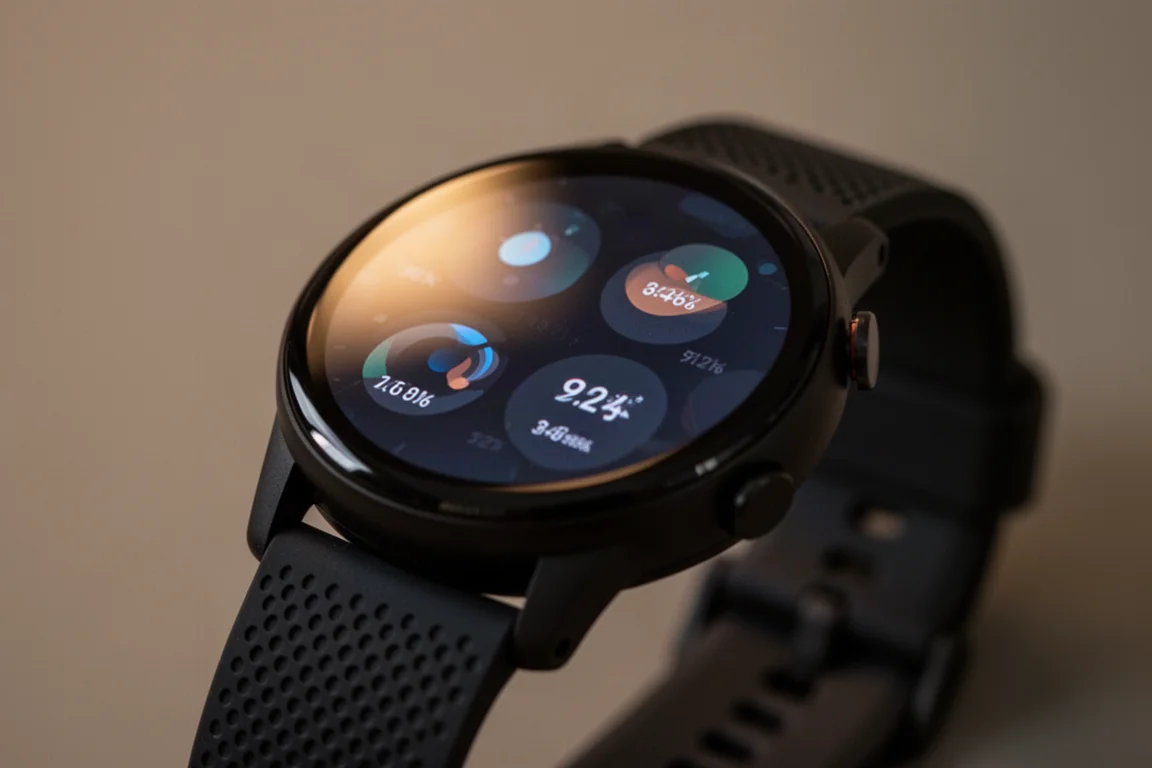
Day-to-day dashboard widgets cover activity tracking, sleep via Nightly Recharge, sunrise and sunset times, and weather. Sleep and wake detection was consistently spot-on, even after brief overnight wake-ups. A new nightly skin temperature feature establishes a baseline over three nights and then shows the difference for the last seven nights. It is a data point more than a tool today: Polar does not yet use it for features such as cycle prediction, and readings shift noticeably with hotel air conditioning and heating. Battery claims of up to 8 days in gesture-based mode and 5 days in always-on mode held up well in testing at default medium brightness.
ECG: Raw Data, No Interpretation
The ECG feature works by resting a finger from the opposite hand on the left-side button while the watch records. One practical catch: a completely dry wrist produces poor readings, while slight moisture on the skin noticeably improves signal quality. The result is a graphed ECG saved to the watch, along with average heart rate, heart rate variability, and beat-to-beat interval data. Recordings sync to the Polar Flow app and can be exported as a PDF to share with a doctor.
The critical difference from competitors is that Polar performs no atrial fibrillation or rhythm detection. Apple, Samsung, Garmin, and Fitbit have all pursued medical-device-level clearance for that type of detection; Polar has not. The company appears interested in adding it, but that typically requires lengthy studies with hundreds of participants, so it cannot simply be switched on overnight.
Sports Tracking and Training Tools
Sport modes work as expected, with heart rate, GPS, and phone connectivity status shown at the start screen. Up to eight data pages can be configured per sport, with four data fields per page. That is fewer fields than most competing watches in this size class offer, though Polar covers most of the fields runners and riders actually want. Wrist-based running power works with no accessory required, and Bluetooth support covers heart rate straps, power meters, cycling cadence and speed sensors, and foot pods.
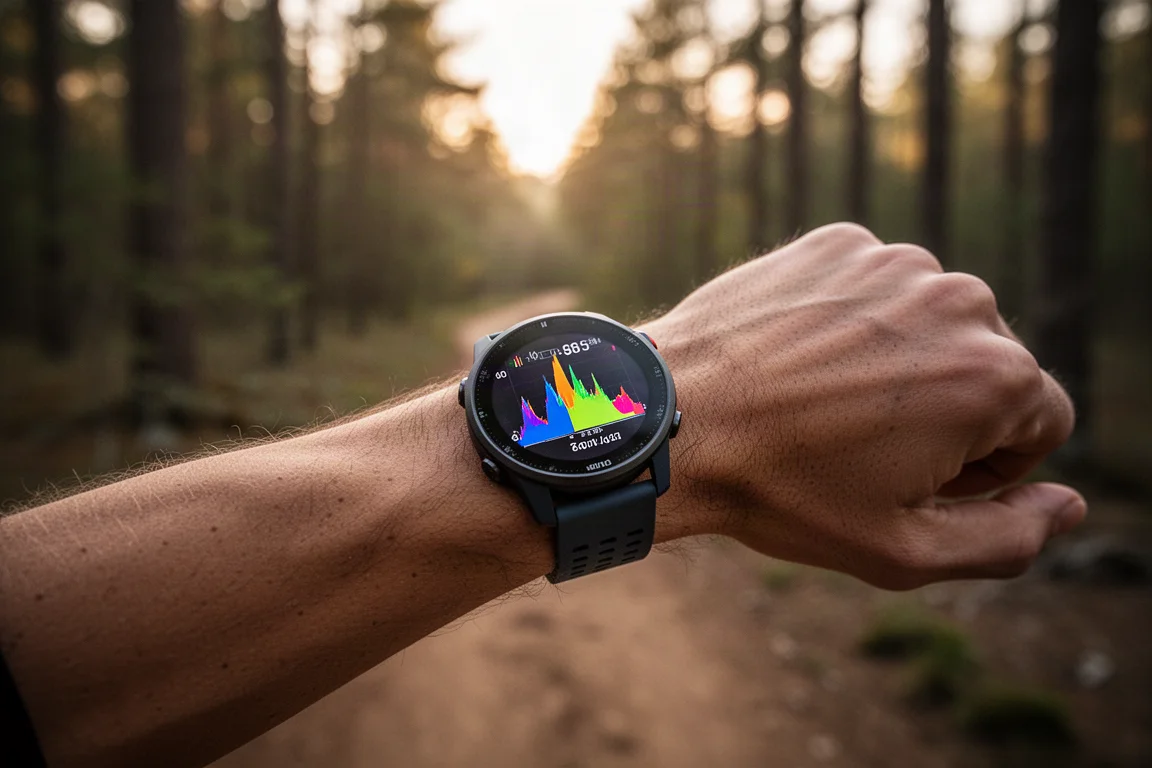
Post-workout summaries on the AMOLED display are excellent, packing in detailed stats and zones so you rarely need to open your phone. The one omission is a map summary of the route. Data syncs to Polar Flow and onward to platforms such as Strava and TrainingPeaks.
On the training-load side, the Cardio Load Status view compares your recent load against historical norms and offers plain-language feedback. But Polar’s load and recovery tools have not meaningfully changed in years, and the gap to Garmin and Suunto is real. Notably, Polar only shows trending time, not trending load, and for endurance sports load is the metric that matters. At this price point, that feels like an area Polar needs to catch up on rather than coast.
Mapping and Navigation: The Star Feature With Caveats
Offline mapping is the headline feature, and getting maps onto the watch requires a computer (or an Android phone with a cable). Maps are downloaded from the Polar Flow website as a large file per region and dragged onto the watch’s 32 GB of storage. There is no cloud or Bluetooth transfer. Choose the Detailed map set over Basic: it adds stream and river names, smaller trails, and topographic contour lines, and the file sizes are manageable.
Maps are only accessible from within a sport mode, not a standalone app, which is a reasonable compromise for a sports watch. Panning, zooming, and route following all work, and a loaded route draws your planned path in blue with your traveled path in red. But there is a genuine regression: without a route loaded, the watch shows no breadcrumb trail of where you have been, a feature competitors solved long ago. Polar has confirmed this is the current behavior. Worse, during testing, going off-route made the traveled track disappear entirely, which could be a serious problem when backtracking in the dark. Polar says it is looking at addressing this.
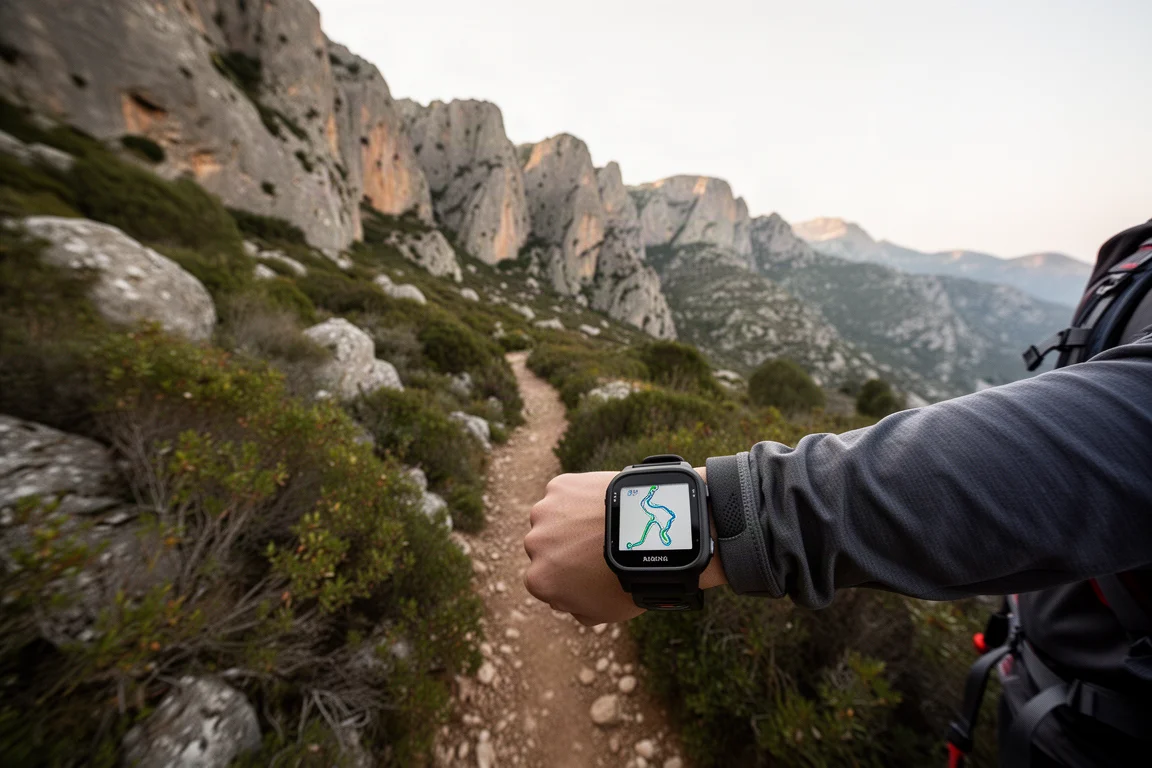
More concerning, during a long mountain hike the watch crashed roughly two hours in while a route was loaded, repeatedly, and again whenever the route was reloaded. It ran stably for the remaining hours without routing. Beyond the crashes, the navigation feature set is a fraction of what competitors at this price offer, and Polar needs to invest heavily here to stay competitive.
Battery Life: Promises and Real-World Gaps
The 8-day and 5-day everyday claims hold up. GPS claims are another story: Polar cites 42 hours with dual-frequency GPS enabled. On that 12-hour hike with always-on display and dual-frequency GPS, plus routing for the first two hours, the watch hit 5% battery and automatically saved and ended the activity. Polar later clarified that the always-on claim is around 28 hours, and even less when the display boosts brightness in sunny conditions, a behavior that cannot currently be disabled.
That auto-boost is an interesting idea, since AMOLED displays can be hard to read off-angle when dimmed, which matters on a bike handlebar. But making it all-or-nothing sacrifices the battery life many buyers would prefer. Roughly 12 hours of heavy use against a 28-hour claim is a real gap worth knowing about before committing.
GPS, Heart Rate, and Elevation Accuracy
GPS accuracy was largely strong. In forested terrain, tracks closely matched the Suunto Race and Garmin Epix Pro, with only brief, minor meandering from each watch. On a mixed hike through woods, cliffs, and open mountainsides, the Vantage V3 was essentially identical to its rivals. Open-water swimming was particularly impressive, matching a GPS-tracked swim buoy reference closely despite the challenge of arm strokes breaking the signal.
City performance was weaker. In a dense downtown core with 20 to 30 story buildings, the Vantage V3 was the least accurate of the four watches tested, struggling more under bridges and overpasses than its rivals.
Optical heart rate accuracy has been hit or miss, which is surprising for Polar. Indoor trainer intervals started wobbly before settling. Some interval sessions nailed the hard efforts perfectly while wobbling through easy warm-ups, and a steady run with tempo segments saw the sensor repeatedly fall apart, while a treadmill interval session days earlier was flawless. The pattern points to the most recent firmware as the culprit, with accuracy degrading noticeably after the update, possibly due to reduced sensor power. A previous firmware version was excellent, so this may be fixable.
Elevation performance was solid overall, though on the long hike the Vantage V3 ended about 20 meters above sea level where it started, drifting slightly in the final hour. Garmin tracked the sea-level return more accurately, but a 20 meter discrepancy is minor in context.
Buying Advice: Is It Worth $599?
The Vantage V3 is close, but not quite ready. The crashes are the least worrying issue, since logging data should let Polar isolate the cause. The breadcrumb and off-route navigation gaps are straightforward software decisions the company has acknowledged. The heart rate regression is more concerning, though reverting the change could restore the previously strong performance.
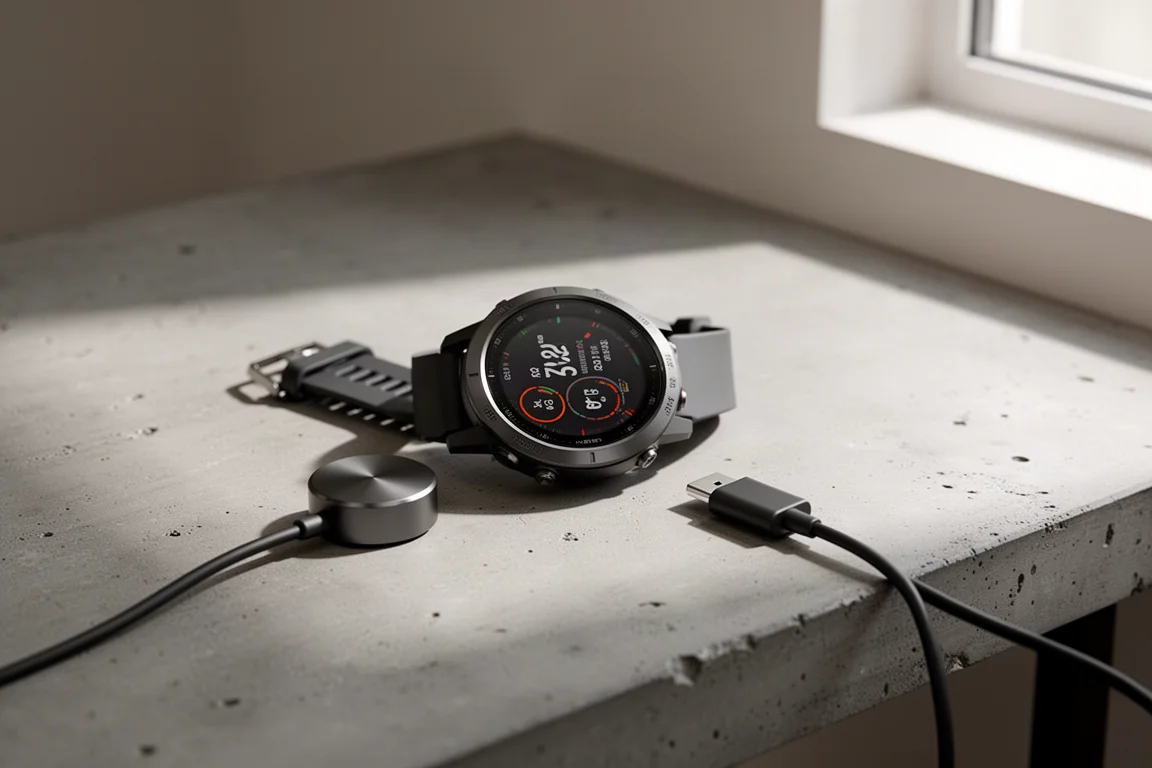
The bigger question is the roadmap. At $599, matching the Garmin Fenix 7S Pro on price while offering fewer navigation features, Polar needs to publish a clear plan for closing the gap, much as it has done in the past when releasing a watch before its feature set was complete. Competitors already have these features, so there is little strategic risk in stating them. If Polar outlines that path and delivers, the Vantage V3’s hardware foundation could make it a genuinely compelling watch, and a real turning point for the company.
Conclusion
The Polar Vantage V3 is an ambitious watch with genuine highlights: a great AMOLED display with rich workout summaries, reliable everyday battery, strong GPS in most terrain, impressive open-water swim tracking, and a useful ECG export. But the missing breadcrumb trails, route crashes, GPS wobbles in dense cities, firmware-related heart rate issues, and short GPS battery in always-on mode leave it feeling unfinished at $599. Buy it today only if the design and core training experience appeal more to you than the deeper navigation features its rivals already offer; otherwise, it is worth watching how Polar’s promised refinements land.
Product link
View more details for Polar Vantage V3
This product is mentioned in the review. Check the specifications, options, and compatibility before buying.
View more details for Polar Vantage V3Further reading
Related Reviews
Sports Watches
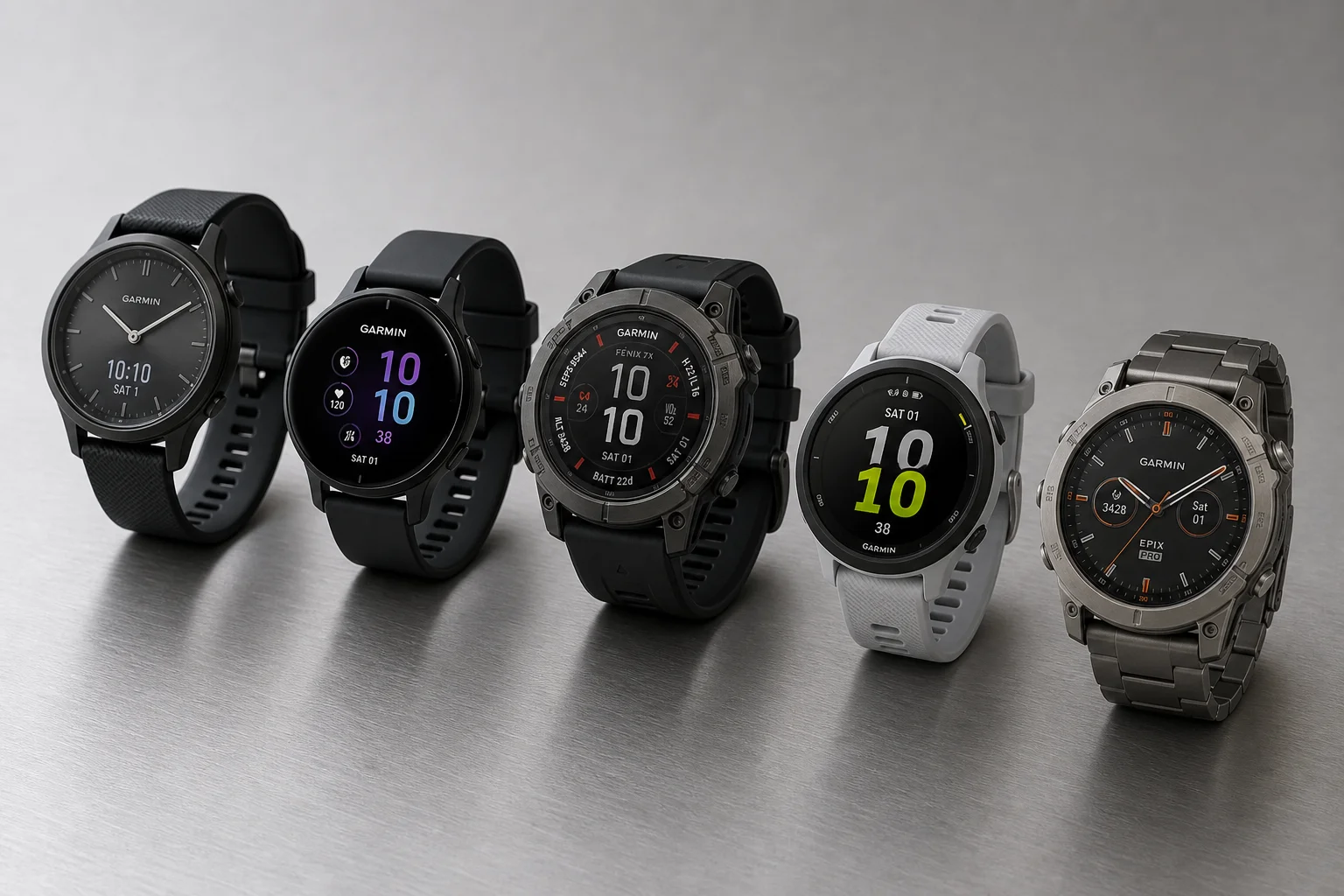
Garmin Sports Watch Guide: Finding the Right Model for Your Fitness Level
A comprehensive overview of Garmin's sports watch lineup, from casual fitness trackers to advanced multisport devices, helping you choose the right model for your needs and budget.
Sports Watches
Coros Pace Pro Review: A Complete Overhaul That Finally Feels Premium
Coros rebuilt the Pace Pro from the ground up with an AMOLED display, onboard maps, and a new heart rate sensor. Here is how it all holds up in real use.
Sports Watches
Polar Vantage M3 Review: The Sweet Spot in Polar's New Watch Lineup
A closer look at the Polar Vantage M3, which brings an AMOLED display, dual-frequency GPS, offline maps and the same software platform as Polar's flagship watches at a friendlier price.