Sports Watches
Polar Vantage V3: A Major Step Forward for Polar, With One Big Caveat
Polar's new flagship sports watch brings offline maps, an AMOLED display, multiband GPS and new biosensing hardware, plus a few trade-offs worth knowing before you buy.
Introduction
The Polar Vantage V3 is arguably the biggest shift in technology for Polar as a company since they started introducing GPS into their watches more than a decade ago. It is priced at $599 and, at announcement, was set to start shipping on October 25th.
This piece walks through the headline features, how they work in practice, and one important caveat around the ECG function that is worth understanding before you commit to a purchase.
Offline Mapping Arrives on a Polar Watch
The headline new feature is offline mapping, the first Polar wearable with maps you can actually see and download to the watch, completely free, with contextual awareness of where you are, including topographic details.
By default, the watch ships with basic maps for both North America and Europe. There are two levels of detail: basic and detail. The basic version covers town names, big road names and larger bodies of water, but skips topographic contour lines and smaller details like trail names or small streams.
To switch to detailed maps, you plug the watch into your computer with the USB cable and use Polar’s map downloading website. You toggle between basic and detail, scroll around the globe, and download a single file for the region you want, then drag it onto the watch, which shows up like a USB thumb drive. The watch has 32 GB of storage, and the default base maps for North America and Europe take up about half of that, though you can delete them.
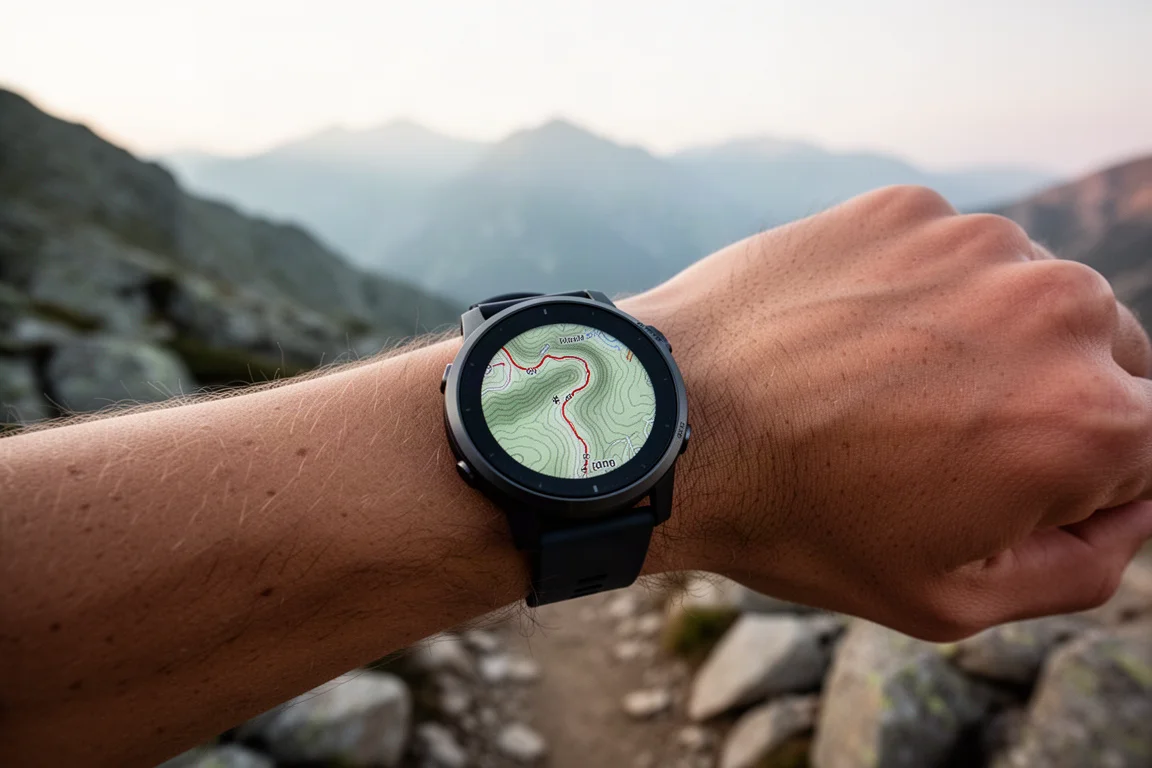
Outside North America and Europe, only detail maps are offered, which is probably the right call given the storage headroom and the modest file sizes for detailed regions.
Routing is supported through Komoot: you can create a route there, push it to the watch, and follow it. What you cannot do is on-demand routing. All routes must be planned ahead of time, and if you go off route, there is no automatic recalculation. Polar describes this as the beginning of their mapping journey, something likely measured in years rather than months. Still, the maps look beautiful, and pan and zoom is available.
A Bright AMOLED Display Changes the Experience
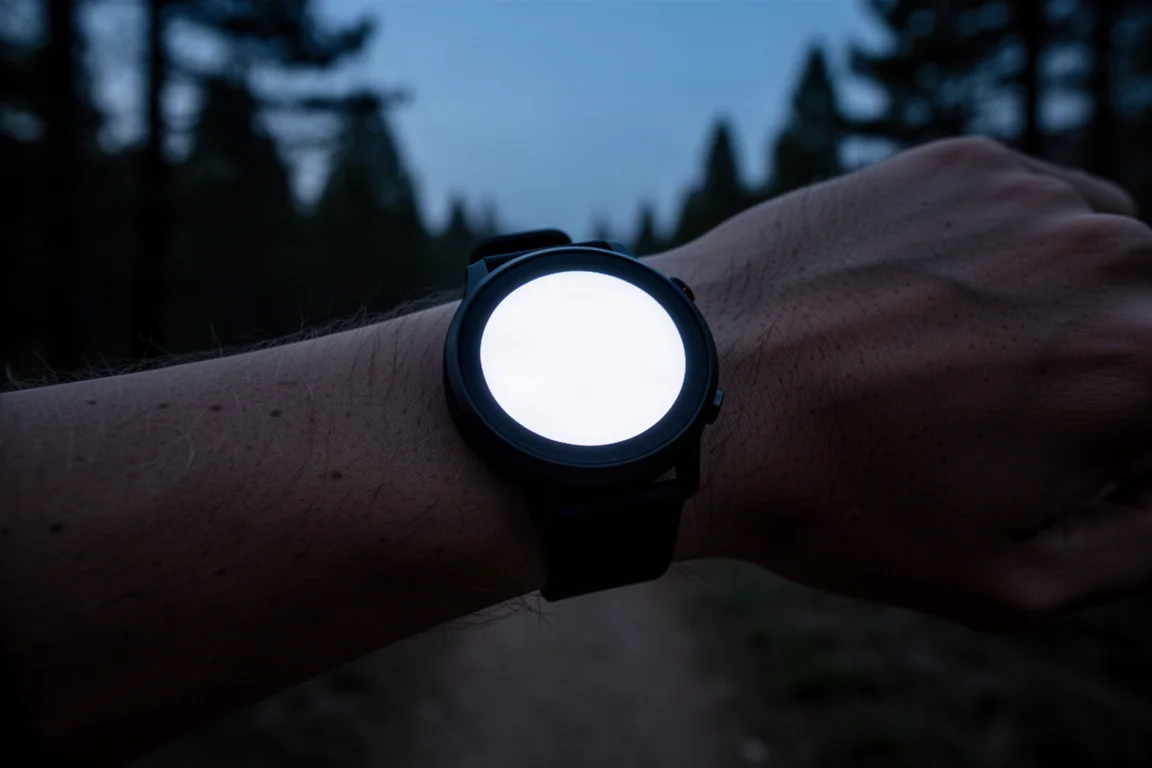
The most immediately visible change is the 1.39-inch AMOLED display with a peak brightness of 1,000 nits. That is plenty bright for basically any scenario, sunny beaches included. In dark conditions is where an AMOLED display really shines, and that is an area where Polar’s MIP-based displays had struggled for a long while, often coming across as dim. This is not dim.
Multiband GPS With a New Antenna Design
The Vantage V3 adopts a new multiband GPS chipset. It is not the first Polar watch with dual-frequency multiband GPS, but the earlier effort’s GPS accuracy was frankly poor for a multiband watch. Polar says they have fixed that here by changing the antenna design.
It is worth understanding that virtually every company, whether Garmin, Polar or Suunto, uses the same GPS chipset. What matters is antenna design. A fraction of a millimeter of difference in antenna design, combined with case and bezel materials, is the difference between incredibly good GPS accuracy and horrendous GPS accuracy. Accuracy testing deserves a longer evaluation period, so treat early impressions accordingly.
Elixir Biosensing: Heart Rate, SpO2 and Skin Temperature
Elixir is an umbrella branding over all of Polar’s algorithms and biosensing work rather than a single physical feature. Underneath it sit three concrete components.
First is Polar’s Gen 4 optical heart rate sensor, which the company says is more accurate and which also carries ECG functionality. Second is SpO2 sensing, the blood oxygenation measurement with the visible red light, which you can take at any point in time. Polar makes specific accuracy claims there that it appears quite proud of. Third is a new skin temperature sensor that automatically measures skin temperature while you sleep and trends it over time, showing deviation from your baseline rather than an exact nightly figure.
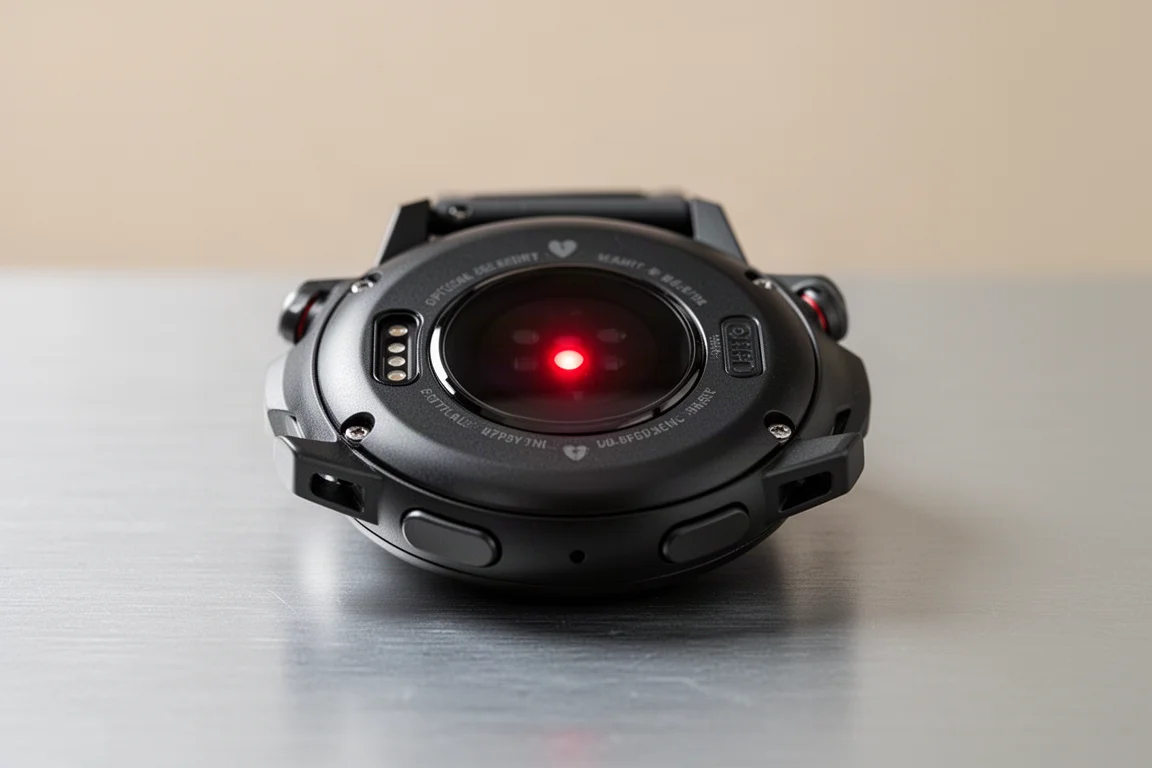
Notably, skin temperature sensing is often used for female health cycle tracking and period prediction, but Polar is not doing any of that today. They are not opposed to it; it is simply not in the watch.
The ECG Gotcha You Need to Know About
The ECG function works by wearing the watch and placing your opposite hand on the upper left button to complete the circuit. You see the ECG trace on screen for 30 seconds of recording, then get your average heart rate and HRV values.
Here is the major caveat. Below those readings, the watch states it is not a medical device. Two things separate this from what Apple, Samsung, Google, Fitbit, Garmin, Withings and others have done. First, those companies have gone through FDA or EU/CE certification to make their ECG a medical-grade device; Polar has not. Second, they offer abnormal rhythm detection, such as atrial fibrillation alerts, either manually or passively around the clock; Polar has not done that either.
Polar says it is not opposed to certification, and it has medical-grade experience in other product areas, but for this watch today that is not the case. Certification is a long process, roughly a year or more at minimum. For most consumers, heavy ECG marketing implies medical-grade capability and abnormal rhythm detection, and neither is true here. It is a fair point to nitpick, and Polar could pursue certification for this device.
Everyday Details: Flashlight, Straps, Charging and Battery
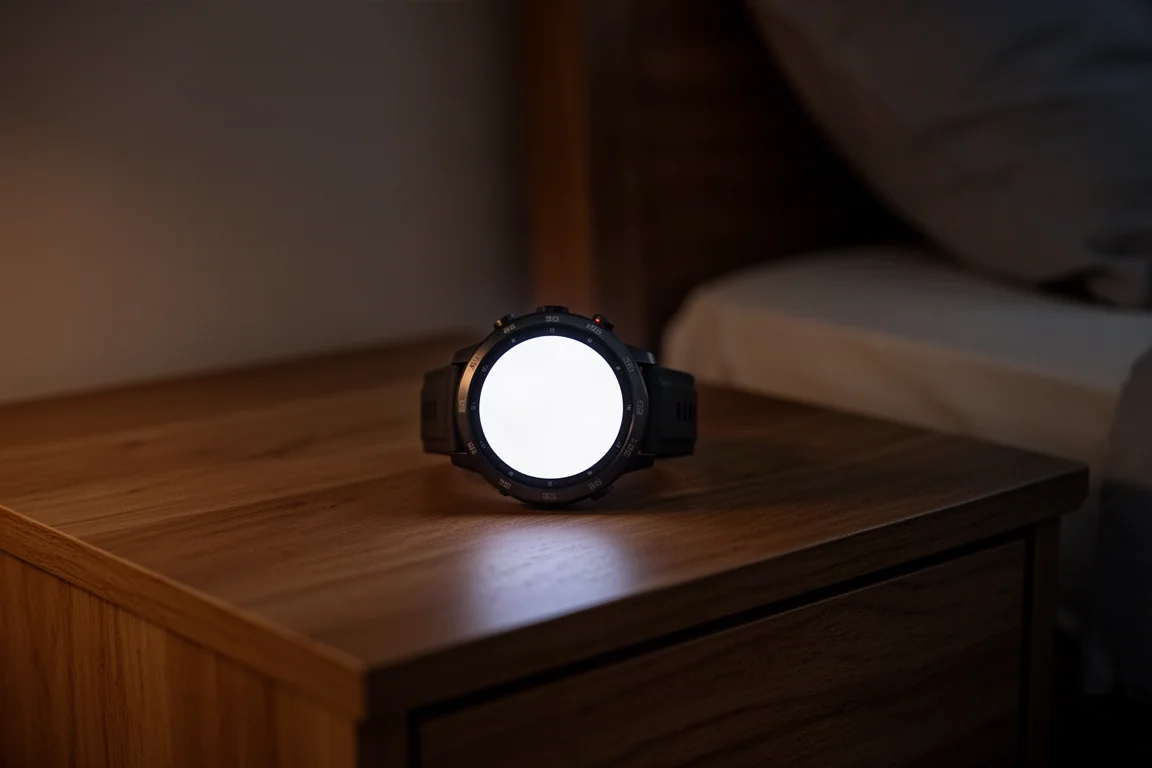
A fun addition is a flashlight mode: swipe down from the top, tap the flashlight, and the display flashes while brightly illuminating the room. It is genuinely powerful, arguably a little too much so. Brightness level options and a red light mode, both common on other watches, would be welcome refinements.
Battery life varies by GPS mode. The longest mode reaches up to 140 hours of GPS tracking, though that reduces the tracking rate and accuracy compared with the higher-accuracy shorter durations. In standby watch use, Polar claims eight days in gesture mode, where the screen turns on when you raise your wrist, and five days in always-on mode. Five days seems about right so far and is in the ballpark for other watches of this size.
The processor is claimed to be 129% faster, and this time the responsiveness claim feels legit: swiping through menus keeps up. It is good to see a speed claim finally land.
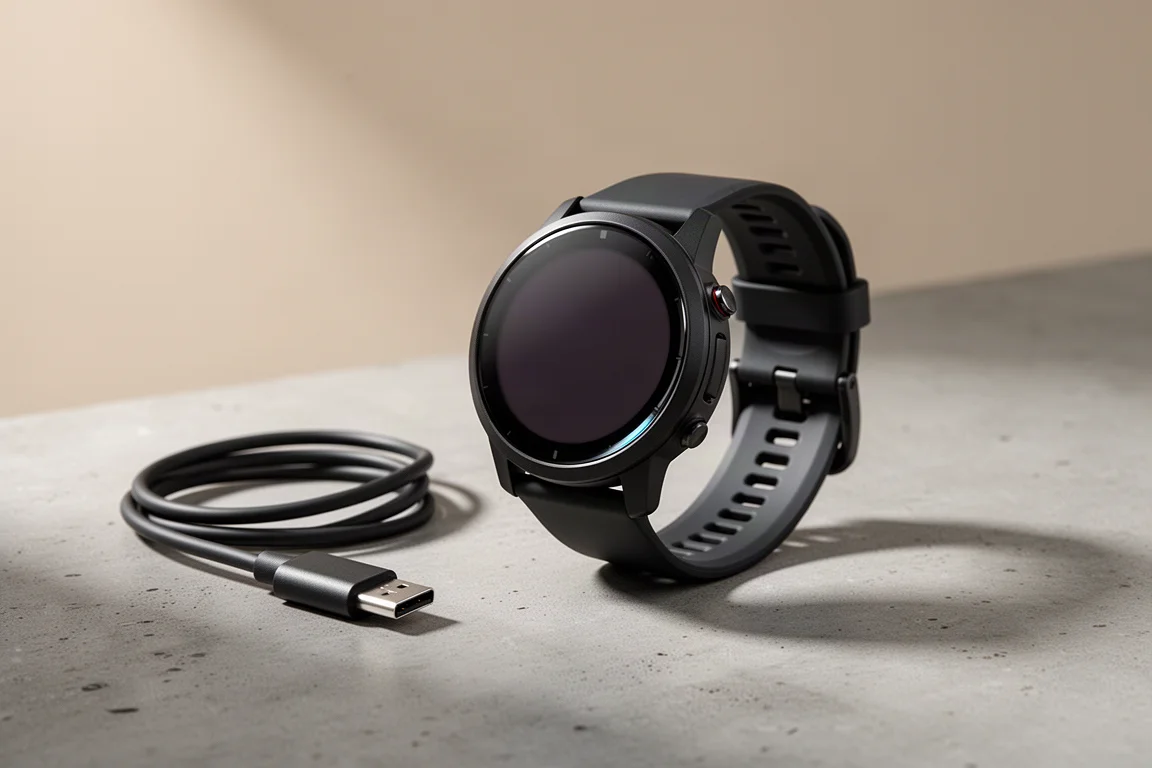
The watch has also switched to proper 22 mm straps, so no more adapter is required; any standard 22 mm strap works. The charging cable now uses standard USB-C on the computer end, though not on the watch side, where waterproofing makes that tricky. The watch is water resistant to 50 meters and uses Gorilla Glass 3, with the outermost 2-3 mm of the display slightly curved, worth keeping in mind if you use a screen protector.
Buying Advice
The Vantage V3 makes sense if you want a serious multisport watch with genuinely useful new additions: free offline maps with topo details, a bright AMOLED screen, multiband GPS with redesigned antenna hardware, and a refreshed sensor package for heart rate, SpO2 and skin temperature. The $599 price positions it against the big names in this category.
The one thing to weigh carefully is the ECG: it records a trace, but it is not a certified medical device and does not offer abnormal rhythm detection. If medical-grade ECG is a priority for you, that is the dealbreaker to know about upfront.
Conclusion
The Polar Vantage V3 represents the company’s most significant technological leap in over a decade, from offline mapping and a bright AMOLED display to new biosensing hardware and a faster processor that finally delivers on responsiveness promises. With a clearer stance on ECG certification down the road, it could become an even stronger proposition. As it stands, it is a compelling flagship for athletes who value training tools over medical features.
Product link
View more details for Polar Vantage V3
This product is mentioned in the review. Check the specifications, options, and compatibility before buying.
View more details for Polar Vantage V3Further reading
Related Reviews
Sports Watches
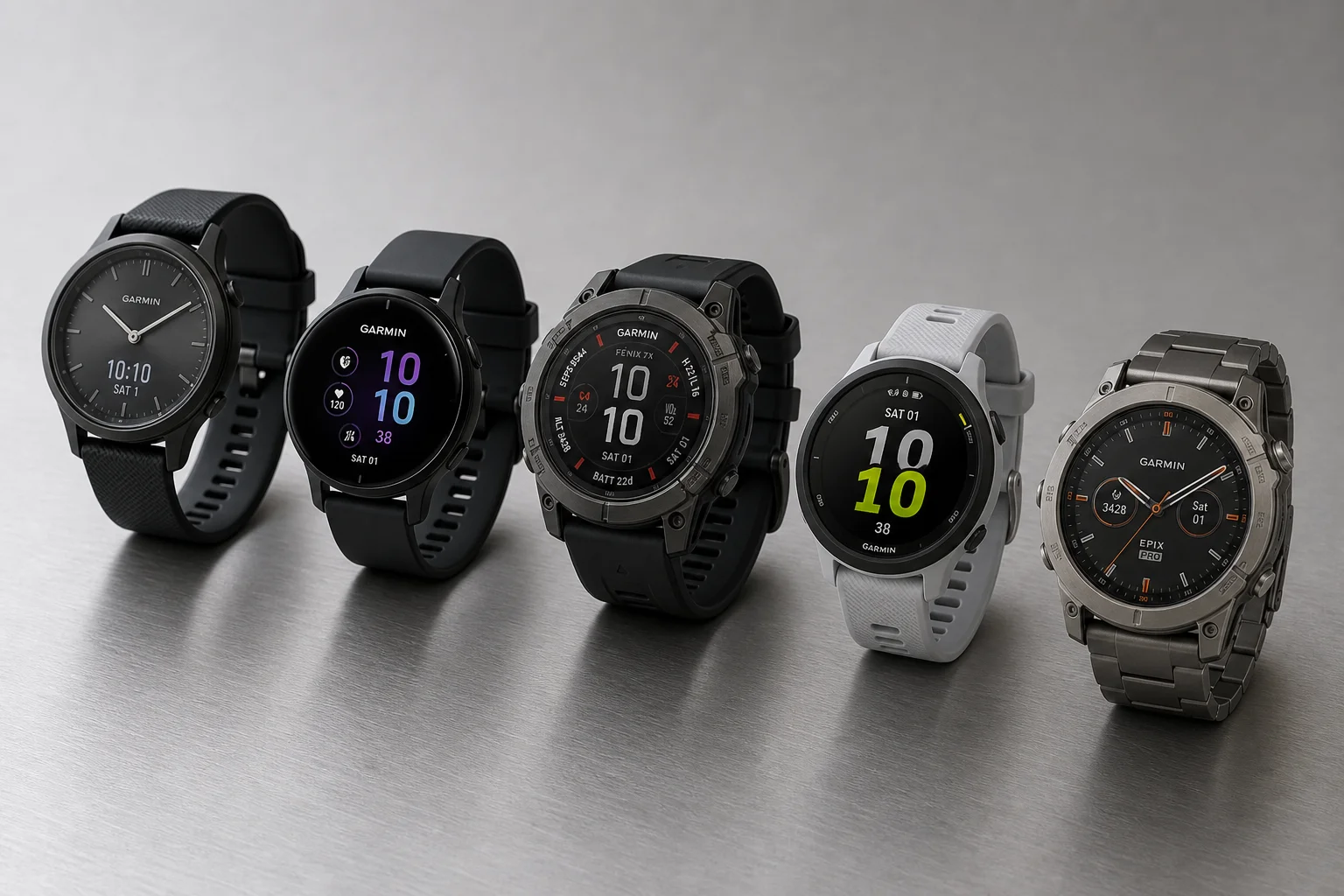
Garmin Sports Watch Guide: Finding the Right Model for Your Fitness Level
A comprehensive overview of Garmin's sports watch lineup, from casual fitness trackers to advanced multisport devices, helping you choose the right model for your needs and budget.
Sports Watches
Coros Pace Pro Review: A Complete Overhaul That Finally Feels Premium
Coros rebuilt the Pace Pro from the ground up with an AMOLED display, onboard maps, and a new heart rate sensor. Here is how it all holds up in real use.
Sports Watches
Polar Vantage M3 Review: The Sweet Spot in Polar's New Watch Lineup
A closer look at the Polar Vantage M3, which brings an AMOLED display, dual-frequency GPS, offline maps and the same software platform as Polar's flagship watches at a friendlier price.