Wearables
Polar Loop Review: A Subscription-Free Screenless Tracker That Needs a Bit More Polish
After a month of testing, here is how Polar's screenless activity, sleep, and recovery tracker stacks up against Whoop in the real world.
Introduction
The Polar Loop is a screenless activity, workout, sleep, and recovery tracker that positions itself as a direct alternative to Whoop, with one major difference: there is no subscription. You pay once and keep using the features ongoing. After a month of daily wear, the picture is a mix of genuinely good fundamentals and a few frustrations that hold it back from being an easy recommendation.
Who This Product Is For
The Loop is aimed at people who want background tracking without a screen. It bundles Polar’s heart rate sensing with activity tracking, automatic workout detection, sleep stages, and recovery estimates in a simple, distraction-free package. If you dislike wearing a watch to bed or during everyday life, and you want insights without notifications buzzing on your wrist, this design makes sense.
Design and Comfort
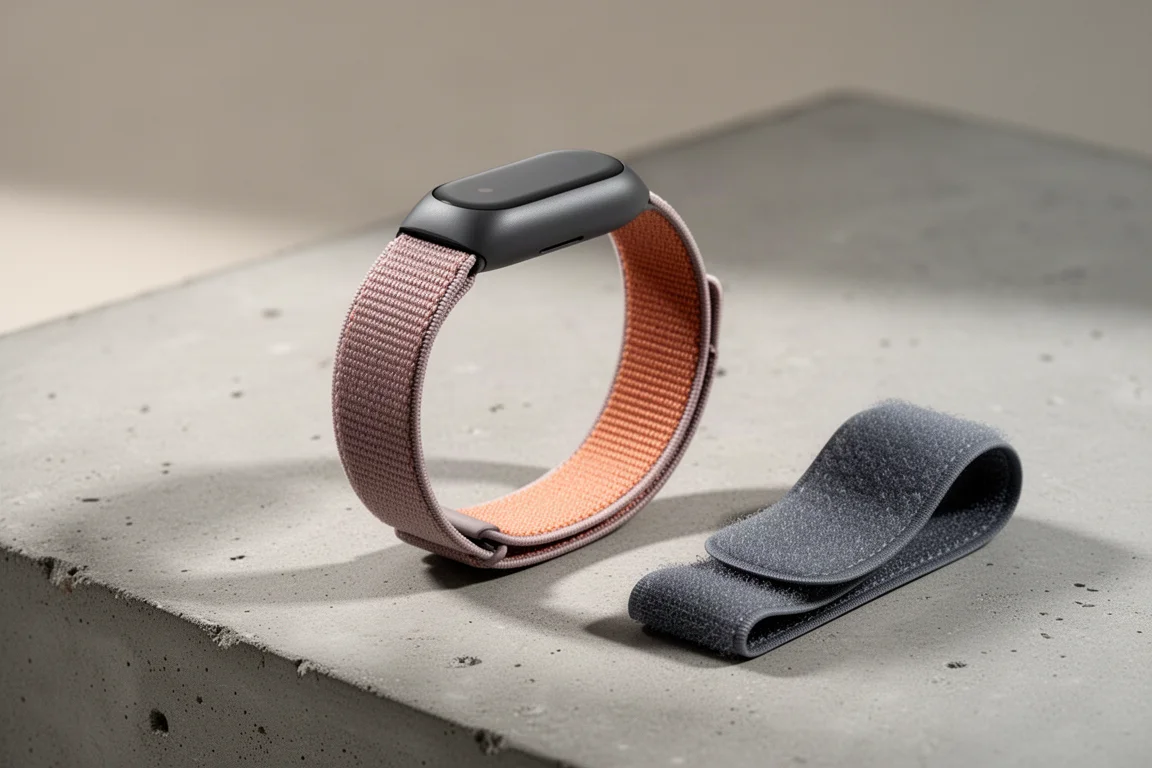
The tracker consists of a fabric band, available in six colours, with a small sensor unit that houses Polar’s Gen 3.5 Precision Prime optical heart rate sensor and an accelerometer for movement and automatic workout tracking. The whole package weighs just 29g, and it is water rated to 30m, so showers, swims, sweat, and rain are all covered.
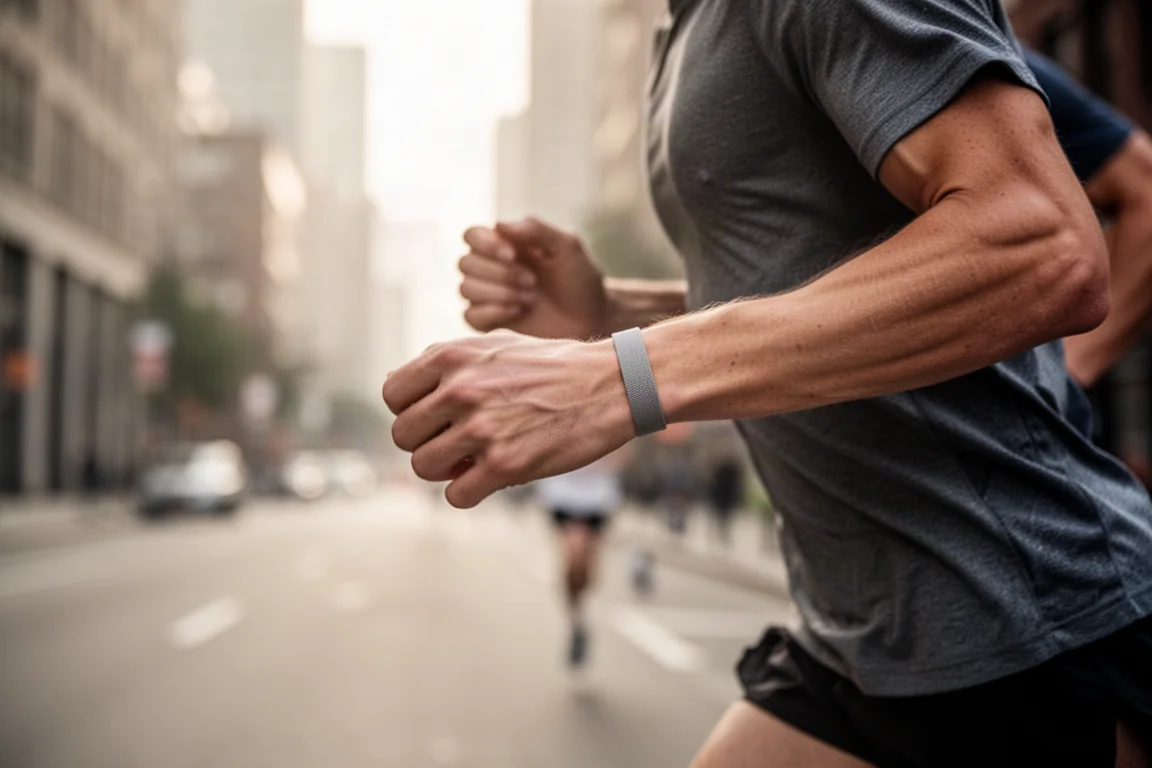
In use, it comes across as neat, subtle, and well built. The Velcro strap makes it easy to dial in a good fit, comfort is solid, and it is easier to live with 24/7 than many GPS watches. There is no screen and no built-in GPS, which shapes much of the experience, as we will see.
Battery Life
Polar claims up to 8 days of tracking, and in testing it matched that claim with around 8 days of general usage. Overnight drain landed at roughly 2 to 5 percent, which is a bit lower than the Whoop 5.0. Charging once a week is a reasonable ask for most people.
The App and Data Presentation
The app is the weaker part of the experience. It feels like an add-on to Polar’s existing Flow app rather than a dedicated, polished platform, and it is not as comprehensive or as well presented as Whoop. All the information is there, but some charts are not easy to interpret and key metrics take digging to find.
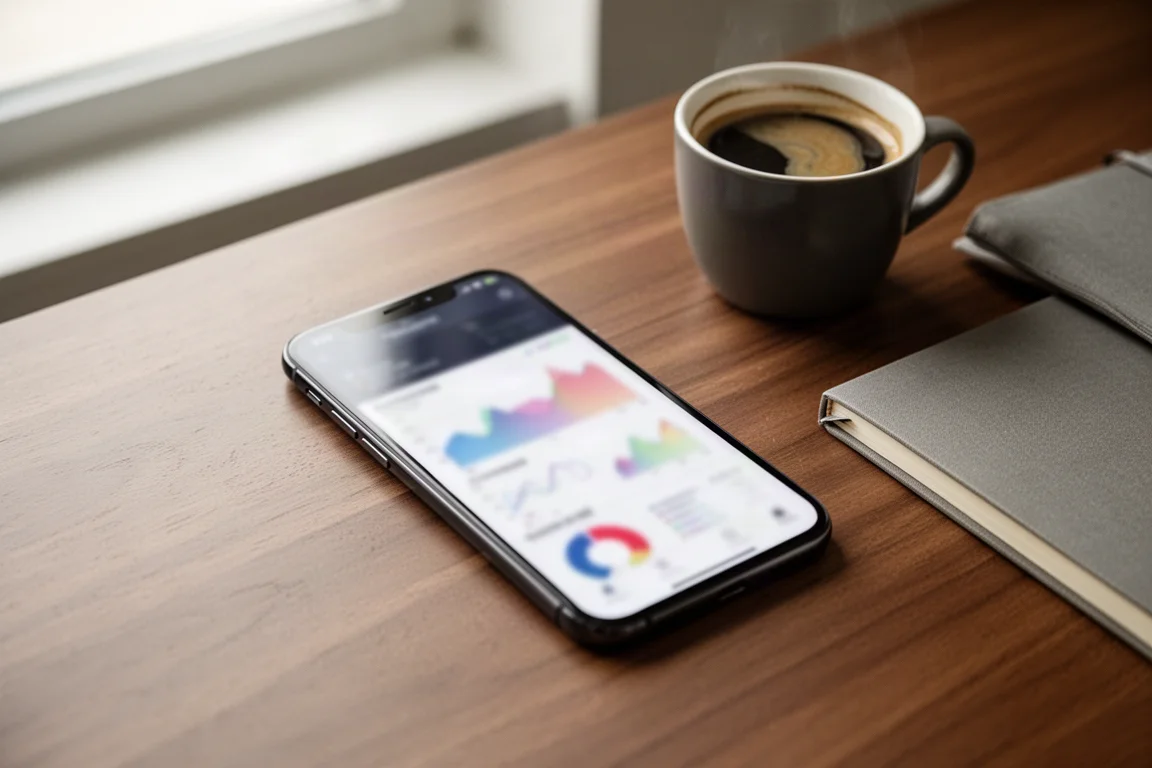
Polar has said it is redesigning the software, with big improvements planned for how data is presented and how important metrics are accessed over the coming months. Until that lands, the app lags behind the competition.
Workout Tracking: The Biggest Problem
Automatic workout detection is the Loop’s weakest area. Detected workouts are all classified as “other indoor” rather than being identified as a run, cycle, or walk, which means manual edits if you want your history organised. Sensitivity is set to medium out of the box, and even after raising it to the least sensitive level, testing showed it still logging housework and walks around the house as workouts. It also breaks runs into smaller chunks after pauses, creating split sessions that then sync to Strava as multiple short entries.
Because there are no buttons on the band, starting a manual workout requires your phone, and the lack of built-in GPS means carrying your phone for pace and routes anyway. That would be fine if the automation were reliable, but at the moment it is not, and this is the area Polar most needs to fix.
Accuracy
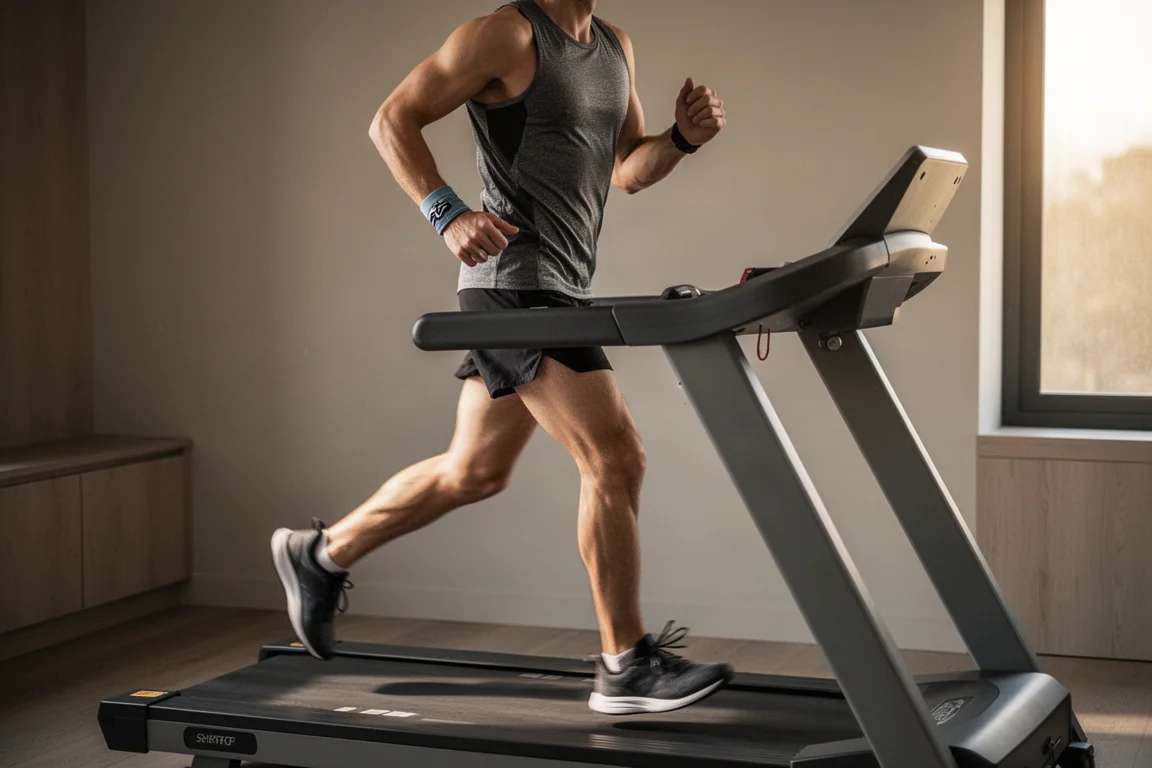
Once tracking kicked in, heart rate accuracy was genuinely reliable. On a mixed-pace run it tracked nicely against a Garmin chest strap. The problem is coverage: the Loop missed the start of sessions, and on a treadmill interval workout it failed to record the beginning and kept tracking long after the workout ended. That missing and extended data skews session averages and feeds incomplete numbers into training load and recovery stats, and there is currently no way to clip the excess data.
Sleep and Recovery Insights
Sleep tracking was one of the stronger areas. The Loop was good at catching sleep times, though it sometimes needed a manual confirmation in the app that I was awake before it registered. Sleep stages are included, but any wearable claiming truly accurate sleep stage tracking is overstating its capability, so treat those as directional.

For sleep duration, consistency, time to sleep, and wake-up times, it was pretty solid overall. Recommended bedtimes, overnight heart rate variability, and autonomic nervous system tracking feed into Polar’s Nightly Recharge recovery estimates, giving a useful read on how well you bounced back from training.
Buying Advice
If you already own a running watch from Garmin, Coros, Suunto, or Polar, most of what the Loop offers is probably already on your wrist, so there is little reason to add it. If you are new to trackers and want to run regularly, a running watch is still the better first purchase. For example, Polar’s own Pacer gives far more fitness tracking firepower for around 60 pounds more. The Loop makes sense only if you are convinced screenless background tracking is what you want. In that case it delivers comfort, decent looks, solid battery life, good sleep and recovery insights, and the one-off payment model is a real advantage over Whoop’s ongoing fee.
Conclusion
The Polar Loop gets the fundamentals right: it is comfortable, well built, lasts about a week per charge, and its heart rate accuracy and sleep tracking are dependable. But the rough app and unreliable automatic workout tracking mean it is not yet as capable as its main rival. If Polar can fix those two things, this could become genuinely good value at its price. For now, buy it only if the screenless, subscription-free formula matters more to you than polished automation.
Product link
View more details for Polar Loop
This product is mentioned in the review. Check the specifications, options, and compatibility before buying.
View more details for Polar LoopFurther reading
Related Reviews
Wearables
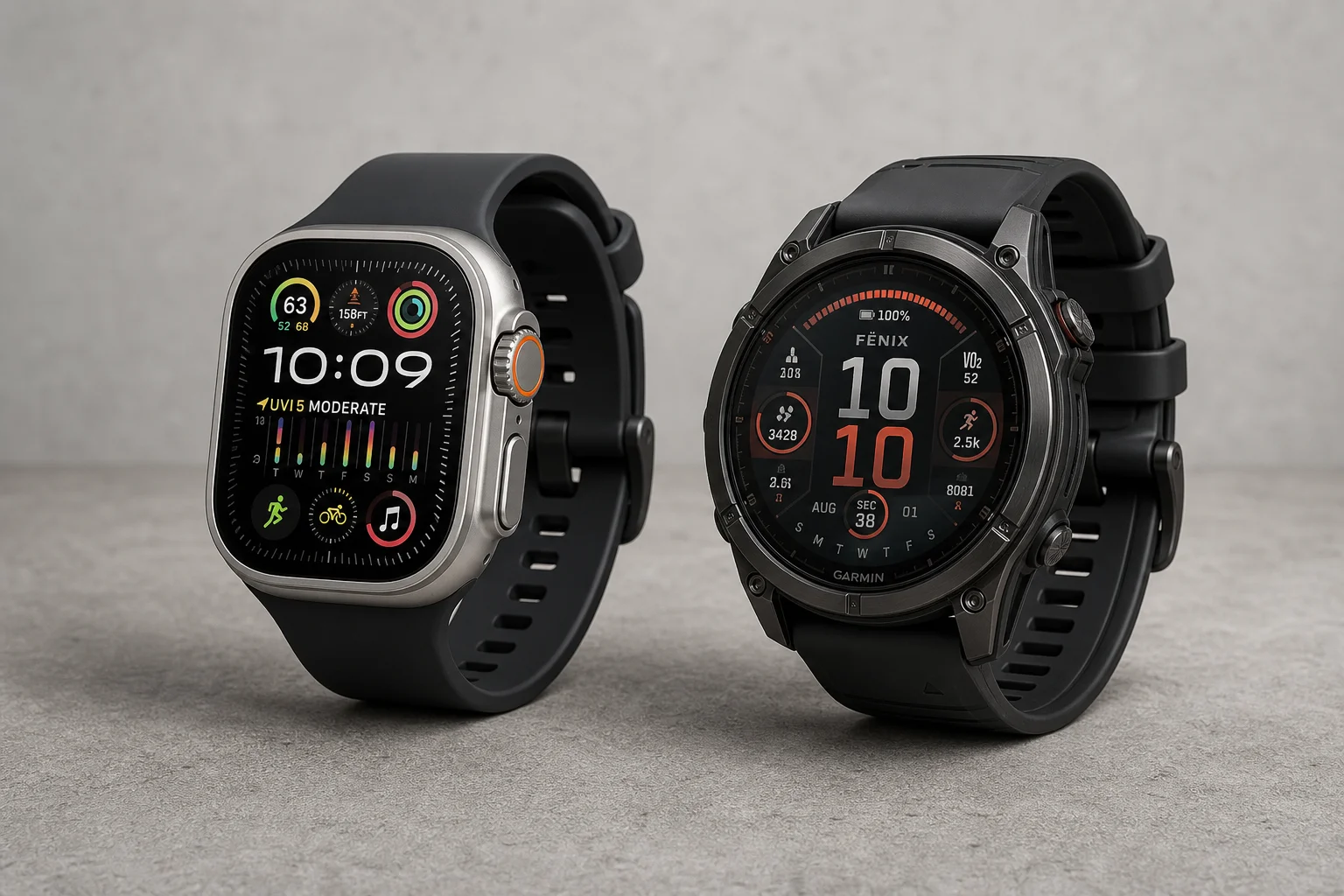
Apple Watch Ultra 3 vs Garmin: Which Training Watch Wins for Athletes
A practical head-to-head comparison of the Apple Watch Ultra 3 and Garmin for serious training, covering GPS accuracy, data tracking, usability, and recovery metrics.
Wearables
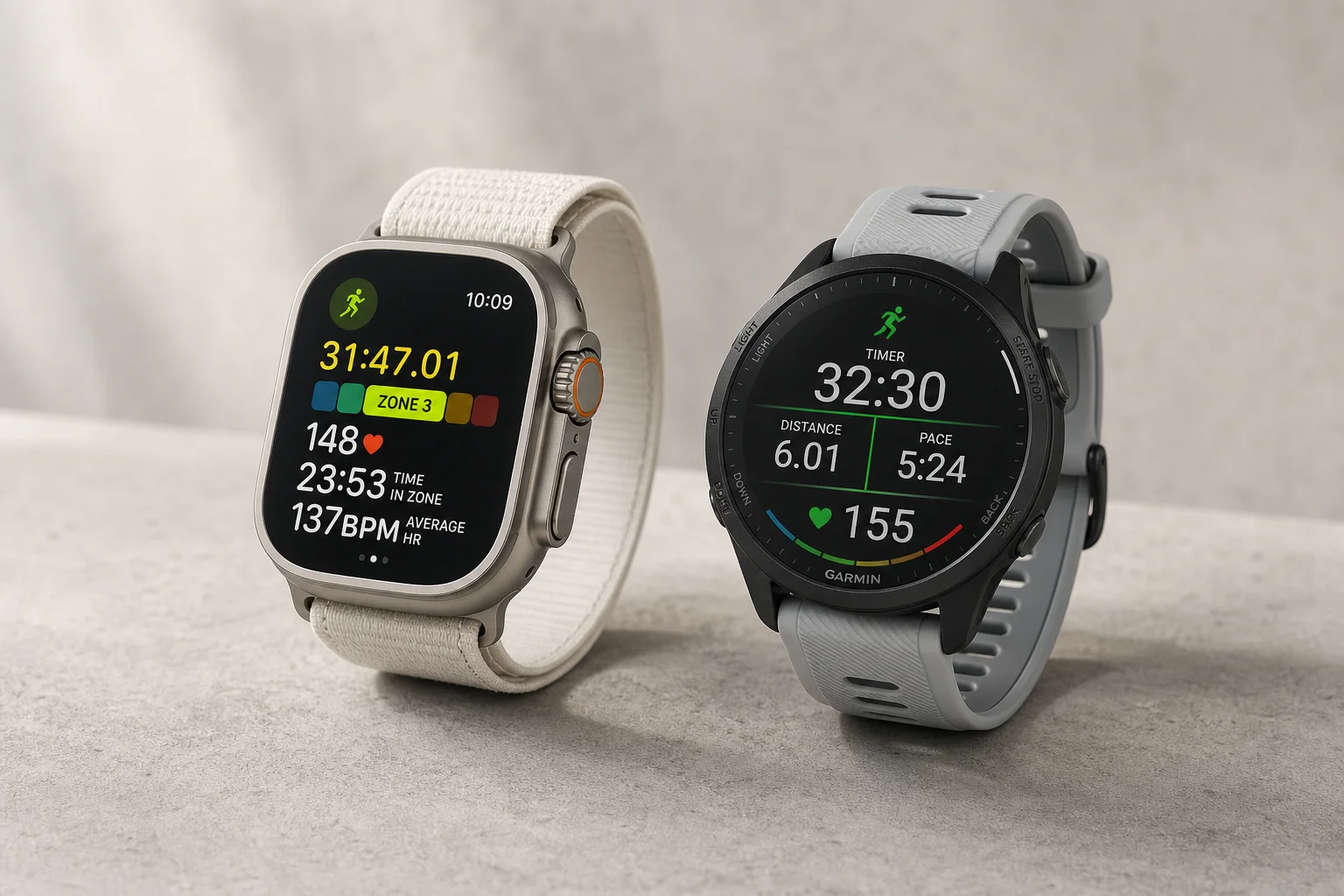
Apple Watch vs Garmin for Running: A Year of Training Compared
After a year training for marathons with both devices, here's what actually matters when choosing a running watch.
Wearables
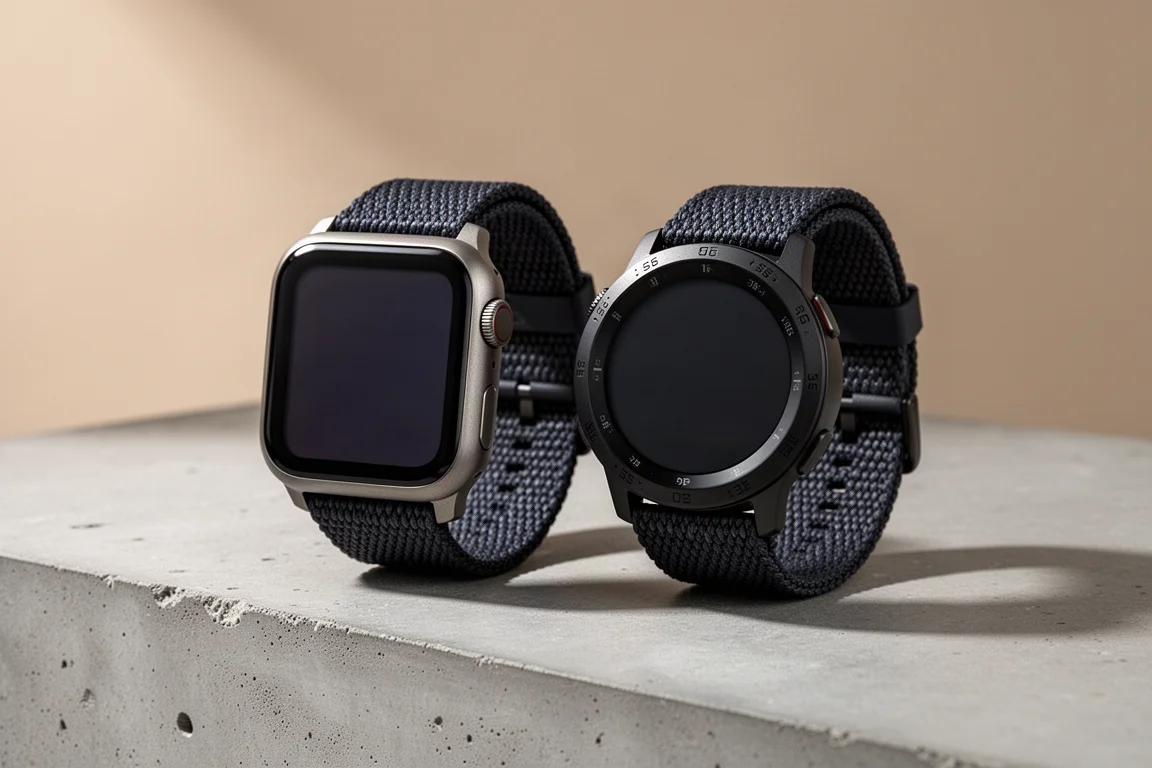
Apple Watch Ultra 3 vs Garmin Fenix 8 Pro: Satellite Messaging Compared
A practical comparison of satellite messaging on the Apple Watch Ultra 3 and the Garmin Fenix 8 Pro, covering connection methods, messaging workflows, coverage, and running costs.