Smartwatches
Polar Ignite 3 Review: A Beautiful Display Held Back by GPS
Polar's third-generation Ignite brings a sharp AMOLED screen, dual-frequency GPS and strong optical heart rate, but inconsistent GPS accuracy and a sluggish interface are real trade-offs.
Introduction
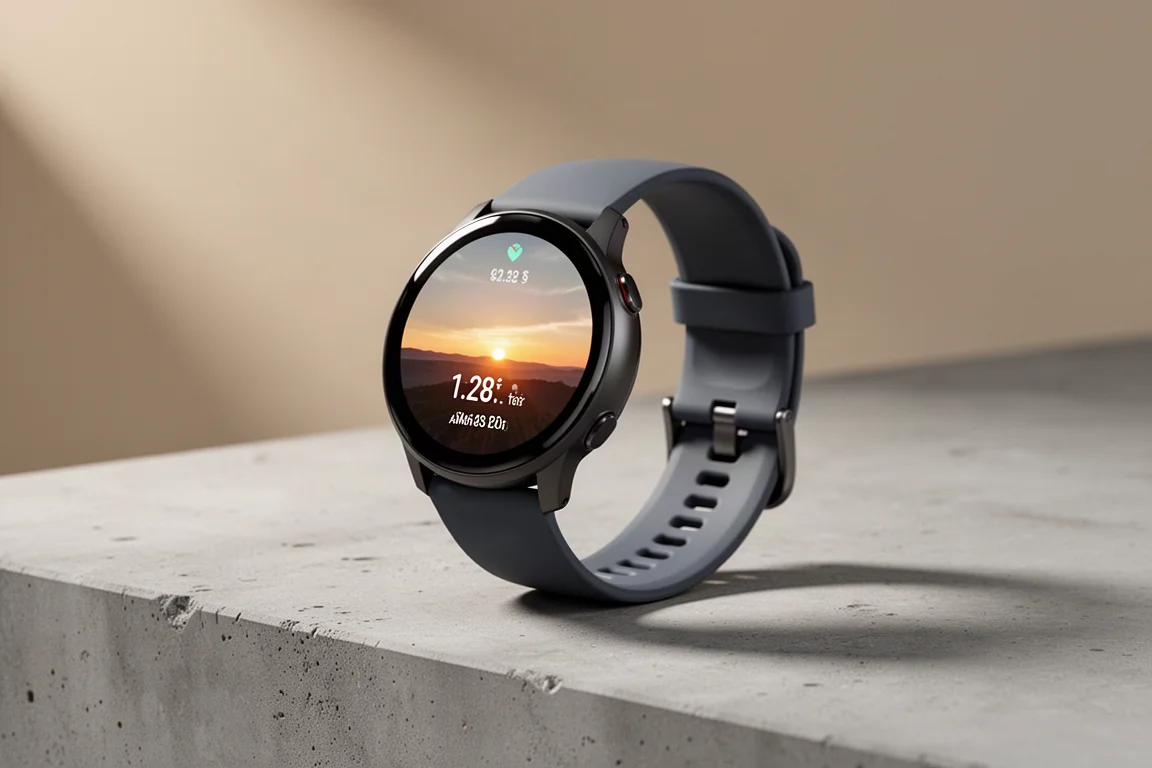
The Polar Ignite 3 is the third generation of Polar’s lifestyle-and-training focused watch, and it is easily the biggest step forward the line has seen. It introduces a new AMOLED display, a faster processor, an always-on option, and, for the first time on any Polar watch, multi-band (dual-frequency) GPS. At $329 (USD or EUR), it sits in a competitive space where both Apple and Google offer polished smartwatches at lower prices.
After extended use, the picture is mixed: the display and heart rate tracking impress, the training features are genuinely useful, but GPS accuracy and interface lag are significant compromises to weigh before buying.
What’s New on the Polar Ignite 3
The headline upgrade is the 1.28-inch AMOLED display with 416 x 416 pixels and 16 million colors, protected by Gorilla Glass 3. The glass has a slight curvature at the edges that is reminiscent of a certain minimalist smartwatch, and the overall look is arguably nicer thanks to the slightly larger display area. Always-on mode is optional; with it off, the screen goes black and wakes on a wrist raise or tap.
Battery life is claimed at five days in smartwatch mode without always-on enabled. With always-on turned on, real-world use lands at roughly a day and a half including workouts, which puts it in the same range as typical full-featured smartwatches. Polar also claims up to 30 hours of GPS battery life, though that figure seems optimistic given the battery burn observed during GPS workouts.
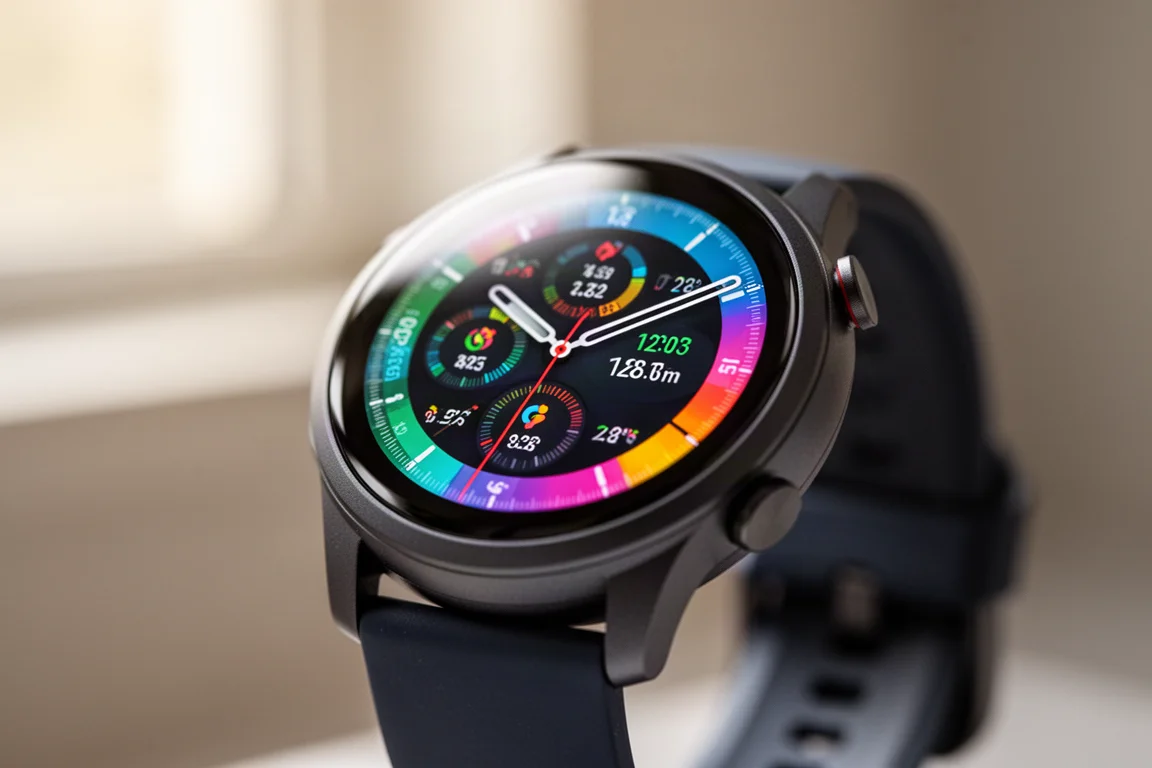
Other additions include customizable watch face complications (battery, weather, heart rate and more), though there is no watch face store, just a handful of built-in faces. Polar claims the processor is twice as fast as before, but the interface still feels noticeably laggy at times; swiping through widgets or dismissing notifications can take a moment, so a further speed bump would be welcome.
On the hardware side, the watch weighs just 35 grams and ships with two strap sizes in the box. One caution: the included strap uses a rough, sandpaper-like material that many testers found genuinely uncomfortable to wear. The good news is that it uses a standard 20mm band, so swapping it for something softer is an easy fix.
Sports Features and Training Tools
Sports coverage is where Polar’s software heritage shows. The FitSpark feature serves daily suggested workouts across strength, cardio and supportive categories. After your first workout of the day, it adapts, suggesting a supportive session to stretch out or additional cardio time if your first effort was short. Unlike some rivals, these suggestions focus on time in heart rate zones rather than specific intervals, and they work across any sport rather than just running and cycling.
The watch also gains walking and running tests for estimating VO2max, alongside the existing fitness test. The running test proved accurate in use, while the walking test is the gentler option if an all-out effort does not appeal. Tap-to-lap has been added as well, letting you record manual laps with the single button, a practical workaround on a watch with only one button plus a touchscreen.

There are up to 150 sports in Polar’s database with a few dozen loadable on the watch, support for structured workouts, interval and countdown timers, and a back-to-start feature that points you toward your starting location. Note that it only gives a direction; there is no navigation, routing, or on-watch music storage, though you can control music on your phone. You can also broadcast your heart rate over Bluetooth, which is handy for indoor bikes, training apps, or any compatible app that accepts a heart rate signal.
Two features were announced but not available at launch: SleepWise, which offers sleep-based insights for the day ahead, and voice training guidance via Bluetooth headphones, which requires your phone to be nearby. The watch has no speaker, microphone, or beeper; all alerts are vibration-based.
Heart Rate Accuracy: Polar’s Strongest Suit
Optical heart rate accuracy is excellent, arguably the best Polar optical performance in a while. During high-intensity interval sessions on an indoor bike, the sensor tracked sharp drops into recovery and rapid climbs back to very high heart rates without issue.
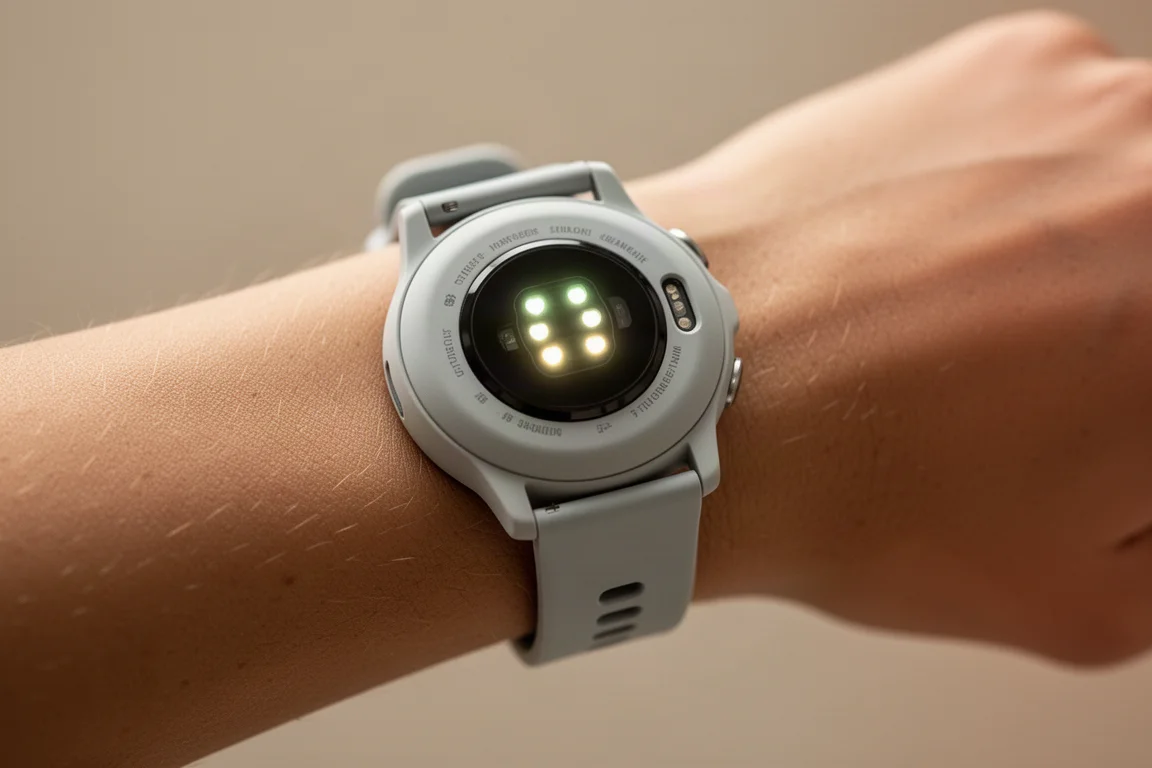
On steady-state runs and interval-style workouts, the readings lined up closely with a chest strap, including for a second tester. Given that heart rate is the foundation of most of Polar’s training features, this accuracy matters more than usual here.
GPS Accuracy: The Big Compromise
Multi-band (dual-frequency) GPS is the marquee spec, billed as the answer to tall buildings and complex signal environments. In practice, it underperformed. Across park trails, neighborhood paths, and dense city runs, tracks were frequently offset, and out-and-back routes on identical paths did not line up on themselves. In the city test, accuracy fell apart in the built-up areas.
The likely culprit is antenna design rather than the chipset itself: other brands using the same multi-band silicon achieve better results, and Polar’s own briefing acknowledged the antenna design was trickier for this particular watch. Firmware updates may nudge things slightly, but the hardware-limited nature of the problem makes a major fix unlikely. It is, plainly, the weakest multi-band GPS implementation tested to date.
Buying Advice
At $329, the Ignite 3 faces stiff competition. If you are on an iPhone, a $249 Apple Watch SE offers a smoother experience and a richer app ecosystem, though it lacks Polar’s deeper training and sport-focused features. On Android, the comparison with Google’s smartwatch is similar. The Ignite 3 counters with five days of battery life (versus roughly a day and a half on those rivals), excellent optical heart rate, and training tools like FitSpark and structured workouts that Apple and Google do not match natively.
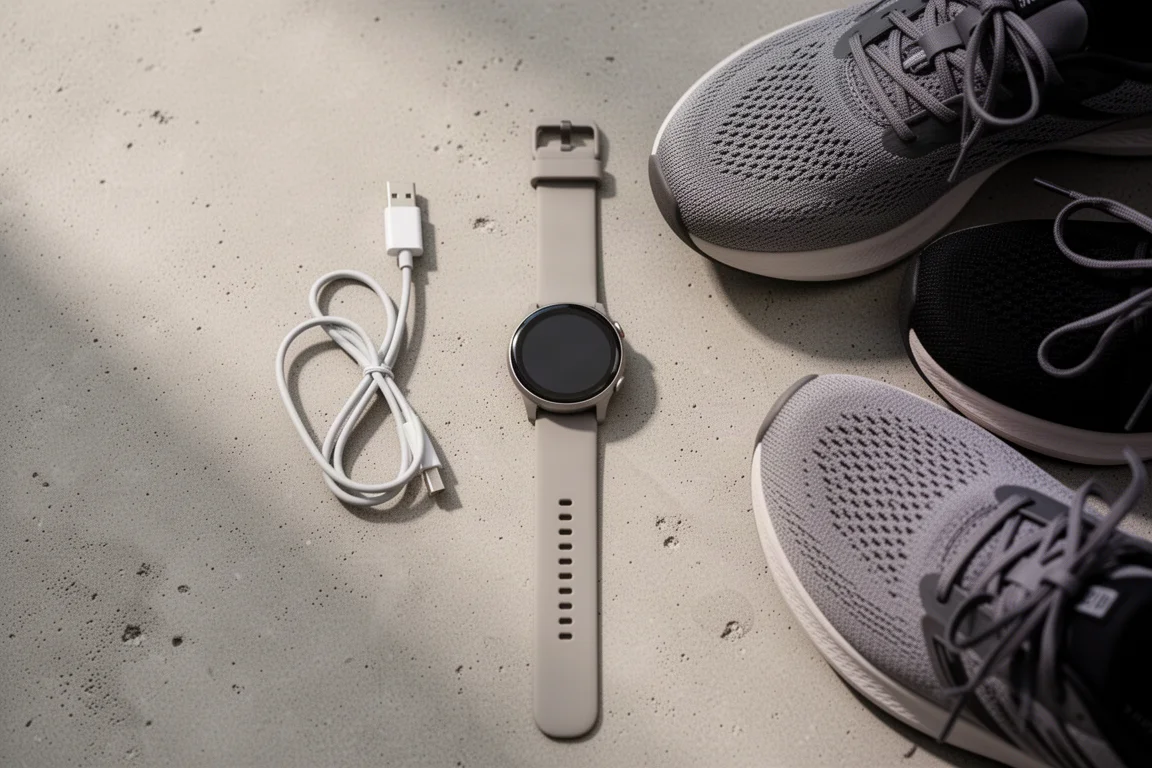
Buy it if heart rate accuracy, battery life, and Polar’s training ecosystem are your priorities, and you mostly run or train in open environments. Skip it or look elsewhere if city GPS accuracy matters, if you want a smooth interface, or if you are sensitive to strap comfort; budget for a replacement 20mm band either way.
Conclusion
The Polar Ignite 3 gets a lot right: a gorgeous AMOLED display, spot-on heart rate tracking, useful daily training guidance, and a lightweight 35-gram build. But poor multi-band GPS accuracy, interface lag, and a genuinely uncomfortable stock strap drag down what could have been a standout. If Polar’s training ecosystem appeals to you and your routes avoid dense city centers, it remains a compelling choice. For everyone else, cheaper rivals deliver more polish.
Product link
View more details for Polar Ignite 3
This product is mentioned in the review. Check the specifications, options, and compatibility before buying.
View more details for Polar Ignite 3Further reading
Related Reviews
Smartwatches
Best Budget Smartwatches 2026: Five Affordable Options That Actually Work
Five budget smartwatches tested for real daily use. From entry-level options to premium features at fraction of the cost, here's what actually delivers.
Smartwatches
Best Smartwatches on AliExpress 2026: Five Practical Options for Different Needs
Five smartwatches with strong customer feedback and competitive pricing, each suited to different priorities: premium design, battery life, outdoor durability, advanced health tracking, and sports versatility.
Smartwatches
Best Smartwatches Under $300: 9 Practical Options for Every Need
A curated selection of nine smartwatches under $300, each excelling in health tracking, durability, battery life, or fitness features. Find the right match for your lifestyle.