Fitness Watches
Garmin Epix Pro Review: 30 Days of Daily Suggested Workouts
A 30 day test of the Garmin Epix Pro and its daily suggested workouts: what the plan prescribed, how it adapted to daily life, and the FTP gains it produced.
Introduction
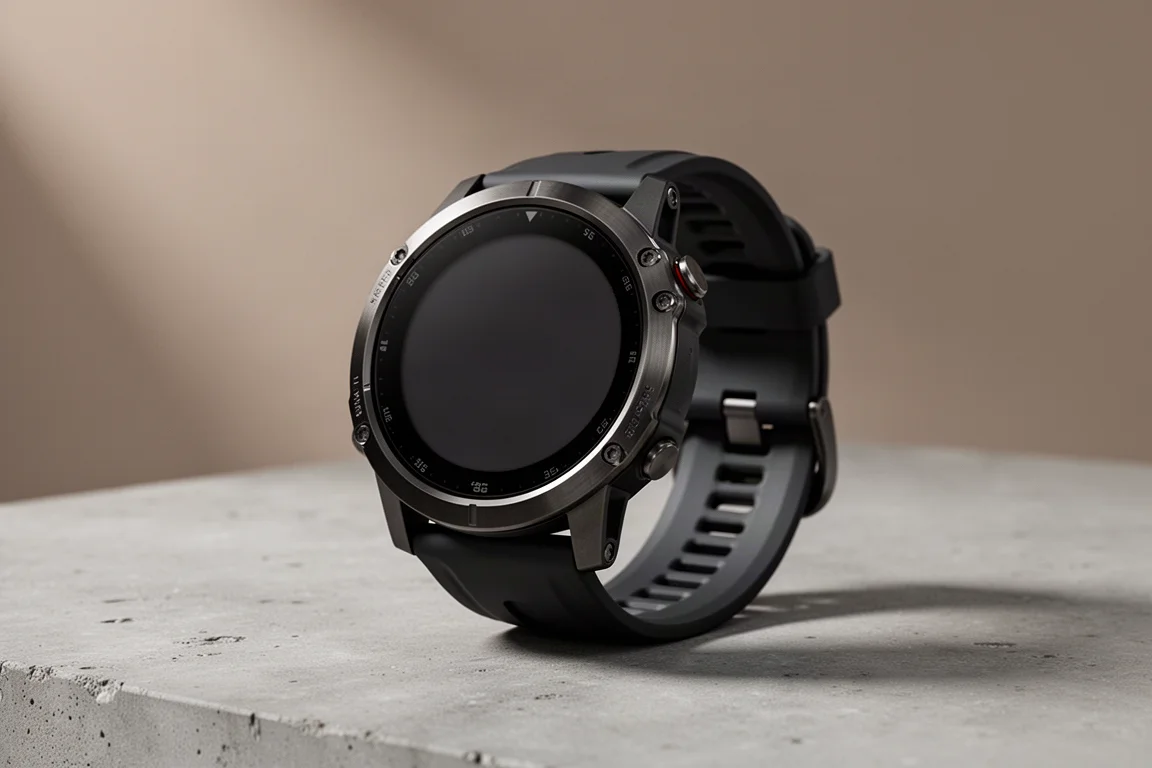
A watch that decides what training you do each day is a strange proposition. It removes the guesswork, but it also removes the choice. The Garmin Epix Pro does exactly that through its daily suggested workouts, which recommends a session every day based on how much you wear the watch and how your body is coping.
To find out whether that guidance holds up across a real training block, the watch was worn almost continuously for 30 days, with an FTP test on day zero and a ramp test on day 31. The starting FTP was 236 W. After 30 days it tested at 257 W, an increase of 21 W, and a further test two weeks later returned 271 W. Across the whole month, total training time came to around 30 hours, of which only 51 minutes and 20 seconds were spent at intensity.
That ratio is the most interesting part of the story. The plan leaned almost entirely on steady volume, and it still moved the numbers.
Who the Garmin Epix Pro Is For
This watch suits riders and general athletes who want structure without hiring a coach, and who are willing to let a device set the tone of the week. It is a good match for people with unpredictable schedules, because the plan shifts around work stress, poor sleep and long days on your feet rather than demanding that you hit a fixed session no matter what.
It is a less obvious fit for athletes who already follow a coach’s plan, or who enjoy choosing their own intervals. The daily suggestions are only one option, though. Garmin Connect also carries preset plans built around specific goals, including time trial, century and metric century programmes, and these come at no extra charge. At the other end of the scale, you can enter a target event in the calendar and the watch builds a plan with a base period, a build phase and a taper towards race day.
How the Daily Suggested Workouts Performed
The watch shows the week ahead, so you can see roughly what is coming, though the schedule does change. In practice, the 30 day block was dominated by base riding. Sessions ranged from 60 minutes at 125 W to 90 minutes and beyond at a similar output, with occasional step-ups to 150 W and one session that stretched to 1 hour 58 minutes.
Intensity arrived rarely. There was a sprint session of 5 x 20 seconds, a longer set of 14 x 10 second sprints performed twice, and threshold work of 2 x 15 minutes at 220 W. Recovery rides of 30 minutes at 125 W appeared after the hardest days.
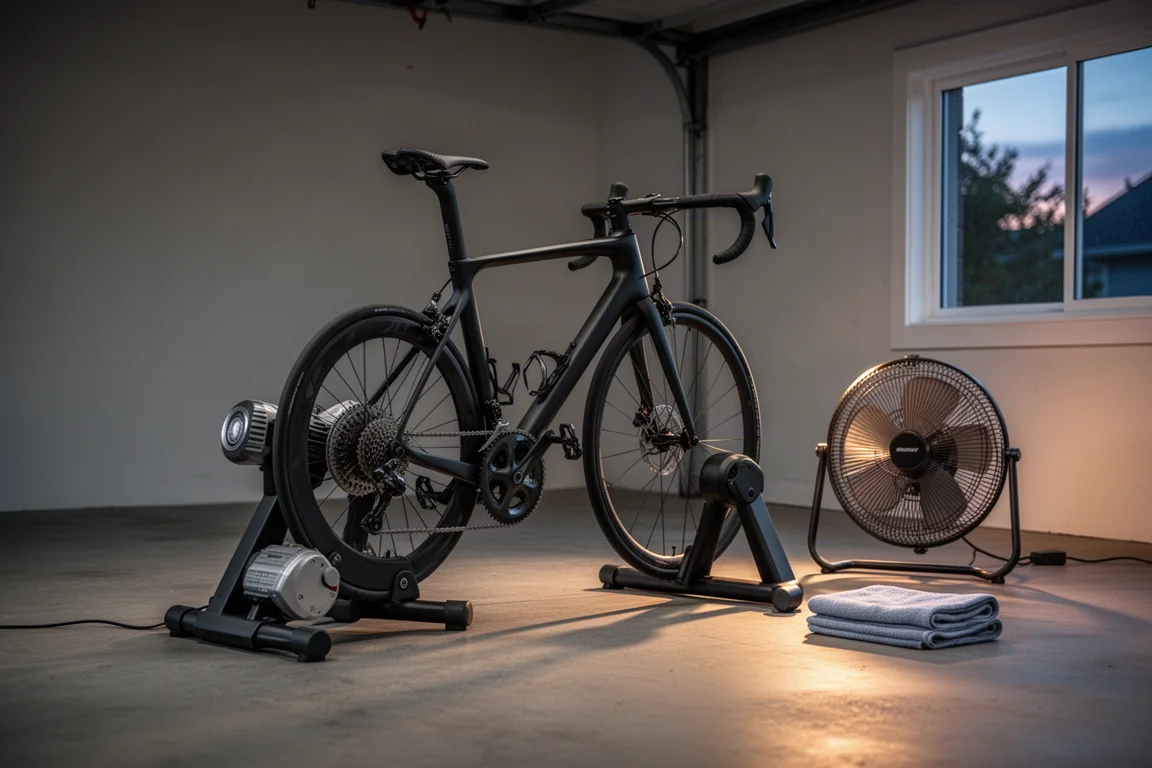
On an indoor trainer, the watch pairs with the unit and runs in ERG mode, holding the prescribed power so you can simply pedal. Outdoors, the same sessions work but demand more discipline, particularly on climbs where it is easy to drift well above the target.
Main Strengths: Training Guidance That Adapts
The strongest argument for the daily suggestions is how they respond to the rest of your life. The watch measures heart rate variability, the small variations in the gaps between heartbeats, and uses that alongside movement metrics and heart rate to judge how tired you are. A morning report puts those signals in one place.
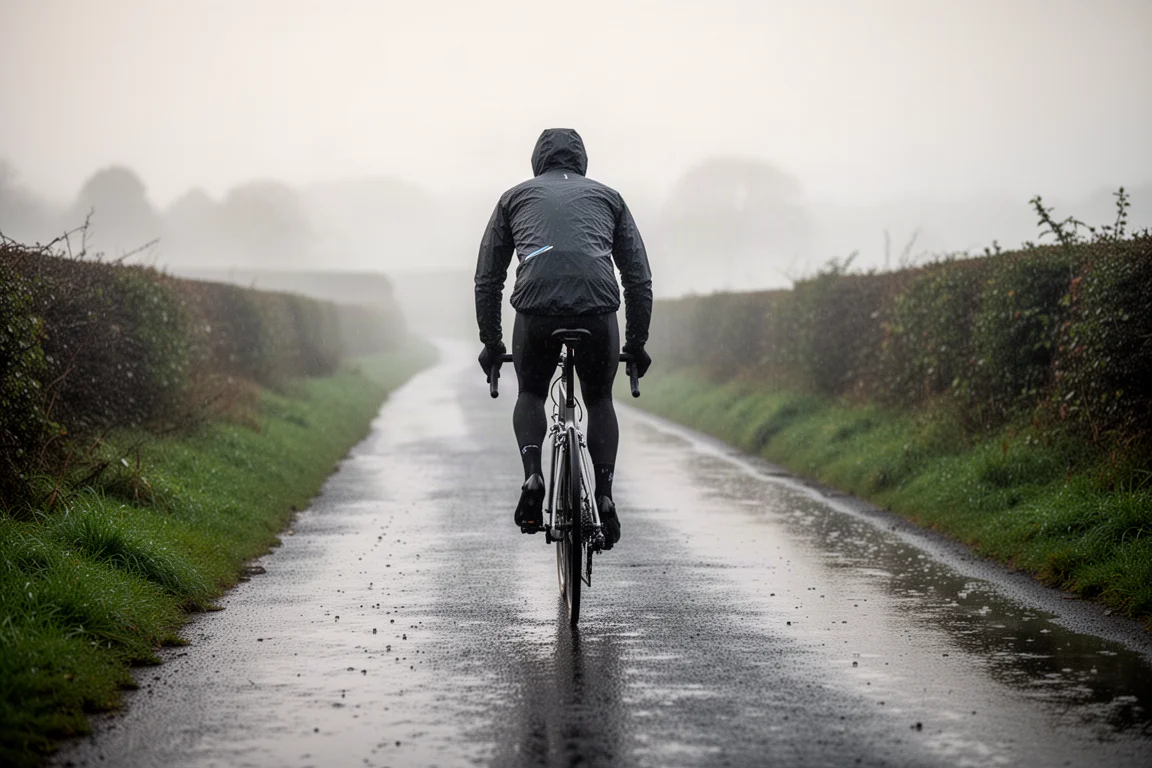
The practical effect is visible. After a day spent on your feet, up and down ladders and shifting heavy boxes, the plan softened rather than scheduling a hard threshold session. A trip away from home with no bike produced a rest day, and a demanding stretch produced two rest days in a row. The watch consistently erred on the side of caution, and it never pushed close to the edge.
The other strength is simplicity. Choosing a workout each day was easy, the sessions were manageable, and the whole block fitted around work and family life without feeling like a second job.
Recovery, HRV, and Rest Days
Heart rate variability is worth understanding because it drives much of what the watch recommends. Ideally your beats sit within a certain range, but more uniform gaps can point to stress, while more variation generally indicates you are coping well. Combined with sleep, movement and heart rate, that gives the watch a working picture of your readiness each morning.
Rest days were a recurring theme. Several were prescribed when they felt unnecessary, and at least one stretch produced consecutive rest days after travel and everyday stress. Since adaptation happens during recovery, those days were treated as part of the plan rather than a gap in it.

The watch does not insist on round numbers either. Prescribed sessions ran to odd durations such as 1 hour 3 minutes or 1 hour 7 minutes, which reflects a plan that is being recalculated rather than copied from a template.
Things to Consider Before Buying
The daily suggestions are conservative by design, and that shapes the whole experience. Some sessions felt too easy, and across 30 hours of training only about 51 minutes were spent at intensity. Athletes who enjoy hard efforts may find the pace frustrating.
The watch’s own estimate of threshold can also lag. During the block the prescribed threshold target sat at 220 W, below the 236 W FTP measured on day zero, so it is worth treating the watch’s number as a training guide rather than a current test result.
Rest days arrive whether or not you feel you need them, and the recommendations depend heavily on how much you wear the watch. Results also take time to appear: the benefits of the final week of training only showed up in the test two weeks after the block ended, which is worth remembering if you expect quick gains.
Buying Advice
Buy the Garmin Epix Pro if you want a training structure that adapts to your life without you having to plan it, and if you are comfortable with steady volume being the main ingredient. It is a strong choice for riders juggling work, commuting and inconsistent free time, because the plan bends instead of breaking.

If you would rather chase intensity, or you already have a coach, the daily suggestions may add less value, and the free preset plans on Garmin Connect are a sensible place to start instead. Whichever route you take, wear the watch consistently. It does not need to be a 24 hour commitment, but the more data it has, the more useful the recommendations become.
Conclusion
The Garmin Epix Pro turned a month of unglamorous base riding into a 21 W gain, and the number kept climbing to 271 W two weeks later. The plan was short, manageable and rarely intense, and it fitted around a normal working life without friction. For anyone who wants structure handled for them, that is a persuasive package.
Product link
View more details for Garmin Epix Pro
This product is mentioned in the review. Check the specifications, options, and compatibility before buying.
View more details for Garmin Epix ProFurther reading
Related Reviews
Fitness Watches
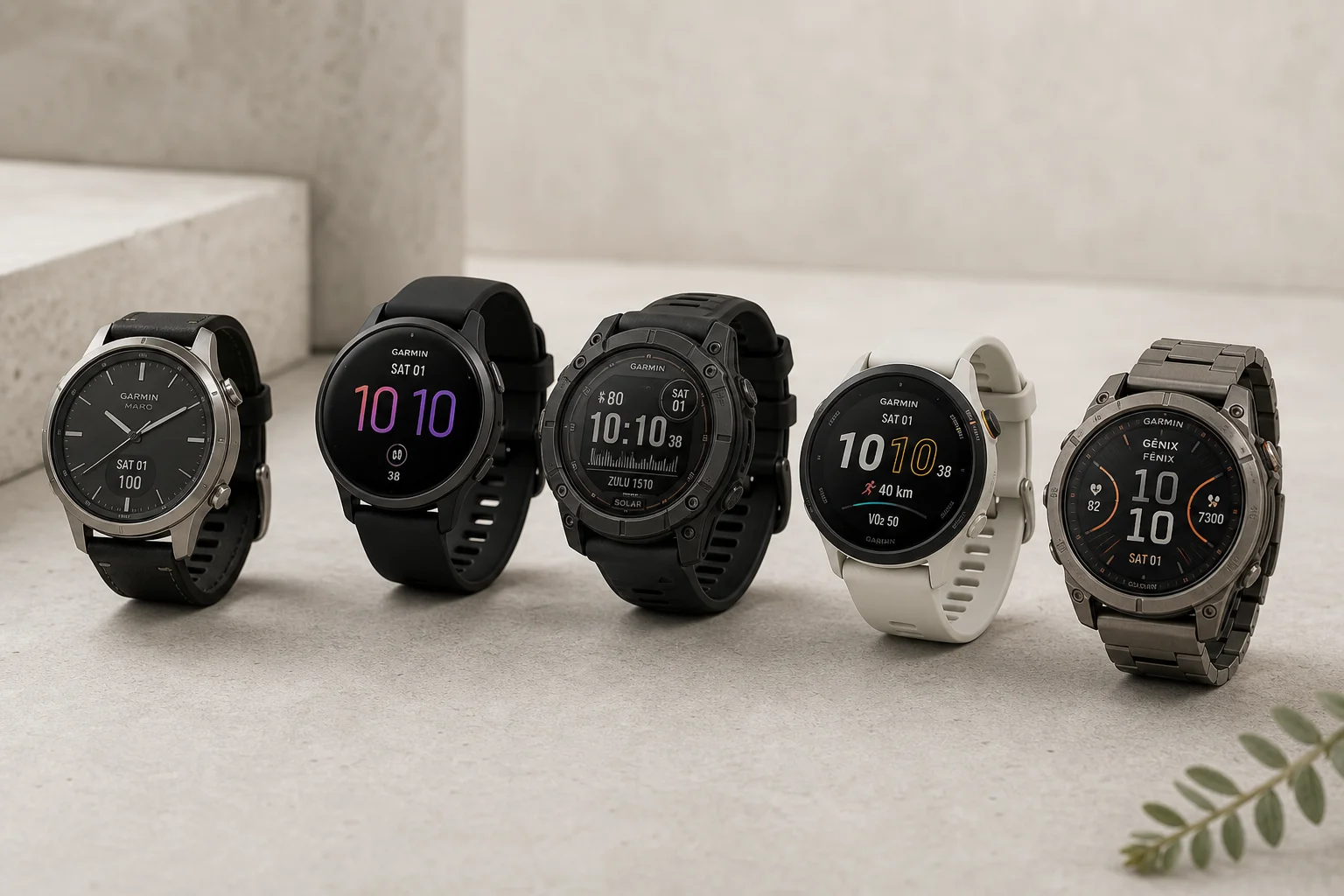
Garmin Watch Buying Guide: Finding the Right Model for Your Fitness Goals
Navigate Garmin's extensive watch lineup with a practical guide covering classic designs, smartwatch features, rugged options, and serious running watches.

Backpacking Gear
Building a 10 lb Base Weight: An Ultralight Backpacking Gear List
A practical walkthrough of the ultralight pieces behind a 10 lb base weight, from a 765 g pack and a roomy one-person tent to a full camp chair and a dependable water filter.

Road Bikes
10 New Road Bikes Worth Watching: Aero, Titanium, Steel and Endurance Standouts
A practical roundup of 10 new road bikes, from aero flagships chasing single-watt gains to titanium, steel and endurance platforms built for real roads.