Fitness Watches
Coros Apex 4 Review: A Lightweight Mountain Sports Watch Built for Accuracy
The Coros Apex 4 pairs best-in-class weight and battery life with dual-frequency GPS, an always-on MIP display, and a durable fiber-reinforced polymer case.
Introduction
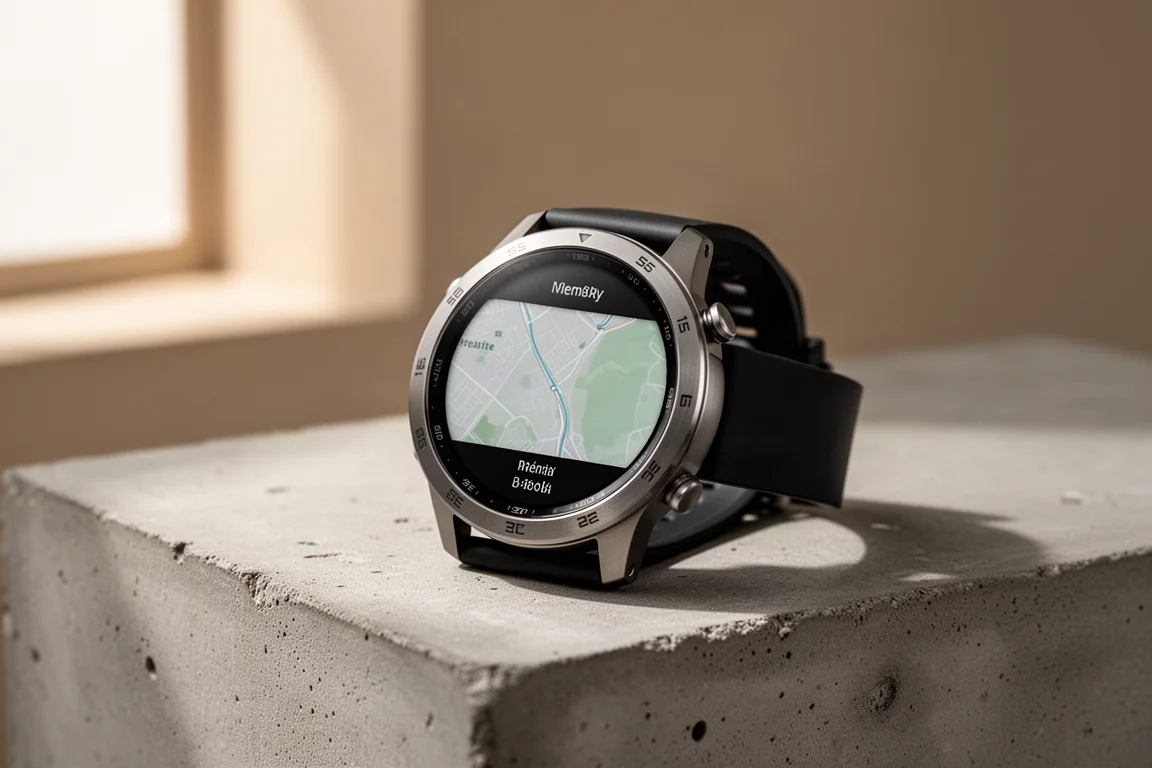
The Coros Apex 4 lands right in the middle of the brand’s lineup, sitting between the lightweight, runner-focused Pace series and the long-endurance Vertex line. Coros skipped the number three entirely and used the Apex 4 to reestablish the Apex as a mountain athlete’s watch, one built for trail running, climbing, hiking, skiing, and biking rather than any single sport.
The pitch is simple: keep the long battery life and dependability Coros is known for, then add faster maps, more accurate GPS on difficult terrain, and a few genuinely useful extras. At $479 for the 46mm version ($429 for the 42mm), it undercuts plenty of rivals while claiming best-in-class weight and battery numbers.
Who the Coros Apex 4 Is For
This is a watch aimed at people who build their identity around outdoor sports. If you are a serious runner, climber, mountaineer, skier, or cyclist who wants reliable data day after day, the Apex 4 fits that profile well. It works as a capable running watch too, but its real edge shows up on vertical, technical terrain.
For pure road runners, the lighter and cheaper Pace series may still make more sense. And for adventure athletes who need maximum battery and ruggedness, the Vertex line remains the top-of-the-line option. The Apex 4 deliberately occupies the space between them, and for most mountain athletes that space is exactly where the best value lives.
Design, Weight, and Comfort
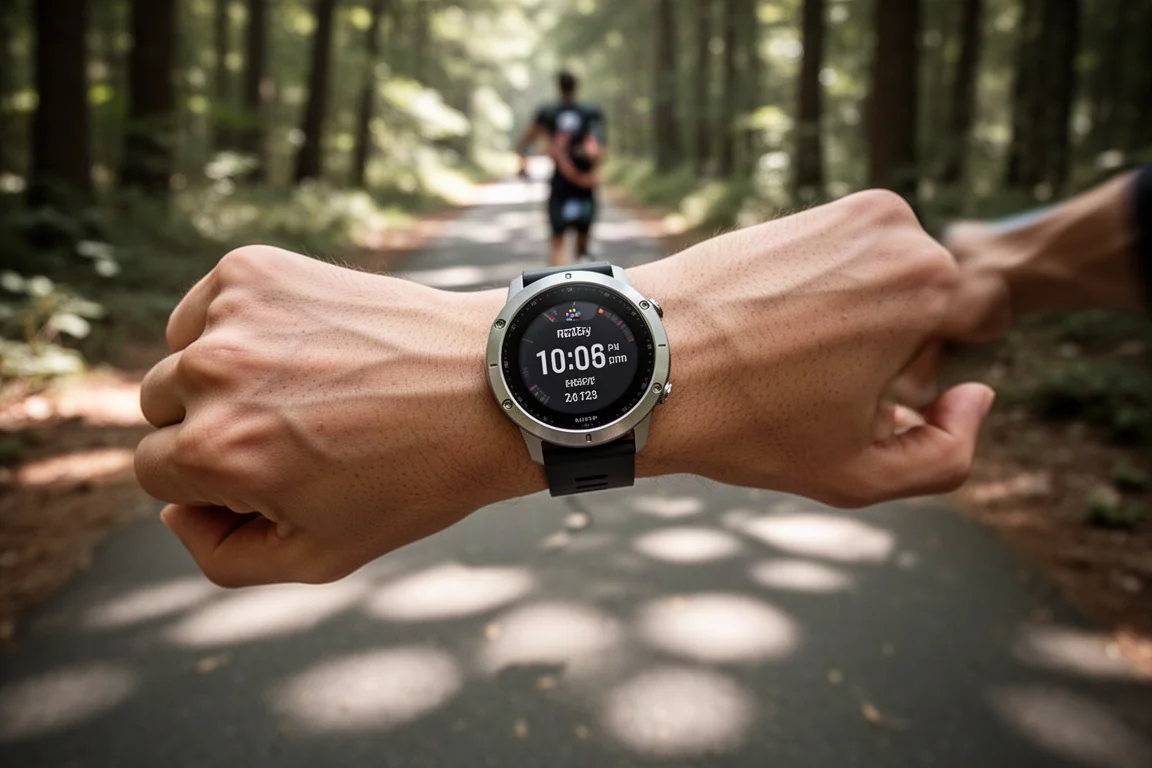
Weight is where the Apex 4 makes its strongest case. It comes in at 64g with the silicone band, lighter than every Fenix variant and lighter than the Suunto Vertical 2, despite offering more battery life than the Vertical 2’s 55-hour rating. Coming from a Vertex that weighs north of 80g, the difference is immediately noticeable on the wrist.
The watch uses a fiber-reinforced polymer case that blends carbon and Kevlar into a material that feels lighter and softer than titanium or stainless steel while remaining highly durable. The new updated silicone band feels good out of the box, though it can be swapped for Coros’s lighter, more comfortable nylon Velcro band, a worthwhile upgrade.
You get a 46mm case with a large, easy-to-read display, plus a 42mm version that costs $50 less. The 46mm is worth the premium if you value on-the-go viewability and slightly longer battery life.
Display: Always-On MIP Over AMOLED
Coros stuck with a memory-in-pixel (MIP) screen instead of the brighter AMOLED panels found on the Pace Pro or some Suunto and Garmin rivals. The MIP panel here is an updated version that is more colorful and brighter than previous generations, and the difference is visible next to something like the Vertex 2S.
The reasoning is practical. AMOLED screens look beautiful but consume significant battery, and they can lag briefly when waking from a dimmed state. On a climb or a trail run, an always-on MIP display is simply ready the moment you glance down, in shade or full sun, without a wake delay. For a performance-oriented mountain sports watch, that trade is easy to defend, and it is what enables the exceptional battery numbers below.
Battery Life and GPS Accuracy
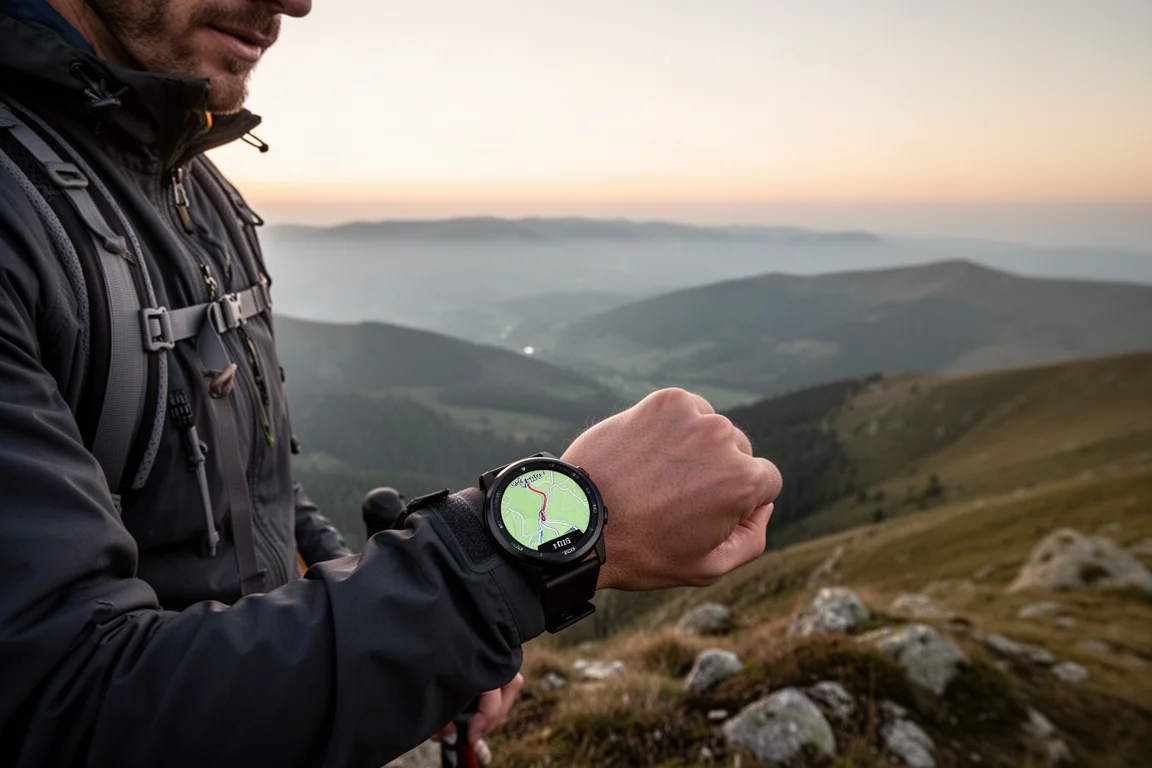
Specs put the Apex 4 at up to 65 hours of GPS in endurance mode, the least accurate setting. In testing, that mode held up fine at most paces on open, rolling terrain, though steep canyons or heavy cover can compromise signal. For long 100-mile races on open ground, 65 hours is plenty.
The default high accuracy mode delivers roughly 50 hours in practice, with a claimed 53. That is remarkable for a 64g watch, and it uses pings every second from whichever of the five major satellite systems is closest and most accessible, the same standard all major watch brands follow.
Where Coros pushes ahead is with dual-frequency capability and updated algorithms for vertical terrain. By pulling from multiple satellite systems simultaneously, the watch maintains accuracy in dense trees, steep technical terrain, canyons, and even urban environments where single-frequency watches struggle. The result is consistent, dependable data, which is ultimately what most athletes want.
Maps and Navigation
Maps on the Apex 4 load effectively instantly, thanks to a substantially faster processor and updated software. Older Coros watches showed a slight lag and jump every few seconds; here the map simply keeps up. The MIP screen renders deep, rich colors and far more map detail than before, with points of interest, street names, and trail names displayed clearly.
The new favorite button is a quiet standout. Instead of digging through the toolkit mid-activity to open a map, you assign it to a button press and it pops up instantly, in any activity. You can also reach it with a swipe. For anyone who wanders off planned routes as a matter of habit, having the map always one press away changes how the watch gets used day to day.
Durability: Sapphire Glass and Fiber-Reinforced Polymer
The display is covered in sapphire glass, second only to diamond in hardness, and the same glass used on the Vertex line has survived years of use without a single scratch. The fiber-reinforced polymer case adds durability without the weight of titanium or stainless steel.
Real-world abuse tells the story: bounced around on a bike, scraped through brush and trees, knocked against rocks, and dropped multiple times, the watch still looks like it came out of the box. If you cannot afford to replace watches regularly, this is meaningful reassurance.
Everyday Features: Music, Payments, and Calls
Music support is limited to stored MP3 files. There is no Spotify or Apple Music app on the watch, and no contactless payment capability either. If those two features top your list, look elsewhere.
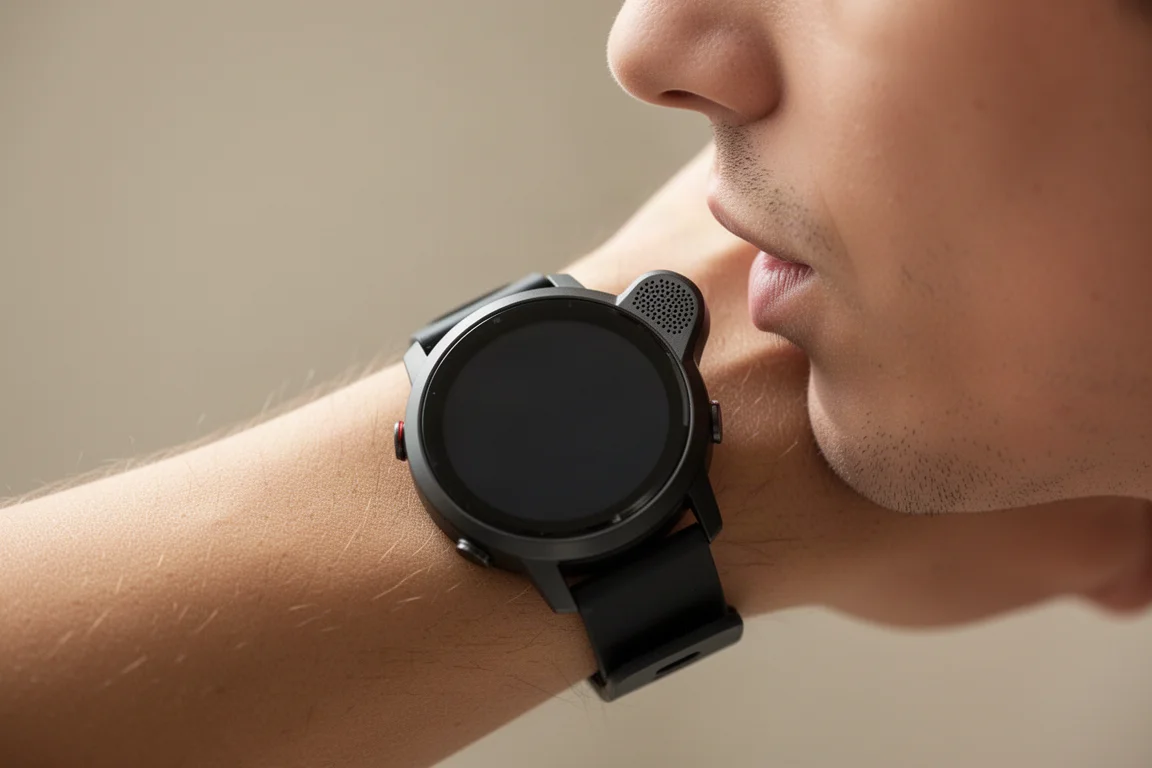
The surprise is the new speaker and microphone. The Apex 4 can take phone calls directly on the watch, no phone required, and call quality reportedly sounds like a proper phone speaker on both ends. The speaker also enables voice pins: speak a note about a turn, a trail junction, or trail conditions mid-run, and it attaches to your map for later. It is a small feature with real utility for forgetful explorers.
Buying Advice
At $479 for the 46mm and $429 for the 42mm, the Apex 4 is aggressively priced for what it delivers: best-in-class weight for its battery category, dual-frequency GPS accuracy, instant maps, sapphire glass, and a genuinely useful app.
The Coros app itself is a real part of the value. It is simple, user-friendly, and completely free, with no subscription paywall. It houses all your activity data, sleep, HRV, menstrual cycle tracking, race predictions, performance guidance, route creation with turn-by-turn directions, workout building, and full customization of watch screens and data pages.
Choose the 46mm if you want maximum battery and a bigger display; choose the 42mm if you want to save $50 and prefer a smaller case. Either way, if performance, accuracy, and dependability matter more to you than music streaming and tap-to-pay, the Apex 4 is an easy recommendation.

Conclusion
The Coros Apex 4 does not try to be everything. It skips music streaming apps and contactless payments, and it favors an always-on MIP screen over flashier AMOLED hardware. What it delivers instead is a rare combination: a 64g build, up to 65 hours of GPS, dual-frequency accuracy on brutal terrain, instant detailed maps, and near-indestructible construction, all at a competitive price with no subscription fees. For serious runners and mountain athletes, it is one of the most complete packages available today.
Product link
View more details for Coros Apex 4
This product is mentioned in the review. Check the specifications, options, and compatibility before buying.
View more details for Coros Apex 4Further reading
Related Reviews
Fitness Watches
Garmin Epix Pro Review: 30 Days of Daily Suggested Workouts
A 30 day test of the Garmin Epix Pro and its daily suggested workouts: what the plan prescribed, how it adapted to daily life, and the FTP gains it produced.
Fitness Watches
Garmin Watch Buying Guide: Finding the Right Model for Your Fitness Goals
Navigate Garmin's extensive watch lineup with a practical guide covering classic designs, smartwatch features, rugged options, and serious running watches.
Fitness Watches
Garmin Forerunner 165 Review: Garmin's Budget Smartwatch Finally Gets AMOLED
The Forerunner 165 brings an AMOLED display, strong GPS accuracy, and running-focused training tools down to a friendlier price point.