Sports Watches
Polar Grit X2 Review: A Compact Rugged Sports Watch With Real Value
The Polar Grit X2 packs maps, dual-frequency GPS, sapphire glass and Polar's full training suite into a smaller, more affordable adventure watch, though battery life and the user experience hold it back.
Introduction
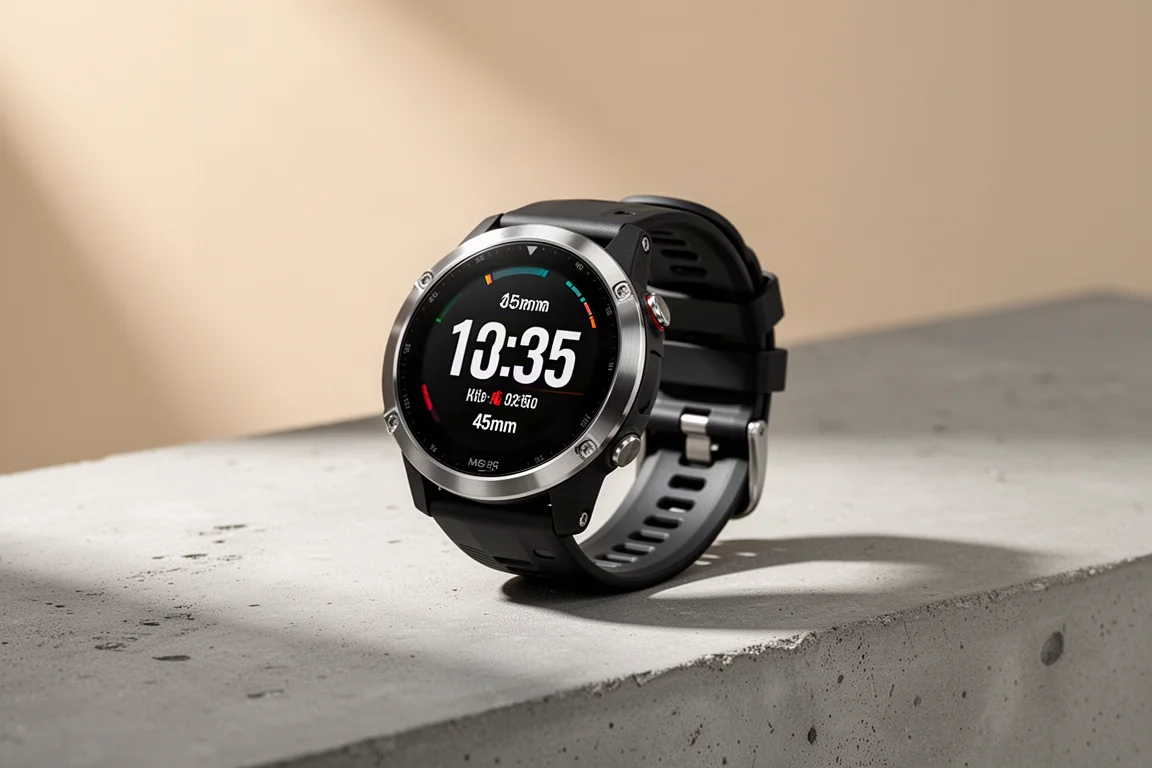
The Polar Grit X2 is the long overdue update to the Grit X, arriving as a compact, rugged and more affordable alternative to the Grit X2 Pro. It carries the same suite of Polar training, racing, navigation and recovery features as its stablemate and the Vantage V3, along with sapphire glass, an AMOLED display, full-colour maps and 30 hours of GPS battery life. After several months of testing, the picture is of a well-priced, accurate and capable watch whose main shortcomings are its thickness and a dated user experience.
Design and Build
Everything is more compact than the Grit X2 Pro. You get a smaller 1.28-inch sapphire glass AMOLED touchscreen set in a more wrist-friendly 45mm frame with a stainless steel bezel and plastic front and back casing. It weighs 62g, which is 17g lighter than the Grit X2 Pro, though water resistance is rated to 50m rather than the Pro’s 100m. Both share the same military-grade durability rating.
{{image:1}}
The smaller circumference sits well on the wrist, and the materials feel genuinely premium for the price. It is an outdoor-adjacent watch that does not look overly rugged, which will suit anyone who wants adventure-ready qualities without a bulky build dominating the wrist. The silicone band can also be swapped for any standard 22mm watch strap.
Features and Specifications
The Grit X2 offers essentially identical firepower to the Grit X2 Pro. That includes Polar’s full sleep tracking and coaching tools, Nightly Recharge, Recovery Pro, Training Load Pro, FitSpark, FuelWise, the Work-Rest Guide, vertical speed and VAM, plus the full suite of fitness and recovery tests.
Navigation tools range from offline maps and route syncing from Strava and Komoot, to Track Back, route guidance and Hill Splitter, which breaks down your efforts on climbs. Storage is up to 32GB, mainly for offline maps, and there is dual-frequency GPS alongside Polar’s fourth-generation optical heart rate sensor with ECG-grade Elixio technology.
Battery Life
Battery life is where the Grit X2 steps back from the Pro. On paper, you get 30 hours of GPS tracking in performance training mode, rising to 90 hours in power-saving eco mode and roughly 7 days in smartwatch mode. The Grit X2 Pro manages 43, 120 and 10 days respectively.
In testing, day-to-day battery drained faster than expected. With the always-on screen off but brightness on full, one test yielded just two days with three hours of GPS training, while a second test got close to four days with less GPS use. A one-hour run burned around 5% on average, and overnight drain measured a hefty 9 to 12%. You can now charge the watch while tracking with a power bank, which is handy for a quick boost at an aid station. Using always-on display modes will shorten runtime further compared with rivals at this price.
Mapping and Navigation
Mapping is one of the Grit X2’s real strengths. Polar sits close behind Garmin in functionality, and the map experience is responsive and slick, lagging less than some rival watches. Getting maps onto the watch is a bit fiddly initially, but once loaded, turn-by-turn navigation works well with routes synced from Strava and Komoot.
{{image:2}}
There is also breadcrumb-style navigation support if you are not uploading routes, and the smaller screen does not meaningfully restrict the experience. It is essentially the same navigation package as the Pro model.
Accuracy
Accuracy proved consistently strong. Dual-frequency GPS performed as well as pricier dual-band rivals such as the Garmin Forerunner 970 and even the Fenix 8, with distances staying within a margin of error throughout. Tracks show occasional wobbles, but so did the comparison watches, and none were infallible.
Heart rate tracking was nearly all hits compared against a chest strap across many runs, with only occasional issues during high-intensity efforts. For steady-paced runs the optical sensor was a close match for a chest strap, though pairing a strap remains advisable if you rely heavily on heart-rate data for hard intervals.
Things We Liked
The compact design is the headline draw. Most outdoor watches come with hefty builds that do not cater for smaller wrists, so it is refreshing to see Polar pack top-tier features and premium materials into a more accessible form. The sapphire screen and tiny bezel are particularly welcome, and the watch remains well built despite the softer casing.
The unified feature strategy is also shrewd. Polar now keeps its feature set consistent across devices, so choosing between them comes down to size, build, materials and battery life rather than functionality. New feature updates should roll across the lineup, which adds a degree of future-proofing. At $399 in the UK, with no official US price yet but a converted estimate around $500 to $550, it undercuts the Garmin Forerunner 570 while delivering a complete training, recovery and health package with accurate tracking and solid maps.
Things We Did Not Like
The watch is thick. It sticks out from the wrist considerably, which lessens the benefit of the smaller case, and it is less comfortable than some slimmer mid-range rivals such as the Forerunner 970. The bundled silicone strap is chunky and rigid, and a softer nylon option would be welcome.
{{image:3}}
The user experience is the bigger issue. Polar’s interface feels dated, with menus that can be frustrating, basic watch faces, and a limit of just four data fields per activity screen. The Polar Flow app is busy and feels stuck in a desktop-era design, needing cleaner, more glanceable presentation of its useful data. Smartwatch features are also limited: music controls only, no offline Spotify, notifications you cannot respond to, no contactless payments, no voice tools, and a very sensitive phone-left-behind alert. There is no front-facing flashlight either. One isolated software bug on the test unit occasionally failed to record distance, though this may not be widespread.
Alternatives Worth Considering
Garmin’s Forerunner 570 costs more and lacks maps, but offers a better user experience and nicer on-wrist feel. Older Garmin watches like the Forerunner 265 or Epix Pro 43mm, especially when discounted, deliver stronger all-round packages with better mapping. The Garmin Instinct 3 is more overtly rugged, also lacks maps, but presents training and smartwatch features slightly better.
{{image:4}}
Suunto and Coros arguably do better than Polar right now. The Suunto Race is very well priced with similar features, though the Grit X2 offers a bit more in training analysis. The Coros Pace Pro lacks the premium materials but is cheaper, lighter, thinner and easier to use, with more data shown on the watch itself. Garmin remains dominant but is rarely great value, which gives Suunto and Coros room to undercut it.
Conclusion
The Grit X2 is not a hold-the-front-page product. There is nothing revolutionary in the feature set or the design, and it still relies on Polar Flow, which is less finessed than rival apps. But it is a big step on from the Grit X of five years ago: a well-featured, map-packing rugged watch that is more compact, friendlier to smaller wrists, more of a 24/7 wearable, and more affordable than many big rugged rivals. The shorter battery life and limited smartwatch smarts are real trade-offs, but Polar has delivered a good hit of value in a watch that ticks most, if not all, of the right boxes.
Product link
View more details for Polar Grit X2
This product is mentioned in the review. Check the specifications, options, and compatibility before buying.
View more details for Polar Grit X2Further reading
Related Reviews
Sports Watches
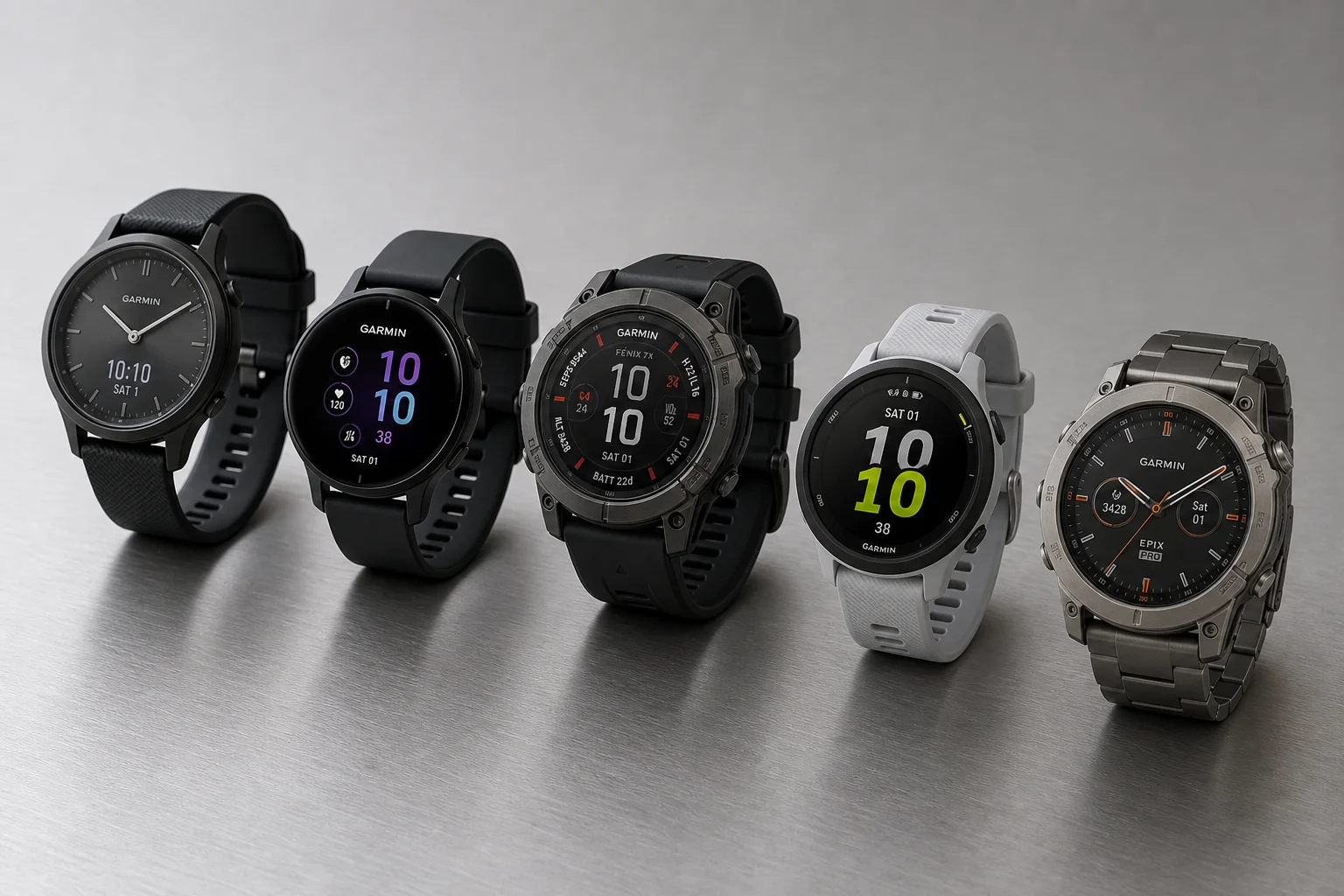
Garmin Sports Watch Guide: Finding the Right Model for Your Fitness Level
A comprehensive overview of Garmin's sports watch lineup, from casual fitness trackers to advanced multisport devices, helping you choose the right model for your needs and budget.
Sports Watches
Coros Pace Pro Review: A Complete Overhaul That Finally Feels Premium
Coros rebuilt the Pace Pro from the ground up with an AMOLED display, onboard maps, and a new heart rate sensor. Here is how it all holds up in real use.
Sports Watches
Polar Vantage M3 Review: The Sweet Spot in Polar's New Watch Lineup
A closer look at the Polar Vantage M3, which brings an AMOLED display, dual-frequency GPS, offline maps and the same software platform as Polar's flagship watches at a friendlier price.