Sports Watches
Polar Grit X2 Pro vs Garmin Epix 2 and Epix Pro: Which AMOLED Sports Watch Makes Sense?
A head-to-head look at Polar's Grit X2 Pro against the Garmin Epix 2 and Epix Pro, covering design, GPS, heart rate, maps, battery life and value.
Introduction
The Polar Grit X2 Pro is Polar’s most serious attempt yet at taking on Garmin at the top end of the AMOLED sports watch market. It goes up against two very familiar rivals: the Garmin Epix 2, now over two years old but still a benchmark for features, and the newer Epix Pro range, which adds a built-in flashlight, a new heart rate sensor and a choice of three sizes.
This comparison treats the Epix 2 and Epix Pro as near-equals. Beyond the flashlight, the extra battery of the 51mm model and a handful of size differences, their software features are effectively the same, so the real question is Polar versus Garmin.
Prices and Model Lineup
The Epix Pro starts at £830 or $900 for the standard models and rises to £1,100 or more for the best Sapphire titanium version. The Epix 2 sits lower, at around £400 for the standard model in the UK and $800 in the US, with sapphire models at £800 or $900.
The Polar Grit X2 Pro undercuts the Epix Pro, at £749 or $750 for the standard model and £749 or $870 for the titanium Titan model. Base versions of all three watches use steel cases and bezels, while the premium tiers move to titanium. On Garmin’s titanium models you also get a sapphire crystal screen; on the cheaper steel Garmin watches you get Gorilla Glass. Polar, notably, includes sapphire crystal across both of its variants.
Design, Screens and Everyday Use
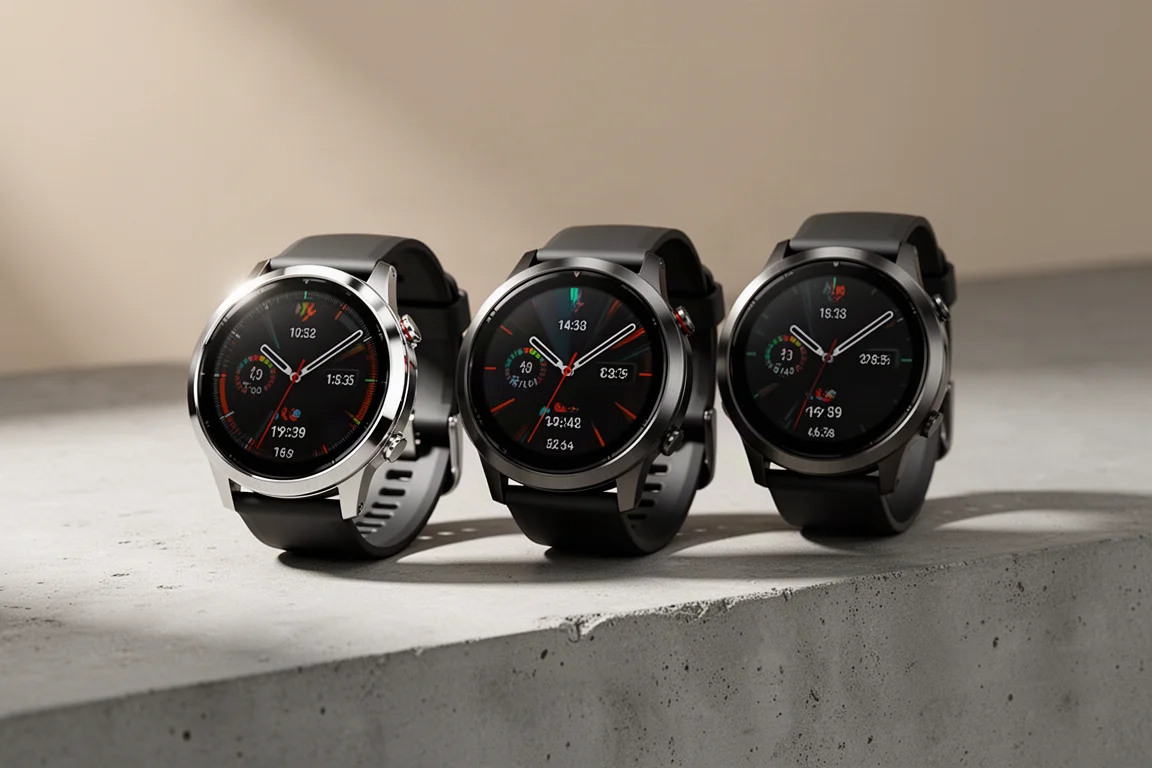
The Grit X2 Pro measures 48.6mm, sitting between the two larger Epix Pro sizes, and it is thinner and lighter than the Garmin watches across equivalent materials. It is a genuinely good-looking watch, and Polar has done a slightly better job of making the AMOLED colours pop: even with sapphire glass over the screen, the Polar display looks livelier than the Garmin equivalent, which can appear a touch dull in comparison.
On screen sizes, Garmin depends on the model: 1.2 inches on the smallest 42mm Epix Pro, 1.3 inches on the standard Epix Pro and the Epix 2, and 1.4 inches on the 51mm model. The Polar, despite being a smaller watch, matches the screen size of the largest Garmin.
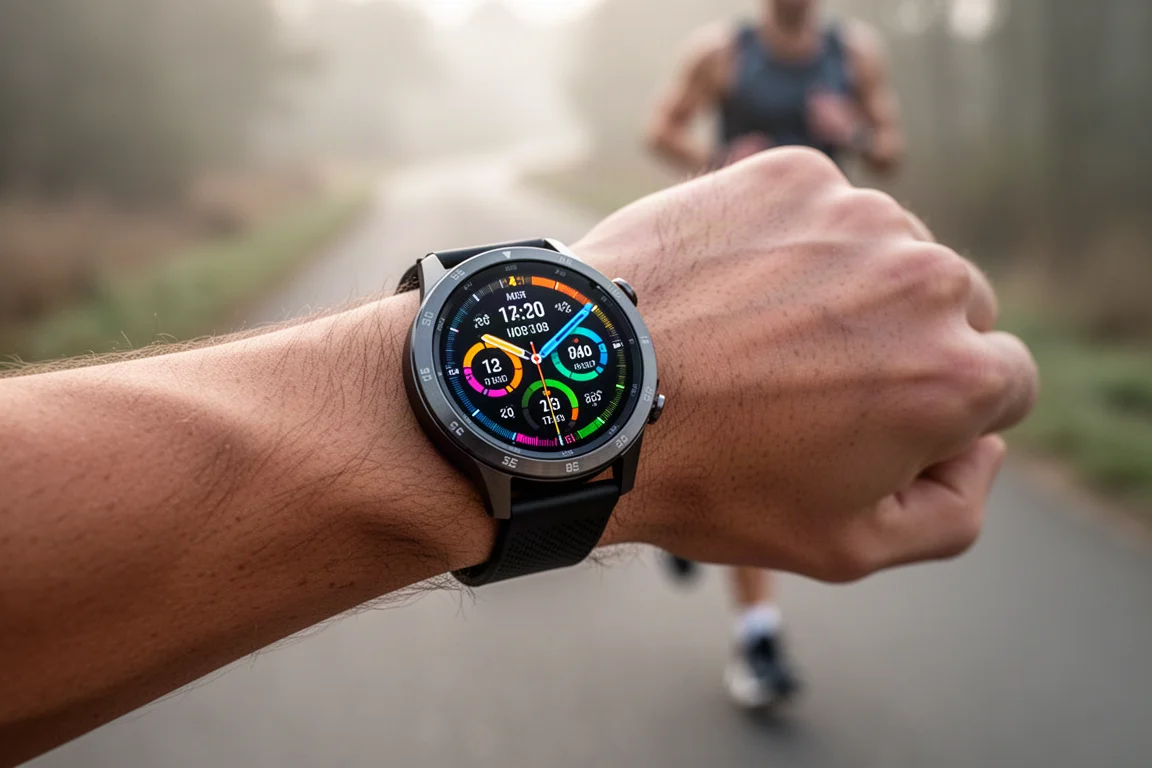
One big design difference is the flashlight. The Epix Pro has a built-in LED flashlight that is very handy even for everyday life, and because it is separate from the screen you can still see the display while it is on. The Epix 2 and the Grit X2 Pro instead offer a screen-based flashlight mode that is not as bright or as useful. Polar’s main design shortfall is watch faces: Garmin offers many more, both natively and through the Connect IQ store, and Polar’s options are limited and not especially data-rich. The general Garmin interface also feels a bit better organised, with widgets that are easier to scroll through, though both platforms are pleasant day to day.
GPS Accuracy: Garmin Holds the Edge
Polar took a big step forward with dual-band GPS on the Grit X2 Pro, and in day-to-day use it is very good. The problem is that Garmin’s dual-band GPS is simply the best on the market, and both the Epix 2 and Epix Pro proved more reliable over long-term testing.
The Polar has a habit of being a bit dodgy in the first kilometre of a run, taking longer to lock on and sometimes recording clearly wrong traces even when it reports a lock. Occasional runs will cut corners or drift to the wrong side of the road. Those first-kilometre wobbles aside, pacing races and structured workouts with the Polar remains perfectly practical, and the difference in real training is rarely dramatic. It is just that Garmin produces fewer errors, consistently, over months of use.

Heart Rate Tracking: Even Across the Board
Here the three watches are quite close. The Epix Pro’s new sensor is a little better than the one on the Epix 2, and Polar’s tracking has improved from the Vantage V3 to the Grit X2 Pro, but all three still struggle in similar conditions, particularly in cold weather and on thin wrists.
Optical heart rate on all three throws up enough errors that none is reliable enough to base every training decision on. If you judge intensity from heart rate or rely on training analysis features, pairing an external chest strap or armband with any of these watches is worthwhile. In warm weather they all do better, and the Grit X2 Pro’s trajectory suggests Polar is still refining the sensor behind the scenes, which is promising.
Sports Tracking and Training Analysis: Garmin Is More Feature-Rich
Garmin’s sports tracking is easier to use and more intuitive. Structured workout builders make creating interval sessions on the watch itself straightforward, whereas Polar’s equivalent feels fiddly, constantly requiring target adjustments. Polar also limits you to four data fields on screen even though the watch face is as large as the bigger Garmin’s, which shows up to eight stats at once. One genuine Polar plus: it can show both manual and automatic lap splits in your data fields, something Garmin does not offer.
On training analysis, Garmin gives you considerably more: training readiness, endurance score, hill score and deeper training load insights. Polar still covers the basics well, with daily workout recommendations through FitSpark and recovery insights via Nightly Recharge, but the platform has not advanced much recently. If you use training data seriously, Garmin simply offers more, and much of it is genuinely useful.
Maps and Navigation: Polar Catches Up, Garmin Stays Ahead
The maps are the headline new feature on the Grit X2 Pro, and they are genuinely good: bright, colourful and easy to read on the AMOLED screen, whether following a route or checking a breadcrumb trail of where you have been.
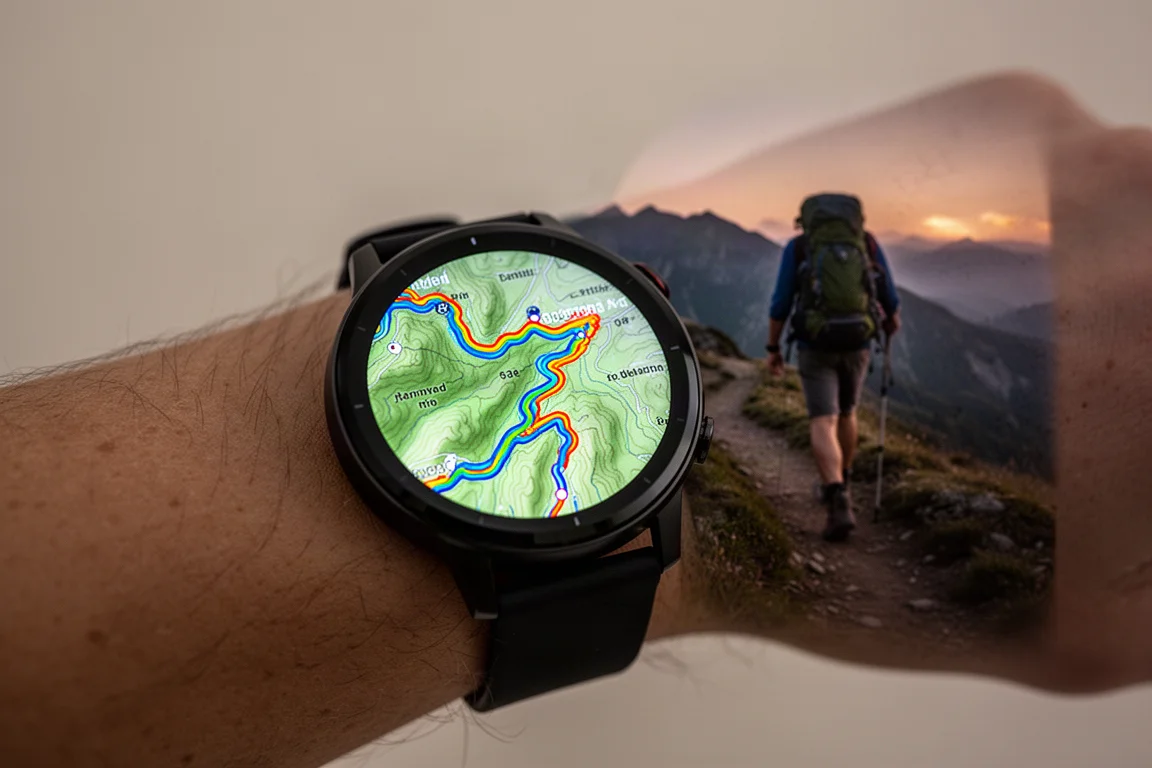
Garmin, however, still leads navigation overall. Its maps are routable and location-aware, so you can create routes on the fly or navigate back to a trail if you get lost. Features like ClimbPro break out every climb and descent on a route, showing remaining distance and elevation so you can judge effort on long or switchback-heavy ascents. Garmin’s app also lets you create and send routes to the watch easily, while on Polar you generally need a partner app for turn-by-turn navigation, which adds friction.
Smartwatch Features: Garmin Is Clearly Smarter
Music storage and NFC payments are available on both the Epix Pro and Epix 2, and both tap into the Connect IQ store, which offers useful apps, watch faces and more. None of these watches matches a true smartwatch, but the Garmins are clearly the smarter of the bunch.
Polar covers the basics with a nicely designed weather forecast widget, notifications and music controls for your paired phone, but without onboard music storage the gap is significant if smarts matter to you.
Battery Life: The 51mm Epix Pro Is in a Different League
The Epix 2 and Grit X2 Pro are broadly comparable, lasting around four to five days on a charge with heavy use: daily running with multi-band GPS, always-on screen and notifications enabled. The Polar’s always-on display is more basic than Garmin’s, a simple digital or analogue screen, and it seems to drain more between activities, but with real use the two are very close. Polar’s multi-band GPS battery life for a single activity does outlast the Garmin Epix watches, which matters if you take on long ultra-distance events, though you will not hit the headline figures with a bright always-on screen.
The 51mm Epix Pro doubles that, reaching around 10 days with the always-on screen, daily runs and notifications, and with the screen set to raised-to-wake you can look at weeks of battery life. That is a huge advantage among AMOLED watches, but you pay substantially more for the larger body.
Activity and Sleep Tracking: Polar More Accurate, Garmin More Consistent
Both platforms handle daily activity well, and all three watches are similarly useful for keeping you active between workouts. Polar adds estimated steps for activities that do not naturally involve stepping, pushing your step count higher.
On sleep, Polar’s analysis is more detailed and probably a bit more accurate when it works. The catch is that it frequently fails to track a night at all, leaving you without the Nightly Recharge and HRV data in the morning. Garmin tracks reliably every night but is slightly less accurate, sometimes logging light sleep while you are awake reading or watching TV late at night. Garmin’s Training Readiness stat, judged over time, gives a useful daily picture of your body’s state, even if a single reading is best taken with a pinch of salt.
The Verdict
The Grit X2 Pro is the best watch Polar has made, with a genuinely excellent design and screen, and it works very well as an everyday watch. But Garmin still wins on features, and it wins on execution too: GPS accuracy, navigation, music storage, training analysis and watch face choice all favour Garmin, and even Polar’s long-standing features have not kept pace with Garmin’s relentless feature additions.
The Epix Pro 51mm stands out for its exceptional battery life, though at a much higher price. The Epix 2 is probably the best of the bunch for features per pound: it is often found cheaper than the Polar, particularly in the UK, and it is the more feature-rich watch. The Grit X2 Pro is a very good watch and a fair bit cheaper than the Epix Pro when comparing like-for-like materials, but to convince buyers away from Garmin it would need to be a lot cheaper, or bring something Garmin does not already do better.
Best for Value: Garmin Epix 2
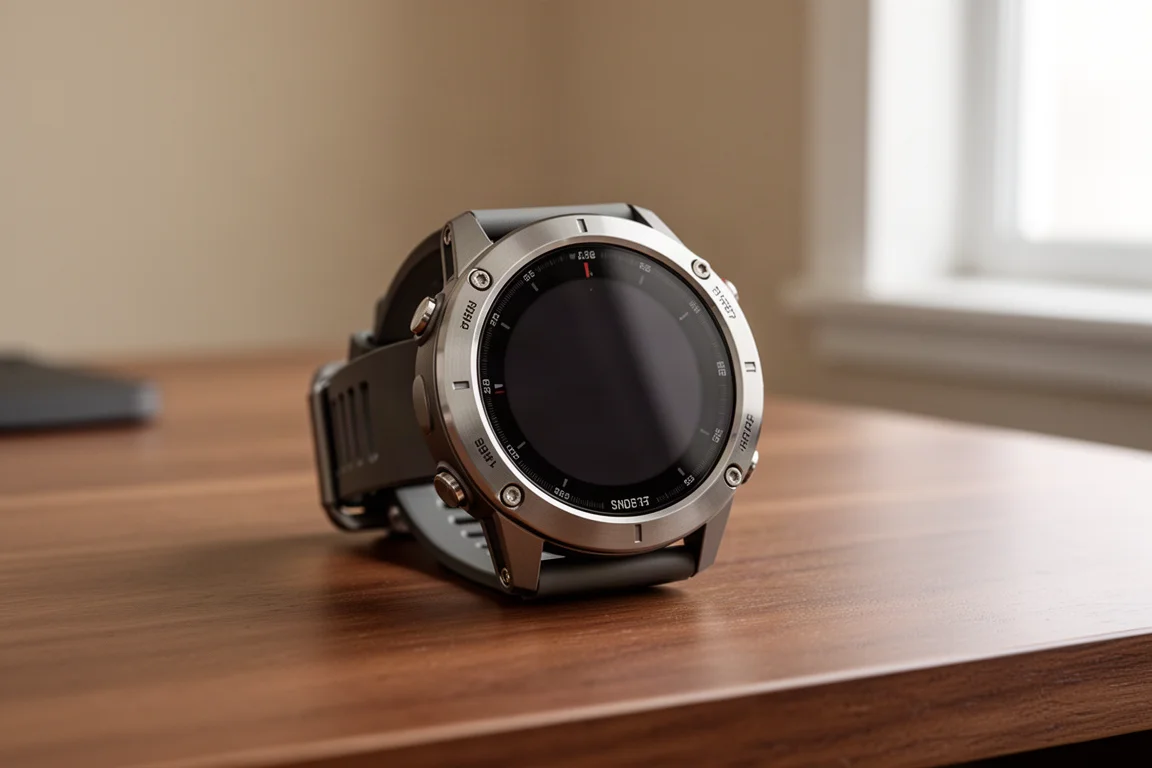
The Epix 2 has been out for over two years and is still ahead of the best watches from most other brands in this space. It is frequently available at a discount, and at its current pricing it delivers more features and a more polished experience than the newer Polar for similar or less money. It lacks the built-in flashlight of the Epix Pro and the battery life of the 51mm model, but on nearly every software measure it performs the same.
Best for Endurance: Garmin Epix Pro
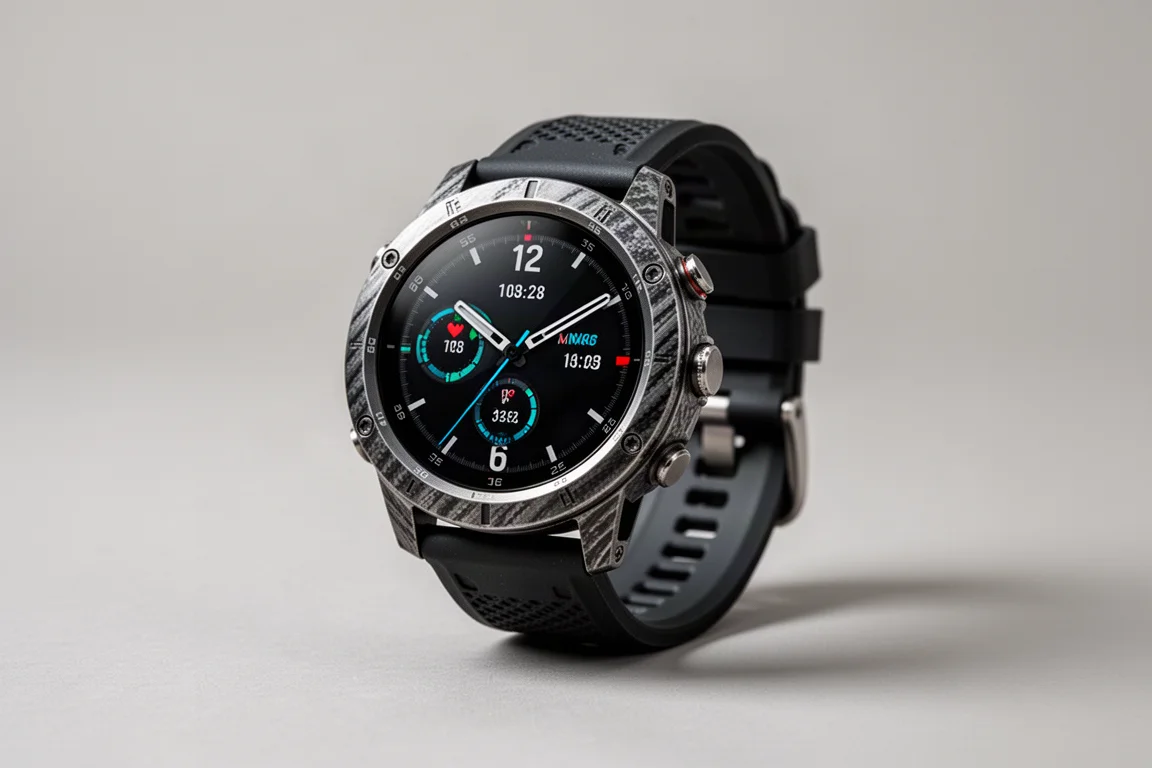
The 51mm Epix Pro is the most enticing watch of this trio. It combines a built-in flashlight, the newest Garmin heart rate sensor, routable maps and battery life measured in weeks rather than days. All of that comes at a premium price, and the Epix Pro range does appear in sales fairly often, which can bring the price closer to the competition.
Conclusion
Polar has made real progress with the Grit X2 Pro, and it deserves credit for a superb screen, an attractive design and genuinely useful new features like onboard maps. But Garmin remains dominant at the top of this market, and both the Epix 2 and the Epix Pro still beat it on features and execution. If you want the best value, the Epix 2 is hard to argue with. If battery life above all matters, the 51mm Epix Pro justifies its price. The Polar is a very good watch that simply does not outshine either Garmin.
Further reading
Related Reviews
Sports Watches
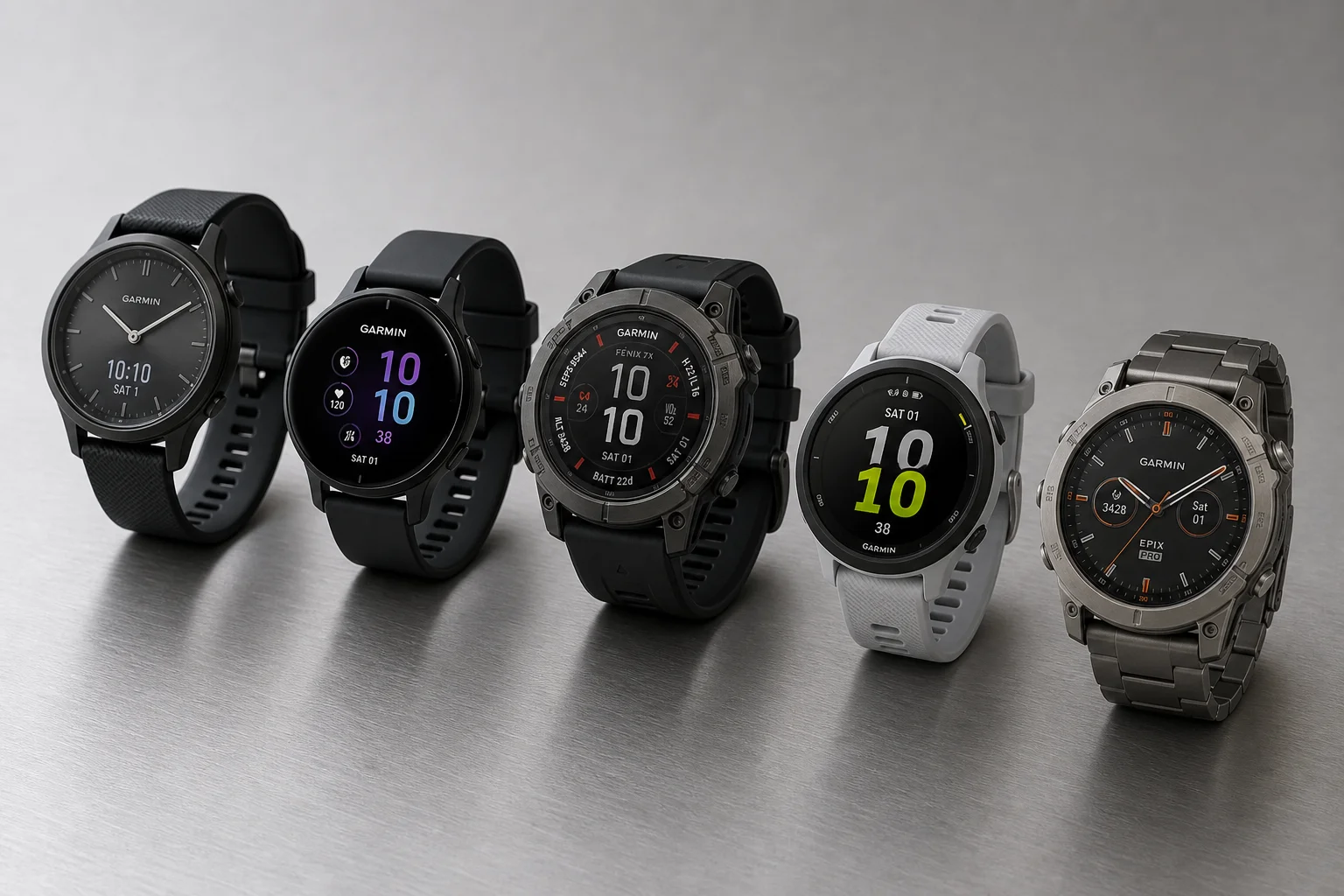
Garmin Sports Watch Guide: Finding the Right Model for Your Fitness Level
A comprehensive overview of Garmin's sports watch lineup, from casual fitness trackers to advanced multisport devices, helping you choose the right model for your needs and budget.
Sports Watches
Coros Pace Pro Review: A Complete Overhaul That Finally Feels Premium
Coros rebuilt the Pace Pro from the ground up with an AMOLED display, onboard maps, and a new heart rate sensor. Here is how it all holds up in real use.
Sports Watches
Polar Vantage M3 Review: The Sweet Spot in Polar's New Watch Lineup
A closer look at the Polar Vantage M3, which brings an AMOLED display, dual-frequency GPS, offline maps and the same software platform as Polar's flagship watches at a friendlier price.