Sports Watches
Polar Grit X Review: A Budget Sports Watch with Real Trade-offs
Polar's Grit X brings the full Polar OS experience at $249, but GPS and heart rate accuracy along with battery life hold it back.
Introduction
The Polar Grit X enters a crowded budget sports watch market with one clear advantage: a $249 price that undercuts much of the competition. After nearly a month of use across running, cycling, hiking, and swimming, the picture is mixed. There are genuinely appealing parts here, particularly the price and the shared Polar OS platform, but also a handful of significant drawbacks that buyers should understand before committing.
Who This Product Is For
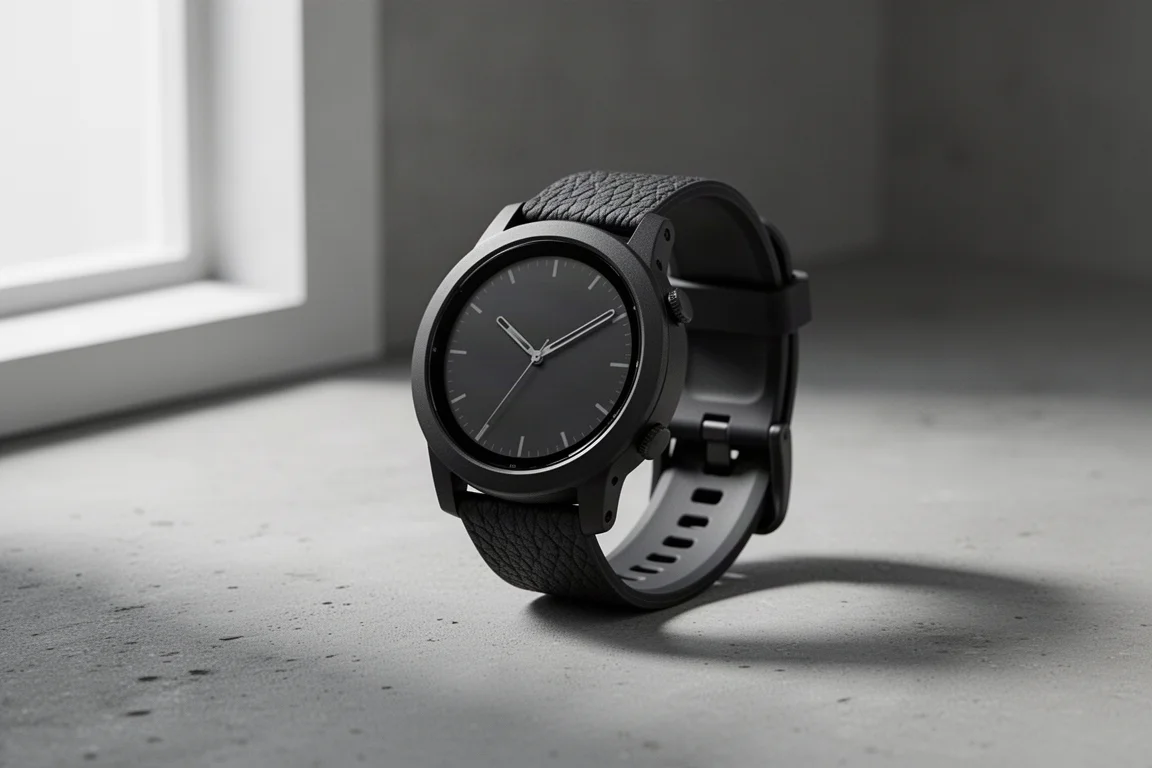
Polar positions this watch at an urban, style-conscious audience, and the design leans into that. It borrows the rugged, Casio-inspired look popularized by watches like the Garmin Instinct, with an all-plastic case and a faux-grain textured band. In person it looks considerably better than the renders on Polar’s site suggest, though it is unlikely to be everyone’s taste.
If you want the full Polar software experience, the same operating system as the Vantage V3, Vantage M3, and other Grit X models, at the lowest price in the lineup, this watch delivers exactly that. If GPS precision, heart rate accuracy, or multi-day battery life matter to you, keep reading before deciding.

Design and Build
The case is plastic with a side button layout and a textured band, and it ships with an extra strap of a different length in the box, alongside a USB-C charging cable with Polar’s proprietary connector. The watch carries a military-grade durability spec, which in practice mostly means it survives drops and knocks. Polar, like most of the smartwatch industry, plays up this spec a bit, but the construction does feel appropriately rugged.
One genuine difference in the design language: the look is polarizing. Some people love the Casio and Instinct aesthetic, others do not. Either way, it photographs worse than it looks on the wrist.
The Built-in Flashlight
The headline unique feature is a built-in flashlight, operated via the top button. It offers four white brightness levels plus a red mode, similar to what Garmin, Amazfit, and Suunto offer on their watches.
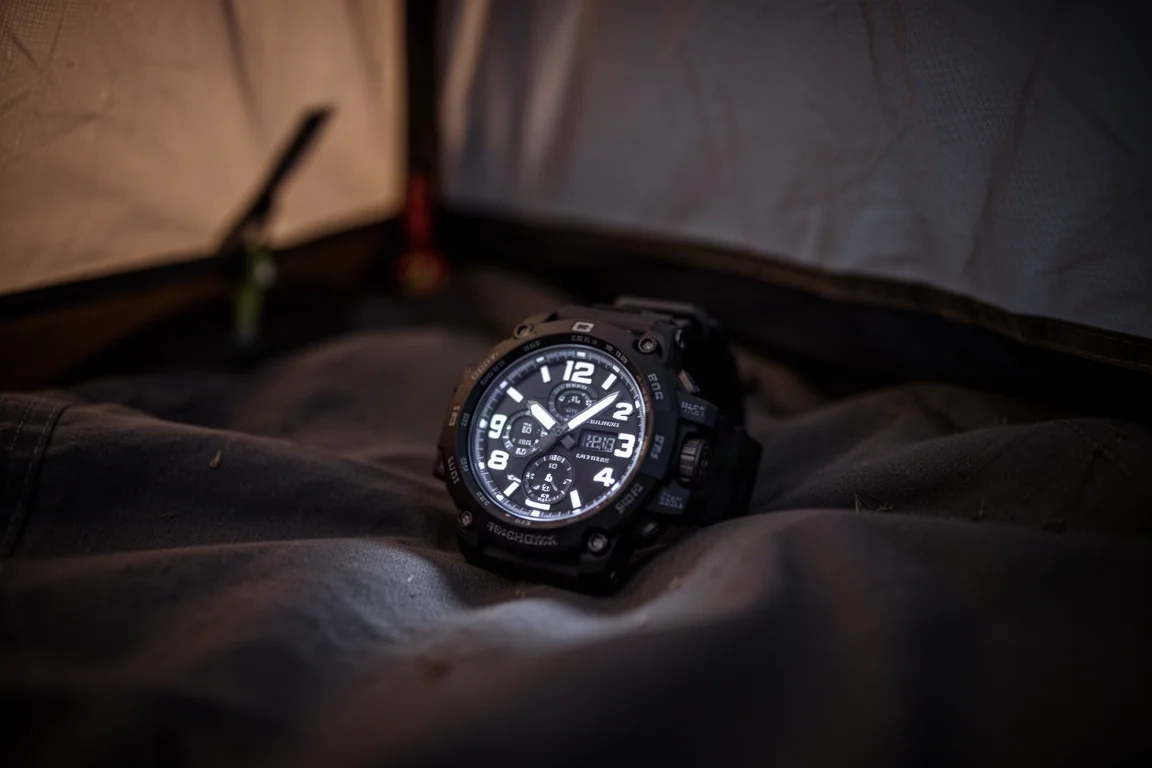
For practical uses like finding your way around a hotel room or tent at night, it is more than adequate. It is also a handy backup on the trails if your primary light dies. It falls short in two ways, though. First, it is noticeably dimmer than Garmin’s version, roughly half the brightness. Second, it simply lacks the throw to be usable while running on trails at night; it worked acceptably on lit sidewalks but not beyond them. It also lacks the extras seen on some rivals, such as cadence-linked modes or SOS features, which most people rarely use anyway.
Software and Everyday Use
This watch runs the same Polar OS as the rest of the lineup, which means every software feature matches the higher-end Polar watches, with two exceptions: no offline maps and no offline music storage. Storage is measured in megabytes, not gigabytes. You can still load routes and follow breadcrumb navigation, which works fine when junctions are clear-cut but struggles at complex intersections.
The interface covers activity dashboards, weekly workout time, nightly recharge, sleep stats, skin temperature, cardio load, and workout suggestions. Training targets, structured workouts, interval timers, race pace, heart rate broadcasting, and find-my-phone are all present. The compass and altimeter work well, and the elevation data has been consistently good on both flat and mountainous terrain.
Two software gripes stand out. The always-on display has to be configured per sport mode rather than globally, which is tedious. And the Polar Flow app, while improved over the past six months, still feels dated, with sparse dashboards and graphs that lag well behind competitors.
Heart Rate Accuracy
Optical heart rate performance is uneven. On steady-state runs it tracks mostly well, but the sensor periodically wobbles where reference sensors stay stable, an issue seen on recent Polar watches that continues here. During interval runs it handled the hard efforts mostly fine but struggled on recovery segments, occasionally being the only sensor that was wrong. Indoor cycling was largely acceptable. Outdoor cycling, however, was a clear failure: as soon as intensity increased, readings fell apart entirely, and even during a low-effort roadside stop the sensor lost the plot badly while other sensors stayed reasonable.
GPS Accuracy: The Biggest Problem
GPS is where this watch struggles most, and there is no getting around it. On nearly straight open roads with wide coverage, it was consistently the watch that was wrong, offset to one side or drifting into water on repeated runs regardless of which competitors it was tested against.

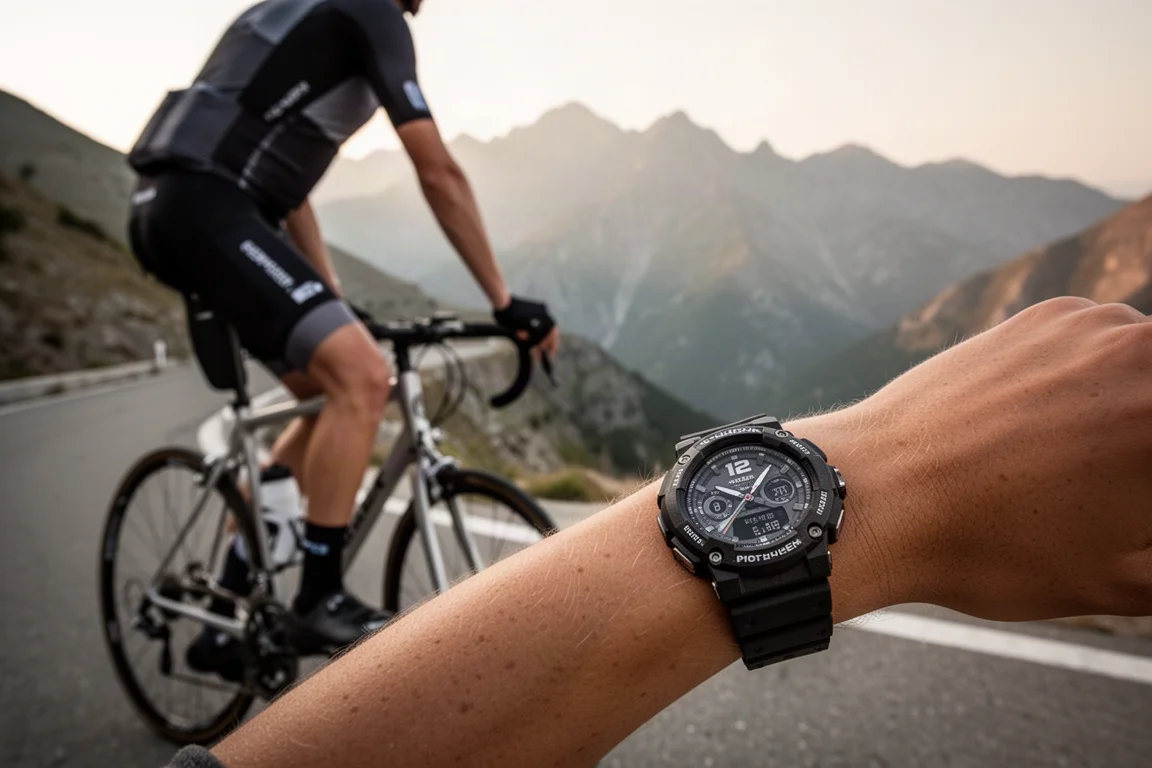
Under tree cover it got worse, deviating 20 to 30 meters from the trail while reference units stayed within a couple of meters. On city runs, it missed turn after turn, sweeping wide into buildings, a notable issue for a watch explicitly marketed at urban users. Cycling was fine at speed in straight lines but failed at turnarounds and on every mountain switchback.
It is tempting to blame the lack of multi-band GPS, but that excuse does not hold up. The Garmin Instinct E, a cheaper watch without multi-band GPS, performed significantly better, and every non-multi-band Polar watch from the past decade has outperformed it too.
Battery Life and Software Updates
In always-on display mode, where the screen dims but keeps showing the time, expect roughly three to four days of use. That is poor for an endurance sports watch, burning battery at a level closer to Apple, Samsung, and Pixel watches than to typical GPS sport watches.
The unified Polar OS platform is genuinely appealing on paper: every recent Polar watch shares the same software and updates, in contrast to shorter support windows elsewhere. The problem is that meaningful feature updates have been scarce for the past year and a half across the entire Polar lineup. Recent releases have been a trickle of basic, table-stakes additions rather than substantive upgrades, so the unified platform advantage currently delivers little in practice.
Buying Advice
At $249, this is a strong budget entry within the Polar ecosystem, and the price is arguably its best feature, especially against newer offerings in the Coros Nomad and Garmin Instinct ranges. But the accuracy problems are hard to overlook, and they are not explained away by the missing multi-band GPS. If you do not care much about GPS or heart rate precision, can live with three to four days of battery, and are not counting on future updates, it becomes a very interesting watch for the money. Just be aware that Amazfit offers watches at the same price with far more features, including offline maps, that simply work better.
Conclusion
The Polar Grit X gets the fundamentals of the Polar platform right and pairs them with an attractive price and a genuinely useful flashlight. For buyers who prioritize those things over precision tracking, it has real appeal. For everyone else, the weak GPS, inconsistent heart rate readings, and short battery life make it a watch to approach with caution.
Product link
View more details for Polar Grit X
This product is mentioned in the review. Check the specifications, options, and compatibility before buying.
View more details for Polar Grit XFurther reading
Related Reviews
Sports Watches
Garmin Sports Watch Guide: Finding the Right Model for Your Fitness Level
A comprehensive overview of Garmin's sports watch lineup, from casual fitness trackers to advanced multisport devices, helping you choose the right model for your needs and budget.
Sports Watches
Coros Pace Pro Review: A Complete Overhaul That Finally Feels Premium
Coros rebuilt the Pace Pro from the ground up with an AMOLED display, onboard maps, and a new heart rate sensor. Here is how it all holds up in real use.
Sports Watches
Polar Vantage M3 Review: The Sweet Spot in Polar's New Watch Lineup
A closer look at the Polar Vantage M3, which brings an AMOLED display, dual-frequency GPS, offline maps and the same software platform as Polar's flagship watches at a friendlier price.