Air Tools
Pneumatic Impact Wrench Comparison: Ingersoll Rand 2146, Aircat 1-Inch, and Ingersoll Rand 1-Inch
Three pneumatic impact wrenches tested on the same shop air setup. Here is how they compare on noise, speed, and real-world usability.
Introduction
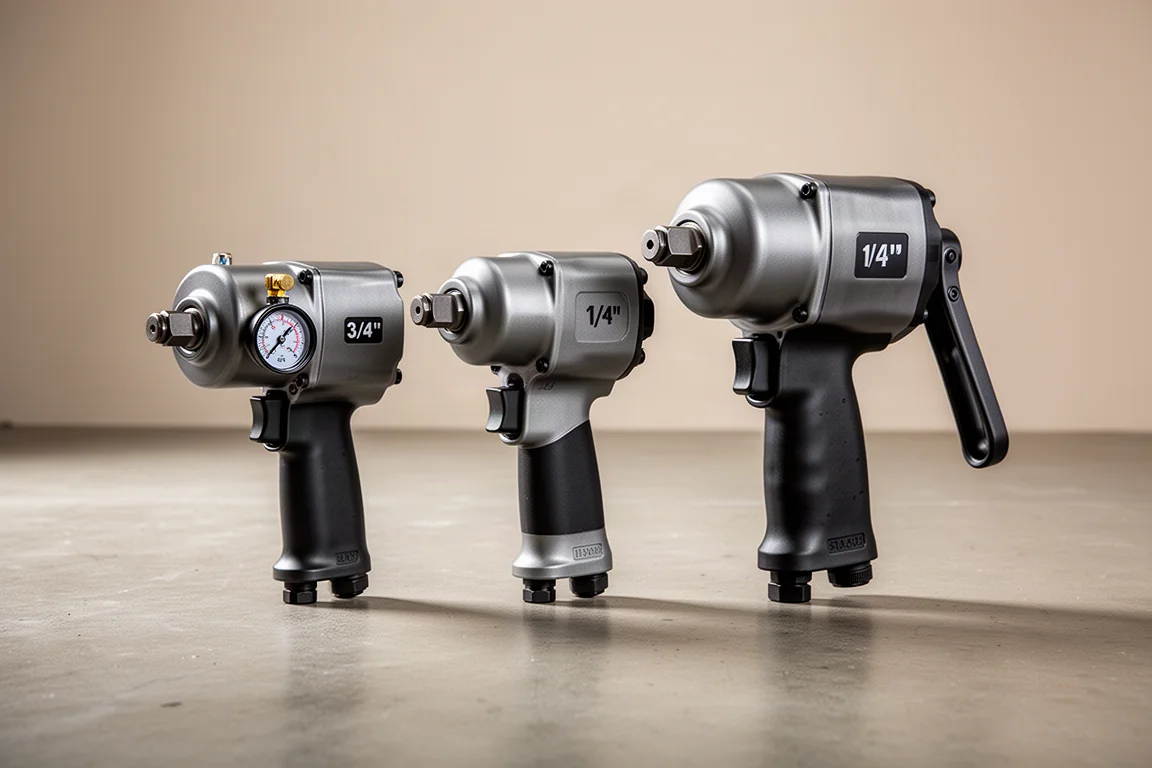
After testing a battery-powered 1-inch impact wrench, the natural next step was seeing what pneumatic tools could do on a proper shop air system. Three wrenches went head to head on the same regulated air supply with no adjustments between them: the Ingersoll Rand 2146, a 3/4-inch drive quiet model, an Aircat 1-inch drive impact wrench, and a larger Ingersoll Rand 1-inch model. All three turned out to be strong performers, but they behave very differently in real use.
How the Test Was Set Up
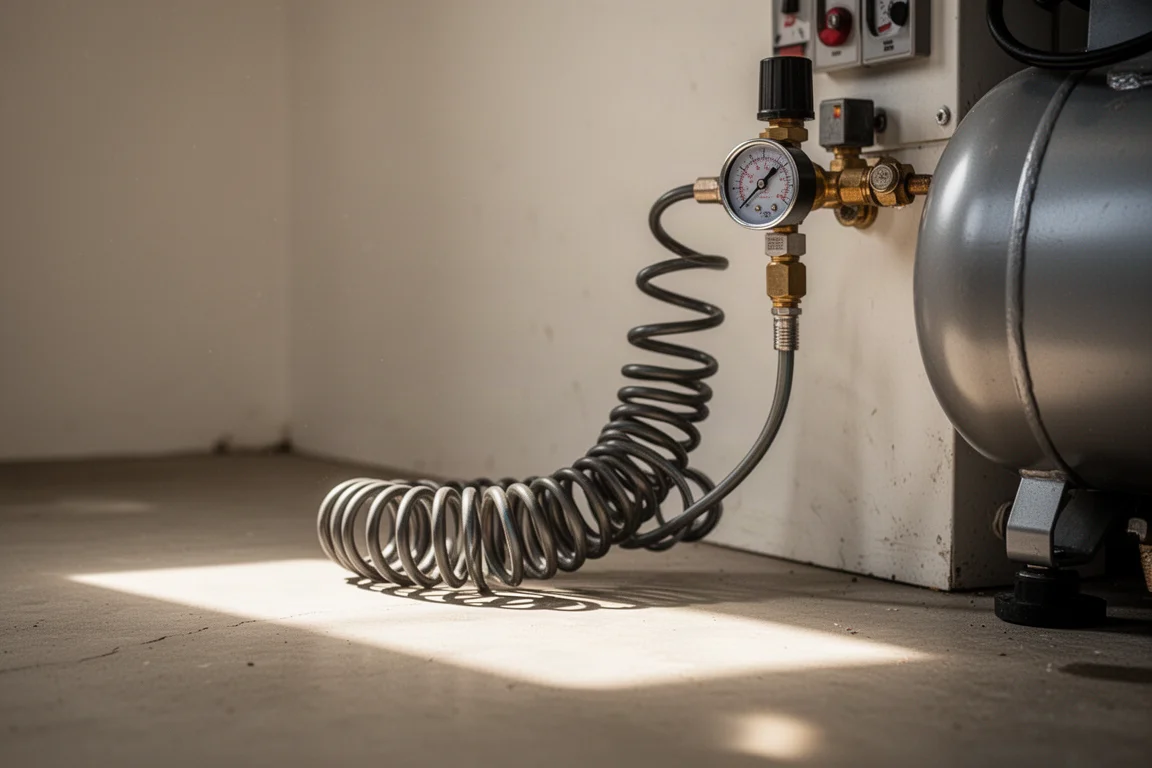
The shop air system is regulated to 102 PSI, with a long hose of the right size and diameter feeding each tool. Nothing was adjusted between tools, so every wrench ran on the same air. The lug nuts were left on dry studs rather than lubricated, which makes them harder to remove but keeps the comparison honest across all three tools.
That consistency matters, because pneumatic performance depends heavily on how air is delivered. Pressure, volume, and hose setup all influence results, which is why comparing spec sheets alone can be misleading.
Ingersoll Rand 2146: The Quiet 3/4-Inch Option
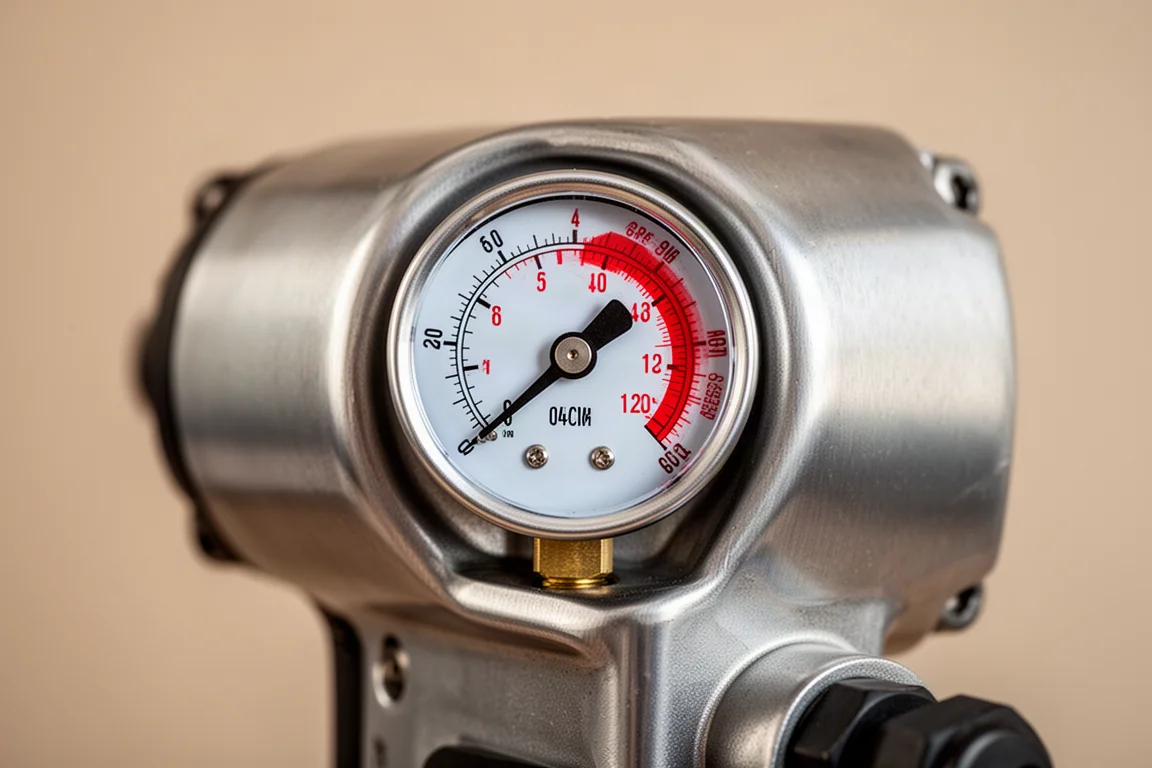
The Ingersoll Rand 2146 was the starting point for one simple reason: it has a gauge on the back that tells you if you are over-pressuring the tool, under-pressuring it, or not supplying enough volume. That feedback turned out to be immediately useful. The gauge sat firmly in the red, meaning the tool was being over-pressured even on a system regulated to 102 PSI. Long term, that can create internal damage and may reduce the tool’s quiet operation.
The quiet part of this tool is genuinely impressive. The wrench body itself runs remarkably quietly; the noise you hear in operation comes mostly from the socket, anvil, and lug nut clanking around rather than the tool itself. In a shop setting, that difference is easy to appreciate. The 3/4-inch drive also fits a common workflow: use a 1-inch gun to take things off and the 3/4-inch to put them back on.
Aircat 1-Inch Impact Wrench: Fast and Loud
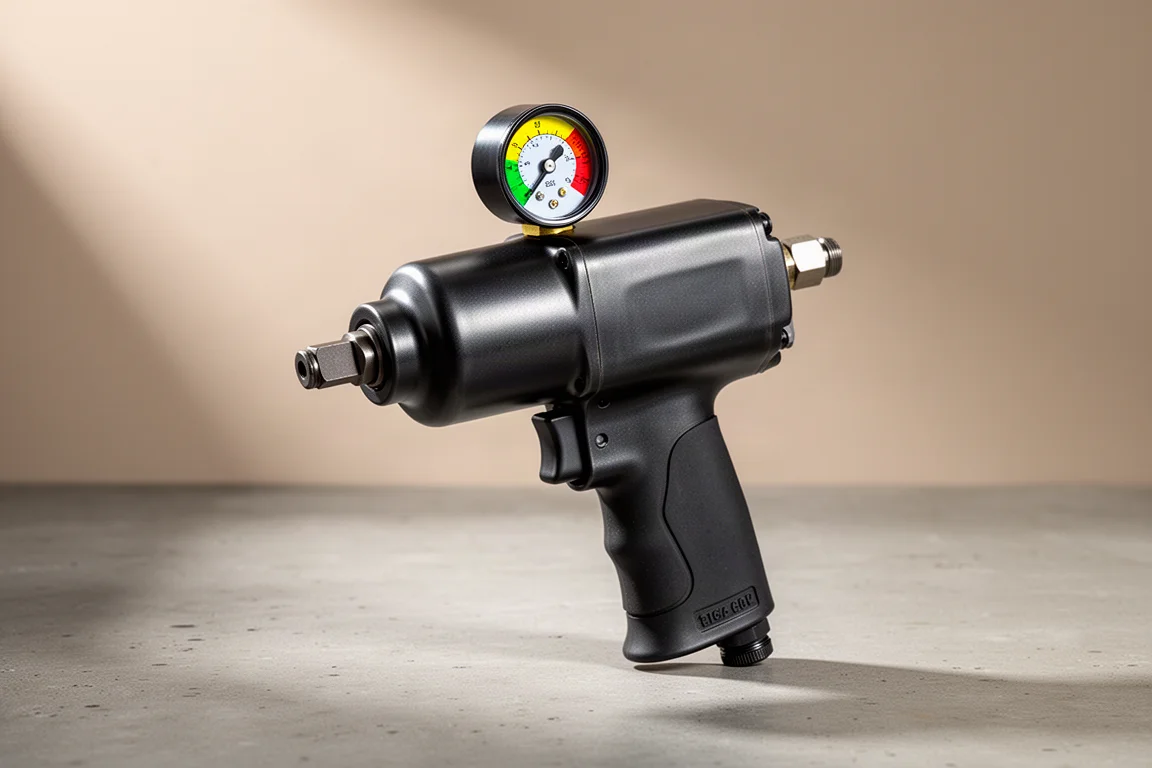
The Aircat 1-inch is not an extended anvil model, which made some jobs harder than they needed to be. An extended anvil would have worked considerably better for the tasks at hand. Still, the tool made quick work of everything it touched. On its single removal setting, it delivered a measured 2,100 ft-lbs of removal torque.
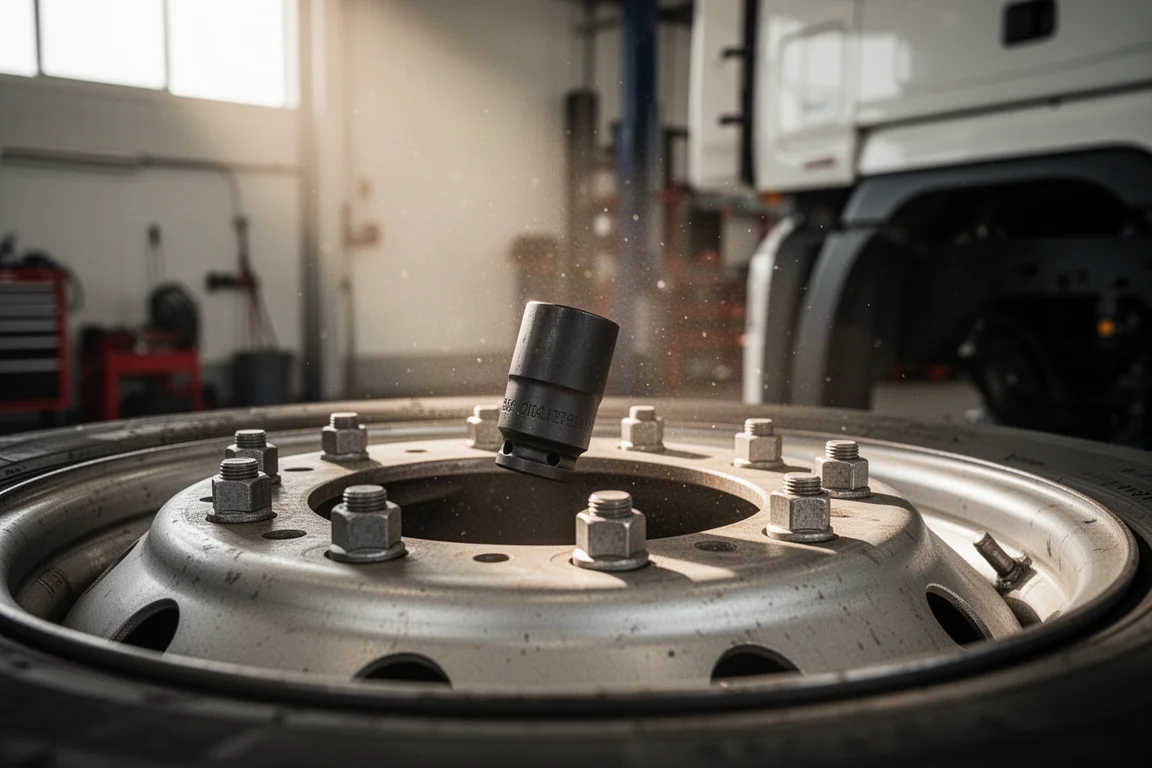
Noise is where it differs most from the Ingersoll Rand 2146. The 1-inch Aircat is noticeably louder, but it is also significantly faster. Against the 3/4-inch Ingersoll Rand, the speed difference is substantial, and similar specs between the two make that contrast especially interesting. Performance in this setup was excellent, and it is a very nice tool for the money. For some users, running it without the extended anvil works fine; for semi truck lug work, the extended anvil version would be worth considering.
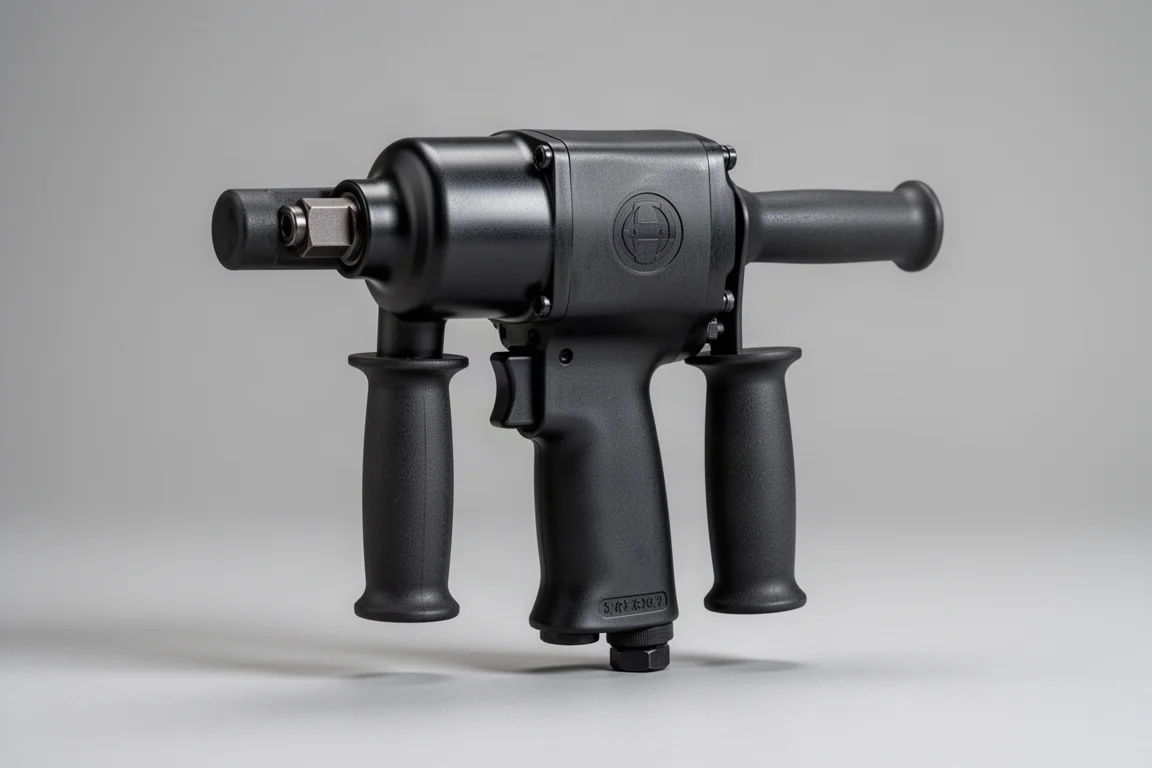
Ingersoll Rand 1-Inch: Maximum Power on the Same Air
The larger Ingersoll Rand 1-inch was included mainly to show the power difference on identical air. It uses a significant amount of air, enough that dust was visibly blowing around the shop while it ran. Whether it was also being over-pressured is unclear without additional measuring equipment, and if it was, that would raise some durability concerns over time.
This model was the loudest of the three but also appeared to get the work done the fastest. That trade-off between noise and speed defines the top of this category, and it is worth hearing these tools side by side before choosing.
What the Comparison Revealed
All three tools tested out well. The cleanest takeaway is that matching the drive size to the task matters. A 3/4-inch makes sense for tightening and reinstalling work, while a 1-inch is the natural choice for breaking loose stubborn fasteners. Smaller 1-inch guns with a side handle have also become a practical middle ground, giving extra leverage and better access into tight areas, and the newer smaller Ingersoll Rand 1-inch models work out especially well.
One honest limitation of pneumatic testing: because so many variables affect how air reaches the tool, getting precise scientific answers is difficult. Battery tool testers who document torque rigorously deserve real credit, but for most buyers, real-world results like these are a useful angle on their own.
Overall Buying Advice
If you already have a decent shop air system, the Ingersoll Rand 2146 is a smart choice if quiet operation matters and your work leans toward tightening and reassembly. Its built-in gauge is genuinely valuable for dialing in air delivery and protecting the tool from over-pressuring.
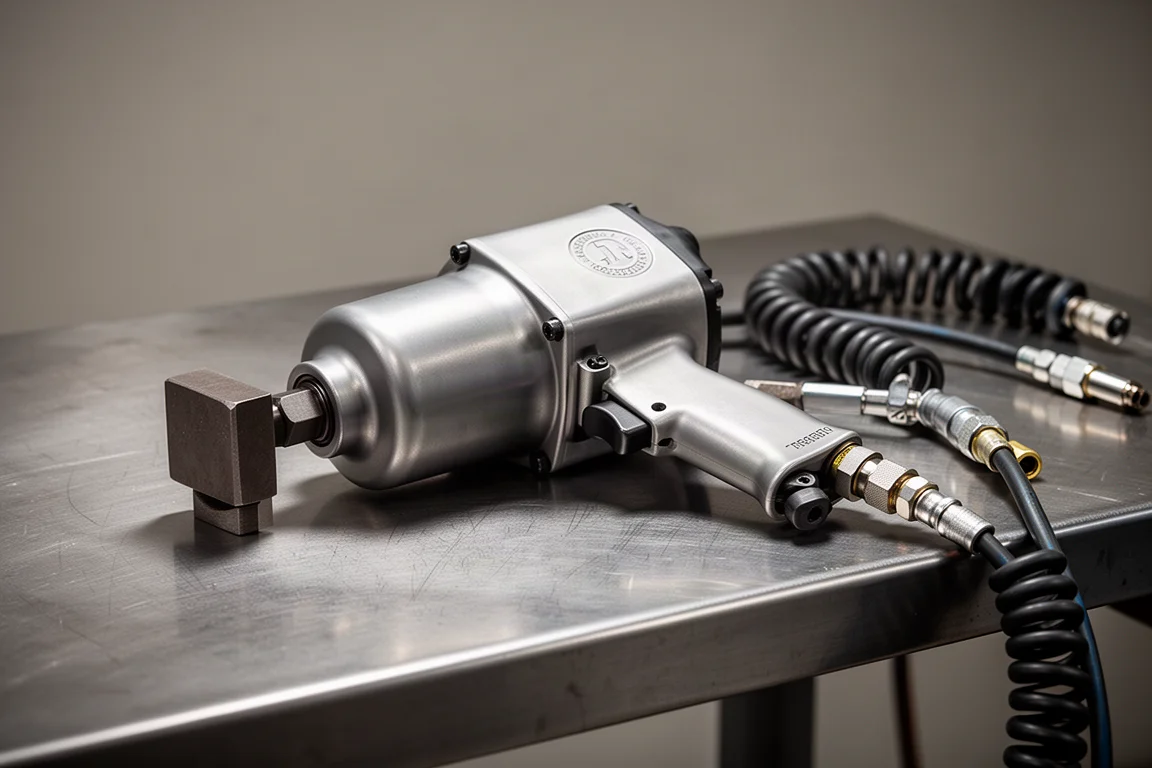
The Aircat 1-inch is the value pick for raw removal speed, with the caveat that the non-extended anvil version may limit you on some jobs. The larger Ingersoll Rand 1-inch is the brute-force option, fastest of the three, but it demands a lot of air and is the loudest by a clear margin.
Conclusion
Every wrench in this comparison did its job well on the same air supply. The right choice comes down to your workflow: the quiet 3/4-inch Ingersoll Rand 2146 for controlled reinstall work, the fast and affordable Aircat 1-inch for removal speed, and the full-size Ingersoll Rand 1-inch when maximum power on the same air is the priority.
Further reading
Related Reviews
Air Tools
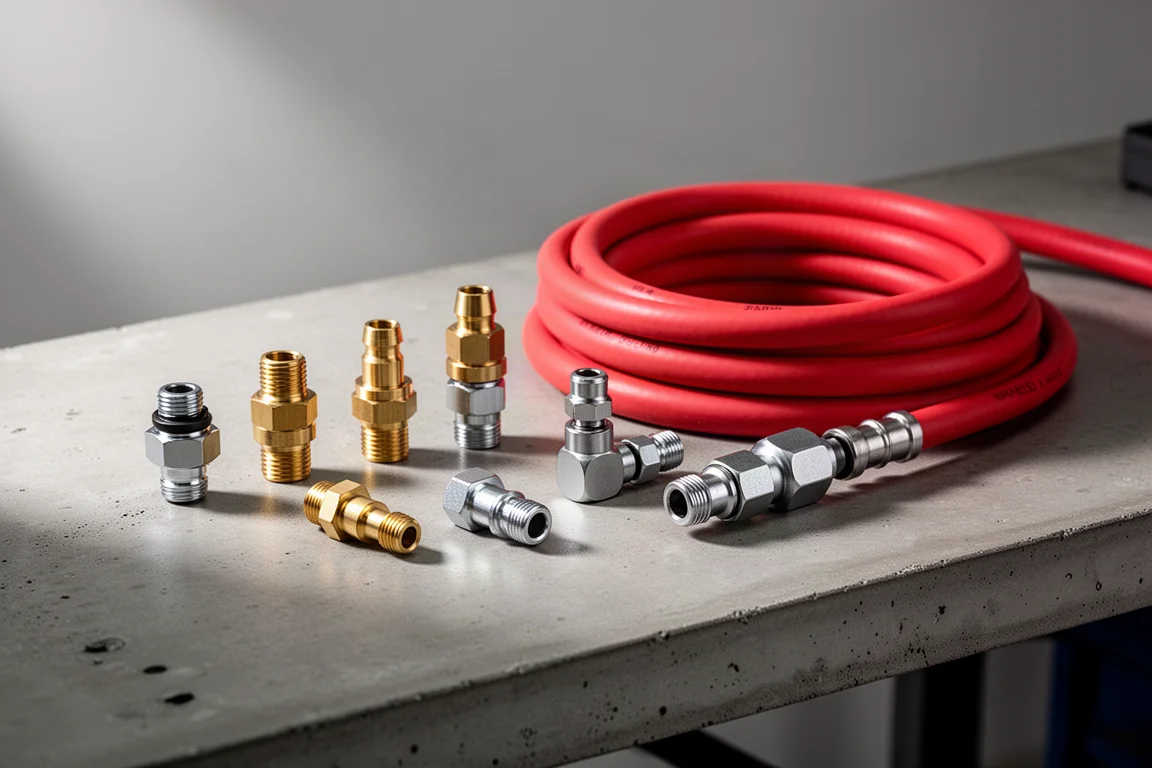
Getting More Power From Your Air Tools: Fittings, Swivels, and Setup Tips That Actually Work
A data-driven look at how much power standard and high-flow air fittings, swivels, buffer tanks, and hose sizing really add to impact wrenches and die grinders.
Air Tools
Air Impact Wrench Showdown: Matco MT3779 Rex vs Ingersoll Rand 2236 TiMax
Two next-generation half-inch air impacts go head to head, with one breaking new torque records and the other confusing us with swap-in anvils and backwards power modes.
Air Tools
Best Air Hammers 2026: Four Tested Short and Long Barrel Picks
We compare four air hammers across power, trigger control, and price, from an $18 Walmart short barrel tool to a new long barrel record-setter.