Air Tools
Air Impact Wrench Showdown: Matco MT3779 Rex vs Ingersoll Rand 2236 TiMax
Two next-generation half-inch air impacts go head to head, with one breaking new torque records and the other confusing us with swap-in anvils and backwards power modes.
Introduction
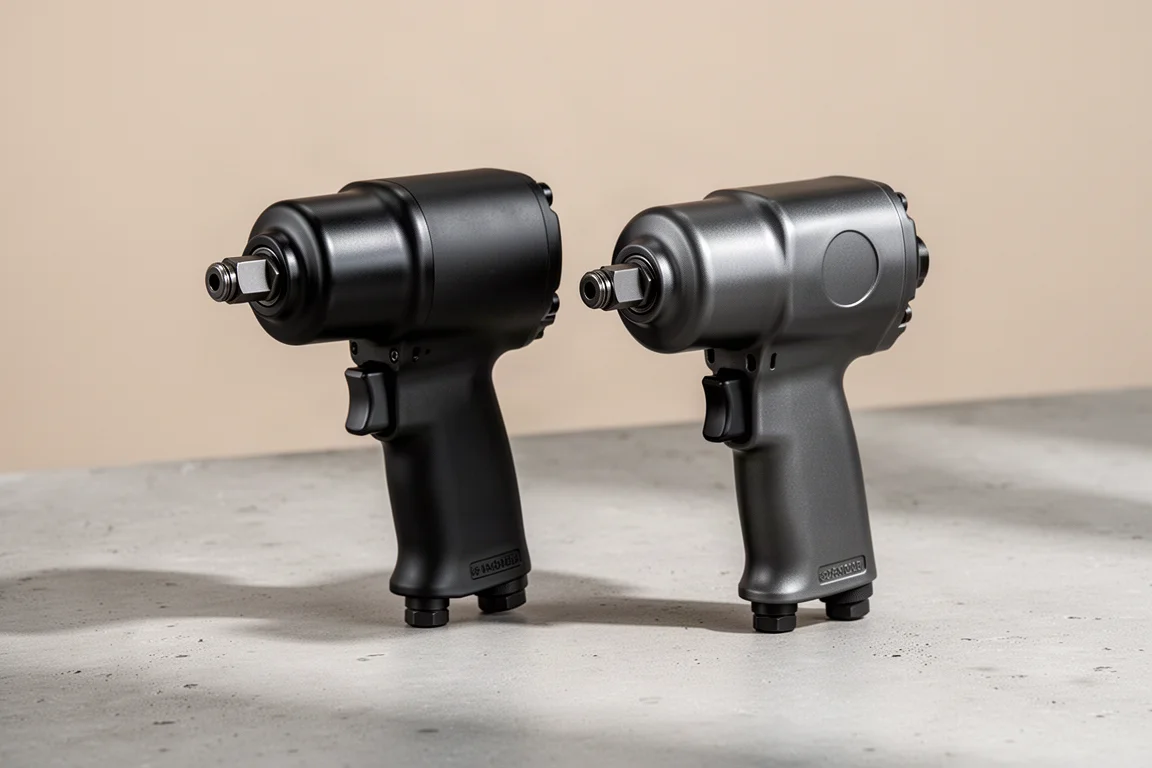
Two brands just raised the bar on half-inch air impact wrenches, and the results could not be more different. The all-new Ingersoll Rand 2236 TiMax is a third-generation update that fans have waited roughly a decade for, while the Matco MT3779 Rex arrives rated at a jaw-dropping 1,700 ft-lbs of bolt breakaway torque, the highest rating of any half-inch impact on the planet.
One of these tools set measurable torque records in our testing. The other left us scratching our heads despite genuinely clever design ideas. Both carry premium sticker prices, so choosing between them matters more than ever.
Ingersoll Rand 2236 TiMax: A Long-Awaited Third Generation
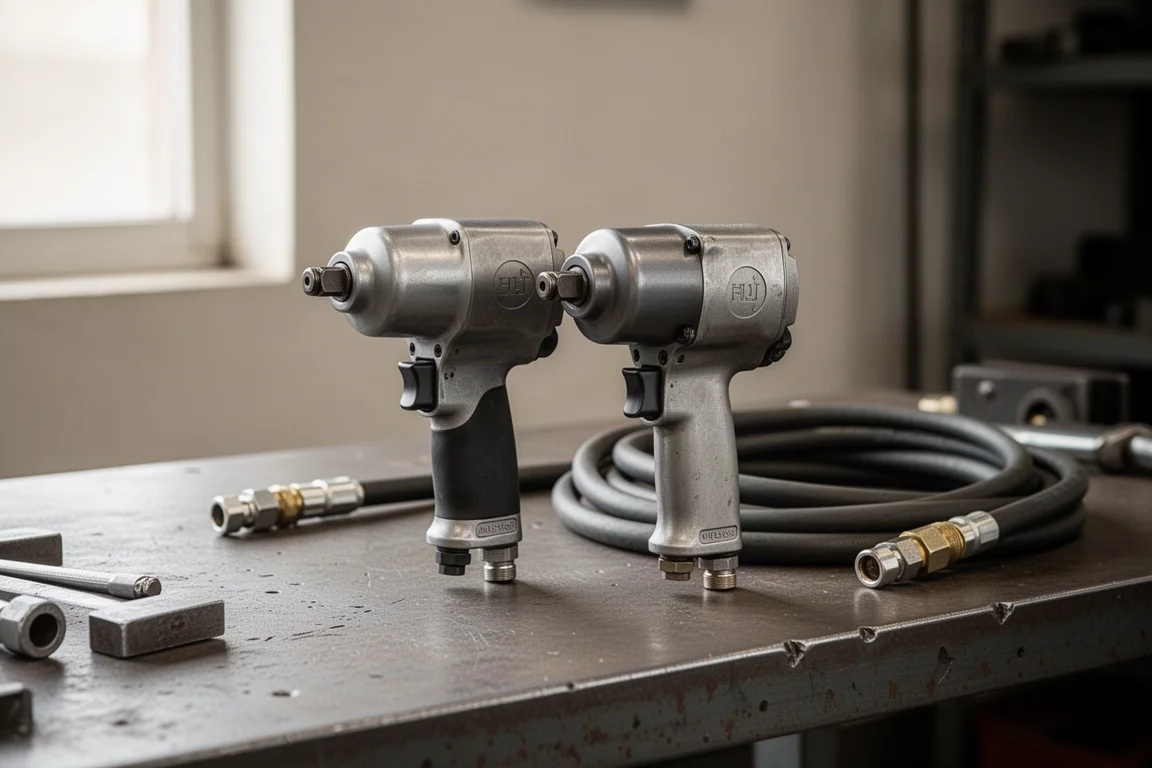
The 2236 QTiMax is the successor to the 2235 TiMax, which launched about ten years ago as the third iteration of a lineage stretching back to the 2135. The 2235 built a reputation for being stout, hard to kill, and powerful, and it still holds its own against many modern impacts, especially with higher line pressure.
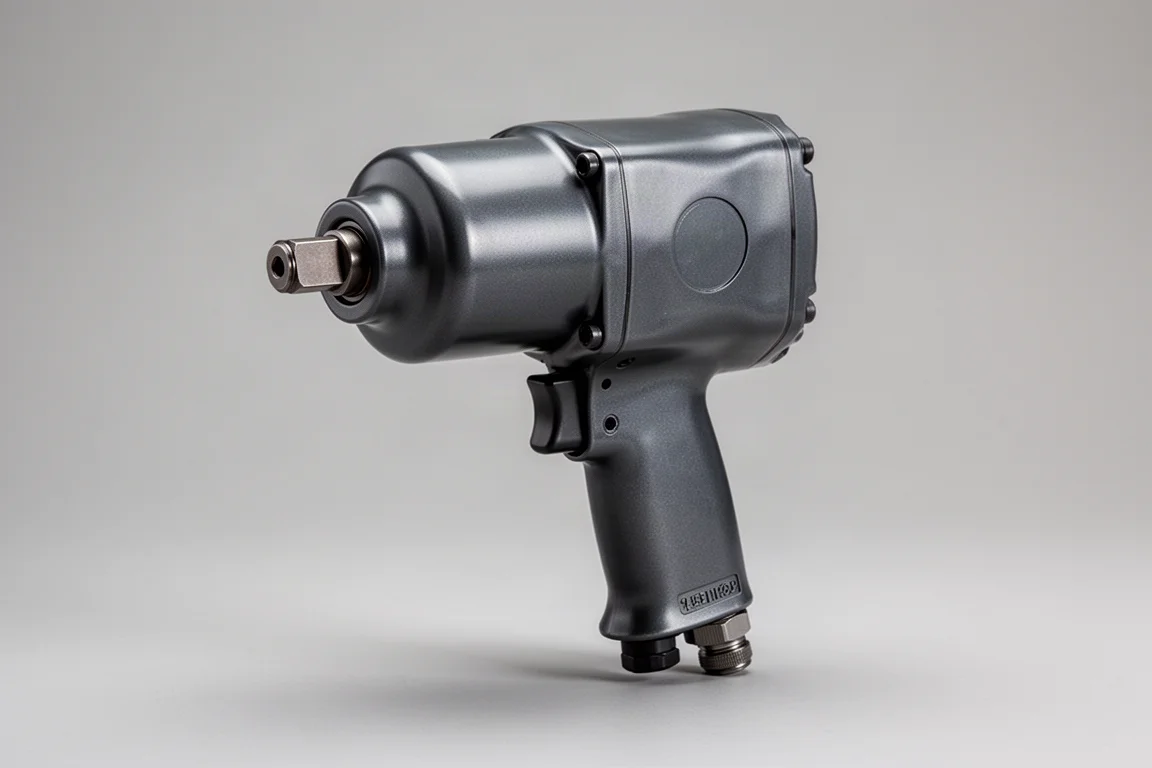
The new 2236 is rated at 1,500 ft-lbs of breakaway torque, a 150 ft-lb increase, plus 1,000 ft-lbs max torque. The price climbs about $100 to around $370. In exchange, the tool gets shorter: overall length drops from 7.6 inches (measuring 7.7 for us) to 7.36 inches, which is welcome for a modern tool.
The headline feature is the swappable anvil, part of what Ingersoll Rand calls the DXS system. The tool ships with a half-inch square drive you install yourself into a female spline cavity at the front, shrunken down like a wheel hub. For an extra $35 to $50 you can swap in a 3/4-inch drive, a 6-inch extended 3/4-inch anvil (about $85), or even a 3/8-inch drive, turning one gun into several. Anvils break more than ever as impacts get monstrous, so easy replacement is a genuine plus, and the 3/4-inch anvil costs far less than buying a separate tool.
Testing Notes: Where the 2236 Gets Strange
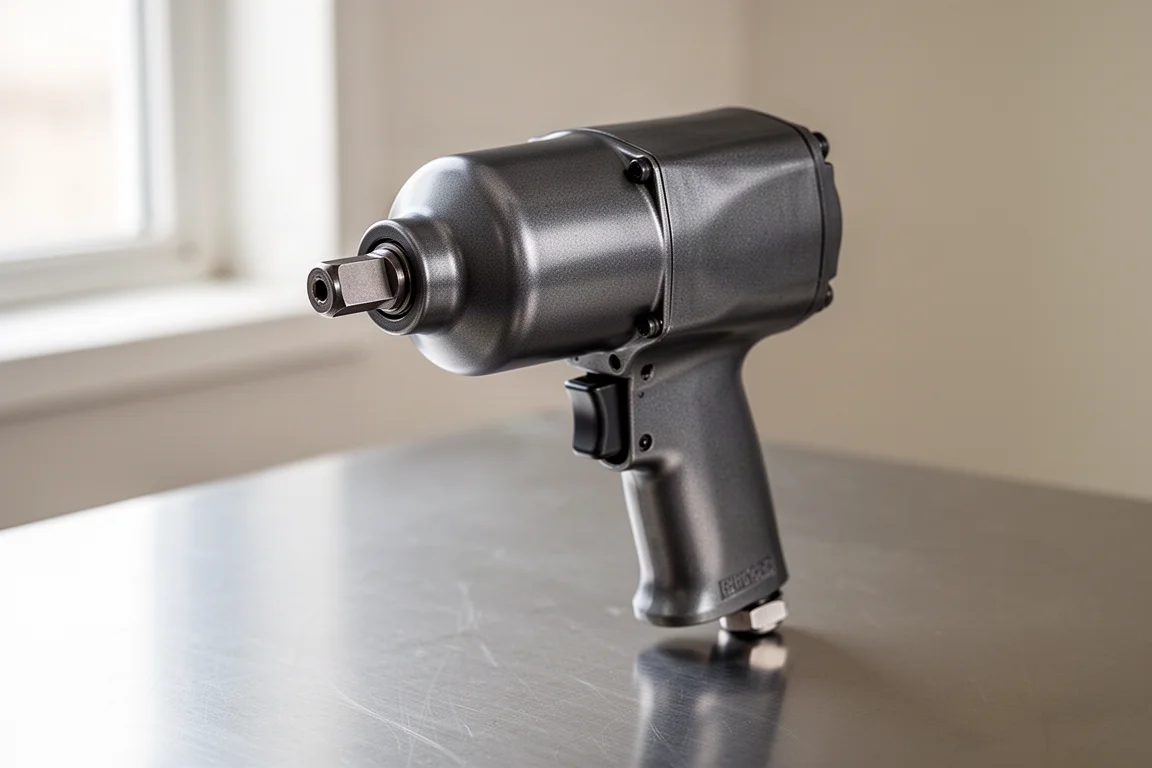
On the dyno, the 2236 produced numbers that look strikingly familiar to the 2235. Forward working torque came in at 469 ft-lbs. In reverse, we initially measured only 519 ft-lbs in median testing, well below expectations.
The culprit was a power mode dial with genuinely baffling behavior. In reverse, the small dot is high and the large dot is low, but in forward the large dot is high and the small dot is low. With the dial set correctly, reverse max torque rose to 619 ft-lbs. We have seen the same confusing scheme on Ingersoll Rand’s 36Q Max compact impact, and there is no way to know about it without a dyno, a Skidmore, or at least an RPM gauge.
Even corrected, the tool disappoints relative to its ratings. Measured RPM reached only 6,300 to 6,600 against an 8,500 RPM rating. With static line pressure raised to 150 PSI, the best half-inch run hit 733 ft-lbs, but unlike the famously pressure-hungry 2235, the 2236 does not respond all that strongly to extra air.
Swapping anvils produced a mild gain: 745 ft-lbs with the 3/4-inch anvil, and a surprising 776 ft-lbs with the extended 3/4-inch anvil, up from earlier tests. High-speed footage at 10,000 frames per second showed the short anvil recoiling and rocking between hits, appearing to act more like an attachment than part of the gun, and even flash-igniting grease inside the female spline drive. That movement suggests wasted kinetic energy, which lines up with the lower measured power. The hammer assembly itself weighs a healthy 1 lb 3.4 oz, so it is not lacking there.
On the durability and sourcing front, it is worth knowing that the box says assembled in the USA, but the spline anvils and replacement parts like rotor vanes, cylinder, and hammer arrive in bags marked China, as has been the case since the 1990s.
Record-Breaking Torque From the Matco MT3779 Rex
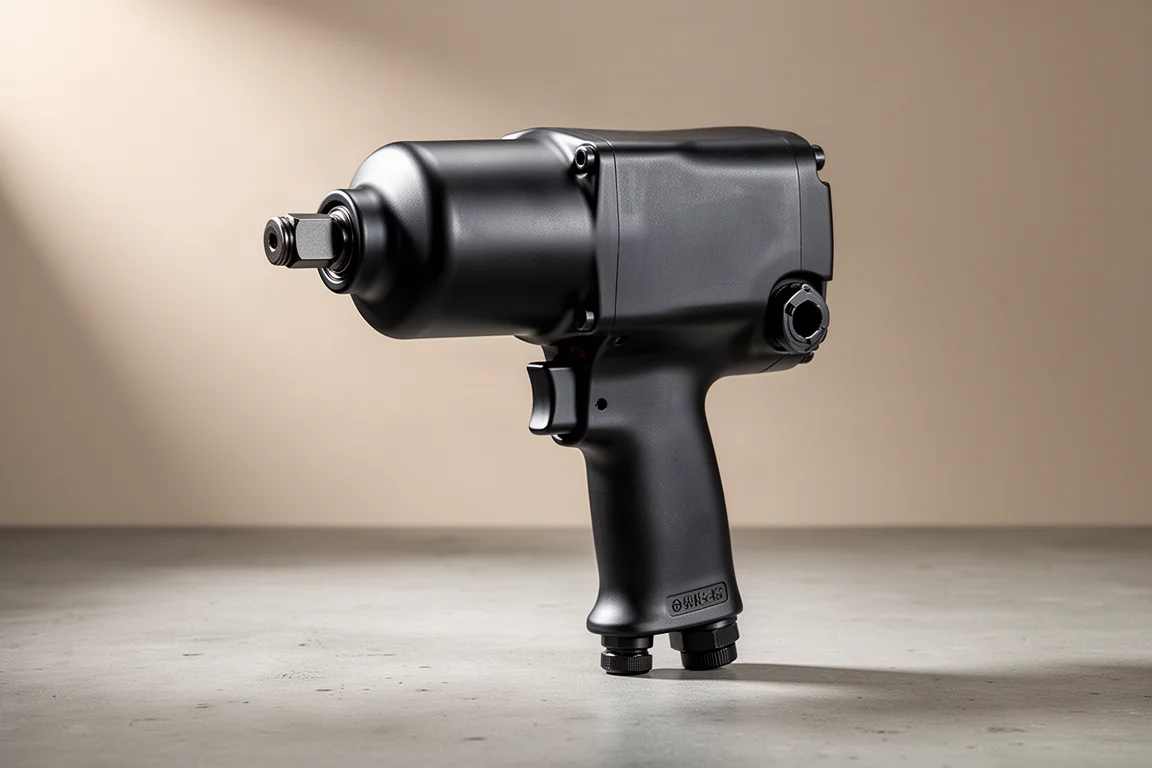
The Matco MT3779 Rex, made by PTP exclusively for Matco, continues the MT2779 that made waves years ago with a then-record 1,600 ft-lb rating. The new version claims 1,700 ft-lbs of bolt breakaway torque, once again the highest rated half-inch impact in the world. It looks strikingly similar to the Ingersoll Rand in length, weight, and overall shape, but borrows rather than copies, since IR has not made Matco impacts in nearly a decade.
Changes include a new heavier-duty anvil with a black coating to highlight the different alloy or processing, plus crisp detents on the forward-reverse buttons and power dial. That said, the dial can be mushy about stopping on modes, and the reverse button stops just short of seating. We lost meaningful torque more than once because the button was not fully pressed, once recording a mere 482 ft-lbs before noticing.
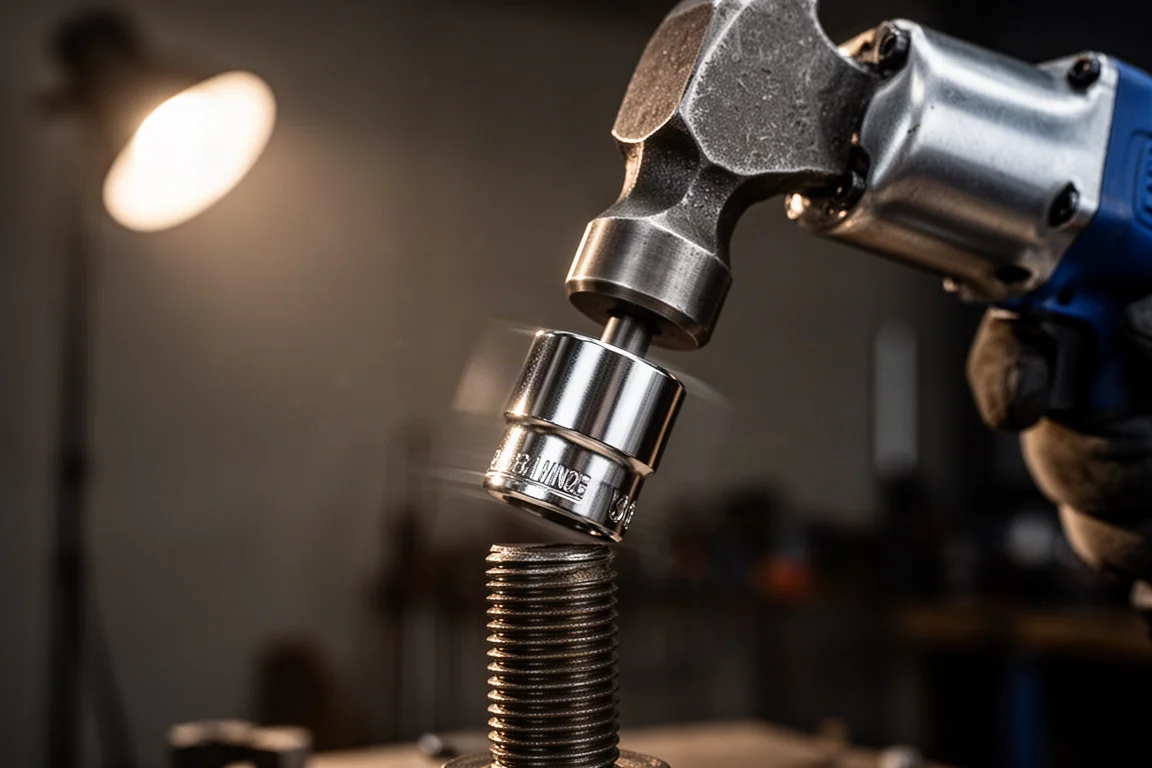
Once dialed in properly, the results were spectacular. Forward working torque hit 543 ft-lbs, well above the new Ingersoll Rand. In reverse, 10 seconds of max torque delivered 820 ft-lbs in median testing, a new air impact record and the first measured run ever into the 800s. With static pressure raised to 150 PSI, it climbed to 898 ft-lbs, and at 160 PSI static it piled on 920 ft-lbs. Despite all that output, it is smooth and not dramatic to hold while working at its limits.
How the Classic 2235 TiMax Still Compares
The previous generation Ingersoll Rand 2235 TiMax remains the benchmark the new tool has to beat. Its mighty reputation for being stout, hard to kill, and powerful holds up to this day, and it still does well against many modern impacts, especially if you turn up the air pressure. It famously thrives on extra line pressure, enough to rival strong cordless competitors when fed properly.
Our dyno runs of the 2236 looked mighty familiar against it for most of the curve, only separating at higher pressure and the highest torque levels. That is a remarkable result for a tool a decade old, and it is exactly why buyers have been waiting so long for a true generational jump.
Overall Rankings and Value
In our scoring, the Matco topped the charts. Against comparable tools by length, it delivered the most torque per inch at 124.3 points versus the IR’s 99.6, with the 120 to 130 range generally representing industry-leading tech. Advertised max torque only increased 50 ft-lbs on the Matco and 70 on the IR over their predecessors, yet the Matco measured 73% and the IR 100% of their advertised max torque figures in real testing. The Matco landed near the very top overall, above the DeWalt DCF900, while the new IR placed above the older-style street-legal thunder gun class.
Pure average power ranking tells a similar story: the Matco scored a cool 700, tested with a 3/8-inch hose per its standard 1/4-inch NPT inlet recommendation, while the IR used a half-inch hose due to its 3/8-inch NPT inlet. Inside the Matco there are no apparent tricks; its 1 lb hammer assembly is even lighter than the new IR’s, and its new motor simply knows how to spin it. The IR’s interchangeable spline design is fresh, innovative, and packed with value on paper, but on the unit we bought, the torque is just not there yet, along with measurable wasted impact energy.
Price is where both tools hurt. Neither is cheap, and doubly so for the Matco, which costs enough that you could buy several competing tools for one of it. The IR sits around $370. If pricing were ignored entirely and tools scored on merit alone, the Matco would be at or near the top of the class.
Conclusion
The Matco MT3779 Rex is the clear performance winner here, setting real measured torque records and delivering more than its rating bump implies, provided you remember to fully seat that reverse button. The Ingersoll Rand 2236 TiMax offers brilliant modularity through its swappable anvil system and a shorter body, but on our test unit it failed to beat the decade-old 2235 in meaningful ways and carries a baffling mode dial. If raw torque is the goal, the Rex earns its crown; if you value one-tool versatility and can live with the measured numbers, the 2236 remains an interesting bet that may improve with iteration.
Further reading
Related Reviews
Air Tools
Getting More Power From Your Air Tools: Fittings, Swivels, and Setup Tips That Actually Work
A data-driven look at how much power standard and high-flow air fittings, swivels, buffer tanks, and hose sizing really add to impact wrenches and die grinders.
Air Tools
Best Air Hammers 2026: Four Tested Short and Long Barrel Picks
We compare four air hammers across power, trigger control, and price, from an $18 Walmart short barrel tool to a new long barrel record-setter.
Air Tools
Best Air Hammers Compared: Snap-on PH3050B vs Aircat 52508 vs Astro Thor 401K
Three long-barrel 401-shank air hammers go head to head on power, trigger control, ergonomics, and value to find out which one belongs in your shop.