Air Tools
Getting More Power From Your Air Tools: Fittings, Swivels, and Setup Tips That Actually Work
A data-driven look at how much power standard and high-flow air fittings, swivels, buffer tanks, and hose sizing really add to impact wrenches and die grinders.
Introduction
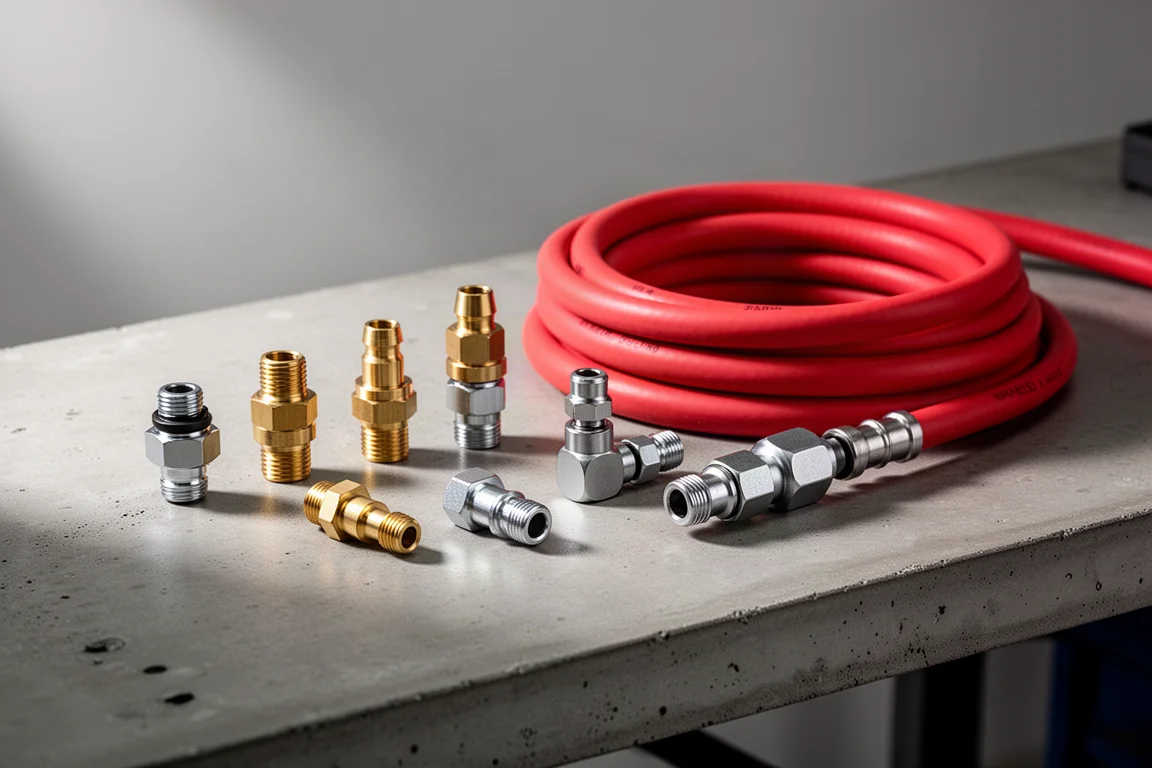
If you run air tools, you have probably wondered how much power you are losing to the little fittings and swivels between your compressor and the trigger. The answer, it turns out, is a lot. A systematic comparison across fittings, couplers, swivels, hose sizes, and even a buffer tank shows meaningful differences in real output, measured in sustained watts on a die grinder and in foot-pounds on a large impact wrench.
How the Testing Worked
All flow testing was run regulated down to 125 psi, a pressure nearly every shop air system can deliver, with the compressor topped off before each run so every test started from the same point. The baseline tool was a half-horsepower die grinder, a common motor size, loaded on a rig to see what RPM it could maintain under fixed loads and how many watts it could sustain before stumbling.
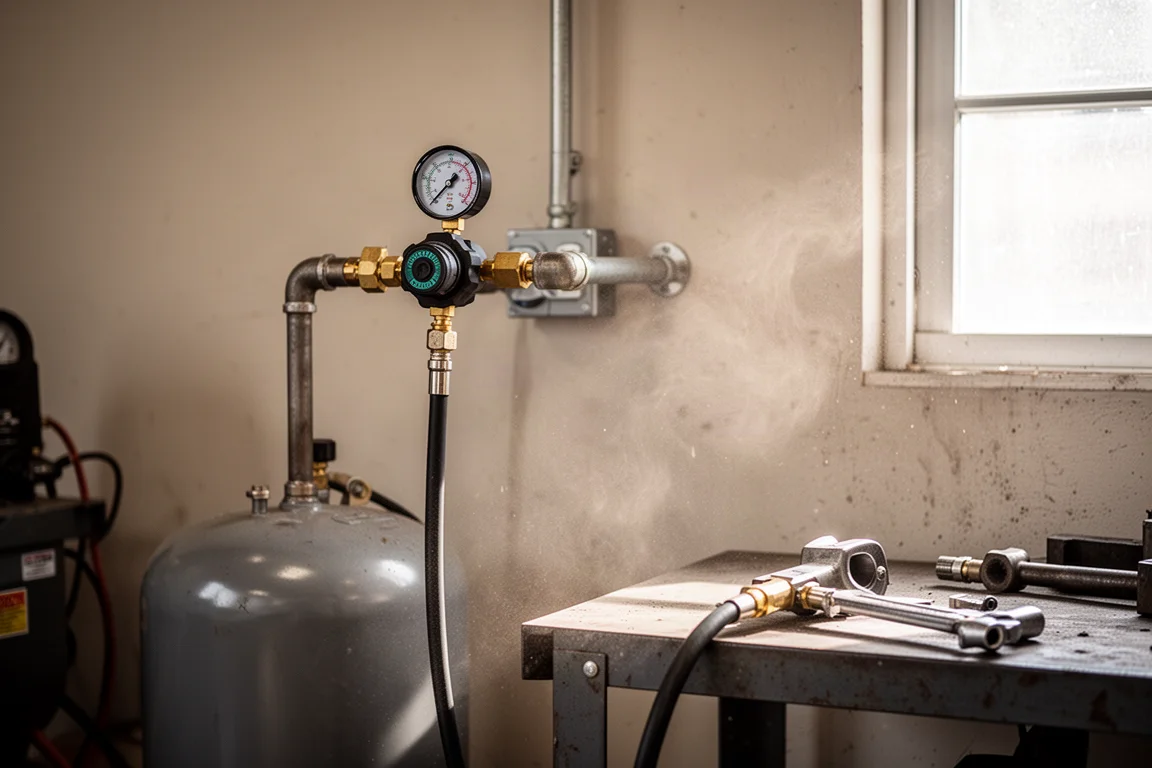
One naming note worth understanding: when people say quarter inch, three eighth inch, or half inch in the context of NPT threads, these are names more than actual dimensions. A quarter inch NPT thread actually measures over half an inch nominally, and half inch NPT measures close to seven eighths of an inch across. Hose sizes and thread sizes follow different logic, which is part of why fitting choices get confusing.
Fittings: Standard vs High Flow
The standard automotive type T fitting and matching coupler held about 285 watts on the die grinder while spinning roughly 12,770 RPM under a 250-watt load. The industrial Milton M style and the type A arrow style landed very close behind, each sustaining around 280 watts, with the A style a touch slower at 12,430 RPM. On small-to-medium tools, the everyday fittings are all roughly equivalent.
The aftermarket high-flow fittings are a different story. Brands like Flexzilla, Harbor Freight, Merlin, and Dynamic Power sell aluminum high-flow plugs, most of them patterned after the Milton V style high-flow design. The Milton V fitting was the standout of this group, reaching 14,250 RPM under load and sustaining about 310 watts, comfortably ahead of every standard fitting.
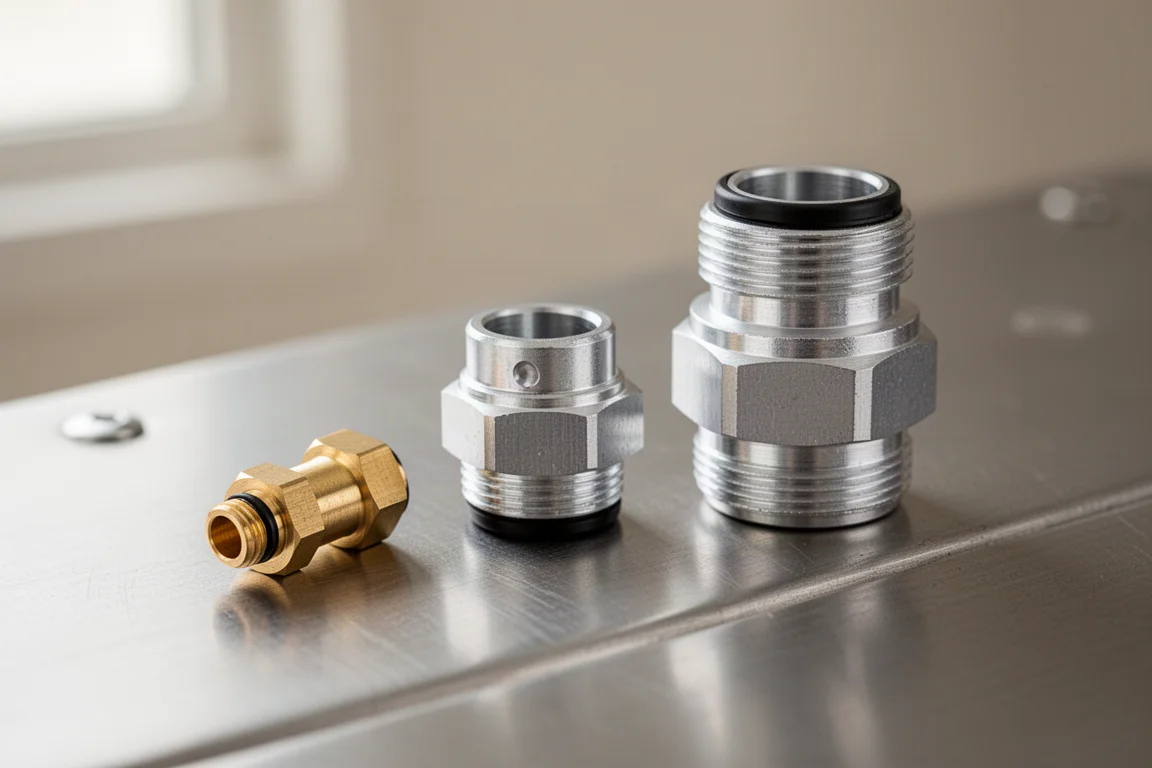
A couple of practical caveats came out of this testing. Aluminum high-flow fittings can dent on the opening, turning the round port into a D shape, which silently lowers power or causes leaks, and in some cases they can shear off entirely. There are also custom high-flow three-eighth NPT body fittings with quarter inch NPT threads, letting you enjoy a larger fitting on a regular tool without modifying the tool itself. Those measured about 13,450 RPM and 300 watts, an improvement over standard fittings but held back slightly by the coupler, still just under the Milton V.
Air Swivels: Flexibility vs Flow
Swivels solve a real problem: hose twist and awkward angles at the tool. The Flexzilla high-flow swivel with a Milton V style plug performed surprisingly well at 12,920 RPM, though under maximum load it sustained 280 watts instead of the 285 a regular fitting managed. Still comparable to a non-swivel fitting, which is impressive.
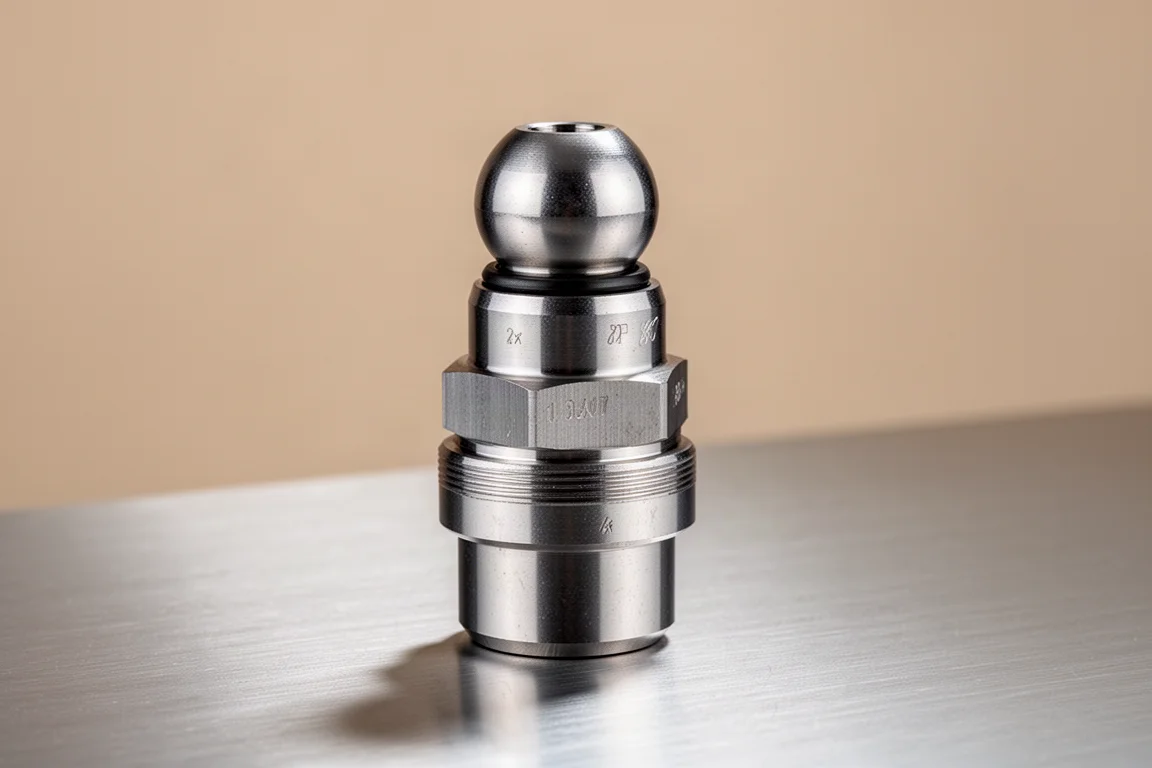
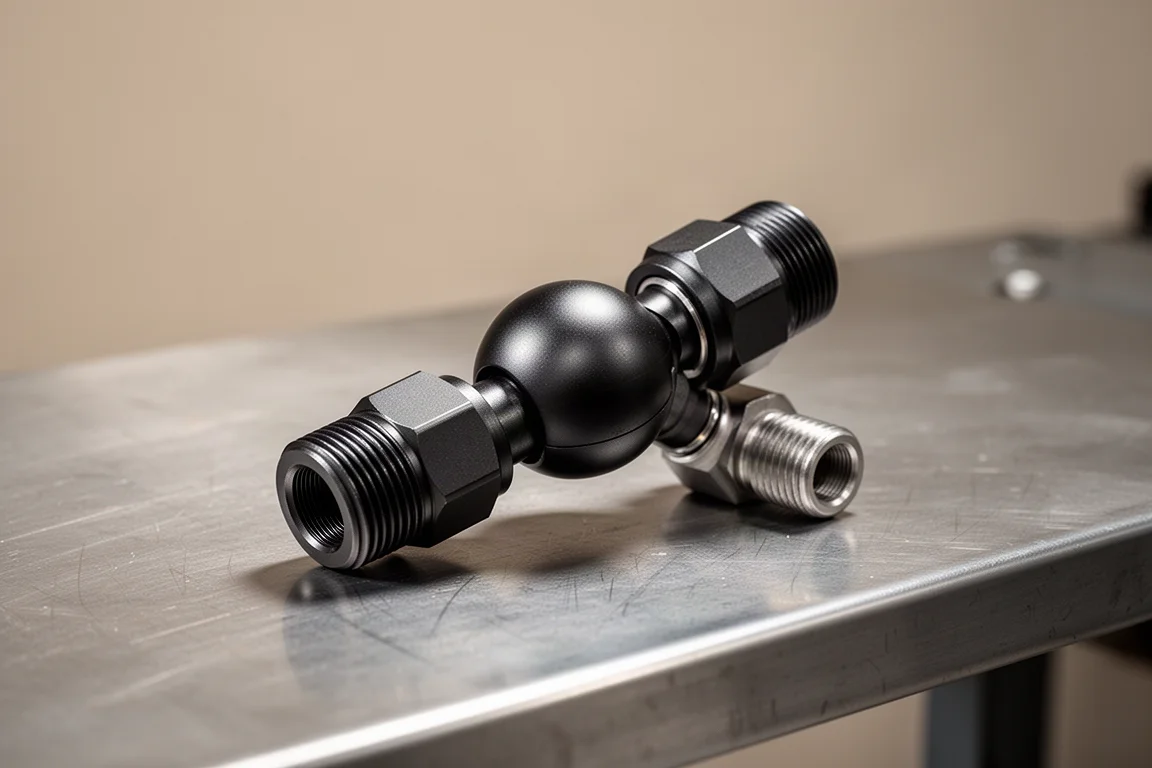
The Freedom swivel uses a ball joint design similar to what some racing teams use, offering much more orientation freedom. At around $32 versus $10 to $12 for ordinary fittings, it was a bit of a letdown in raw numbers at 12,850 RPM, but it still made the same 280 watts with far better freedom of movement.
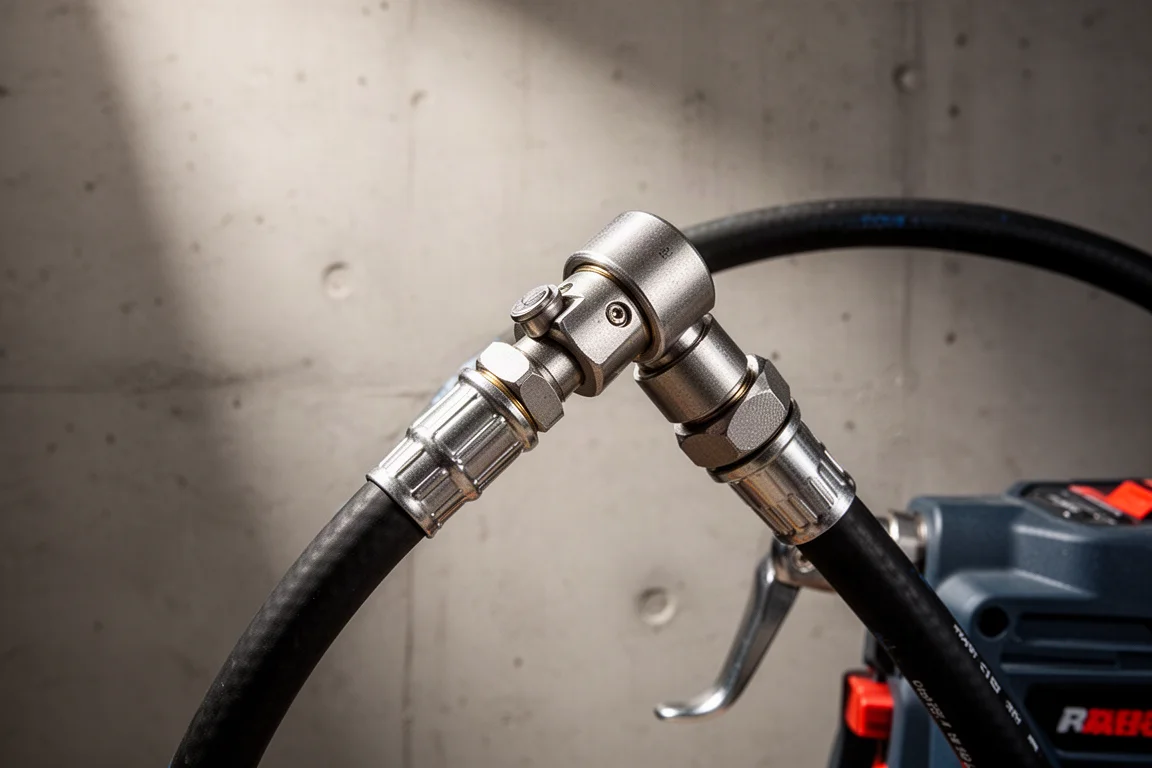
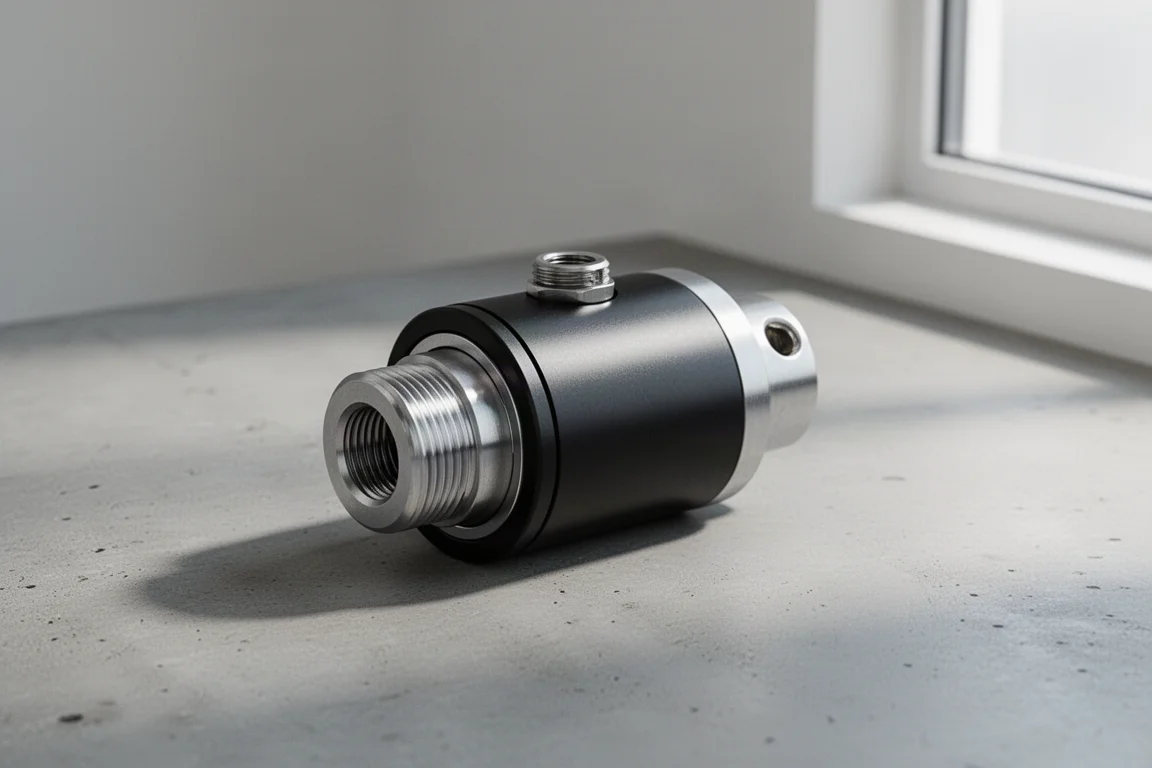
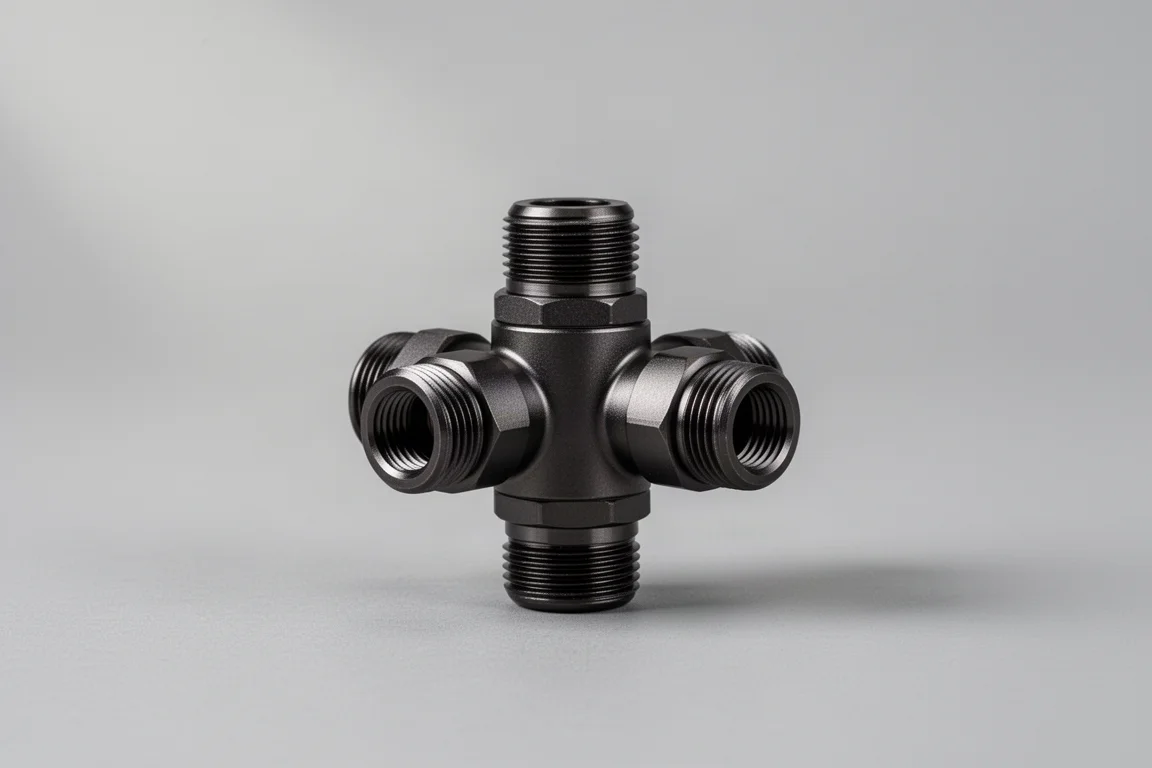
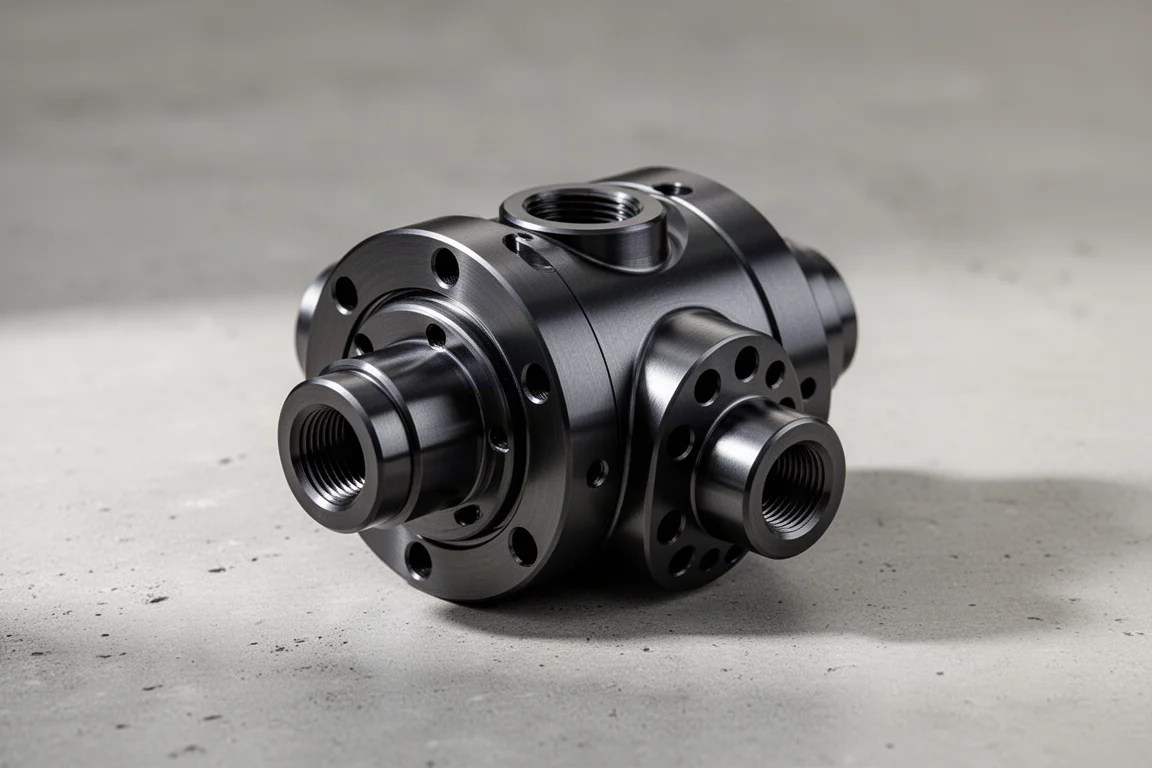
Three-way swivels have historically been the weak point. Existing designs from Matco, Harbor Freight, and the Astro 3SB10 all lose noticeable flow. That gap is what a new billet CNC hardcoat anodized three-way swivel, the Astro 3SB40, was developed to close: about one and a half times the overall size of older three-ways, with ported-out internals and additional flow holes roughly doubling the flow area. It measured 13,600 RPM under load and 300 watts, placing it above even the custom three-eighth fitting with no swivel at all. It has also proven durable in months of daily use, and unlike many three-ways, it does not leak.
Buffer Tanks and Direct Hose Connections
An 11-gallon expansion tank acting as an air buffer near the tool gave the die grinder 14,750 RPM and 315 watts, a bump but not a dramatic one. The more interesting result came from threading a three-eighth air hose directly into the tool with no fitting or coupler at all: 14,380 RPM and 320 watts sustained, the highest wattage yet. The downside is convenience, since the tool is effectively paired with the hose until you depressurize everything.
A half-inch air line with three-eighth NPT fittings matched that 320-watt figure while spinning even faster at 14,900 RPM, the best RPM of the entire test. This suggests half-inch airlines are the strongest simple upgrade for demanding tools, consistent with how large air hammers are typically tested.
Impact Wrench Results: Where It All Pays Off
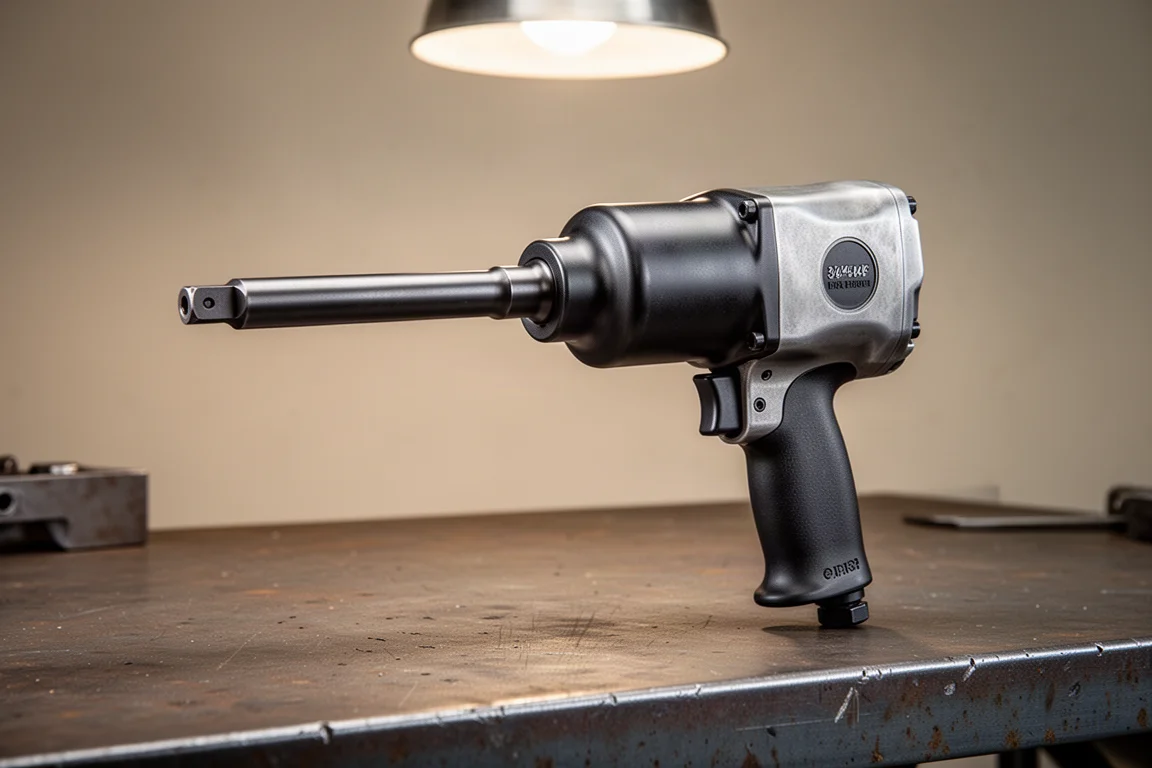
On a large 3/4-inch drive impact, the pattern held. Using a buffer tank with regular shop fittings and three-eighth hose, a prototype 3/4-inch Thor impact made about 830 foot-pounds at 125 psi. Swapping in custom three-eighth body fittings with quarter inch NPT threads nudged it to 854, and the Milton V high-flow fitting on the three-eighth line pushed it to 887 foot-pounds, a genuinely noticeable jump. Removing the buffer tank dropped it to 867, still above the custom fittings, so a tank may not be the answer for full-size three-quarter-inch guns on big lines, but it can help smaller home setups see real gains.
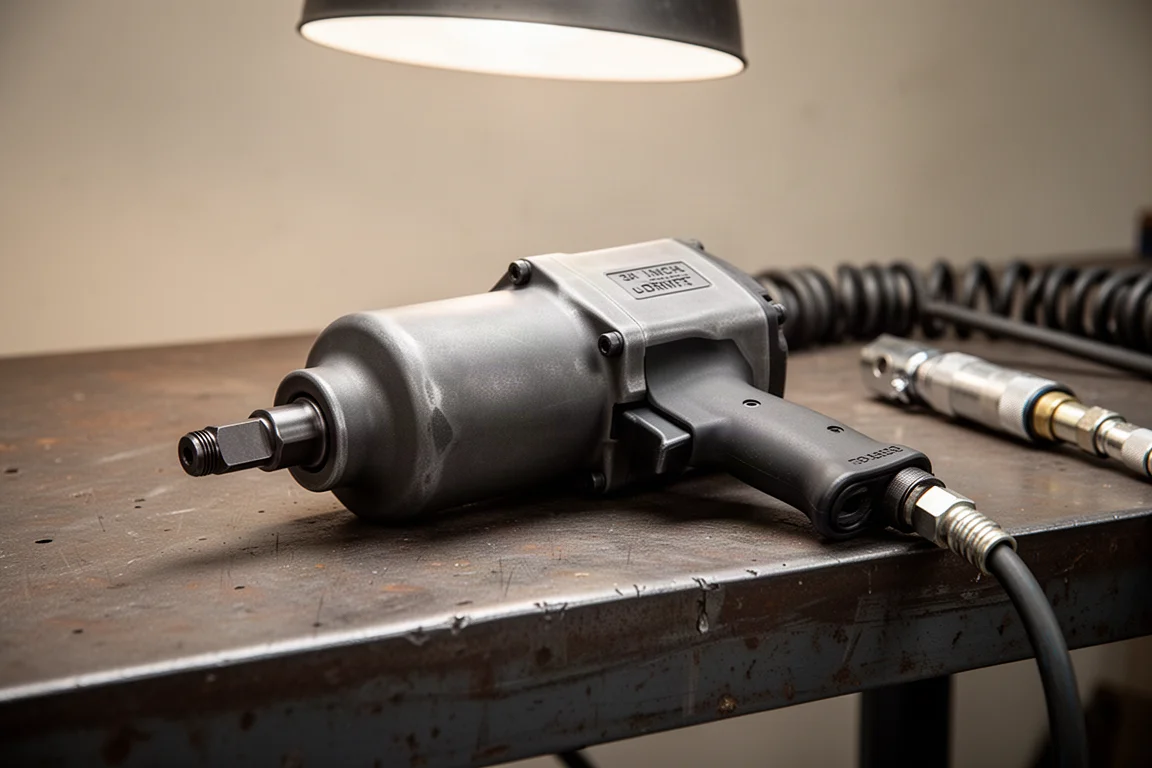
Feeding three airlines into the same tool through a splitter, an admittedly silly experiment, hit 925 foot-pounds, the first result into the 900s. The real winner was threading on half-inch NPT body fittings, the giant construction-site style couplers, on a 25-foot half-inch hose with no tank: 985 foot-pounds at 150 psi, and 939 foot-pounds even at 125 psi. That beats the triple-hose setup, which proves the point that the weakest link in your restriction chain matters more than the air source alone.
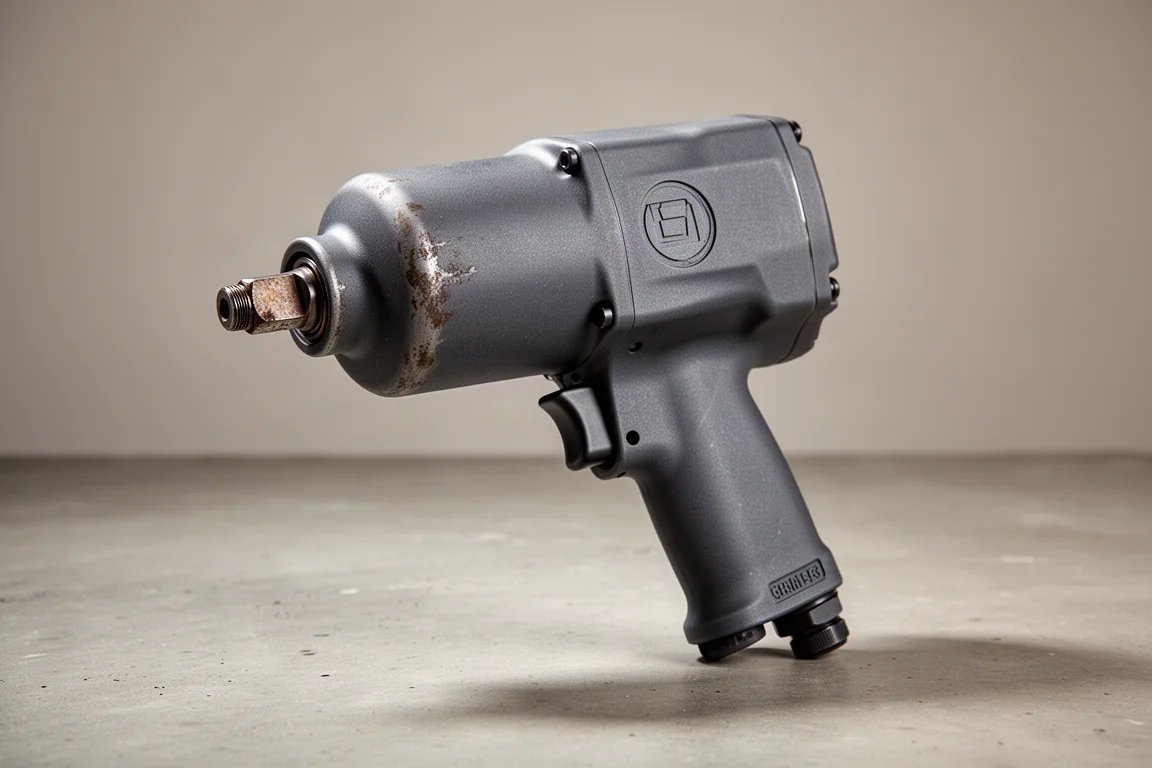
This prototype Thor impact has a wider grip allowing a larger internal passageway, eliminates the roll pin hole where air could weep, drops the two-stage trigger for a simpler tilt valve, and uses a larger air motor with shallower webbing at the rear. Similar changes are appearing on the Thor 1894. The design intent is clear: let people on ordinary three-eighth and half-inch lines see real three-quarter-inch power without needing a diesel-shop-grade air system.
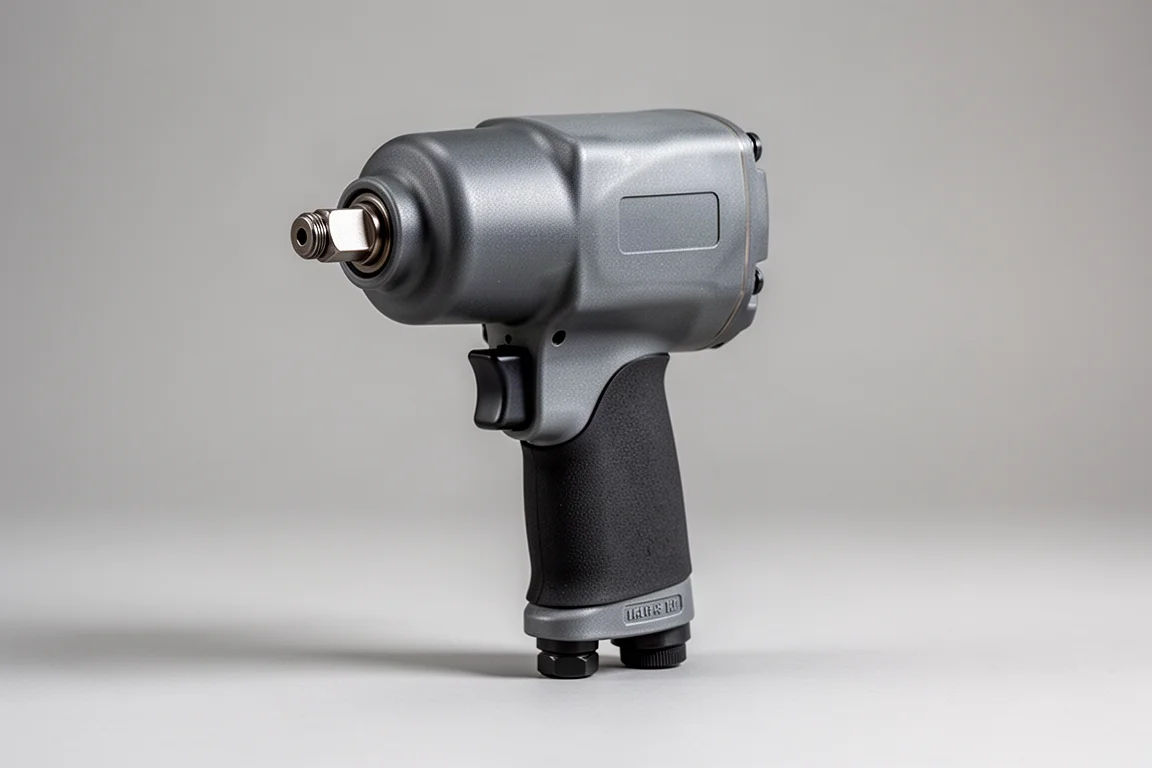
One last question that comes up often is air tool oil. Yes, use it, but the gains vary. A very used Ingersoll Rand 2135TiMax that had not been oiled in perhaps a decade showed almost no difference before and after, while other tools can gain as much as 10 percent. It depends entirely on what is going on inside the gun at the moment.
Buying Advice
If you only change one thing, make it your fitting. Moving from a standard automotive fitting to a Milton V style high-flow fitting was the single biggest fitting-only gain in testing, worth roughly 25 watts on the die grinder and about 30 foot-pounds on the impact. If your hose fights you at the tool, the Astro 3SB40 three-way swivel is the first three-way that does not cost you meaningful flow, while the Flexzilla swivel is the pick if you want near-fitting performance with a single axis of rotation. For serious air demand, half-inch airlines or even threading the hose directly into the tool deliver the highest sustained power, and a buffer tank can rescue performance on small home compressors.
Conclusion
The weakest link in your air line determines your tool’s output, not the compressor alone. High-flow fittings, a well-designed swivel, and sensible hose sizing can unlock real, measurable power that you would otherwise be leaving in the tank. Match the upgrade to your setup, and your tools will feel noticeably stronger without buying a single new tool.
Further reading
Related Reviews
Air Tools
Air Impact Wrench Showdown: Matco MT3779 Rex vs Ingersoll Rand 2236 TiMax
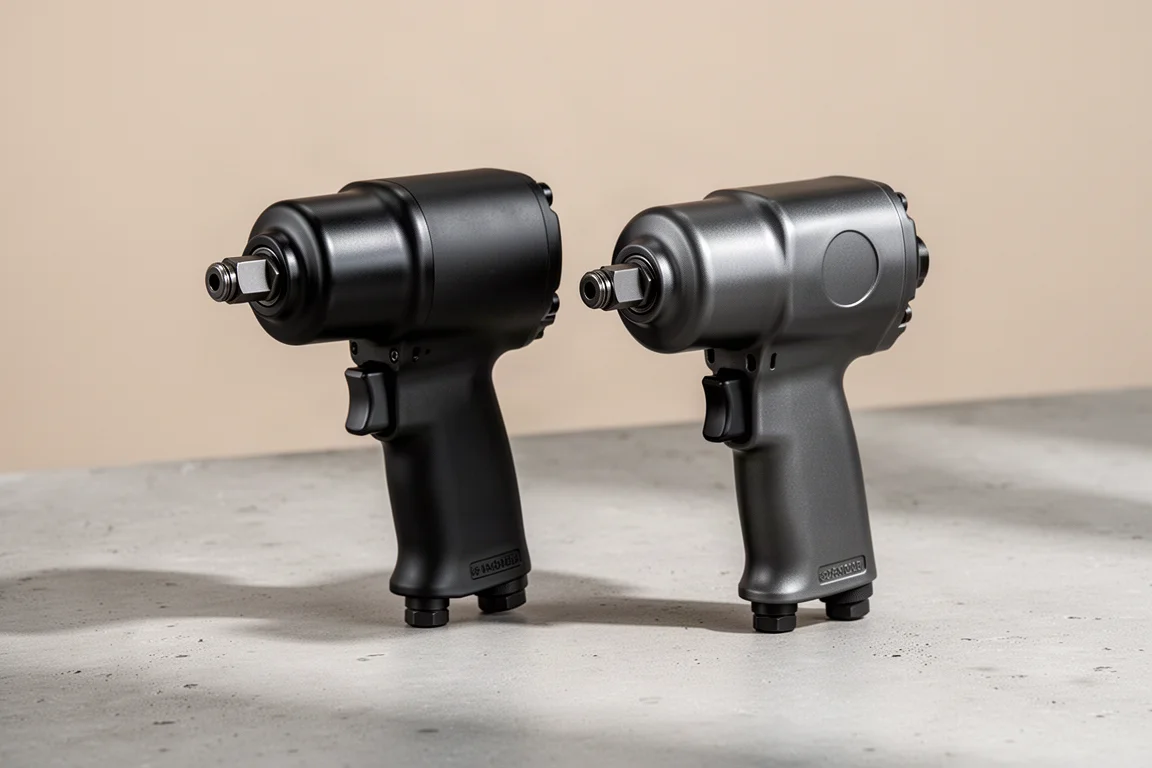
Two next-generation half-inch air impacts go head to head, with one breaking new torque records and the other confusing us with swap-in anvils and backwards power modes.
Air Tools
Best Air Hammers 2026: Four Tested Short and Long Barrel Picks
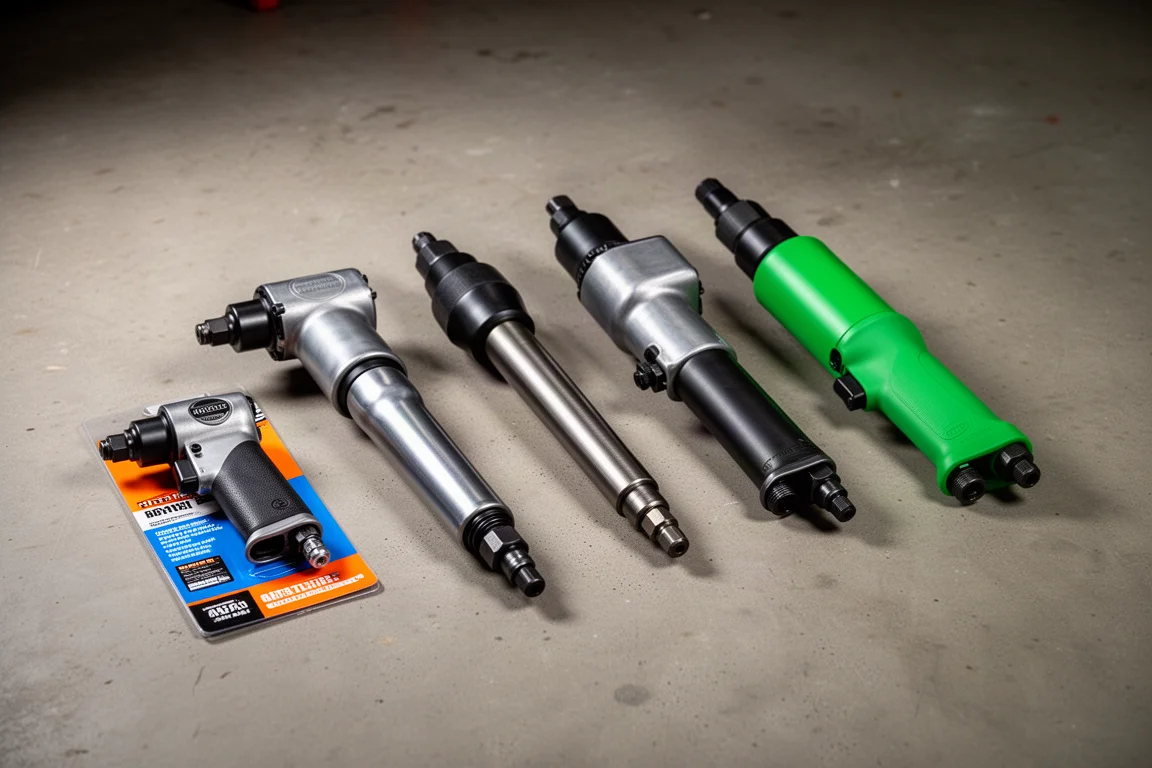
We compare four air hammers across power, trigger control, and price, from an $18 Walmart short barrel tool to a new long barrel record-setter.
Air Tools
Best Air Hammers Compared: Snap-on PH3050B vs Aircat 52508 vs Astro Thor 401K
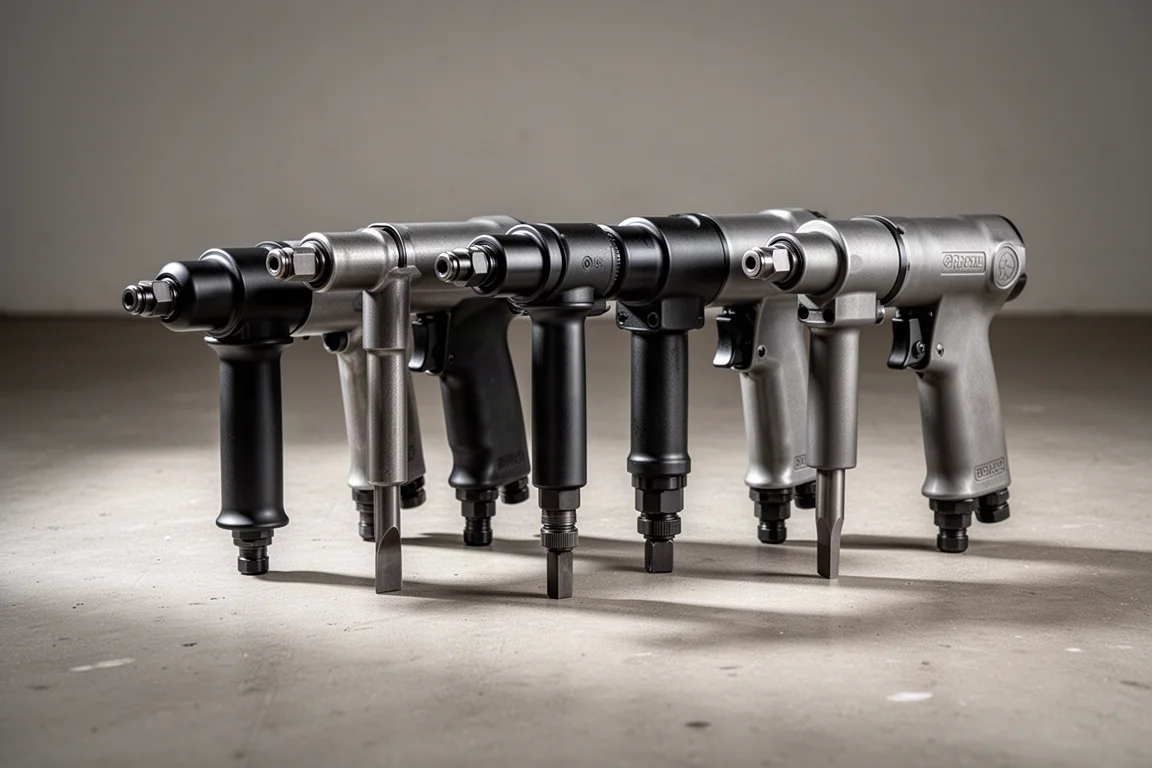
Three long-barrel 401-shank air hammers go head to head on power, trigger control, ergonomics, and value to find out which one belongs in your shop.