Stationery
Plus M-Vision Pro and M-Vision: Drafting Pencils Worth a Close Look
Plus enters the stationery market with two drafting pencils, a brass-bodied Pro and a lighter Standard. Here is what stands out before you buy.
Introduction
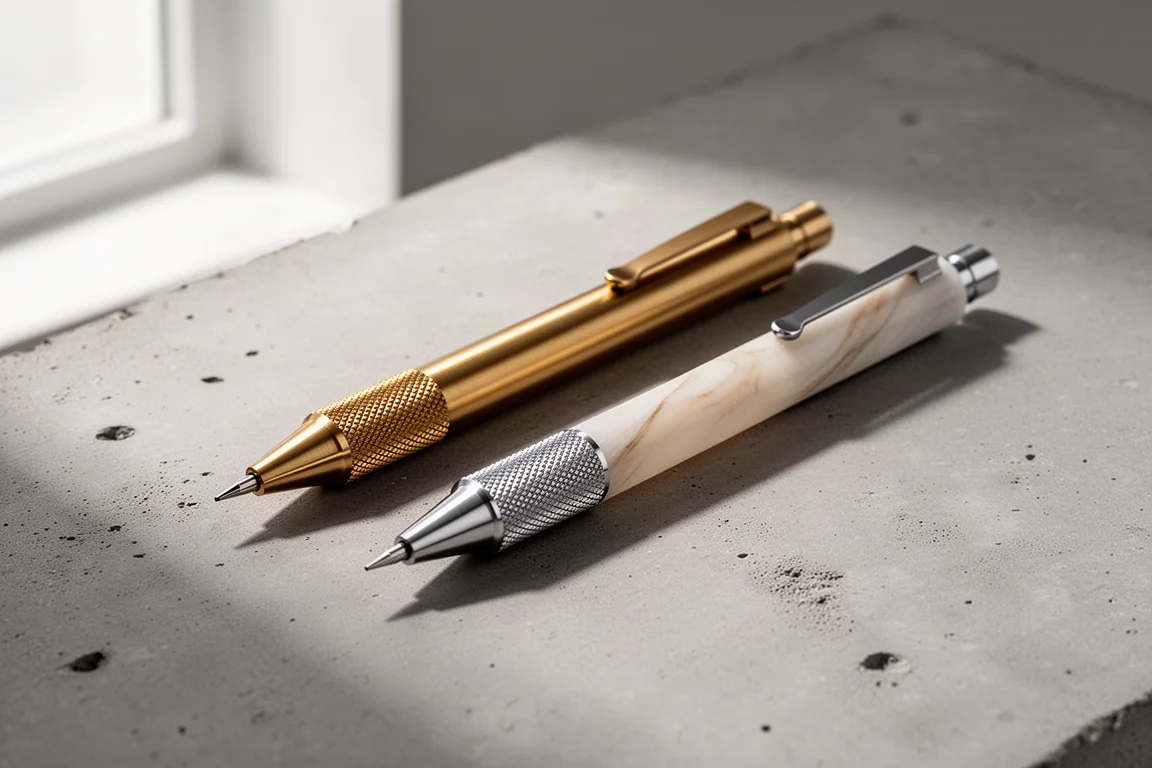
Plus, the Japanese stationery brand that debuted in July 2025, has entered the writing instrument market with a coordinated launch: two mechanical pencils and two ballpoint pens designed under the direction of its creative director. This article focuses on the two drafting pencils in that lineup, the M-Vision Pro and the M-Vision Standard, covering design, materials, handling, and the trade-offs you should weigh before choosing between them.
Plus M-Vision Pro: What You Get
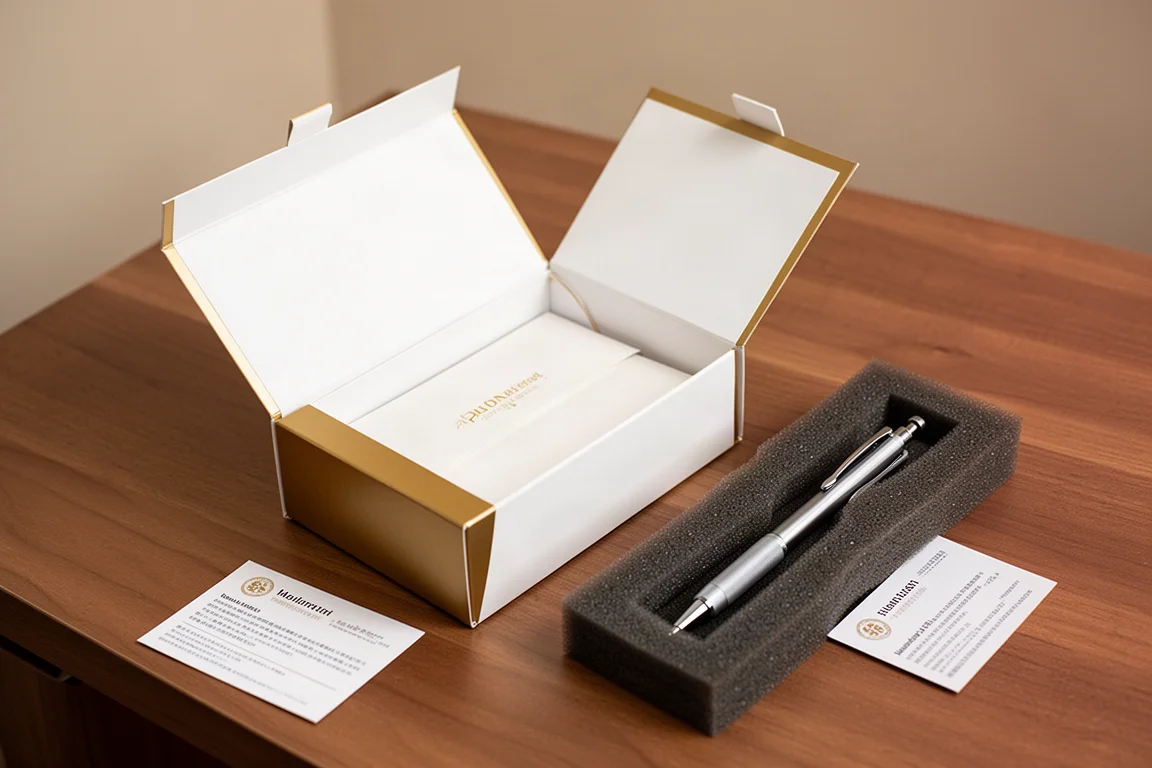
The M-Vision Pro arrives in an elegant white and gold paper gift box, with the pencil held firmly in a molded insert. Inside you also find a dedicated warranty card, and the packaging itself feels genuinely premium. Color options are Meteor Black, Titanium Gold, and Snow White, and preferences at the launch experience were clearly split rather than all leaning toward black.
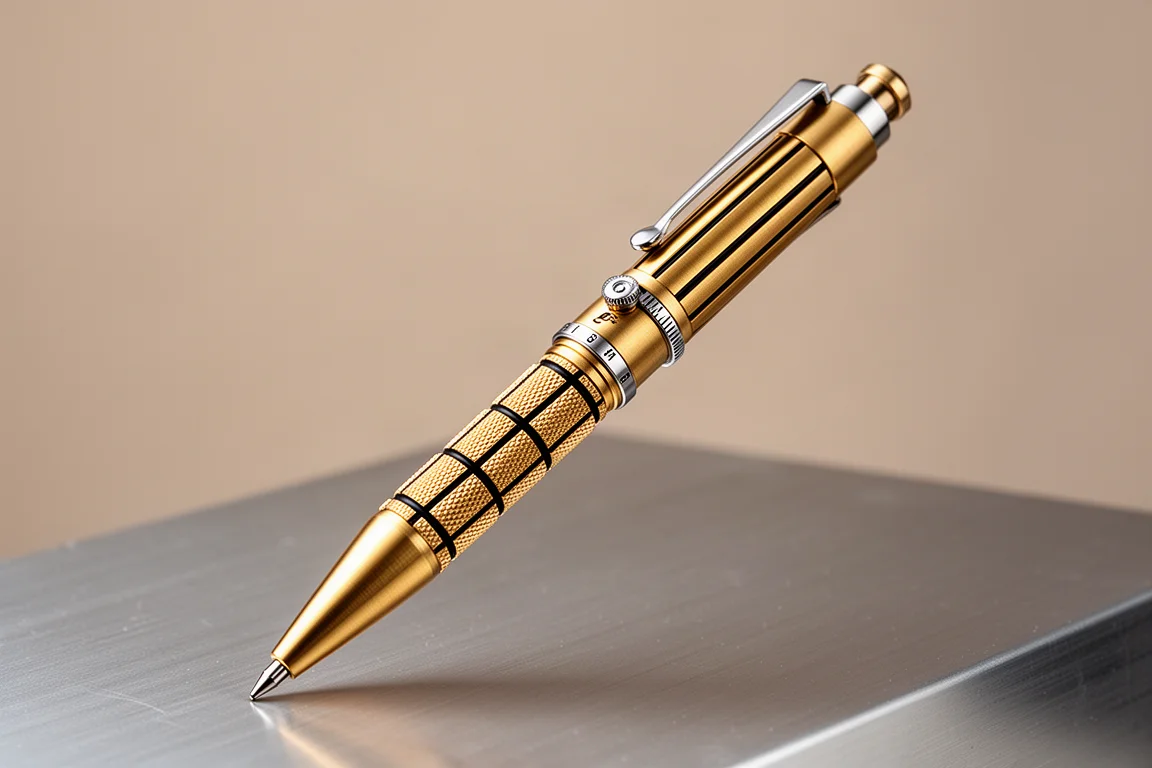
The body is full brass, finished with plating and paint over it. In the hand it has real weight and a dense, substantial feel. The lead hardness dial is a standout idea: instead of a small window, the entire dial rotates so the marking stays visible in your grip. The dial turns with a satisfying, softly detented click feel and only rotates in one direction, so avoid forcing it backwards. One caveat: the markings are printed rather than engraved, and since this area is touched constantly, engraved markings would have been the more durable choice.
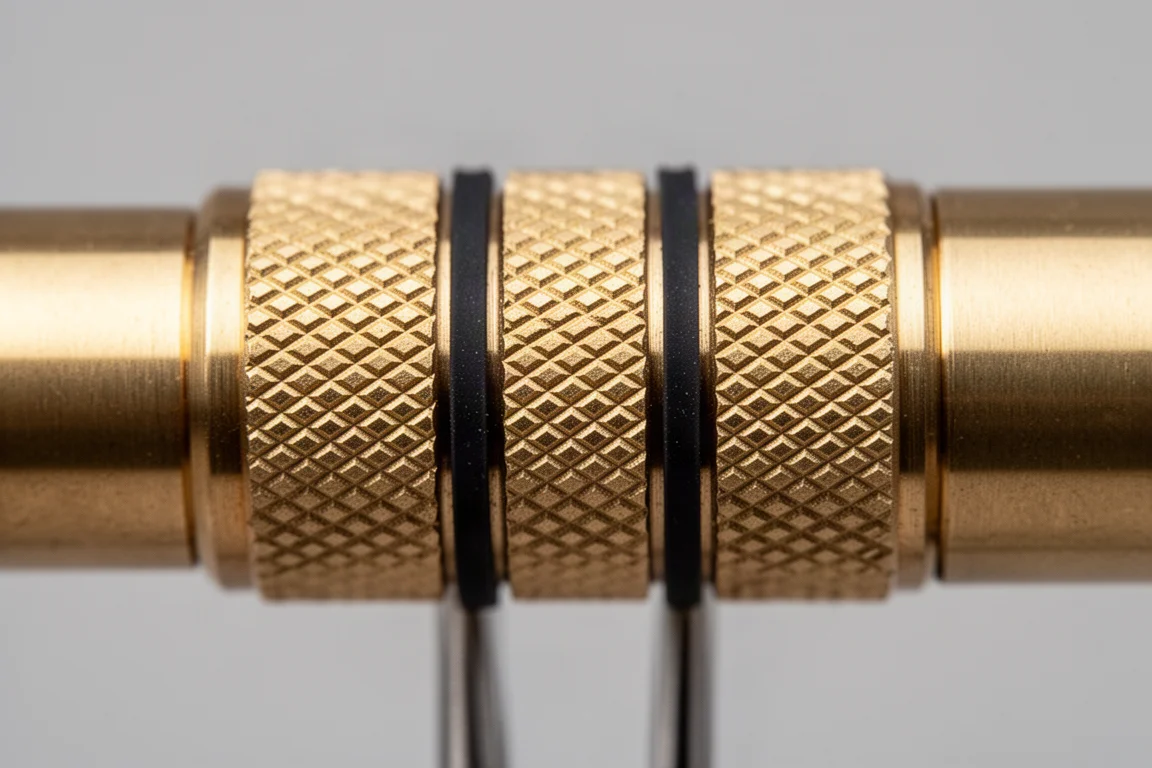
The grip combines a metal body with knurling and three narrow rubber strips, a layout clearly aimed at testers who compare it with classic drafting pencils. The rubber width is just 1mm, deliberately kept narrow so the knurl texture still comes through, and the grip through to the nose cone is machined from a single piece of brass. The 24mm short clip rarely touches your hand while writing, and the metal chuck plus included eraser round out the package. Note that a cleaner pin is not included. The Pro measures 142mm long, weighs 26g, with a 9mm shaft and a 4mm guide pipe.
Writing Feel and Balance
The Pro has a high center of gravity, though it sits closer to the middle than the weight distribution alone might suggest. It delivers a smooth, precise writing feel with a clear sense of machined quality. Because the balance leans rearward, it rewards an upright writing angle; if you write with the pencil laid low, you will feel the rear weight and may notice some fatigue. For long writing sessions, that is the main limitation.
Plus M-Vision Standard: The Lighter Option
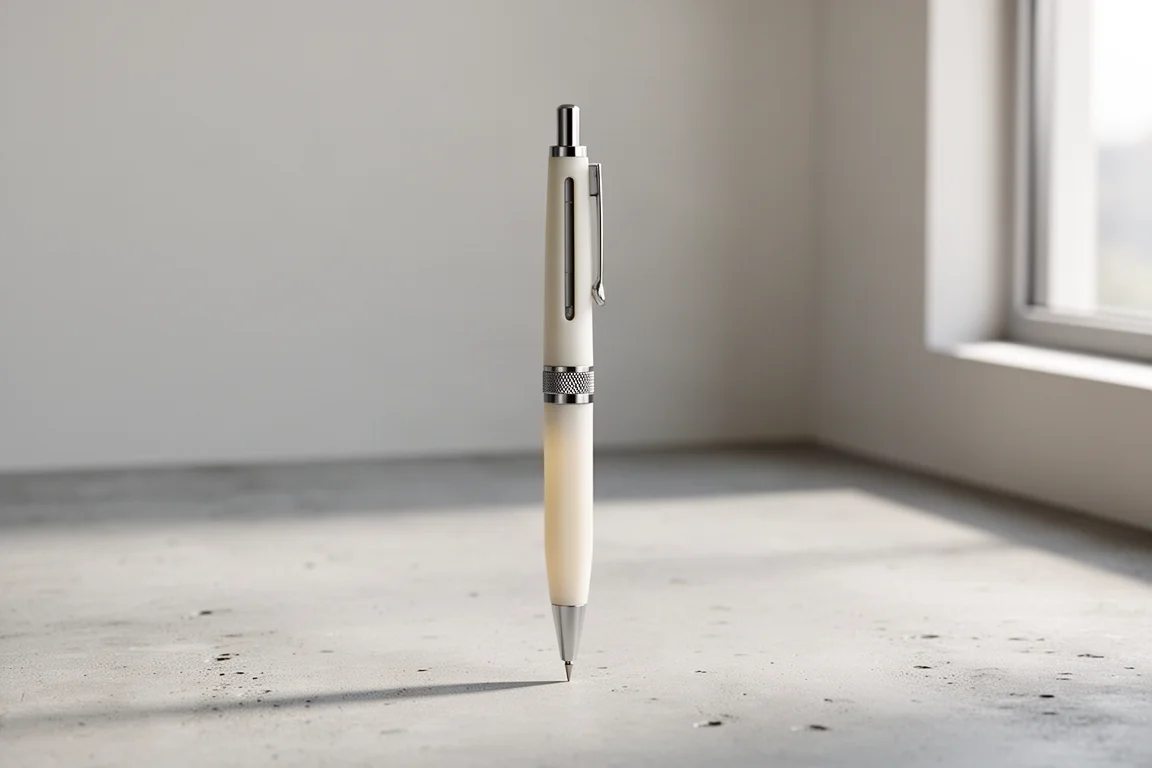
The Standard takes a different approach. Its barrel is resin rather than brass, and its balance is low, making it lighter and easier to maneuver. It lacks the knurling of the Pro grip and its dial produces a lighter, higher click sound, but the overall writing experience is smooth and effortless.
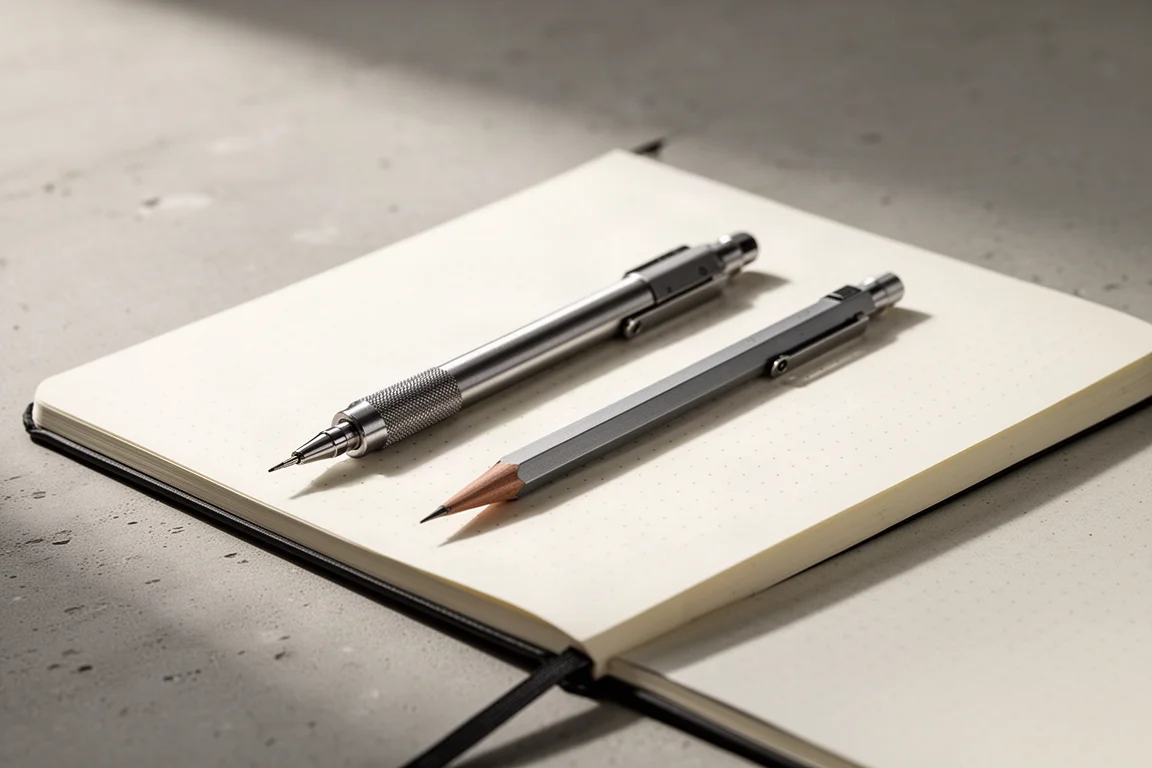
At roughly 2,000 yen less than the Pro, the Standard is arguably the more accessible entry point into the lineup, and it would not be surprising if it becomes the better seller. Both pencils were available at early in-store test events, and trying both side by side makes the contrast in weight and balance immediately obvious.
Buying Advice: Which One Should You Pick
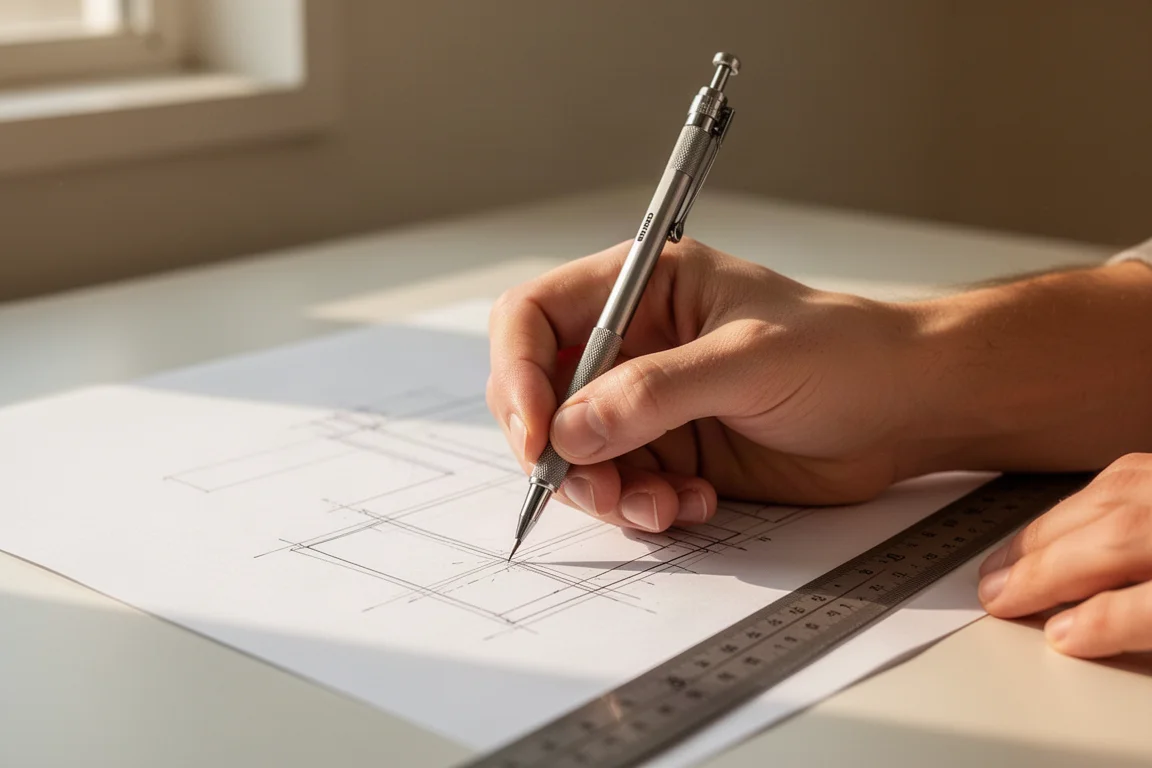
Choose the Pro if you enjoy heavier, denser pencils and can keep an upright writing angle; that is where its precision and build quality really show. Choose the Standard if you prefer a light, low-balanced pencil for relaxed, extended writing.
One practical note if you are drawn to Snow White: lead dust from sharpening shows on the pale finish, so black or gold are the safer choices if that concerns you. Some stores offer early in-store testing, and being able to feel the weight difference before deciding is genuinely worthwhile here.
Conclusion
Both drafting pencils reflect a launch lineup built with attention to detail at every level, from the machined brass grip to the rotating hardness dial. The Pro rewards writers who understand its rearward balance and write upright, while the Standard offers an easier, lighter daily experience at a friendlier price. Matching the pencil to your grip style is the key to getting the most out of either one.
Further reading
Related Reviews
Stationery
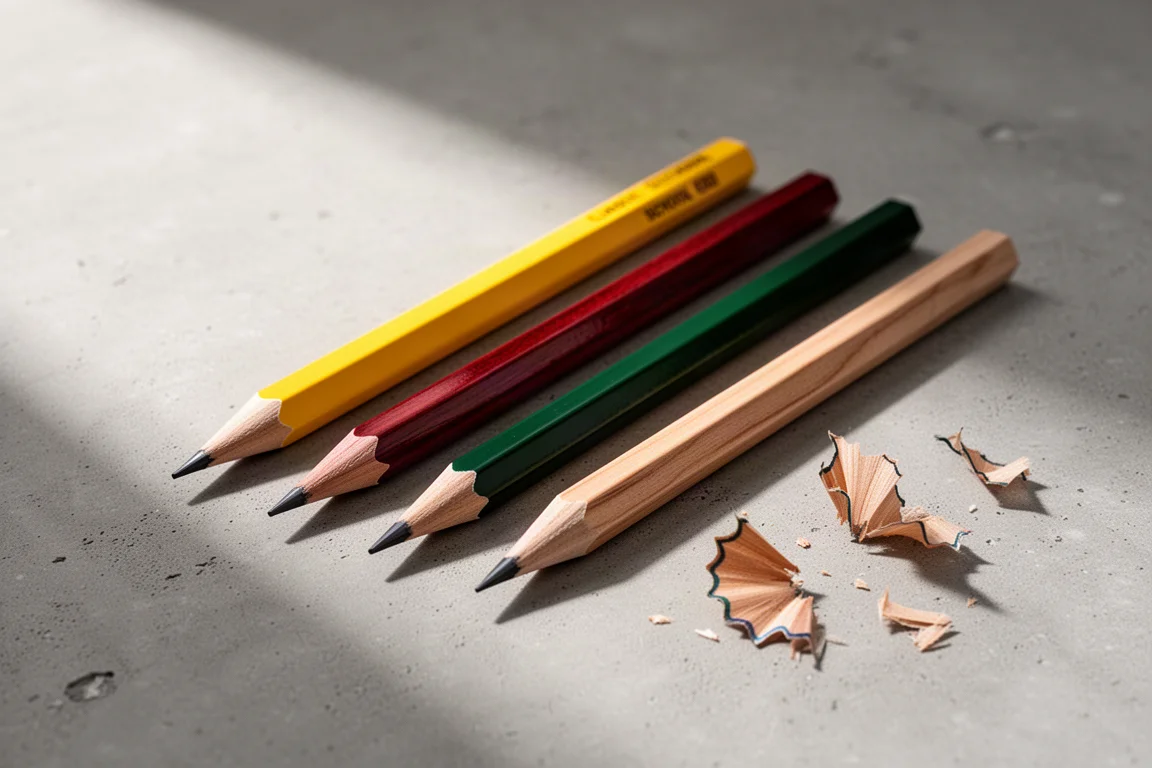
Musgrave Pencils Review: Four Classic Pencils from Tennessee's Last Pencil Factory
We put four Musgrave pencils to paper, from the classic Harvest to the Unigraph 1200 drawing pencil, to see what a century-old Tennessee workshop can still do.
Stationery
Fountain Pen Tiers Explained: From Starter Pens to Luxury Grails
A practical overview of the different levels of fountain pens and inks, from a sub-$20 starter setup to Italian piston fillers and retractable gold-nib everyday carries.
Stationery
HP Premium 32 lb Copy Paper Review: A Fountain Pen Friendly Everyday Printer Paper
A heavy, smooth 120 GSM copy paper that handles fountain pens far better than standard printer stock, with only minor trade-offs in shading and sheen.