Stationery
Planners vs. Journals: What's the Difference and Which Should You Buy?
Ten standout planners and journals, from daily planners to five-year diaries, and how to pick the right one for how you actually work.
Introduction
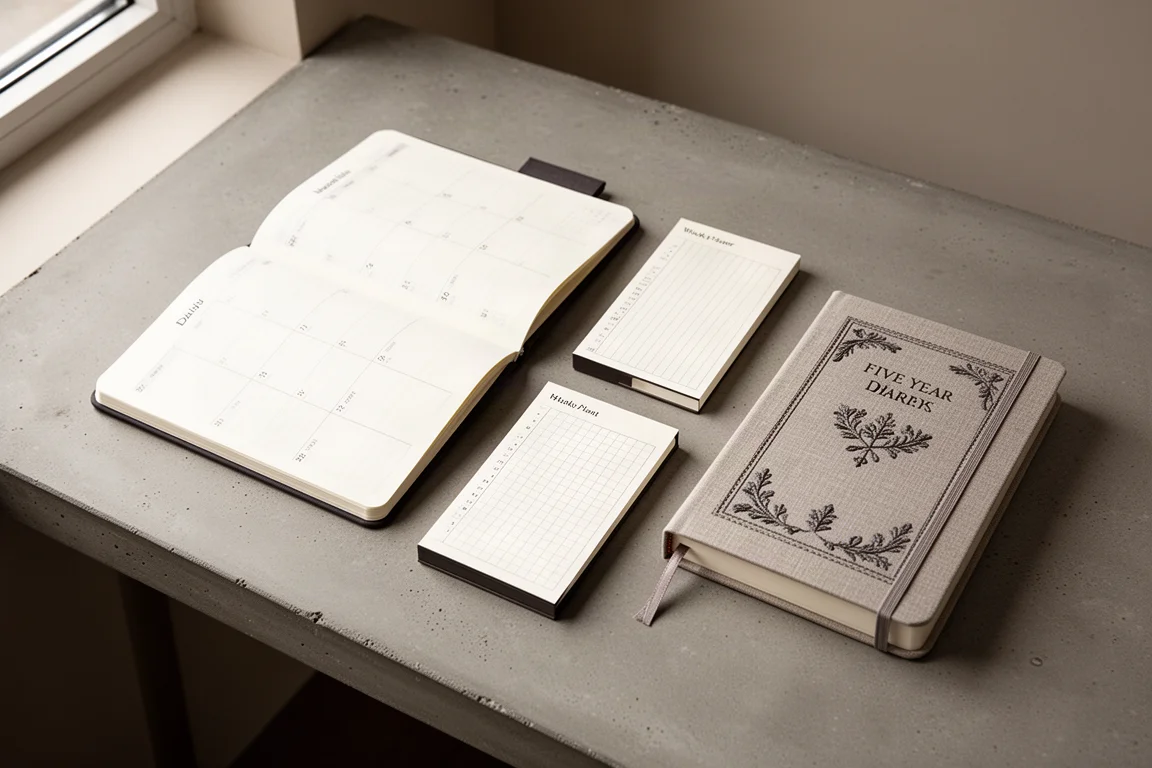
Planners and journals get lumped together constantly, and it is easy to see why. They look similar, sit on the same shelves, and often live in the same bag. But they do different jobs. A planner is built for structure: dated or undated layouts that help you organize your schedule and get things done. A journal is built for expression: a space to record thoughts, memories, sketches, and anything else worth keeping.
The good news is that there are no hard rules with your own stationery. Plenty of people use one notebook for both planning and journaling, and that is perfectly valid. Still, choosing the right tool makes the habit easier to keep. Below are ten of our favorite planners and journals, organized by what each one does best.
What Is a Planner?
A planner is a notebook designed to help you organize your schedule. Pages are printed with daily, weekly, or monthly formats, and many are dated for a specific year, though undated options let you start whenever you like.
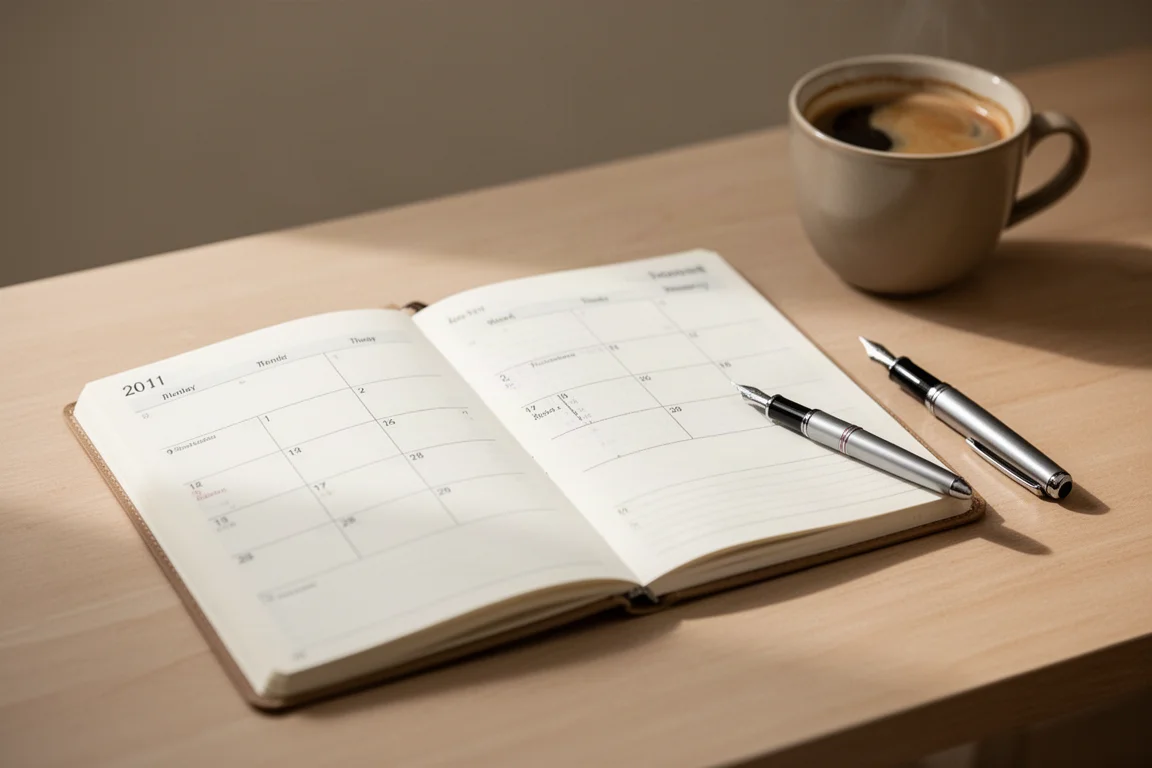
A daily planner dedicates one page per day, which gives you room for packed schedules and makes these books the closest cousins to journals, since there is space for longer entries too.
Best Daily Planners
Hobonichi A5 Planner
Hobonichi’s A5 planner is one of our favorite daily planners, offering a full page per day with generous room for schedules and longer written entries. It suits anyone whose days are busy enough to warrant serious writing space.
Hobonichi A6 Planner
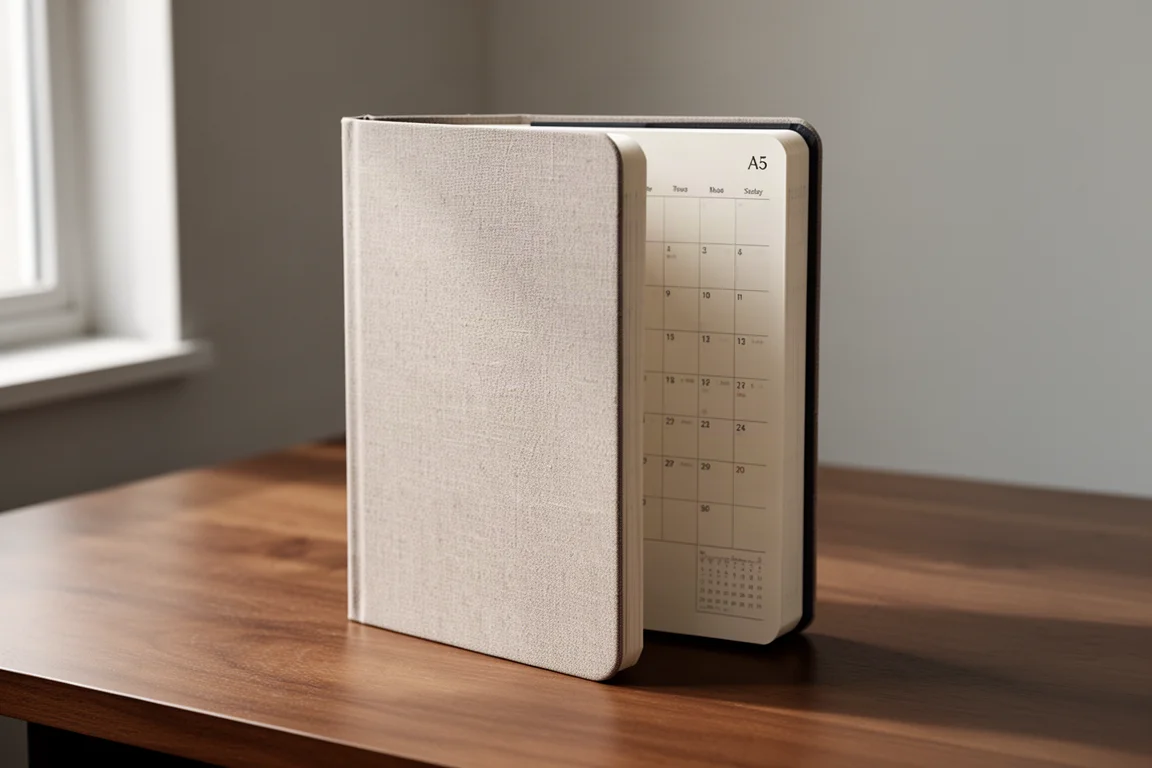
The A6 version trades size for portability while keeping the same one-page-per-day format. It is a great pick if you want daily structure in a book that slips easily into a smaller bag.
Kokuyo Jibun Techo DAYs Diary
If a freeform daily page feels too loose, the Kokuyo Jibun Techo DAYs Diary offers a more structured daily format. It is the better match for people who want guidance on the page without giving up daily space.
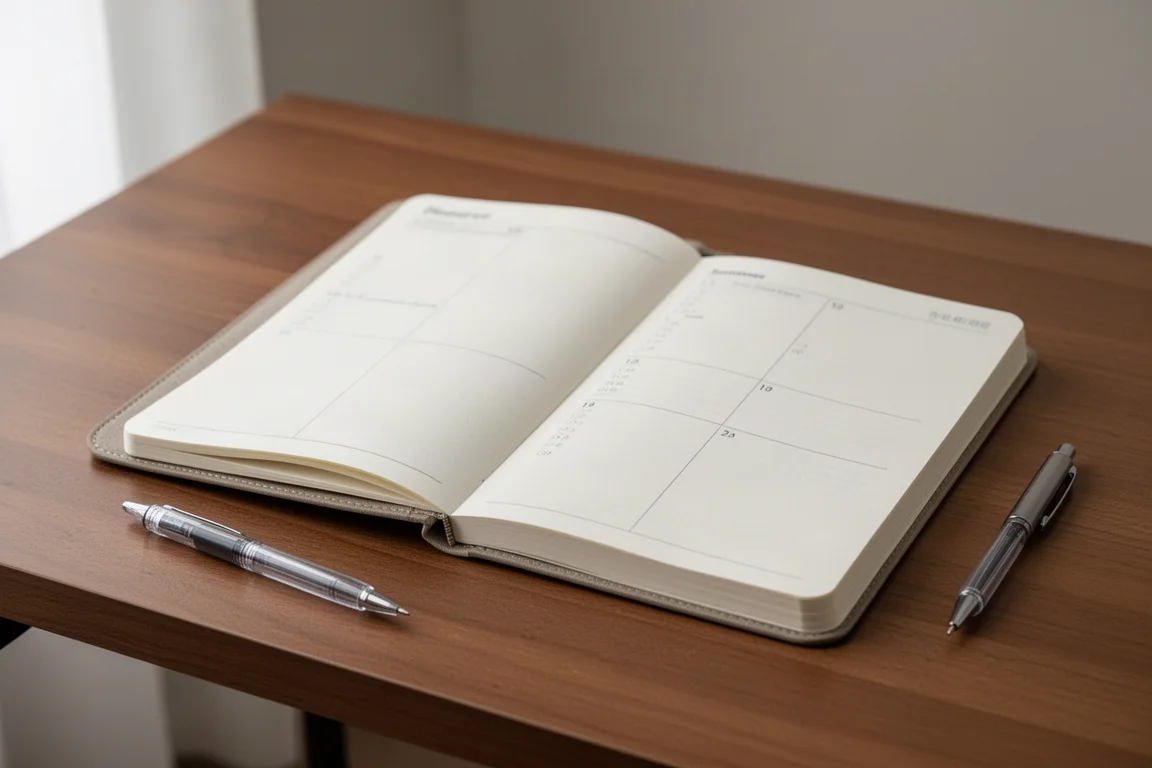
Weekly Planners: Three Formats Compared
Weekly planners let you see your entire week at a glance, and the three common formats each suit different planning styles.
The vertical format, found in the Kokuyo Jibun Techo, is usually paired with an hourly tracker that lets you block out chunks of time. It is ideal if your week lives and dies by appointments.
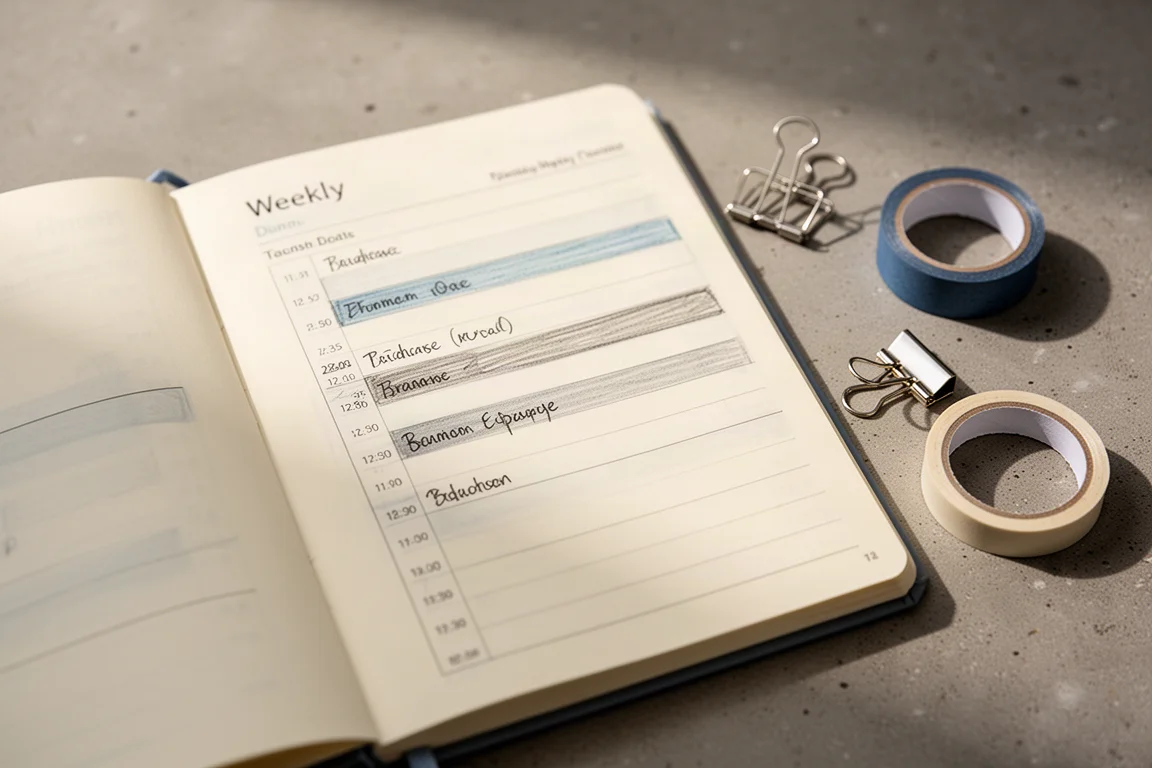
The horizontal format spreads the entire week across the left and right sides of the page. Leuchtturm1917 Weekly Planners are a good example of this spacious style, which favors people who write a lot per day.
The horizontal with memo format prints the days on the left and leaves blank space on the right. The Hobonichi Techo Weeks works well for anyone with a few scheduled tasks who also needs room to brainstorm.
Monthly Planning and Long-Term Projects
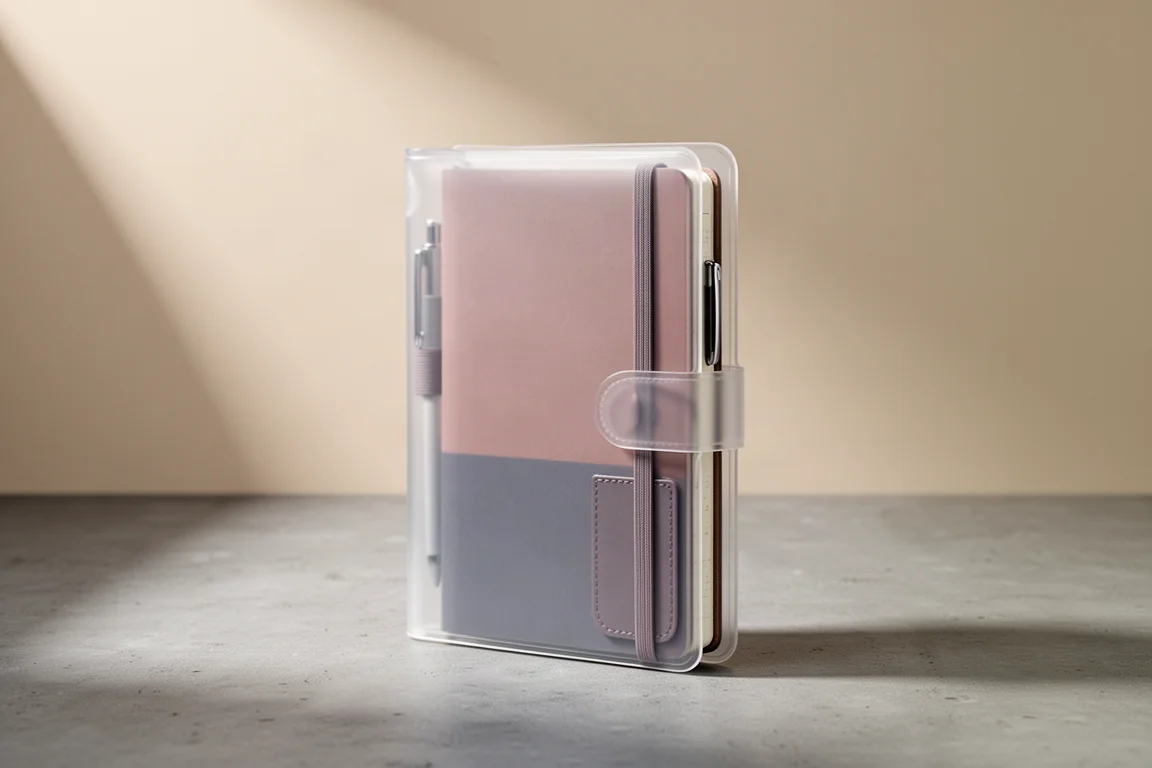
Monthly calendars are almost always included with daily and weekly planners, but a standalone monthly system is genuinely useful for tracking long-term projects. We suggest using a Mark’s System Planner Binder with Monthly Block & Memo Refills. Because the binder uses refills, you can customize exactly what goes inside and build your own planner.
What Is a Journal?
A journal is less of a planning tool and more of a space for recording your thoughts and memories. Where planners are about getting things done, journals give you a place to express your feelings, capture ideas, or simply document your days.
Creative Journals
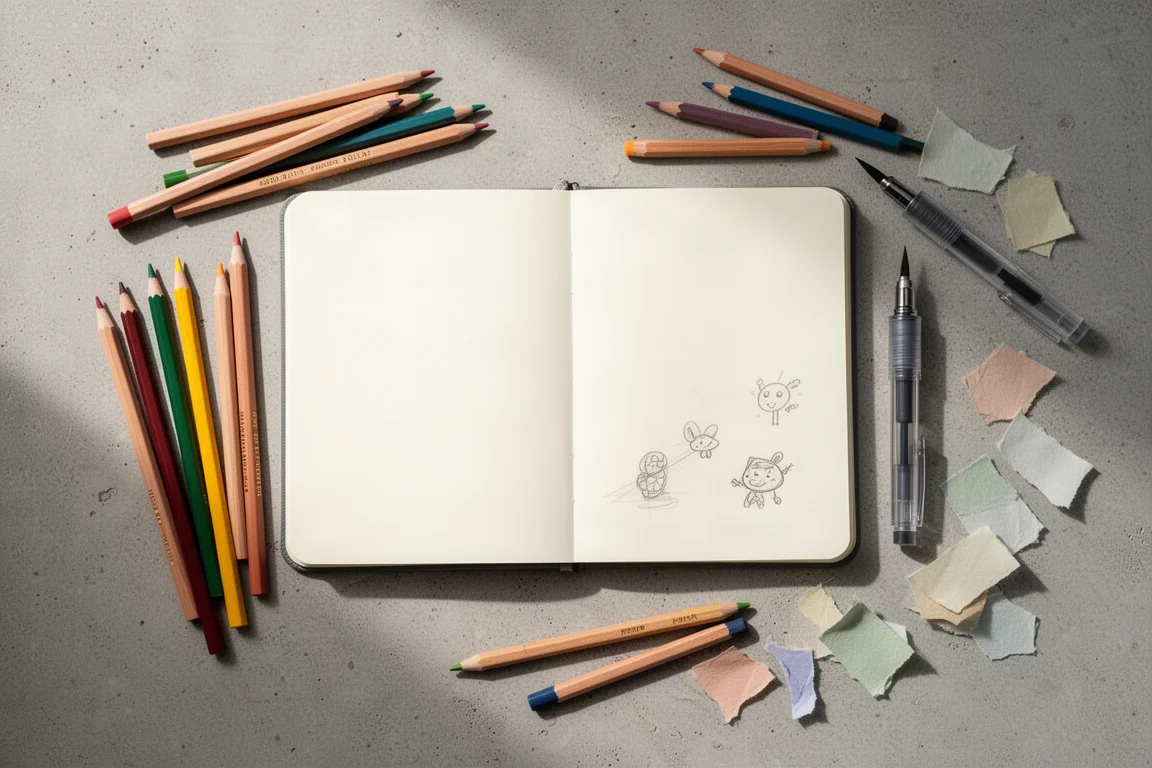
A creative journal is the most open to personal interpretation. You can write down what you accomplished, record things you are grateful for, or fill pages with sketches and doodles. A sturdy notebook with plenty of pages, like the Midori MD Notebook, is a good fit for this kind of open-ended use.
Bullet Journals and Page-per-Day Journals
Bullet journals, familiar to anyone who browses stationery social media, use a simple system: write down tasks, mark them complete, or migrate them to another day as needed. Many users expand the system with habit trackers or goal trackers, which turns a bullet journal into a hybrid planner and journal. You can track what needs doing and the books you read in the same place.
A page-per-day journal is exactly what it sounds like: one page for every day of the year. The Stalogy Editor’s Series Notebook also comes in smaller sizes and half-year versions, which is helpful if you do not want to commit to a large journal right away.
Five-Year Journals
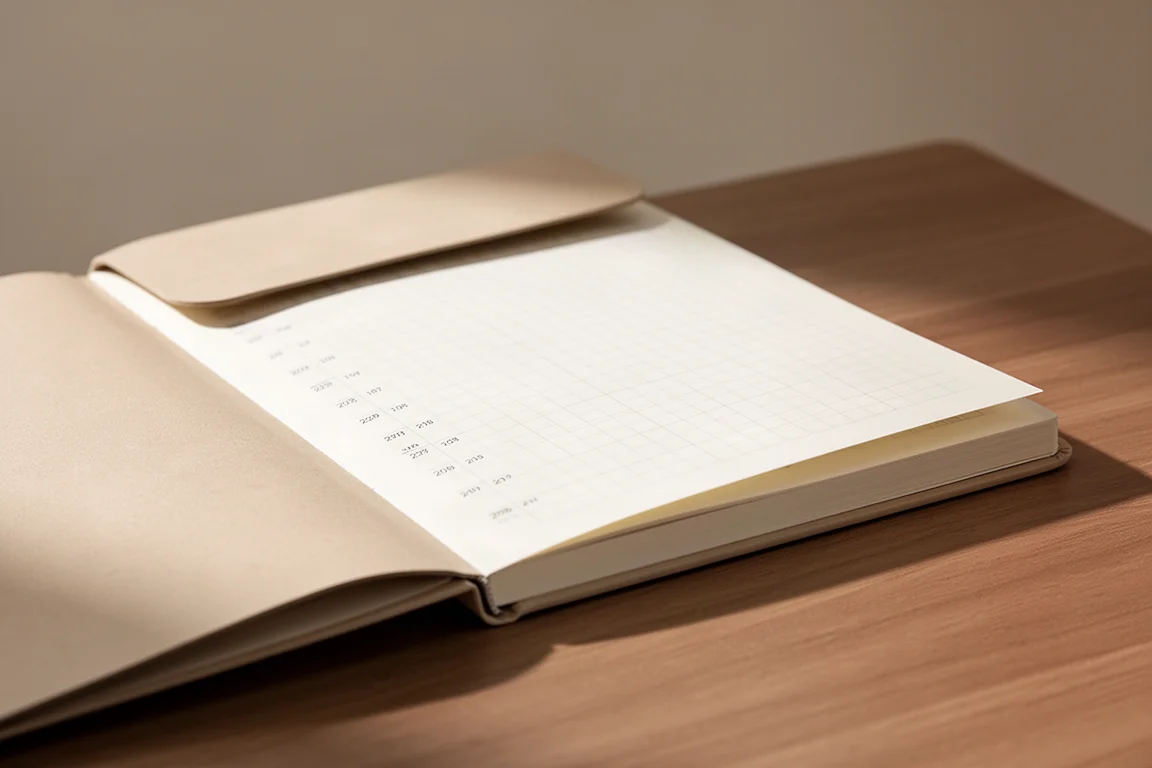
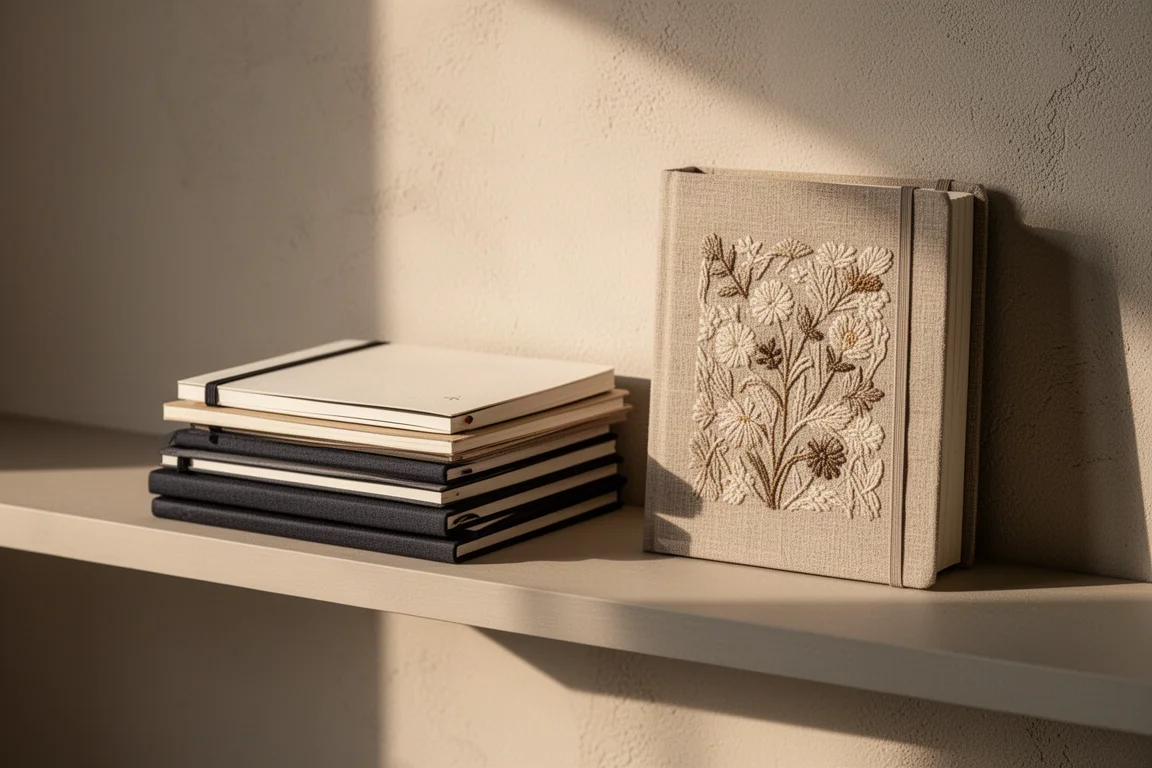
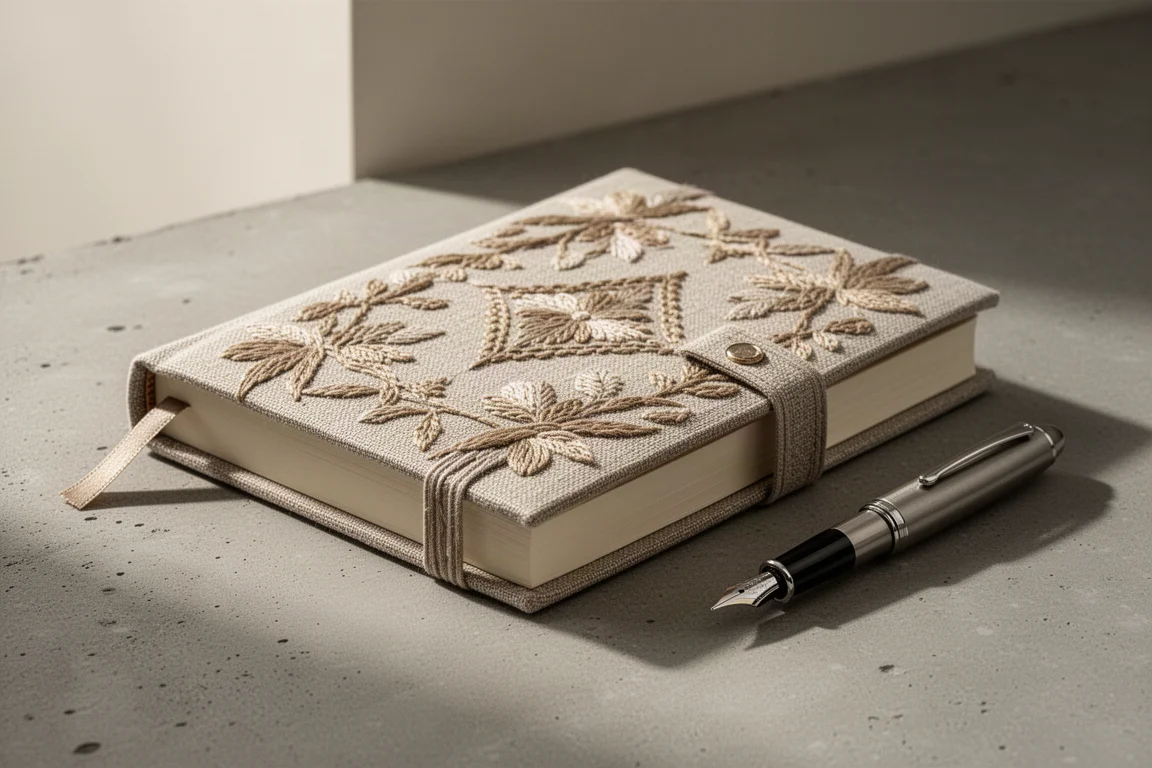
A years journal is simple yet ingenious. Pages are split so you can write about the same day across concurrent years, letting you see your growth in small ways that add up over time. The format also encourages concision, which is useful for writers with limited time to journal. Embroidered Midori 5 Years Diaries are among our favorites, thanks to beautiful covers and smooth MD paper that handles all kinds of writing instruments.
Buying Advice: Planner, Journal, or Both?
Pick up a planner if you need to organize your schedule. Its daily, weekly, or monthly layouts give you space to write down what needs to get done so you can accomplish your goals. A journal is more useful if you want to record thoughts and memories, since journals usually have freeform layouts you can fill however you like.
That said, there are no hard and fast rules for your own stationery. If you want to use the same notebook for planning and journaling, do it. As long as your planner, journal, or personal hybrid does what you want it to do, it is working exactly the way it should.
Conclusion
The difference comes down to intent: planners bring structure to your schedule, while journals give your thoughts a home. Match the format to your habits, whether that is a full-page daily planner, a customizable binder system, or an embroidered five-year diary, and the right notebook will make the routine feel effortless.
Further reading
Related Reviews
Stationery
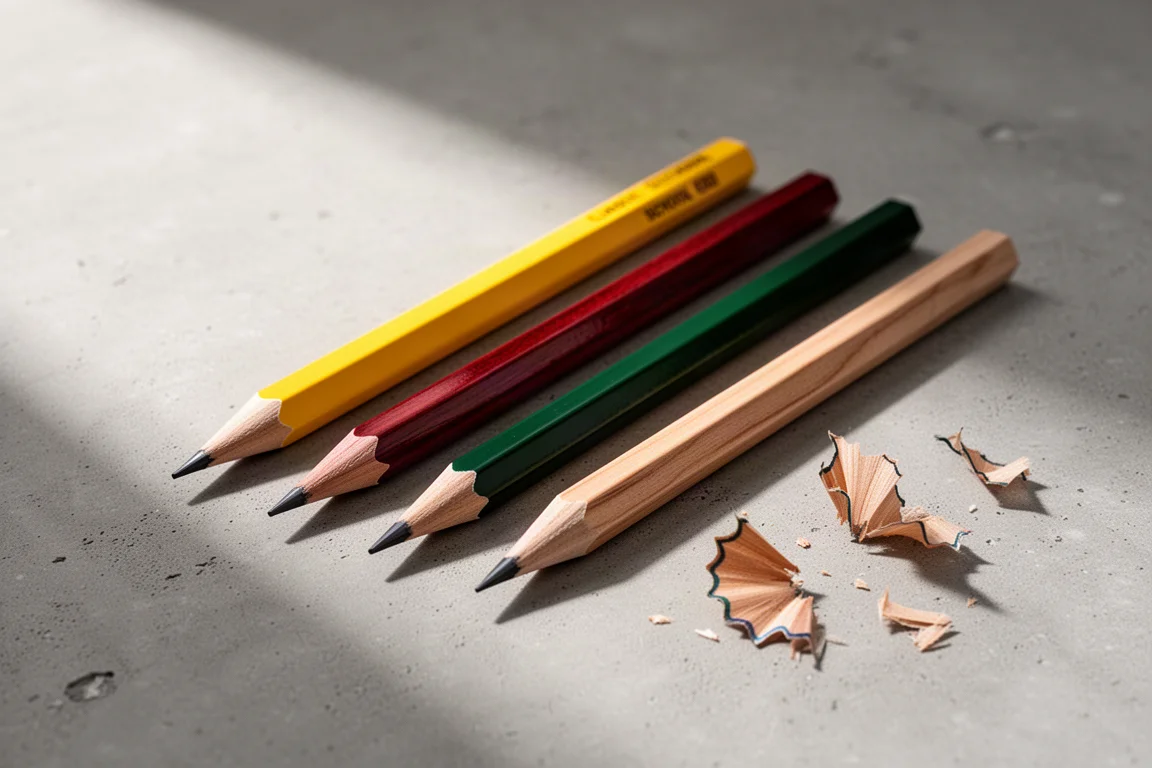
Musgrave Pencils Review: Four Classic Pencils from Tennessee's Last Pencil Factory
We put four Musgrave pencils to paper, from the classic Harvest to the Unigraph 1200 drawing pencil, to see what a century-old Tennessee workshop can still do.
Stationery
Fountain Pen Tiers Explained: From Starter Pens to Luxury Grails
A practical overview of the different levels of fountain pens and inks, from a sub-$20 starter setup to Italian piston fillers and retractable gold-nib everyday carries.
Stationery
HP Premium 32 lb Copy Paper Review: A Fountain Pen Friendly Everyday Printer Paper
A heavy, smooth 120 GSM copy paper that handles fountain pens far better than standard printer stock, with only minor trade-offs in shading and sheen.