Stationery
Why Your Planner Isn't Working, and the Stationery That Can Fix It
Practical ways to reset your planning mindset and layout, plus five stationery picks that make planning faster and less stressful.
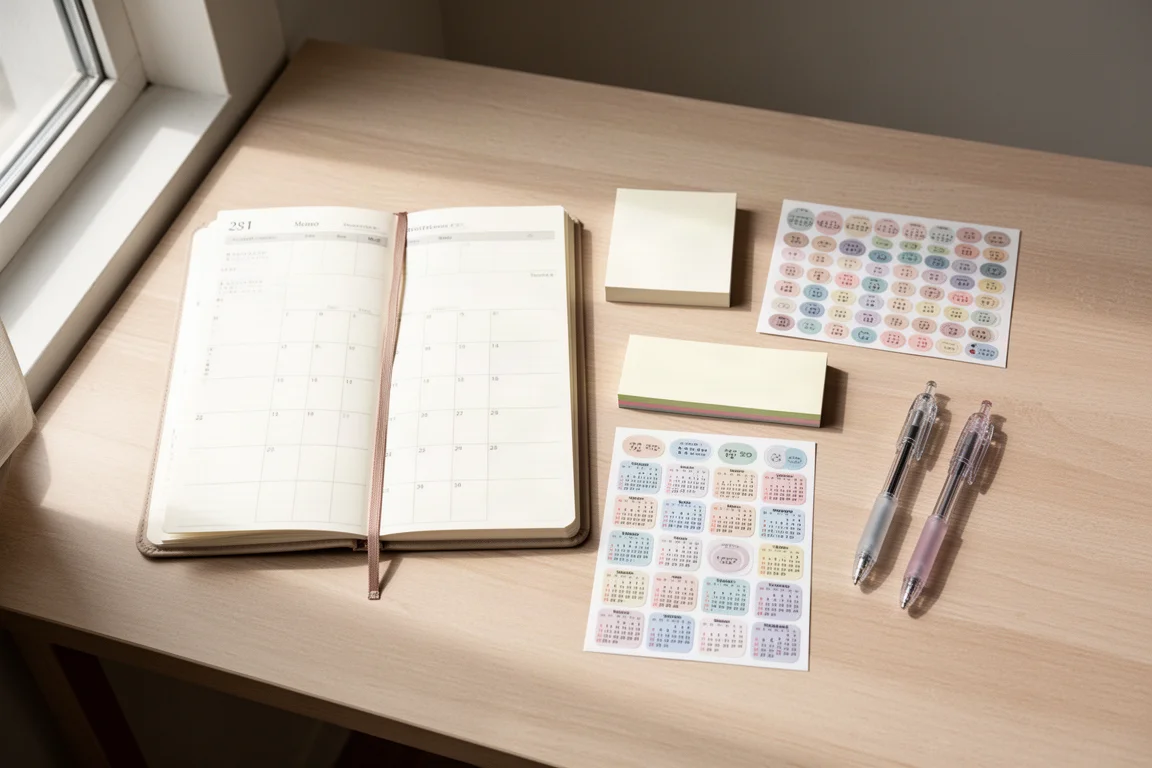
Introduction
Buying a well-designed planner does not guarantee a well-organized life. Plenty of people pick up a beautifully made planner, use it enthusiastically for a couple of weeks, and then quietly abandon it. The problem usually is not the planner itself. It is the expectations wrapped around it, from elaborate layouts copied off social media to habit trackers that grow until they collapse under their own weight.
This guide walks through how to diagnose why your planning system is not sticking, how to choose a layout that matches the information you actually need to record, and which stationery tools make day-to-day planning faster and less stressful. The goal is simple: a planner that makes life less chaotic and more productive, not one that demands a decorating session before you can use it.
Your Planning Mindset and Expectations
Planning and stationery communities have made planners complicated. Social media feeds full of aesthetic spreads encourage you to replicate other people’s systems, and that can turn into a cycle of chronic dissatisfaction. The reality is that a planner is a tool to organize your day and remember what tasks you need to get done, full stop.
If your planning system takes so much time and effort that you do not even want to look at it, it is worth asking why you are using it in the first place. Planners do not have to look pretty on the inside. They should reduce friction, not add it.
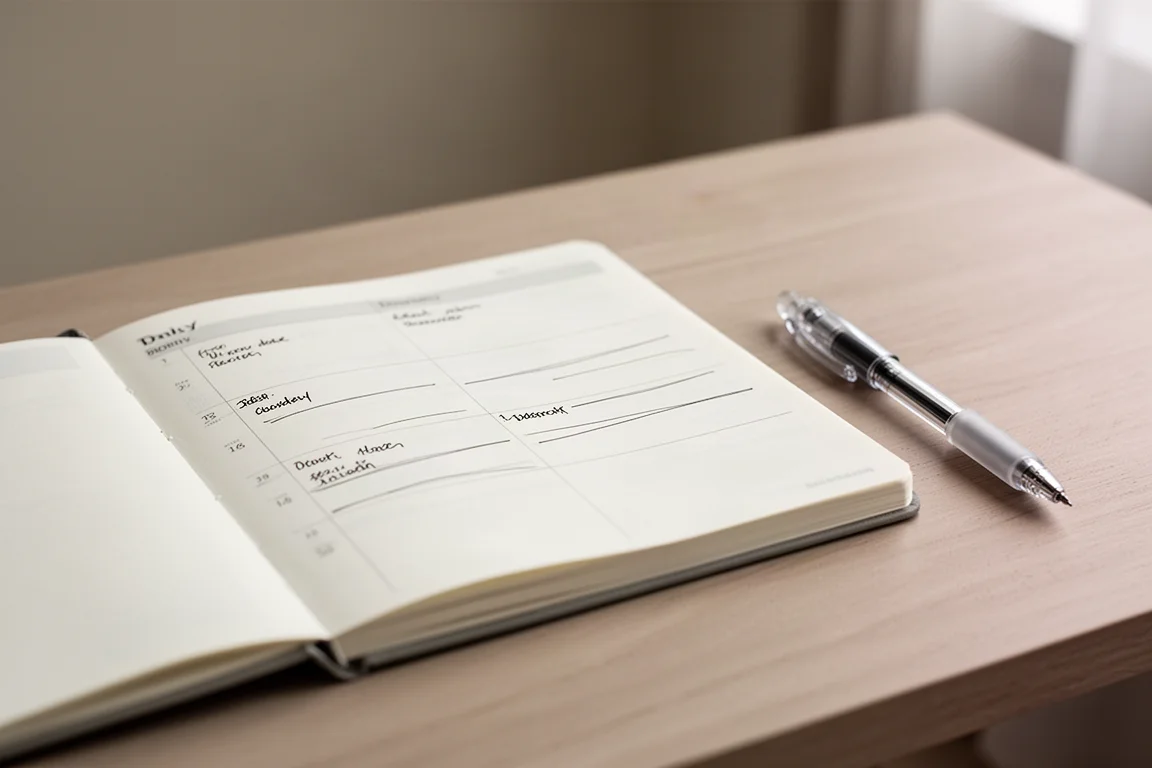
The good news is that you can modify how you plan at any time. Start by choosing a system that works for you, not for an audience, and give yourself permission to keep it plain.
Planner Style: Start With What You Actually Need
Before buying anything, make a list of the things you absolutely need for your planning system. Maybe you prefer tracking tasks as a checklist, and you also need a way to schedule appointments and deadlines. Once you know your essential features, you can figure out which parts of a planner you will actually use and eliminate everything else.
The biggest trap is over-tracking. Tracking a dozen habits, your mood, finances, the weather, water intake, and sleep patterns can feel productive, but it can overwhelm you to the point that you stop tracking anything at all. Start with a few habits that really matter to you, then add more later if you want to. Start small.
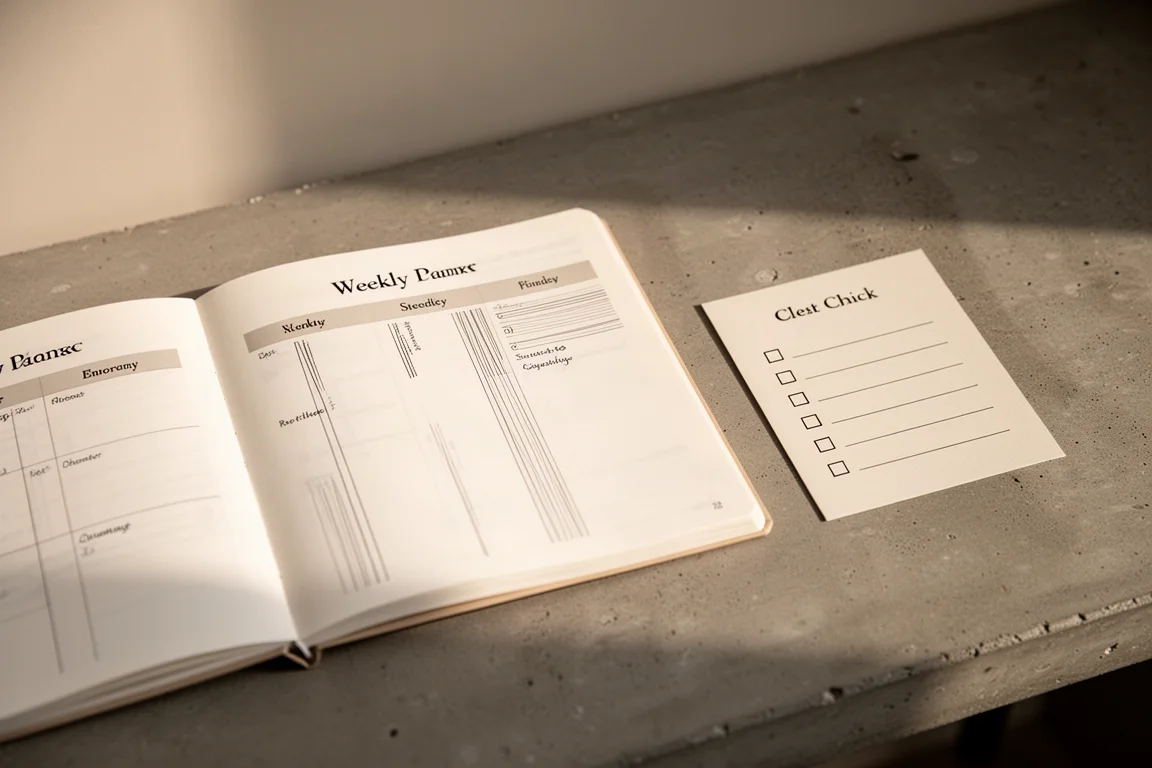
Focus on how you plan rather than how other people plan. It is your business, not theirs.
Planner Layout: It Is Just a Dated Notebook
A planner is a dated notebook to put stuff in. That framing helps when you are choosing a layout. Pick one that matches the information you need to record, such as to-dos on a daily page and appointments on a monthly spread.
If you have not already purchased a popular planner, experiment with an undated planner first. It lets you use a pre-made layout without the fear of wasting paper, which makes experimenting far less stressful.
If you already own a dated planner, consider which aspects of the layout appeal to you and, most importantly, which ones you actually have time to use. It is okay if some parts go unused. Forcing yourself to fill sections that detract from your productivity and happiness works against you.
Small changes can also make a big difference. If you have been planning for a while but want more structure, reorganize your layout: instead of one long, tedious task list, separate tasks into columns based on what is urgent, low-priority, and long-term. Very simple, but very effective.
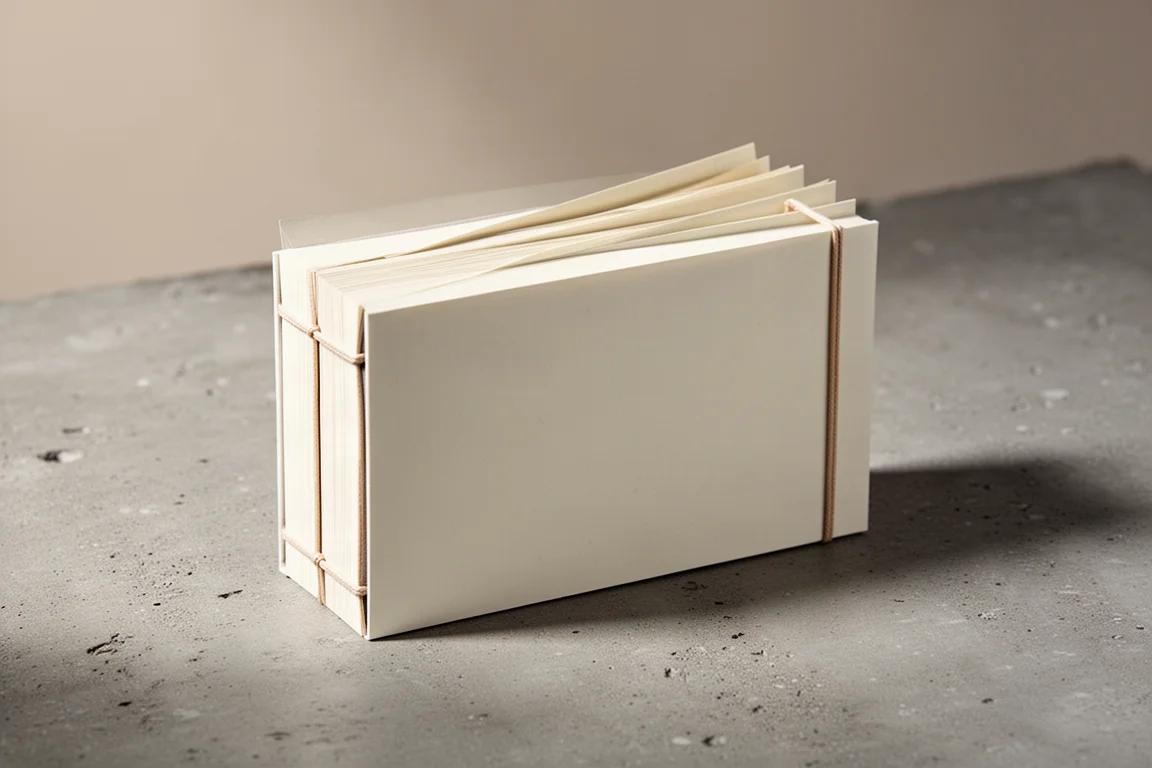
Midori Patto Memo Pad
Memo pads like the Midori Patto are great if you write down tasks throughout the day. They are especially helpful when new projects pop up and you do not have your planner with you. Items can be moved into your planner later, when you have time to sort through what has been accomplished and what still needs your attention.
The Patto’s pages are lightly glued together along the left side. That design lets you jump straight to the last page you used while keeping clean pages together, and it lessens the chance of crumpled pages when you carry the pad in a bag.
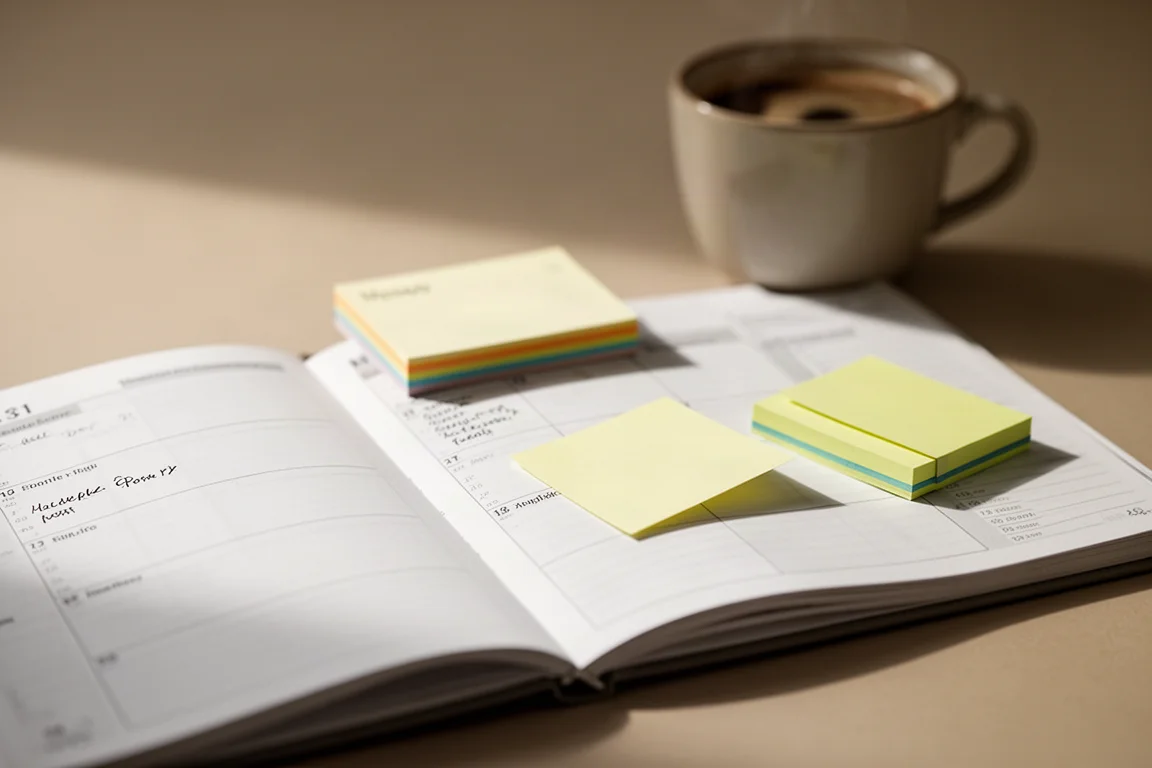
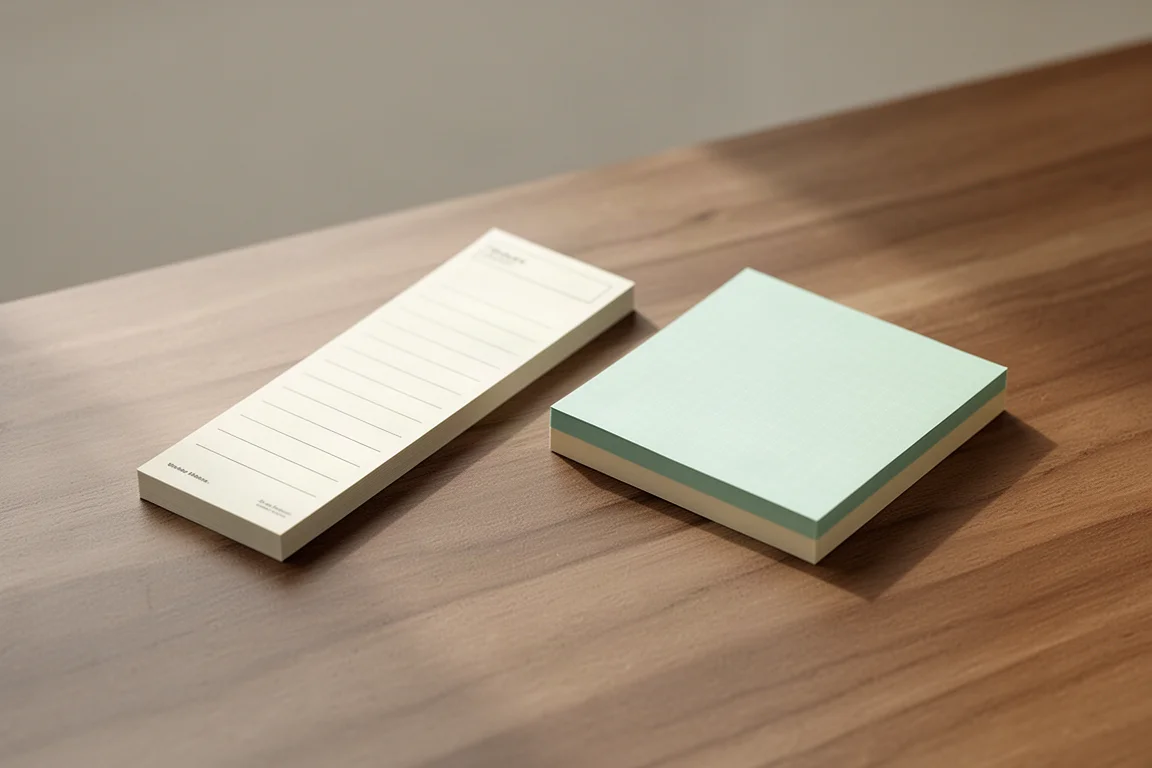
Nakabayashi W/U Sticky Notes
Jot down reminders on Nakabayashi W/U Sticky Notes. They stick easily into a planner and stay in place, so you do not have to worry about them falling off.
The slim size offers a built-in to-do list with a section at the top for the date. The square size uses a 5-millimeter graph sheet style, so you can write as much or as little as you need. Though the notes come in soft hues, they still grab your attention on the page.
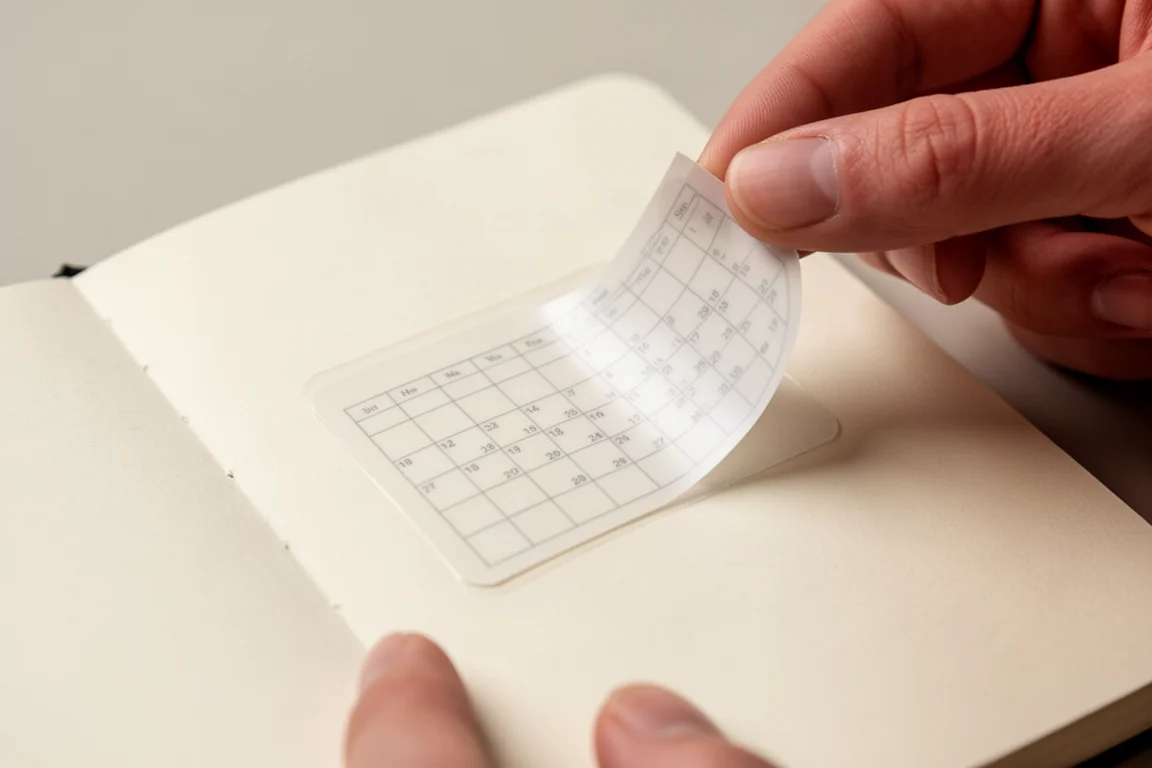
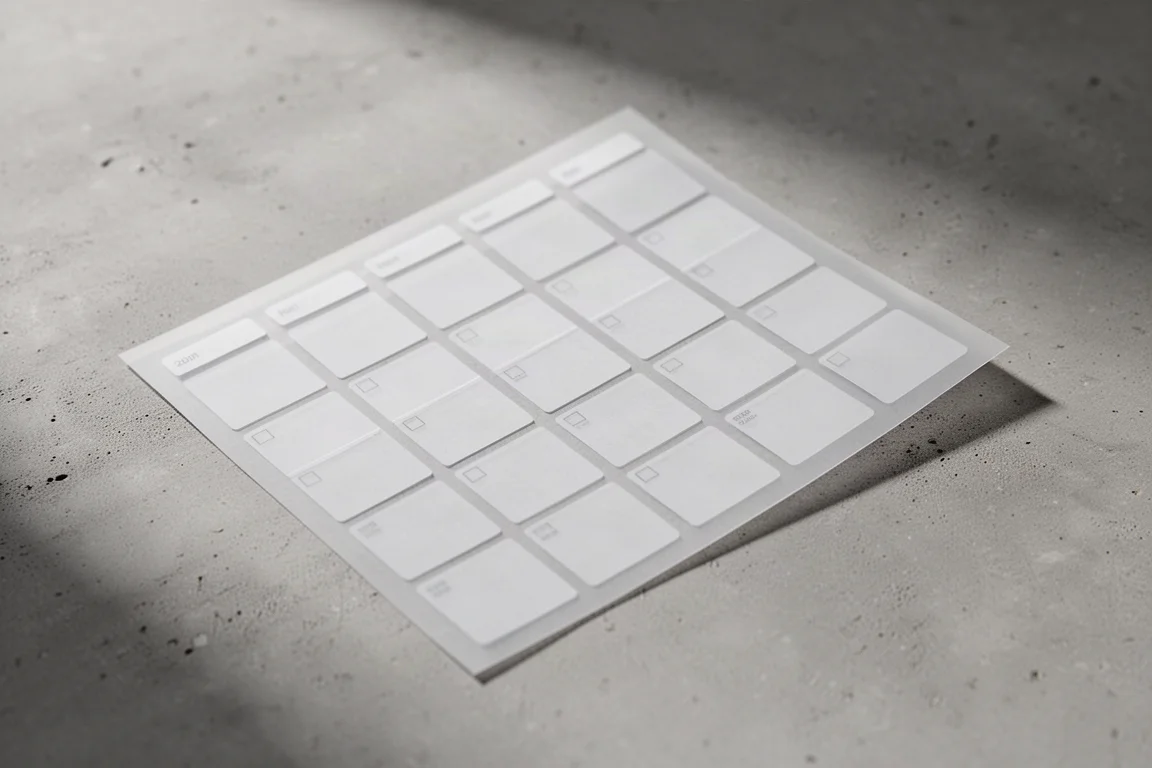
Stalogy Calendar Stickers
Available in monthly and weekly formats, undated Stalogy Calendar Stickers are perfect for DIY planners or anyone who wants to save the time normally spent drawing layouts by hand. If you have ever abandoned a bullet journal because drawing grid after grid became tedious, these exist for exactly that problem.
The monthly stickers include spaces above the calendar for to-dos or anything else you would like to remember. One detail to note before buying: the stickers use Monday-start weeks, not Sunday.
Kokuyo Jibun Techo
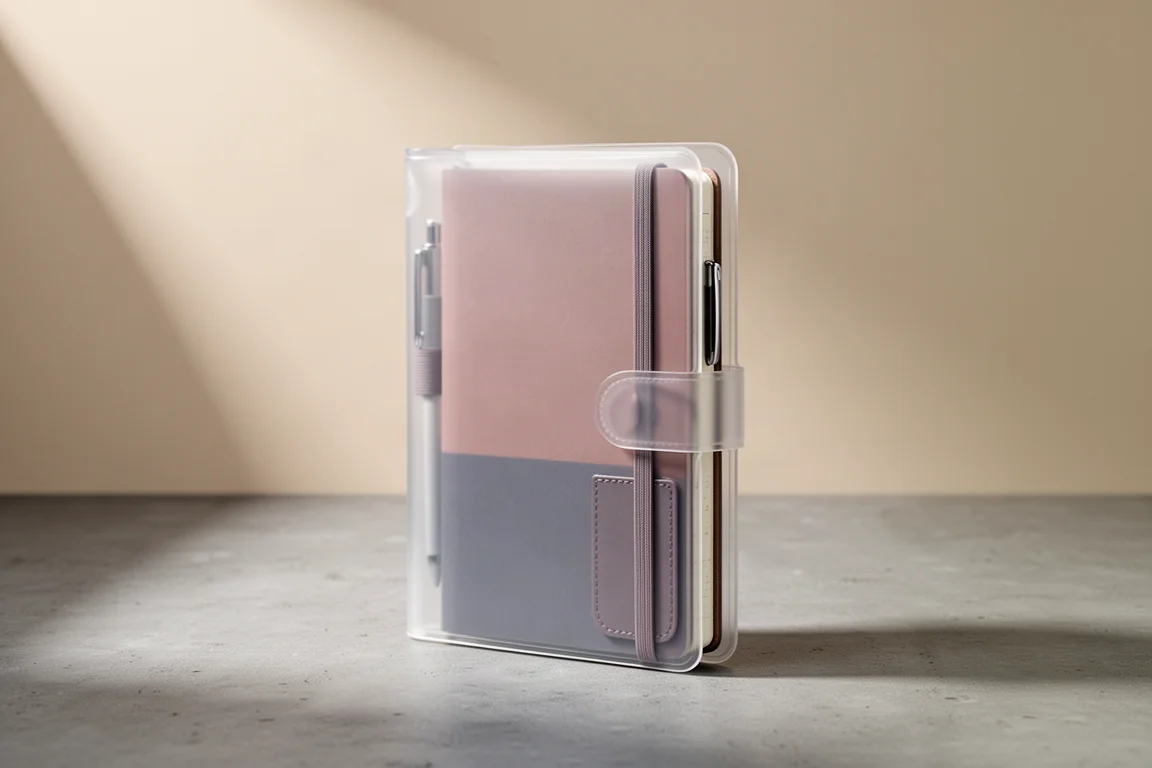
If you are ready for a dated, structured system, the Kokuyo Jibun Techo is one of the popular planners worth considering. Its established layout is designed for people who want a clear framework for tracking their days rather than building a system from scratch.
Before committing, think back to your essential-feature list. A structured dated planner works best when its layout lines up with what you need to record, so check that its daily and monthly formats match your to-dos and appointments before you buy.
Hobonichi Techo
The Hobonichi Techo is another widely loved dated planner and a frequent recommendation in the stationery community. Like the Jibun Techo, it rewards people who already know roughly what they want to track, and it pairs naturally with the sticky notes, memo pads, and calendar stickers covered above.
Whichever dated planner you choose, remember that unused sections are not a failure. Choose the parts of the layout you have time for and let the rest go.
Overall Buying Advice
If your current planner is not working, resist the urge to immediately buy a fancier one. First, trim your system down to essentials: a place for tasks, a place for appointments, and a few habits that genuinely matter to you. Then, use tools like memo pads, sticky notes, and calendar stickers to remove friction from the parts you use most.
Only once your system is stable should you consider a dated, structured planner like the Jibun Techo or Hobonichi Techo. You are more than your planner, and the productive planner beats the pretty planner every time.
Conclusion
A planner should make life less chaotic, not more complicated. Set realistic expectations, choose a layout that matches what you actually need to record, and lean on simple tools such as the Midori Patto, Nakabayashi W/U Sticky Notes, and Stalogy Calendar Stickers to keep things effortless. If a structured dated planner fits your needs, the Kokuyo Jibun Techo and Hobonichi Techo are well-established places to start.
Further reading
Related Reviews
Stationery
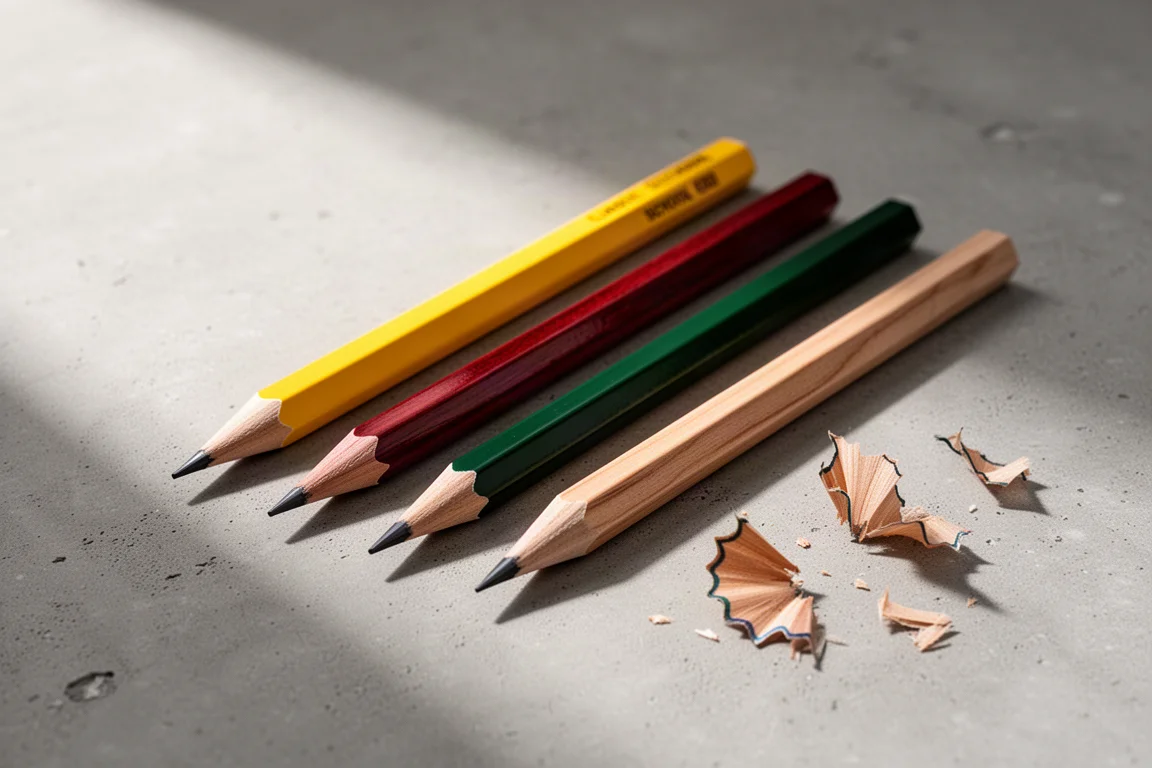
Musgrave Pencils Review: Four Classic Pencils from Tennessee's Last Pencil Factory
We put four Musgrave pencils to paper, from the classic Harvest to the Unigraph 1200 drawing pencil, to see what a century-old Tennessee workshop can still do.
Stationery
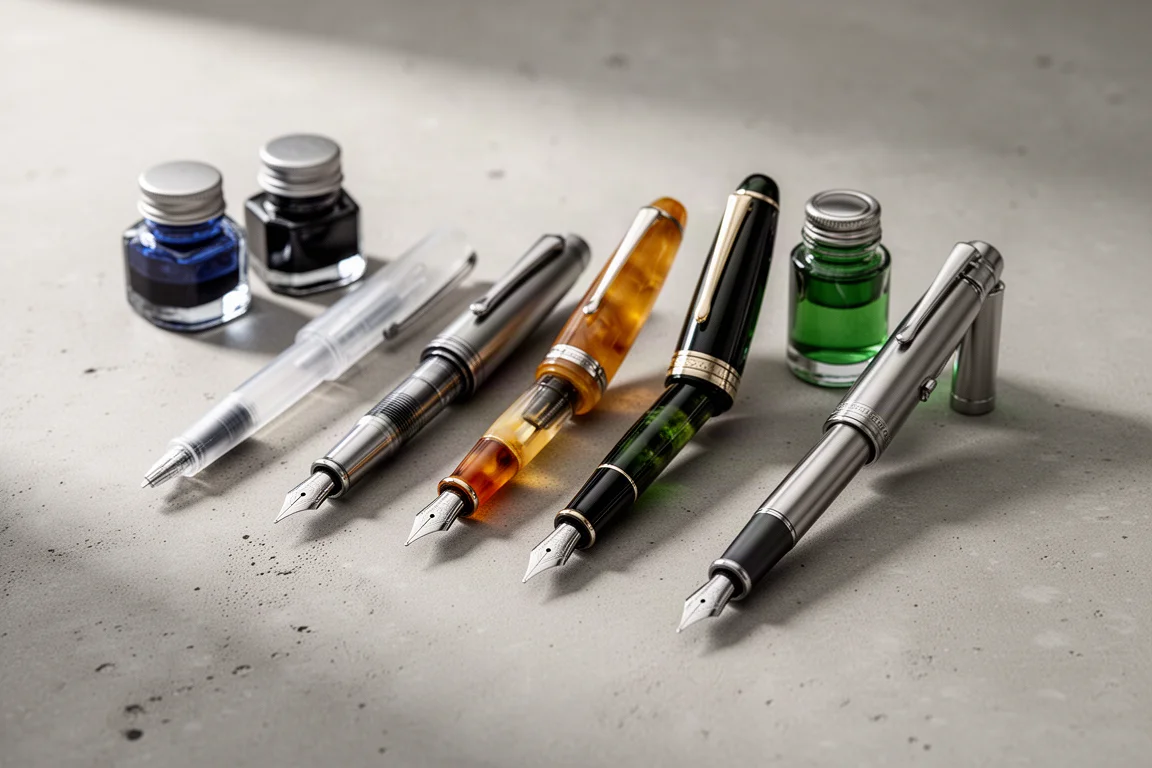
Fountain Pen Tiers Explained: From Starter Pens to Luxury Grails
A practical overview of the different levels of fountain pens and inks, from a sub-$20 starter setup to Italian piston fillers and retractable gold-nib everyday carries.
Stationery
HP Premium 32 lb Copy Paper Review: A Fountain Pen Friendly Everyday Printer Paper
A heavy, smooth 120 GSM copy paper that handles fountain pens far better than standard printer stock, with only minor trade-offs in shading and sheen.