Road Bike Tires
Pirelli P Zero Race TLR 40mm Review: 500 km on Wide Road Tires
A 40mm road tire with standout comfort and traction, plus a real weight and high-speed effort penalty worth understanding before you buy.
Introduction
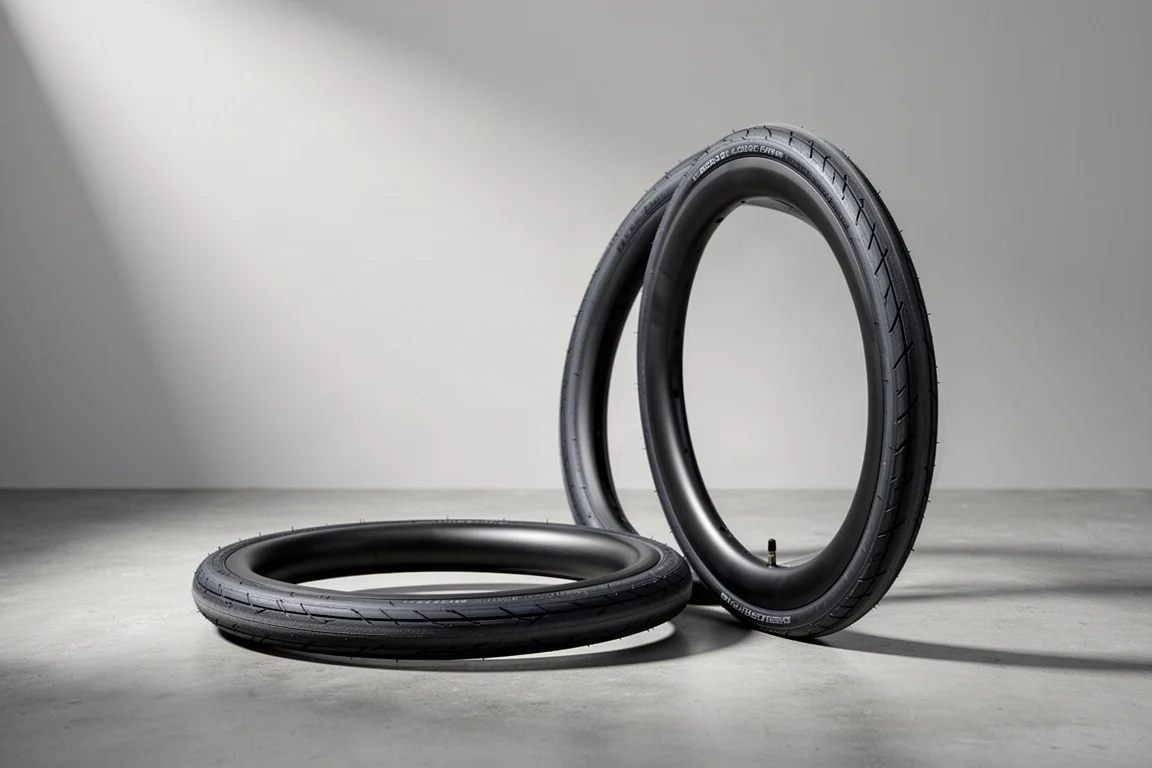
The Pirelli P Zero Race TLR range now spans 26mm all the way up to 40mm, and the 40mm option has become the most talked-about size in the line since it launched. Fitting tires that wide to a drop-bar road bike is still an unusual sight, so the obvious questions are whether they feel slow and whether they are genuinely worth the change. After roughly 500 km on wet winter roads, the answer is more nuanced than either side of the argument suggests.
The short version: comfort, traction, and control improve dramatically, while high-speed effort and overall weight are the real trade-offs. What follows covers where the 40mm P Zero Race TLR shines, where it does not, and how to decide whether it belongs on your bike.
Who This Tire Is For
This tire makes the most sense for riders who are not chasing flat-out speed. On a gravel bike that wants a fast-rolling slick, on a touring bike, or on a winter road bike used for distance and fitness, a 40mm tire changes the character of the ride for the better. Riders who train and race at high power outputs will find the opposite: the extra volume and the extra weight work against them.
There is a setup consideration too. The bike used here is one of the few road frames designed to accept anything from 28mm up to 40mm, which is what makes this size viable in the first place. Before ordering, confirm that your frame and fork have clearance for a 40mm tire, since plenty of road frames top out well below that.
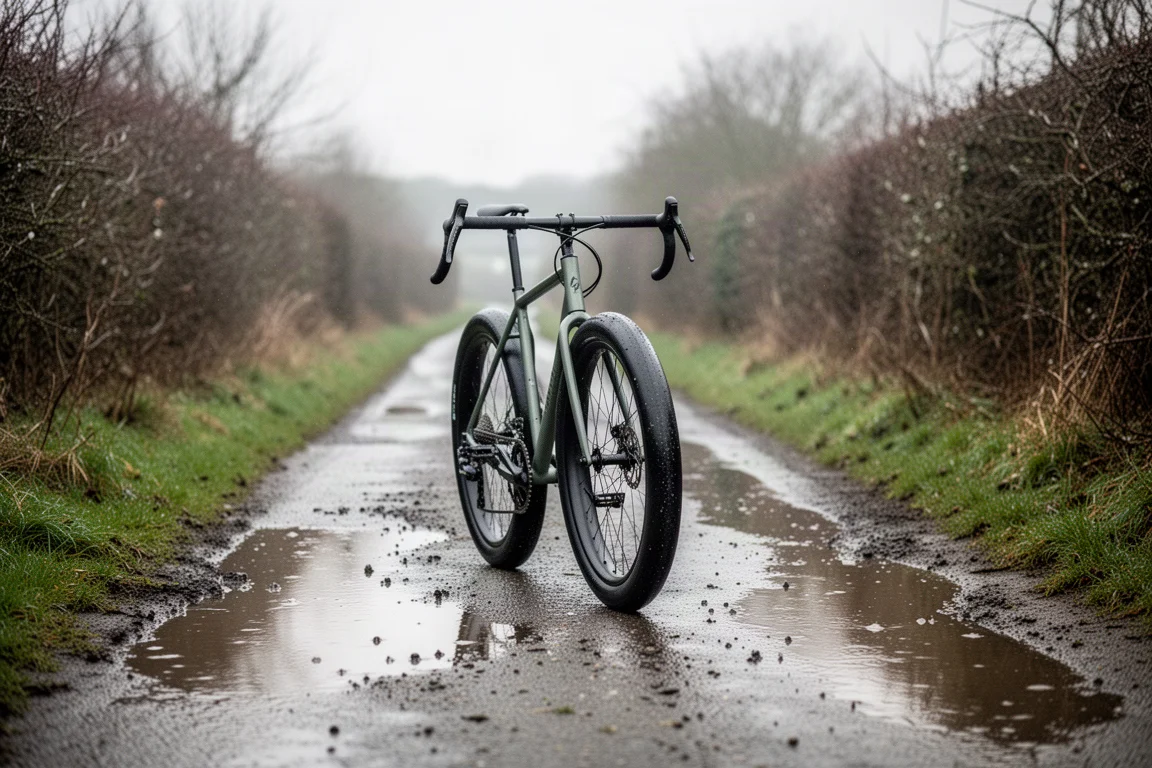
If your frame clears 35mm rather than 40mm, a narrower version of the same tire is the more realistic starting point, and the gap between 35mm and 40mm is worth exploring before committing to the widest option.
Comfort, Traction, and Ride Quality
The single biggest gain is comfort. Over broken tarmac, patched surfaces, and the cracked lanes that define a wet winter, the 40mm casing smothers bumps and road imperfections in a way narrower tires simply cannot. Long rides become noticeably less fatiguing because the bike stops bouncing the rider around.
Tire pressure does most of the work here. Starting figures from a pressure recommendation app gave a sensible baseline, and after a week of experimenting, roughly 40 psi at the rear and 37 psi at the front felt right. That sounds impossibly low to anyone raised on 120 psi clinchers, but it is familiar territory for anyone who has spent time on gravel tires, and it is what unlocks the ride quality.
Traction is the other headline. A wide slick plows through grit, run-off water, and muddy farm lanes with far more grip than a 28mm or 30mm tire, and that translates directly into control and confidence. Descending a familiar road in poor conditions feels less risky, and carrying speed through a corner is easier when the tire is not skating across debris.
Speed and Effort at Higher Pace
Where the story changes is at speed. Once you are pushing above roughly 250 watts or past 30 km/h, the 40mm tire asks more from the rider. It feels like pushing through thicker air, and aerodynamics plus the extra rotating weight both become factors. These tires are not effortless the way a narrow race tire is.
Casing construction matters a great deal in this conversation. Independent rolling resistance data indicates the wide versions of this tire use a noticeably thicker tread than the narrower versions despite sharing the same name, and Pirelli has confirmed the casing has been beefed up a little. That shows on the scale, where the 40mm tire measured 462 g. For comparison, a 38mm René Herse Barlow Pass with the Extralite casing is over 100 g lighter at a claimed 350 g, and a lighter casing could soften the high-speed penalty considerably.
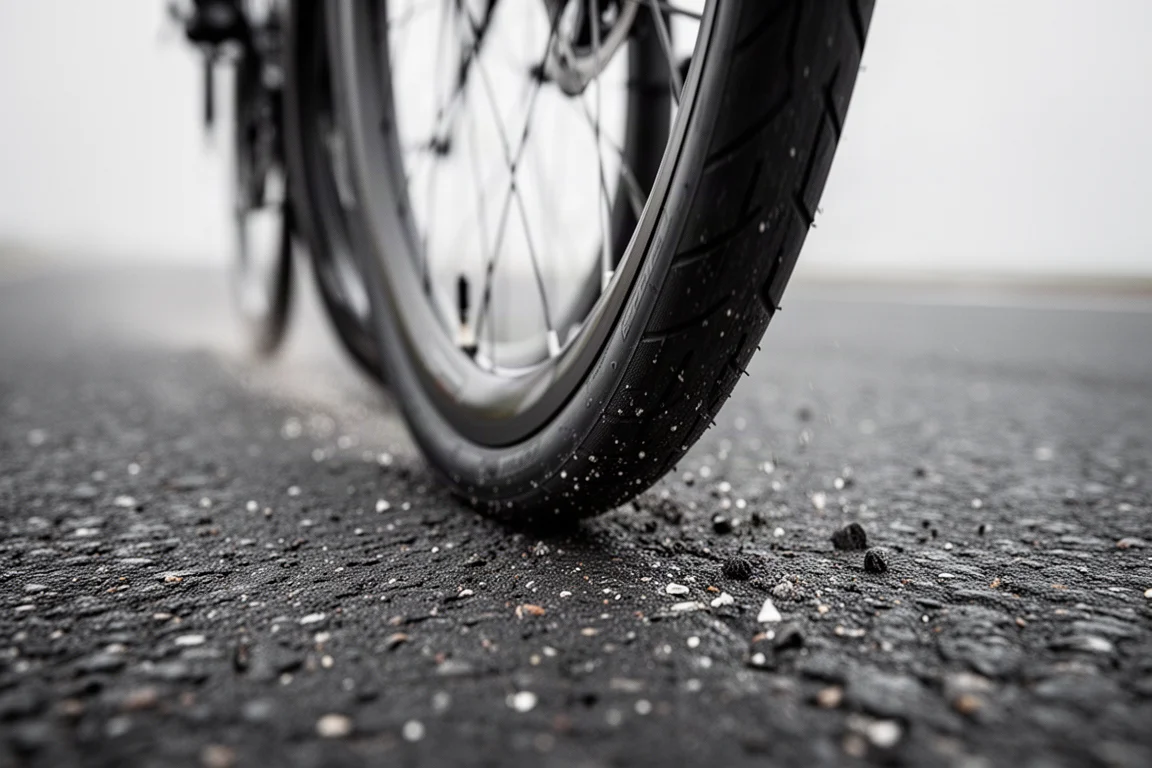
So the honest summary on pace is this: riders who ride flat out, solo or in a group, will likely be happier on something narrower. Ease off by a few km/h and drop the power a little, and the same tire becomes genuinely enjoyable at a steady 25 to 28 km/h cruise.
Handling and Geometry Changes
Fitting a much larger tire changes bike geometry, specifically fork trail, the distance the tire contact patch trails behind the steering axis. More trail means more stability and slower steering. With a 30mm tire the figure sits at roughly 57mm, which is typical for a road bike. With the 40mm tire it stretches to about 60mm.
In practice that reads as calmer, more planted steering. The bike is not slow or ponderous, and it still darts through corners and feels engaging on swooping, bendy roads, but it responds in a more relaxed way than a race bike does. For anyone moving up in tire volume for control and confidence, that is arguably the right trade to make.
Durability and Tubeless Setup
After 500 km there were no punctures at all, which is remarkable given the state of the roads through a wet winter. Inspecting the tires afterwards showed no cuts, slashes, or holes.
There is visible wear along a roughly one centimeter band down the center line, plus some marking toward the shoulder edge, which is normal for the mileage covered.
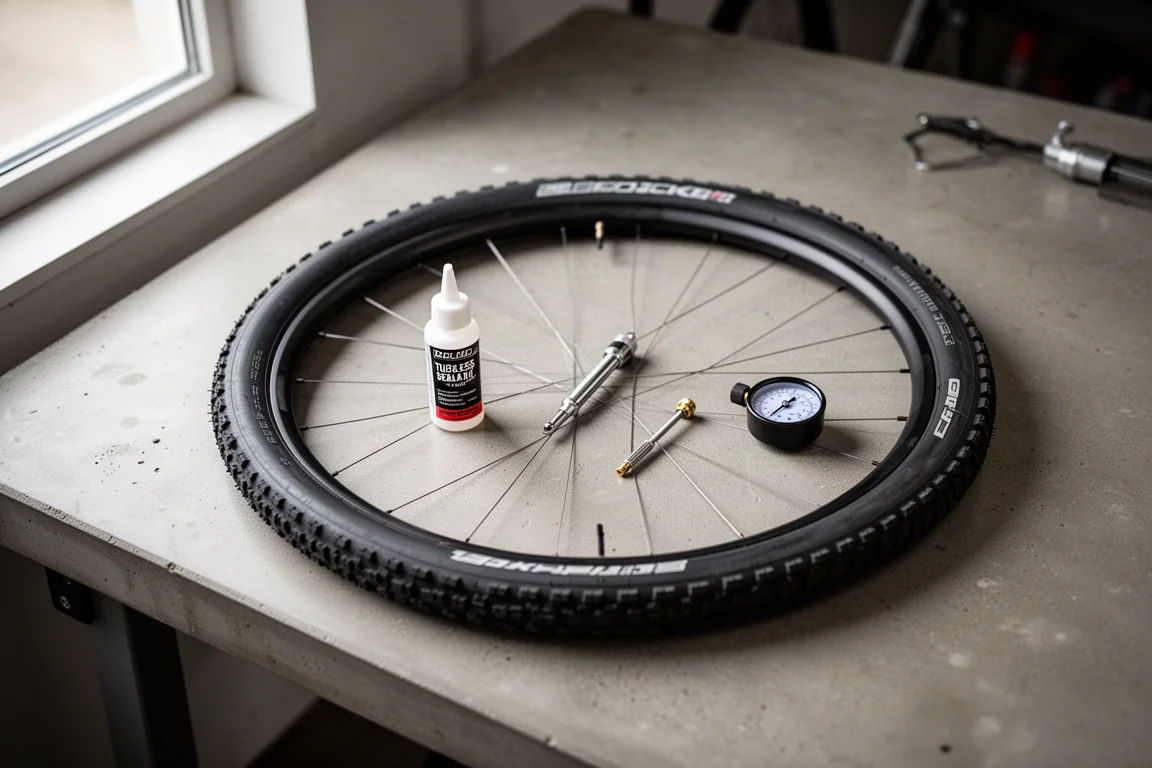
The tires are tubeless, and they were run tubeless with sealant. Air retention has been excellent, with no need for regular topping up, although checking pressures before every ride remains sensible practice. Nothing in this first block of testing raised concerns about durability or reliability.
Things to Consider Before Buying
- Measured weight is 462 g for the 40mm size, which is heavy for a wide road tire and noticeably more than some comparable options.
- Effort rises sharply at higher pace, above roughly 250 watts or 30 km/h, where aerodynamics and rotating weight both work against you.
- Steering becomes calmer and slower because fork trail increases from about 57mm to about 60mm. That is a benefit for stability, but it is a change in feel.
- Frame clearance is essential. A 40mm tire needs a frame and fork designed for it.
- Pressure needs experimenting with. The right figure for your weight and roads may sit far below what you are used to.
Buying Advice
Choose the 40mm P Zero Race TLR if comfort, grip, and control matter more to you than outright pace. It is a strong fit for a winter road bike, a gravel bike that spends most of its time on tarmac, or a touring setup where steady distance riding is the goal. In poor conditions the extra volume is a genuine upgrade in both safety and comfort.
Look elsewhere, or at a narrower size in the same line, if you ride at high power and high speed, or if you want the lightest possible wide tire. There is also a middle ground worth considering: a 35mm tire may prove to be the sweet spot between 30mm and 40mm, offering much of the comfort without the same weight and aerodynamic penalty.
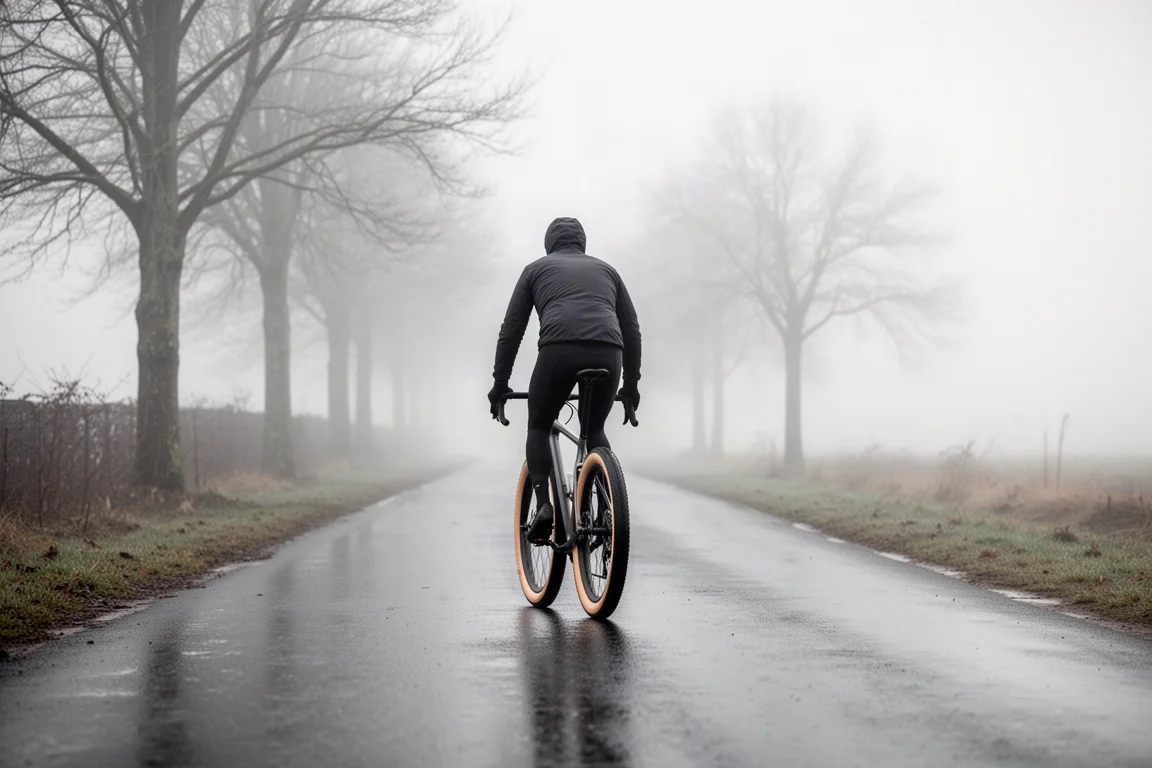
Whatever you choose, check frame clearance first and plan on spending a few rides dialing in pressure. A wide tire only delivers its best ride quality when the pressure is set for your weight and the road conditions you actually ride.
Conclusion
The Pirelli P Zero Race TLR in 40mm is a genuinely good tire for the right rider. It is safer, more comfortable, and more confidence-inspiring than a narrow road tire, and it held up well across 500 km of hard winter use. What it is not is a free upgrade. The extra effort at high speed and the 462 g weight are real, and lighter wide tires exist.
For winter miles, gravel-adjacent riding, and touring, that trade is easy to accept. For racing and fast group rides, it is not. Match the tire to the riding you actually do, and the 40mm P Zero Race TLR delivers a great deal.
Product link
View more details for Pirelli P Zero Race TLR 40mm
This product is mentioned in the review. Check the specifications, options, and compatibility before buying.
View more details for Pirelli P Zero Race TLR 40mmFurther reading
Related Reviews
Road Bike Tires
Best Budget Road Bike Tires 2026: Nine 25c Tires Tested for Rolling Resistance
Nine budget road tires, all 25c and mostly around £20, went through the same rolling resistance protocol. Here is what the numbers say and which tire suits which rider.
Road Bike Tires
Best Road Bike Tires 2026: Six Options Tested From Budget to Premium
Six road tires across a wide price spread, from around £20 to £92, compared in real-world timed runs on wet roads to see what extra money actually buys.
Road Bike Tires
Best Road Bike Tires Compared: Continental GP 5000 S TR vs Vittoria Corsa Pro vs Pirelli P Zero Race RS
A back-to-back comparison of three 30 mm tubeless road tires, covering timed speed results, cornering feel, ride quality, and which one suits which rider.