Road Bike Tires
Pirelli P Zero Race SLR Review: An Aero Sidewall Tire Built for Speed
Pirelli's flagship road tire brings an aero-shaped sidewall, a revised casing, strong puncture resistance, and a premium price to match.
Introduction
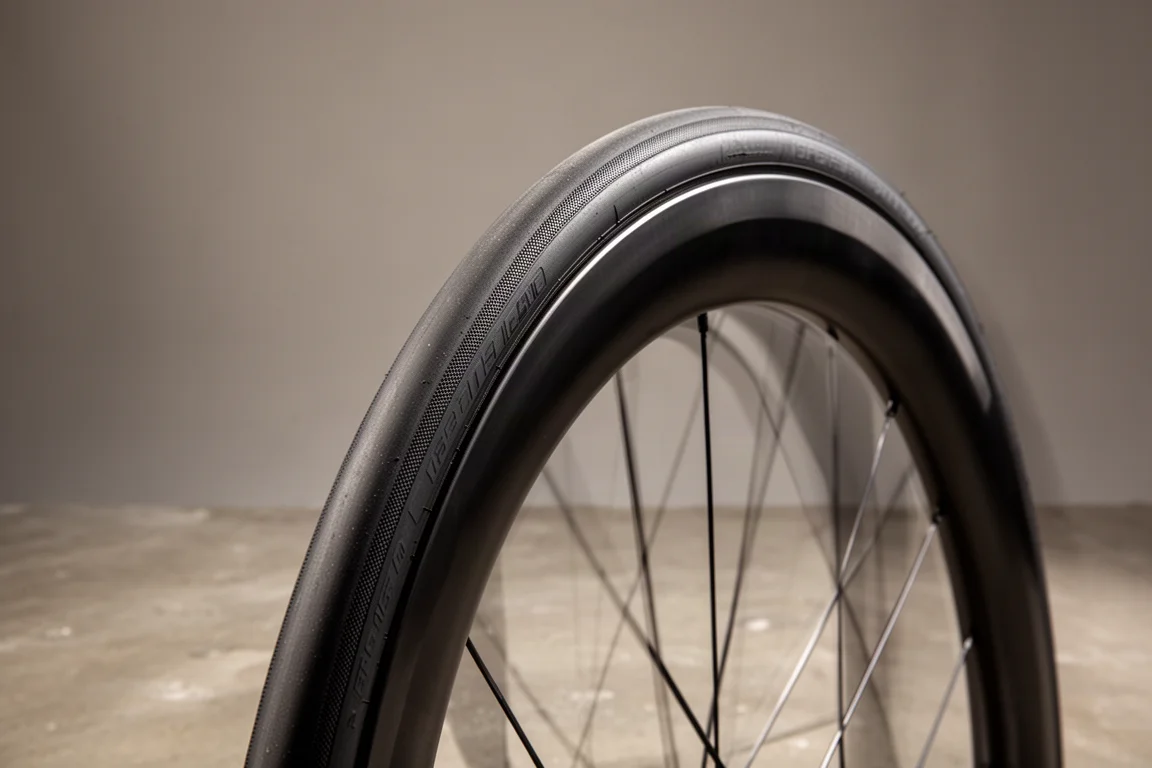
Tires remain one of the most effective ways to make a road race bike faster, and Pirelli’s new P Zero Race SLR is the brand’s most ambitious road tire yet. The headline feature is a sidewall shaped specifically to be more aerodynamic than a conventional road tire, something genuinely unusual at this level of the market.
The idea is easy to see. A standard tire rounds outward and then flares around the rim, creating a lightbulb profile that disrupts airflow at the tire and rim interface. The P Zero Race SLR adds rubber material to the sidewall so the tire drops almost straight down and sits flush with the rim, giving a seamless transition and a cleaner path for air to travel across.
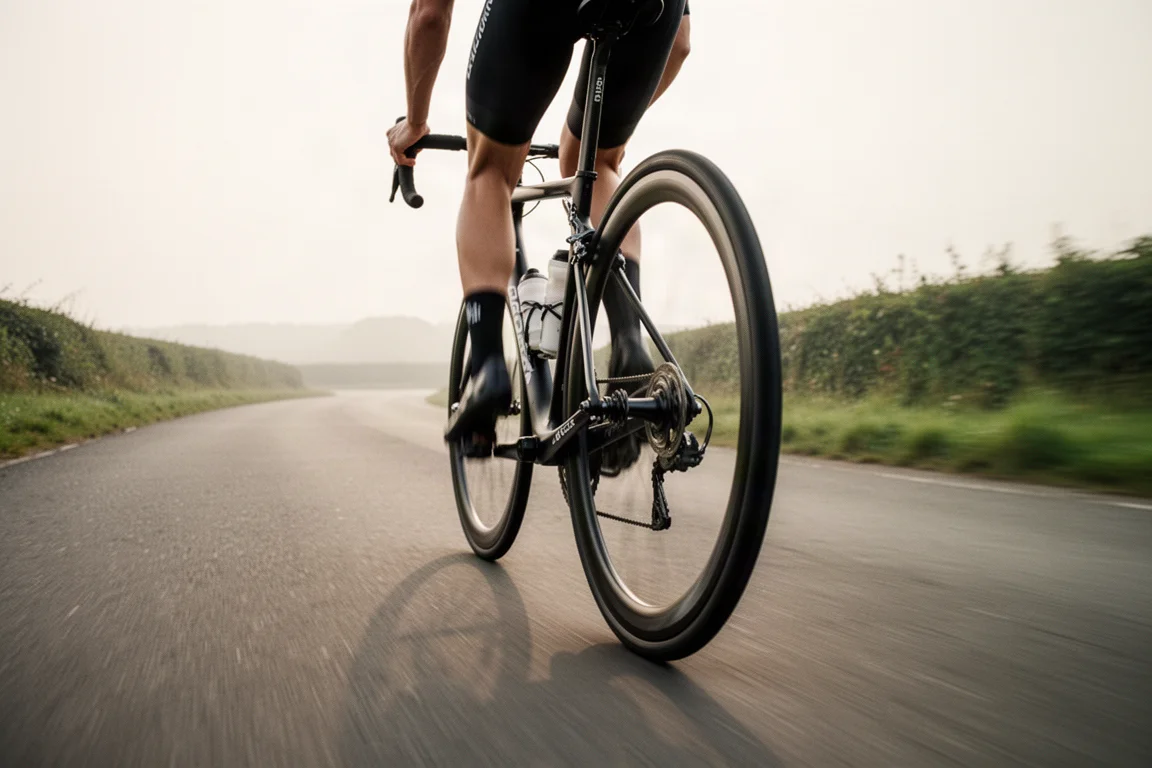
Pirelli claims the redesigned sidewalls keep airflow attached to the tire for longer, saving an average of around 5 W in crosswinds and up to 15 W in certain wind tunnel scenarios. Those are eye-catching numbers, and they come with an important caveat: the testing was carried out at 45 km/h in controlled conditions, which sits closer to professional race speeds than to what most amateur riders typically sustain.
Who This Tire Is For
Pirelli is not pretending this is a tire for everyone. It was developed for professional athletes and for riders who want the best available performance and are willing to pay for it. The brand poured its wind tunnel work and real world testing into the design, and the price reflects that positioning.
The honest caveat is speed. If you are not riding anywhere near 45 km/h, a large part of the aerodynamic argument becomes theoretical rather than practical. Riders chasing the last few watts in a fast group or a race will find more value here than those rolling along at a relaxed pace. Pirelli still offers cheaper tires lower down its range that deliver a good portion of this performance for a more modest outlay.
The Aero Sidewall Explained
Comparing the new tire to the outgoing P Zero Race RS makes the change obvious. The older tire bulged outward from the rim in that familiar rounded shape. The SLR removes that effect almost entirely. Extra rubber in the sidewall creates a very flush, seamless fit with the rim, so air flows over the tire and rim interface much more smoothly and with less drag.
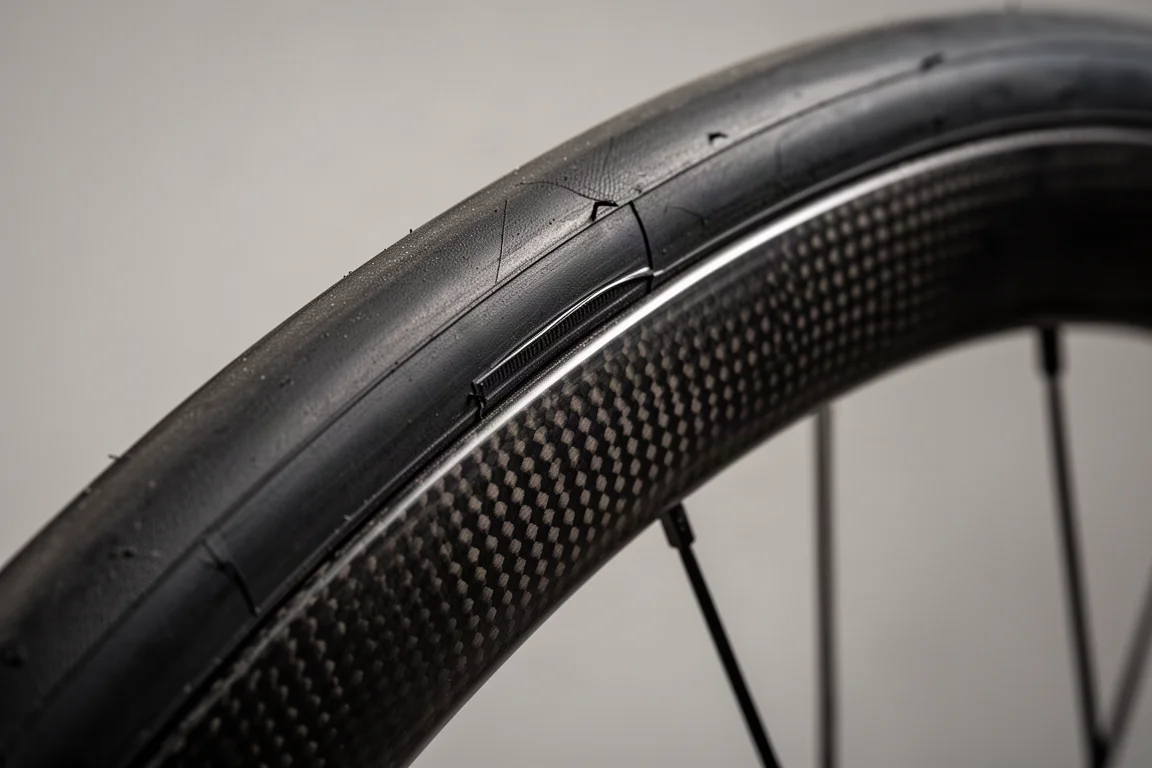
Independent wind tunnel testing by Tour Magazine found the SLR to be one of the most aerodynamic tires available, performing on a similar level to the Continental Aero 111. Pirelli has also removed the tread pattern completely. The SLR is now a fully slick tire with a very subtle micro-texture surface, which the company says further improves airflow while maintaining grip.
Rolling Resistance and Casing Updates
Rolling resistance has been the dominant conversation in road tires for years, and Pirelli claims a 10 percent improvement over the previous flagship. That comes from a revised casing construction: 120 TPI with two layers on top and three on the side, where the older tire used three on top and two on the side. The aim is a more supple ride quality that lets the tire deform over road imperfections, soak up energy losses and help the rider go faster.
Independent testing supports the improvement. The tire measures faster than the outgoing Race RS, which is exactly what you would hope for, and roughly on par with a Continental Grand Prix 5000 TT in the same 28 mm width. That is a time trial specific tire rather than a general road tire, so matching it is a strong result. The SLR is also faster than the very popular Grand Prix 5000 STR in the same width, though not as quick as the Vittoria Corsa Speed.
Drum based testing always comes with caveats, since a steel drum cannot replicate rough tarmac, but it remains a useful way to grade tires against one another, and the P Zero Race SLR stacks up well.
Real World Grip, Comfort and Durability
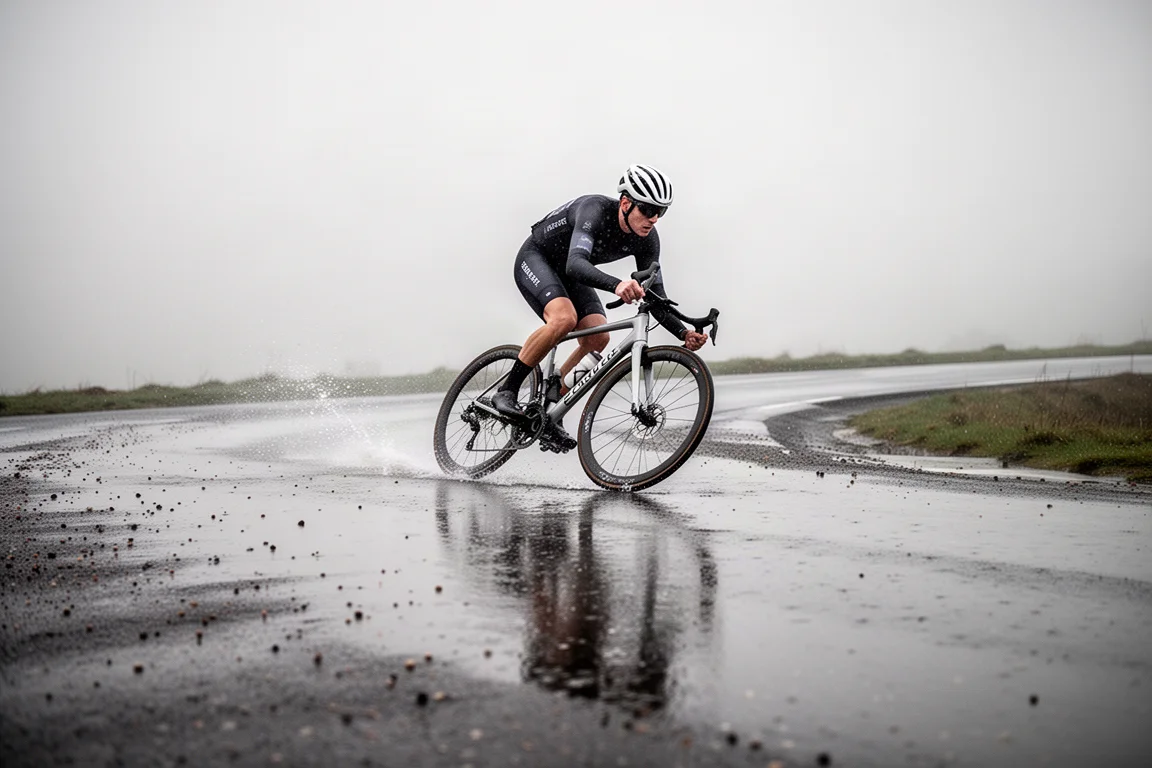
The SmartEVO rubber compound carries over from the previous generation, and it continues to deliver excellent grip in both dry and wet conditions. On soaked roads with standing water, the tire feels predictable and confidence inspiring, holding speed through corners without any sense that grip is about to run out.
Comfort is a pleasant surprise for a 28 mm race tire. It feels better damped than the Continental Grand Prix 5000, though it is not quite as smooth and supple as the Vittoria Corsa Pro, placing it somewhere between the two. Wear rate is strong, and over several weeks of riding across different bikes and wheelsets the tires picked up no punctures and no cuts at all, which is impressive for a lightweight, race focused tire.
Puncture resistance and durability are where this tire separates itself from the quickest options on the market. It is more durable and more puncture resistant than the Vittoria equivalents, and marginally better than the Continental tires for puncture protection. That combination makes it a genuinely versatile race tire that can double as an everyday tire rather than something reserved for race day only.
Installation is refreshingly simple. The tires seat easily on both hookless and hooked rims with a standard track pump, which is how tubeless should feel. Riders who prefer inner tubes can run TPU tubes instead.
Sizes, Weight and Price
There are two sizes available at launch, 28 mm and 30 mm, with a 32 mm version reportedly on the way. Weight is the clearest trade-off: Pirelli claims 275 g for the 28 mm, though on the scales it comes in at 286 g. That extra material in the sidewall adds roughly 20 to 30 g compared with a conventional tire, so this is not a choice for weight-focused riders or anyone spending all day in the mountains.
Price is the other consideration. In the UK the tires retail at around £100 each, though shopping around brings them down to roughly £85. Because the Vittoria Corsa Speed and Continental Grand Prix 5000 STR have been on the market for several years, they can often be found much cheaper. New tires rarely launch at their lowest price, so larger discounts are likely to appear over time.
Buying Advice
The P Zero Race SLR makes the most sense if you are already optimizing the rest of your setup. If you ride an aerodynamic frame with an aero helmet, a skinsuit and aero socks, then the tire and rim interface is one of the last places where drag is still being generated, and a flush sidewall is a logical box to tick.
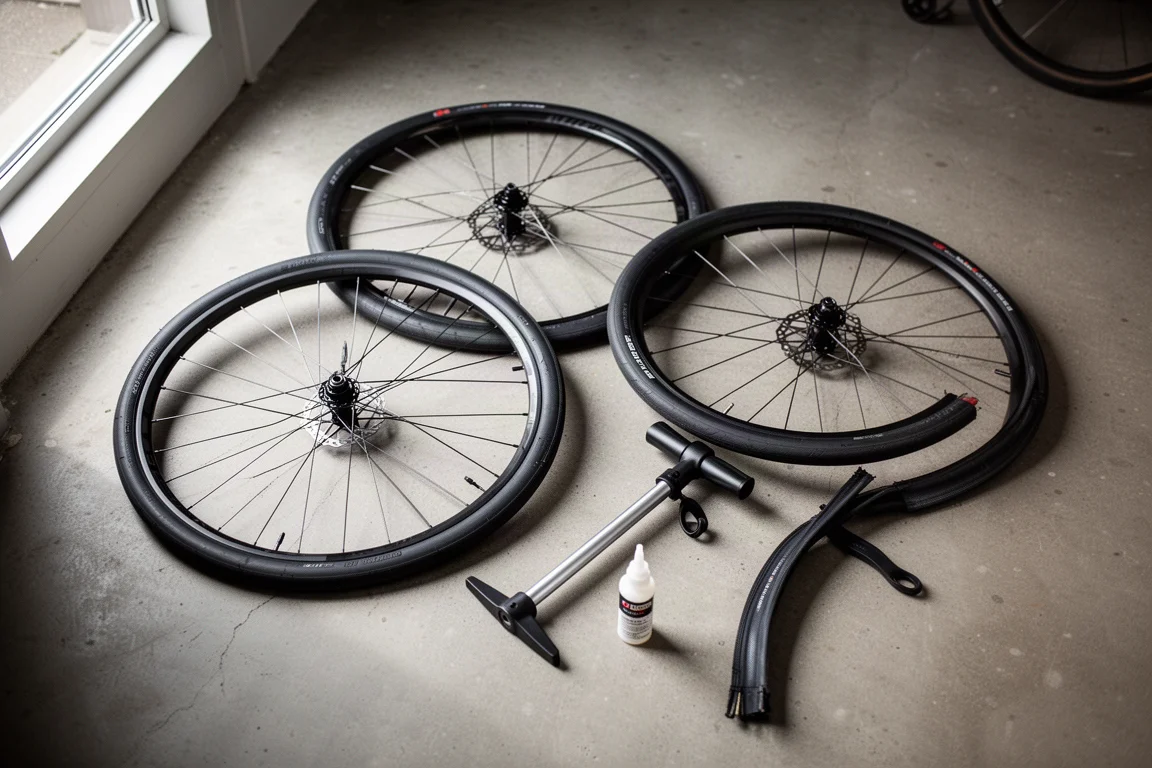
If, on the other hand, your riding happens well below the speeds used in the aerodynamic claims, the marginal gains here will be very hard to feel. The stronger argument for most riders is durability. This is a tire with the speed of a time trial tire, better puncture resistance than its closest rivals, and enough comfort to live with day to day, which makes the premium price easier to justify than raw aerodynamics alone.
Conclusion
The Pirelli P Zero Race SLR is an outstanding race tire with the most distinctive sidewall shape seen on a bicycle tire. The aerodynamic claims are real but they arrive at 45 km/h, and that is the caveat that should shape your decision. What tips the balance is everything around the speed: excellent wet and dry grip, easy tubeless installation, strong wear characteristics, no punctures or cuts across weeks of testing, and better durability than the fastest tires it competes with. It is expensive and it is not light. For riders who want the best of the best and can accept the price, it is a credible upgrade over a Continental Grand Prix 5000 STR or a Vittoria Corsa.
Product link
View more details for Pirelli P Zero Race SLR
This product is mentioned in the review. Check the specifications, options, and compatibility before buying.
View more details for Pirelli P Zero Race SLRFurther reading
Related Reviews
Road Bike Tires
Best Budget Road Bike Tires 2026: Nine 25c Tires Tested for Rolling Resistance
Nine budget road tires, all 25c and mostly around £20, went through the same rolling resistance protocol. Here is what the numbers say and which tire suits which rider.
Road Bike Tires
Best Road Bike Tires 2026: Six Options Tested From Budget to Premium
Six road tires across a wide price spread, from around £20 to £92, compared in real-world timed runs on wet roads to see what extra money actually buys.
Road Bike Tires
Best Road Bike Tires Compared: Continental GP 5000 S TR vs Vittoria Corsa Pro vs Pirelli P Zero Race RS
A back-to-back comparison of three 30 mm tubeless road tires, covering timed speed results, cornering feel, ride quality, and which one suits which rider.