Road Bike Tires
Pirelli P Zero Race Review: Does Going Wider Actually Slow You Down?
A controlled track test put the Pirelli P Zero Race in 26 mm, 30 mm and 35 mm against each other on smooth tarmac. The result was closer than almost anyone expected.
Introduction
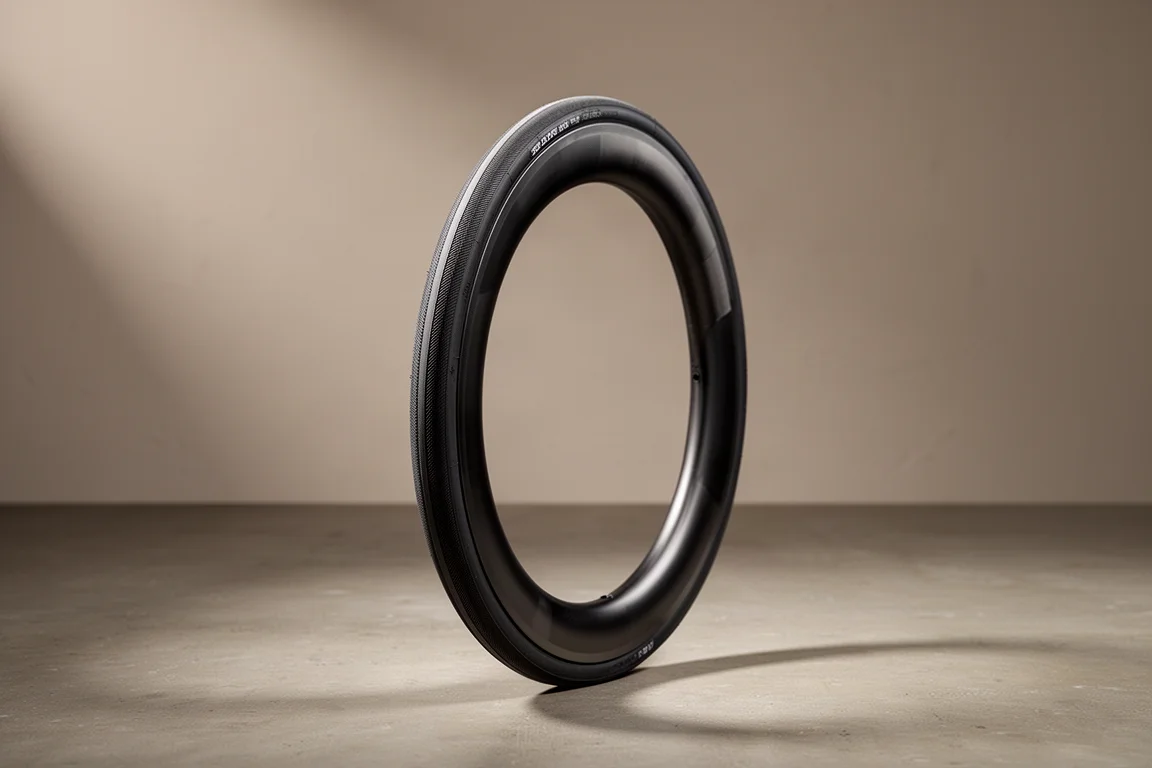
Wider tires have quietly become the default on road bikes, and the Pirelli P Zero Race sits right at the centre of that shift. The tire is offered across a spread of widths that includes 26 mm, 30 mm and 35 mm, and crucially all of them share the same fast, supple casing. Going wide here does not mean dropping down to a heavy, overbuilt commuter tire.
That raises an obvious question. Wider tires at lower pressure are known to be faster on rough, bumpy surfaces, where they absorb vibration that a narrow tire passes straight through to the rider. But what happens on tarmac that is already smooth, where a narrower tire should in theory be more aerodynamic?
A controlled comparison set out to answer exactly that. Three pairs of P Zero Race tires in 26 mm, 30 mm and 35 mm were fitted to identical wheels, on a dedicated cycling track with a genuinely fast surface. Body position, clothing and weather were held as constant as possible, and the first run was repeated at the end as a basic control.
The short version: the differences were small enough to be counted as nothing at all.

Who This Tire Is For
The P Zero Race in a wider size suits riders who want race-level speed without the harshness of a narrow tire run at high pressure. Because the construction is consistent across the range, moving up a width gets you more comfort and more vibration absorption without giving away the quick, supple feel that makes a performance tire worth buying.
It is also a sensible option for riders whose roads are a mix of fresh tarmac and rougher country lanes. That is where the wider sizes have always made the strongest case, and nothing about the smooth-surface test undermines it.
A narrower P Zero Race still makes sense for riders who prioritise aerodynamics on fast, smooth roads, or who simply prefer the sharper, more direct feel of a smaller tire. The test did not find a speed penalty for going wide, but it also did not find a penalty for staying narrow. Preference and fit remain legitimate reasons to choose either.
Main Strengths
The clearest strength is that width did not cost speed. Across the runs, the 26 mm, 30 mm and 35 mm tires performed effectively the same, with any difference falling inside the margin of error. If anything, the 35 mm was fractionally quicker, though not by a margin that would survive a repeat run.
That pattern held at every power level. Laps were logged at 100 watts, 200 watts and 300 watts, and at 300 watts the average speed was around 38 km/h. Even at that pace, the widest tire was not slower than the narrowest.
The second strength is that the wide option is genuinely the same tire, just bigger. Pirelli has applied its fastest, most supple casing to the 35 mm rather than reserving it for the 26 mm, which is what makes the result plausible rather than surprising. Historically, a wide tire meant a heavier, more puncture-resistant build, and that is where the old assumption that wide equals slow came from.
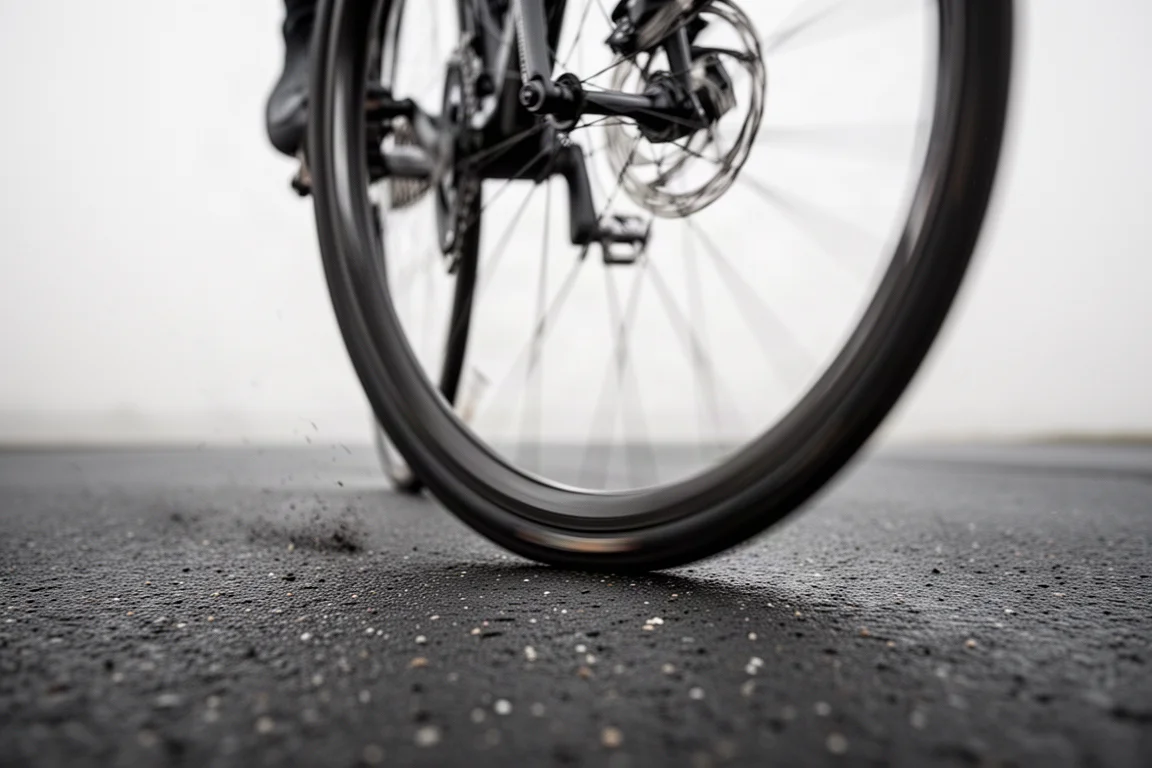
The practical payoff for a buyer is that the comfort case for going wider no longer has to be traded against speed. Riders can take the extra vibration absorption and lower usable pressure without worrying that they are giving away performance on the surfaces where it counts.
Things to Consider Before Buying
Width changes how the bike steers, and that is worth knowing before you commit. Moving straight from a 26 mm to a 35 mm tire noticeably alters handling, because the contact patch changes shape and the pneumatic trail shifts with it. Riders who dislike that change may find a 30 mm a more comfortable middle ground.
Crosswind stability is the other trade-off. With the 35 mm fitted, the bike felt slightly less stable in a crosswind than with the narrower tires. The likely reason is that a rim designed around a narrower tire produces a balloon-shaped profile once a much wider tire is mounted, so wind spills off the rim and around the tire rather than flowing cleanly past it. A rim matched to the tire width should reduce that effect, but the mismatch is real if you simply fit the widest tire your frame will take.
Clearance deserves a check as well. The 35 mm sat snugly in the frame used for the test, with the front slightly more generous than the rear. Measuring with calipers also showed that labeled sizes run wide on modern rims: the 26 mm measured 28 mm, and the 30 mm measured 31 mm. If your frame is tight, measure before you buy rather than trusting the number on the sidewall.
Pressure and Width: What the Test Found
The test deliberately did not run all three tires at the same pressure, and that decision matters. Yes, a wider tire has lower rolling resistance for a given pressure, but nobody runs a 35 mm at the same pressure as a 26 mm in the real world. You run the wider tire lower, to get the same comfort and vibration absorption, and then some. Each width was therefore set to the pressure considered optimal for it, based on rider and wheel weight.
That is also the honest way to frame the comparison for a buyer. The reason to go wider is not that the tire is faster at an identical pressure. It is that you can drop the pressure, gain comfort and grip, and still not lose speed.
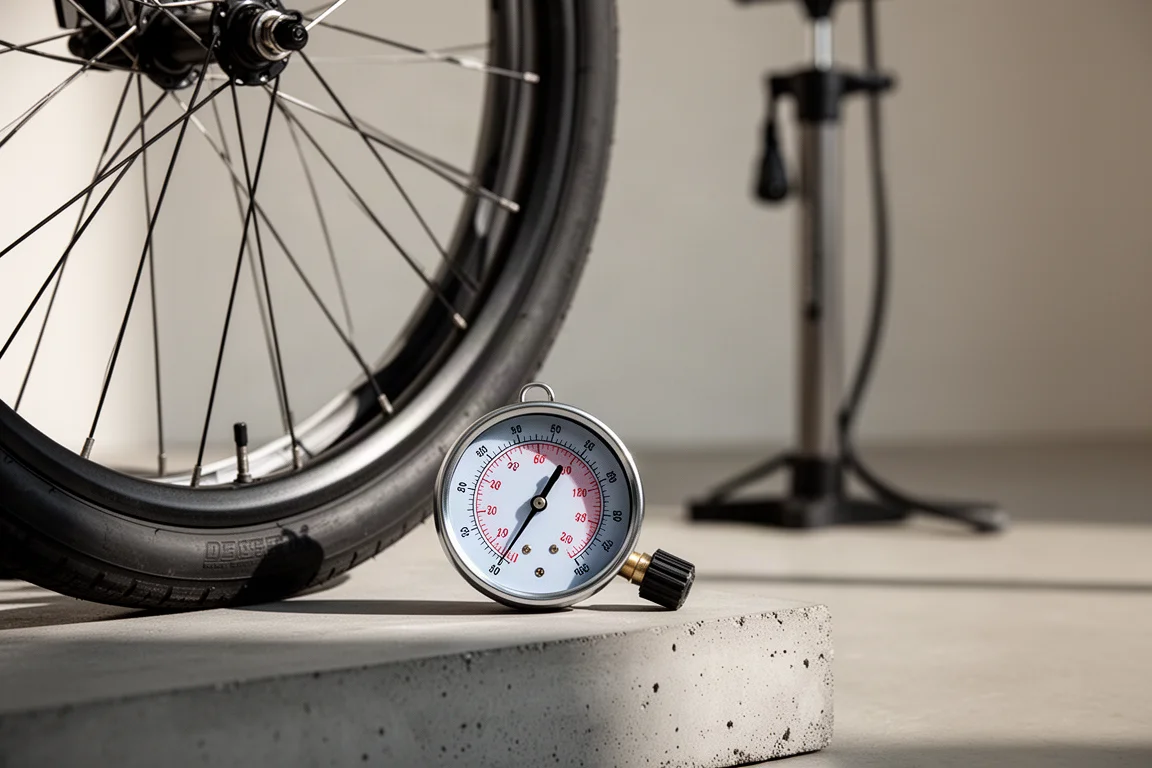
What the smooth-surface runs showed is that the usual counter-argument, that a narrow tire wins back time through better aerodynamics on good tarmac, did not translate into a measurable advantage here. The test surface was about as favourable to a narrow tire as a surface can get, and the wide tire still matched it.
Who Should Still Choose a Narrower Tire
Not everyone should size up, and the test does not argue otherwise. Riders who spend their time on consistently smooth roads, who value the quickest steering response and who have a rim designed around a narrow tire can stay where they are with confidence. There was no evidence in the runs that they are giving up speed.
Riders with limited frame clearance, or those who dislike the handling shift that comes with a much larger tire, are also well served by a moderate width. A 30 mm is a sensible stop for anyone curious about the benefits of width without the balloon-profile crosswind behaviour of a 35 mm on a narrow rim.
The point is that the choice is no longer a performance decision. It is a comfort, fit and handling decision, which is a far easier thing to shop for.
Buying Advice
Match the tire to the rim and the frame before you match it to a trend. The single most useful step is to confirm clearance with the tire actually mounted and measured, since labeled widths run wider than stated on wide modern rims.
If your frame and rims comfortably accept a wider tire, the evidence here supports going wider and running it at a lower pressure. You gain vibration absorption and comfort on rough surfaces, and on smooth surfaces you are not giving anything meaningful back. The test did not find a speed penalty even on a fast track at around 38 km/h.
If you are unsure, a moderate step up is the low-risk move. It captures most of the comfort benefit, keeps the steering closer to what you are used to, and avoids pushing a narrow rim into a balloon profile that catches crosswinds. Whichever width you choose, the consistent casing across the P Zero Race range means the performance character stays the same.

The broader takeaway drawn from the testing was a simple one: most riders would benefit from running the widest tire their bike accepts, at a lower pressure. That holds even for riders who spend most of their time on smooth roads.
Conclusion
The Pirelli P Zero Race makes the wide-tire argument easy to accept because there is no compromise baked into the wider sizes. Same fast, supple construction, no measurable speed penalty on smooth tarmac, and more comfort available on everything else.
The caveats are physical rather than performance-related. Steering feel shifts, a wide tire on a narrow rim is less settled in crosswinds, and clearance needs checking. Address those and the decision comes down to what you want the bike to feel like, not what it costs you in speed.
Product link
View more details for Pirelli P Zero Race 40 mm
This product is mentioned in the review. Check the specifications, options, and compatibility before buying.
View more details for Pirelli P Zero Race 40 mmFurther reading
Related Reviews
Road Bike Tires
Best Budget Road Bike Tires 2026: Nine 25c Tires Tested for Rolling Resistance
Nine budget road tires, all 25c and mostly around £20, went through the same rolling resistance protocol. Here is what the numbers say and which tire suits which rider.
Road Bike Tires
Best Road Bike Tires 2026: Six Options Tested From Budget to Premium
Six road tires across a wide price spread, from around £20 to £92, compared in real-world timed runs on wet roads to see what extra money actually buys.
Road Bike Tires
Best Road Bike Tires Compared: Continental GP 5000 S TR vs Vittoria Corsa Pro vs Pirelli P Zero Race RS
A back-to-back comparison of three 30 mm tubeless road tires, covering timed speed results, cornering feel, ride quality, and which one suits which rider.