Road Bike Tires
Pirelli P Zero 40mm Review: 500 km on Wide Road Tires
A 500 km look at Pirelli's 40mm road tire: excellent comfort and traction, noticeably more effort at high speed, and a weight question worth weighing up before you buy.
Introduction
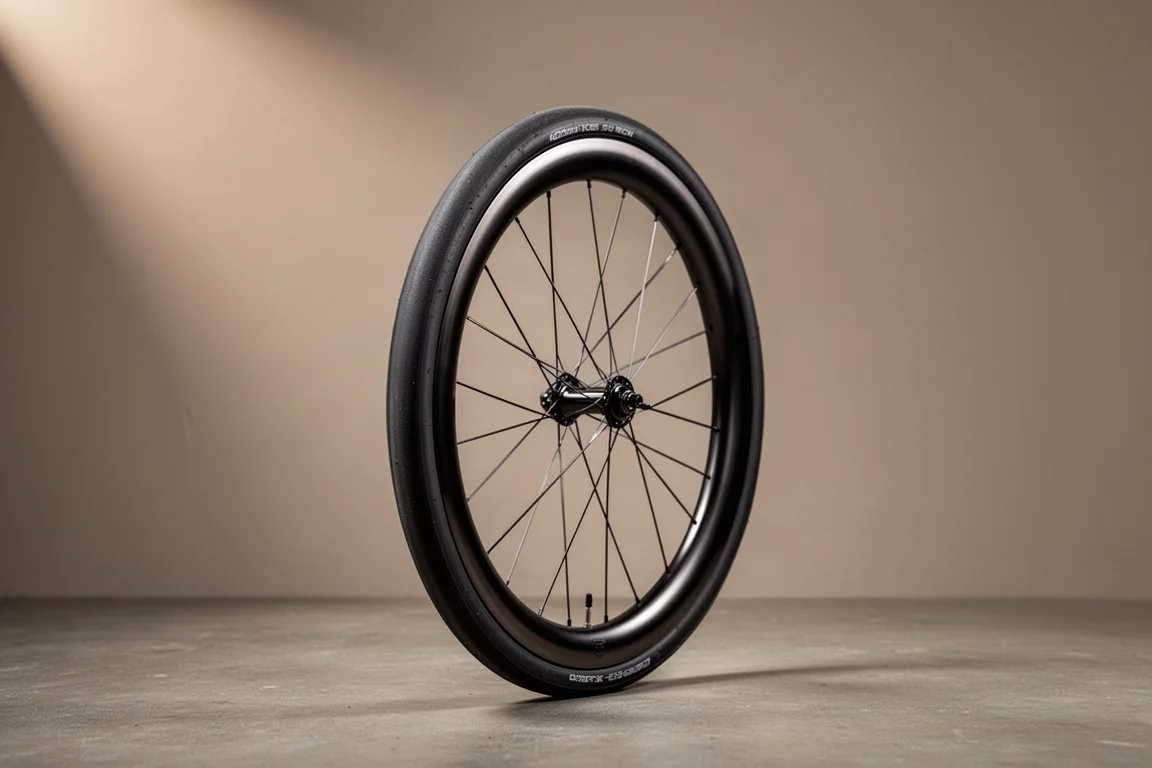
Wide tires on drop-bar road bikes have moved from curiosity to a genuine category, and the Pirelli P Zero range now runs from 26mm all the way up to a striking 40mm. Seeing a 40mm slick on a road bike is still an unusual sight, and the launch has generated a lot of interest.
I have ridden the 40mm version for more than 500 km to find out whether the extra volume delivers real benefits or simply adds weight and drag. What follows covers performance, handling, comfort, durability and general ride quality over that distance.
Who This Tire Is For
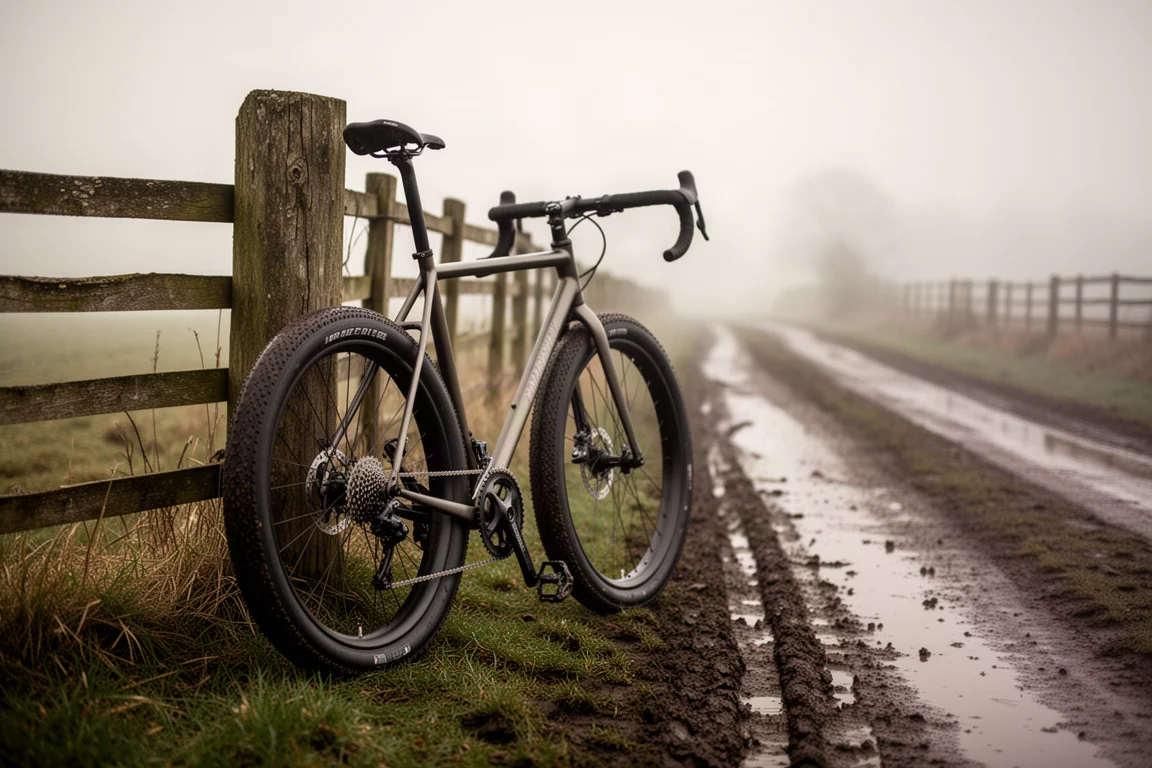
The 40mm P Zero is not aimed at riders who want to ride flat out all the time. It makes far more sense on a gravel bike that wants a fast-rolling slick, on a touring bike, or on a winter road bike used on wet, gritty lanes where grip and comfort matter more than outright pace.
Riders who spend the colder months logging distance and fitness miles rather than chasing power numbers will find the most to like here. It is a tire for keeping the legs turning through the off-season, not for race day.
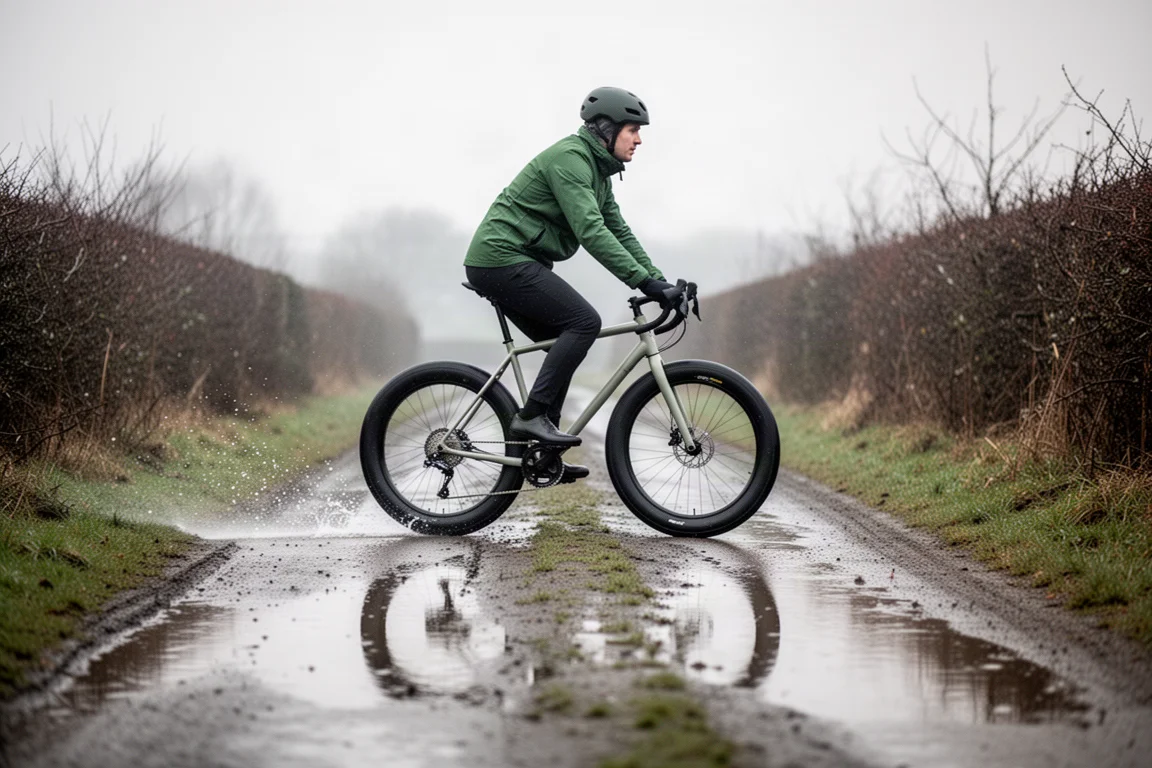
In drier parts of the world the same volume opens up another use case, since the tire can serve as a light gravel and dirt road option rather than a pure road tire.
Main Strengths
Comfort Over Rough Roads
Comfort is where the 40mm tire makes its strongest case. It is genuinely cushy over rough surfaces, smothering bumps and cracks so effectively that even badly maintained tarmac feels far smoother than it has any right to.
The larger air volume works like suspension, and it cuts the fatigue that comes from being bounced around by broken surfaces. Long days in the saddle become noticeably more pleasant as a result.
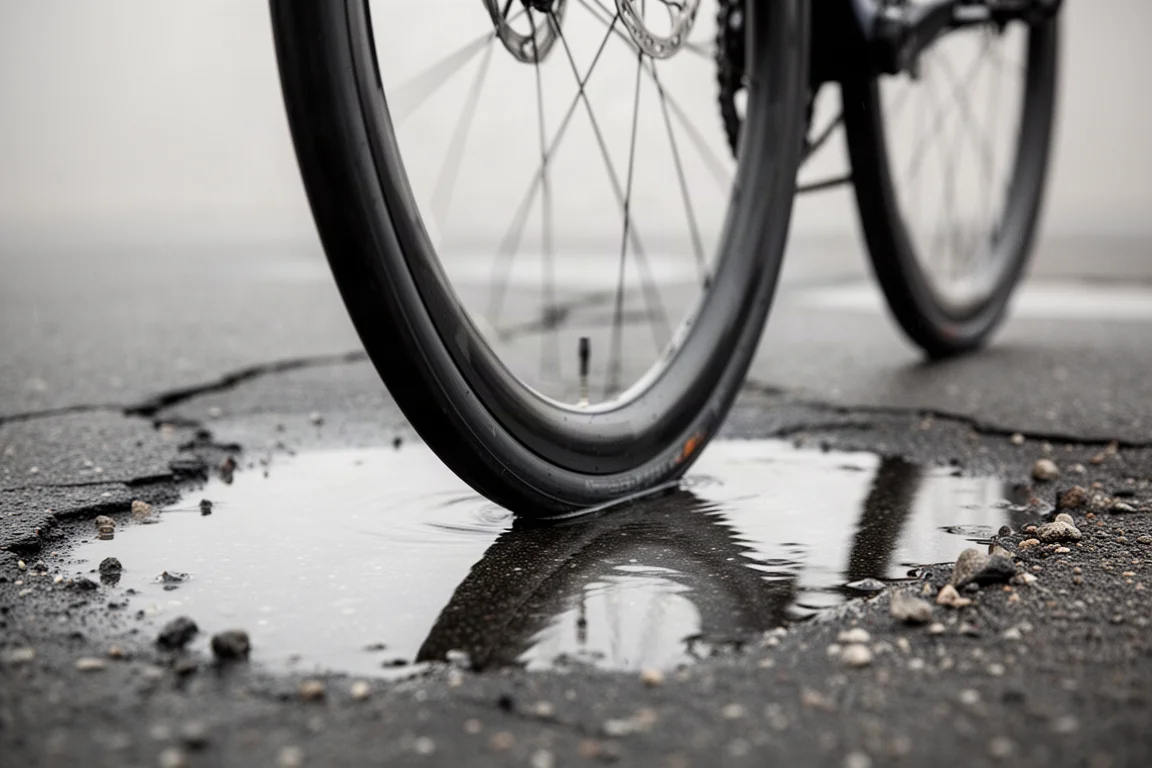
Tire pressure is central to that comfort. I started with pressures recommended by an app that factors in conditions, rider weight and bike weight, then settled on roughly 40 PSI at the rear and 37 PSI at the front.
Traction and Control
Those low pressures also produce a lot of traction, and that translates directly into control and confidence. On narrow lanes covered in stones, running water and mud, a 28mm or 30mm tire can feel dicey. The 40mm tire ploughs through that kind of surface with far more grip underneath you.
The practical benefit is that you can carry more speed down a favourite descent, or descend at the same speed with less risk of crashing. Either way, it feels safer.
Durability and Tubeless Setup
More than 500 km of testing has been trouble-free. There have been no punctures at all, and no cuts, slashes or holes in the casings, despite the poor state of the roads through the winter.
The tires are tubeless and have been run tubeless with sealant. Air retention has been excellent, with no need for regular topping up. There is some visible wear along the centre line, roughly a centimetre wide, plus a little wear towards the shoulder, which is normal for the distance covered.
Things to Consider Before Buying
Speed and Effort at Higher Pace
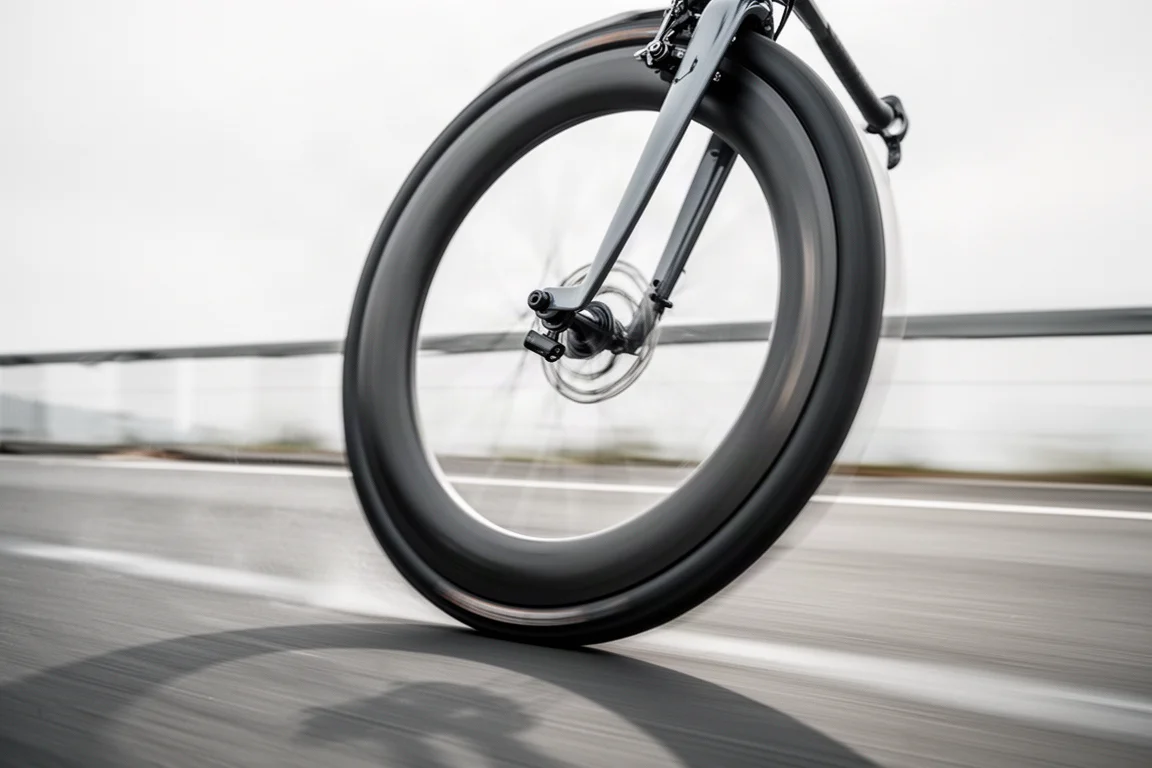
The trade-off appears as soon as you push hard. Above roughly 250 W or 30 km/h, the extra effort these tires demand is clear. It feels like pushing through thicker air, and aerodynamics and weight both become factors in how easily the bike holds speed.
They are simply not as effortless as narrower tires at high power outputs, so wide tires are not automatically faster. Knock the pace back a few kilometres per hour, though, and the picture changes completely: cruising steadily between 25 and 28 km/h feels fantastic.
Weight and Casing Construction
On the scales, the 40mm P Zero came in at a hefty 462 g. For comparison, a 38mm René Herse Barlow Pass with an Extralite casing claims 350 g, more than 100 g lighter.
Casing construction clearly shapes how a wide tire performs, so similar-width tires from other makers may not feel the same as these. The tread on the wide P Zero is also noticeably thicker than on the narrower versions, and the tire has been beefed up a little according to the company behind it. That extra material is part of why it feels heavier when you ask for acceleration.
Steering Feel and Geometry
Fitting a much bigger tire changes the geometry of the bike. Fork trail, the distance the tire contact patch trails behind the steering axis, grows from 57mm with a 30mm tire to 60mm with the 40mm. More trail means more stability and slower steering.
That is noticeable on the road. The steering is a little slower and calmer, and the bike feels more planted and stable. It is not slow or ponderous, and it still darts through corners and stays fun and engaging on swooping roads, just more laidback than a race bike.
Tire Pressure Needs Experimentation
Big volume tires are sensitive to pressure, and getting it right takes time. The app-recommended starting point was a good baseline, but it took a couple of weeks of riding to settle on 40 PSI rear and 37 PSI front.
Those numbers sound low to anyone used to 120 PSI, but they are familiar territory for gravel riders, and they are what unlocks both the comfort and the grip.
Buying Advice
If you like to ride fast and flat out, whether solo or in a group, these tires probably are not for you. The effort required at high speed is real, and the weight works against you.
For everyone else the case is strong. On a gravel bike that wants a fat slick, a touring bike, or a winter road bike ridden in wet and gritty conditions, the 40mm P Zero is a tough, comfortable option that adds traction and control when the weather turns.
The one thing worth hoping for is a lighter version. A wide P Zero built with a lighter casing, in the spirit of the RS construction used in narrower sizes, would ease the penalty at higher speeds while keeping the volume that makes these tires so comfortable.
Conclusion
After 500 km, the verdict is that wide road tires are safer and more comfortable, and while they are not slow, they ask more of you when you want to ride at high speed. The 40mm P Zero is heavy next to lighter similar-width options, but it has proven tough, cushy and confidence-inspiring in poor conditions.
For winter riding, gravel bikes and touring, it is a convincing choice.
Product link
View more details for Pirelli P Zero 40mm
This product is mentioned in the review. Check the specifications, options, and compatibility before buying.
View more details for Pirelli P Zero 40mmFurther reading
Related Reviews
Road Bike Tires
Best Budget Road Bike Tires 2026: Nine 25c Tires Tested for Rolling Resistance
Nine budget road tires, all 25c and mostly around £20, went through the same rolling resistance protocol. Here is what the numbers say and which tire suits which rider.
Road Bike Tires
Best Road Bike Tires 2026: Six Options Tested From Budget to Premium
Six road tires across a wide price spread, from around £20 to £92, compared in real-world timed runs on wet roads to see what extra money actually buys.
Road Bike Tires
Best Road Bike Tires Compared: Continental GP 5000 S TR vs Vittoria Corsa Pro vs Pirelli P Zero Race RS
A back-to-back comparison of three 30 mm tubeless road tires, covering timed speed results, cornering feel, ride quality, and which one suits which rider.