Cycling
Pinarello Monviso Neo-Retro Build: A 1990s Frame With Shimano Dura-Ace 9200 Di2
A 1990s aluminum Pinarello Monviso rebuilt with a 12-speed Dura-Ace Di2 groupset, modern rim brakes and carbon wheels, plus what the finished build costs and how it rides against modern bikes.
Introduction
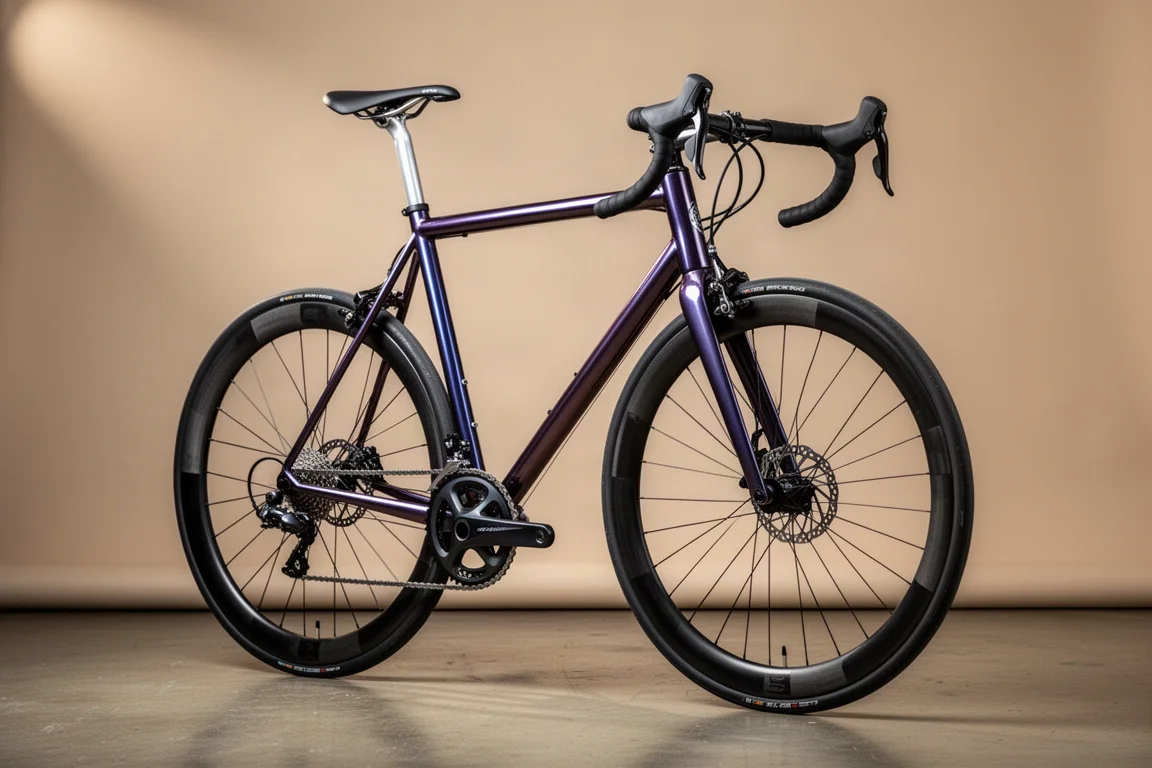
Some builds are about going faster. This one is about finding out whether an older frame can still be quick when everything bolted to it is current. The starting point was a 1990s Pinarello Monviso, an aluminum frame with a steel fork, bought as a complete bike for just over £1,000. The finish line was a 12-speed Shimano Dura-Ace 9200 Di2 semi-wireless groupset, modern rim brakes and carbon fiber wheels, bolted to a frame that predates all of it.
The short answer, after flat and climbing efforts against modern bikes, is that the neo-retro build is a joy to ride and shifts beautifully, but it does not outrun a modern superbike. Here is what the project involved, what each part contributes, and where the money goes.
What This Neo-Retro Build Actually Is
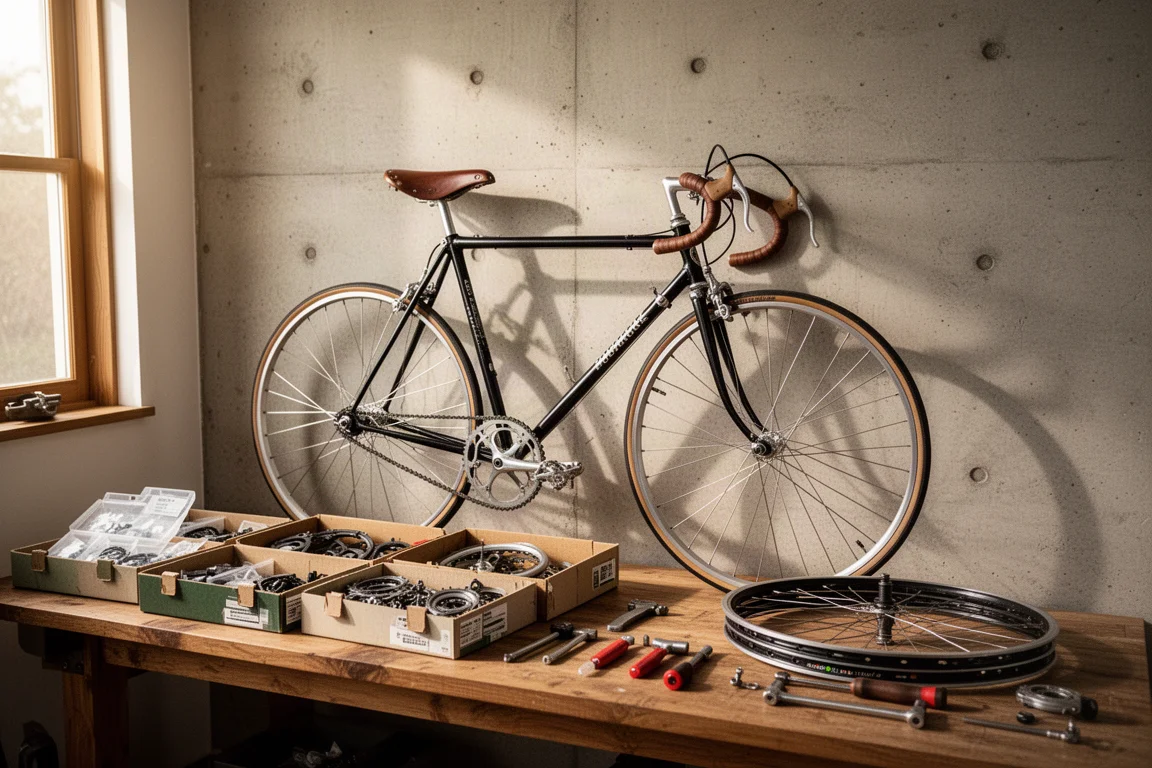
When the Monviso arrived it was period correct: a Dura-Ace 7700 groupset, a Dura-Ace hub and 32-spoke aluminum wheels. That is a lovely thing to own, but it also means the bike carried three decades of component development in one package.
The rebuild went the other way. The frame was stripped back to the bare frameset, and as much as possible was replaced with modern equivalents: a Dura-Ace 9200 Di2 electronic groupset, modern rim brakes, carbon fiber wheels and revised handlebars. A one-piece aero cockpit that was fitted during the build, nearly £1,000 on its own, was later removed because it did not suit the frame, which shows how much aesthetics and compatibility matter on a project like this. A few original details stayed, including the bottle cages, the seat post and the bar end plugs.
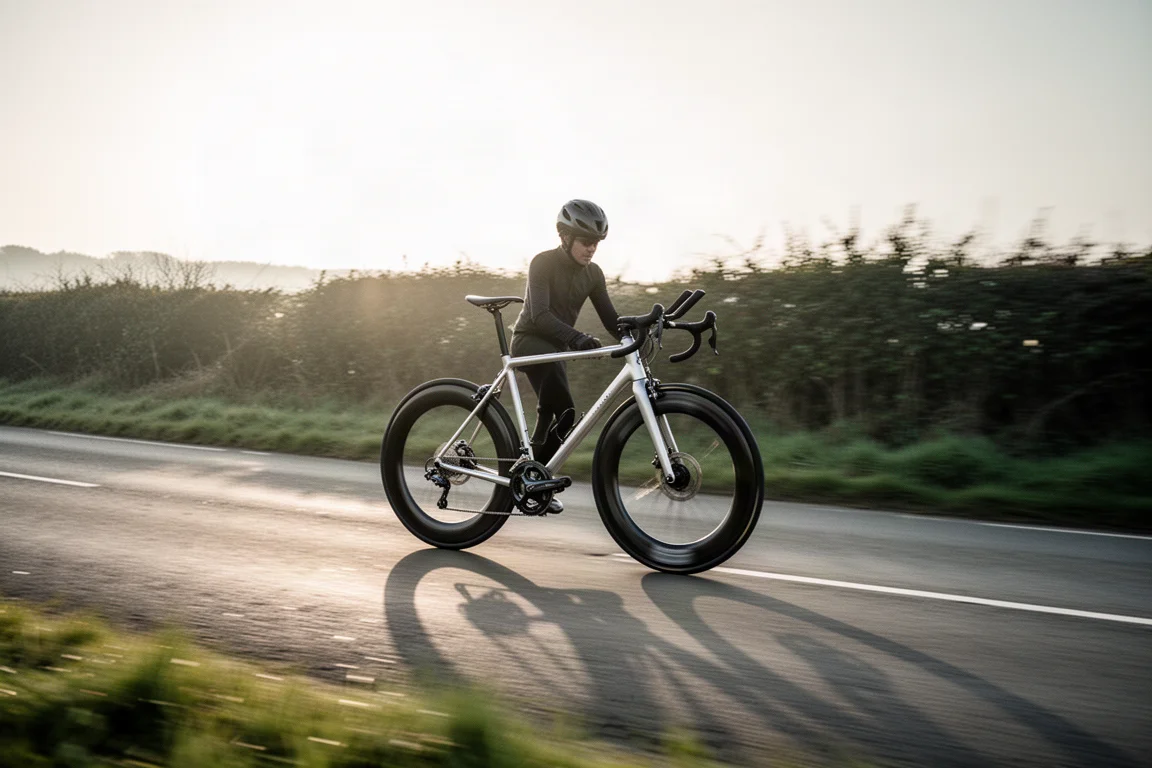
The wheels are modern carbon fiber, but the bike still runs narrow tubular tires, a reminder that the frame’s original clearances and proportions set limits on how far a rebuild can go.
The Frameset: Pinarello Monviso
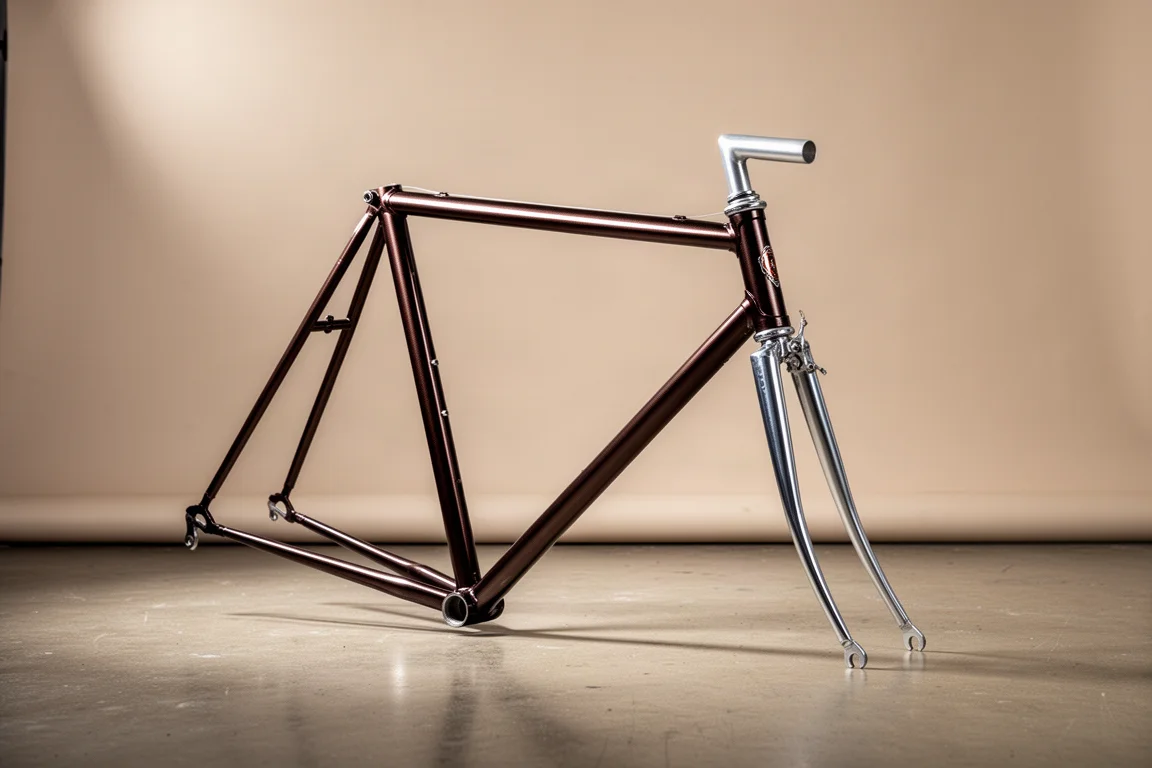
The Monviso frameset is the constant in the build: aluminum tubes, a steel fork, and geometry drawn up in the 1990s. Those materials and shapes were designed at a time when aerodynamic tube profiles, frame stiffness and low weight were not pursued to today’s extremes.
That matters when you ride it hard. The frame is not a weak link in terms of feel, because the bike rides brilliantly and carries a character that modern frames rarely replicate, but it gives away small margins almost everywhere. Weight, aerodynamics, stiffness and overall efficiency are each a little behind, and those gaps add up once the pace rises.
There is also the ownership side. This is a frame with history, and the build keeps the parts that give it that identity: the original bottle cages, seat post and bar end plugs all remain. For riders who value a bike that has been around the block rather than a blank-slate superbike, that counts for something.
The Modern Groupset: Shimano Dura-Ace 9200 Di2
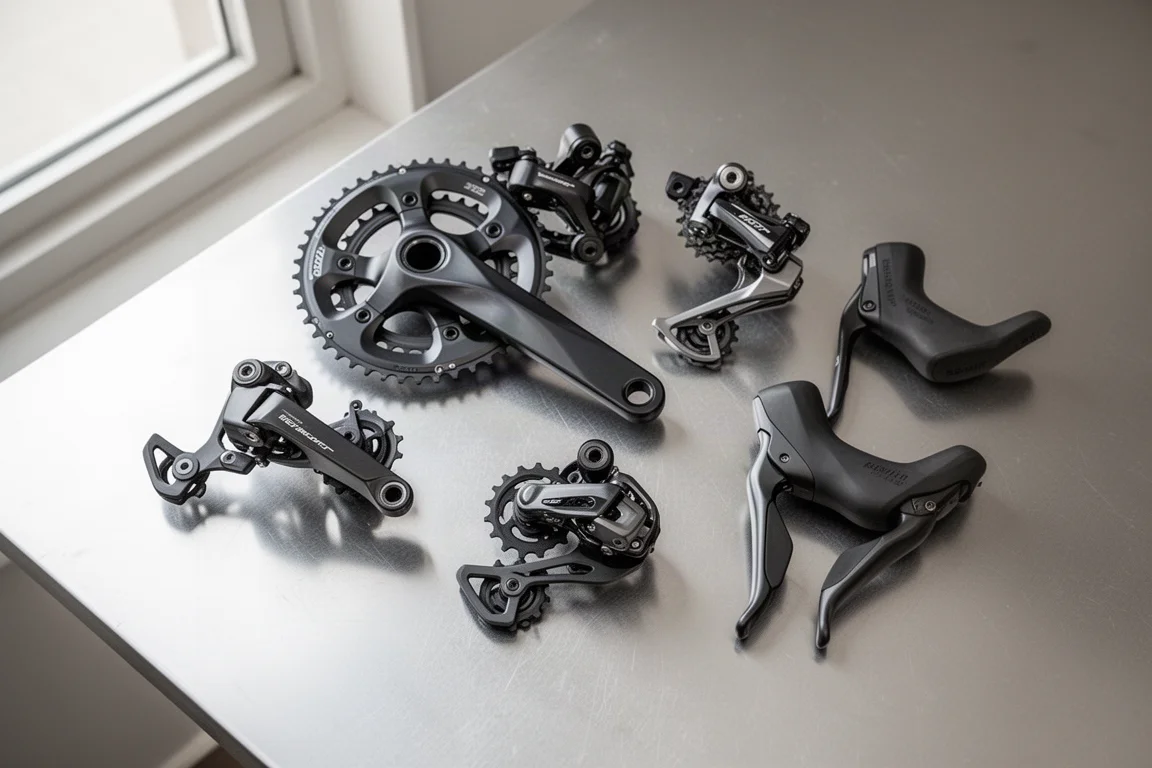
The 12-speed Dura-Ace 9200 Di2 groupset is what makes the concept work. It is semi-wireless and electronic, and the shifting is crisp and precise, which is exactly what you want when the rest of the bike is a few percent off the pace.
Fitting a current groupset to an older frame is also the biggest single line in the budget. The groupset alone costs over £3,000 new, which is more than many complete bikes.
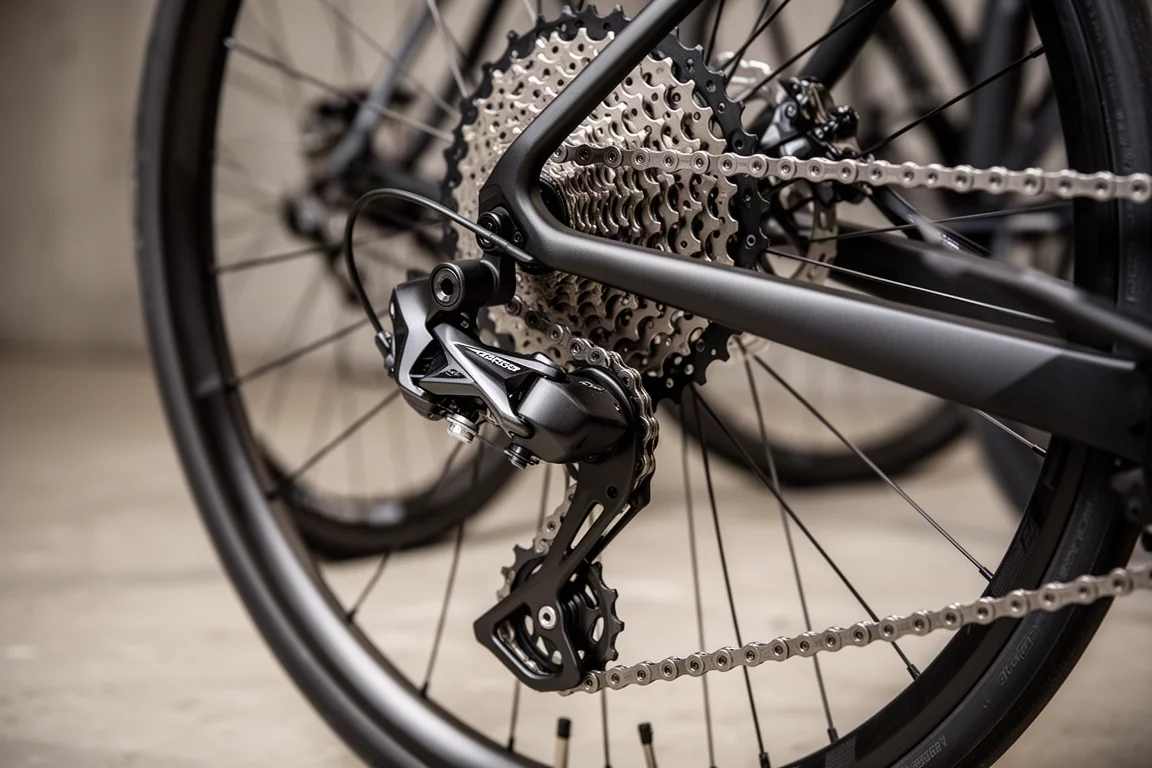
Because the shifting is fully modern, the riding experience is not a compromise in the way you might expect from a retro build. You get current ergonomics and current precision, and then you get the older frame underneath it.
The Original Groupset: Shimano Dura-Ace 7700
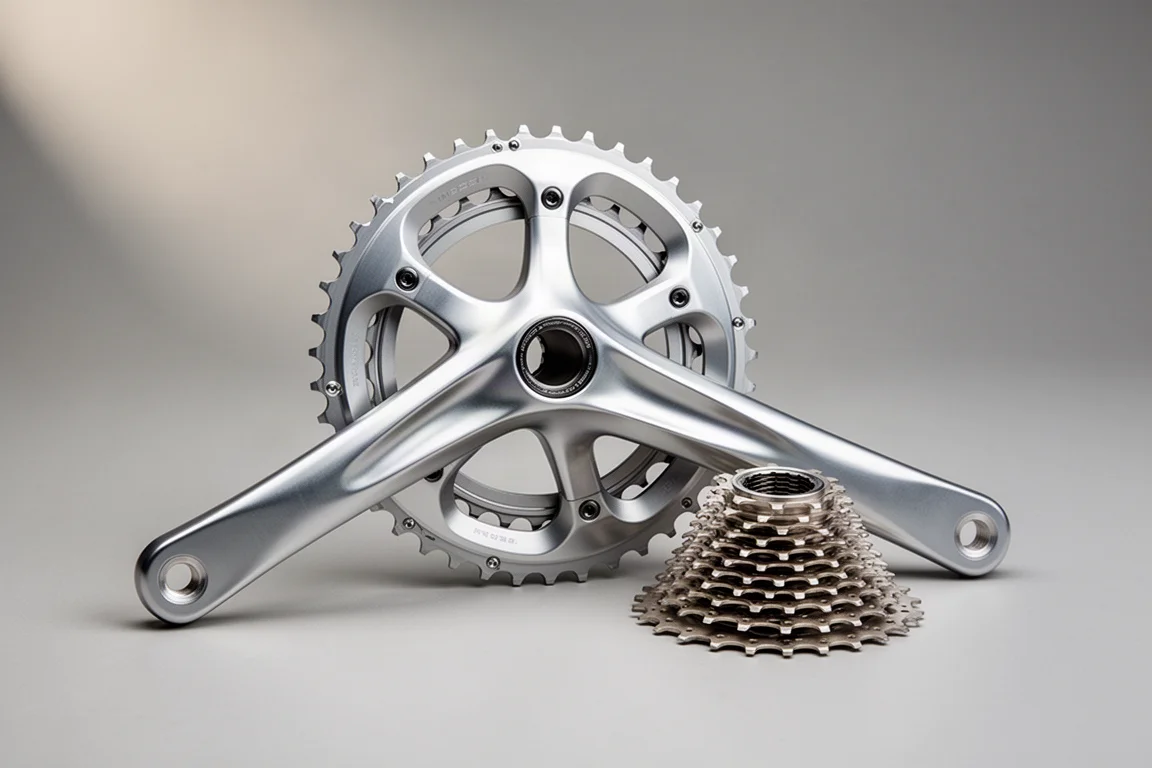
The 7700 groupset is the one the Monviso was built with originally, and it is what makes the starting point of this project so appealing. A period-correct Dura-Ace setup with a matching Dura-Ace hub and 32-spoke aluminum wheels is a complete, coherent package from its era.
Keeping those parts, or sourcing them, is a different kind of project to a modern rebuild. It will not match current electronic shifting for speed or convenience, but it preserves the bike as it was designed to be. For anyone weighing up whether to modernize a classic frame or restore it, this build shows both sides clearly.
How a Neo-Retro Bike Rides Next to a Modern Superbike
The comparison was straightforward: hard efforts on the flat, then a climb, with the neo-retro bike up against modern machines. On the flat it was dropped. On the climb it was dropped again, despite a genuinely hard effort on a day when the rider was not at peak form.
The gap comes from the frame and fork rather than the components. With modern parts fitted, the difference is weight, aerodynamics, stiffness and overall efficiency, each a few percent down. Individually those margins sound small. Together they are enough to lose contact.

What the bike does deliver is feel. It rides brilliantly, and the combination of modern shifting and an older frame is genuinely enjoyable. It simply does not go like a modern bike, because it is not one. For riders who care about character as much as lap time, that is a fair trade. For riders chasing every watt, it is not.
What the Build Costs and What Else That Money Buys
Component by component, the numbers add up quickly. The original bike cost just over £1,000. The 12-speed Dura-Ace groupset was over £3,000. The finished build came to just over £8,000 in total.
That total buys a complete aero road bike with a carbon fiber frame and Dura-Ace Di2 from a shop, and it would be lighter and faster. Buying individual components almost always costs more than buying a complete bike, so a project like this is never an economically efficient route.
The honest framing is that this is a passion project. It exists to create something unique, and the result is a one-off bike with modern shifting and a 1990s frame. If the goal is performance for the money, buy the complete modern bike. If the goal is a bike nobody else has, this is how you get there.
Who Should Consider a Build Like This
This kind of neo-retro build suits riders who already love a particular frame and want to keep riding it with current components. It also suits anyone who enjoys the process itself: sourcing parts, deciding what stays original, and accepting that some choices, such as the aero cockpit, may get reversed.
It is a poor fit for anyone shopping purely on speed or value, because a modern bike wins on both at this price. The better reason to do it is that the frame means something to you, and modern groupset performance lets you enjoy it without giving up precise shifting.
Conclusion
The neo-retro Monviso answers its own question. A 1990s aluminum frame with a current Dura-Ace Di2 groupset, modern rim brakes and carbon wheels is a wonderful bike to ride, and it shifts as well as anything modern. It just cannot match a modern superbike for outright speed, because the frame and fork give away a few percent in weight, aerodynamics and stiffness that no groupset can recover.
Build it for the character, not the clock. On those terms, it works.
Further reading
Related Reviews
Cycling
2026 Bike of the Year and the Cycling Gear Worth Watching
A drop bar roundup for 2026 covering the Ridley Kanzo Fast 2.0, Shimano Dura-Ace Di2 R9300, Trek Checkpoint ALR Gen 3, Specialized Tarmac SL9, Garmin Fenix 9 and Insta360 X6.
Cycling
Best All-Road Bikes 2026: Six Versatile Endurance Road Bikes Worth Considering
A practical look at six all-road and endurance road bikes, from lightweight carbon speed machines to steel all-rounders and comfort-focused mile eaters.
Cycling
Best All-Road Bikes 2026: 8 Endurance Bikes for Road and Light Gravel
Eight all-road bikes that blur the line between endurance road and light gravel, compared on tire clearance, ride character, practicality, and value.