Cycling Gear
Pinarello F1, Colnago Steelnovo, Wahoo Elemnt Ace and Scott Addict RC: A Buyer's Guide
A practical look at four new arrivals in road cycling: Pinarello's entry-level F1, Colnago's limited steel Steelnovo, Wahoo's largest computer yet, and Scott's lightest Addict RC builds.
Introduction
Four new arrivals stand out in road cycling right now, and they sit at very different points on the price scale. Pinarello has opened up its F-series race range with the F1. Colnago has marked its 70th anniversary with a steel bike limited to 70 examples. Wahoo has released its biggest computer to date, complete with a wind sensor. And Scott has returned the Addict RC to the sub-six-kilogram territory it last occupied in its first generation.
Each one solves a different problem, and each one has a trade-off worth understanding before you spend.
What to Look For
On a complete bike, the frame layup, the groupset tier and the wheelset do most of the work in setting the price, and the gaps between adjacent models are often smaller than the price gaps suggest. Mechanical groupsets are also returning to more affordable builds, which matters if you prefer cable shifting or simply want to spend less. With computers, screen size, legibility in sunlight and how quickly the interface responds will affect daily use far more than the length of the feature list.
Pinarello F1: Entry-Level Italian Race Bike
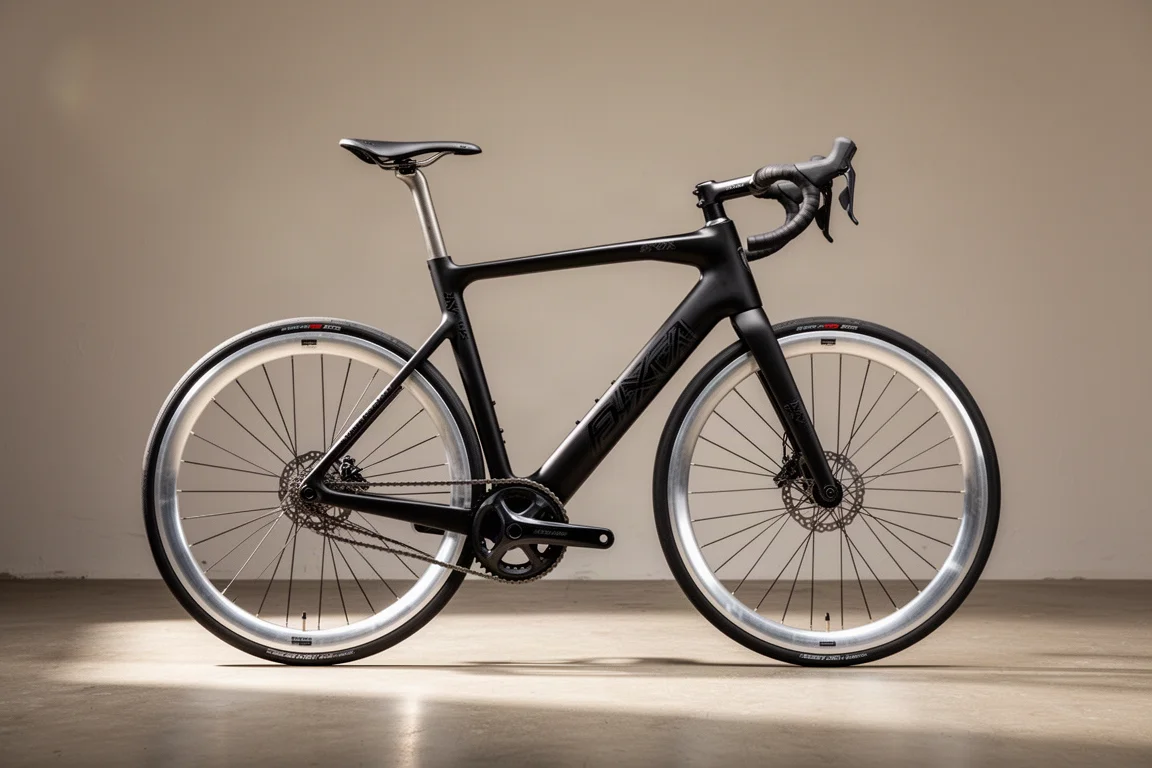
The F1 sits at the bottom of Pinarello’s F-series race range, below the Dogma F, F9, F7 and F5. Each number in that line-up corresponds to a specification level, and the F1 is the new entry point at around £3,000.
For that money you get a 12-speed Shimano 105 mechanical groupset, aluminium wheels, and an aluminium bar and stem in a two-piece cockpit. The frame uses a T600 carbon layup, one tier below the T700 used on the F5, while the F7 and F9 are built from T900 and the Dogma F from T1000. The result is a slightly heavier frame that keeps the same design language and the same geometry as the models above it.
Price positioning is where the F1 gets interesting. It sits £250 below the Specialized Tarmac Sport at £3,250, while the direct-to-consumer Canyon Ultimate SL7 comes in at £2,349. The £2,000 to £4,000 band is consistently the most popular price category among riders, so the F1 lands in a busy and competitive part of the market.
For buyers who want a recognised race platform and a straightforward upgrade path, the F1 makes sense. A set of lighter wheels and faster tyres would change the character of the bike more than any other single change.
Colnago Steelnovo: A 70th Anniversary Steel Build
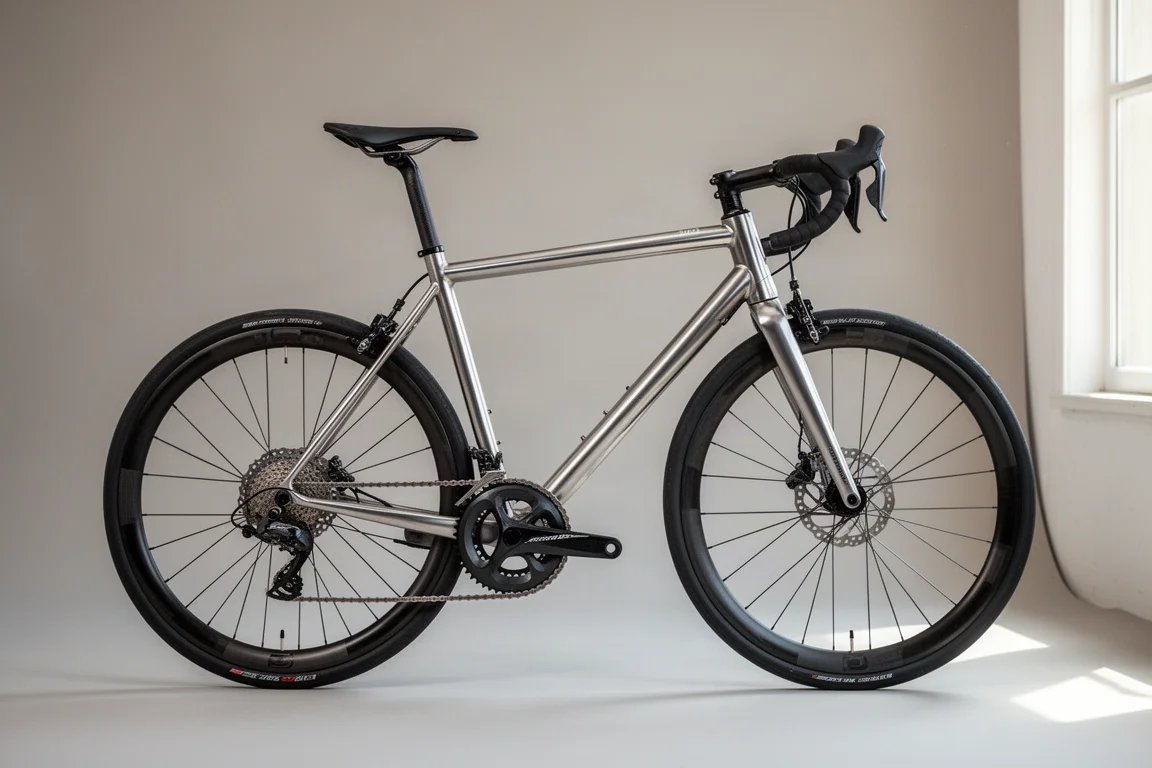
Colnago’s 70th birthday present to itself is the Steelnovo, a modern steel road bike limited to just 70 examples. It draws on the steel construction that defined the brand in the 1970s and 1980s, but the details are thoroughly contemporary: a tapered carbon fork, fully internal cable routing, a T47 bottom bracket, disc brakes, and clearance for tyres up to 35mm.
The component list is deliberately Italian, led by a Campagnolo Super Record Wireless groupset and Campagnolo wheels, with Carbon-Ti parts including through axles and bar end plugs finished with the brand’s clover motif. A Brooks Cambium C13 saddle adds a small British note to the build.
Availability is the main obstacle. Only 70 bikes will be made and online ordering is open for 15 days, so anyone who wants one will need to move quickly.
Wahoo Elemnt Ace: A Big-Screen Computer With a Wind Sensor
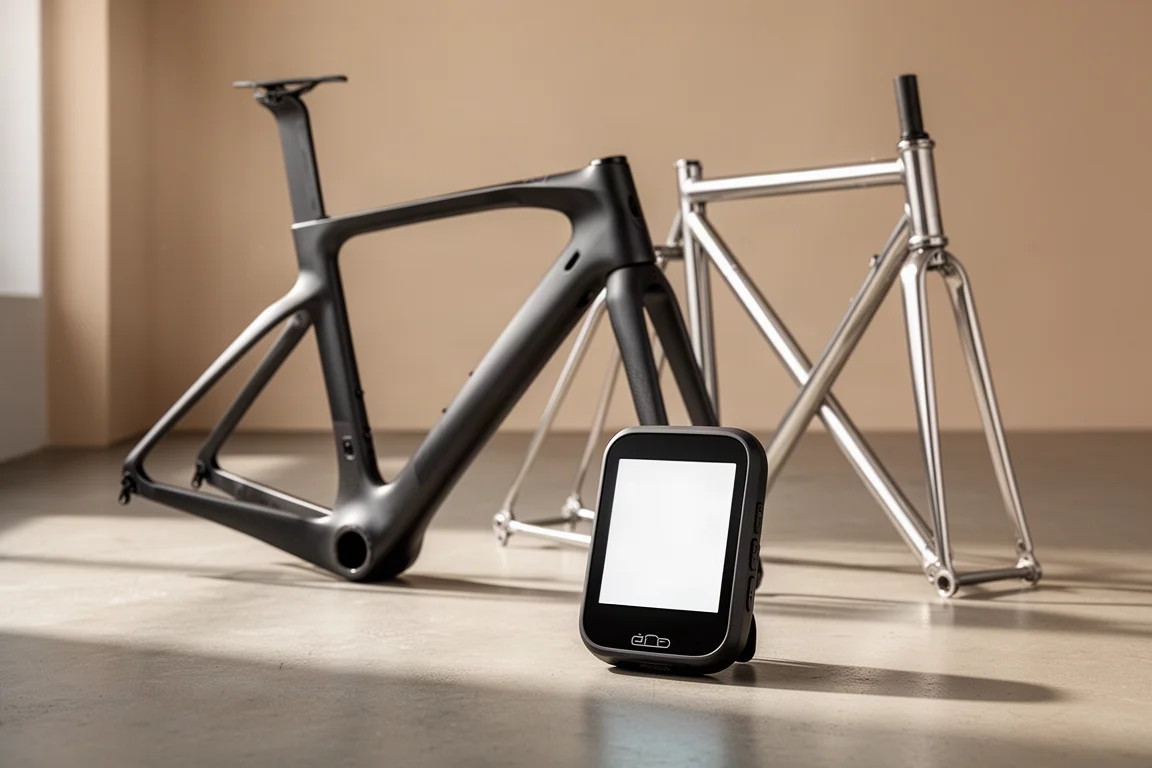
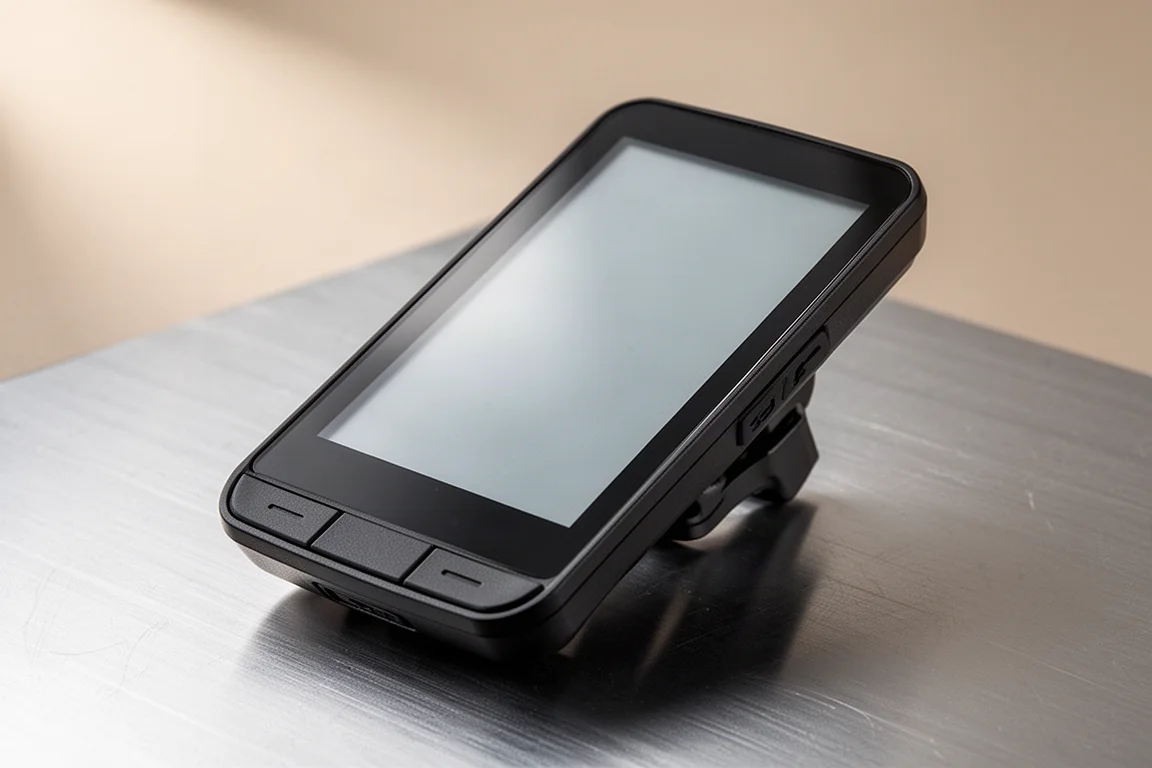
The Elemnt Ace is a substantial unit: 125mm long, 69mm wide and 19mm thick when measured from where it protrudes from a mount. That is nearly a centimetre longer than a Garmin Edge 1040, 2.3cm longer than a Hammerhead Karoo, and only around 2cm shorter than an iPhone XR. It is a head unit you notice on the bars.
The feature that sets it apart is a wind sensor, an air pressure sensor positioned at the front of the unit that estimates wind speed. Combined with ground speed, that data can show how much headwind or tailwind you are riding into, and how effectively you are sheltering behind another rider. It is the first sensor of its kind in a head unit, though the practical value today is narrow. Time trial reconnaissance is the clearest use case, and the technology is more likely to matter as it develops than it does right now.
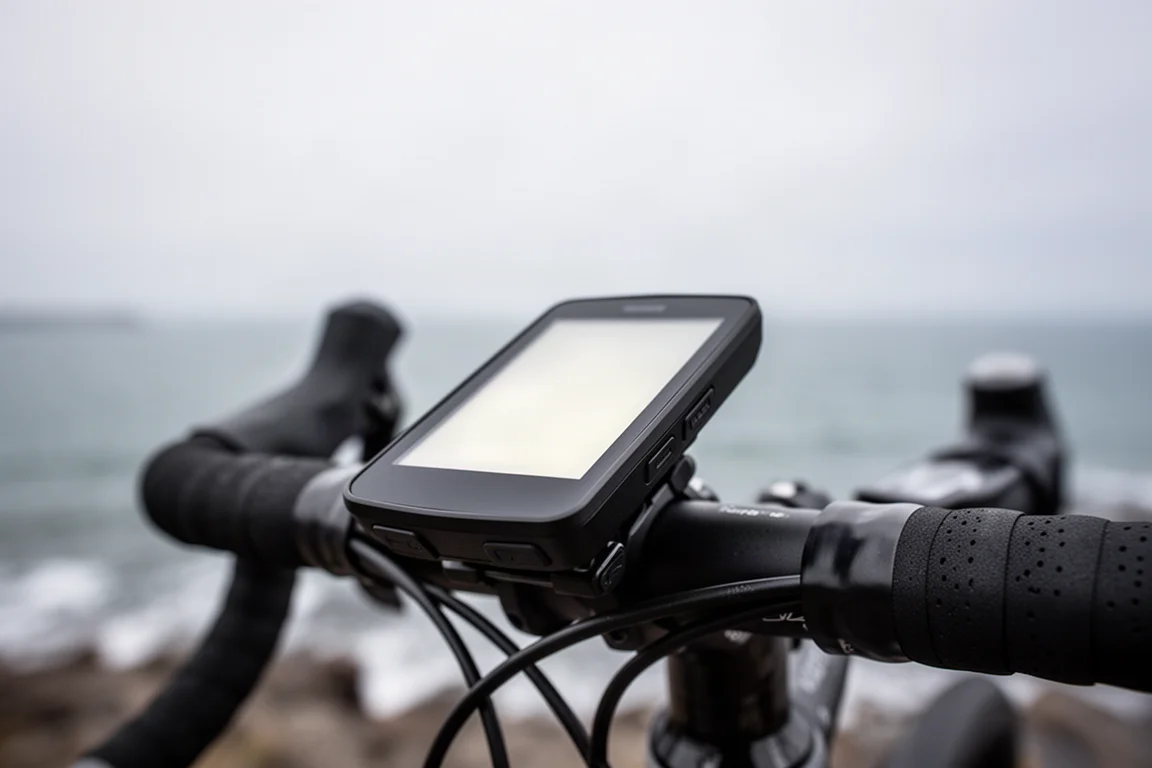
The screen is the other headline. At 3.8 inches it is the largest fitted to a head unit, with a slightly boxy 3x2 aspect ratio and a transflective thin-film transistor panel that is backlit, efficient and notably resistant to sun glare, with wide viewing angles. Older Wahoo screens handled 16 colours, while this one handles roughly 16 million, which mostly translates into a clearer and easier-to-read display. The interface has been overhauled, and this is the first Wahoo computer with a touchscreen. Response is good, though not as quick as the Hammerhead Karoo and still a long way from a phone.
At £550 or $600, the Elemnt Ace undercuts the Garmin Edge 1050 at £650, with the solar version of that unit costing more again. Whether the value holds up depends on living with it over serious mileage, which is the only way to find the small annoyances that every head unit has.
Scott Addict RC Ultimate: Sub-Six-Kilogram Halo Build
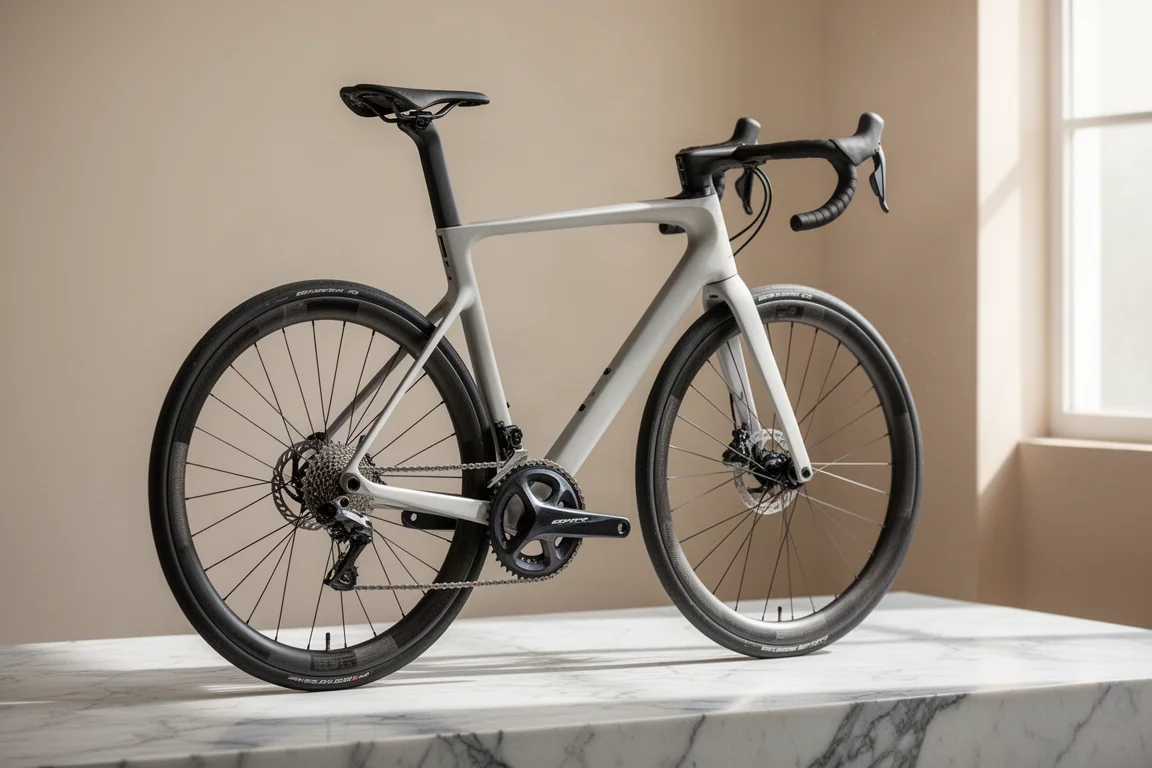
The Addict RC Ultimate is the first stock disc-brake road bike to break the six-kilogram barrier. It is the fourth generation of the Addict, and the first generation was already extremely light with mechanical gears and rim brakes. Getting back to that weight while adding disc brakes, electronic shifting and wider tyre clearance has taken four generations.
The halo model uses the HMX SL frame layup, while the rest of the range uses the standard HMX layup, which adds roughly 40g. It also runs a SRAM Red groupset, Syncros Capital SL40 one-piece carbon wheels, and a power meter.
The UCI minimum weight limit of 6.8kg exists to stop brands chasing weight at the expense of safety, and several stock bikes now sit below it. That rule only applies to UCI racing, though. For most riders the appeal of a light bike is simpler: it feels lively and it makes you want to ride harder. What matters more here is that Scott has kept the same geometry across the range, so the handling stays planted rather than nervous and the ride quality does not suffer for the low weight.
Scott Addict RC Range: Pro, 10, 20 and 30 Compared
Below the halo model, the Addict RC line-up shares the same frame geometry and competitive claimed weights for each price point. The builds step down in groupset and cockpit rather than in handling.
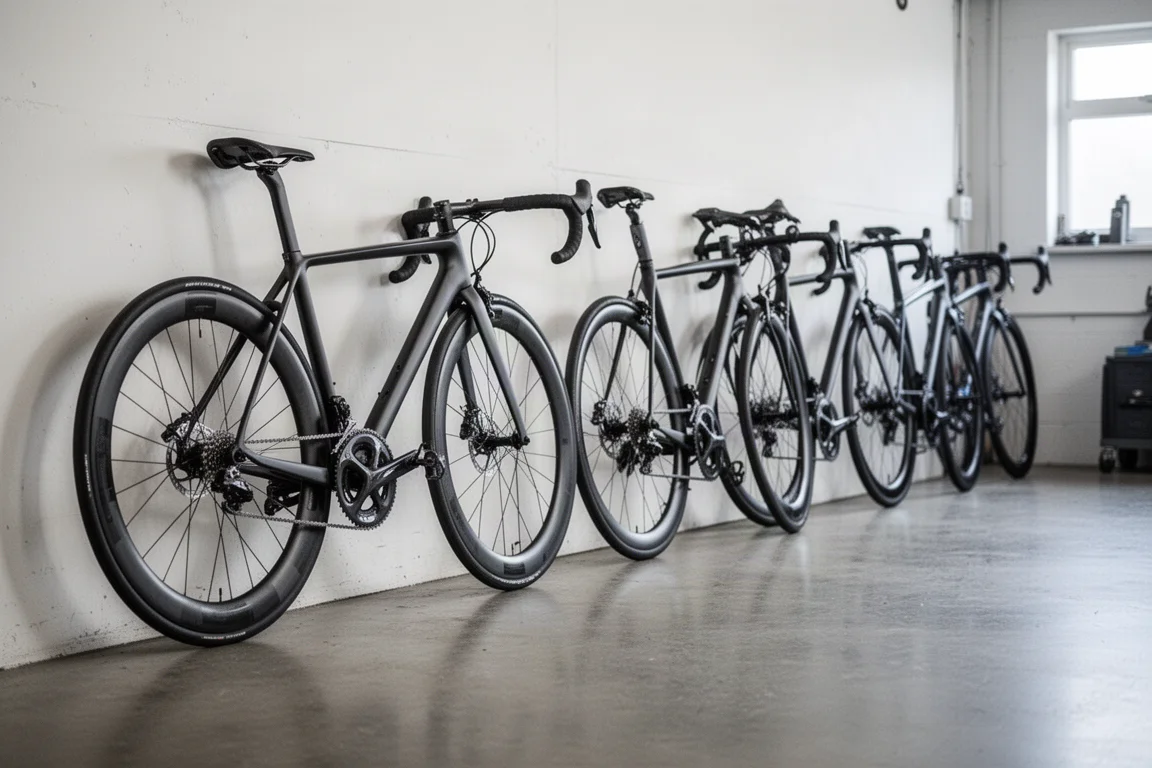
That structure makes the range easier to shop than most. Decide what you want to spend, then choose between an integrated cockpit for a cleaner front end and a two-piece setup that is simpler to adjust.
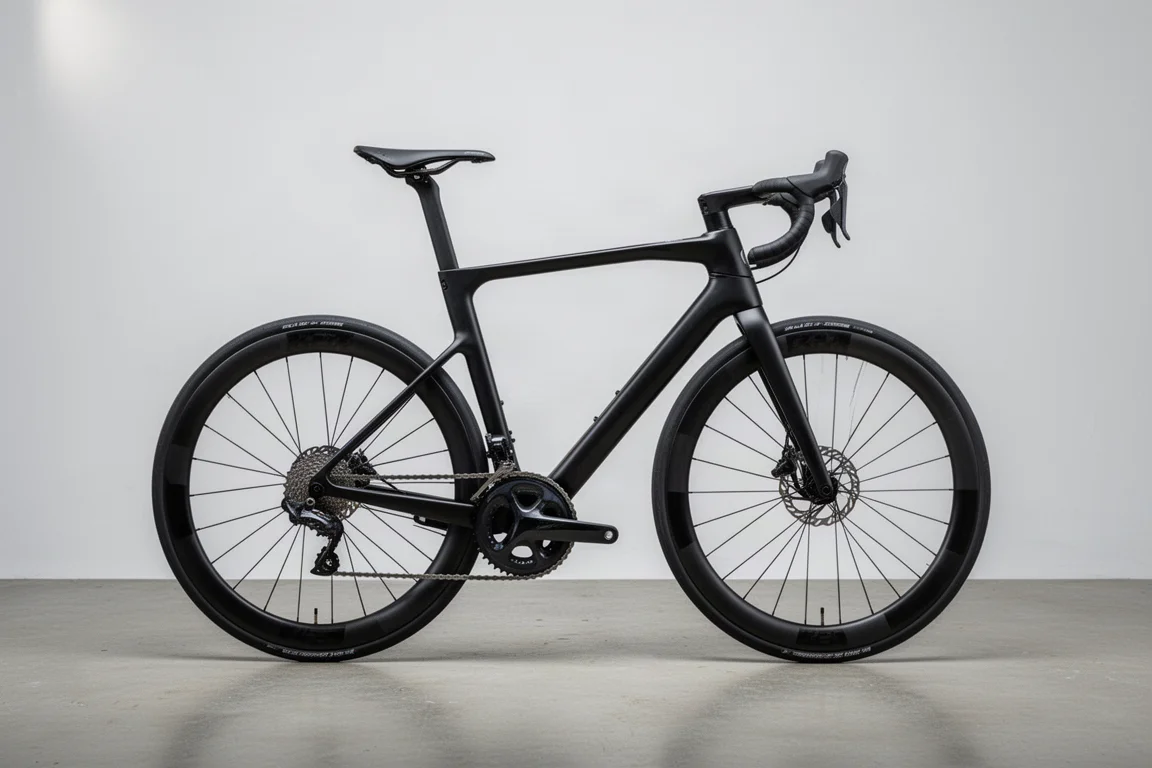
Scott Addict RC Pro: Dura-Ace Build
At £8,599 the RC Pro is the Dura-Ace option, using the standard HMX frame layup. The notable omission is a power meter, which is a surprising one at this price.
Scott Addict RC 10: Ultegra With an Integrated Cockpit
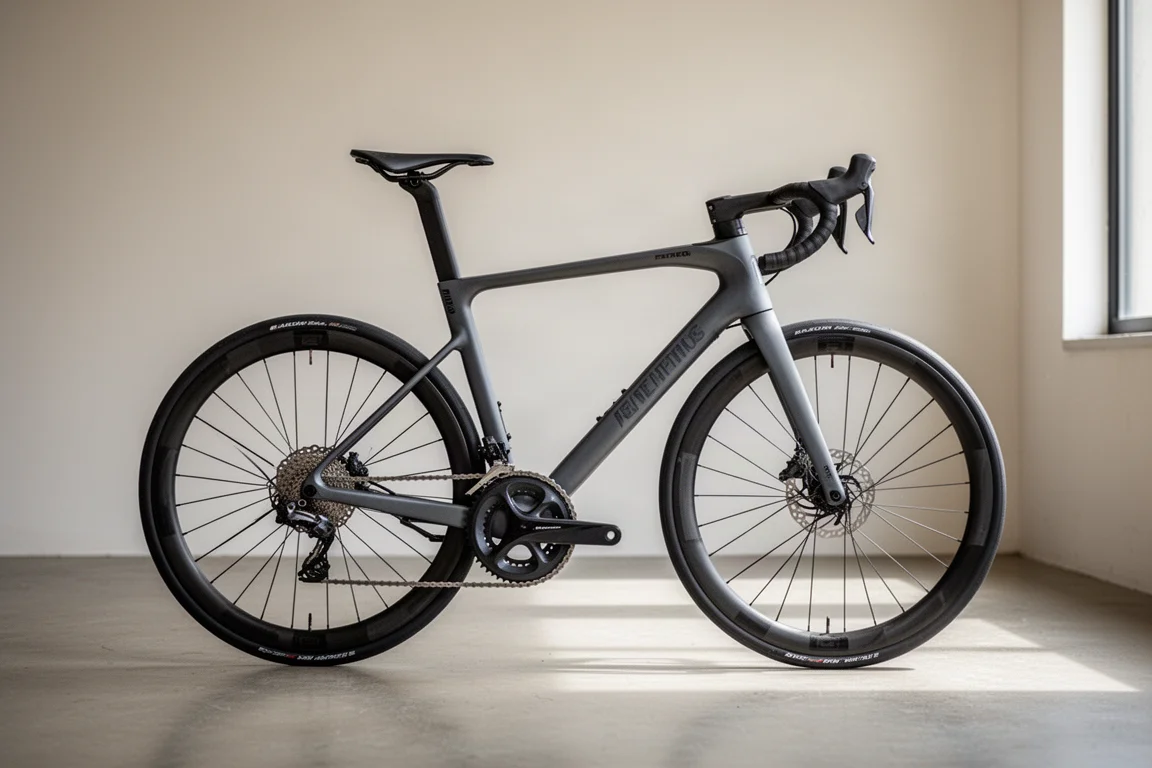
The RC 10 costs £6,599 and pairs an Ultegra groupset with an integrated cockpit. It also goes without a power meter.
Scott Addict RC 20: Ultegra With a Two-Piece Cockpit
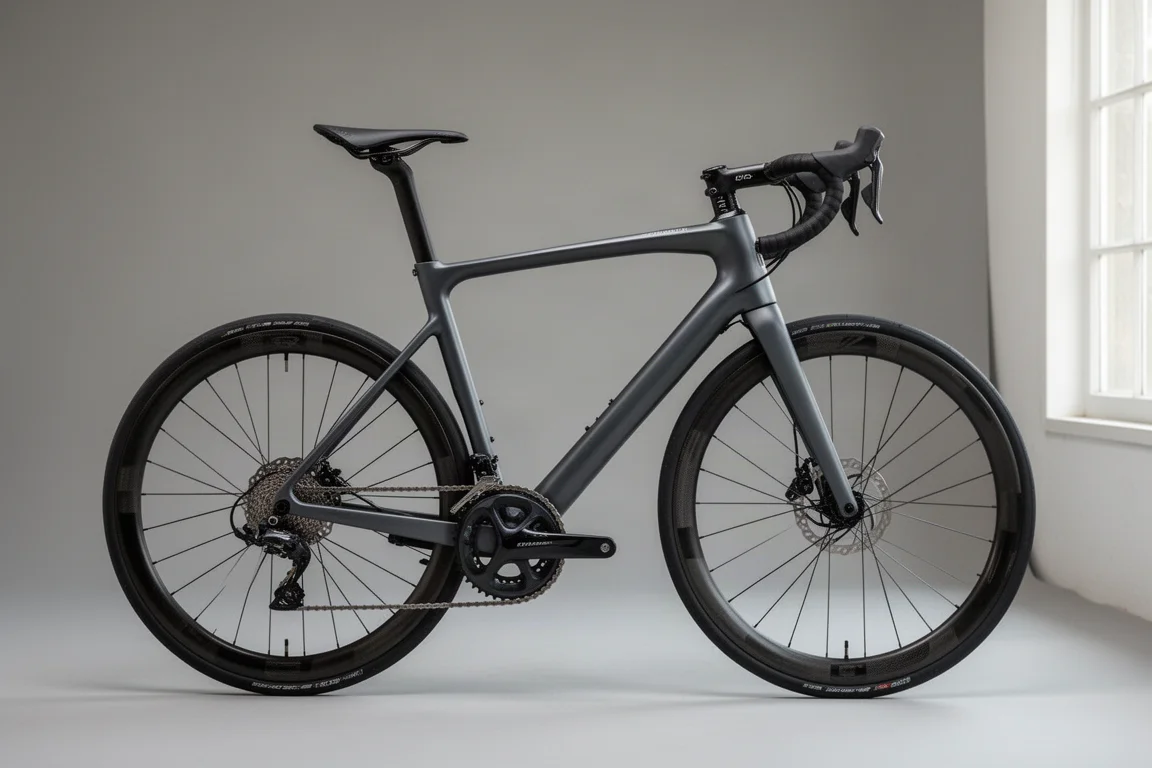
At £5,899, the RC 20 uses the same Ultegra groupset as the RC 10 but with a two-piece bar and stem, which makes fit changes far easier for riders who are still dialling in their position.
Scott Addict RC 30: 105 Di2 Entry Point
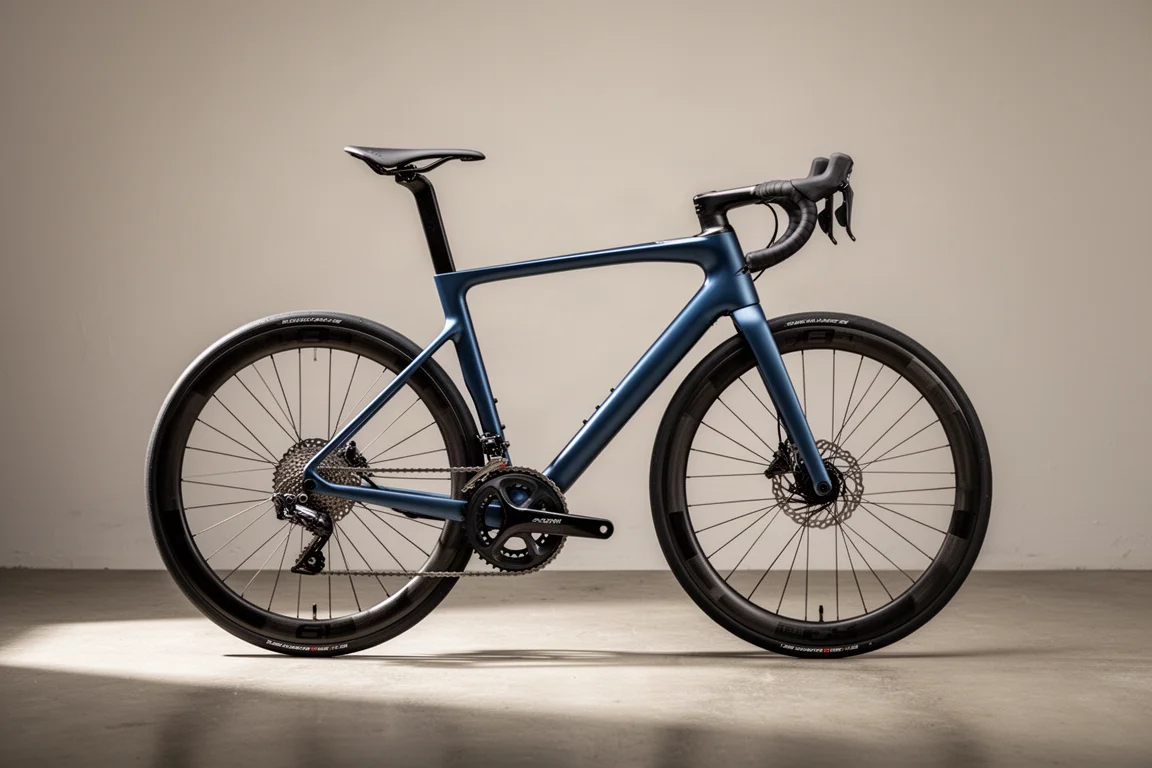
The RC 30 is the entry point at £4,899 with a Shimano 105 Di2 build. It is the cheapest way into a frame that shares its geometry with the halo model.
Market Watch: Mechanical Gearing and New Names
Two shifts are worth watching. The first is the return of mechanical groupsets. Electronic shifting has pushed bike prices up over the years, and mechanical options are now coming back into more affordable builds, which is a large part of how a bike like the Pinarello F1 reaches its price. A drop-bar variant of Shimano’s reinvigorated mechanical line-up is expected next year, so the mix of groupsets across entry and mid-range bikes is likely to change again.
The second is the arrival of new names at the top of the sport. Value-focused brands have already shown how much appetite there is for high performance at lower prices, and established manufacturers are watching closely. XDS Carbon Tech, a Chinese manufacturer based in Shenzhen that already builds several million bikes a year for major brands, has a sub-brand called XLab that has been linked with a WorldTour team. Two models are said to be in development, an aero bike and a lightweight bike, and both could use the same T1000 carbon found on the Dogma. If those bikes reach Western markets at competitive prices, established brands will have some explaining to do.
Buying Advice: Which One Makes Sense for You
Match the bike to the reason you ride. If you want a proven race platform with a recognisable badge and a clear upgrade path, the Pinarello F1 at around £3,000 is the most straightforward route, and lighter wheels and tyres are the first place to spend. If maximum specification per pound matters more than the name on the down tube, direct-to-consumer options undercut it, and riders who enjoy building their own bikes can go further still by sourcing a frame and groupset separately.
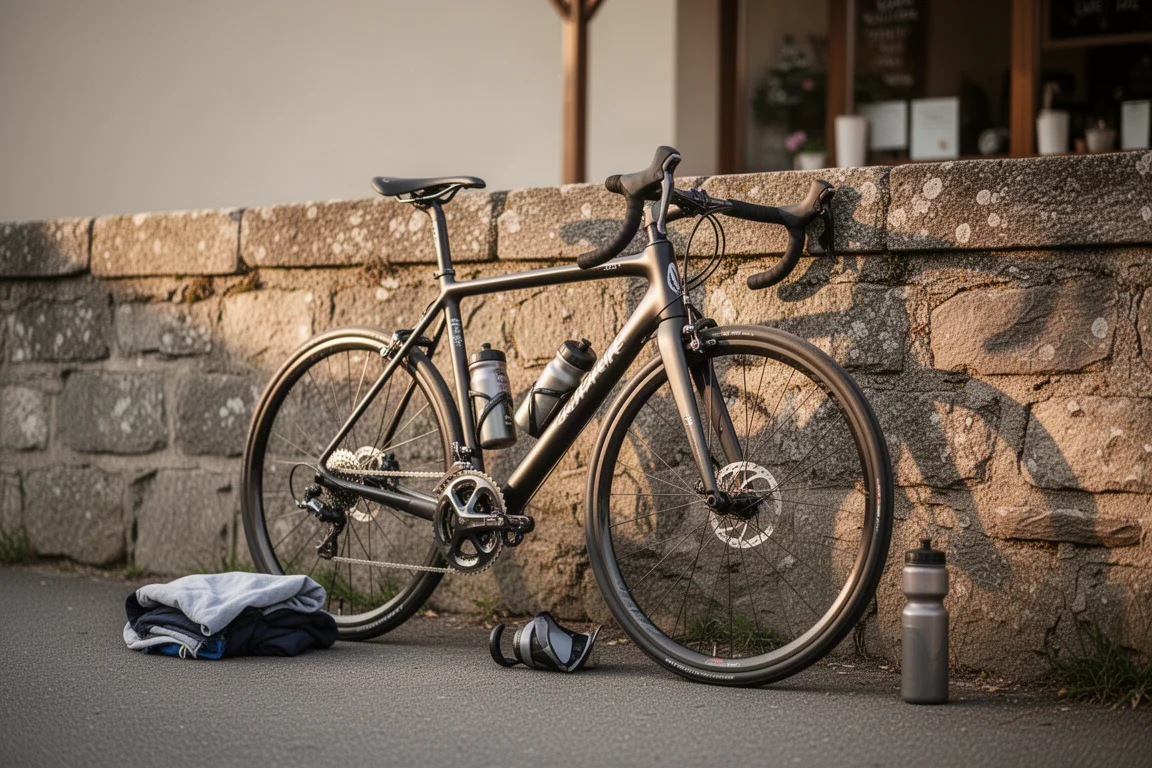
If light weight is what makes riding fun for you, the Scott Addict RC range brings genuinely light frames to lower price points than the halo bikes of a few years ago, and the shared geometry means the cheaper builds do not give up the ride feel. If you want something collectible, the Steelnovo is a limited steel build with an Italian component list, and it will not stay available for long. If you are shopping for a computer, the Elemnt Ace offers the largest screen and the most unusual sensor on the market at a price below its closest rival, provided you are comfortable with the size and with a touchscreen that is good rather than instant.
Conclusion
These arrivals cover most of what a road rider might be shopping for this season. The F1 makes a proven race platform more reachable, the Steelnovo is a rare steel build for riders who want something distinctive, the Elemnt Ace pushes screen size and sensor data further than any head unit before it, and the Addict RC range shows that genuinely light bikes are no longer reserved for the most expensive model in the line-up. Pick the one that matches how you actually ride, and budget for the upgrades that will make the biggest difference.
Further reading
Related Reviews
Cycling Gear
8 Cycling Products Riders Keep Coming Back To
Eight cycling components and accessories with clear strengths, honest trade-offs and long-standing reputations among riders and mechanics.
Cycling Gear
Aero Helmets and Bottle Setups Tested: Six Options Ranked by Measured Watt Savings
Wind tunnel data on six aero helmets and bottle setups, with real watt savings, practical trade-offs, and guidance on what is worth buying first.
Cycling Gear
Aero Road Bikes and Fast Tires Worth Watching in 2026
Four aero road bikes and one fast road tire, with the real strengths, the open questions, and what to check before you buy.