Road Bikes
Pinarello F Series and X Series Explained: Dogma F, F5, F7, F9, X1 and X3
Pinarello has replaced the Prince and the Paris with the new F Series and X Series. Here is how the F5, F7, F9, X1, X3 and the Dogma F fit together.
Introduction
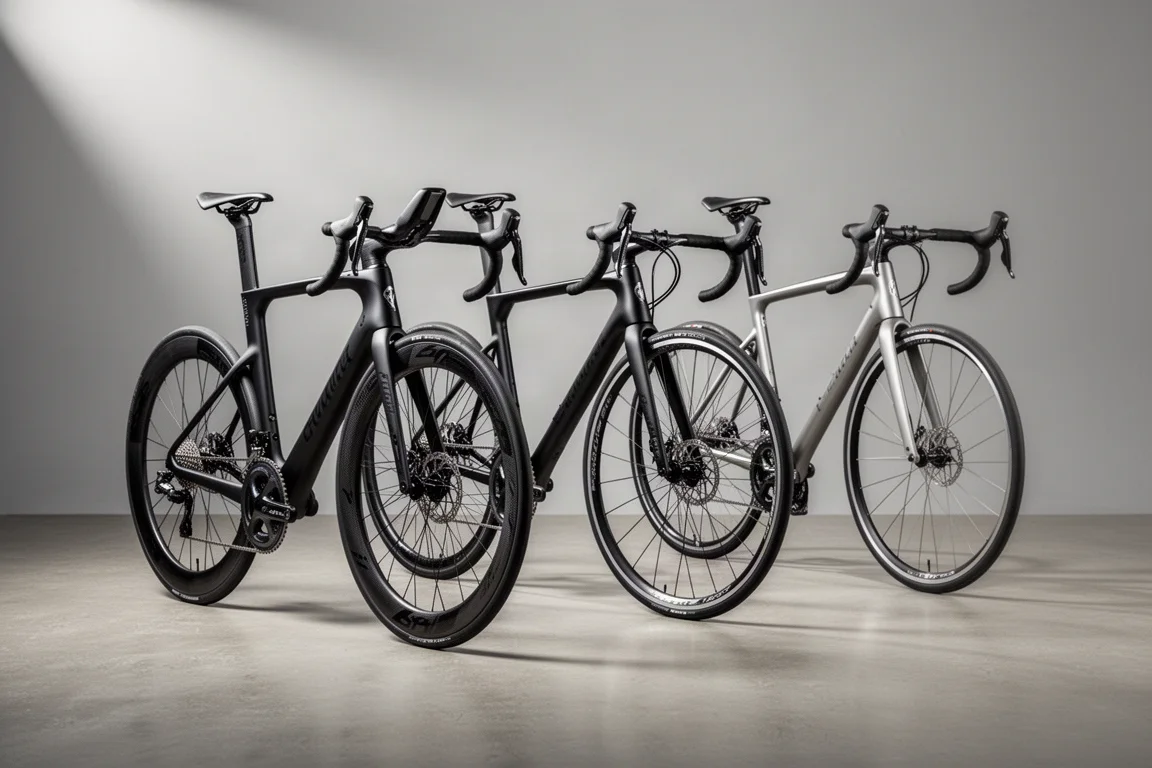
Pinarello has rebuilt the middle of its road range. The Paris and the Prince are gone, replaced by two new families: the F Series, which takes the place the Prince used to occupy, and the X Series, which steps in where the Paris sat. The Dogma F stays at the top of the tree. The result is a simpler, more consistent lineup with a clearer ladder of specification from the entry bikes up to the flagship.
The F Series is built to mimic the ride character of the Dogma F, so expect a racy, aggressive position and a bike that rewards speed. The X Series shifts the emphasis toward endurance, with geometry that relaxes the fit compared with the race range.
Not every build will reach every market, and Pinarello has not published the full build list, so treat the specification notes below as a guide to how the range is structured rather than a complete catalogue.
How the New Pinarello Lineup Fits Together
Two naming conventions now carry the range. In the F Series, the higher the number, the higher the specification: F5, F7, F9. Pinarello deliberately does not paint the model number on the frame, on the basis that parts can be upgraded. Buy an F7, upgrade the components to F9 level, and you effectively have an F9.
Carbon grade climbs with the model number. The F7 and the F9 share T900 carbon fibre, the F5 uses T700, and the Dogma F sits above both with T1100. That progression becomes obvious when the bikes are lined up next to each other.
The X Series follows a similar logic in its own way. The X1 and the X3 both use T600 carbon in this initial launch, with groupsets doing most of the differentiating.
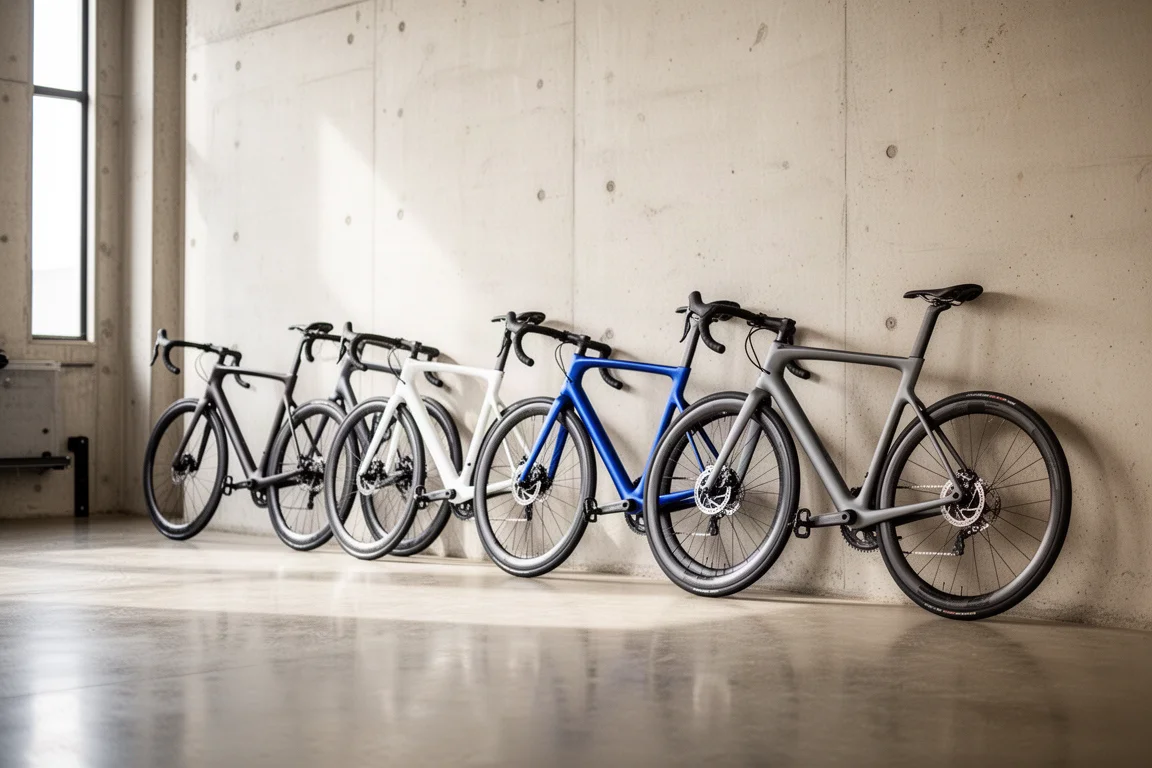
Geometry is close to the Dogma but not identical. The Dogma F is offered in 11 sizes while the F Series runs to nine, so Pinarello adjusted the numbers to make sure each size still behaved as intended. The X Series takes roughly the Dogma geometry but reduces reach by around 13 mm and raises stack by over 30 mm, which should produce a noticeably more relaxed riding position.
Tyre clearance separates the two families as well. The F Series accepts up to 30 mm tyres and the X Series up to 32 mm, so neither frame will hold you back if you want to run wider rubber.
Pinarello Dogma F
The Dogma F remains the reference point for the whole range. It keeps its T1100 carbon fibre construction and its 11-size run, and it is the bike the F Series was designed to emulate in ride feel. For riders who want the sharpest, most aggressive machine Pinarello makes, this is still the model everything else is measured against.
Pinarello F9
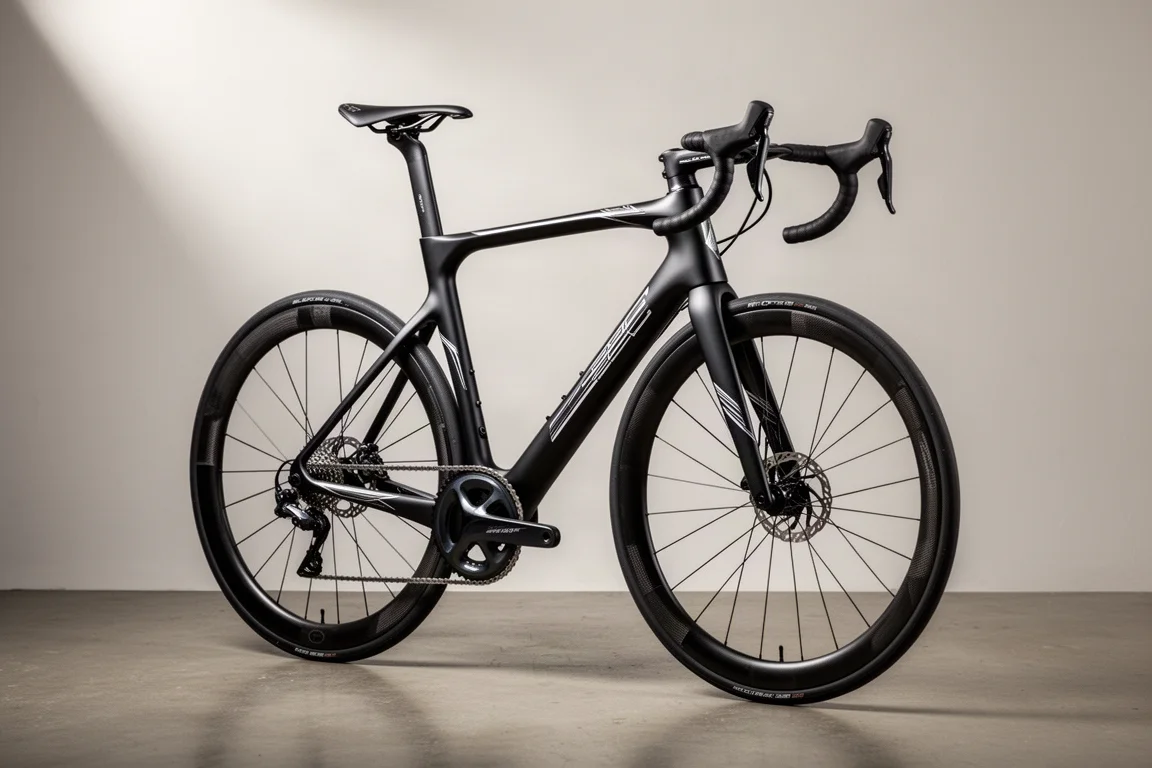
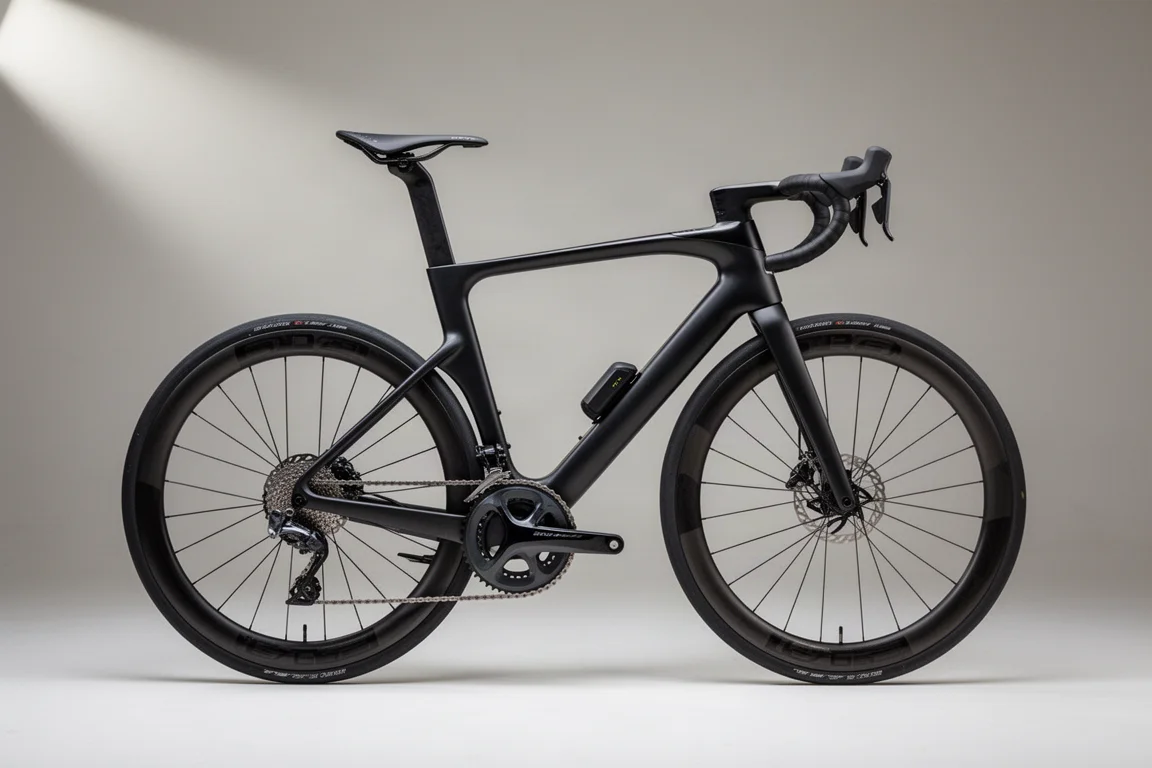
The F9 tops the F Series. It pairs T900 carbon fibre with the Talon Ultra carbon integrated handlebar and MOST carbon wheels, and it carries the highest specification of the three F models. Because the frame is shared with the F7, the difference between the two comes down almost entirely to components.
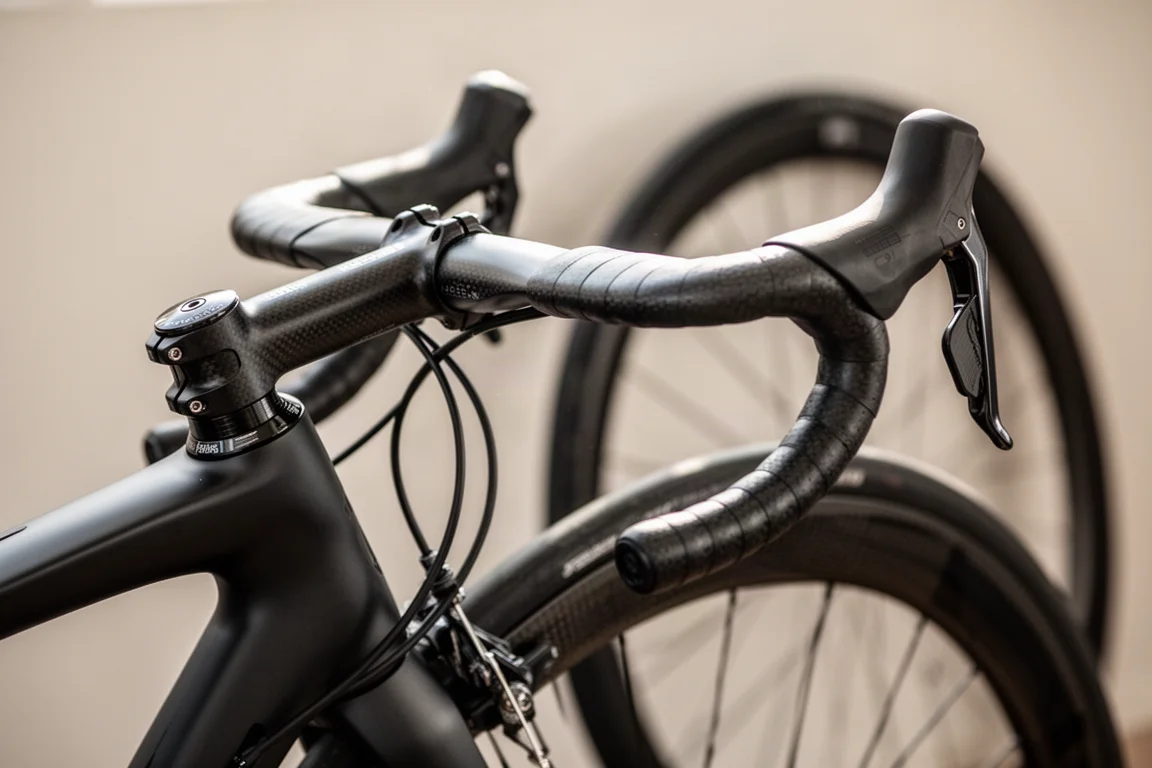
That component-led hierarchy is worth remembering. The F9 and the F7 use the same frame material and the same handlebar, so the F9’s advantage sits in the build rather than the chassis.
Pinarello F7
The F7 is the model that makes the most sense in the range. It uses the same T900 carbon fibre and Talon Ultra carbon integrated bar as the F9, and it runs a second-tier groupset that matches the second-tier position of the F Series itself. Riders who intend to race seriously will most likely step up to a full Dogma, which leaves the F7 as the sweet spot for everyone else.
On the road the F7 does a convincing impression of the Dogma. It feels balanced and comes alive at speed, holding a line through corners without feeling nervous. The clean colourways look good across the range and should age well.
The wheels and tyres are the weak point. The MOST carbon wheels are re-badged Vision units that sit in the middle of the wheel market, and they blunt the ride and feel harsh. The Pirelli P7 tyres compound the problem. A set of Pirelli P Zero tyres would be a meaningful improvement, and the explanation that the P Zero is reserved for the Dogma is not especially persuasive given where the F Series sits on price. Upgrading wheels and tyres is close to essential, and it helps most at slower speeds, where the F7 feels ordinary rather than special.
Pinarello F5
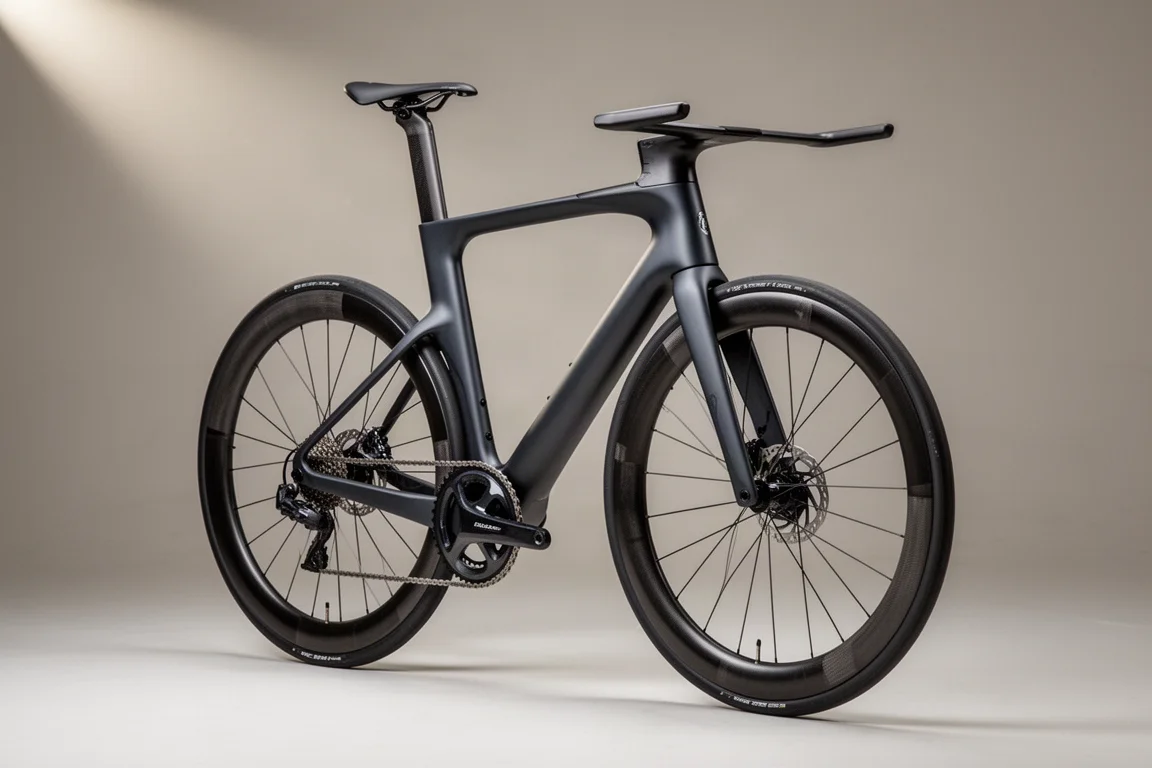
The F5 is the entry point to the F Series. It steps down to T700 carbon fibre, uses a two-piece integrated alloy handlebar and cockpit, and rolls on alloy Fulcrum Racing wheels. It keeps the racy F Series geometry and the same 30 mm tyre clearance as its siblings.
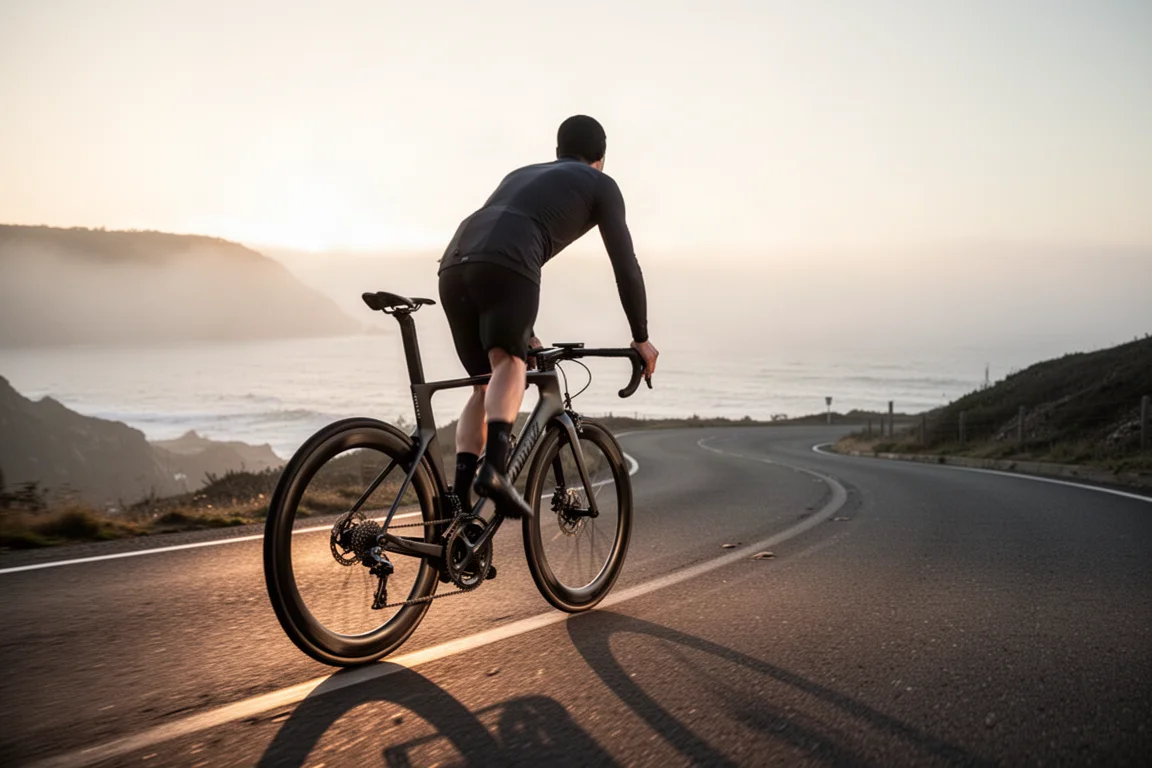
At £5,250 in the UK, the F5 costs less than half the price of a Dogma F, which makes it the most accessible way onto a platform designed to feel like the flagship. As with the rest of the range, the case for upgrading wheels and tyres applies here sooner rather than later.
Pinarello X3
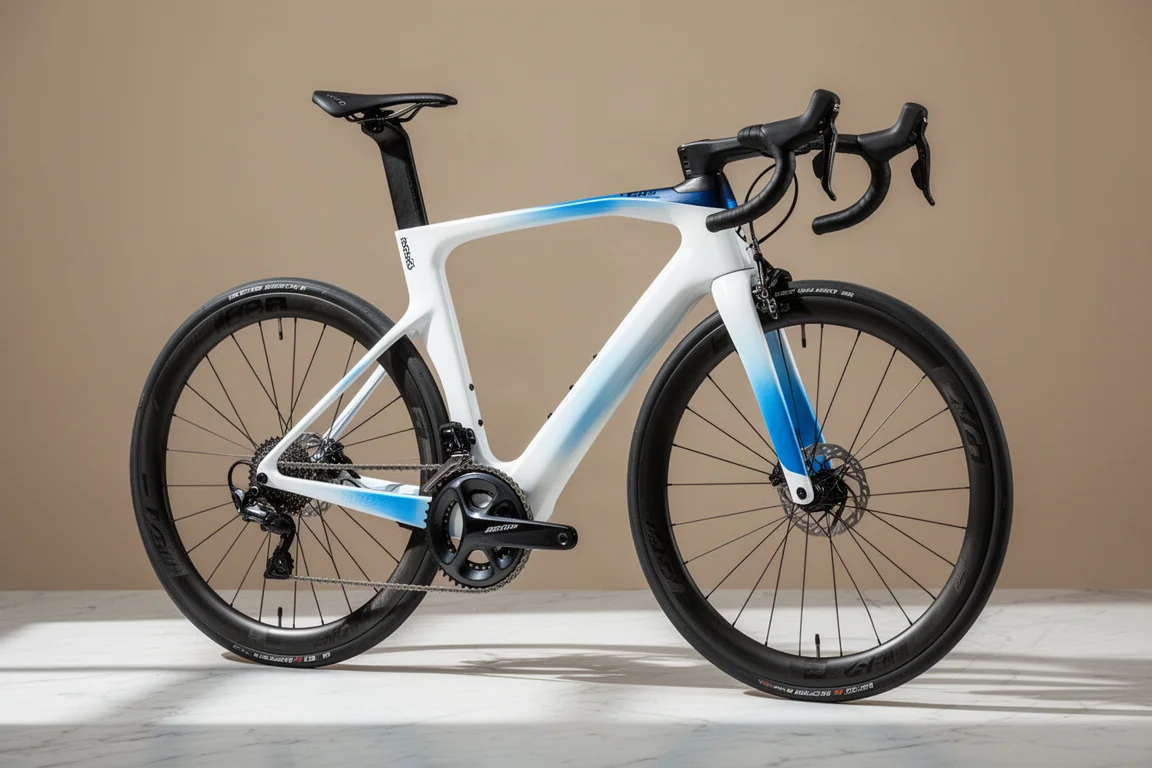
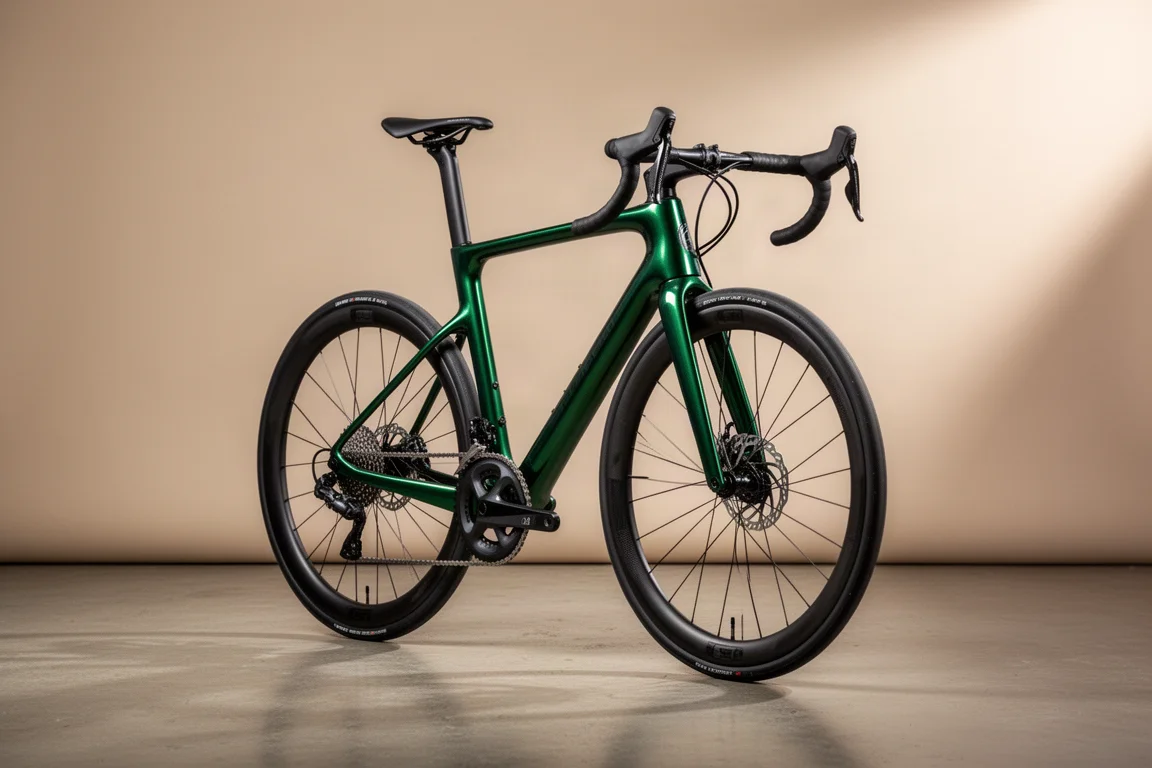
The X3 is the higher of the two endurance models. It runs Shimano 105 Di2 as standard and is also offered with a SRAM Rival build, and it uses the same T600 carbon fibre as the X1. Combined with the reduced reach and increased stack of the X Series geometry, it should suit riders who want a more upright, comfortable position without leaving the Pinarello family.
Pinarello X1
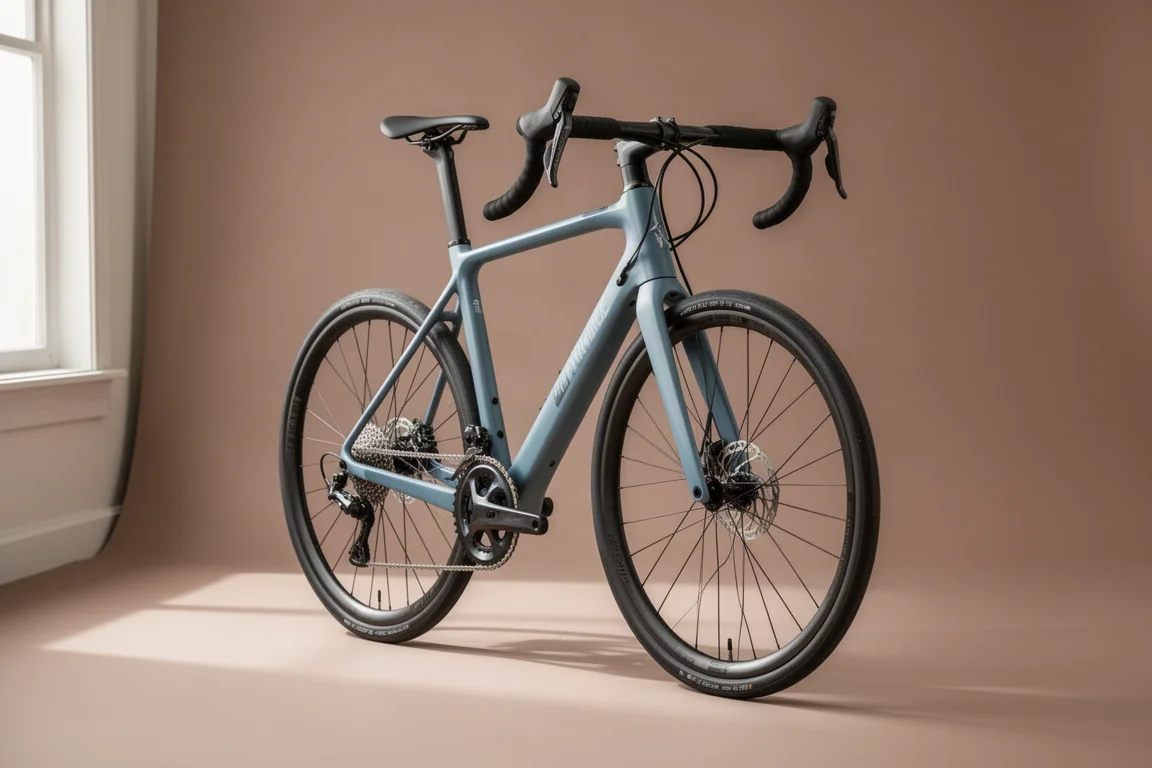
The X1 is the entry model in the X Series and uses mechanical Shimano 105. It shares the T600 carbon fibre frame and the relaxed X Series geometry with the X3, so the difference between the two is mostly in the drivetrain and the build.
Buying Advice: Which Pinarello Suits You
Start with the ride you actually want. If you are chasing speed and a race-ready position, the F Series is the right family, and the F7 is the most balanced choice within it: the same frame and bar as the F9, a groupset that fits the bike’s place in the range, and room to upgrade later. Riders who race seriously are more likely to go straight to the Dogma F.
If comfort and a more relaxed position matter more, the X Series is the better fit. The X3’s 105 Di2 build and optional SRAM Rival option make it the more versatile of the two, while the X1 is the simpler, more affordable way in.
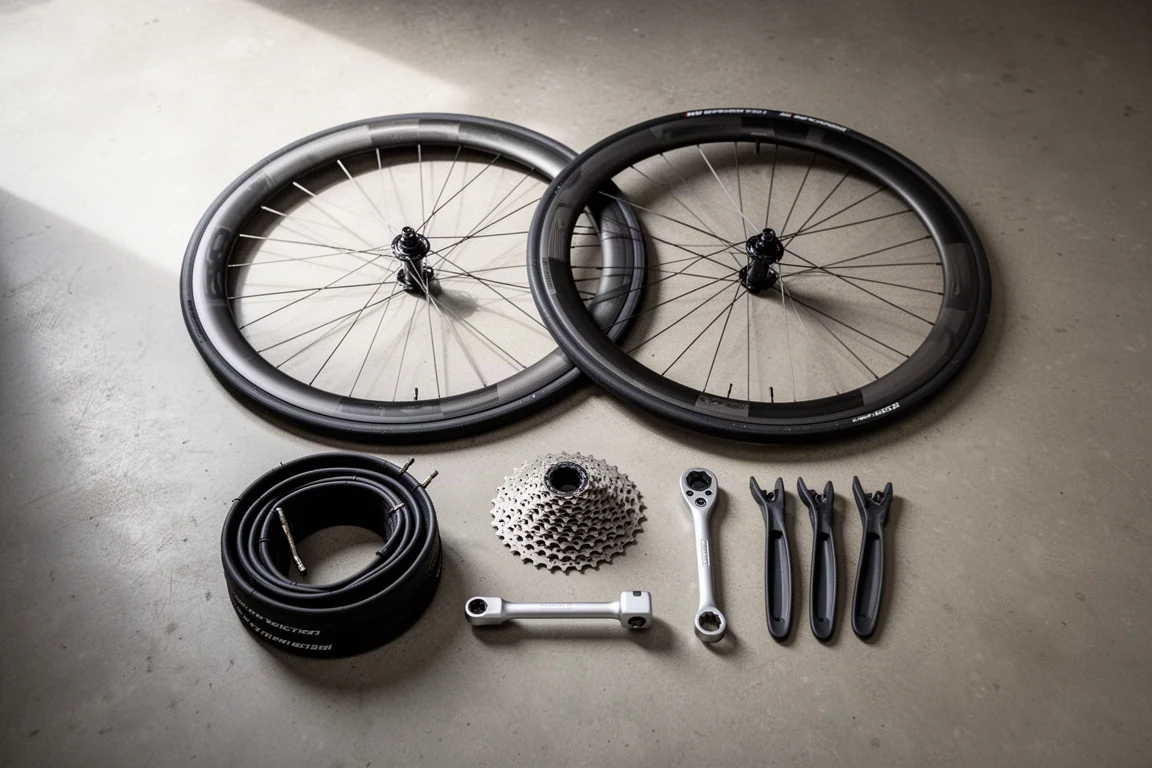
Budget for wheels and tyres on any F Series bike. They are the parts most likely to hold the experience back, and replacing them addresses the main criticism of the platform. Availability also varies by region, and Pinarello has not published every build it intends to offer, so confirm the exact specification with a dealer before committing. The F5’s £5,250 UK price is a useful anchor for the bottom of the F range.
Conclusion
Pinarello has simplified its mid-range lineup without diluting it. The F Series carries the Dogma’s aggressive character down to a more attainable price, the X Series covers endurance riders, and the carbon hierarchy from T600 through T700 and T900 to T1100 makes the ladder easy to follow. Choose the F7 for the best balance of frame and build, the X3 for a more relaxed ride with a modern groupset, and budget for better wheels and tyres whichever F model you pick.
Further reading
Related Reviews
Road Bikes
10 New Road Bikes Worth Watching: Aero, Titanium, Steel and Endurance Standouts
A practical roundup of 10 new road bikes, from aero flagships chasing single-watt gains to titanium, steel and endurance platforms built for real roads.
Road Bikes
2026 Tour de France Road Bikes: Six Race Machines Worth a Closer Look
Six race bikes from the 2026 Tour de France grid, reviewed for paint, silhouette, wheels and the specification details that matter to buyers.
Road Bikes
3T Strada Italia Review: A Radical Aero Road Bike That Rides Smooth
A made in Italy carbon aero road bike with a deep head tube, wide tire clearance and a genuinely comfortable ride. Here is what to know before buying.