Road Bikes
Pinarello F Series and X Series 2026: A Guide to the New Road Bike Range
Pinarello has retired the Paris and Prince and replaced them with the F Series and X Series. Here is how the six new models differ, what to upgrade, and which one makes the most sense.
Introduction
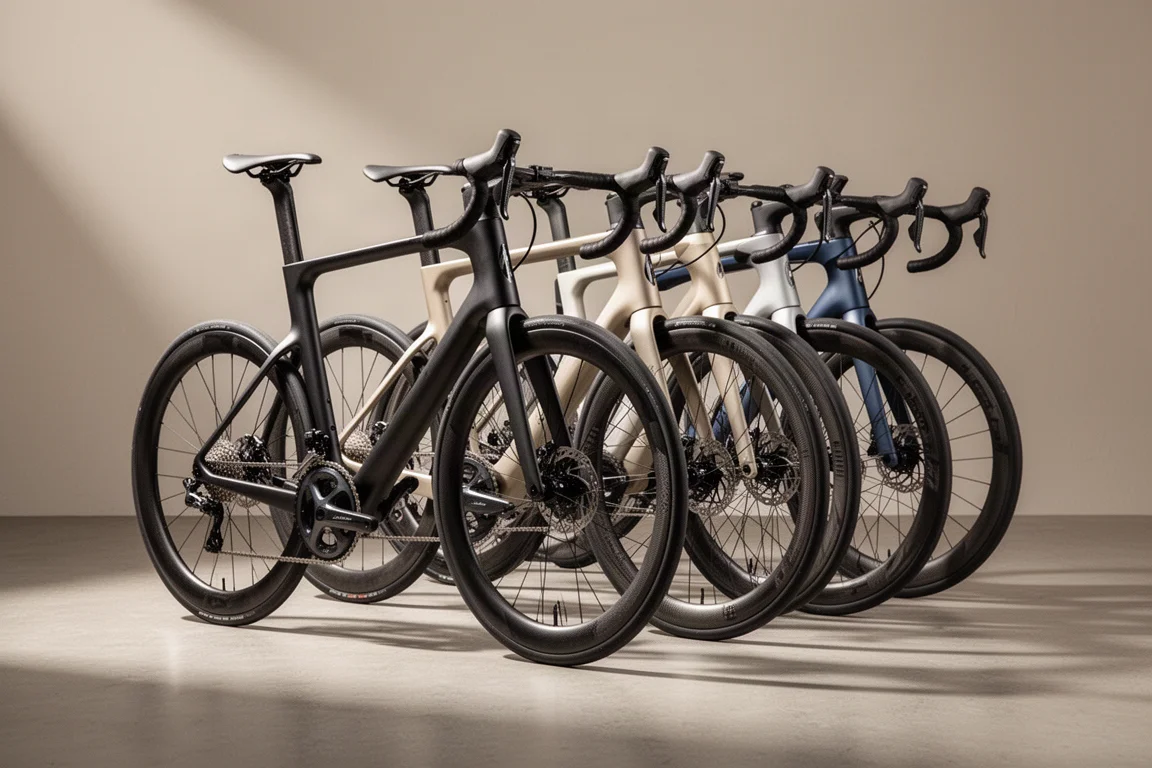
Pinarello has reshaped its mid-tier road range, retiring the Paris and the Prince and replacing them with two new families: the F Series and the X Series. The Dogma F stays exactly where it was, at the top of the range. What is left is a simpler and more consistent lineup that reaches a more accessible price point than before.
Six models are covered here: the flagship Dogma F, the three F Series bikes, and the two X Series bikes that launch the endurance line.
How the New Pinarello Range Is Organized
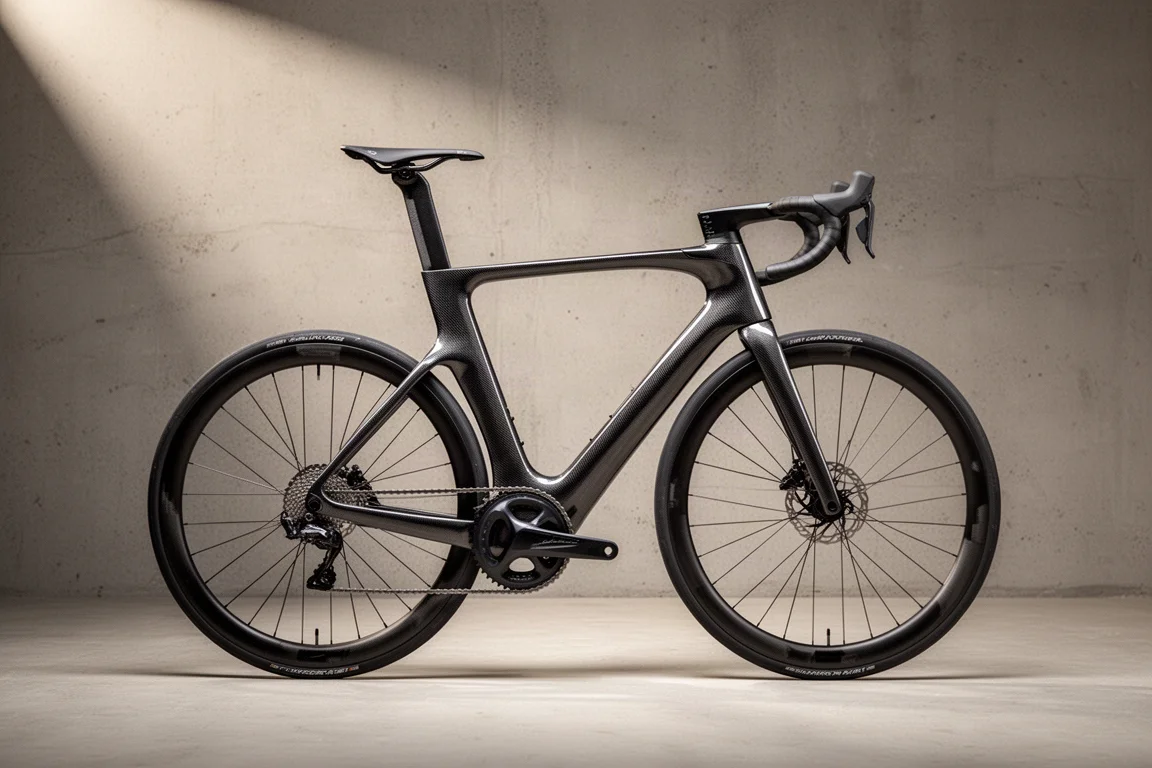
The F Series slots in where the Prince used to sit. It is designed to mimic the ride characteristics of the Dogma F, which means a racy, aggressive position and a frame built around speed rather than comfort. Three models launch first: the F5, the F7 and the F9. The numbering is a straightforward spec indicator, so the higher the number, the higher the build.
Pinarello does not paint the model number on the frame. That is a deliberate choice, because parts can be upgraded later. A rider who buys an F7 can move the specification up toward an F9 over time without creating a mismatch between the frame and the badge.
Carbon fiber grades step down through the range in a logical progression. The Dogma F uses T1100 carbon fiber, the F7 and the F9 share T900, the F5 uses T700, and both the X1 and the X3 use T600 at this initial launch. Placed side by side, the models show a clear ladder from the flagship down to the most accessible builds.
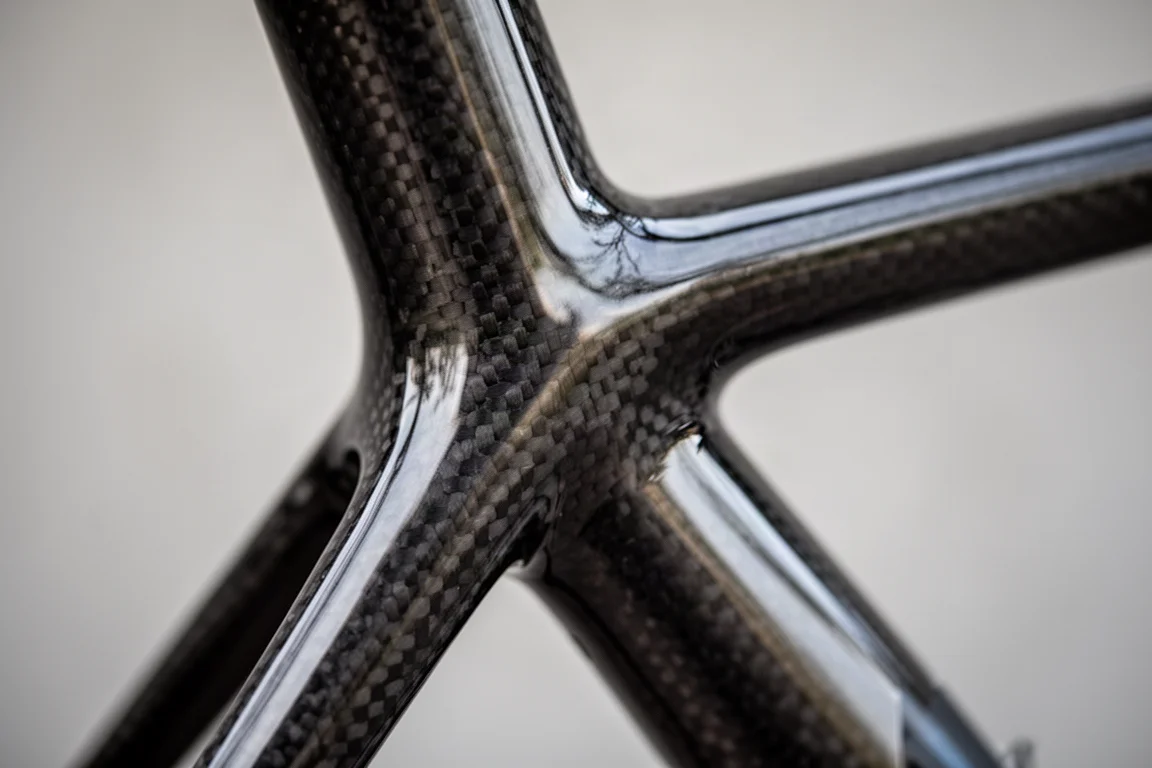
Frame sizing differs slightly between the families. The Dogma F is offered in 11 sizes while the F Series runs to nine, so the geometry could not be carried over exactly. The numbers sit close to the Dogma, but they are not identical.
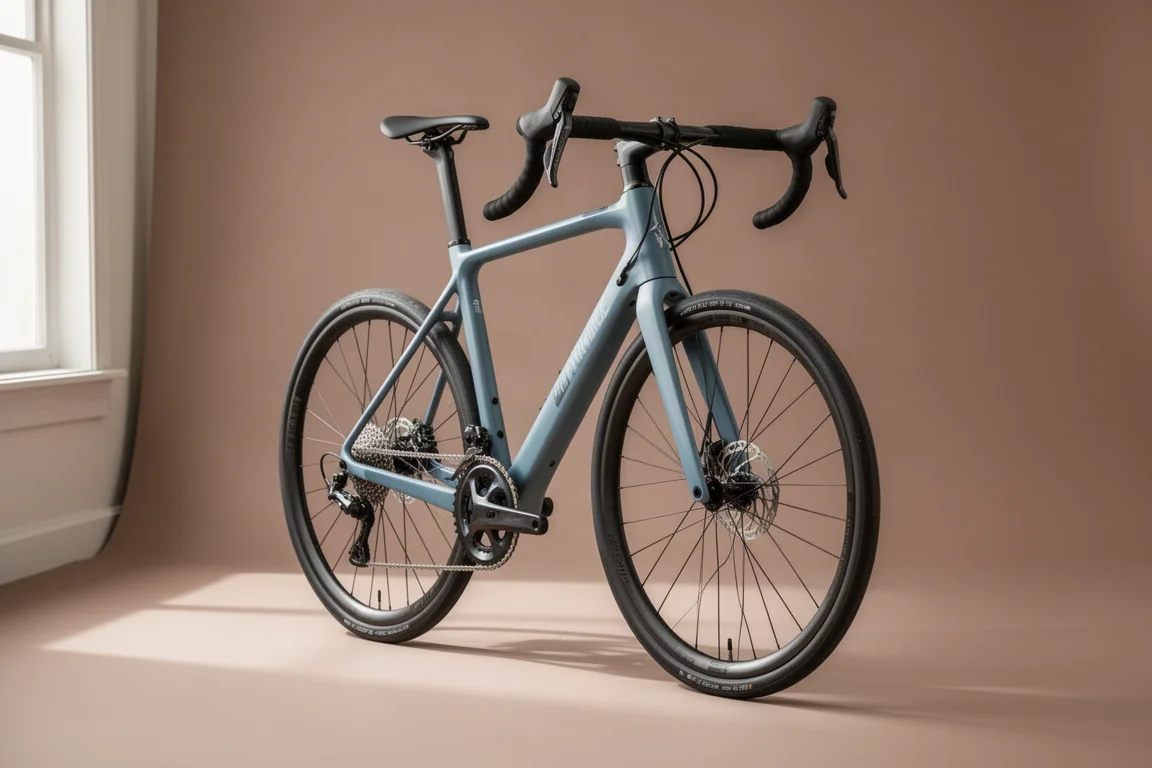
The X Series replaces the Paris as the brand’s endurance offering. Its geometry broadly follows the Dogma but reduces reach by around 13 millimeters and adds more than 30 millimeters of stack, which should produce a noticeably more relaxed and upright riding position.
Tire clearance is generous on both lines. The F Series accepts tires up to 30 millimeters wide and the X Series takes up to 32 millimeters, so the frame will not be the limiting factor for anyone who wants to run wider rubber.
Pinarello Dogma F
The Dogma F remains the flagship and the reference point for everything else in the range. It uses T1100 carbon fiber, the highest grade Pinarello offers, and it is the only model in this group available in 11 frame sizes. It also ships with Pirelli P Zero tires, a detail that matters once you look at what the rest of the lineup is fitted with.
It is also the most expensive bike here by a wide margin. The entry-level F5 is priced at less than half the cost of a Dogma F, which puts the flagship in a completely different bracket. Riders who want the purest expression of the Pinarello race feel will find it here, but the price gap is worth weighing carefully against how much of that feel the F Series delivers.
Pinarello F9
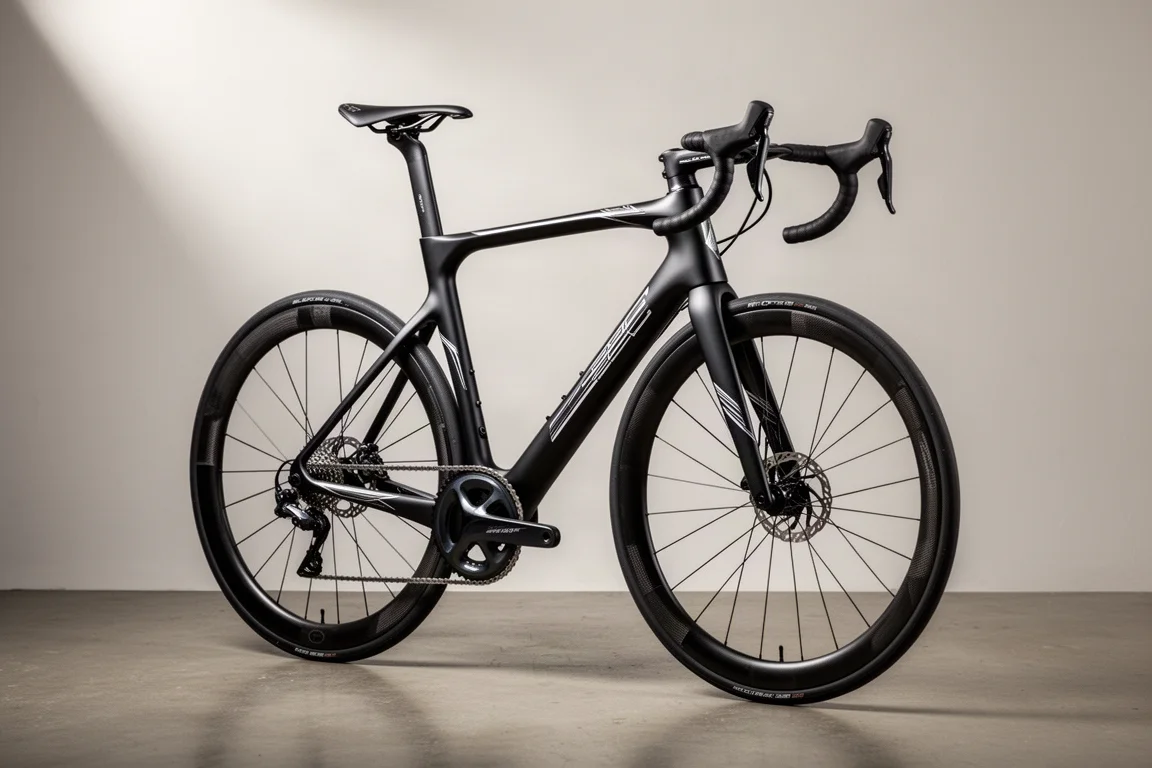
The F9 sits at the top of the new F Series. It uses T900 carbon fiber, the Talon Ultra carbon integrated handlebar, and MOST carbon wheels. As the highest number in the line, it carries the highest specification, with the groupset and component choices separated from the models below it.
The wheels are the clear weak point. The MOST carbon wheels are re-badged Vision units that sit in the mid-range of the wheel market, and they tend to numb the ride and feel harsh over rough surfaces. The Pirelli P7 tires fitted across the F Series compound that, and Pinarello’s stated reasoning is that P Zero tires are reserved for the Dogma. On a bike at this level, that leaves most buyers planning a wheel and tire upgrade almost immediately.
The frame itself is the strong point. It comes alive at speed, feels balanced and composed through corners without ever feeling nervous, and rewards a rider who is willing to push. At slower, more sociable paces it feels far more ordinary, which is the trade-off of a frame tuned so clearly around high-speed riding.

Frame proportions are worth checking in person. The larger sizes look less resolved than the compact ones, while the smaller frames keep the shape tidy and well balanced.
Pinarello F7
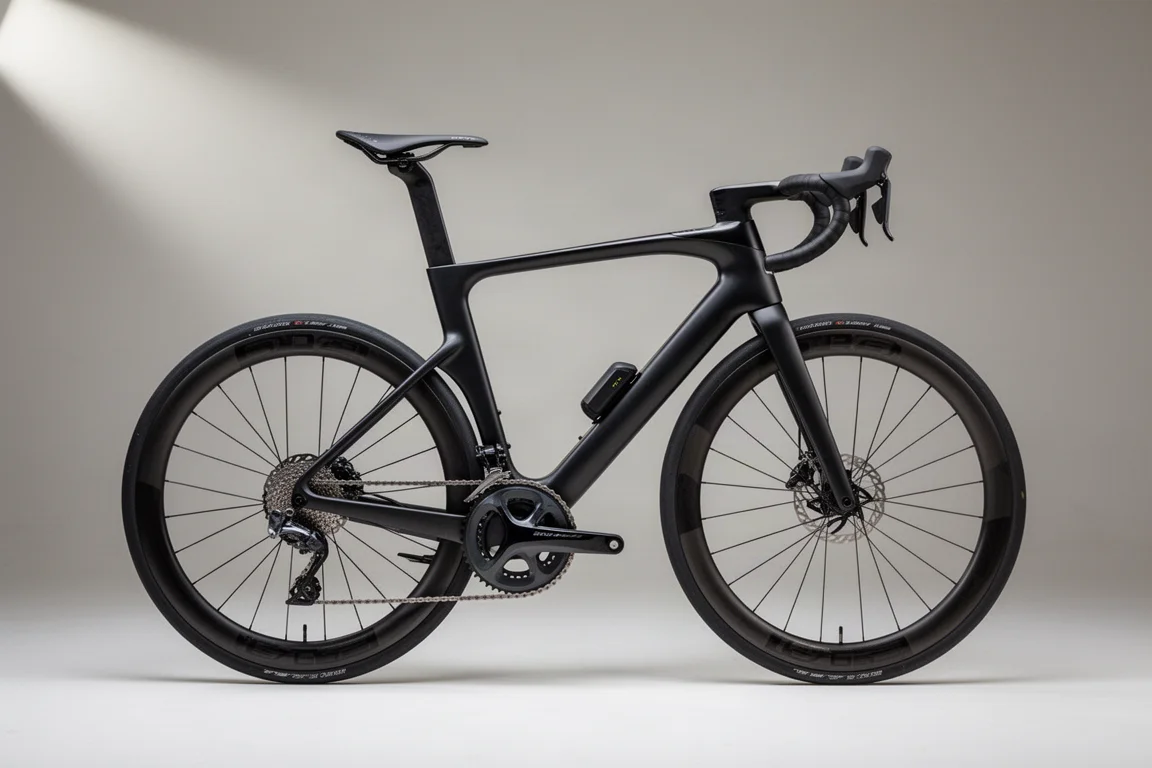
The F7 is the model that makes the most sense in the range. It pairs a second-tier Ultegra groupset with the T900 carbon frame and the Talon Ultra carbon integrated bar, so the build matches the second-tier positioning of the F Series without pushing into flagship money.
It shares the F9’s strengths and the same main weakness. The ride feel is close to the Dogma, the frame is balanced and confident at speed, and the clean colorways across the range should age well. The MOST carbon wheels and the Pirelli P7 tires still hold it back.
The case for the F7 is straightforward. Riders who intend to race seriously are likely to step up to a full Dogma F, while the models below the F7 offer more value for the money. That leaves the F7 as the balanced middle choice, with the caveat that a wheel and tire upgrade is worth budgeting for from the very start.
Pinarello F5
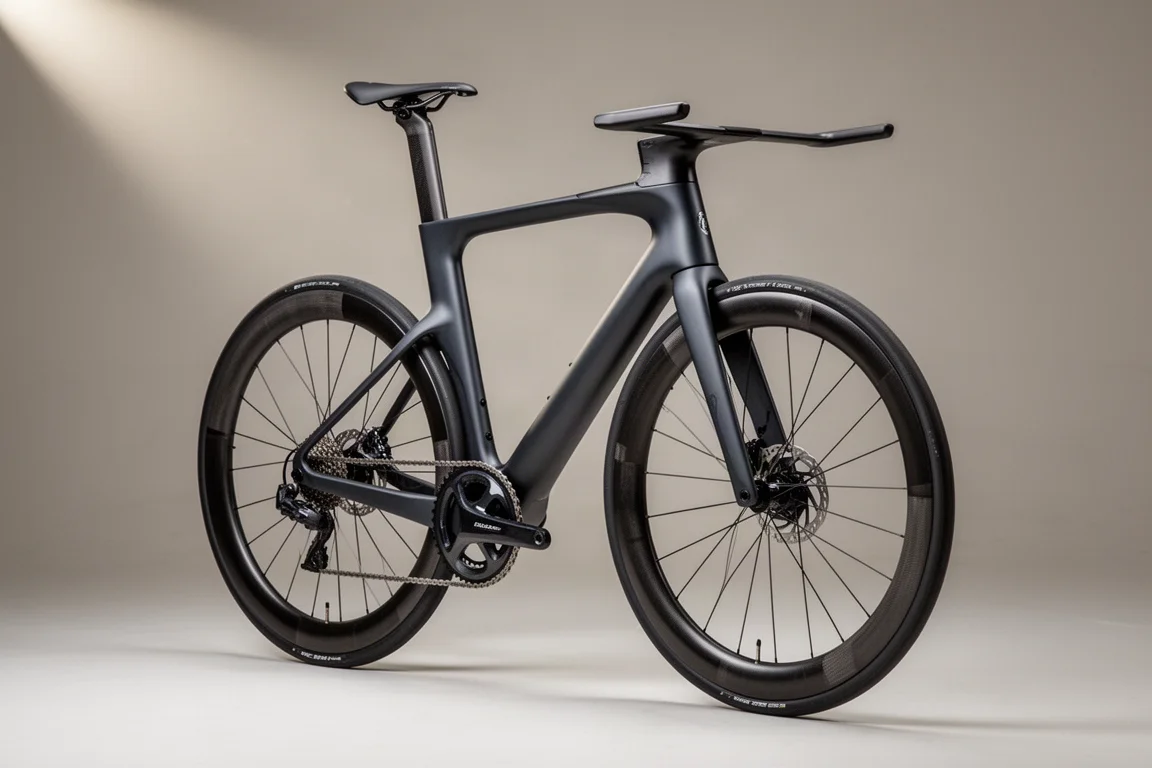
The F5 opens the F Series. It uses T700 carbon fiber rather than the T900 of the F7 and the F9, and it comes with an integrated two-piece alloy handlebar setup instead of the carbon Talon Ultra bar. Wheels are alloy Fulcrum Racing rather than the MOST carbon set.
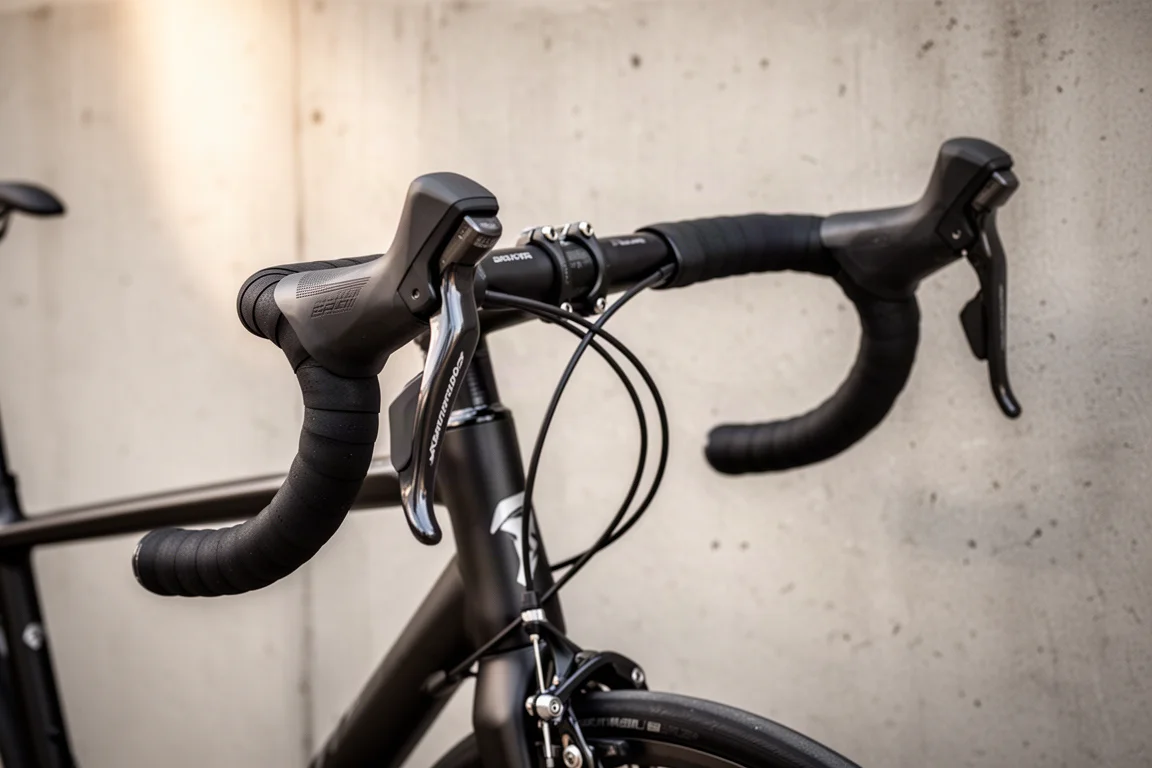
The F5 is the value play of the range and the most affordable way onto the F Series platform. In the UK it is priced at £5,250, which is less than half the cost of a Dogma F. For riders who have always wanted the feel of the flagship, that is a meaningful gap to close.
The lower-grade carbon and the alloy finishing kit are the obvious compromises, and the geometry differences that come with a nine-size range are worth checking against your own fit. Even so, the frame keeps the racy intent of the line, and clearance for 30 millimeter tires leaves room to tune the ride later.
Pinarello X3
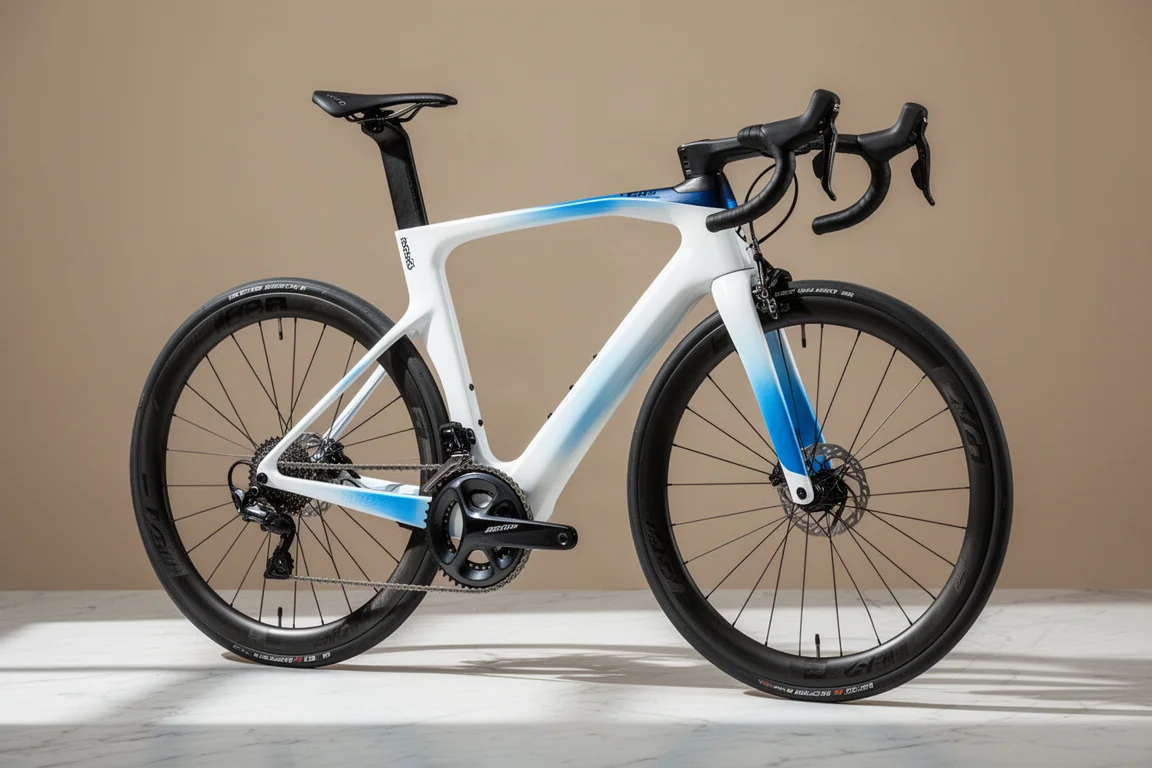
The X3 is the higher of the two X Series models at launch. It runs Shimano 105 Di2 and is also available in a SRAM Rival build, and it shares its T600 carbon layup with the X1.
The geometry is the headline. The X Series broadly takes the Dogma’s shape but reduces reach by around 13 millimeters and increases stack by more than 30 millimeters, which should translate into a more upright and more comfortable position over long distances. Tire clearance rises to 32 millimeters, so the endurance intent is clear.
The X Series has not been ridden yet, so the real-world effect of those geometry changes is still to be assessed. On paper it looks like the sensible choice for riders who want Pinarello handling without a race-day position.
Pinarello X1
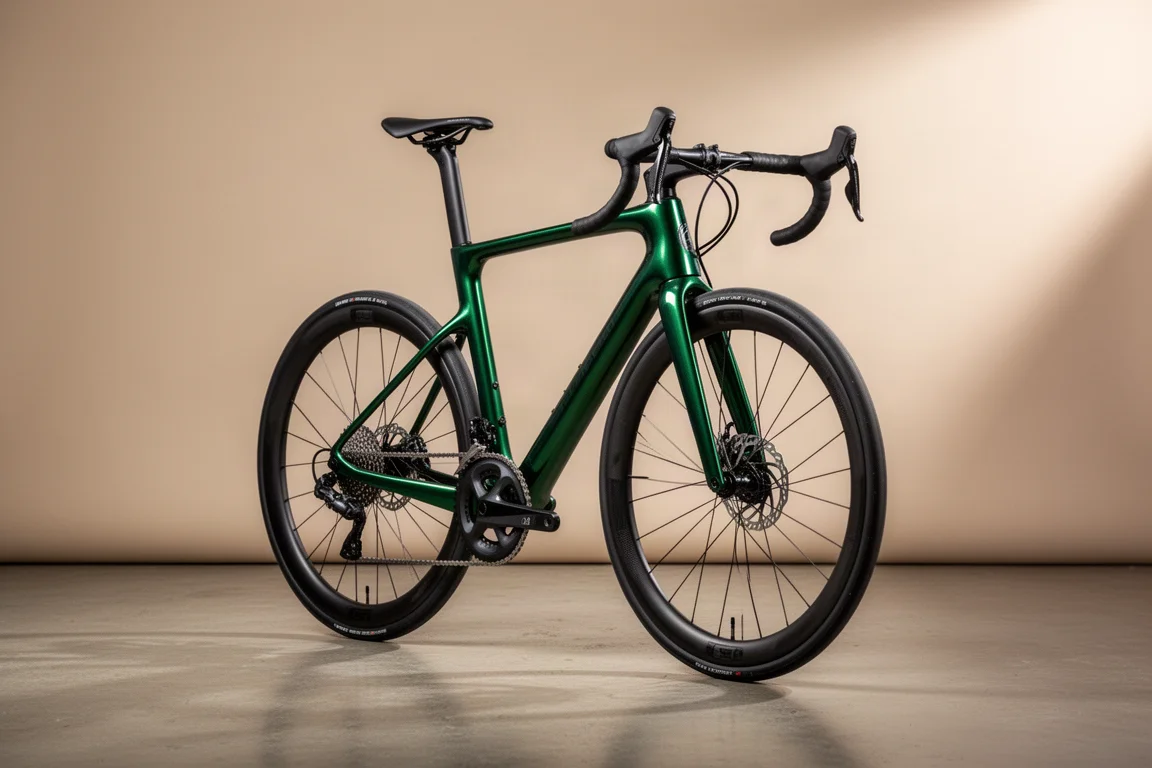
The X1 is the entry point to the X Series. It uses mechanical Shimano 105 rather than the electronic 105 Di2 of the X3, and it shares the same T600 carbon frame, the same endurance geometry, and the same 32 millimeter tire clearance.
For riders who want the more relaxed X Series position at the lowest cost, the X1 is the obvious starting point. The trade-off is mechanical shifting and a single build option at launch.
Buying Advice
The F7 is the sweet spot. Its second-tier Ultegra groupset lines up neatly with the second-tier character of the F Series, and it delivers most of the Dogma feel without flagship pricing. Riders who plan to race at a high level are more likely to go straight to the Dogma F, and that is a reasonable step if the budget allows.
Whichever F Series model you choose, plan for wheels and tires. The MOST carbon wheels are mid-range units, and the Pirelli P7 tires hold the ride back further. A better set of wheels would help the bike at slower speeds and allow you to push harder at higher ones, and range-topping tires are the single most effective change you can make.
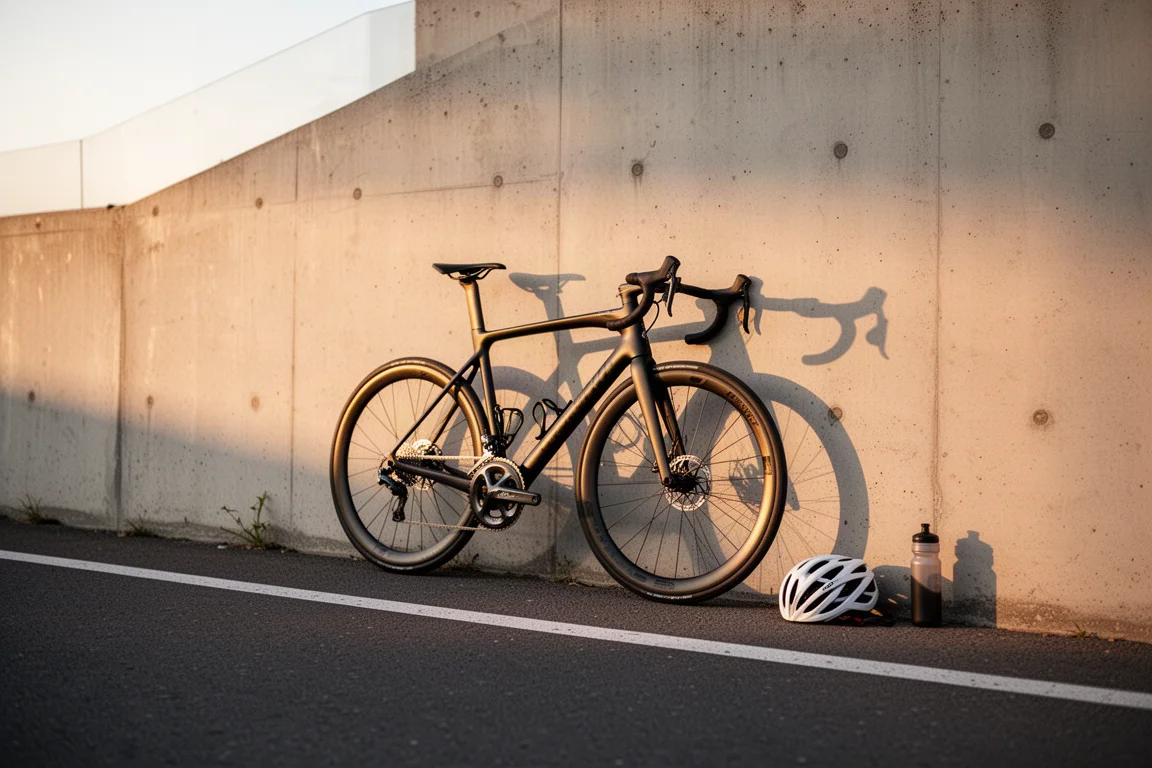
If value matters more than outright pace, the F5 is the strongest proposition at £5,250 in the UK, which is less than half the price of a Dogma F. If comfort over distance is the priority, the X Series is the better fit, and the X3 adds electronic shifting for riders who want it.
Availability varies by region, and not every build is offered in every market, so it is worth confirming what local dealers can supply before committing.
Conclusion
Pinarello’s new range is easier to understand than the one it replaces. The F Series carries the race DNA of the Dogma F down to a more accessible price, and the X Series gives endurance riders a clearly separate option with a more relaxed position. The weak points are consistent across the F Series, where wheels and tires are the first upgrades to plan for, and the F7 remains the most balanced choice in the lineup.
Further reading
Related Reviews
Road Bikes
10 New Road Bikes Worth Watching: Aero, Titanium, Steel and Endurance Standouts
A practical roundup of 10 new road bikes, from aero flagships chasing single-watt gains to titanium, steel and endurance platforms built for real roads.
Road Bikes
2026 Tour de France Road Bikes: Six Race Machines Worth a Closer Look
Six race bikes from the 2026 Tour de France grid, reviewed for paint, silhouette, wheels and the specification details that matter to buyers.
Road Bikes
3T Strada Italia Review: A Radical Aero Road Bike That Rides Smooth
A made in Italy carbon aero road bike with a deep head tube, wide tire clearance and a genuinely comfortable ride. Here is what to know before buying.