Road Bikes
Pinarello Dyna Review: The 1990s Steel Race Bike That Still Feels Fast
A steel Pinarello Dyna from the 1995 Tour de France still feels stiff, quick and wonderfully simple, and the gap to a modern race bike is smaller than you would expect.
Introduction
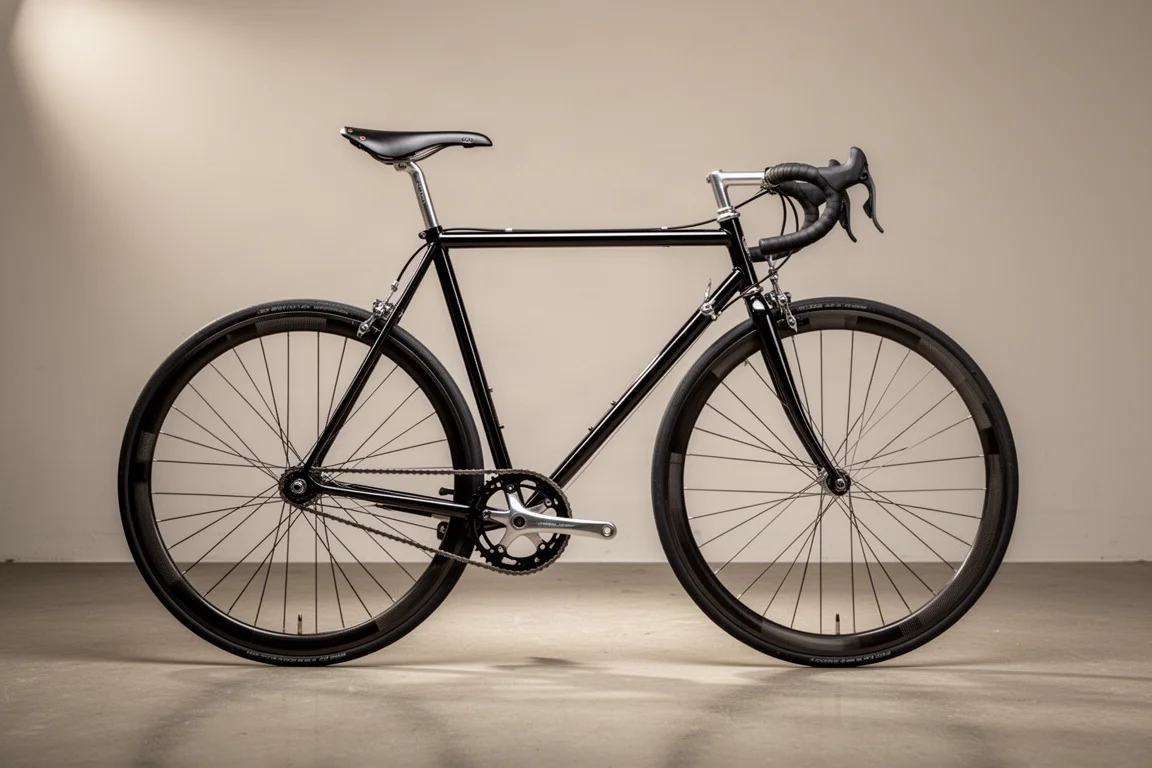
Some bikes age into curiosity pieces. A few age into benchmarks. The Pinarello Dyna belongs firmly in the second group.
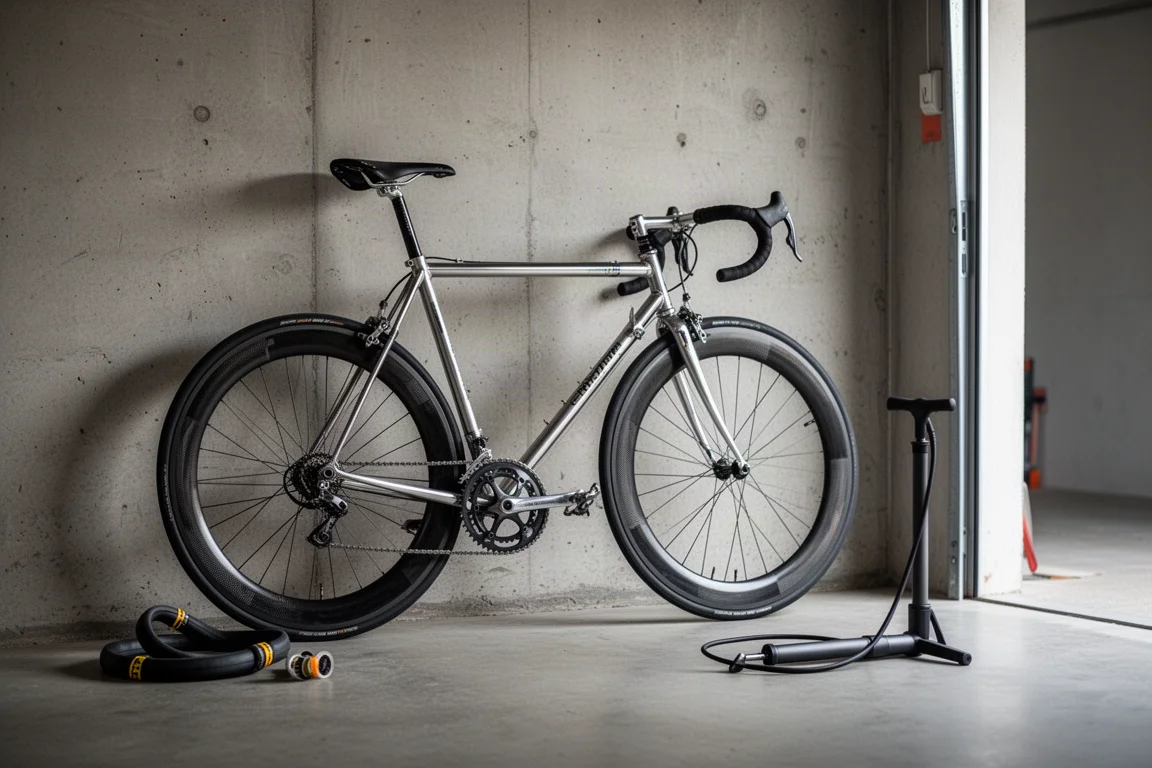
It was Pinarello’s top of the range road frame in the mid-1990s, and this particular example is not a garage find. It is the bike that José María Jiménez rode in the 1995 Tour de France. That race turned out to be a neat historical marker, because it was also the year Miguel Induráin collected his fifth and final Tour title and became the last rider to win the Tour de France on a steel frame.
Within a few seasons, steel had been pushed aside at the top of the sport. Aluminium arrived, carbon followed, and a steel race bike stopped being the default choice for anyone chasing a result. The interesting question, then, is not whether the Dyna looks beautiful. It plainly does. The interesting question is whether a 30-year-old steel race bike still holds up as a machine.
The short answer is yes. The longer answer involves Italian frame building, a very particular groupset, and one honest comparison against a modern race bike.
Who the Pinarello Dyna Is For
The Dyna is not the bike to choose if you are chasing every last watt on a fast group ride. It is the bike to choose if you want a genuine piece of road racing history, or a simple mechanical road bike that you can understand completely and look after yourself.
It is also a proper race frame rather than a nostalgic cruiser. This was Pinarello’s flagship during an era when the team’s bikes were built to be ridden flat out, and the result is a machine that still rewards a rider who wants to push on rather than potter about.
The frame building story is the part that turns a good bike into a collectible. Team frames of this era were the work of Dario Pegoretti, one of the most respected frame builders in cycling. Not every Dyna was welded by him, but the race bikes were, and the tube set used here is said to have been created and selected by him as well.
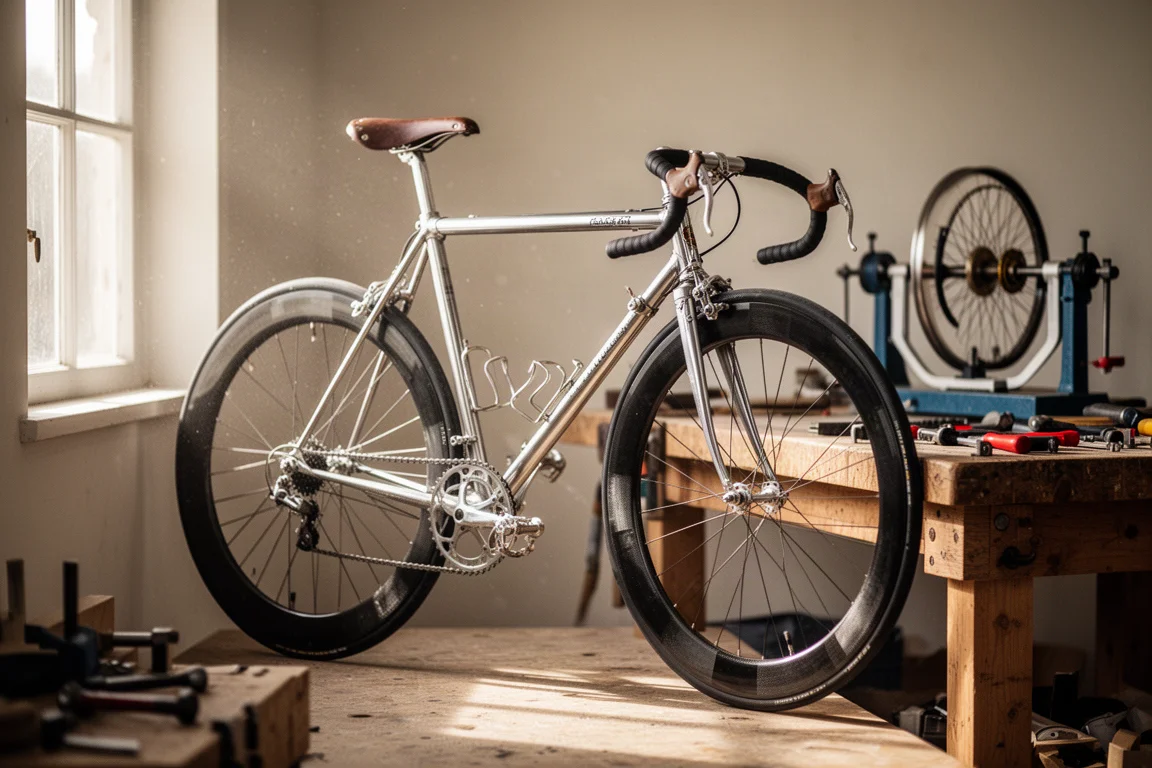
For a collector, that provenance is a large part of the appeal. You are not simply buying an old steel frame. You are buying a frame with a documented racing life, a builder’s signature in spirit, and a place in the last chapter of steel at the Tour de France.
What Makes the Dyna Feel Fast
The first surprise is the stiffness. This is not a springy, softly lugged steel frame that flexes away from you when you stand on the pedals. It feels direct and solid under power, exactly as you would expect from a bike built for professional riders who spent their careers attacking and chasing.
It also holds speed well. Once it is rolling, it settles into a rhythm and stays there, and the tubular tyres help here by soaking up rough road surfaces that would otherwise chatter through the bars and saddle.
What it is not is light. The complete bike sits at around 9.01 kg with pedals, roughly 2 kg heavier than a modern Tour de France race bike. It is worth remembering how quickly that changed. In 1996 the Tour was won on an aluminium Pinarello, which shed a useful number of grams, and by 1998 Marco Pantani’s bike came in at 6.96 kg. That frame was Pegoretti’s work too, and the fact that he built 25 frames for one rider in a single season tells you how hard those bikes were used.
The Campagnolo Build: Record Titanium and Bora Wheels
The groupset is Campagnolo Record Titanium, a nine speed mechanical set with a 25 tooth cassette. That is not a wide spread of gears by modern standards, and shifting is nowhere near as smooth or as quiet as a current setup. What it is, is predictable, tactile and genuinely fast, with every shift landing where you expect it to.
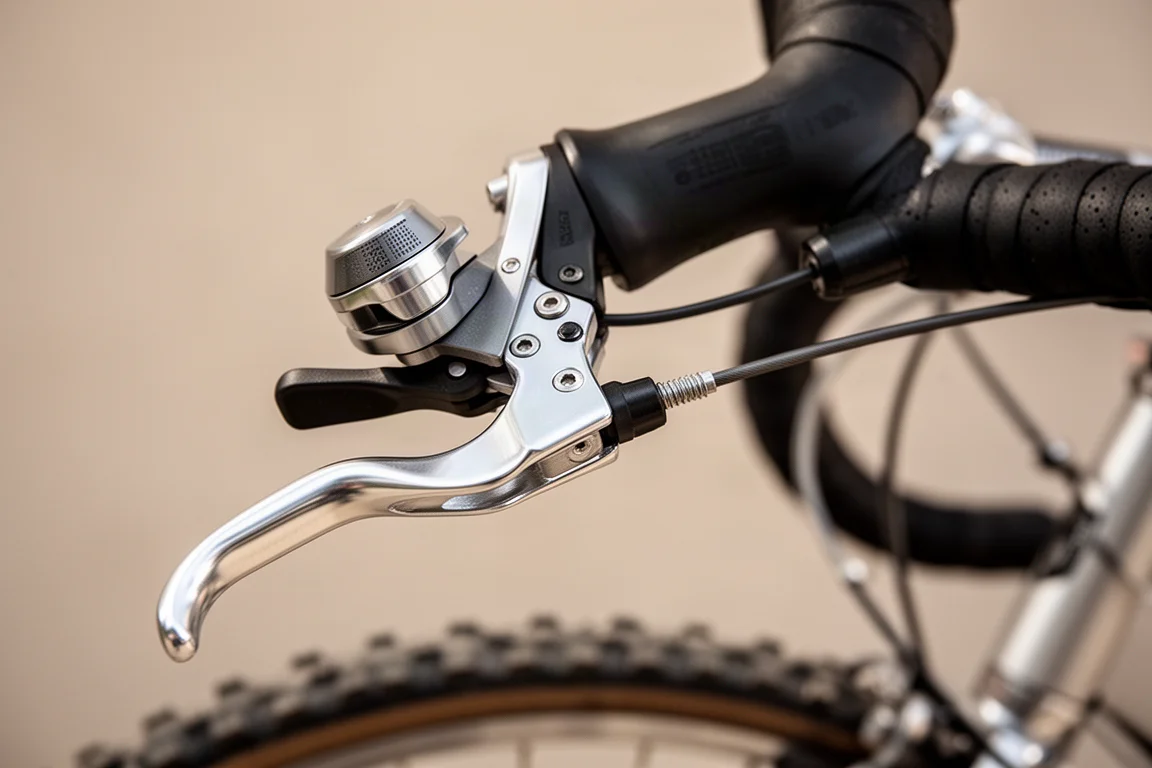
The lever ergonomics were the bigger achievement. The cables were hidden, and the transition from lever to bar is flat, which put Campagnolo well ahead of its rivals at the time. Then there is the thumb shifter on the inside of each lever. Downshifting becomes a small event rather than a chore, and it is easy to see why riders grew attached to it.
The wheels are the other standout. These are first generation Campagnolo Bora carbon wheels, among the earliest carbon rims available, with deep sections and bladed spokes. Fitting deep section carbon wheels remains the single most effective visual upgrade you can make to any bike, and these transform the look of the frame completely. Braking performance is average at best, and in the wet it borders on poor, but the aesthetics are hard to argue with.
Steel, Simplicity, and Ownership
Steel is not inherently better than aluminium or anything else. A lightweight steel bike is just as fragile as a lightweight aluminium one, and there is no magic in the material itself.
What steel does offer here is simplicity and robustness. By the 1990s, manufacturers understood the limits of the material and could work comfortably within them. Steel is cheaper and more accessible, and a builder can tune the ride characteristics by selecting specific tubes for specific requirements. It is also still regarded as a premium material for luxury bikes, which is why the best steel frames have never really lost their standing.
The bigger practical point is serviceability. Everything on this bike is easy to work on and easy to replace, with the exception of the tyres, which are tubulars. The components are not wildly expensive by current standards either, and the Campagnolo Record Titanium groupset remains a genuinely capable set of parts. The caveat is that most riders have always left maintenance to a shop, so this particular advantage matters to a narrower group of owners than it first appears.
How It Compares With a Modern Race Bike
The honest answer is that a modern race bike is faster, but not by as much as you might assume. Over a comparison run lasting around 11 minutes and 30 seconds, the newer bike finished roughly 10 seconds ahead.
That is not a scientific result. The two bikes put the rider in different positions, only one carried a power meter, and the tyres are different on each. Even so, the difference in character was obvious. The modern bike feels more responsive: think about accelerating and it is already done, whereas the Dyna asks you to commit mentally before it responds. The modern bike also felt easier despite being ridden second, with one hard effort already in the legs.
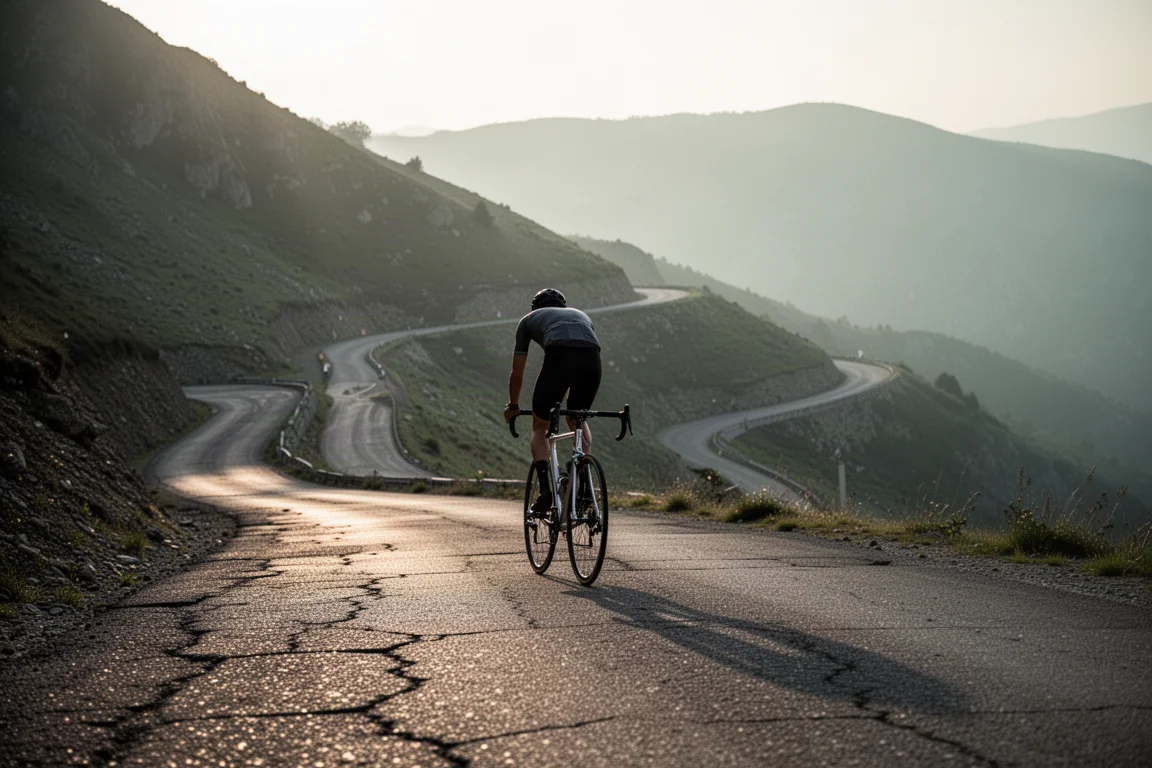
The features that genuinely make current bikes better for most riders are not the race results. They are 30 mm tyres, disc brakes and wider gear ratios. The Dyna is a superb race bike for the very fit riders it was designed around, while modern road bikes work well for a far broader range of people.
Things to Consider Before Buying
- The cranks are 175 mm, which feels long by modern standards and can leave you fighting the pedals rather than spinning them.
- The seat angle is slack, so you may find yourself shuffling forward on the saddle to find a comfortable position.
- The tyres are tubulars, which need gluing and are less convenient to live with than clinchers.
- Braking is average at best on these carbon rims, and noticeably worse in the rain.
- The nine speed 25 tooth cassette is fine on gentle roads and limited on genuinely steep climbs.
- At around 9.01 kg with pedals, it is roughly 2 kg heavier than a modern Tour de France race bike.
- It is a professional race frame from the 1990s, so inspect the frame carefully before committing rather than assuming it will tolerate rough treatment.
None of these points are dealbreakers. They are simply the trade-offs that come with a machine designed three decades ago for a very specific kind of rider.
Buying Advice
If you want a beautifully made steel race bike with real racing provenance, a stiff and quick ride, and a mechanical build you can service and replace part by part, the Dyna holds up remarkably well. The performance gap to a current race bike is smaller than the weight figures suggest, and the simplicity of the whole package is genuinely appealing.
If your priority is outright speed, low maintenance or tackling steep terrain with a wide spread of gears, a modern bike will do that better and make the whole experience easier.
The sensible way to approach a purchase like this is to accept the character of the bike as it is. Buy it because you want a steel race frame from the last great era of steel at the top of the sport, not because you expect it to behave like a 2026 race bike.
Conclusion
The Dyna comes remarkably close to earning the label of a peak bike. It is good enough, light enough, the gears work well enough, the ergonomics were years ahead of their time, and it looks superb with those deep section carbon wheels fitted. On top of that you get simplicity, relative affordability and a frame that is easy to live with and repair.
It is not peak for everyone, and that is the honest conclusion. Modern bikes are faster, and the features that arrived after this one, from wider tyres to disc brakes to broader gear ranges, have made road cycling better for far more people than a 1990s professional race frame ever could.
What remains is a machine that is still quick, still stiff and still delightful to ride 30 years after it was built, and very few bikes of any era can say that.
Product link
View more details for Pinarello Dyna
This product is mentioned in the review. Check the specifications, options, and compatibility before buying.
View more details for Pinarello DynaFurther reading
Related Reviews

Road Bikes
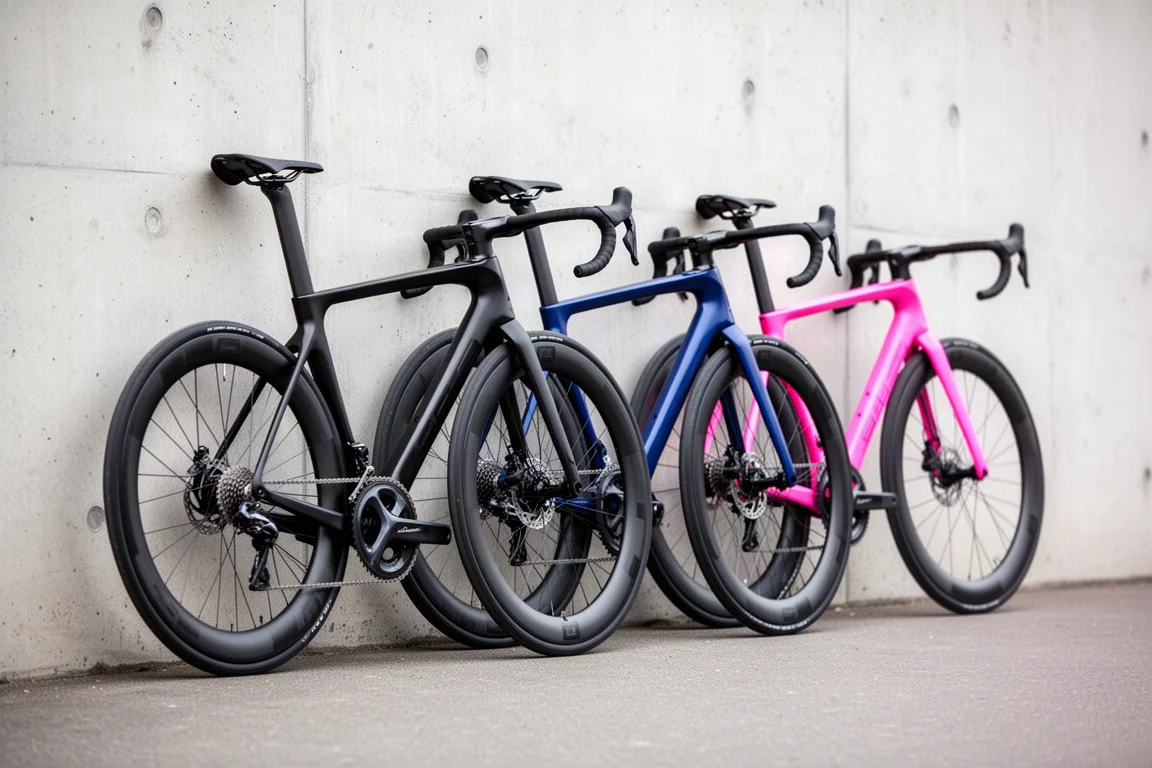
10 New Road Bikes Worth Watching: Aero, Titanium, Steel and Endurance Standouts
A practical roundup of 10 new road bikes, from aero flagships chasing single-watt gains to titanium, steel and endurance platforms built for real roads.
Road Bikes
2026 Tour de France Road Bikes: Six Race Machines Worth a Closer Look
Six race bikes from the 2026 Tour de France grid, reviewed for paint, silhouette, wheels and the specification details that matter to buyers.
Road Bikes
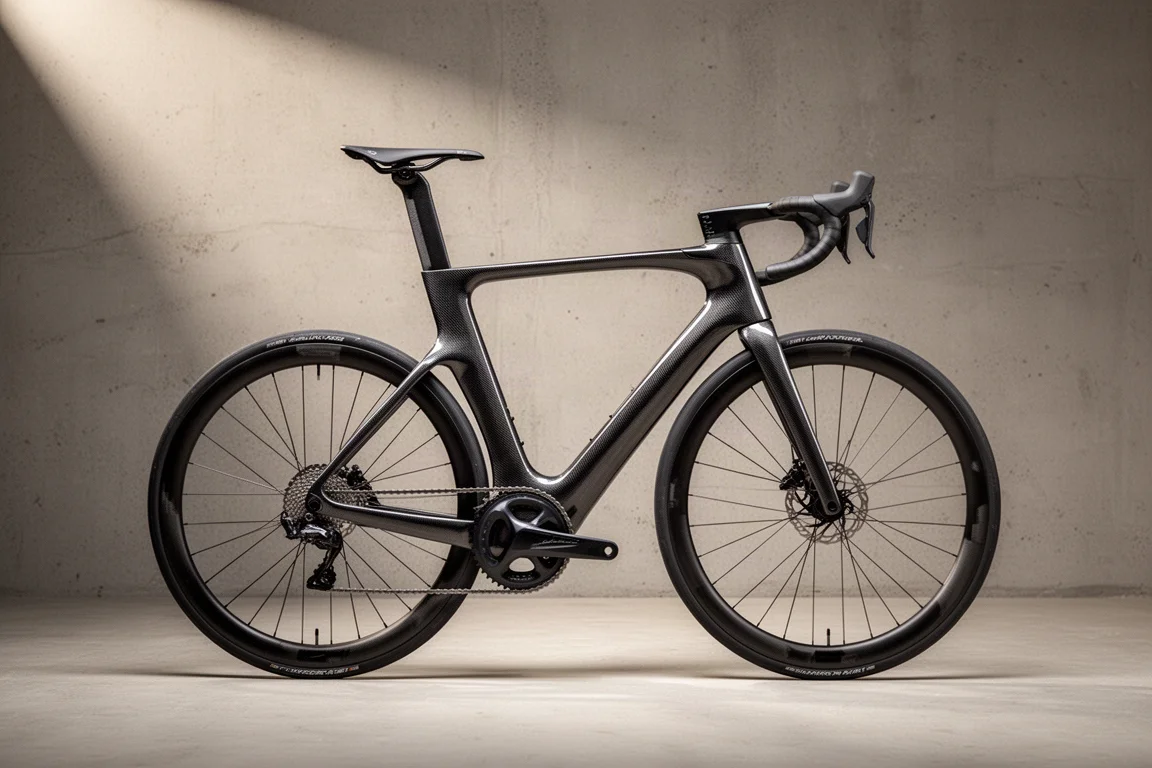
3T Strada Italia Review: A Radical Aero Road Bike That Rides Smooth
A made in Italy carbon aero road bike with a deep head tube, wide tire clearance and a genuinely comfortable ride. Here is what to know before buying.