Road Bikes
Pinarello Dogma F8 vs Colnago Y1 RS: How a Decade Changed the Tour Bike
A rim-brake 2016 Tour winner against a fully integrated modern aero race bike: what improved, what was lost, and which platform suits you today.
Introduction
Ten years separate the bike that won the 2016 Tour de France and the bike at the front of the modern aero arms race, and putting the two side by side is one of the clearest ways to see what a decade of road bike development actually delivered.
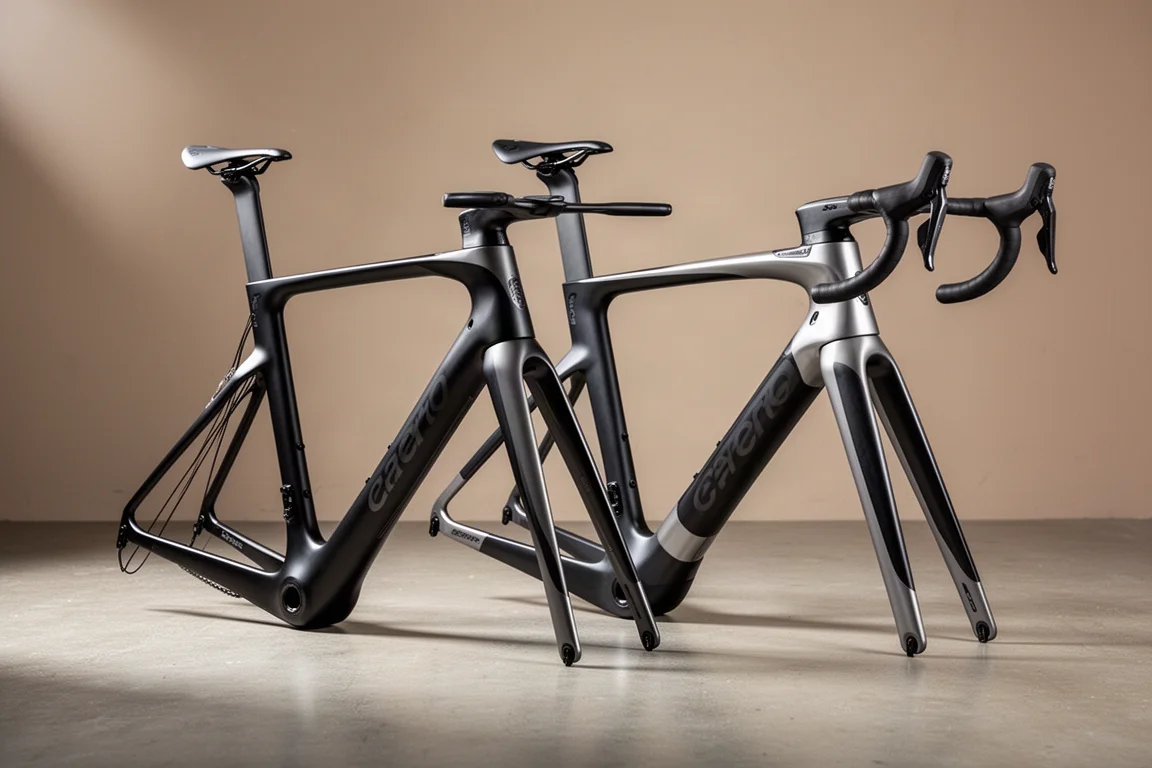
The 2016 winning Pinarello Dogma F8 was a rim-brake, partly externally routed aero road bike with an aluminium cockpit and narrow tubular tyres. The Colnago Y1 RS, ridden exclusively on the way to what could be a record-equalling fifth Tour de France title, is a fully integrated disc-brake system with a proprietary cockpit, wider tyres and a rear end borrowed from time trial design.
Some of that shift is straightforward progress. Some of it is a trade that riders and buyers feel every time they touch the bike. This guide works through the frames, drivetrains, wheels, tyres and brakes to work out which changes were worth making.
How These Two Bikes Compare
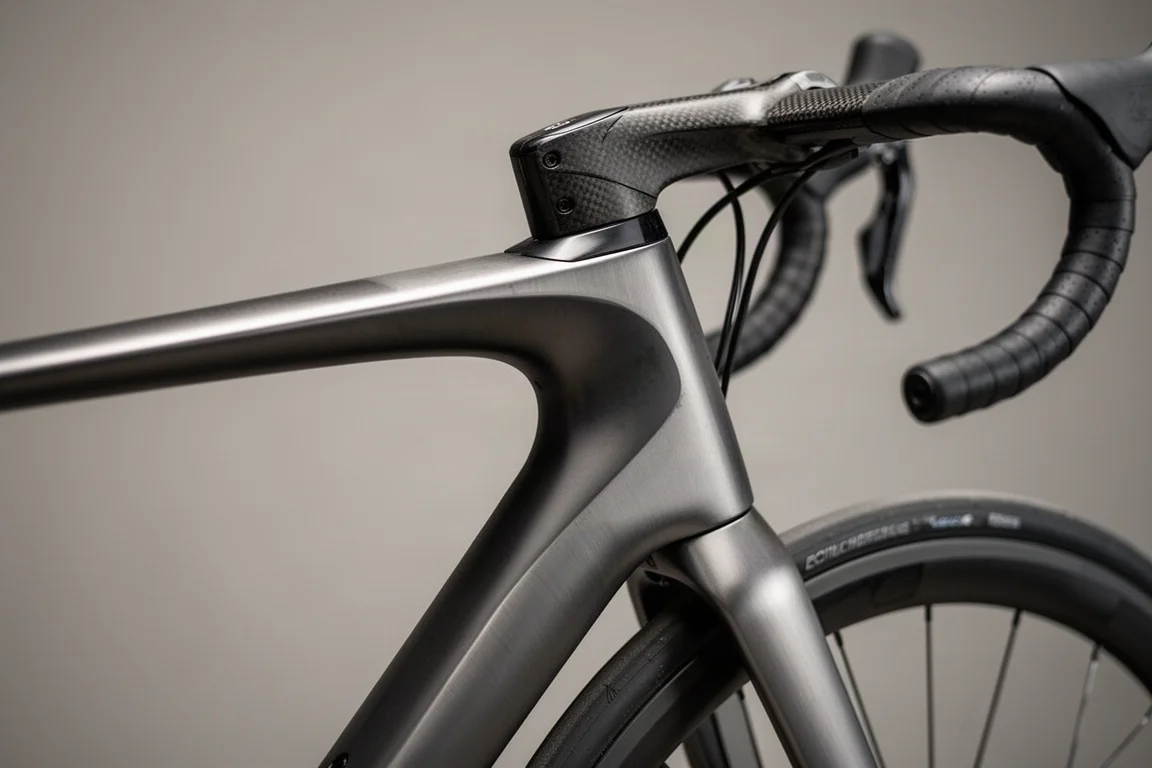
The Dogma F8 is very much a bike of its time. It uses truncated kammtail aero tube shapes, the same family of profiles that appeared on the first Scott Foil and then spread across all-rounders of the era, and it was the last rim-brake-only Dogma F. The frame carries plenty of aerodynamic work, but not to the extreme of the Y1 RS, and it is not fully internally routed: brake cables run through the frame but not through the head tube, and the Di2 wiring has to go somewhere as well. Some riders would argue that is the more practical arrangement, since cables enter at the down tube or the top tube rather than through the headset. At the professional level, though, the aerodynamic case for full internal routing is strong.
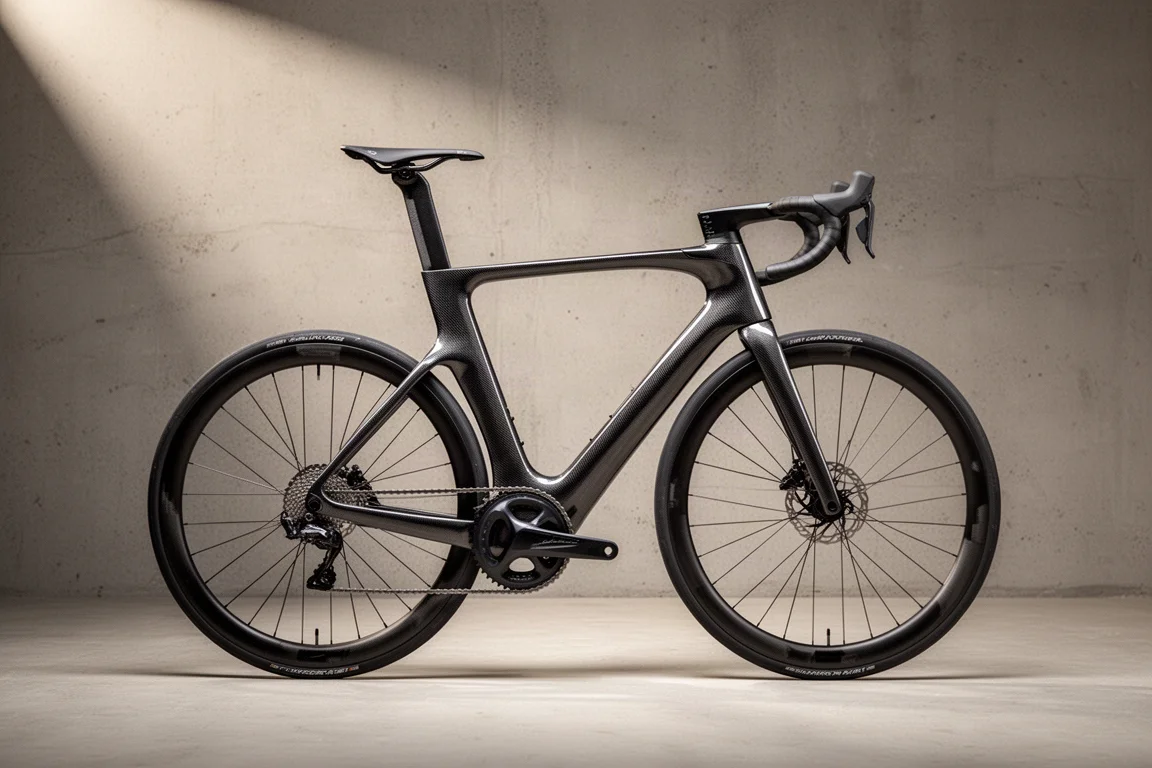
The Y1 RS sits at the opposite end of the spectrum. It is arguably the most advanced aero road bike in the peloton, with a radical shape that draws heavily on time trial technology, particularly at the rear where the frame wraps around the rear wheel. Almost everything is integrated and proprietary, so the cockpit cannot be swapped for anything else.
The wider trend is that bikes have become systems. As recently as the Dogma F8 era, professionals could still choose their own cockpit, which is how that bike ended up with an aluminium stem and round aluminium handlebars in a 42 cm width. Today the bar, stem, steerer and cables are one unit, which is faster but far less adjustable.
For a buyer, that difference matters more than the wind tunnel numbers. An integrated cockpit is neat and quick, but changing stem length or bar width becomes a workshop job rather than a five-minute swap.
Pinarello Dogma F8: The 2016 Tour Winner
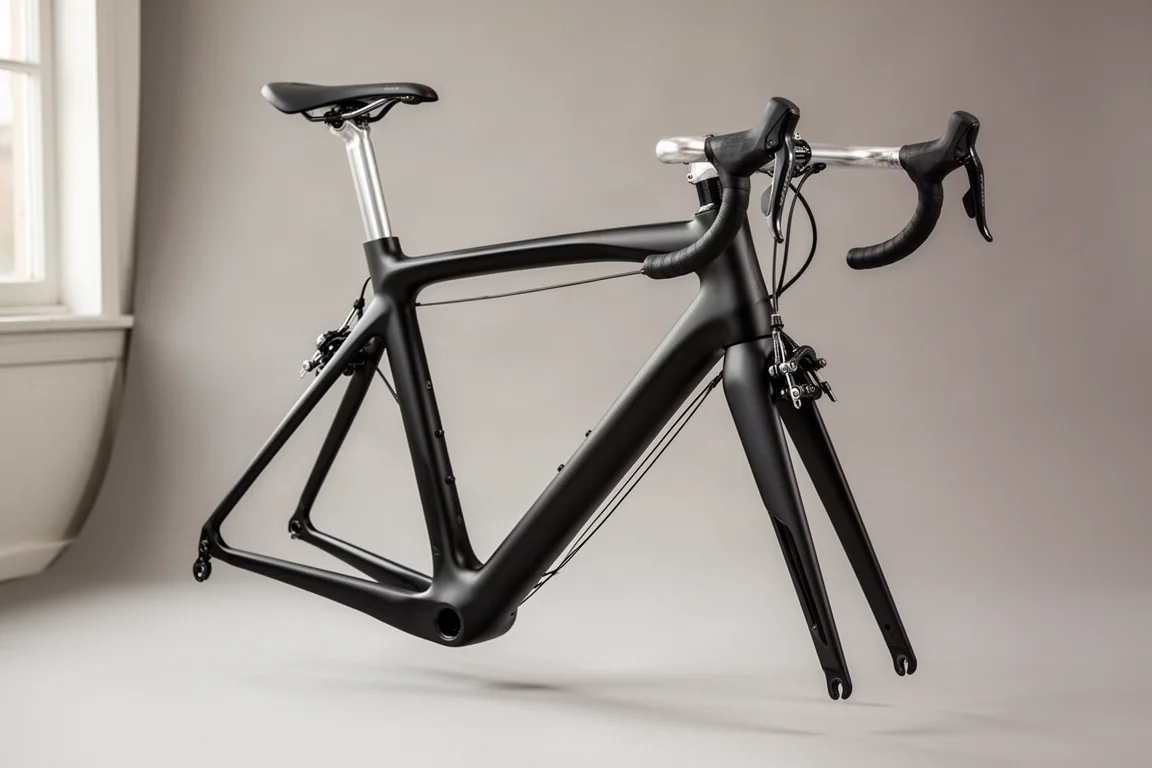
The Dogma F8 was the last rim-brake-only Dogma F, and its details show how aero road bikes were built at the time. The head tube extends beyond the fork to shield the front brake from the airflow, without going as far as the winglets seen on some rim-brake race bikes of the period, and there is no rear brake tucked under the bottom bracket, a design that never really worked in wet, gritty conditions.
Weight was a genuine strength. The frameset was reportedly around 1,200 g in a size 56, and a complete build has been measured at roughly 6.84 kg, which is remarkable for a bike with this much aerodynamic shaping. The build ran a zero offset seatpost, aluminium finishing kit and direct mount rim brakes bolted to the fork and seat stays in two places, a design that stiffened the brake arms considerably compared with single-pivot designs.
The drivetrain was Shimano Dura-Ace R9000 Di2 with 11 speeds, paired with ovalised chainrings in a 52/38 combination, 175 mm cranks and a prototype dual-sided power meter. Wheels were Shimano Dura-Ace C50 carbon rims with 25 mm tubular tyres.
Colnago Y1 RS: A Modern Aero Race Bike
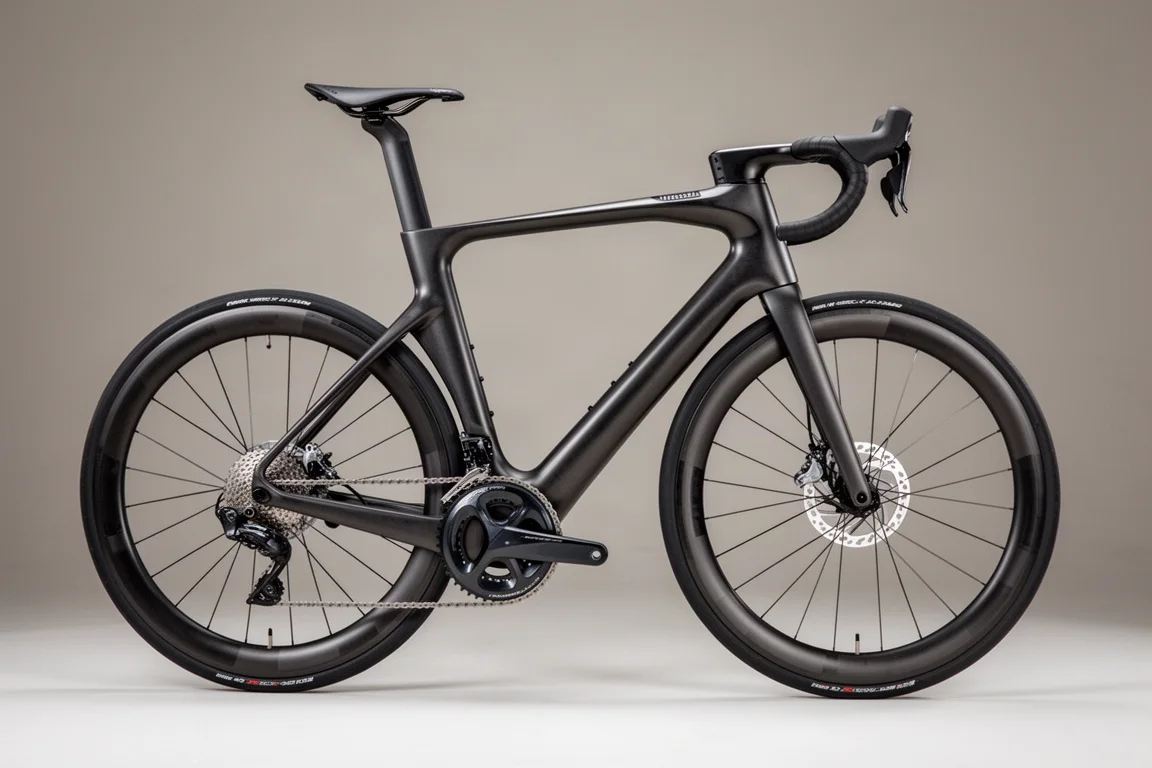
The Y1 RS takes the opposite approach in almost every area. It is a disc-brake platform, which frees up both tyre clearance and frame design, because the fork crown no longer has to accommodate a large metal caliper and its cabling. Everything about the front end is integrated, and the time trial inspired rear end wraps closely around the rear wheel.
That integration, along with the extra material needed for disc brakes and wider tyres, adds weight. The claimed frameset weight is 1,415 g, roughly 200 g more than the Dogma F8, and the raw carbon version has been weighed at 7.25 kg complete, about 400 g heavier than the older bike. Whether that counts as progress depends on what you value.
The build runs Shimano Dura-Ace R9200 Di2 with 12 speeds and wireless shifters, 54/40 chainrings that are sometimes even larger, 165 mm cranks, a Shimano power meter and 28 mm tyres that measure more than 30 mm wide once mounted.
Drivetrains: Dura-Ace Then and Now
Both bikes use Shimano Dura-Ace Di2, but the two groupsets are a generation apart. R9000 is an 11-speed group from the wired Di2 era, and it is widely regarded as one of the best looking groupsets Shimano has produced, with polished finishes that made it instantly recognisable. R9200 moves to 12 speeds and wireless shifters, and while it is more advanced, the finish is much plainer, to the point that it is harder to tell Dura-Ace apart from the cheaper groups in the range.
Cassette options changed with it. R9000 offered 11-25, 11-28 and 12-28, while R9200 offers 11-30 and 11-34. An 11-28 was mentioned at the launch of R9200 but never arrived, largely because demand for it never materialised.
The reason wider ranges work now is the extra sprockets. With more gears available, a cassette can offer a genuinely easy climbing gear without the huge jumps that made early wide-range 11-speed cassettes unpopular. Tighter spacing at the small end with larger gaps toward the easiest sprockets became standard across the industry, and Shimano adopted that layout for R9200. The logic is sound: precise steps matter most at speed, while at low cadence riders can adjust their pedalling to match a bigger jump.
Shimano has not followed the rest of the market on everything. Ten-tooth sprockets, 13-speed and one-by road drivetrains are established elsewhere, including a recent return to one-by road groups from Campagnolo, and Shimano has yet to adopt them. It is unusual to see the brand playing catch-up, and it would be surprising if the next generation of road groupsets did not respond.
Chainrings, Cranks and Power Meters
The chainrings on the two bikes tell a story about how gearing philosophy changed. The Dogma F8 ran ovalised chainrings in a 52/38 combination. The idea was to reduce the dead spot in the pedal stroke by using a larger effective diameter through the power phase and a smaller one through the dead spot. The claimed power gains were questionable, partly because most power meters of the time assumed a constant pedalling speed and therefore overread with oval rings, so riders saw bigger numbers rather than genuinely producing more power. Shifting quality suffered as well, and the risk of dropping a chain was real enough to matter in racing.
Modern gearing chases a similar goal differently. The Y1 RS runs 54/40 chainrings, sometimes larger, with much shorter 165 mm cranks instead of the 175 mm cranks used a decade earlier. Short cranks feel like bigger gears because there is less leverage, and combined with a large chainring they keep the chain running efficiently for riders who can push the gear.
Power measurement has moved less than you might expect. The Dogma F8 carried a prototype dual-sided power meter at a time when the brand only sold a single-sided version, and professionals pushed for the dual-sided option. The modern bike uses a Shimano power meter, which does not have the strongest reputation. Power meter pedals have become common over the last decade, but they are still rarely seen in the professional ranks.
Wheels and Tyres: Tubulars to Tubeless
Wheels and tyres changed more than any other part of the bike. The Dogma F8 ran Shimano Dura-Ace C50 carbon rims with 25 mm Continental Competition tubulars. The rim measured 24 mm externally, so a 25 mm tubular sat on it neatly, and the interface between tyre and rim was probably very good aerodynamically. Tubulars were the professional standard, but they were also a hassle, and the evidence suggests they were slower than modern alternatives even when they saved a little weight.
The Y1 RS runs a modern carbon wheelset with Continental GP5000 TT tyres. The 28 mm tyres fitted to it measure more than 30 mm wide once mounted, and in previous seasons wider rims pushed the tyre choice up to 30 mm. A narrower modern rim allowed a return to 28 mm, which is lighter, though the measured width is still greater than the 25 mm tubulars of a decade ago. The opening time trial of the Tour was ridden on 25 mm GP5000 TT tyres, so narrower rubber has not disappeared entirely.
For most riders, tubeless is the more practical answer. It avoids the preparation and hassle that tubulars demand, and the performance case for glued tyres has largely gone.
Braking: Rim Versus Disc
Braking is where the two eras differ most in everyday riding. Rim brakes on carbon rims were sketchy in the best case. In the rain, braking power dropped away almost entirely, and in the heat the same rims became grabby and extremely noisy, to the point where a hard stop could attract unwelcome attention. The direct mount rim brakes on the Dogma F8 were among the better designs of the period because bolting them to the frame in two places stiffened the arms, and arm stiffness is what really counts with rim brakes. Hydraulic rim brakes existed too, with excellent modulation and feel, but the example that reached the market was recalled and disappeared.
Other rim brake experiments aged badly. Some bikes used proprietary integrated brakes that worked acceptably in dry conditions but were a maintenance nightmare, and rear brakes mounted under the bottom bracket saved a little drag while clogging with mud and grit in wet weather.
Disc brakes solve the core problem. They brake consistently in the wet, they free up tyre clearance, and they improve aerodynamics at the fork because there is no rim brake caliper and cable to hide behind the crown.
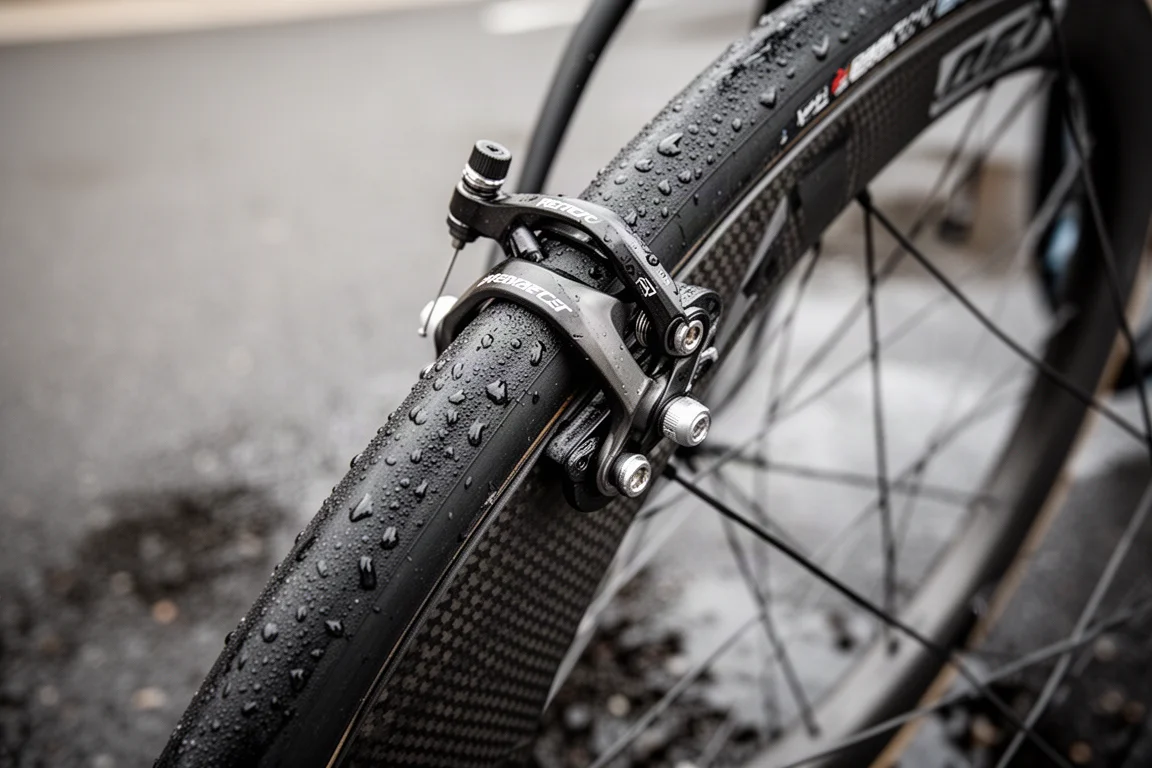
The practical result is that riders who move from carbon rim braking to disc brakes rarely want to go back, and the rim brake designs that held up best were the stiffest and simplest ones.
Frame Weight: Where the Grams Went
Weight is the clearest place where the decade moved backwards. The Dogma F8 frameset was reportedly around 1,200 g and the complete bike measured roughly 6.84 kg. The Y1 RS has a claimed frameset weight of 1,415 g and a complete build weight of 7.25 kg, roughly 400 g heavier.
Those extra grams buy disc brakes, wider tyres, a fully integrated cockpit and a more aggressively shaped frame. In a sport where marginal gains matter, adding weight is not automatically progress, but the aerodynamic and braking advantages are substantial, and on real roads the modern bike is likely to be faster and to ride better. Whether that trade is worth it is the question every buyer of a modern aero road bike answers for themselves.
Buying Advice: Which Bike Suits You Today
Choose the modern platform if braking confidence, tyre clearance and integrated aerodynamics matter to you. Disc brakes work in the rain, wider tyres add comfort and grip, and the aero design is the product of another decade of development. The trade-offs are the extra weight, a proprietary cockpit that cannot be changed, and more complexity when something needs servicing.
Choose the older platform if you want a very light rim-brake aero bike with a conventional cockpit. It is easier to work on, the aluminium stem and round bars can be swapped in minutes, and the direct mount rim brakes are among the better rim designs of the era. The limits are clear: narrow tyre clearance, compromised braking on carbon rims in the wet, and cables that are not fully internal.
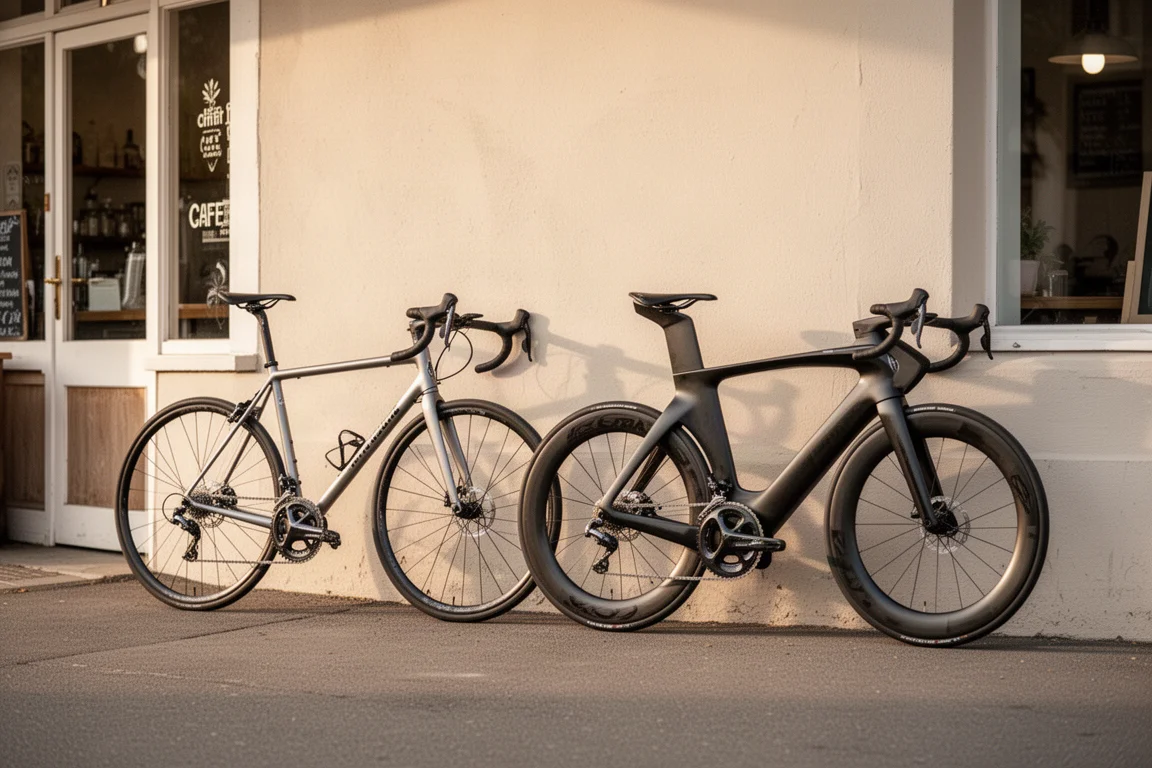
For most riders, the deciding factor is weather and terrain. Anyone who rides in mixed conditions or wants wider tyres will get more from the disc-brake bike. Riders who maintain their own equipment and rarely see rain can still enjoy everything the older design does well.
Conclusion
A decade of development made road bikes faster, safer and more comfortable, and it also made them heavier, more proprietary and harder to adjust. The Dogma F8 shows how much could be achieved with a light rim-brake frame and a conventional cockpit. The Y1 RS shows where the sport has landed: integrated, disc braked, and built around wide tyres and aerodynamic systems.
If the choice came down to one bike to ride today, the modern platform wins on braking and tyre clearance, and it is likely the faster machine. The older bike remains a reminder that simplicity and low weight still have real value.
Further reading
Related Reviews

Road Bikes
10 New Road Bikes Worth Watching: Aero, Titanium, Steel and Endurance Standouts
A practical roundup of 10 new road bikes, from aero flagships chasing single-watt gains to titanium, steel and endurance platforms built for real roads.
Road Bikes
2026 Tour de France Road Bikes: Six Race Machines Worth a Closer Look
Six race bikes from the 2026 Tour de France grid, reviewed for paint, silhouette, wheels and the specification details that matter to buyers.
Road Bikes
3T Strada Italia Review: A Radical Aero Road Bike That Rides Smooth
A made in Italy carbon aero road bike with a deep head tube, wide tire clearance and a genuinely comfortable ride. Here is what to know before buying.