Road Bikes
Pinarello Dogma F: Inside the Lighter, Stiffer, More Aero Flagship
A detailed look at the Pinarello Dogma F, covering its aero redesign, T1100 M40X carbon layup, revised geometry, cockpit sizing, and what to weigh up before buying.
Introduction
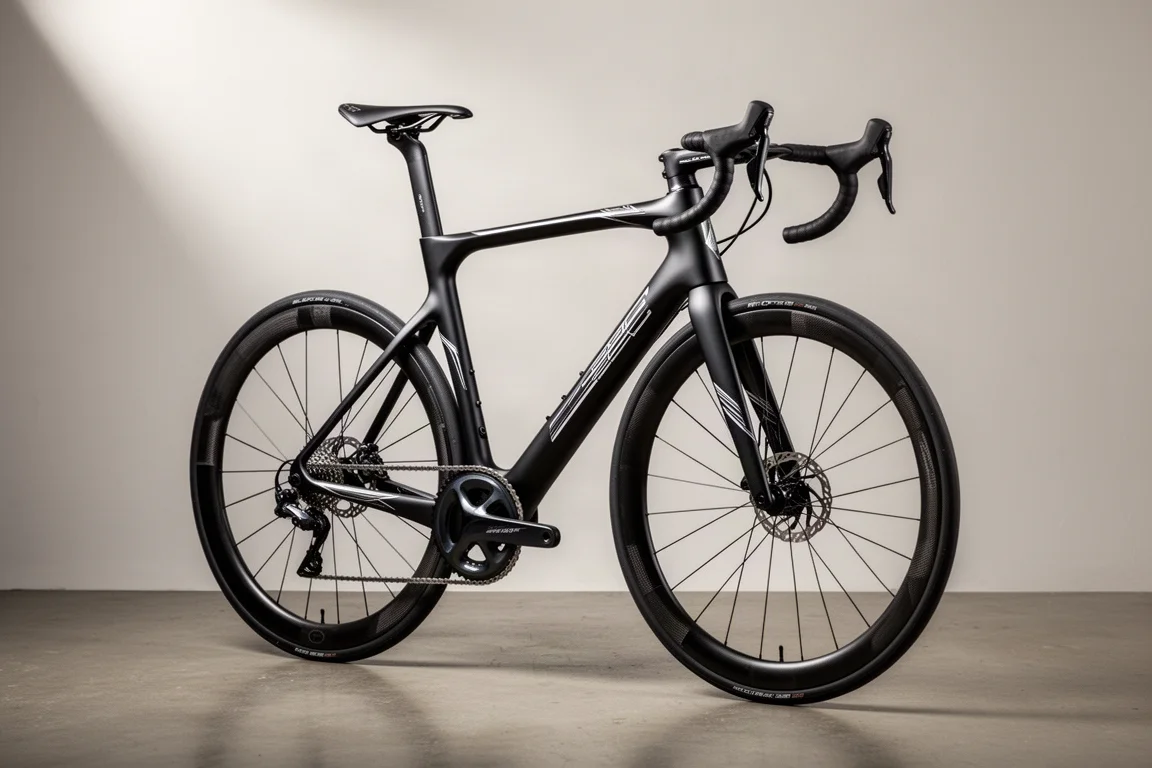
The Pinarello Dogma F arrives with a familiar set of headline claims: it is lighter, stiffer, and more aerodynamic than the model it replaces, and it is disc brake only. Those three words carry most of the story, but the interesting part is how Pinarello got there and what the changes mean for the person actually riding the bike.
Pinarello continues to build around a single flagship platform rather than splitting its range into dedicated climbing bikes and dedicated aero bikes. The Dogma F is intended to be the one bike that covers fast group rides, long climbs, and everything between.
Who This Bike Is For
This is a race-first road bike aimed at riders who want one high-end machine to do everything well. If you split your riding between rolling terrain, long alpine climbs, and fast flat roads, the Dogma F is built around that exact compromise rather than optimising for a single discipline.
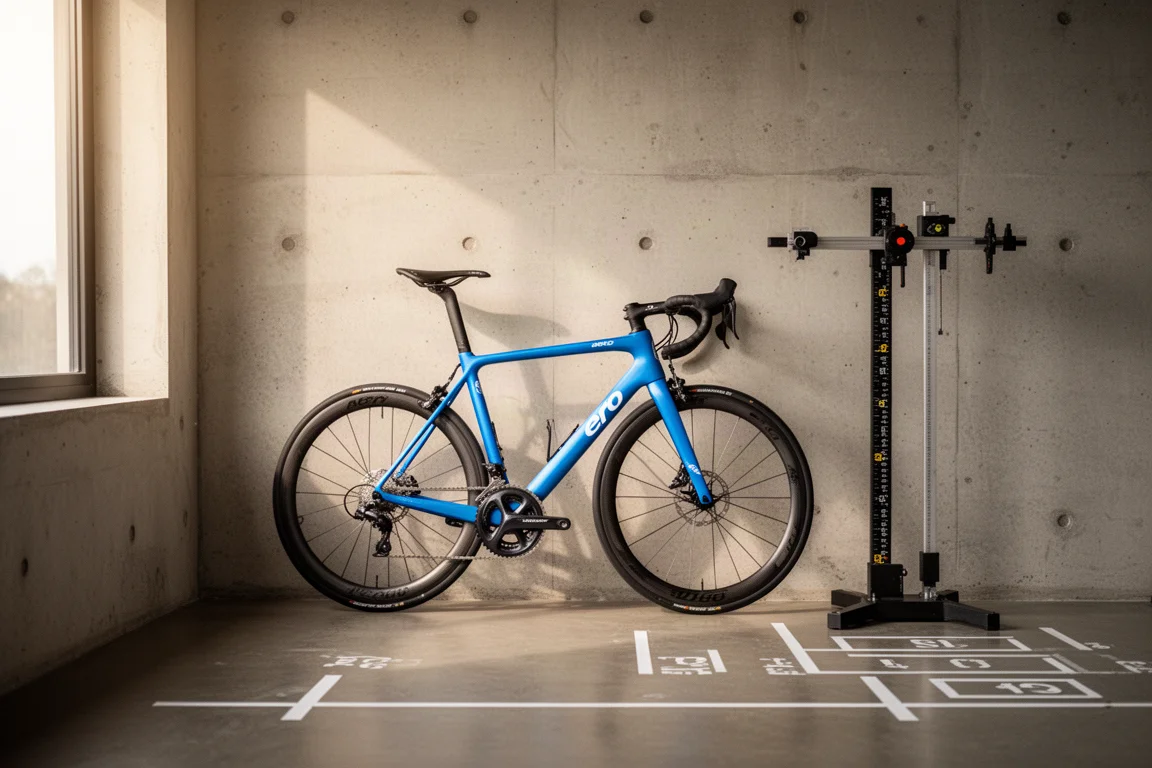
It is also a bike for riders who value fit and position as much as frame material. The cockpit is fully integrated, so getting the right size matters more here than on a bike with conventional bars and stem. Pinarello offers more frame sizes than most brands, which helps, but a professional bike fit before ordering is the sensible starting point.
Riders who still want rim brakes should note that the newest Dogma F is disc only. Pinarello has confirmed it will keep producing the rim brake version of the previous generation for several years, so that route remains open for anyone committed to caliper brakes.

Design and Aerodynamics
Pinarello’s stated goal with this generation was a meaningful aerodynamic step without adding weight, and the numbers attached to that claim are deliberately modest. The company reports a reduction in drag coefficient of around 2 percent, which it equates to roughly a 175 gram weight saving in real riding terms. That is a useful way to frame it, because small drag gains and small weight gains are not directly comparable on a climb.
The tube shapes have been reworked across the frame. The down tube has been completely reshaped and is noticeably thinner toward the rear section, while keeping the characteristic widening partway down that is designed to integrate a round bottle with less of an aerodynamic penalty. The bottom bracket area has been redesigned with a deeper, taller profile that Pinarello calls an aero keel, a change the brand also links to improved stiffness.
The head tube is 8 mm narrower than before and keeps the small forward-facing bump that has been part of Pinarello’s aero design language since the F8 in 2013. That bump is a deliberate aerodynamic feature rather than a styling flourish, and it is one of several organic-looking curves on the frame that come out of computational fluid dynamics work. The head tube is also deeper, extending further back to smooth airflow around the front of the bike.
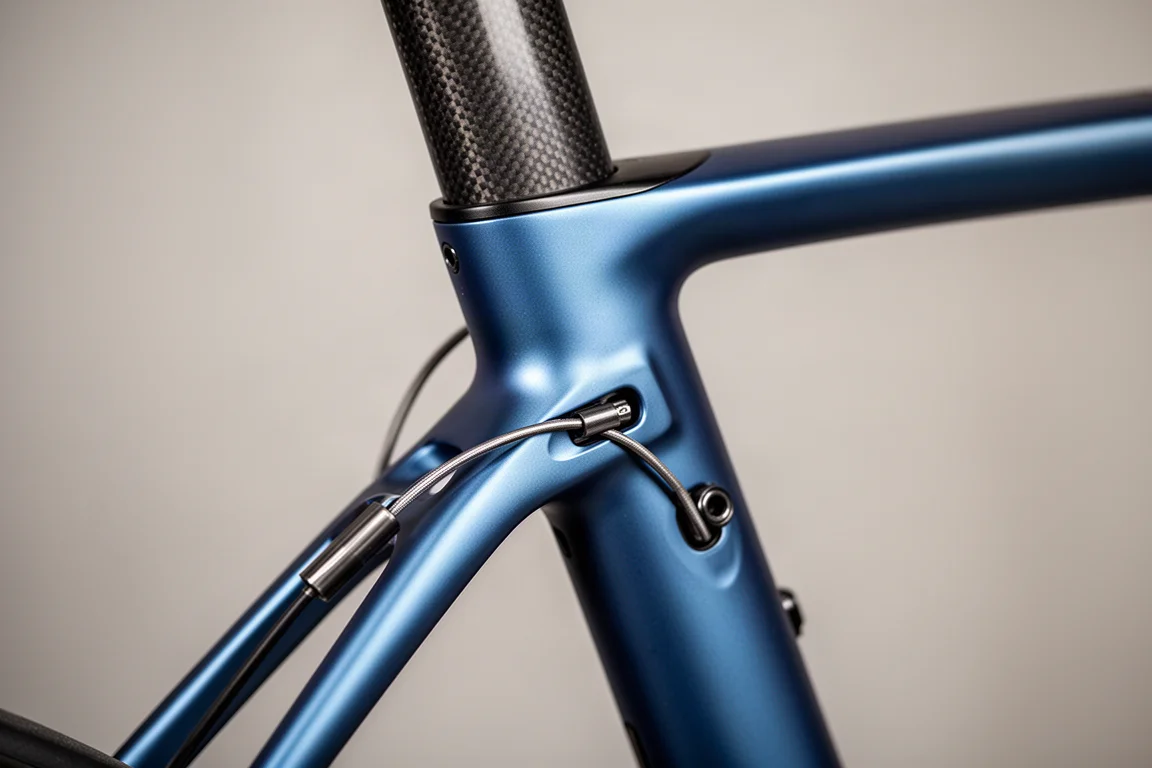
Cable routing has changed as well. Instead of running down the sides of the steerer as it did when this layout was introduced on the F12, the cables now run down the front of the steerer, and the steerer itself is elliptical rather than round. Alongside the aero intent, this makes the front end easier to take apart and reassemble for maintenance.
Carbon Layup and Weight
Not all carbon fibre is equal, and Pinarello has used T1100 M40X, the top-tier product from Japanese carbon manufacturer Toray. Supply of this material is tightly controlled, and the key property for a race frame is the combination of very low weight and very high stiffness. That is how Pinarello has been able to keep the frame light while also claiming improved rigidity.
The new frame is quoted as 108 grams lighter than the previous model. In isolation that sounds small, and Pinarello’s own framing is honest about it: the brand estimates the saving is worth roughly five seconds on a climb the size of the Mortirolo pass in Italy. Over a single ascent that is minor, but repeated across every climb in a long race or a hard season of riding, those seconds accumulate.
The disc-only decision is part of the same package. Removing rim brake mounting and reworking the fork and rear end around disc braking lets Pinarello shape the frame around a single braking standard, which is consistent with the aero and stiffness goals for this generation.
Geometry, Handling, and the New Cockpit
Handling changes on the Dogma F have been informed by performance analysis as well as feedback from professional riders, including input from riders known for descending speed. The most visible geometry change is the fork rake, which moves from 43 mm to 47 mm. Pinarello says the longer rake contributes to downhill stability, cornering composure, and overall handling.
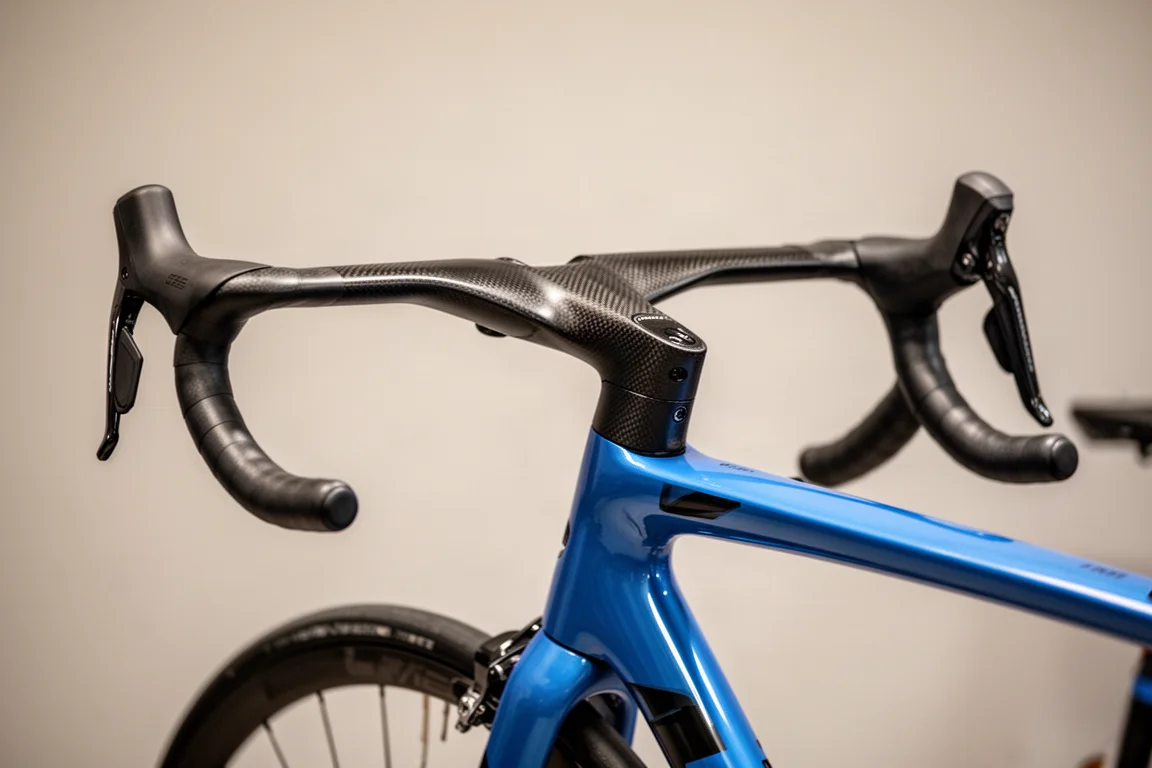
The cockpit is where this bike may gain more real-world speed than the published frame figures suggest. The integrated bar and stem is now available in a much wider range of sizes, with stem lengths from 80 mm to 140 mm and bar widths from 34 cm centre to centre on the hoods up to 42 cm. The drops flare outward by 7 degrees, so the bar is wider where you sprint and narrower where you sit on the hoods. The design also allows the levers to be turned inward, and the shape is built so that riders remain within the rules where a governing body has jurisdiction over equipment.
Because aerodynamic drag is dominated by the rider rather than the frame, offering narrower bars and a broader range of stem lengths can produce larger gains than a 2 percent frame improvement alone. Many brands do not offer integrated cockpits across this range of sizes, which often leaves riders stuck between a stem that is too short and bars that are not narrow enough. Pinarello has addressed that directly here, and there is also an ultra-light handlebar option with a slightly different shape for riders who prioritise weight.
Frame Details and Build Highlights
The small details are unusually well resolved. The through axles on the drive side are hidden from view at both the front and rear, a neat touch that Pinarello also credits with a marginal aerodynamic benefit. In practical terms the gain is a fraction of a watt, but the visual result is a cleaner frame.
The rear derailleur cable is routed through a notch in the hanger rather than emerging from a port and looping outward, which keeps the rear end tidy and protected. The seat post clamp has been completely redesigned, with the wedge now fully integrated and hidden inside the frame, tightened via two bolts at the back. This saves a small amount of weight and keeps dirt out of the mechanism.
Two features carried over from the previous model are worth noting: a 3D printed titanium saddle rail clamp, which helps keep weight down, and an Italian threaded bottom bracket, which many riders and mechanics prefer for serviceability. Tyre clearance has increased to 32 mm, and there is visibly room around the 28 mm tyres fitted here, so wider rubber is a realistic option.
On weight, Pinarello quotes a size 53 in this specification at 6.77 kg. A size 57.5 build measured on the scales came in at 7.21 kg, which is a reminder that quoted figures depend heavily on frame size, wheels, tyres, and finishing kit. That build could plausibly be brought closer to 7 kg with lighter wheels, lighter inner tubes and tyres, and by removing bar tape, which alone accounts for roughly 150 grams.
Things to Consider Before Buying
The Dogma F sits at the top of the road market, so the main consideration is simply whether the level of investment matches how you ride. The aerodynamic gains are real but modest on paper, and the difference between this generation and the immediately previous one is smaller than the difference between this bike and something several generations older. If you are upgrading from an older Pinarello or from a non-aero frame, the step will feel considerably larger.
Disc-only braking is worth weighing up. If you already own rim brake wheelsets and want to keep using them, the newest frame will not accommodate that, and the previous generation rim brake model is the alternative.
The fully integrated cockpit is another factor. It is a genuine performance feature and it looks clean, but it means bar width, stem length, and frame size all need to be decided up front. Sizing mistakes are harder and more expensive to correct afterwards. The multi-layer blue paint also has a depth that changes with the light and is difficult to judge from photographs, so seeing it in person is worthwhile.
Buying Advice
Start with a bike fit, not with the frame. On a bike where the cockpit, steerer, and seatpost are all integrated, the fit determines how fast and how comfortable the bike actually is, and it is the single decision that is hardest to change later. Pinarello’s wide range of frame sizes and cockpit dimensions makes it more likely you can find a position that genuinely works rather than compromising.
From there, treat wheels and tyres as part of the performance package. The stock build here uses Princeton carbon wheels with White Industries hubs, and swapping to lighter wheels, lighter inner tubes, and faster tyres is one of the most effective ways to reduce overall weight. Choosing the narrowest bar you can comfortably control, with the correct stem length, will likely deliver more aerodynamic benefit than any other single change.
If your priority is the newest disc brake platform with the revised aero shapes and the broader cockpit sizing, the Dogma F is the clear choice in the range. If rim brakes matter more to you, the previous generation remains in production and is a legitimate option.
Conclusion
The Pinarello Dogma F is an evolution rather than a reinvention, and Pinarello is refreshingly measured about the numbers. A 2 percent drag reduction, 108 grams saved, and a stiffer front end add up to a faster bike, but the more consequential changes are the wider cockpit sizing, the revised fork geometry, and the numerous small design details that make the frame easier to live with.
For riders who want one high-end road bike to cover climbing, fast group rides, and long days in the saddle, the Dogma F is built around that brief. Decide on fit first, choose your wheel and tyre package with weight in mind, and the rest of the bike is designed to get out of the way.
Product link
View more details for Pinarello Dogma F
This product is mentioned in the review. Check the specifications, options, and compatibility before buying.
View more details for Pinarello Dogma FFurther reading
Related Reviews
Road Bikes
10 New Road Bikes Worth Watching: Aero, Titanium, Steel and Endurance Standouts
A practical roundup of 10 new road bikes, from aero flagships chasing single-watt gains to titanium, steel and endurance platforms built for real roads.
Road Bikes
2026 Tour de France Road Bikes: Six Race Machines Worth a Closer Look
Six race bikes from the 2026 Tour de France grid, reviewed for paint, silhouette, wheels and the specification details that matter to buyers.
Road Bikes
3T Strada Italia Review: A Radical Aero Road Bike That Rides Smooth
A made in Italy carbon aero road bike with a deep head tube, wide tire clearance and a genuinely comfortable ride. Here is what to know before buying.