Road Bikes
Pinarello Dogma F Review: Subtle Changes, Serious Racing Intent
A close look at the new Dogma F, from the M40X carbon layup and revised fork rake to sizing that finally serves smaller riders well.
Introduction
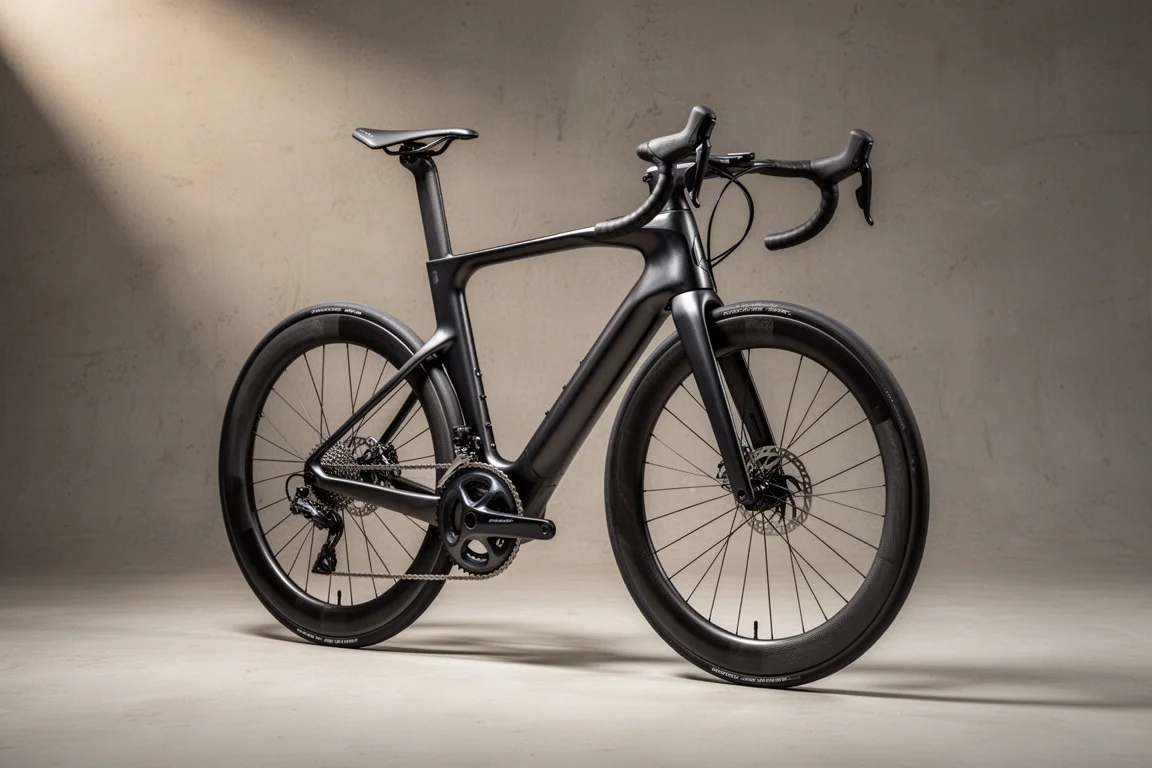
At first glance the new Dogma F looks almost identical to the model it replaces. That is a familiar pattern in high-end racing bikes: the shape stays, the details move on. Pinarello has kept the wavy tube profiles and the aggressive stance, then reworked the carbon layup, the front end, and the sizing to make the bike faster and easier to fit properly.
The headline claim is a frameset that is 108 g lighter than the previous Dogma when the seat post, bar, stem, and fork are counted together. The changes below the paint are mostly about lateral stiffness and aerodynamics, and they are the kind of updates that are easier to feel on the road than to spot in a photograph.

This article walks through what has actually changed, how the sizing works in practice, what the claimed weights look like across the three build options, and the details worth thinking about before committing to a bike at this price.
Who This Bike Is For
The Dogma F is a long, low racing bike. The handlebars sit far away from the rider and low down, which suits flexible riders who spend their time in a racing position. Riders who prefer something more upright have more relaxed options in the same range, including the Dogma X.
Where the new bike stands out is fit. The size range is broad, the gaps between sizes are smaller than on many race bikes, and the handlebars now go narrower than before. The new Talon bar reaches an effective 34 cm at the hoods, which makes the platform genuinely usable for smaller riders and for women, who have often been underserved by race bike sizing.
Because the increments are fine, a rider can move up or down a size or two and still land on a workable position. The practical route is a professional bike fit before ordering, especially since the geometry table uses numbering that does not match the conventions most riders are used to.
What Has Changed on the New Dogma F
- The carbon layup has moved to M40X for more lateral stiffness.
- Fork rake has changed from 43 mm to 47 mm.
- Through-axle threads are now hidden inside the carbon of the fork and the frame, so the junctions look smooth.
- The head tube is 8 mm slimmer for aerodynamic gains.
- The down tube is slimmer, also for aerodynamic gains.
- The bottom bracket area has been beefed up.
- The steerer tube is now oval shaped.
- The seat post clamp is hidden inside the frame.
- The Talon bar is 40 g lighter and available in more sizes.
- The inside of the head tube has a slightly different angular shape.
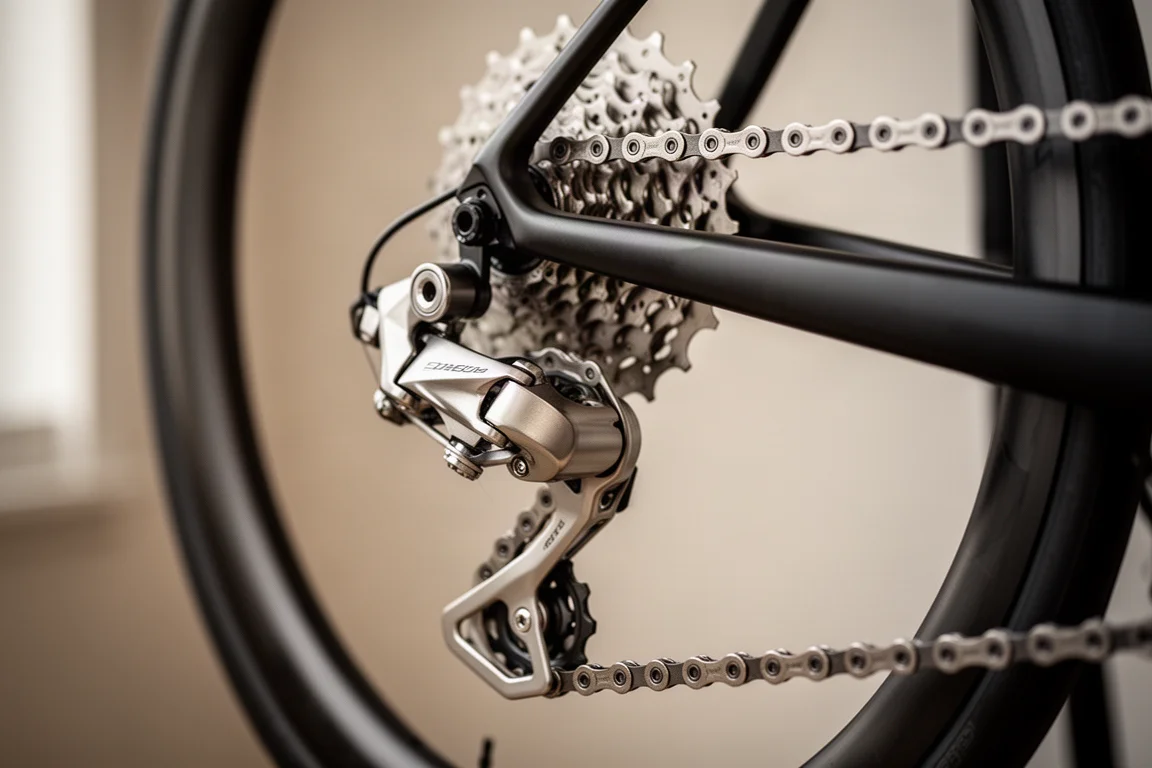
Some of these changes are subtle in use. A 5 mm fork rake difference is unlikely to be obvious on its own, and riders moving from the previous model would adapt quickly. The oval steerer tube has a more practical benefit: it keeps the handlebars straight, and it lets the cable routing run up the front of the head tube so the nose of the bike stays narrow.
The hidden through-axle threads are the sort of detail that only matters when the bike is in pieces, but they tidy up the fork and frame surfaces considerably.
Geometry and Sizing
Pinarello’s size numbers do not line up with the conventions most riders know, which makes the geometry chart harder to read than it needs to be. Working with a fitter who understands the data is the most reliable way through it.
For reference, the test size was a 515, which suited a rider of around 170 cm well. A 465 was also available at the same launch and felt like the better match for a rider who prefers a smaller frame. Handlebars are listed in 40, 42, and 44, but the flared tops mean the effective width at the hoods works out closer to 36, 34, and 38 depending on how the levers are set. The narrowest option puts the hands roughly 34 cm apart between the shifters.
The narrow bar also changes lever reach. The shifters sit close to the bars without being wound in, which is helpful for smaller hands, and there is still room to fine tune the lever position.
Weights, Builds, and Paint Options
Pinarello quotes the following figures for a size 530 without pedals or bottles: 6.63 kg for the SRAM Red build with Princeton Peak 4550 wheels, 6.77 kg for the Dura-Ace 12-speed build with the same wheels, and 6.88 kg for the Super Record Wireless build with Bora WTO 45 wheels. These are manufacturer numbers, and the bikes were not weighed independently at the launch.
Builds are only offered at very high specification, and the wheels in particular are a significant part of the package. The Princeton Peak 4550 wheelset sits in the £3,000 to £4,000 region, so a meaningful share of the ride quality comes from the wheels rather than the frame alone.
Paint options include a blue-purple finish that shifts in the light, black and orange with a chrome-look logo, a crisp white, a neon yellow, and a cool gray. Some of the paint schemes arrive later in the year. Finish quality is excellent, with no rough edges or uneven paint, which is what you would expect at this price.
Main Strengths
On the road, the Dogma F is fast. Power transfer is exceptional, the frame is extremely stiff, and it corners beautifully. Handling is spectacular, and the ride felt comfortable over the smooth mountain roads where the bike was first ridden. Decades of development are evident in how complete it feels.
The integrated seat post clamp is one of the best details on the bike. It sits fully inside the carbon frame, slots in and out cleanly, and never sticks out. The oval steerer keeps the bars aligned, which makes reassembly simpler.
The Talon bar deserves credit too. It is the narrowest version yet, and the shape places the shifters close to the bars without much adjustment, which suits small hands. For smaller riders, this is a meaningful improvement rather than a marketing line.

Overall, this is a phenomenal race bike that feels like the best of its kind on the road.
Things to Consider Before Buying
The geometry is the first consideration. This is a long and low race bike, so riders with limited flexibility should look at the more relaxed models in the range rather than forcing a position on the Dogma F.
Sizing takes patience. The numbering is confusing, the effective handlebar widths do not match the printed numbers, and the safest path is a bike fit with someone who can read the geometry table properly.
A few details are less polished. The top tube is now so narrow that it is uncomfortable to sit on. The drops on the new bar feel very slender, almost sharp compared with other handlebars. The clamp inside the stem is fiddly to take apart for travel, and the seat post can fall out when the bike is packed, so spares are worth carrying.
Comfort over rough surfaces is also unproven. The first rides took place on smooth, well-maintained mountain roads, so there is no evidence yet about how the bike behaves on broken tarmac.
Price is the biggest factor. The frameset is £5,500, exactly the same as the outgoing model, and builds are only offered at very high specification. That keeps the complete bike firmly in the super-luxury bracket, alongside the running costs and care that come with that territory.
Buying Advice
This bike makes sense for racers and fast group riders who want a stiff, efficient race platform and are prepared to invest in a proper fit. The fine size increments and the narrow handlebar option make it unusually accommodating for smaller riders, which is rare in this category.
If flexibility is limited, or if the priority is all-day comfort rather than outright speed, the more relaxed geometry in the range is the better starting point. If you are buying the Dogma F, budget for a professional fit at the same time, and check which paint options are actually available at the point of order.
It is also worth being clear about what you are paying for. The wheelset alone accounts for a large share of the cost and, by extension, a large share of the ride feel. Riders who want to understand the frame on its own terms may want to plan for a second wheelset.

Conclusion
The new Dogma F is a small step rather than a reinvention, and Pinarello has been careful not to disturb what already worked. The M40X layup, slimmer front end, revised fork rake, hidden hardware, and expanded sizing add up to a faster and more accommodating race bike.
It is expensive, demanding, and not especially practical for everyday riding. For the right rider, one who races, fits the position, and values stiffness and speed above all else, it is a remarkable machine.
Product link
View more details for Pinarello Dogma F
This product is mentioned in the review. Check the specifications, options, and compatibility before buying.
View more details for Pinarello Dogma FFurther reading
Related Reviews

Road Bikes
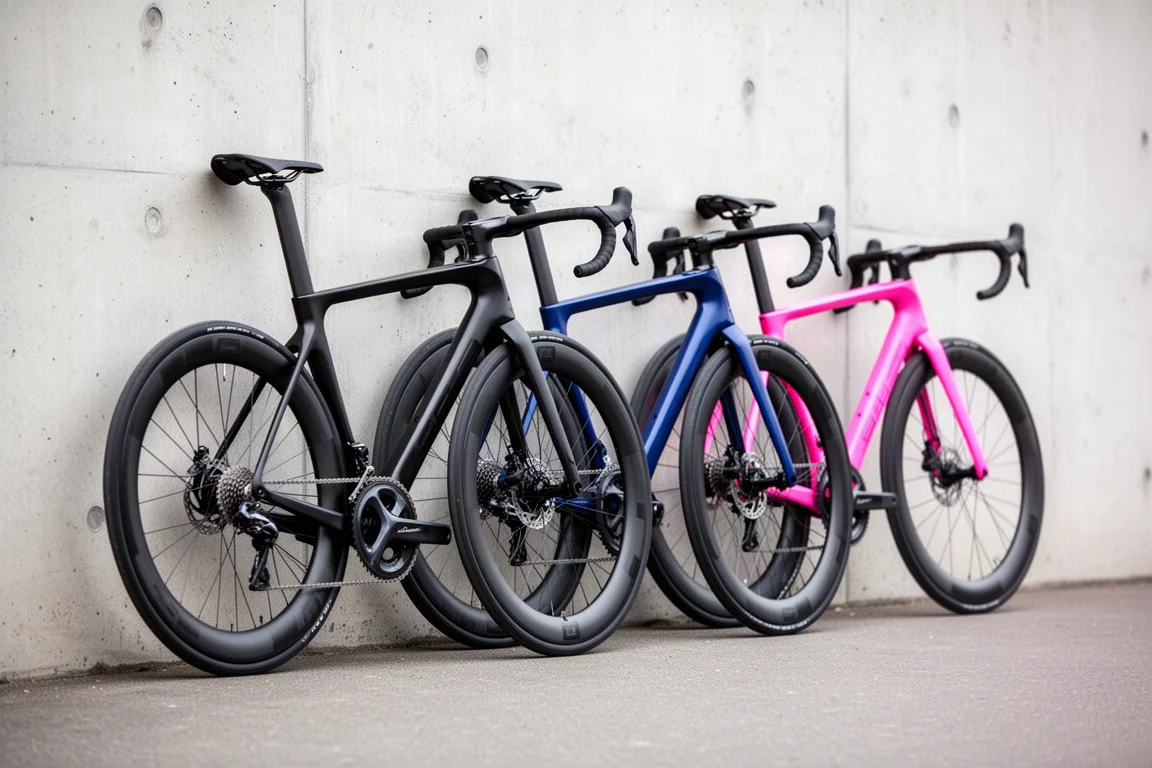
10 New Road Bikes Worth Watching: Aero, Titanium, Steel and Endurance Standouts
A practical roundup of 10 new road bikes, from aero flagships chasing single-watt gains to titanium, steel and endurance platforms built for real roads.
Road Bikes
2026 Tour de France Road Bikes: Six Race Machines Worth a Closer Look
Six race bikes from the 2026 Tour de France grid, reviewed for paint, silhouette, wheels and the specification details that matter to buyers.
Road Bikes
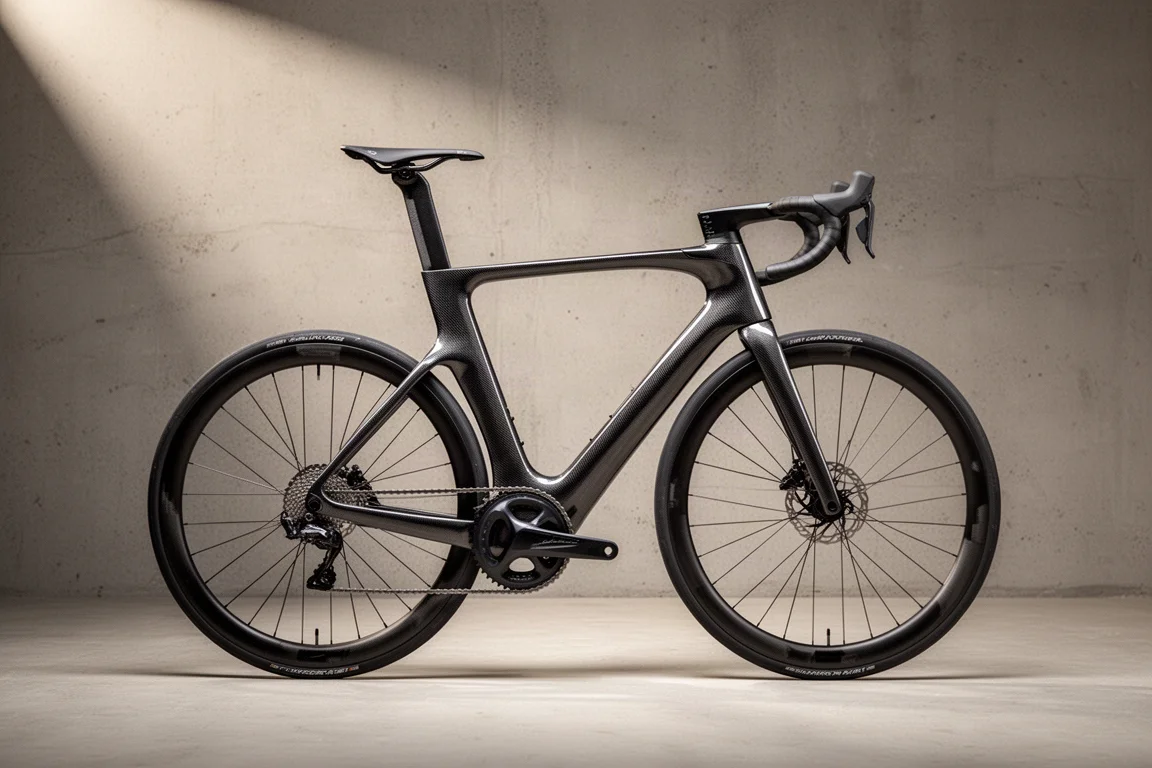
3T Strada Italia Review: A Radical Aero Road Bike That Rides Smooth
A made in Italy carbon aero road bike with a deep head tube, wide tire clearance and a genuinely comfortable ride. Here is what to know before buying.