Stationery
Pilot Kirena Highlighter Review: The Smudge-Proof Marker With Guide Tips
A twin-type highlighter from Pilot with guide stabilizers, a flexible tip, and quick-dry ink that resists smudging over almost any pen.
Introduction
Most highlighters are interchangeable: pick a color, draw a line, move on. Every so often, though, a marker comes along that makes you wonder why the rest of the category has not caught up yet. The Pilot Kirena is one of those. It is an affordable twin-type highlighter that fixes the two biggest frustrations with flat-tip markers, shaky line control and ink smearing, and it has picked up recognition at the 2025 Stationery Awards along the way.
After picking one up on impulse at a stationery shop, it quickly became clear this was not just another fluorescent pen.
Who This Product Is For
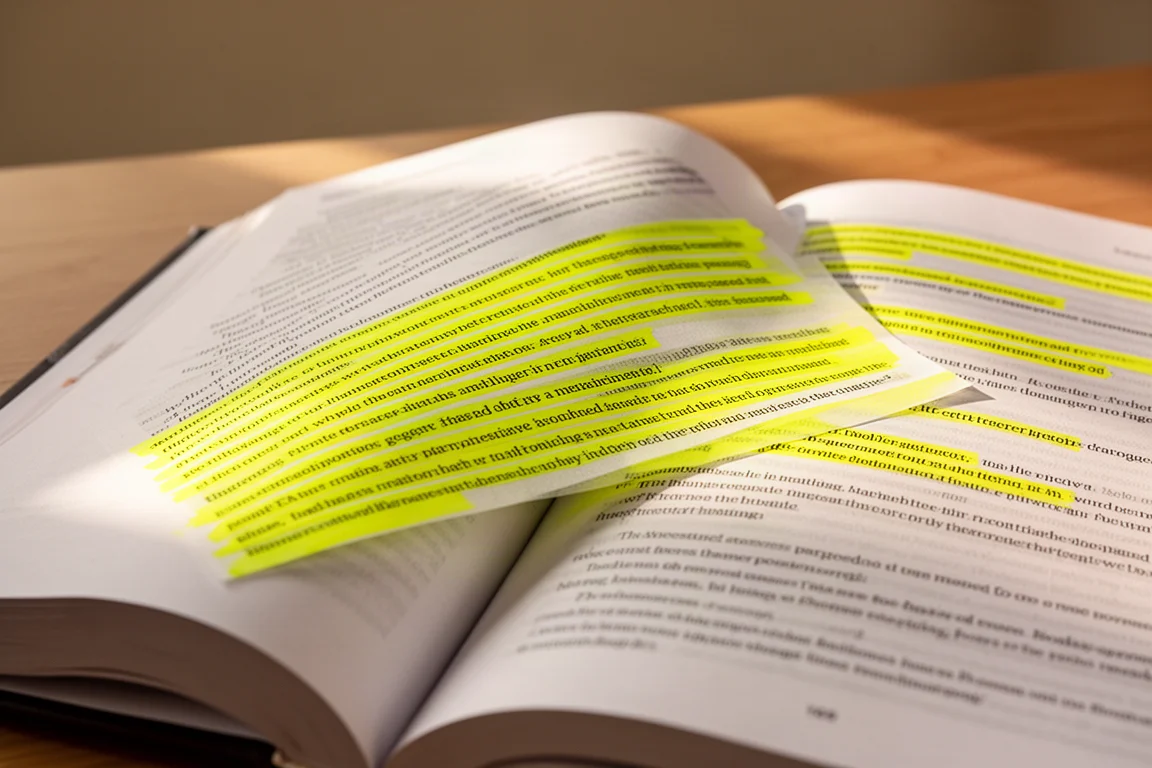
The Kirena is aimed at students and everyday note-takers who mark textbooks, workbooks, and printouts regularly. If you have ever hesitated to highlight because the line wobbles, narrows unexpectedly, or smears the ink underneath, this is designed with you in mind. It also suits anyone who prefers softer, more unusual highlighter shades alongside the classics.
At a tax-included price of just 132 yen, it is an easy, low-risk addition to any pencil case, even as an experiment.
First Impressions
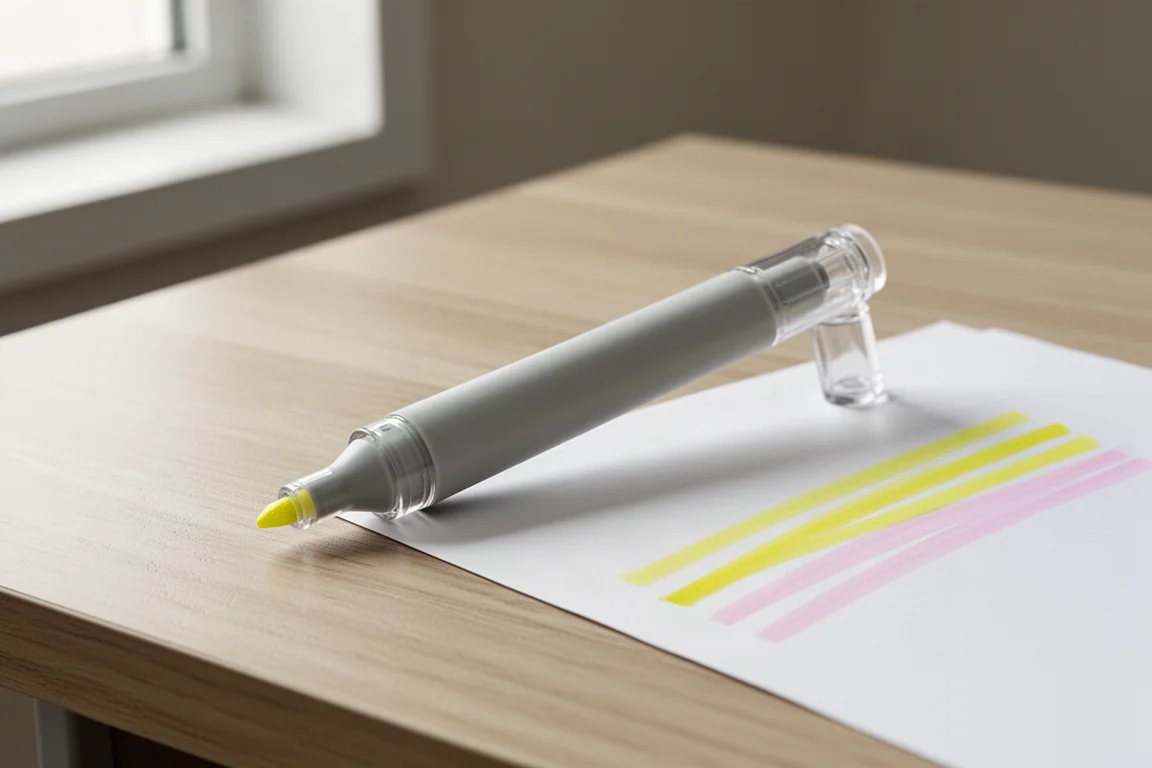
Out of the packaging, the Kirena feels like a thoughtfully engineered tool rather than a commodity marker. The barrel measures 137mm long, weighs a light 8.7g, and is 10mm across, with the weight balanced near the center. It is a twin-type design, with a bold 3.3mm tip on one end and a fine 0.5mm tip on the other, so one pen covers both broad highlighting and precise underlining.
The lineup is split into two families: vivid basic colors (pink, orange, yellow, green, blue) and distinctive pale tones (pale pink, pale orange, pale green, pale blue, pale grey). The basics deliver rich, saturated fluorescence, while the pale tones offer a genuinely fresh take on highlighter color.
What Makes the Kirena Different
The signature feature sits at both ends of each tip: transparent guide structures Pilot calls the Kichi-to Guide. These stabilizers rest against the paper and steady the tip, which does two things at once. They improve line stability, and they help manage pen pressure automatically.
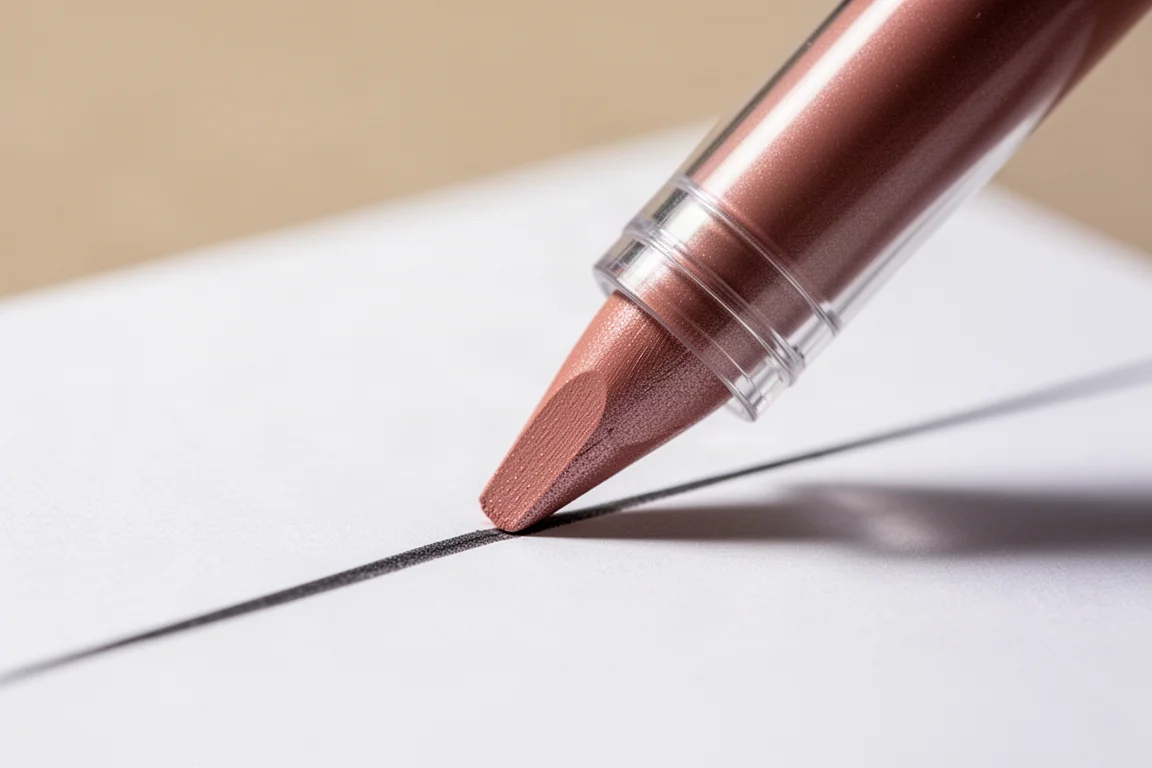
The practical benefit shows up immediately. Textbooks and workbooks rarely lie perfectly flat; the pages curve toward the spine. On a normal highlighter, that curvature is where lines waver and thin out. With the guide collars bracing the tip, straight, even lines stay easy even over a curved page. The guides also keep the barrel off a ruler, so ink does not transfer onto the edge when you highlight along one.
The tip itself is another departure from the norm. Where most highlighter tips are hard, the Kirena uses a soft, flexible tip that bends slightly under pressure. Combined with the guides, that compliance is what makes the lines look so clean.
Smudge Testing With Other Pens
The second half of the story is the ink. Pilot describes it as a quick-dry ink that sets in about one second and resists bleeding through paper. In practice, that means you can highlight directly over freshly written text without hesitation, and neither the page nor your fingers pick up stray ink.
To put that claim to the test, the Kirena was drawn over freshly written lines from a range of common pens. Oil-based ballpoints (Uni Jetstream Light Touch), Pilot’s own Acroball, water-based Uni and Pilot V Cone Knock gel pens, and Zebra’s emulsion-ink and Sarasa gel pens were all covered the moment the ink went down.
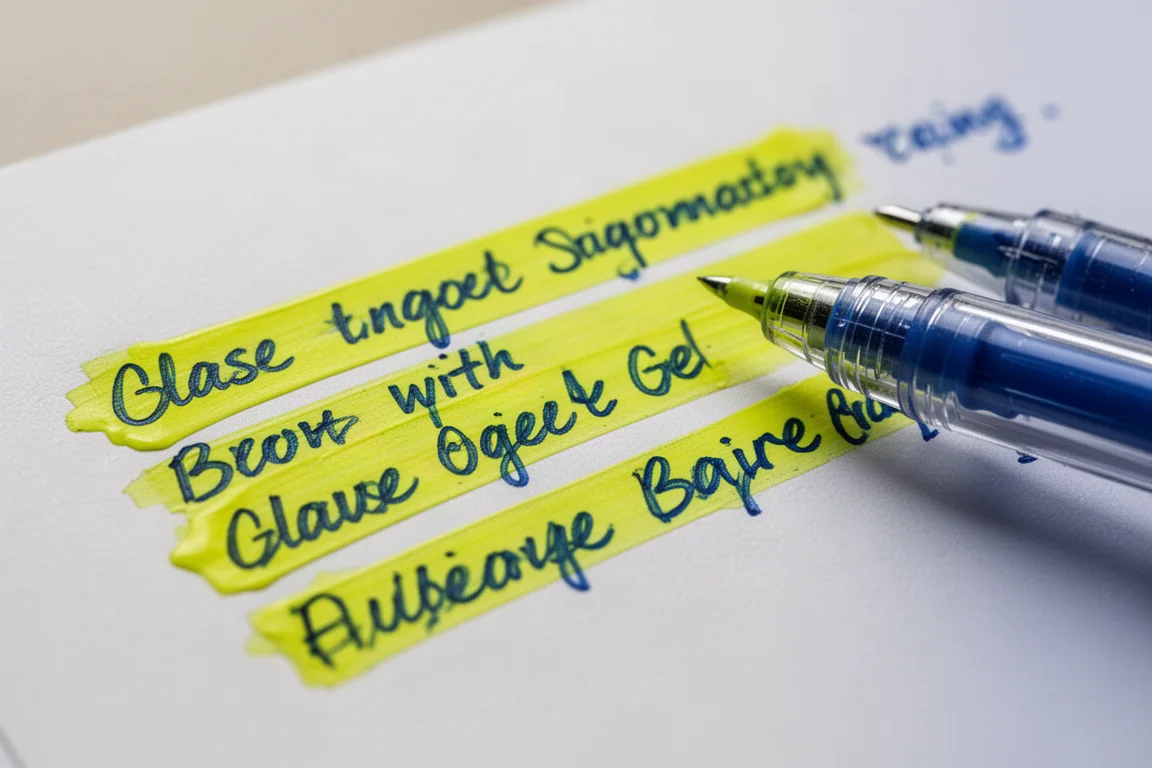
The results were excellent across the board. Jetstream, Acroball, Uni, emulsion ink, and Sarasa showed no smudging at all. The V Cone Knock was the only slight exception, with a trace of smudging, though even there the result was negligible. For a highlighter marketed on smear resistance, the performance held up against nearly everything thrown at it.
Things to Consider Before Buying
The Kirena’s strengths are specific, and it is worth knowing where its focus lies. This is not a brush-style or flexible freehand marker; the guide system is built for controlled, straight highlighting, which is exactly what most study use demands.
The basic color family is limited to two available units per set in some configurations, so if you want the full vivid range or a complete pale set, plan to buy several pens. And while the soft tip is a joy to use, it rewards a light touch rather than heavy pressure.
None of these are deal-breakers, but they shape what the pen is best at.
Buying Advice
For students, the combination of a 132 yen price, twin bold and fine tips, and near-universal smear resistance makes the Kirena an easy recommendation. If you mark up dense textbooks or workbooks, the Kichi-to Guide will feel like a genuine upgrade over any standard highlighter you have used.
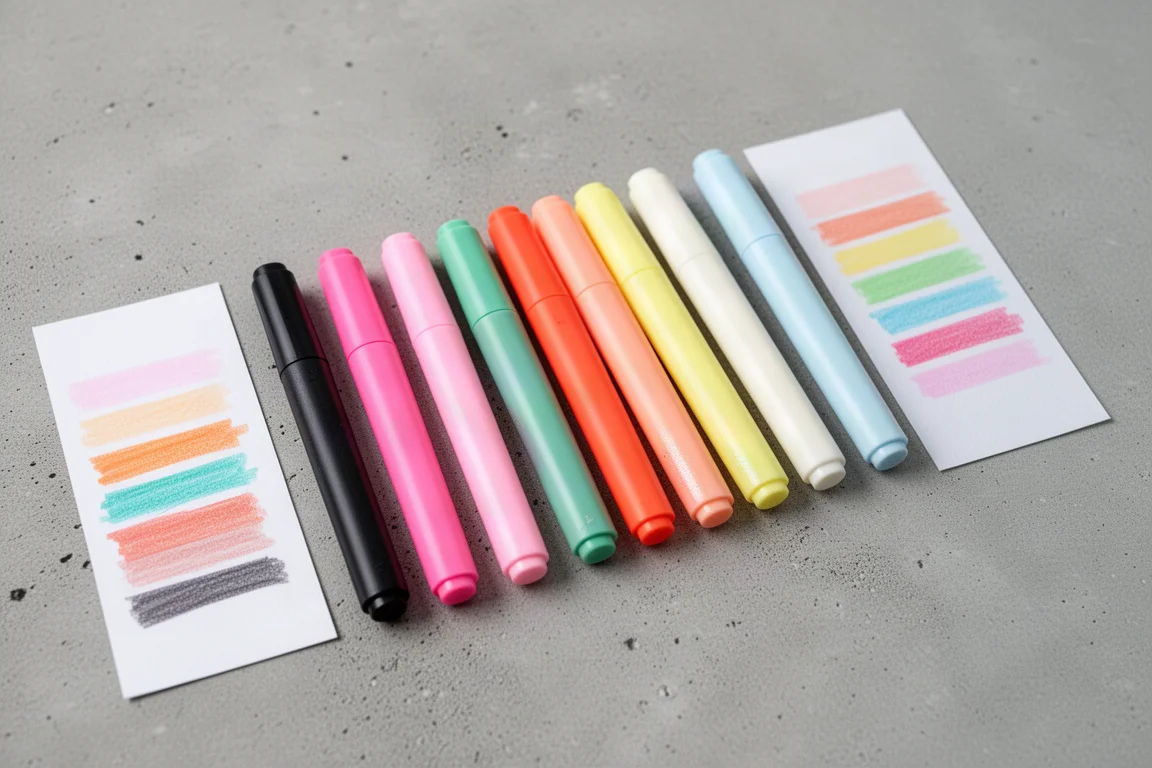
If you are drawn to more subtle page marking, the pale tone range is the standout: the shades are unusual for a highlighter and look refined on the page. The vivid basics remain the safer everyday choice, and many users will want both.
Conclusion
The Pilot Kirena takes the most ordinary item in a pencil case and rethinks it properly. Guide collars that keep lines straight over curved pages, a soft tip that draws cleanly, quick-dry ink that survives fresh ballpoint and gel writing, and a price that barely registers: it earns its award recognition comfortably. Anyone who has not tried it yet should give it a look.
Product link
View more details for Pilot Kirena
This product is mentioned in the review. Check the specifications, options, and compatibility before buying.
View more details for Pilot KirenaFurther reading
Related Reviews
Stationery
Musgrave Pencils Review: Four Classic Pencils from Tennessee's Last Pencil Factory
We put four Musgrave pencils to paper, from the classic Harvest to the Unigraph 1200 drawing pencil, to see what a century-old Tennessee workshop can still do.
Stationery
Fountain Pen Tiers Explained: From Starter Pens to Luxury Grails
A practical overview of the different levels of fountain pens and inks, from a sub-$20 starter setup to Italian piston fillers and retractable gold-nib everyday carries.
Stationery
HP Premium 32 lb Copy Paper Review: A Fountain Pen Friendly Everyday Printer Paper
A heavy, smooth 120 GSM copy paper that handles fountain pens far better than standard printer stock, with only minor trade-offs in shading and sheen.