Headphones
Philips SHP9500 vs HiFiMan Edition XS and HE400se: Open-Back Headphones at Three Prices
A practical comparison of the Philips SHP9500, HiFiMan Edition XS, and HiFiMan HE400se, covering build, comfort, sound signature, and what each one asks of your source gear.
Introduction
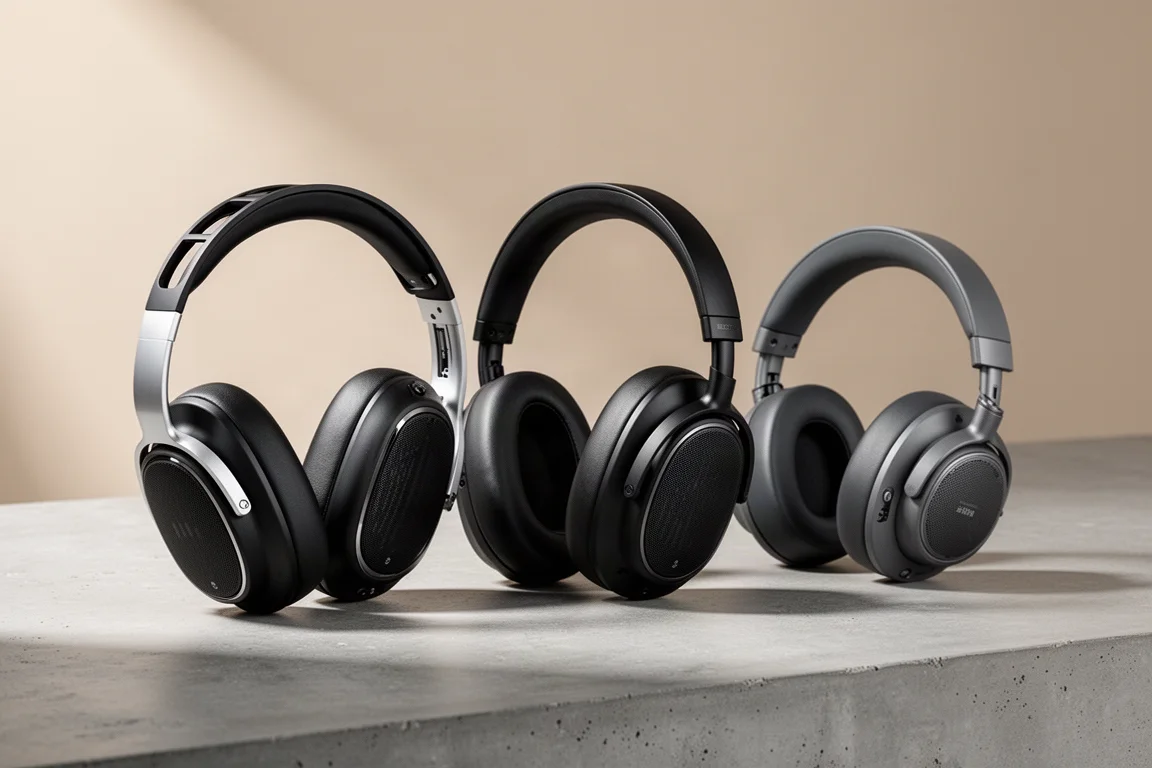
Open-back headphones rarely get compared across this wide a price gap, and that is exactly what makes this trio interesting. The Philips SHP9500 sits at roughly $75, the HiFiMan HE400se around $150, and the HiFiMan Edition XS near $500. Each one is a genuine open-back design, and each asks something different from the person wearing it.
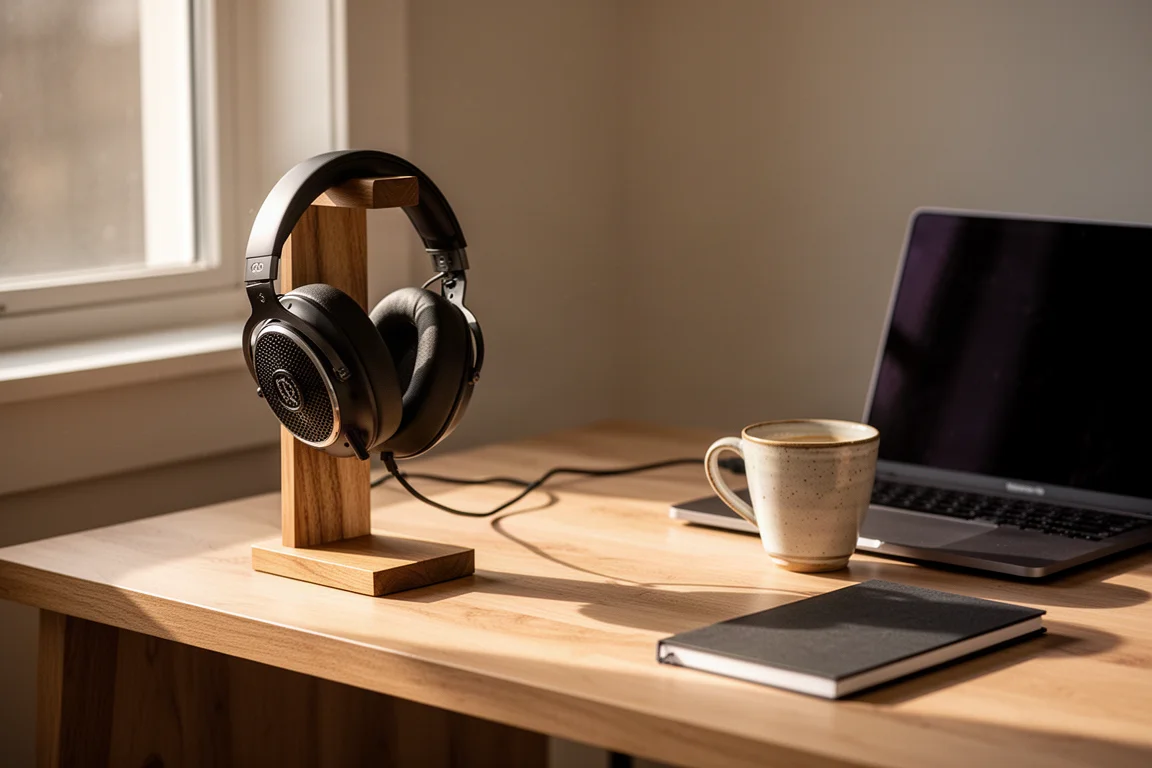
The goal here is simple: explain what each headphone does well, where it holds back, and what it demands from the rest of your setup. Price alone does not tell you which one belongs on your desk.
What Matters When Comparing Open-Back Headphones
Driver type is the first dividing line. The Philips SHP9500 uses a dynamic driver, while the Edition XS and the HE400se are planar magnetic designs. In this comparison, the planar drivers bring a more open, airy presentation and a larger sense of scale, but they also tend to be harder to drive.
Comfort is the second factor. The SHP9500 uses shallow ear pads, while the Edition XS offers noticeably deeper cups. Both approaches can work, and the difference shows up mostly over longer listening sessions.
The third factor is what the headphone asks of your source. A model that runs cleanly from a phone dongle is a very different purchase from one that needs an amplifier and a dedicated DAC before it shows what it can do.
Philips SHP9500: Build, Comfort, and Value
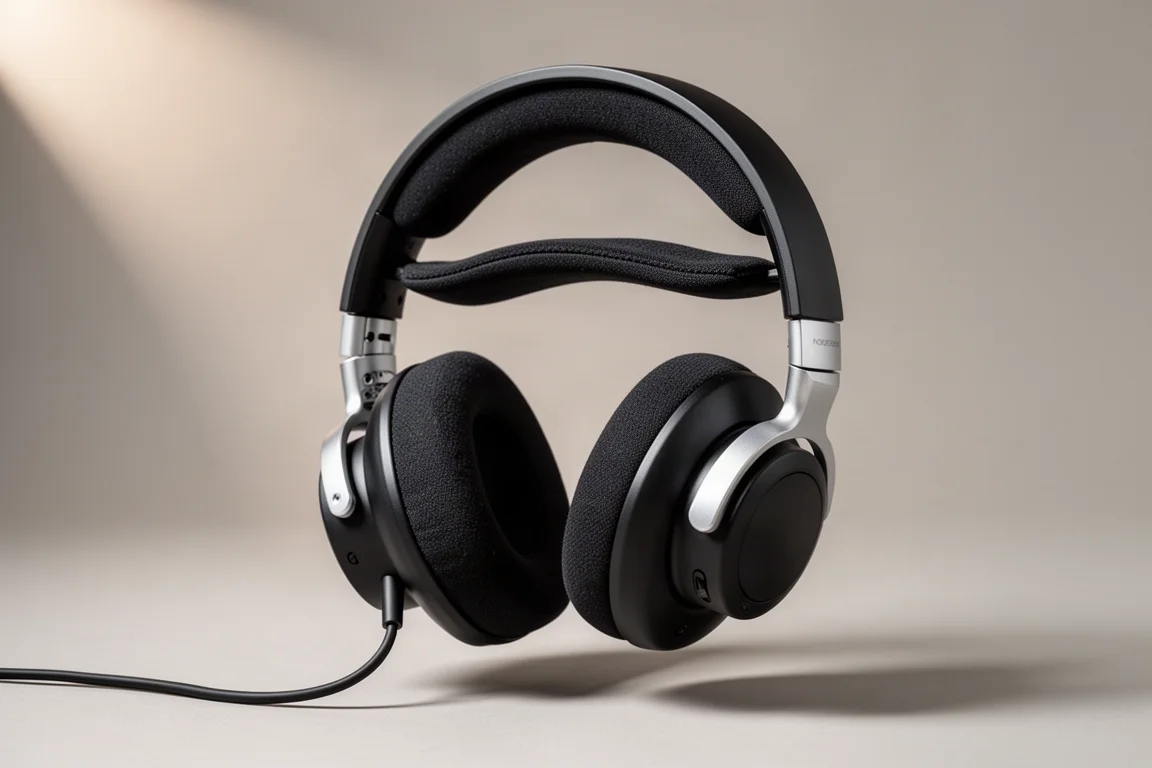
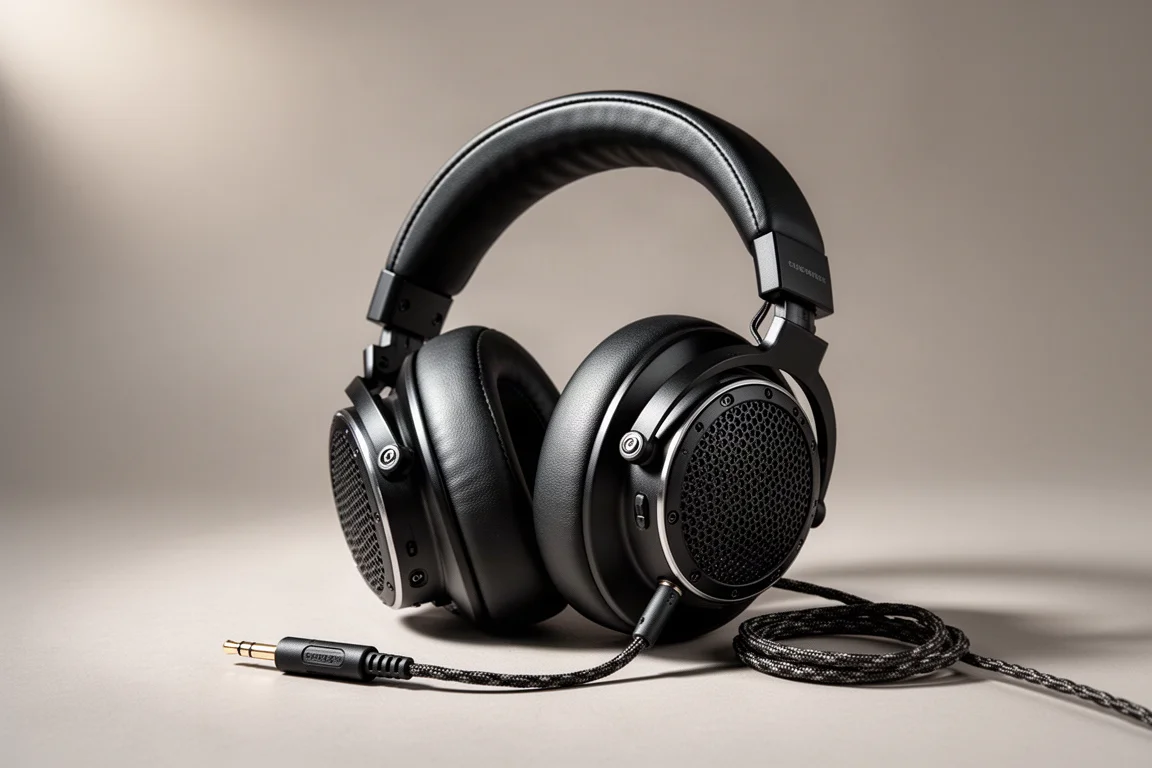
For a headphone at this price, the SHP9500 is built better than its price suggests. The sides are metal, the rest of the frame is plastic, and the ear cups rotate. Nothing about it feels fragile. The headband cushion sits underneath the main band with a little bit of give, so the band does not press directly against your head in one spot. It is a small detail that makes a difference over a long session.
The cable arrangement is another practical touch. There is a single 3.5 mm connection on the ear cup, so the included cable can be replaced with any 3.5 mm cable you prefer. The stock cable is long, roughly ten feet, which is generous for a desk or a couch setup, and easy enough to shorten with a tie if you want something tidier.
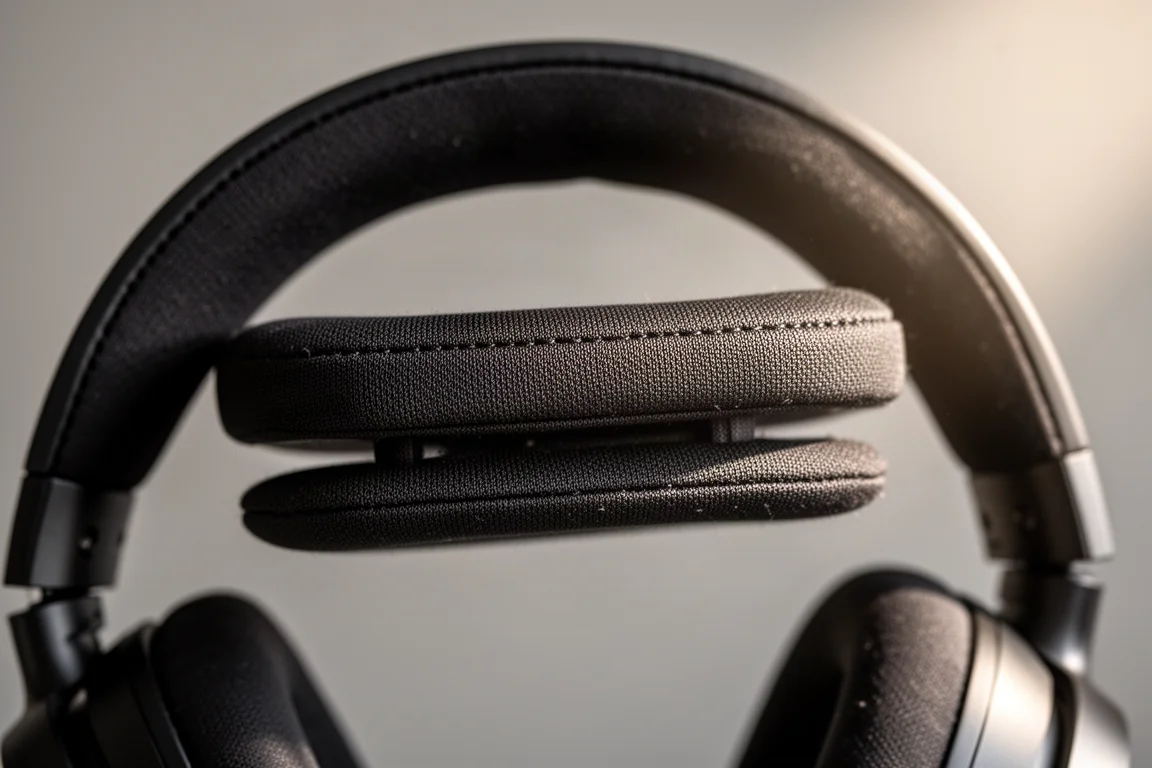
On comfort, the ear pads are shallow and your ear does come close to the driver. Even so, the contact spreads across more of the ear rather than pressing on a single point, and it stays comfortable in practice. Listeners who normally dislike their ear touching a driver tend to find this design more forgiving than the measurements suggest.
The sound is tuned with a clear U-shaped curve. Bass is lifted around 80 Hz, which gives drums a satisfying thump, though it does not extend as deep as the Edition XS. The midrange is slightly recessed and a little veiled next to a more revealing headphone, so vocals sit back rather than stepping forward. Perceived clarity leans toward the treble, and snare hits come through with extra bite. Sibilance is actually tamer here than on the Edition XS.
The one real limitation is the soundstage, which is narrow and closer to what you would expect from a closed-back design. That said, the SHP9500 is very easy to drive. A simple phone dongle or a low-cost adapter is enough to reach a comfortable listening level.
HiFiMan Edition XS: Planar Clarity at a Higher Price
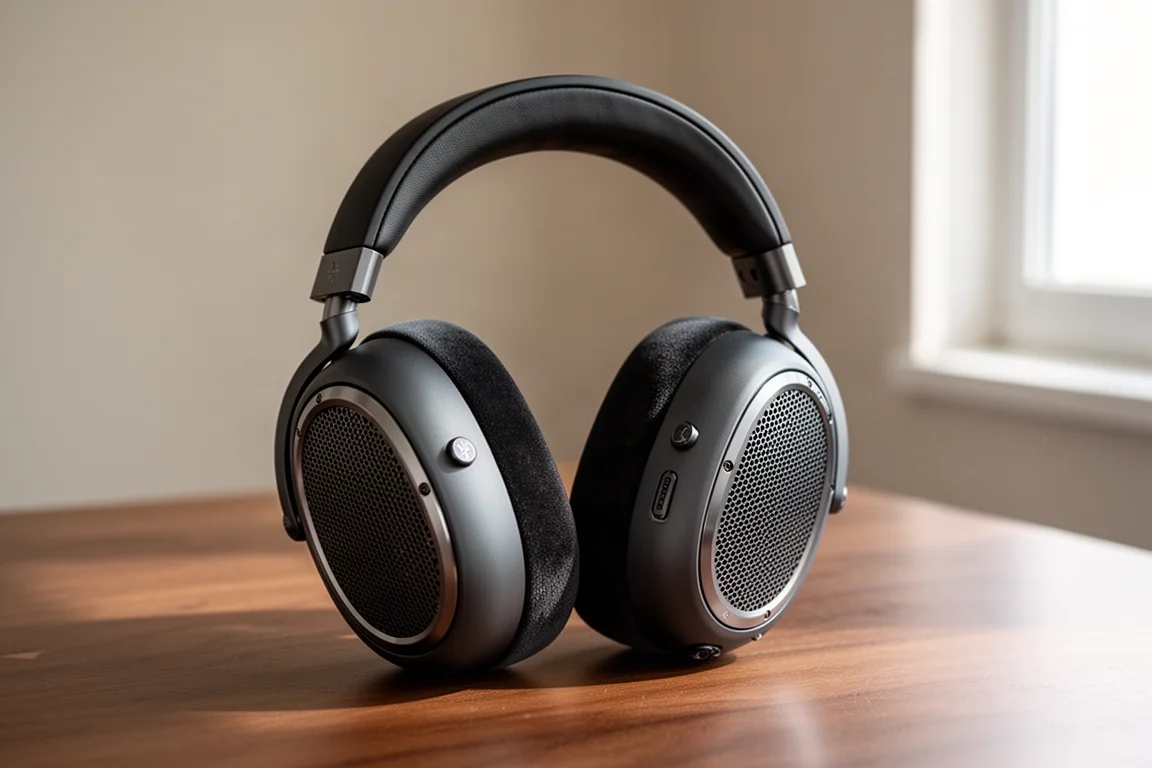
The Edition XS is the most revealing headphone of the three. Its planar magnetic drivers are considerably larger, and the result is more air around instruments, a larger sense of scale, and a wider stage overall. Bass stays more neutral while still extending lower than the SHP9500, and the midrange is more forward, which brings vocals and lead instruments closer to the listener.
Clarity is the headline. Small details in a recording, such as a bass pluck ringing out longer than expected, are easier to notice. The trade-off is a slightly brighter treble that can sound more sibilant than the Philips, and a more demanding load. The Edition XS needs more volume to reach the same level, which means it benefits from a capable source rather than a phone dongle.
Comfort is helped by deeper ear cups, and the open design makes its presence felt: the sense of space is obvious even when you are not actively listening for it. At roughly $500, it is several times the price of the SHP9500, and whether that step is worth it depends on how much you value clarity and scale over easy, inexpensive listening.
HiFiMan HE400se: Affordable Planar, Higher System Cost
The HE400se is the natural next step up from the SHP9500 if you want planar magnetic sound without jumping to the Edition XS. At around $150, it sits in the middle of this group, and it keeps the open-back character that makes planar designs appealing.
The catch is the rest of the chain. The HE400se is harder to drive and genuinely benefits from an amplifier, which adds at least around $100, and ideally an external DAC as well, which can add roughly $200 more if you do not already own one. Budget for that and the HE400se makes sense. Skip it and you will not hear what the headphone can do.
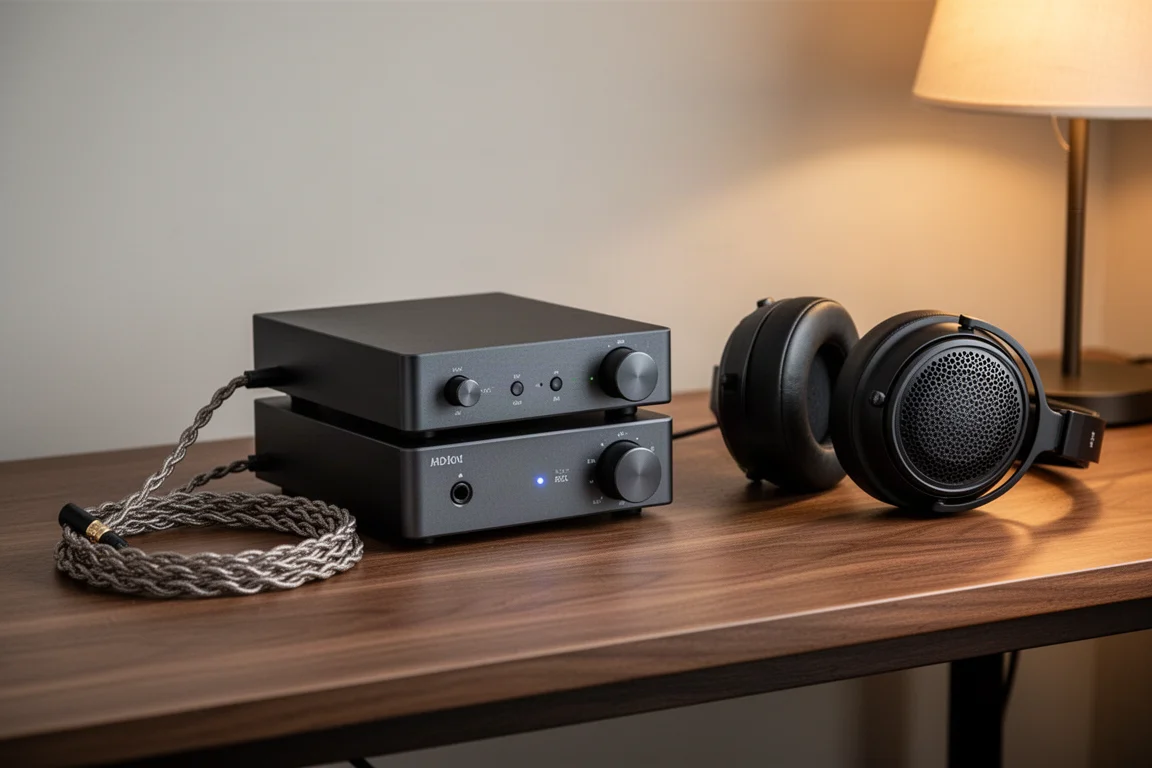
For listeners who already own a desktop amplifier and DAC, the HE400se is an easy recommendation at its price. For anyone starting from a phone or a laptop headphone jack, the total cost is meaningfully higher than the sticker price suggests.
Drive Requirements and Total System Cost
This is the part of the comparison that price tags hide. The SHP9500 is the least demanding of the three. It reaches a comfortable volume from a simple dongle or an inexpensive adapter, so the $75 outlay can genuinely be the whole cost.
The Edition XS needs more headroom and rewards a better source, but it does not require a separate amplifier in the way the HE400se does. The HE400se is the one that most clearly expects an amplifier and a DAC to perform at its best. Working out which of those three situations matches your desk is more useful than comparing specifications alone.
Buying Advice: Which Headphone Fits Your Setup
If your priority is the lowest total cost and a genuinely enjoyable first open-back headphone, the Philips SHP9500 is the straightforward choice. Its U-shaped tuning is fun rather than flat, it is built well for the money, and it does not ask you to buy anything else.
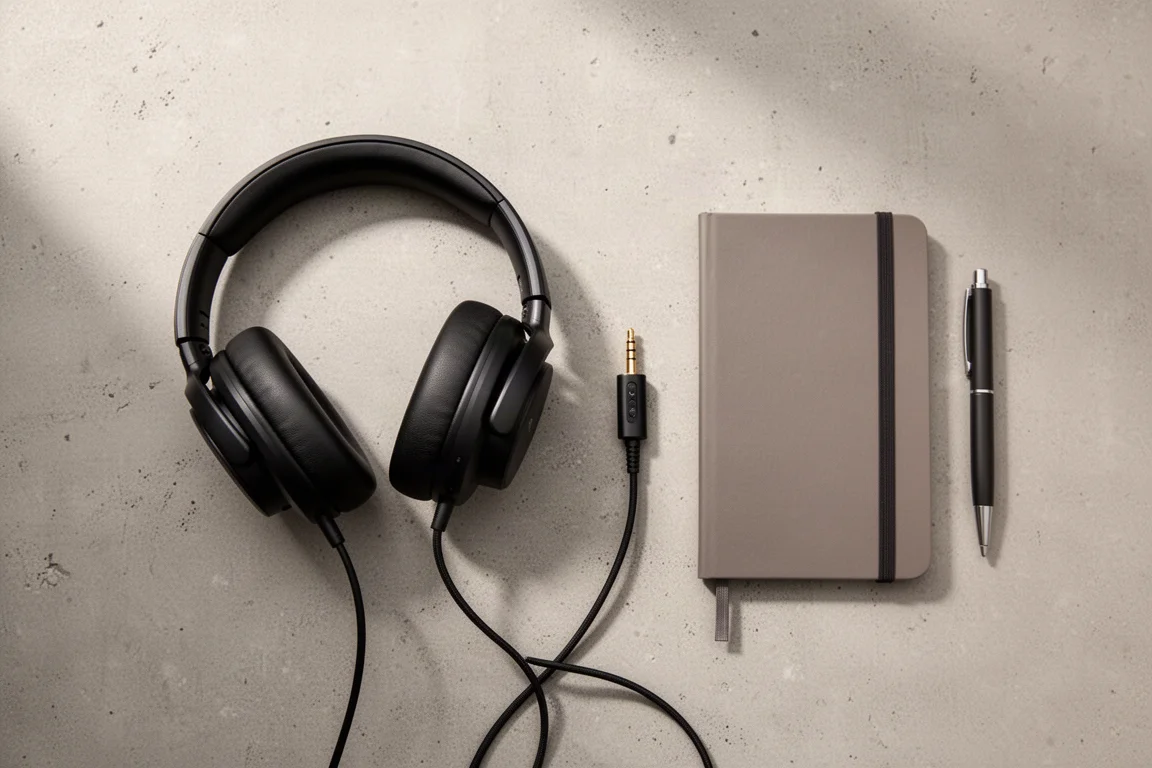
If clarity, air, and a larger sense of scale matter more than budget, the HiFiMan Edition XS delivers the most detail of the three, provided you accept the higher price and a source that can drive it properly.
If you want planar magnetic sound at a lower entry price and you already own, or plan to buy, an amplifier and a DAC, the HiFiMan HE400se is the middle path.
None of these three is a mistake. They simply suit different setups and different budgets.
Conclusion
The Philips SHP9500 remains an excellent value at around $75: comfortable, well built for its price, easy to drive, and tuned for enjoyment rather than analysis. The HiFiMan Edition XS is the most revealing of the group and the clearest step up in sound quality, at several times the price. The HiFiMan HE400se sits between them, offering planar character at a moderate price with the added cost of proper amplification.
Match the headphone to the gear you already own, and any of the three will serve you well.
Further reading
Related Reviews
Headphones
Apos Audio Caspian Review: Warm Bass, Solid Build, and a Detail Trade-Off
The Apos Audio Caspian is an easy-to-drive open-back headphone with standout bass and a warm, relaxed tuning, though mid-range and treble detail trail the competition.
Headphones
Audeze LCD-X vs LCD-XC vs LCD-3: Which High-End Headphone Fits Your Setup
A practical comparison of three Audeze planar magnetic headphones under $2,000, covering the open-back LCD-X, the closed-back LCD-XC, and the wood-ringed LCD-3.
Headphones
Audeze LCD-X vs HiFiMan Edition XS: Two Open-Back Headphones Compared
A practical comparison of the Audeze LCD-X and the HiFiMan Edition XS, covering build quality, comfort, sound signature, and which listener each one suits.