Headphones
Philips Bone Conduction Sports Headphones: A Long-Term Review for Runners
After extended testing alongside the Shokz OpenRun Pro, these bone conduction headphones stand out with a more powerful bass mode and a handy running light feature.
Introduction
Bone conduction headphones have long been the go-to choice for runners who want to stay aware of traffic and their surroundings. The common complaint, though, has always been the same: they can feel underwhelming in terms of power and bass. The Philips Bone Conduction Sports Headphones aim to change that perception.
These headphones have been through long-term testing, worn alternately with other true wireless pairs and compared directly against Shokz models. The central question was durability: would they hold up over months of running, rain, and sweat? After extended use, they are still in regular rotation, which says a lot on its own.
Design, Fit and Controls
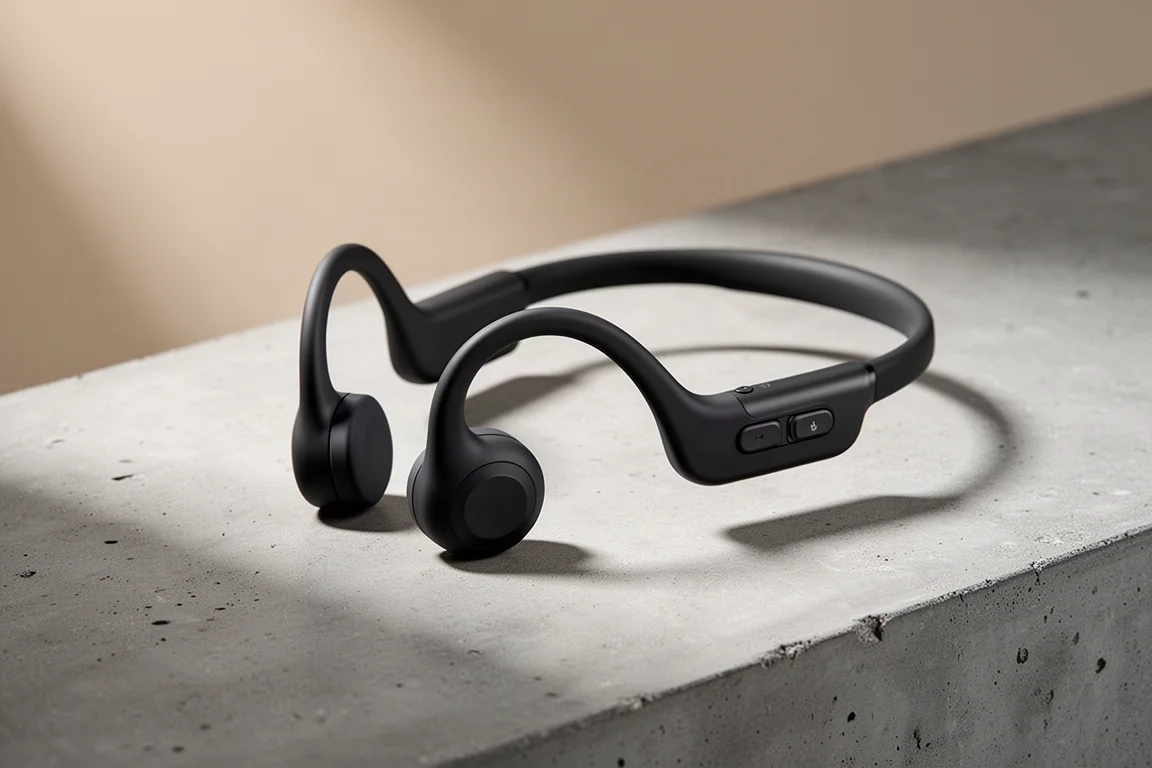
Philips has gone with the standard headband-style look that dominates bone conduction headphones right now, though the arms up top do appear slightly bulkier than some rivals. In practice, they feel nice and light, and they stay put whether worn with or without a hat on runs.
The fit has been solid throughout long-term use, with no comfort issues to report. The IP67 rating covers water, dust, and sweat resistance, and several runs in the rain have caused no problems. Durability has held up well: months of switching between these and other headphones has left them working without major issues.

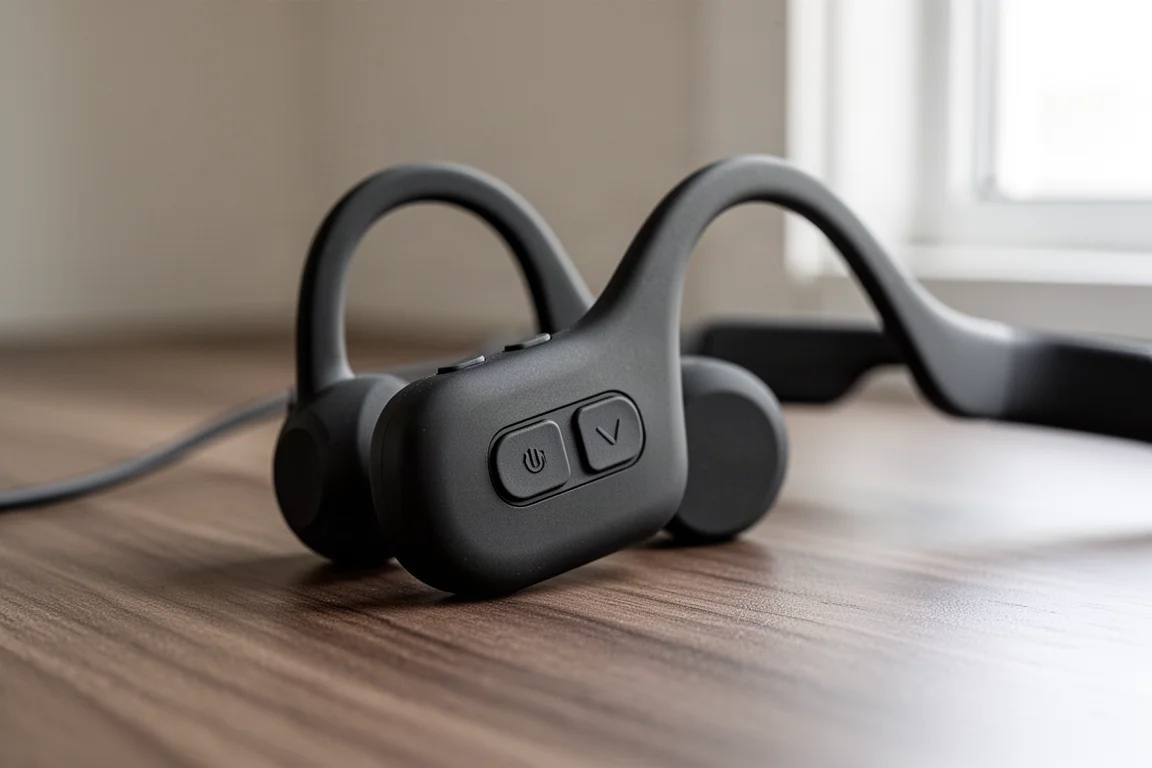
Controls are physical, similar in spirit to what Shokz offers. There is a multi-function button for play, pause, and answering calls, plus a microphone for handling calls. Physical volume buttons can be held down to skip tracks, though that gesture is a little tricky to pull off mid-run, and the buttons sit quite close together. These are minor niggles; overall the controls work reliably for volume, playback, and calls.
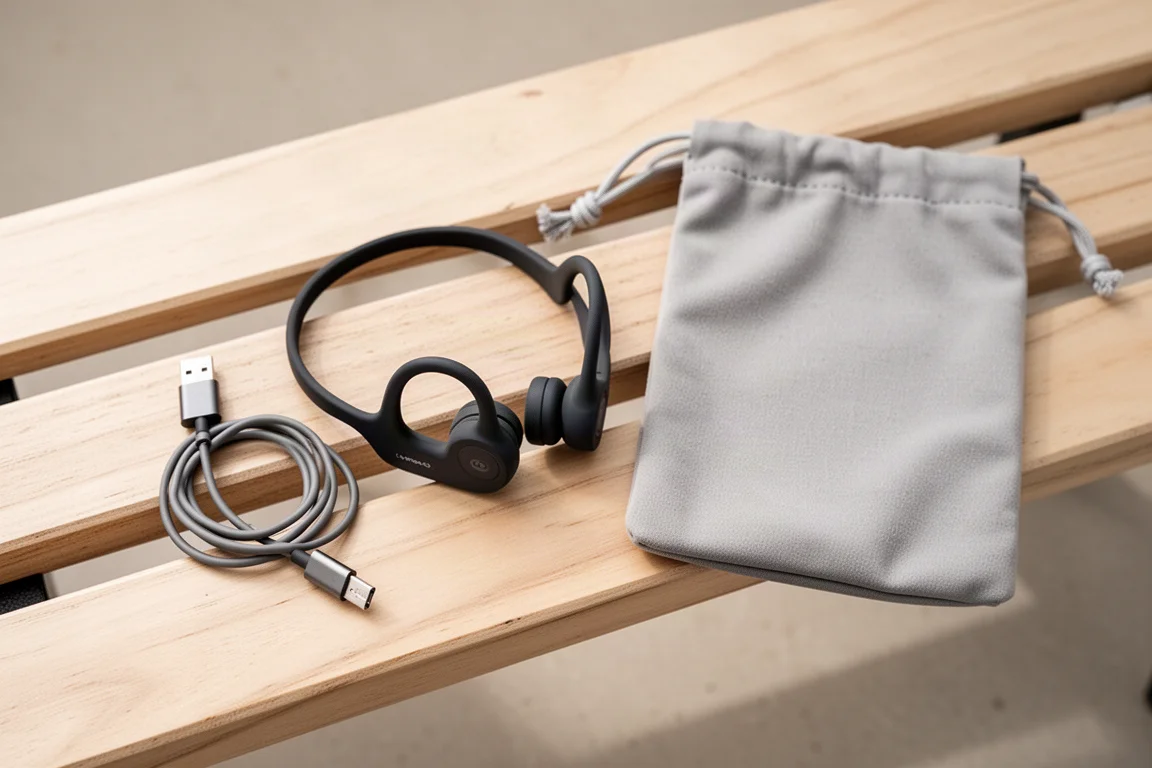
In the box, Philips keeps things simple: a reasonably long USB-C charging cable and a soft carry pouch. The pouch may not be essential for everyone, but it is there if you want it.
Sound Performance: The Main Event
Sound is where these headphones genuinely stand apart from other bone conduction pairs. A companion app, available on Android and iOS, lets you switch between two audio modes: a vocal mode that emphasises voice clarity for podcasts and audiobooks, and a bass mode that adds noticeably more power and warmth for upbeat music.
That bass mode delivers what is arguably the most powerful sound available in bone conduction headphones. At high volumes there is a little more vibration from the transducers, but it never becomes uncomfortable. The vocal mode, meanwhile, keeps the clear, voice-forward profile familiar from Shokz and similar pairs, balancing awareness with enjoyable audio.
One caveat on the app: early testing on Android worked smoothly, but a later app update introduced issues accessing the mode-switching features, which appears to affect Philips headphones more broadly. The iOS app has been flawless throughout.
Battery Life and Charging
Battery numbers depend heavily on which mode you use. In vocal mode, you get around nine hours of music time or eight hours of talk time. Switch to the more demanding bass mode and that drops significantly: an hour of running with bass mode active consumed roughly 20 percent of the battery, which works out to about five hours of playback.
Five hours is still enough to cover a longish marathon, so the trade-off is manageable. USB-C charging through a protected compartment keeps things convenient, and quick charge adds about an hour of playback from a 15-minute charge, enough to get you out for a run on short notice.
Philips vs Shokz: How They Compare
The obvious comparison is the Shokz OpenRun Pro, given where the pricing sits. The Shokz pair is a touch lighter and slimmer, and its sound is somewhat more balanced overall, even if it lacks the punchy bass these Philips headphones deliver. Both offer strong durability credentials.
If you want to spend a little less than the Shokz OpenRun Pro and prioritise a bigger, more powerful sound with enough battery for around five hours of bass mode listening, the Philips pair is a compelling option. If you prefer the slimmest possible design and a more balanced sound signature, Shokz remains the safer pick.
Verdict: Who Should Buy These
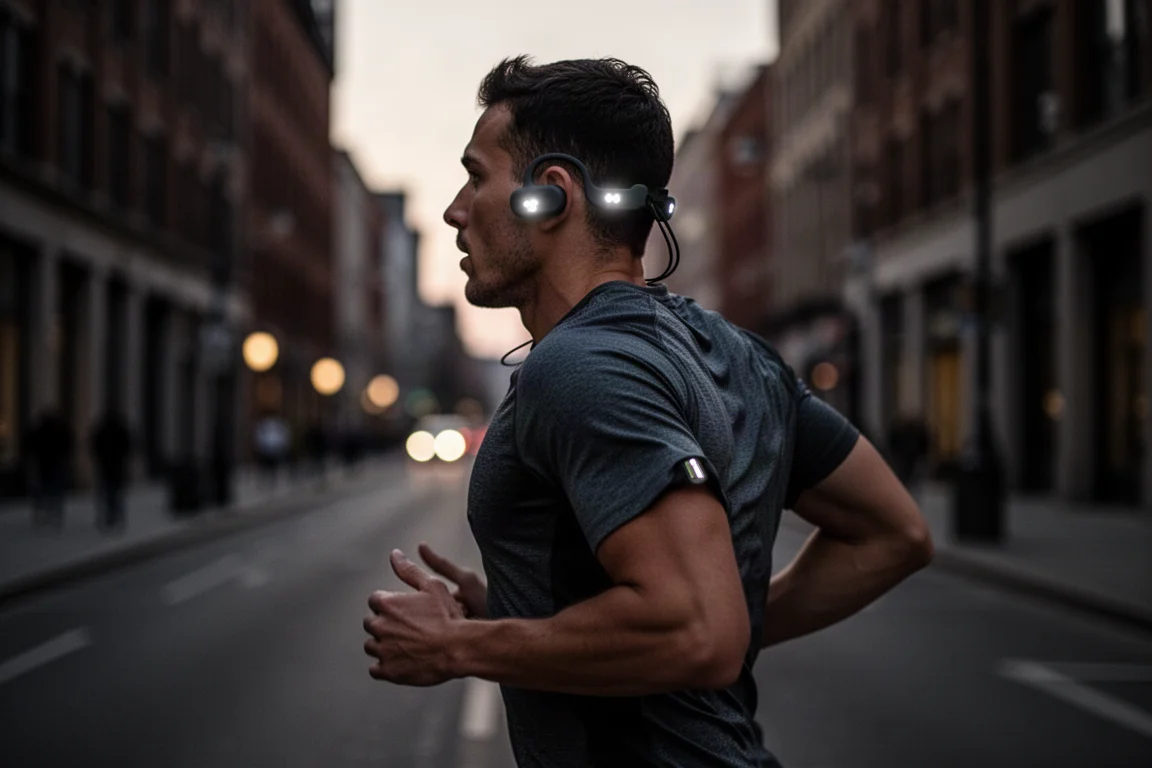
After long-term testing, the Philips Bone Conduction Sports Headphones sit comfortably alongside Shokz in terms of fit and controls, and they go further in the sound department with genuinely more powerful audio and two switchable listening modes. The LED running lights are a bonus feature that adds real visibility on darker runs, controlled easily through the app.
The clearest endorsement is simple: these headphones are still in regular use, often chosen over Shokz precisely because of that extra sound quality. For runners who want open-ear awareness without sacrificing bass and power, they are well worth considering.
Conclusion
The Philips Bone Conduction Sports Headphones prove that bone conduction audio does not have to sound thin. Strong fit, dependable controls, an IP67 rating, quick charging, and a unique running light feature make them a serious alternative to the Shokz OpenRun Pro, especially for listeners who value a fuller, more powerful sound on the move.
Product link
View more details for Philips Bone Conduction Sports Headphones
This product is mentioned in the review. Check the specifications, options, and compatibility before buying.
View more details for Philips Bone Conduction Sports HeadphonesFurther reading
Related Reviews
Headphones
Apos Audio Caspian Review: Warm Bass, Solid Build, and a Detail Trade-Off
The Apos Audio Caspian is an easy-to-drive open-back headphone with standout bass and a warm, relaxed tuning, though mid-range and treble detail trail the competition.
Headphones
Audeze LCD-X vs LCD-XC vs LCD-3: Which High-End Headphone Fits Your Setup
A practical comparison of three Audeze planar magnetic headphones under $2,000, covering the open-back LCD-X, the closed-back LCD-XC, and the wood-ringed LCD-3.
Headphones
Audeze LCD-X vs HiFiMan Edition XS: Two Open-Back Headphones Compared
A practical comparison of the Audeze LCD-X and the HiFiMan Edition XS, covering build quality, comfort, sound signature, and which listener each one suits.