Cycling Nutrition
Petrol Station Nutrition for Cyclists: What to Buy When You Bonk
A practical guide to petrol station snacks that actually help cyclists refuel mid-ride, from cola and gummy sweets to chocolate bars and a surprising sodium champion.
Introduction
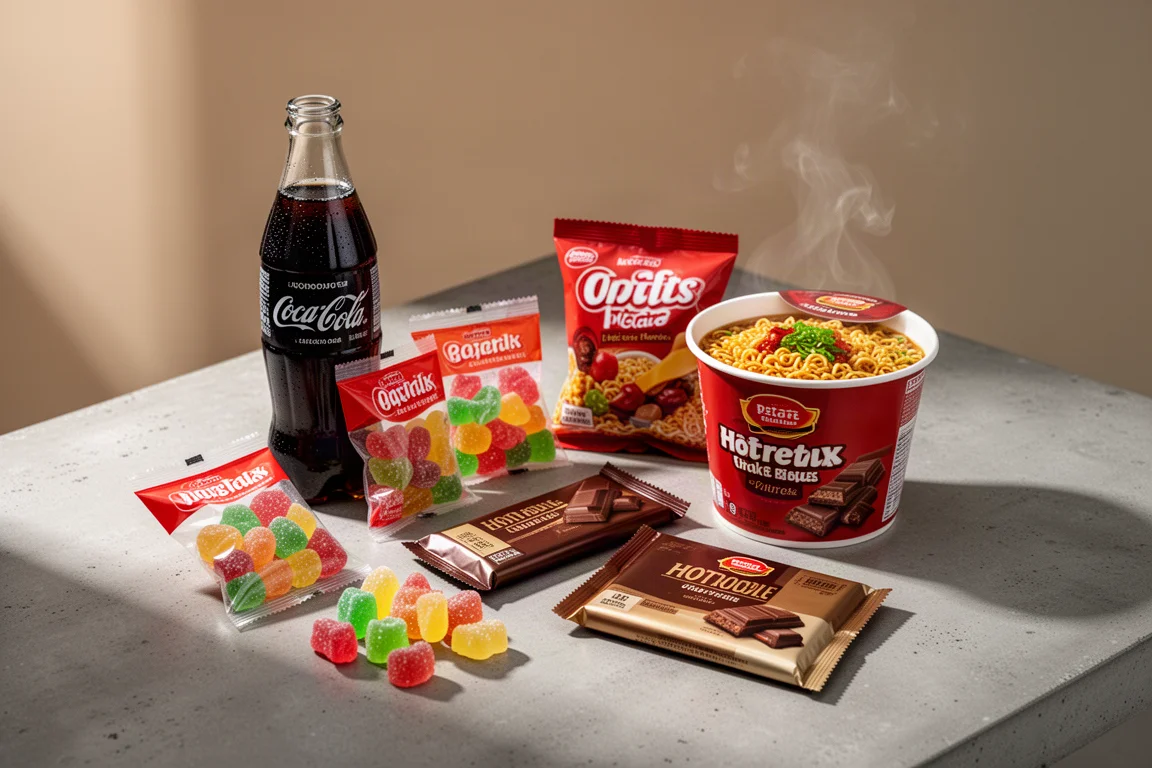
When a long ride goes wrong and the energy runs out, a petrol station stops looking like a quick convenience and starts looking like a lifeline. The lights are on, the doors are open, and there is food on every shelf. The tricky part is knowing what to grab. A well-chosen combination of carbohydrates, fluids, and salt can get a rider moving again within about ten minutes. A poorly chosen pile of the wrong snacks can leave you feeling heavier and worse.
This guide walks through the practical options most petrol stations carry and explains what each one actually does for a tired rider, based on advice from a sports nutrition specialist.
What Cyclists Actually Need at the Petrol Station
Before buying anything, take a moment to work out what the body is asking for. Cravings for sweets and chocolate usually point towards a need for carbohydrates. Feeling parched, or starting to cramp, points towards hydration and sodium. Figuring that out first is the single most useful step, and it beats grabbing whatever looks most appealing.
The next question is how far is left to ride. If the ride is almost over, eating whatever looks good on the spot is fine. If two or three hours remain, the priority shifts to items that are durable and easy to carry in a jersey pocket.
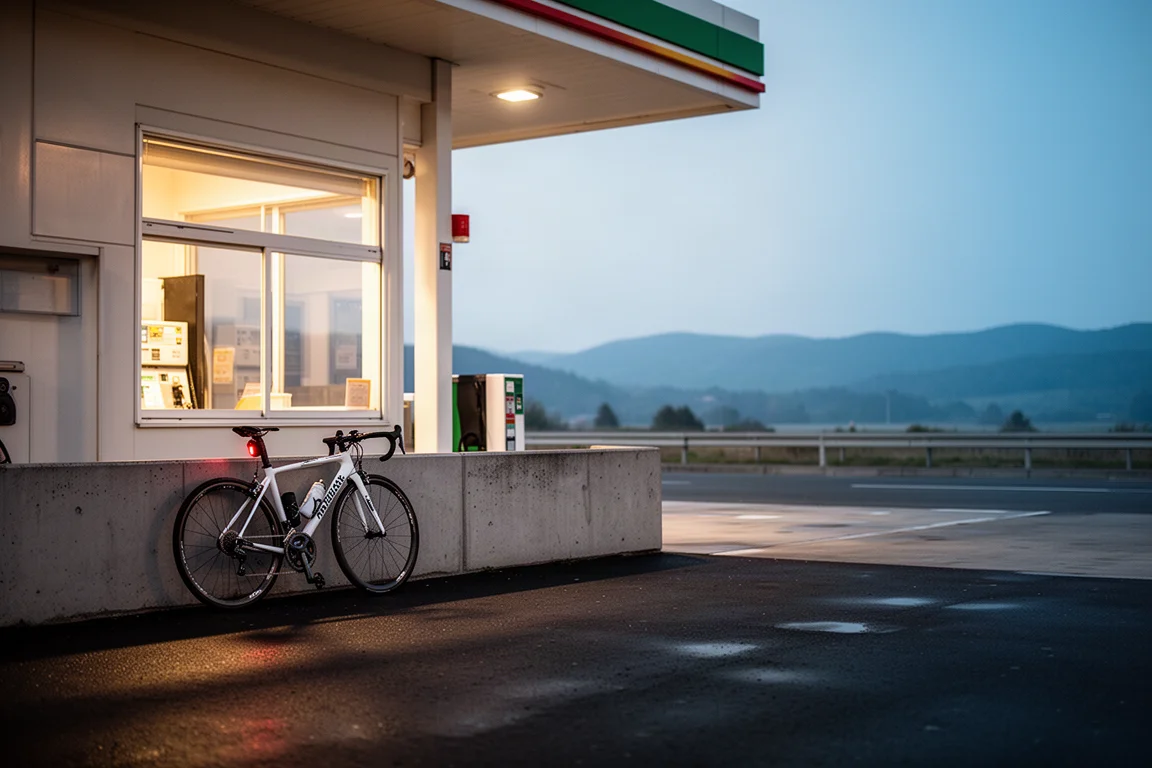
From there, look for products that deliver three things: carbs for energy, fluid for hydration, and sodium to replace what sweat takes out. Petrol stations that stay open around the clock almost always have something that fits into each of those buckets.
Coca-Cola: Fast Liquid Carbohydrates
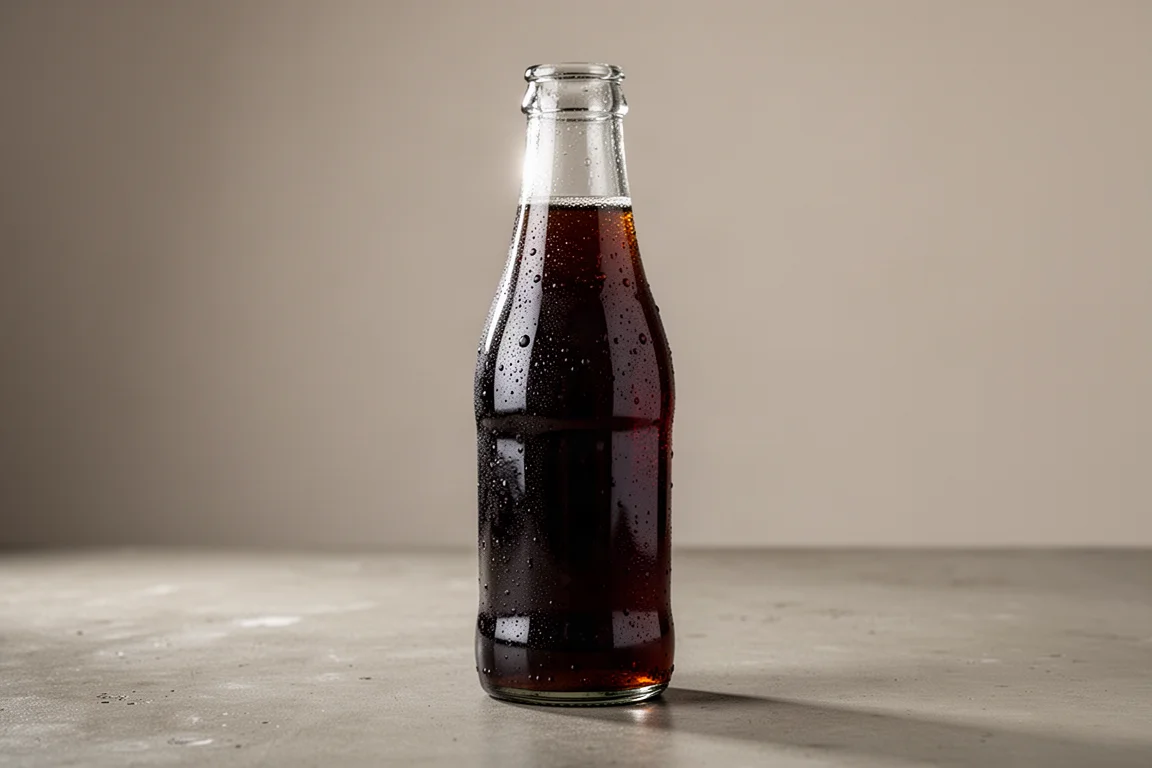
Coca-Cola is one of the fastest energy hits available at a petrol station, because it is mostly sugar. It also carries a small amount of caffeine and provides fluid in the same bottle. Coke is roughly a 10 to 11 percent carbohydrate solution, which is about twice the strength of a standard sports drink. That means more energy per sip, arriving in the bloodstream quickly and often noticeable within about ten minutes.
The trade-offs are worth knowing. The fizz can make a rider feel bloated, and a syrupy drink does not hydrate as well as a properly mixed one. A useful trick when bottles allow it is to split the Coke half and half with water. Caffeine content also catches people out: a full bottle contains less than half the caffeine of a typical caffeine gel, so it is a small lift rather than a serious hit.
Haribo: Pocket-Friendly Carbohydrates
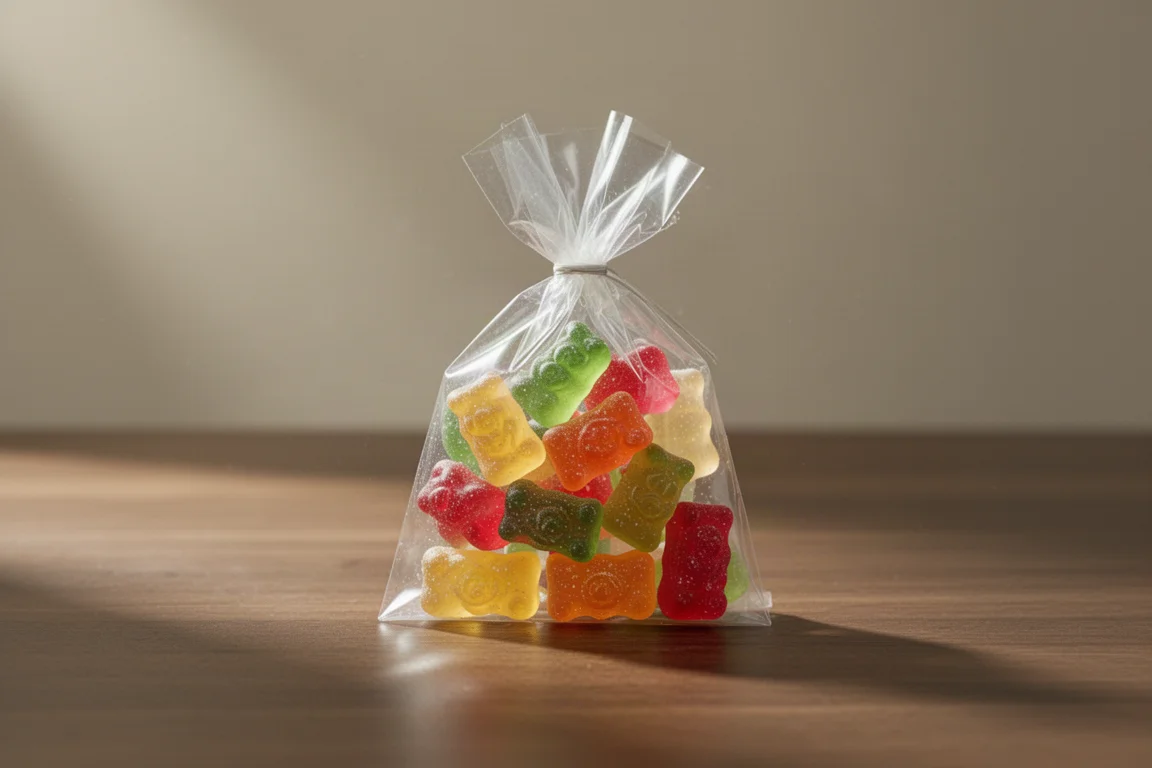
Bags of Haribo and jelly babies have been rescuing riders for years. Around five to seven pieces add up to roughly 30 grams of carbohydrates, which is close to a single energy gel. A full bag usually contains 120 to 130 grams of carbs, enough to cover two hours of riding at around 60 grams per hour.
Their real strength is durability. The packaging is waterproof, they survive being stuffed into a jersey pocket, and they can be nibbled while moving. That makes them a strong substitute for gels on longer stretches of the ride.
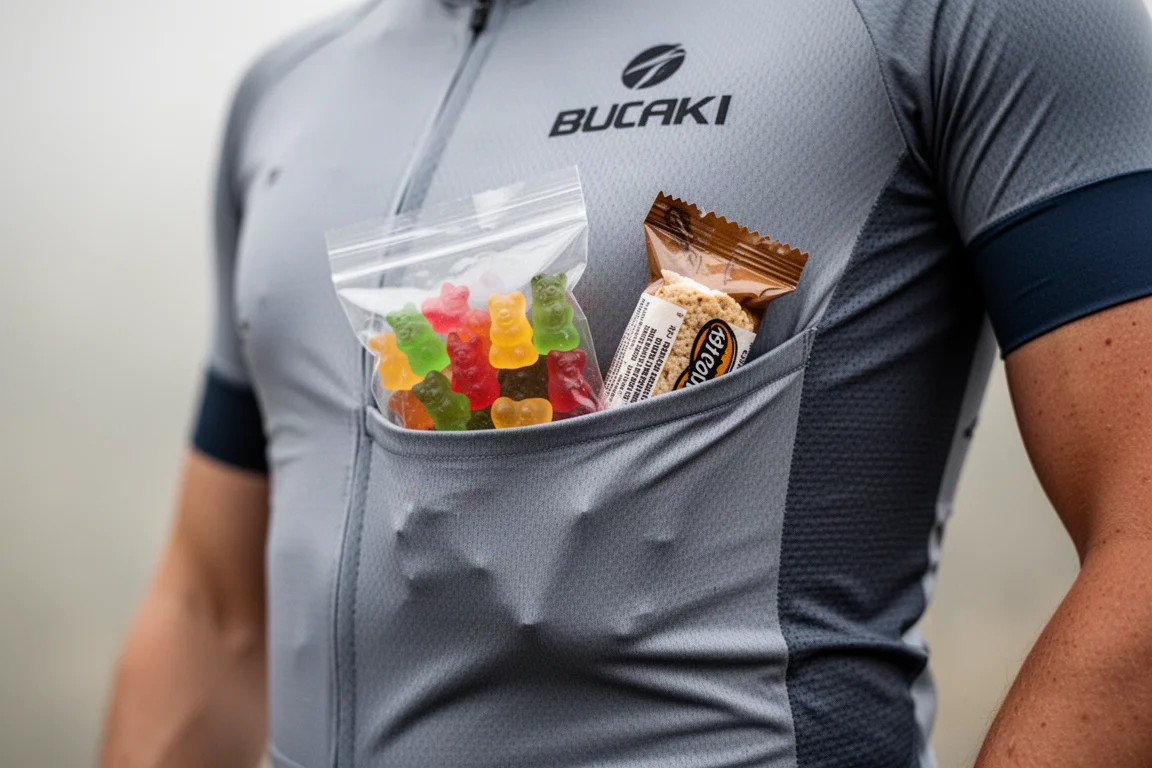
On top of the carrying convenience, the small pieces make it easy to pace intake rather than take a full gel in one go. If the ride is nearly done and morale needs a lift, mixing them with a chocolate bar is a reasonable call. For sustained pace over several hours, gummies tend to be easier to keep eating than heavier snacks.
Chocolate Bars: Mars, Snickers, and Boost
Chocolate bars sit in a strange spot in ride nutrition. They taste great, they lift morale, and the carbohydrate content of a Mars, Snickers, or Boost bar is roughly comparable to a large energy gel. The issue is not the carbs on paper. It is how they behave once you start relying on them.
Mars Bar
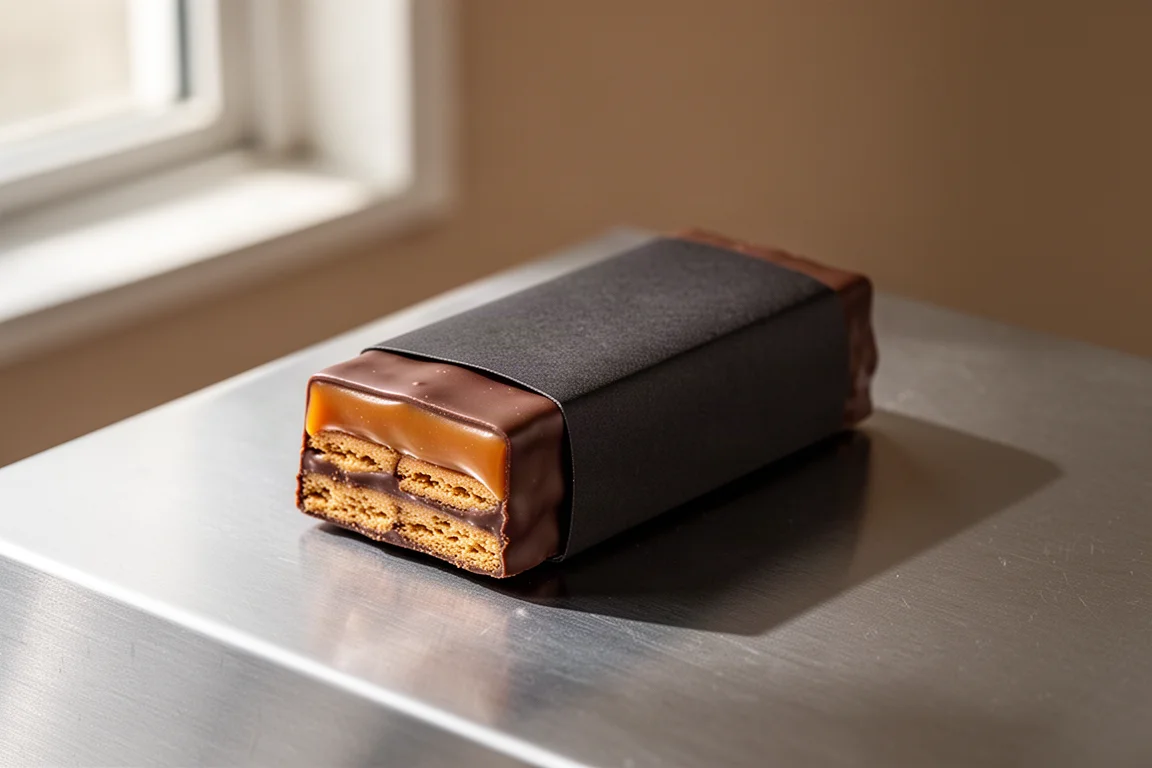
A Mars Bar is a quick morale boost and a decent dose of carbs for the moment. The problem is fat content. Eating one is fine. Eating two or three within an hour slows digestion and can leave a rider feeling queasy as the ride continues.

Snickers
Snickers behaves much like a Mars Bar in this context, with similar energy density and the same high-fat caveat. It works as a single-purchase pick-me-up when the ride needs a mental reset, but it is less suited to sustained fuelling over a long stretch.
Boost Bar
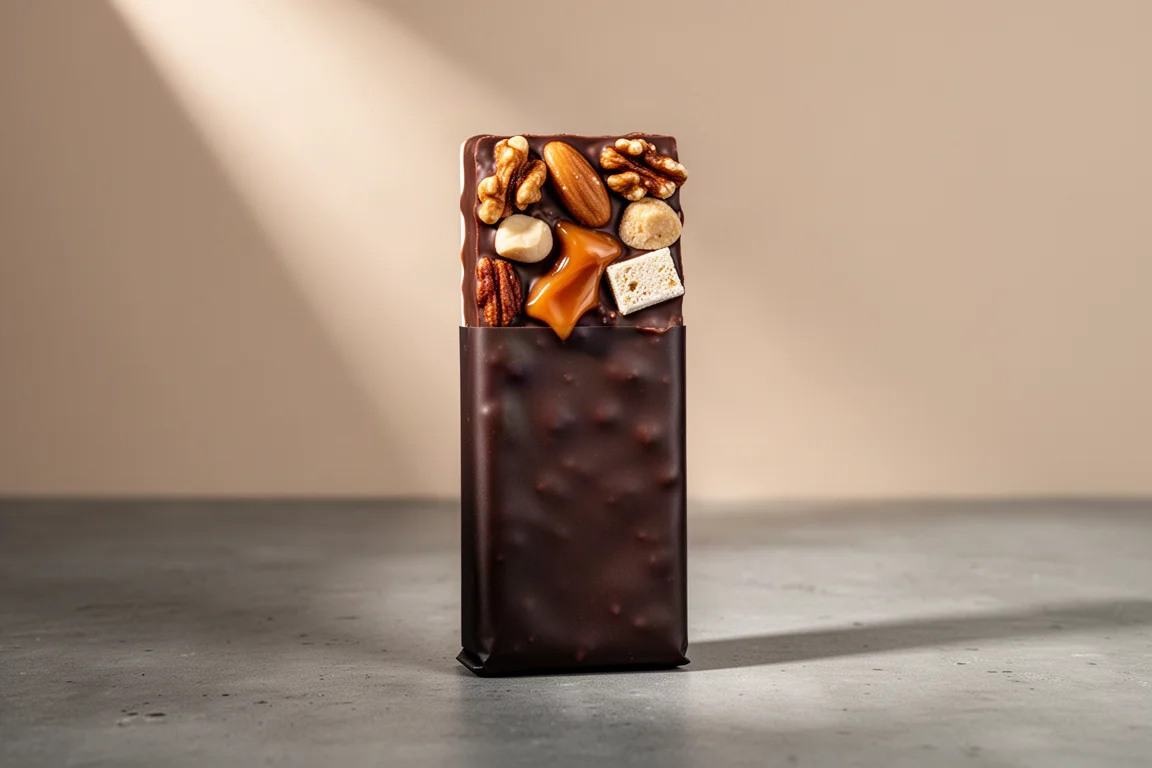
Boost has its own loyal following and can be a genuine pick-me-up when energy is flagging. Like the others, it melts in a warm pocket, so eating it soon after purchase is the smarter move on a hot day.
Pot Noodle: The Surprising Sodium Champion
This one is not obvious, but a Pot Noodle is a serious sodium delivery vehicle. A single pot contains around 900 milligrams of sodium, close to a full gram, which is roughly equivalent to two strong electrolyte tablets. It also packs about 70 grams of carbohydrates. On a hot day, with cramps coming on, a Pot Noodle paired with a bottle of water can pull a rider out of a hole.
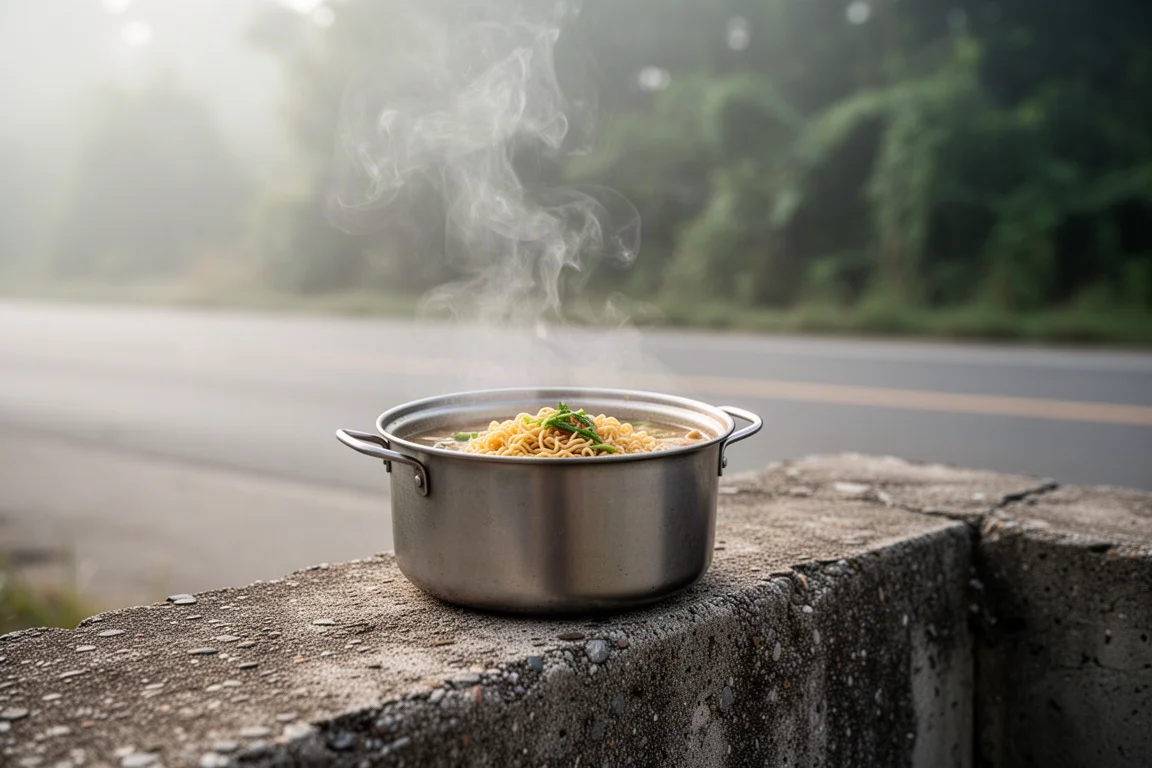
The limits are practical. It needs boiling water, it is not something that can be eaten while riding, and the packaging does not travel well in a jersey pocket. It is a stop-and-recover option rather than an on-the-move one. Used correctly at the right moment, though, it does a job that very few other shelf items can.
Hydration at the Petrol Station
Water is often the simplest answer, particularly when salty food is also on the menu. Many petrol stations will top up water bottles on request. Sports drinks sit in the middle ground. They are designed for the purpose, but they contain less sodium than many riders expect and are on the sweet side.
Milkshakes deserve a mention. They carry a reasonable amount of electrolytes and plenty of sugar, and they hydrate better than most riders assume. Anyone comfortable with lactose who fancies one should not feel it is off the table. Ice lollies are a genuine win on hot days, with 20 to 30 grams of carbs, plenty of fluid, and a cooling effect that helps drop core temperature.
What to Skip on the Shelves
Not everything on the shelf helps. Blocks of cheese hit the salty craving, but they are mostly fat, protein, and sodium, and they slow digestion and can sit heavily. Diet and low-calorie versions of familiar snacks are also a poor fit here. They are bulked out to feel filling while delivering less energy, which is the opposite of what is wanted mid-ride.
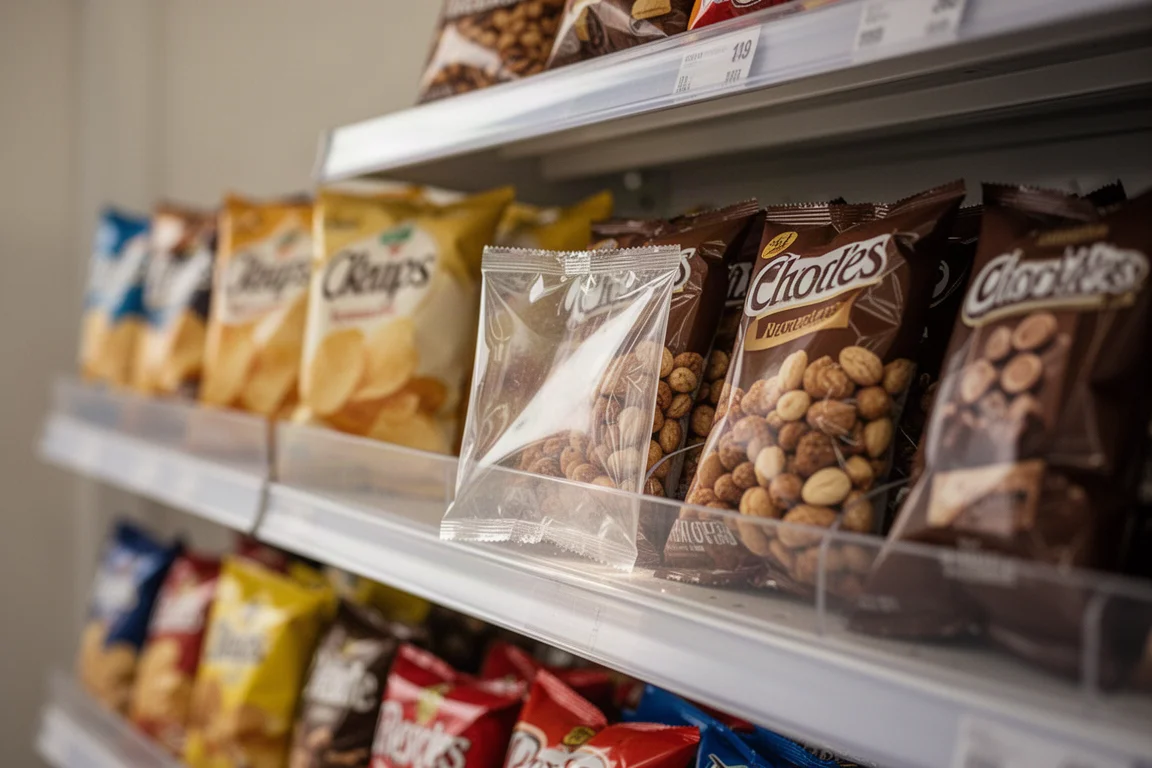
Salted nuts look like an ideal sodium source but are high in fat and less salty per bite than expected. Crisps have a similar problem on a smaller scale, with a small serving and plenty of oil. Pretzels are the better pick if salt is the goal in a shelf-stable snack. Everything in this section still has a place in survival mode, but the choices above simply do more work per mouthful.
Conclusion
A petrol station stop does not have to be a gamble. Work out whether the body needs carbs, fluids, or salt, then pick accordingly. Coca-Cola for a fast liquid carb hit, Haribo or jelly babies for portable carbs, a chocolate bar for morale, and a Pot Noodle if a serious sodium top-up is required. Pair those with water and the ride can carry on feeling far better than it did five minutes earlier.
Further reading
Related Reviews
Cycling Nutrition
Best Cycling Energy and Recovery Bars: A Rider's Roundup for Race Day and Recovery
A practical look at energy and recovery bars for cyclists, covering how they open, how they taste, and whether the nutrition matches the job it claims to do.
Cycling Nutrition
Best Cycling Energy Bars 2026: A Practical Guide to Fueling on the Bike
A practical guide to the best energy and recovery bars for cycling, evaluated on taste, opening ease, and sports science.
Cycling Nutrition
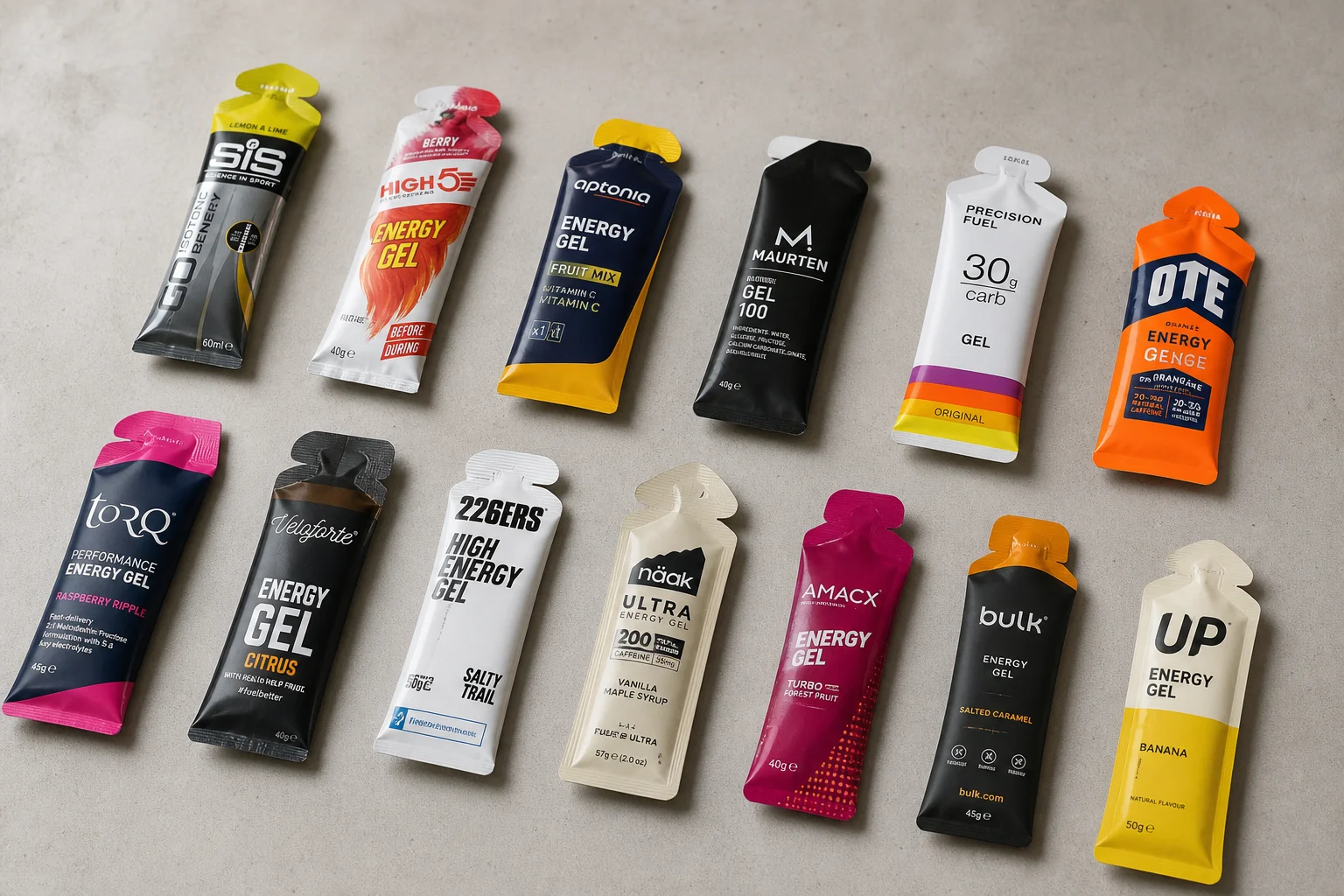
Best Energy Gels: Ten Options Ranked by Packaging, Taste, and Science
Ten widely available energy gels compared on how the packet opens, how the flavour holds up, and how the carbohydrate profile fits real fuelling targets.